Protein Powders For Anti Aging Benefits
(0 Results)
Protein powders for anti aging benefits could be a convenient addition to your daily routine, supporting your wellness goals as you look to maintain vitality at any age. With a variety of formulas and flavors available, these protein options may fit seamlessly into different lifestyles and dietary preferences. Explore how protein powders for anti aging benefits might help you fuel your body and support an active, balanced approach to healthy living.
-
-

-

-
-
-
-
-

-

-

-

-
-

-

-
-
-

-
-
 13$42.99
 -
-

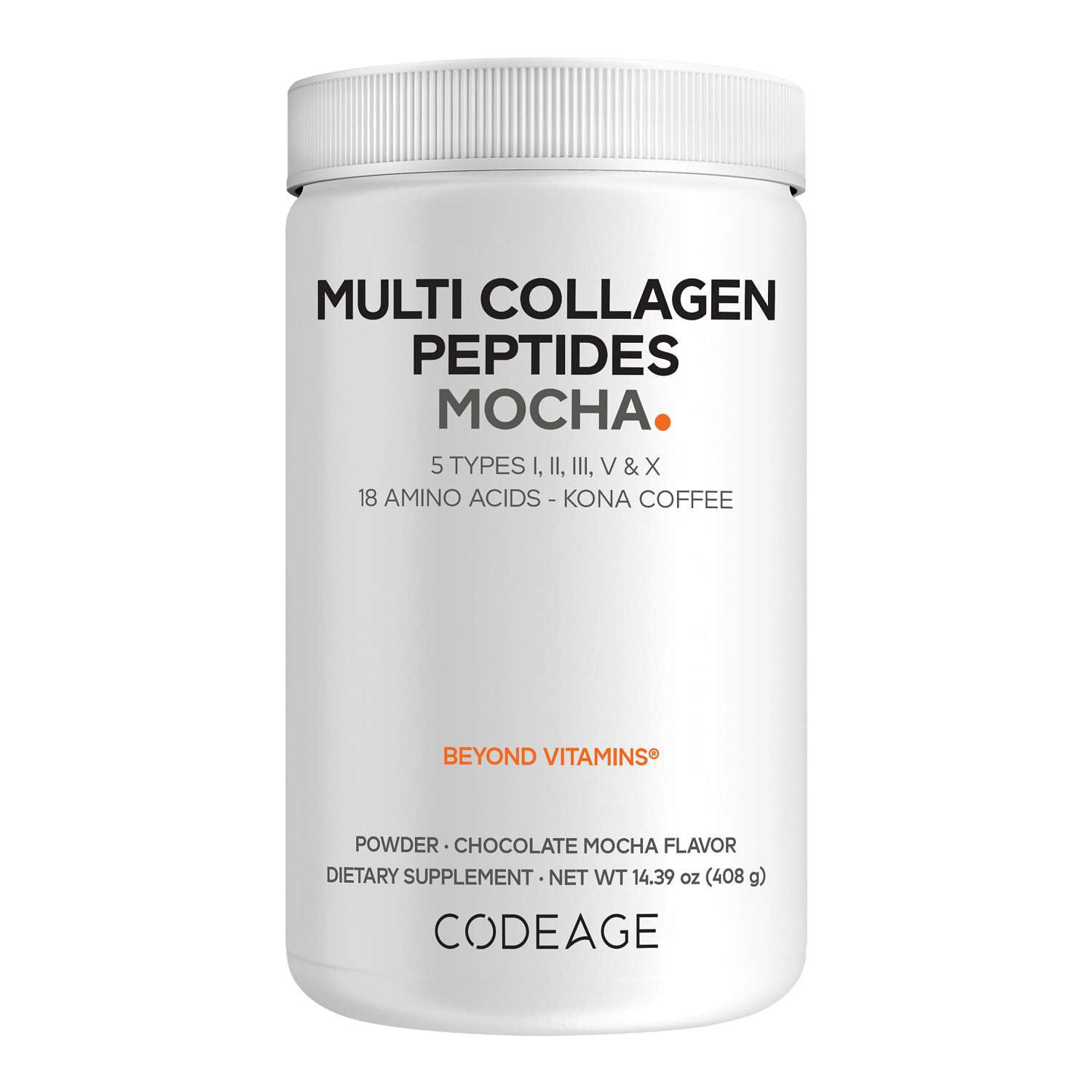

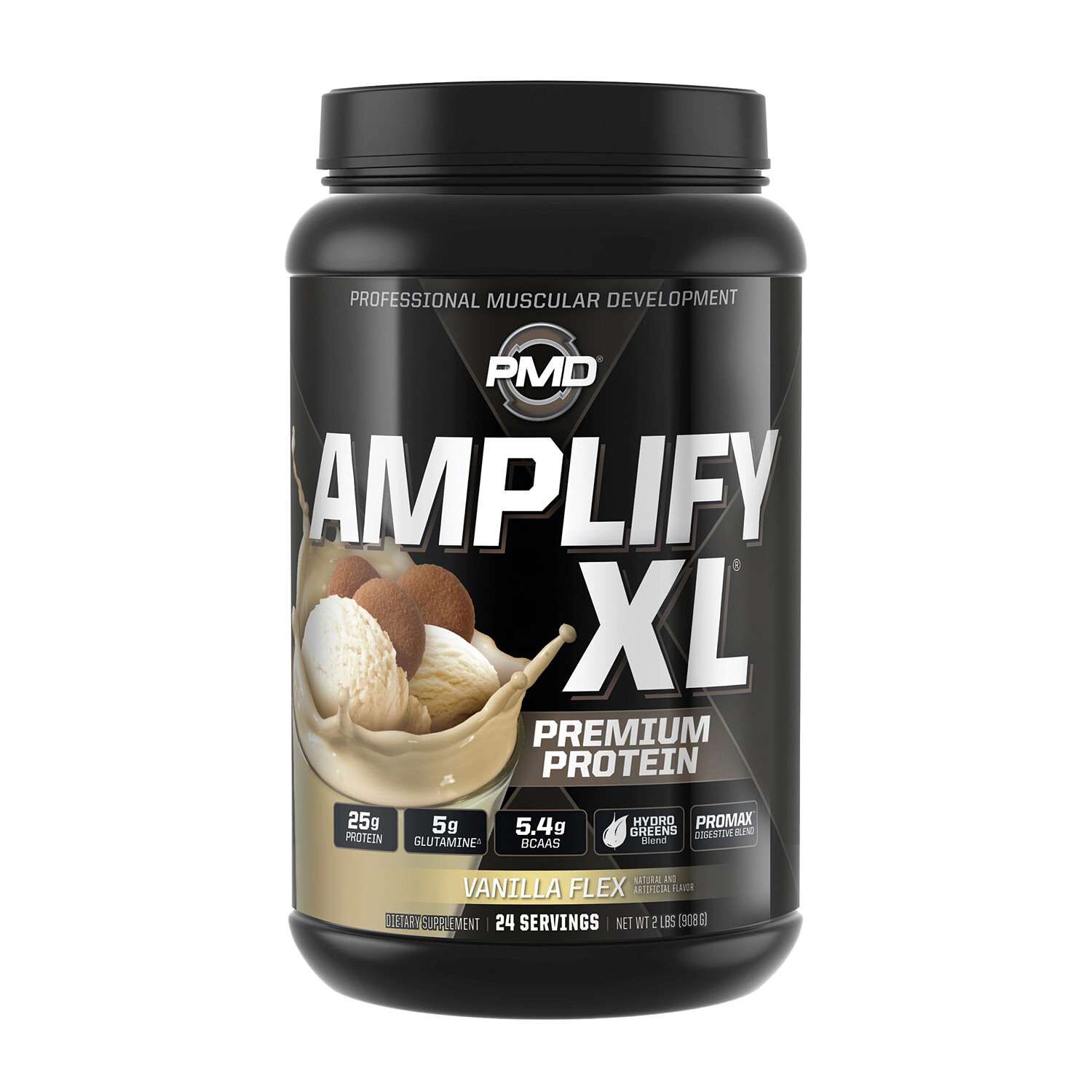
Interest in protein powders for anti-aging benefits often starts with a practical goal: making protein a more convenient part of everyday eating as schedules, preferences, and activity habits evolve. Protein provides amino acids, the building blocks of proteins found throughout the body, including muscle and skin. A protein powder may support muscle maintenance alongside regular physical activity and varied meals, making it relevant to adults who enjoy strength training, walking, recreational sports, or simply keeping an active routine. The most useful comparison begins with the protein source, grams of protein per serving, and ingredients that accompany it—not language about looking younger. Whey and casein are both milk-derived proteins, and both contain all nine amino acids the body cannot make on its own. Whey naturally contains leucine, an amino acid involved in muscle protein synthesis, and its amino acid profile may make it a suitable option for muscle-focused nutrition. Whey concentrate and whey isolate differ in how they are processed; isolate undergoes additional filtration and often contains less lactose than concentrate, although the ingredient statement remains important for anyone avoiding milk. Casein may digest more slowly than whey and often has a thicker texture when mixed, which can suit shoppers who prefer a creamy shake or a powder that blends into yogurt. These differences offer practical ways to match a powder to familiar eating habits rather than treating one protein source as the best choice for everyone. Someone heading to an early workout might prefer a shake mixed with water, while someone with a leisurely breakfast routine might choose a powder that works well in oatmeal. Serving size also deserves attention: a larger scoop does not necessarily contain more protein, because flavoring and other ingredients contribute to the powder’s weight. Comparing the stated serving size with the grams of protein per serving makes differences between formulas easier to understand. For adults interested in aging well, convenience and compatibility with everyday meals may matter more than an elaborate routine.
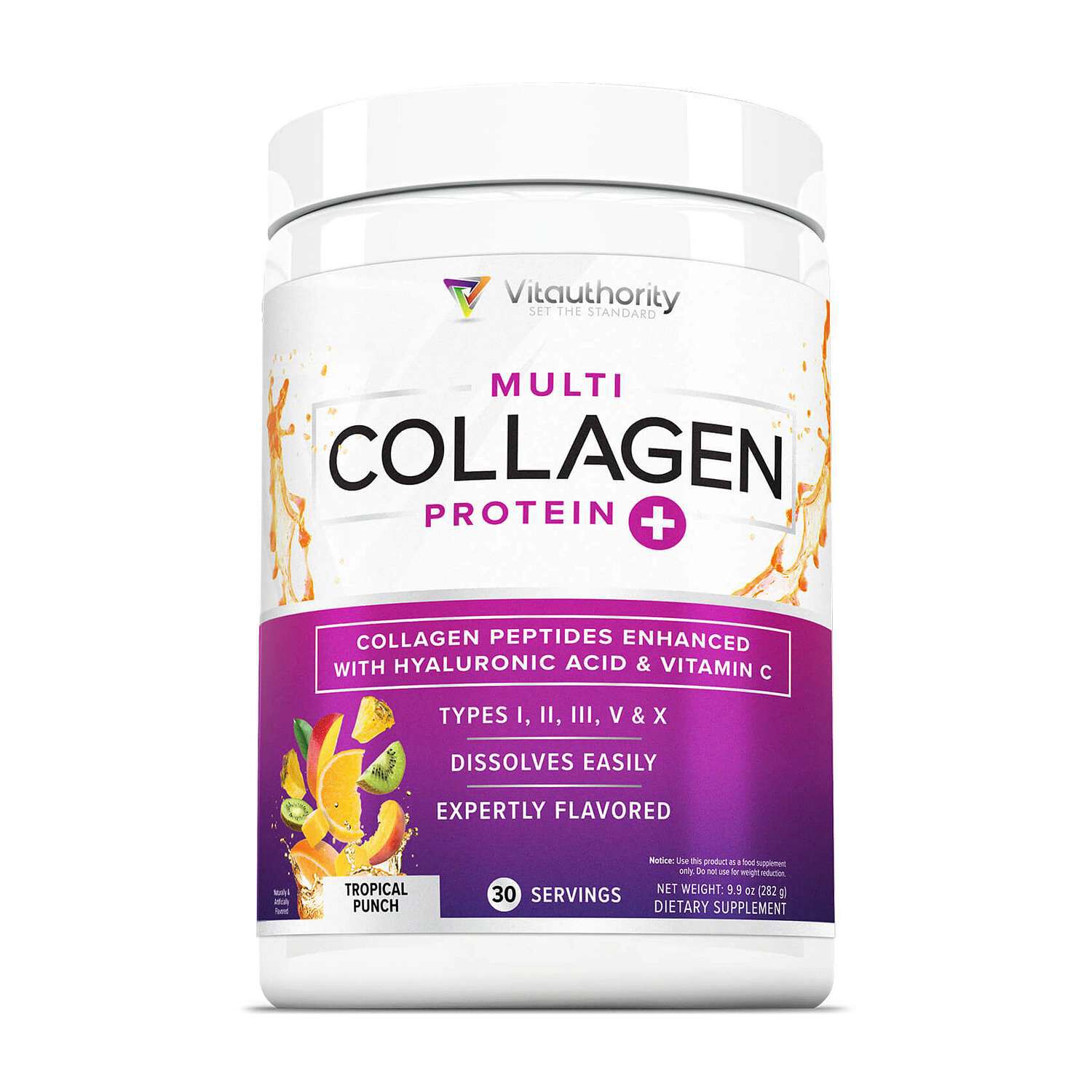
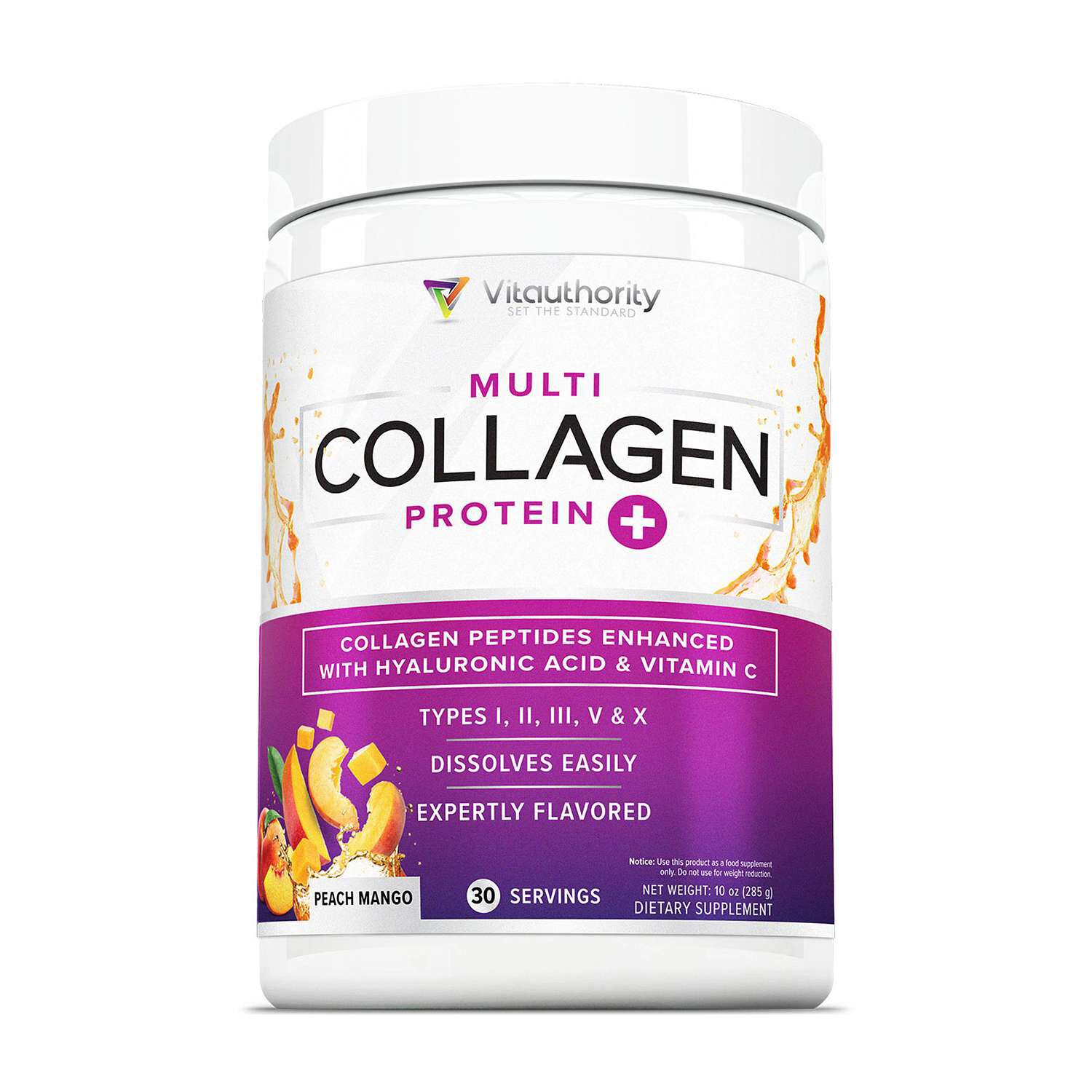
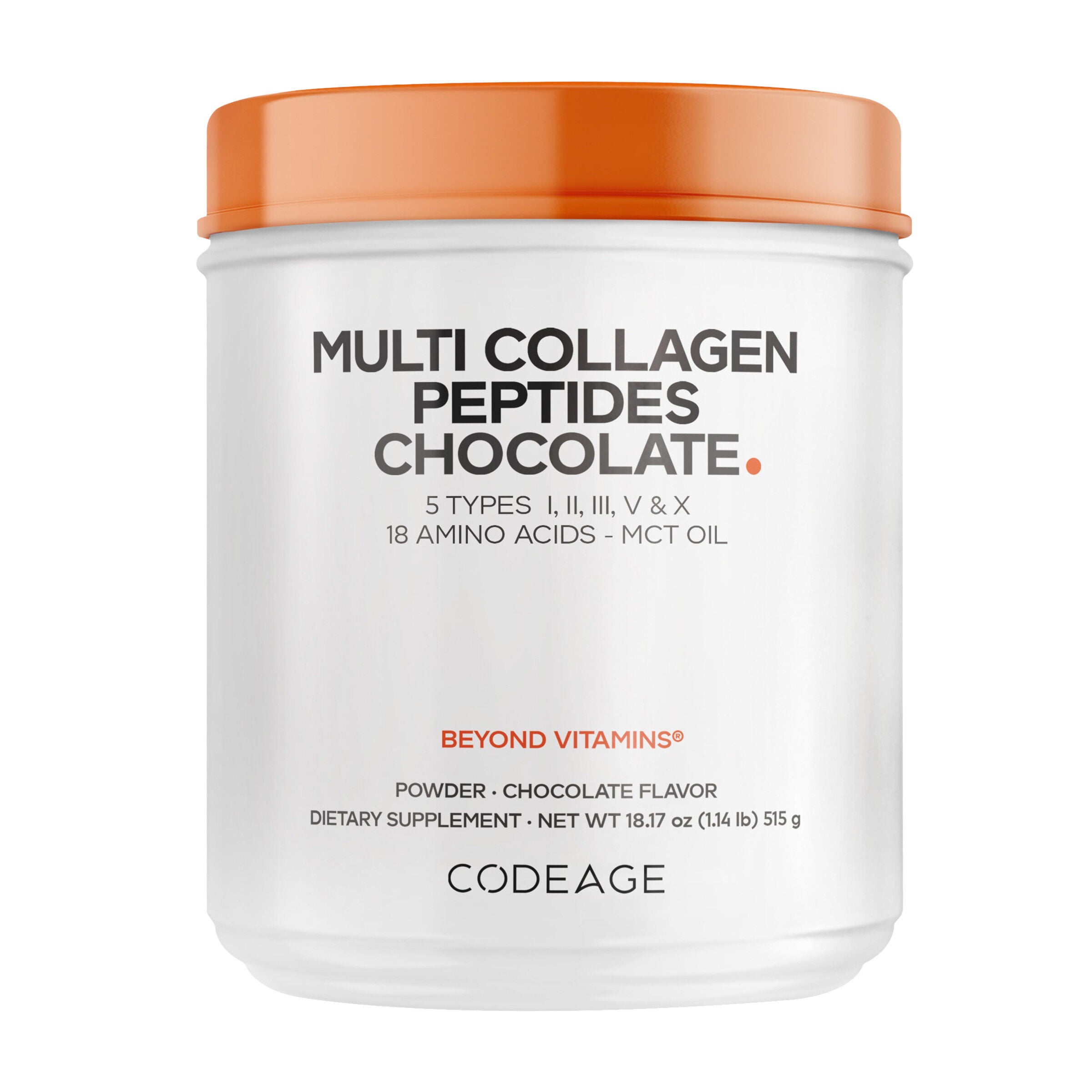
Plant-based protein powders offer another route for shoppers whose preferences center on vegetarian eating or avoiding dairy ingredients. Common sources include pea, brown rice, and soy, each with its own amino acid profile, flavor, and texture. Soy supplies all nine amino acids the body cannot produce, while pea-and-rice blends combine different protein sources in one formula. A blend may suit someone seeking variety in plant-based nutrition, but its name alone does not describe the amount of protein in a serving or the proportions of its ingredients. Pea-based powders often have an earthy flavor, while rice protein can have a more noticeable grainy texture; the finished experience also depends on processing, flavoring, and how the powder is mixed. Vanilla may fit naturally into a banana-and-oat smoothie, while chocolate can pair with a nut butter for a richer drink. Collagen peptides occupy a different place in this comparison. Typically sourced from bovine or marine ingredients, collagen powders have an amino acid profile distinct from whey, casein, and soy. Collagen lacks tryptophan, one of the nine amino acids the body cannot make, so it is not nutritionally interchangeable with those proteins. Collagen peptides may support skin hydration and elasticity, which makes them relevant to shoppers interested in skin-focused nutrition, but those potential cosmetic benefits should not be confused with reversing aging. Shoppers comparing these options can also explore Collagen Powders for Aging Skin for a closer look at this protein category. Hydrolyzed collagen has been processed into smaller peptides, and many formulas are designed for mixing into beverages or foods. Whether a powder is flavored or unflavored matters here: an unflavored formula may be less noticeable in coffee or oatmeal, while a sweetened version is usually better suited to a shake. Animal source, ingredient preferences, and intended use remain meaningful distinctions, especially for someone choosing between a muscle-focused shake and a skin-focused addition to an existing routine.
The everyday details of a protein powder often determine how comfortably it fits into a routine. Texture, sweetness, mixing method, and serving size all deserve as much attention as the protein source. A powder that tastes pleasant in milk may seem different in water, and a formula that blends smoothly with frozen fruit may feel thicker when stirred by hand. Cocoa, vanilla, fruit flavors, sugar, alternative sweeteners, and thickeners each influence the finished drink, so reading the ingredient list can help match a formula to familiar tastes. Someone who prefers lightly sweetened foods may favor a simpler flavor profile, while someone replacing a dessert-style smoothie ingredient might enjoy a richer chocolate option. Intended use also changes what counts as a good fit. A shaker bottle is practical for a quick drink after exercise, a blender accommodates fruit and oats, and a spoon-stirred serving calls for a powder with suitable mixing characteristics. Powders can also become ingredients in yogurt bowls, oatmeal, or other everyday foods, although flavor and consistency may change with the preparation. Following the package’s mixing directions provides a sensible starting point for texture without assuming every formula behaves the same way. Packaging and care matter, too. A secure lid or resealable pouch helps keep moisture out, and a clean, dry scoop helps preserve the powder’s condition. Storage away from direct sunlight and moisture, along with attention to the labeled best-by date, keeps care straightforward. For shared kitchens, the milk, soy, or other source information on the label is particularly useful when household members have different ingredient preferences. A powder chosen as a gift is most thoughtful when the recipient’s preferred protein source and flavors are already known. Across these considerations, protein powders for anti-aging benefits are best compared as practical nutrition products with distinct ingredients and uses. A familiar flavor, a suitable protein source, and an easy preparation method may make a powder a more consistent addition to everyday eating than a formula selected only for age-related wording.
Best Sellers
-
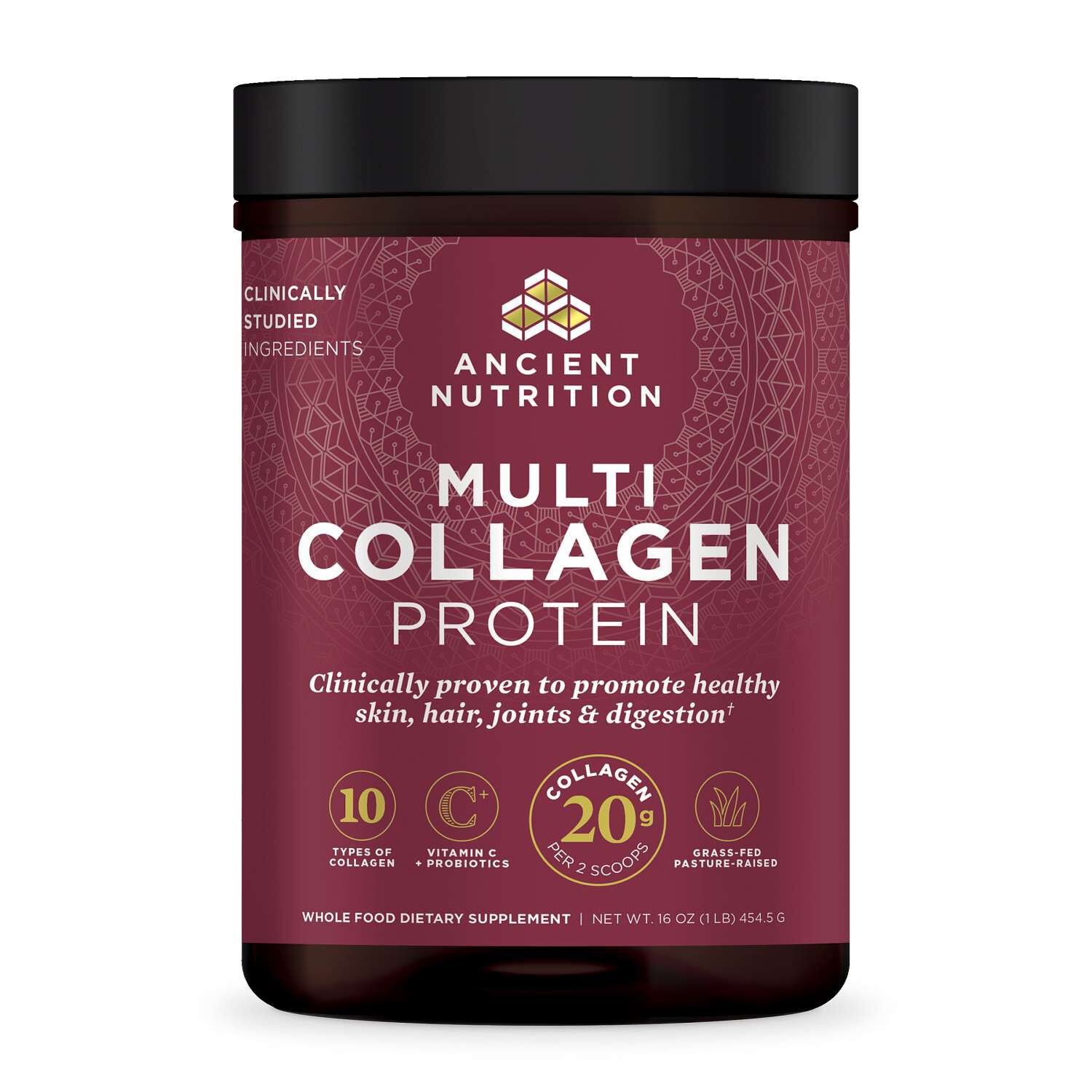
Ancient Nutrition
-
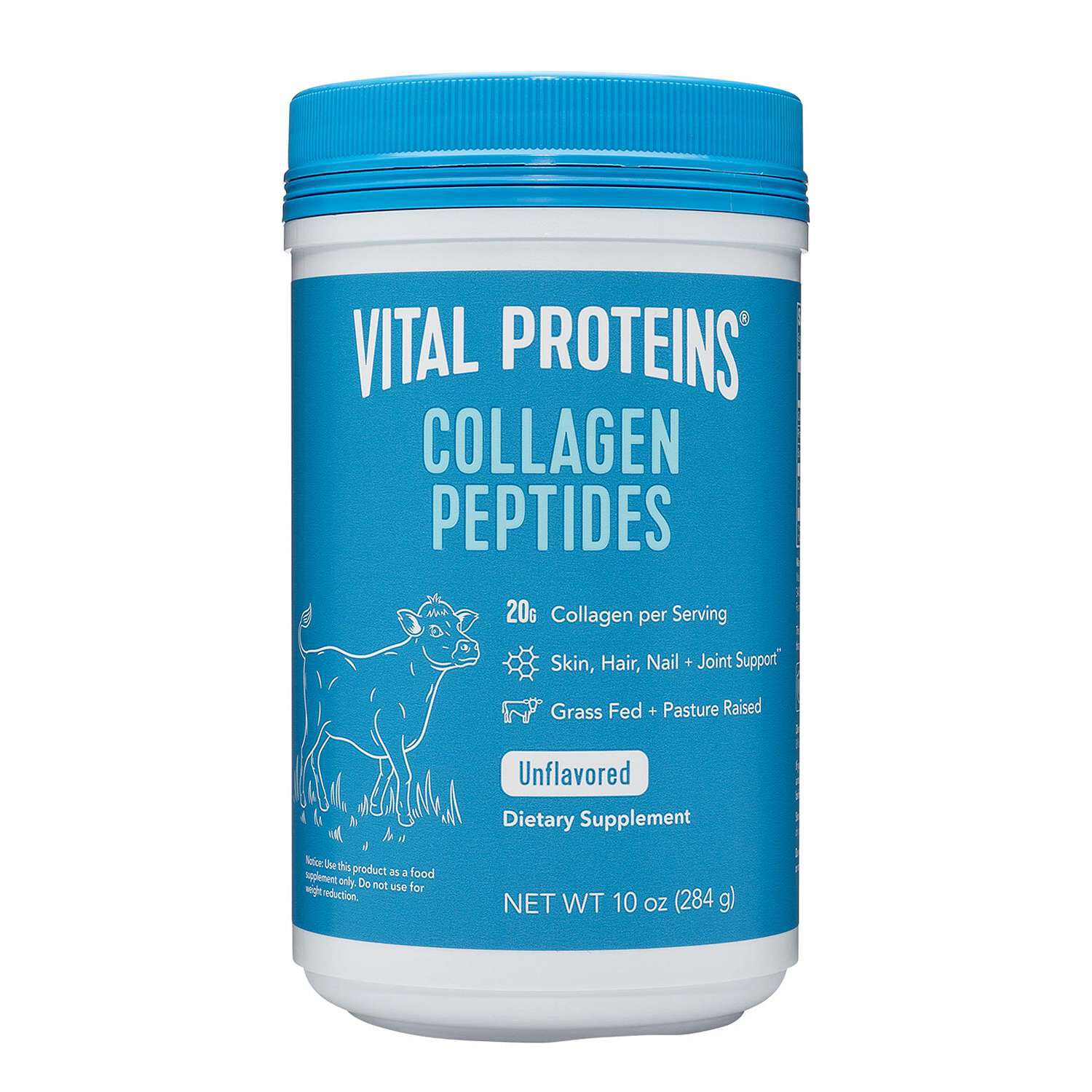
Vital Proteins