Protein Powders With Added Benefits
(0 Results)
Discover a world of nutritional possibilities with protein powders that offer more than just muscle support. Protein powders with added benefits may provide an array of extra advantages, catering to diverse wellness goals and lifestyle needs. Whether you're looking to potentially bolster your immune system or support digestive health, these innovative blends could be your new go-to in achieving a balanced and vibrant life. Explore how combining high-quality protein with additional nutrients might elevate your fitness journey and overall well-being.
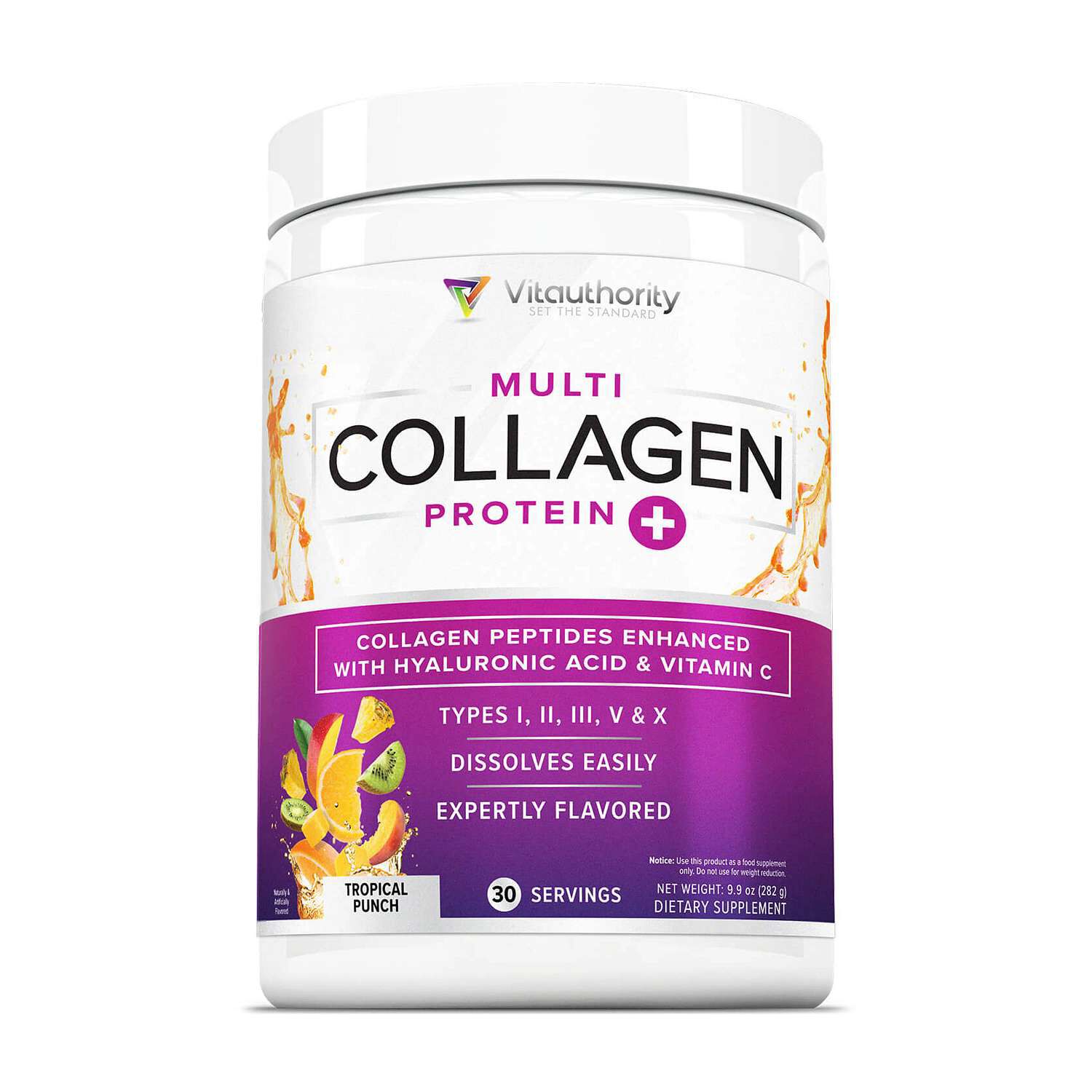

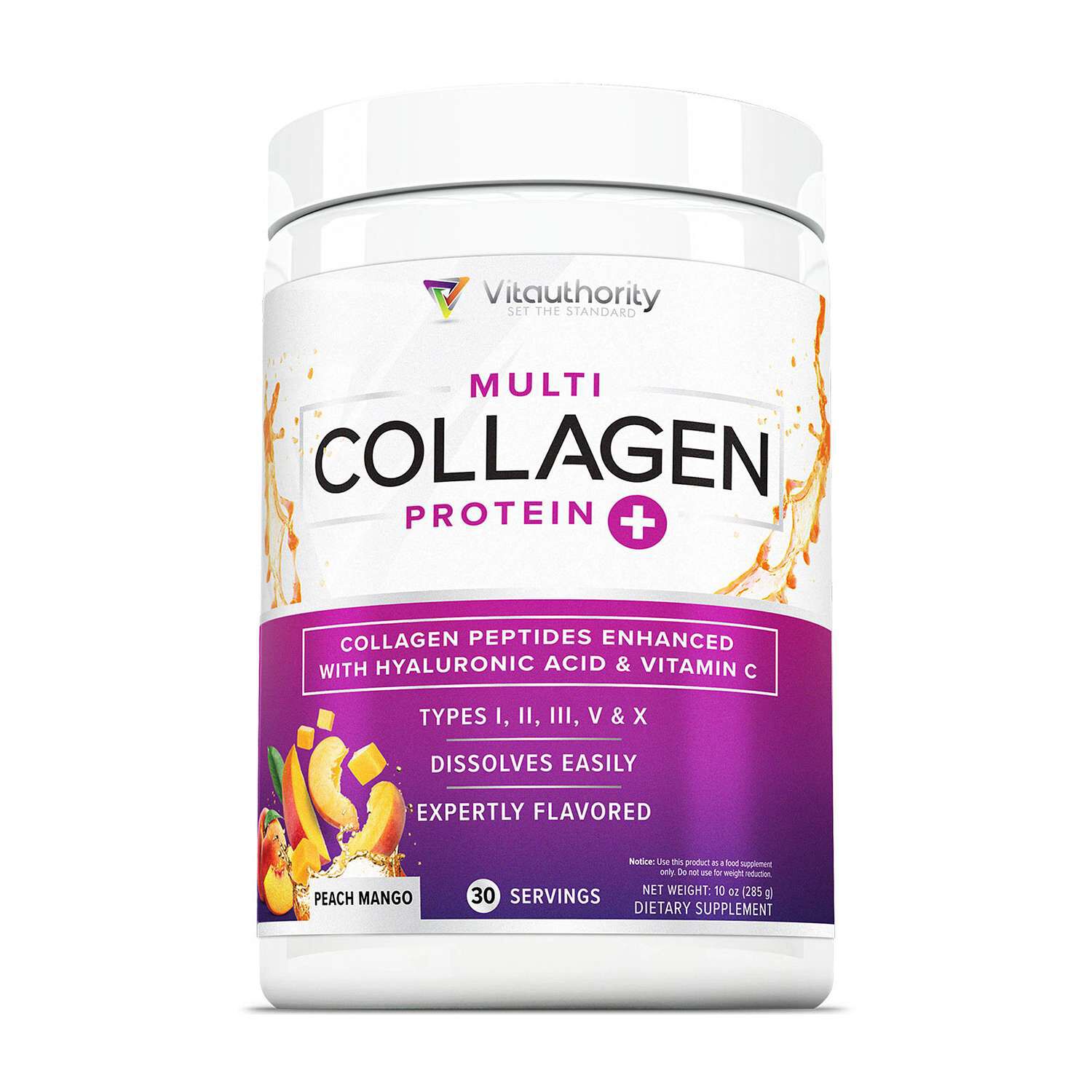


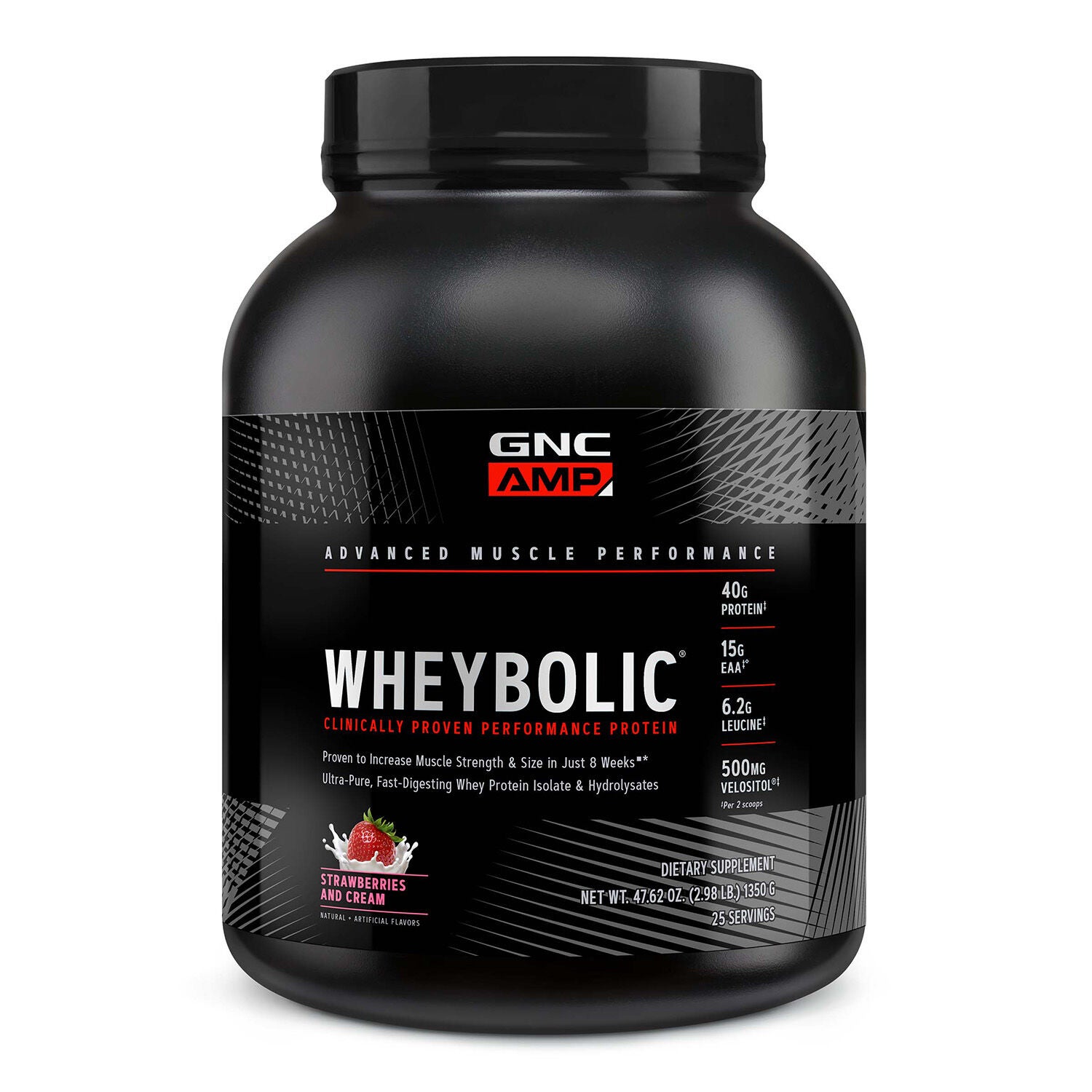
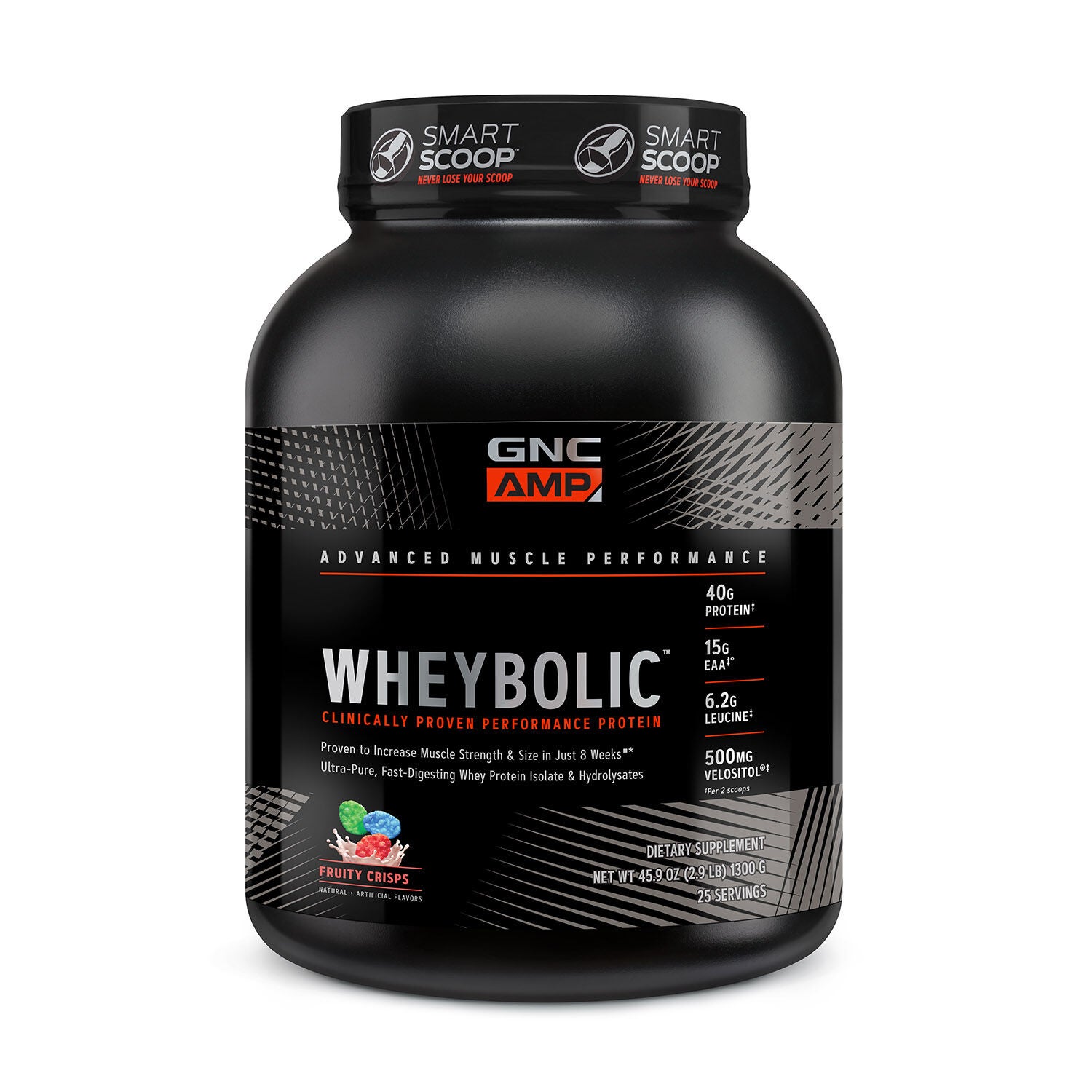


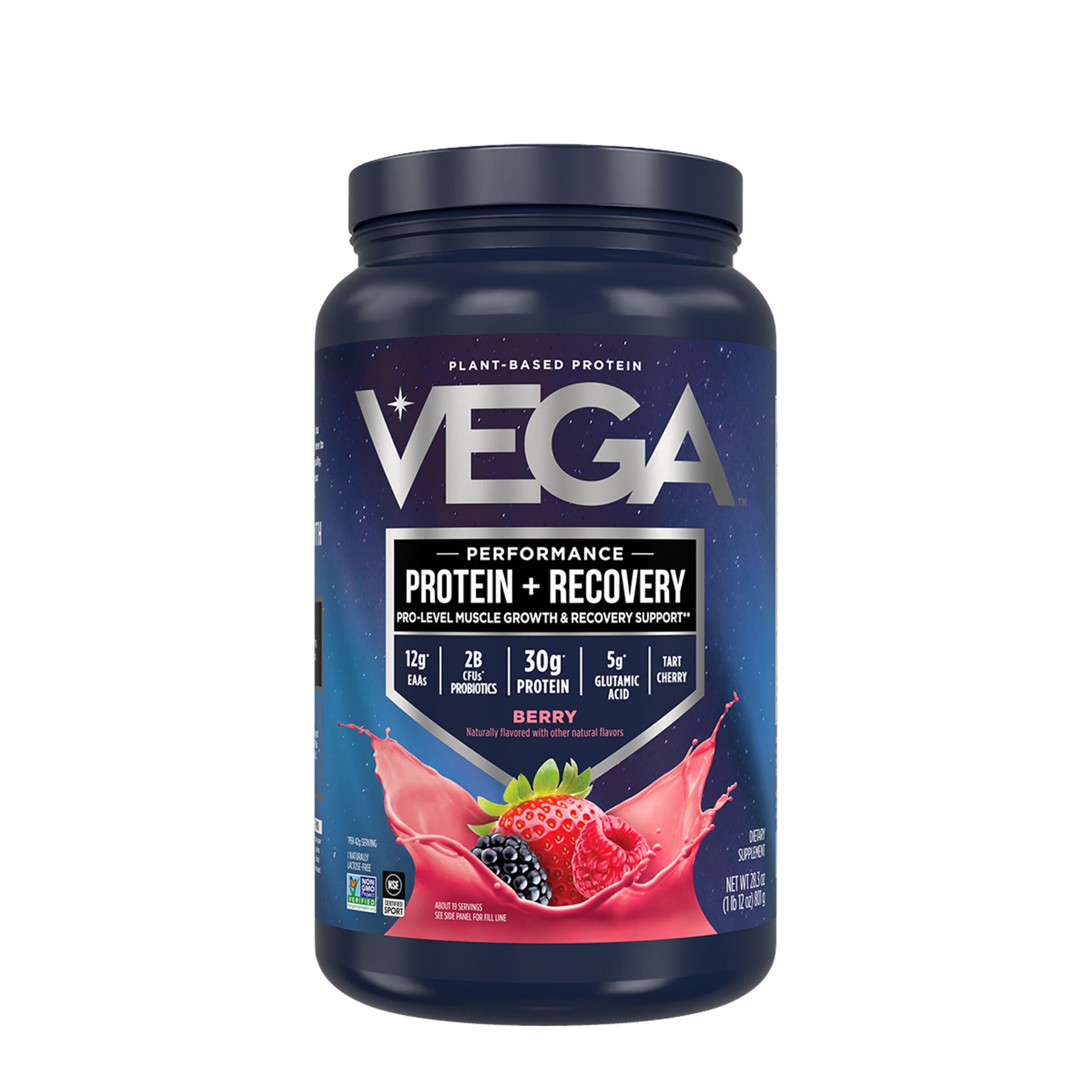
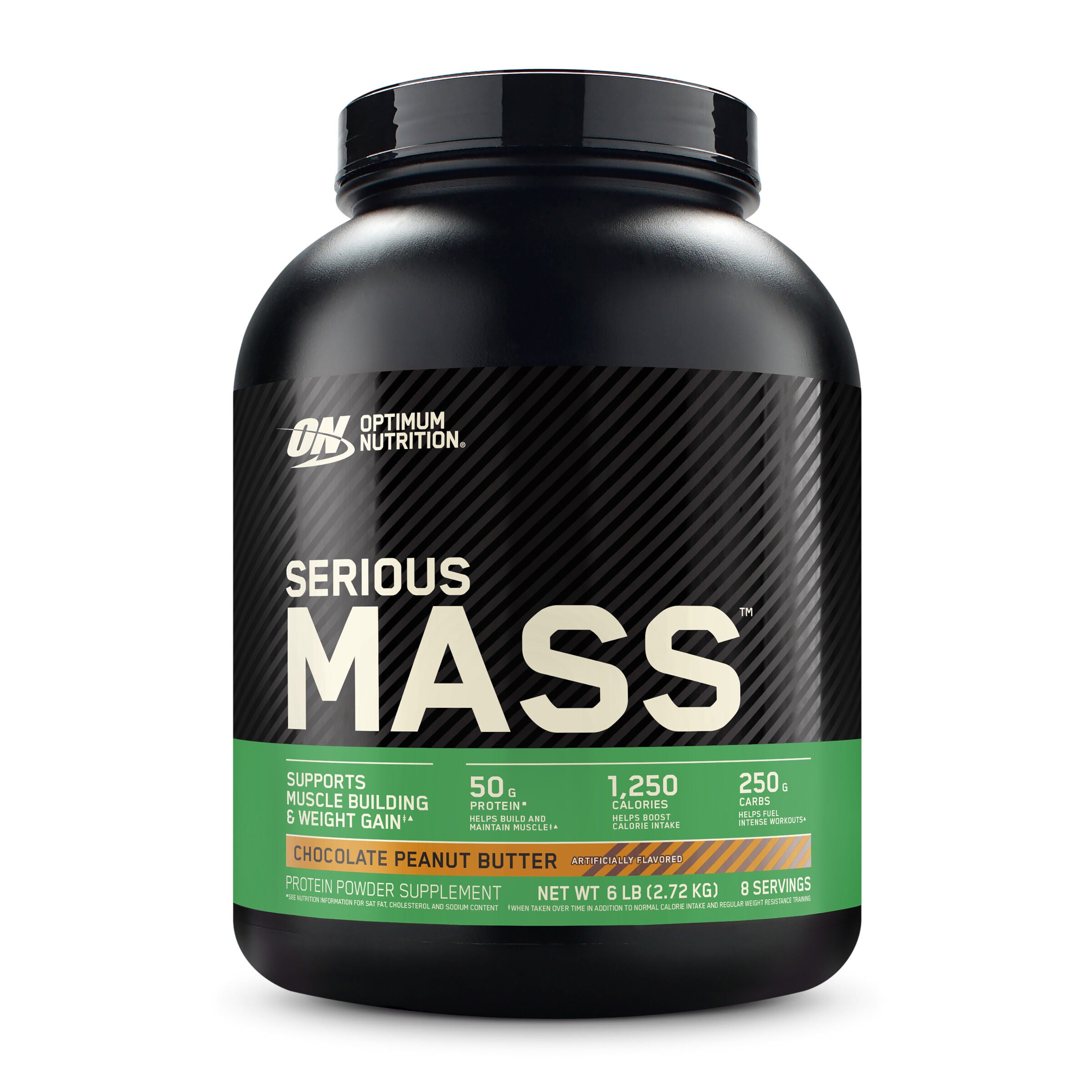

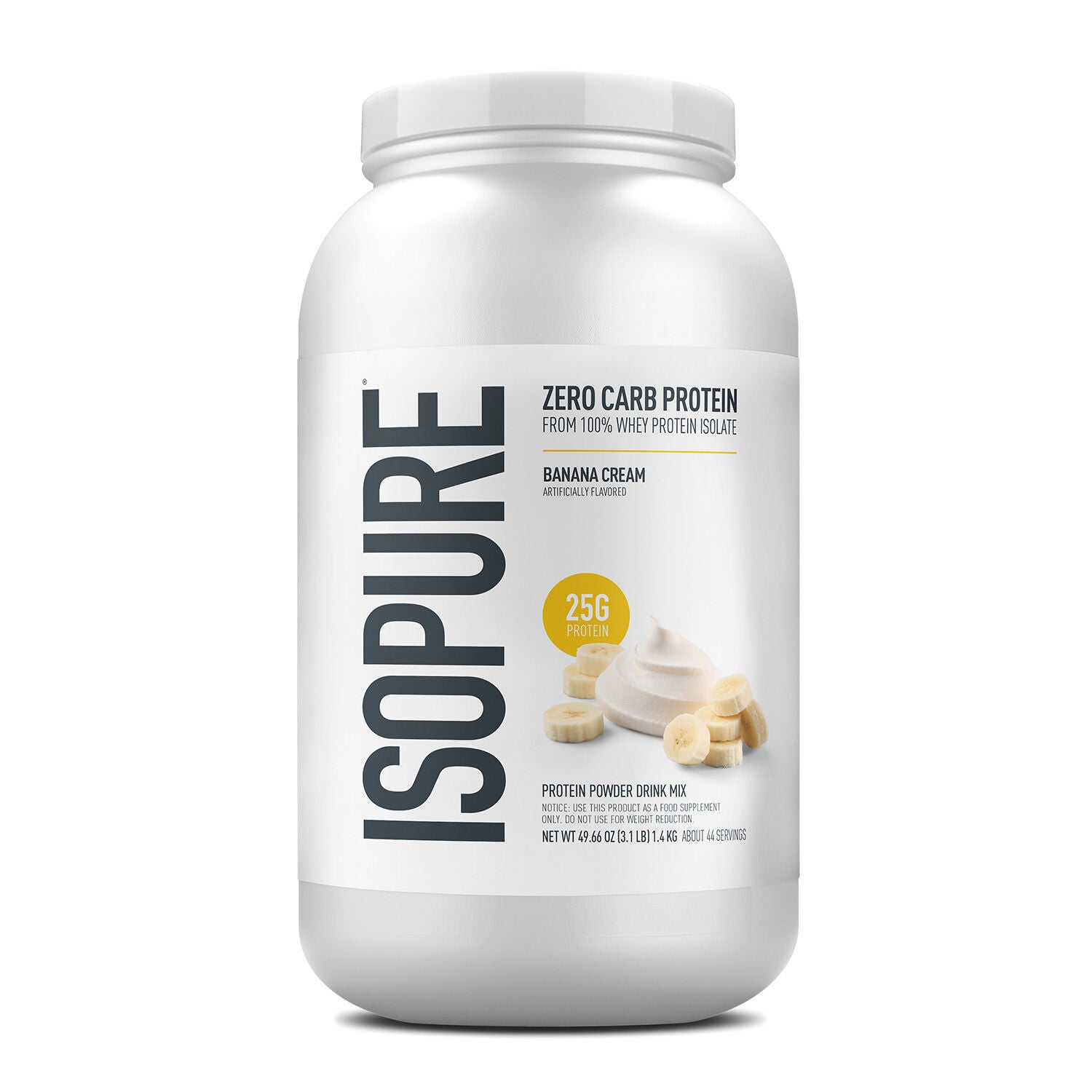
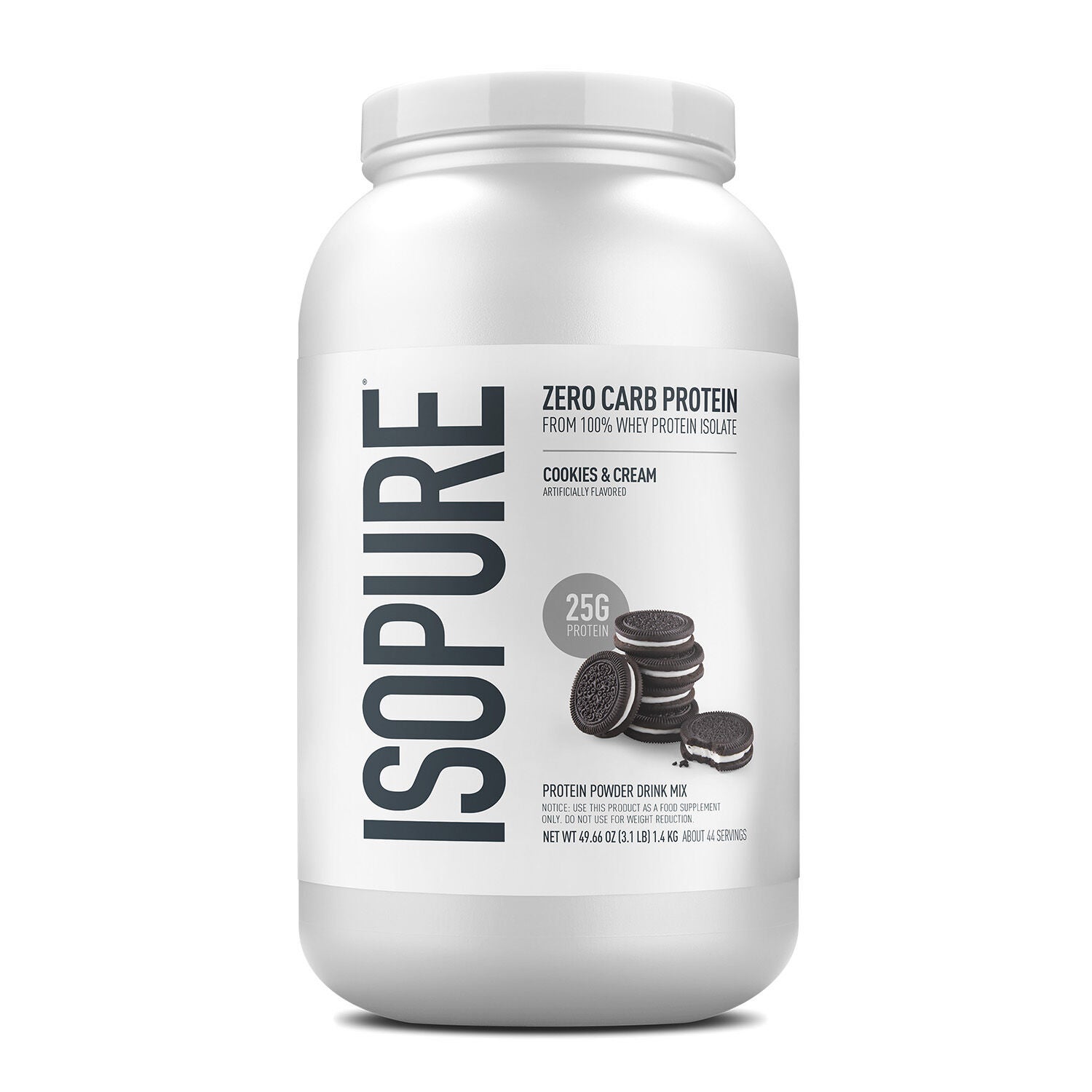
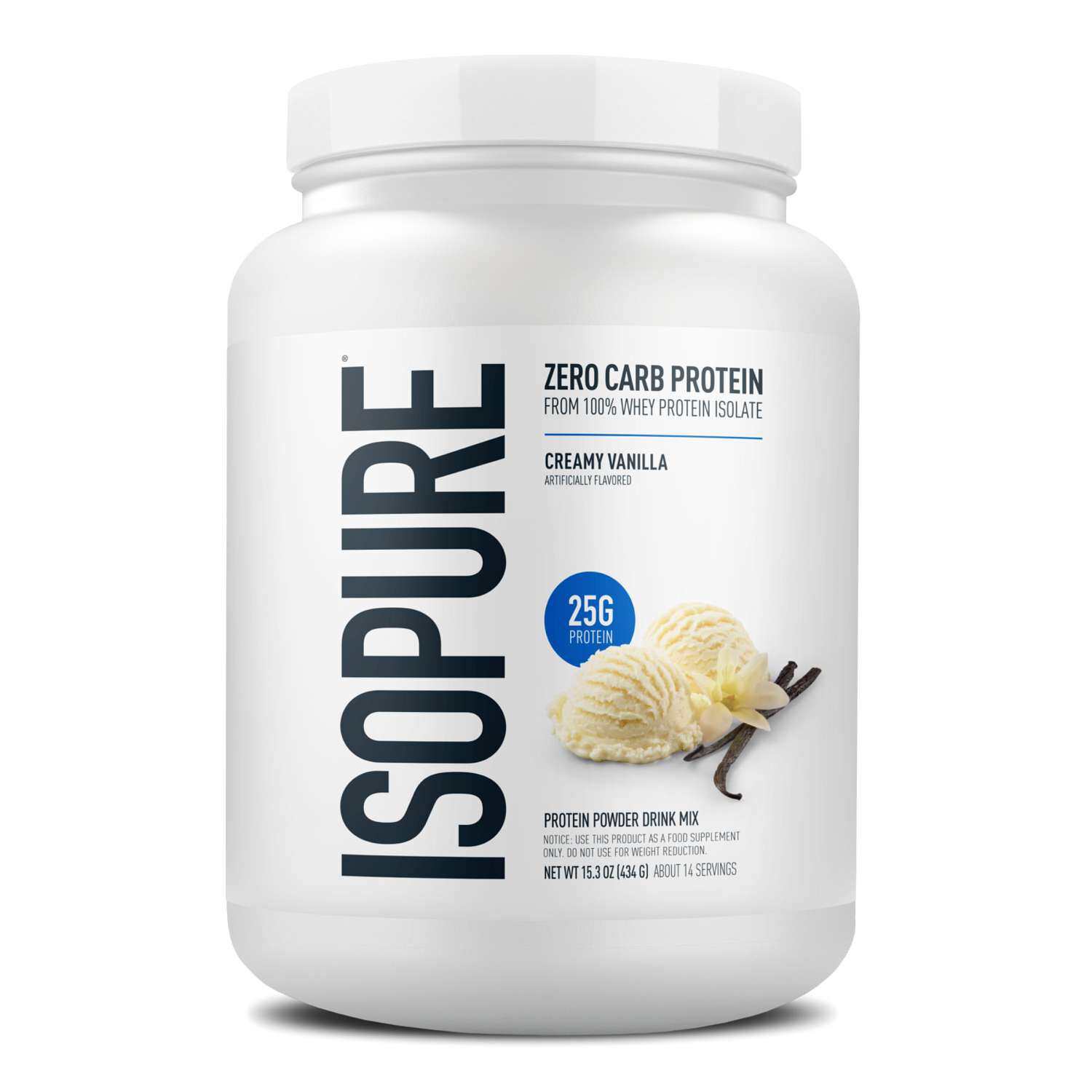

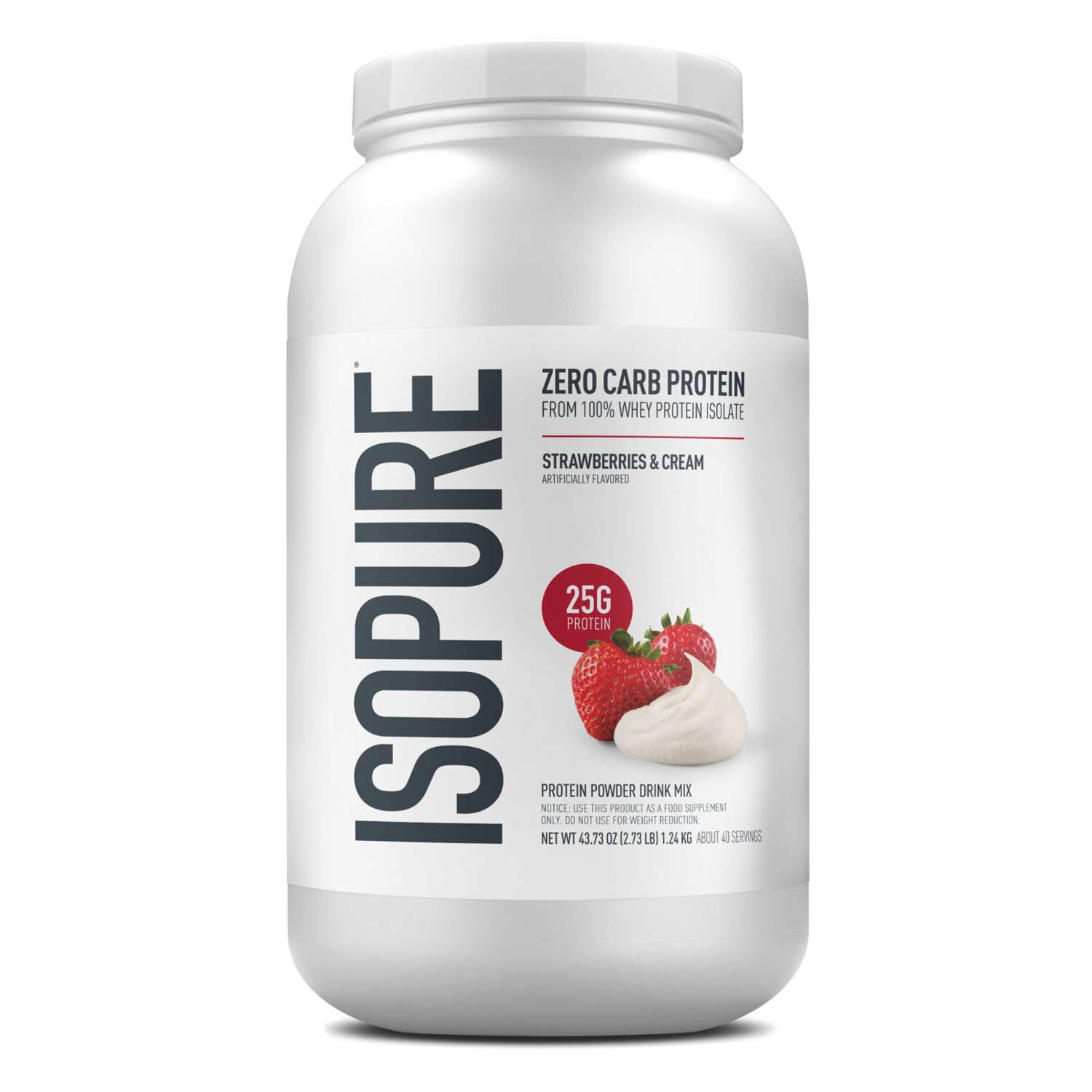
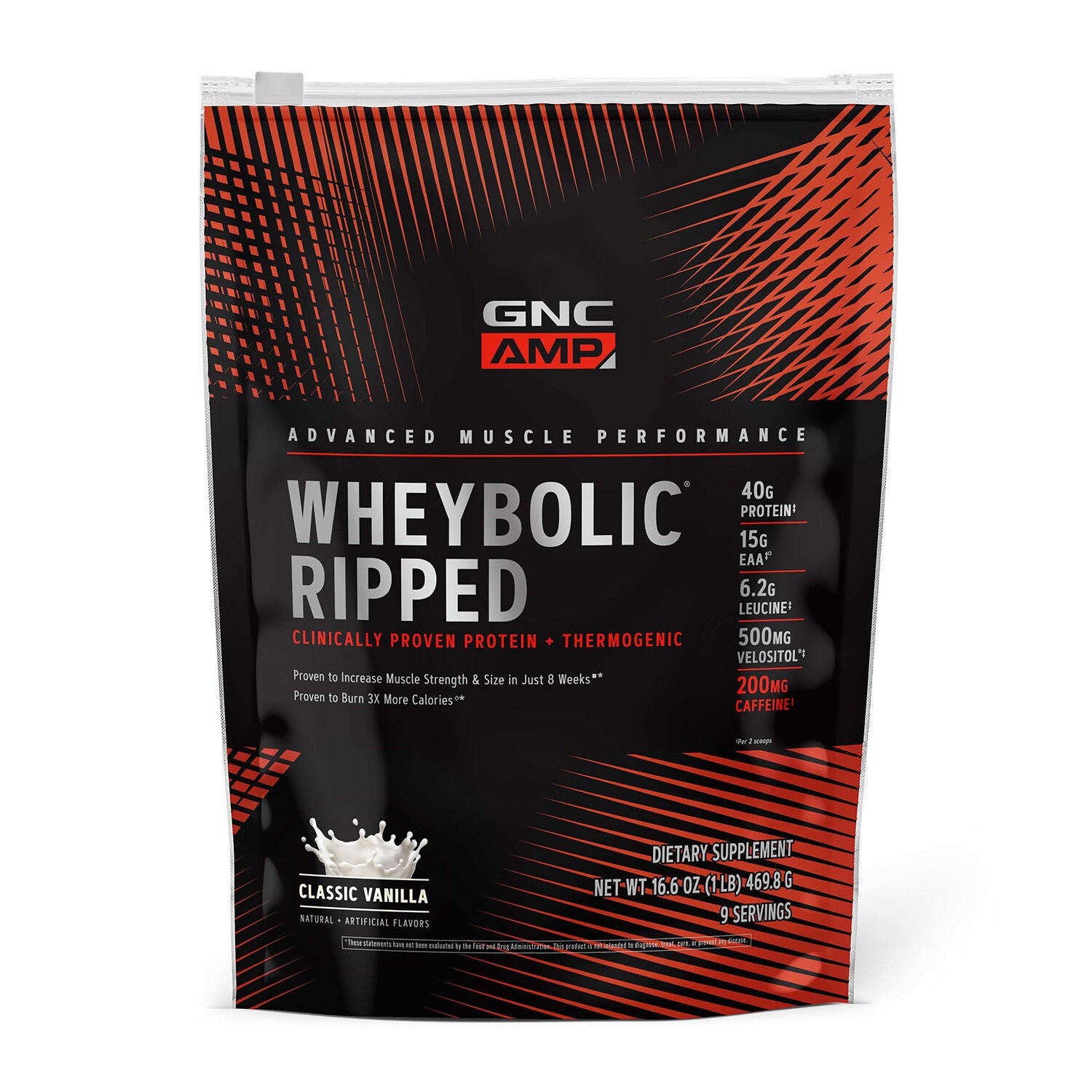


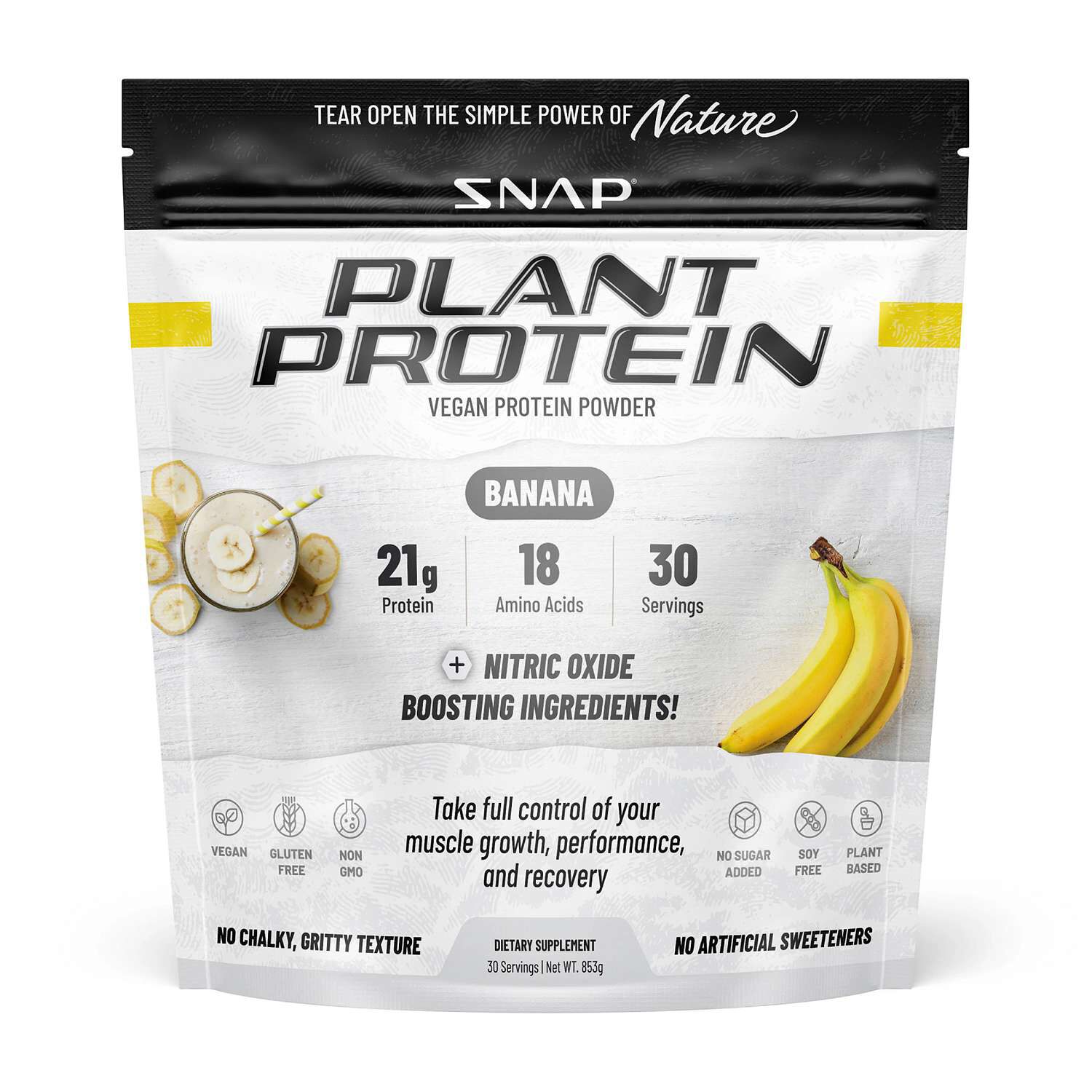
Protein powders with added benefits pair a protein base with other ingredients, such as dietary fiber, vitamins, minerals, collagen peptides, creatine, or probiotics. The category includes blends for workout routines, everyday nutrition, and shoppers who prefer several nutritional features in one powder. What distinguishes these formulas is not simply the number of ingredients on the label, but the combination of protein source, serving size, added nutrients, and intended use. A powder with added fiber has a different nutritional profile from a protein and creatine blend, while a formula with vitamins and minerals offers another approach to daily nutrition. Whey, casein, soy, pea, and rice are among the protein sources used in these blends, sometimes individually and sometimes together. Whey and casein come from milk, while plant-based formulas may combine pea and rice proteins or use soy as their primary source. Collagen can appear alongside another protein source, so a collagen-containing blend is not necessarily interchangeable with a powder based only on whey or soy. Protein sources differ in their amino acid profiles, and the amount of protein per serving remains an important distinction even when the front label highlights additional ingredients. For someone who enjoys a shake after lifting weights, a blend containing creatine might fit an existing training routine. For someone adding protein to breakfast, a powder with fiber or added micronutrients might be a closer match. Neither approach makes one formula universally preferable; the fit depends on the rest of the person’s food choices, preferred ingredients, and way of using the powder. The most relevant added benefits are those that correspond to a practical preference rather than a longer ingredient list. A straightforward protein base with one clearly identified addition can be just as relevant to this category as a more elaborate blend. Familiar flavors, a manageable serving size, and transparent labeling also belong in that comparison, especially for a powder intended to become part of an ordinary daily routine.
The additional ingredients in these powders vary considerably, making the nutrition panel and ingredient list useful points of comparison. Fiber-containing blends can include ingredients such as inulin or soluble corn fiber, with the amount per serving shown on the label. Vitamin and mineral blends differ in both the nutrients included and their quantities, while formulas containing creatine may identify a specific form, such as creatine monohydrate. Probiotic formulas may list named strains and quantities, along with storage directions particular to the product. Collagen blends can identify their animal source, an important detail for shoppers with vegetarian preferences or ingredient restrictions. Other formulas include fruit powders, cocoa, greens, or botanical ingredients. Their presence alone does not establish a particular outcome, and a familiar ingredient name does not reveal how much is included. Descriptions such as “blend” also deserve context: some labels disclose individual ingredient amounts, while others give a combined amount for several ingredients. Serving sizes matter here because one scoop is not a standard measurement across protein powders. Two formulas with similar package descriptions can have different scoop weights, protein amounts, carbohydrate content, and preparation directions. Sweeteners, added sugars, sodium, and fat contribute to the overall nutritional picture, too. A powder mixed with water has a different profile from the same serving blended with milk, oats, and nut butter. Likewise, a protein powder is not automatically a meal replacement simply because it contains added vitamins or fiber; its labeled purpose and nutritional composition remain relevant. Dairy ingredients, soy, and other declared allergens are additional considerations, including for plant-based blends made in facilities that handle other ingredients. Certifications can provide information about particular dietary attributes or testing standards, but each certification has its own scope. For adults comparing powders for a shared household, these details often matter as much as flavor: the formula that suits one person’s post-workout shake may not match another person’s breakfast preferences or dietary requirements.
Taste, texture, and preparation help determine how a protein powder with added benefits might fit into everyday life. Someone mixing a shake in a gym locker room has a different use in mind from someone blending a thick breakfast smoothie at home. A shaker bottle offers a simple format for powder and liquid, while a countertop blender accommodates additions such as banana, oats, yogurt, or nut butter. Different protein sources and added ingredients may produce different textures; fiber-containing blends might become thicker after mixing, and some plant-based powders may have a more noticeable graininess than milk-based options. Cocoa, vanilla, fruit flavors, and unflavored formats also create different possibilities for pairing with food. Chocolate may suit a smoothie with banana and peanut butter, while vanilla might work with berries or stirred into yogurt. An unflavored powder is another option for shoppers who prefer to choose the sweetness and flavor of the finished mixture. Package directions provide the intended powder-to-liquid ratio, with texture also depending on the liquid and preparation method. Powders used in oatmeal or baking bring another consideration: added sweeteners, thickeners, and protein sources may affect the consistency of the finished dish, so a recipe written for protein powder offers more context than a direct swap for flour. Beyond preparation, package size, closure style, and storage instructions matter for repeated use. A tightly closed container, a dry scoop, and storage according to the label are practical details for a powder kept in a kitchen cabinet or carried between home and work. Date markings and any special handling directions remain relevant, particularly for formulas with additional ingredients that have specific storage requirements. Shoppers interested in a related selection can also explore Protein Powders For Anti Aging Benefits, comparing the stated ingredients and intended uses rather than assuming a particular result from the category name. Across these options, the appeal is a protein powder that brings together a suitable nutritional profile, thoughtfully chosen additions, and a preparation style that fits the person using it.