

Protein Powder With BCAAs
(0 Results)
Fuel your fitness journey with protein powder that may offer a powerful blend of essential nutrients and branched-chain amino acids, or BCAAs. These dynamic supplements could be the key to supporting muscle recovery, enhancing endurance, and promoting overall wellness. Whether you're looking to build muscle mass, boost energy levels, or simply maintain a balanced diet, protein powders with BCAAs might provide the support you need. Explore a variety of flavors and formulations that cater to different dietary preferences and fitness goals, helping you stay on track and achieve optimal results.
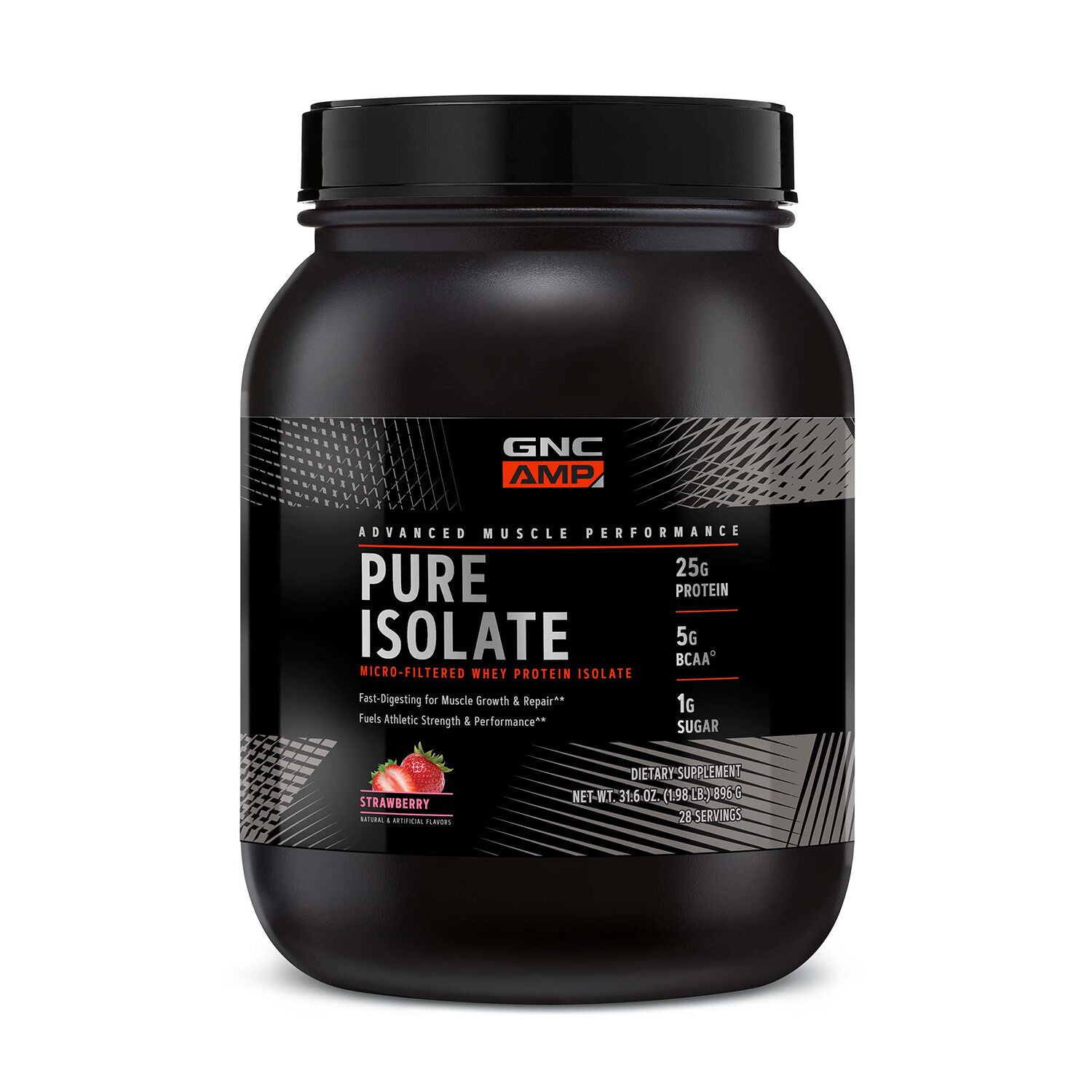
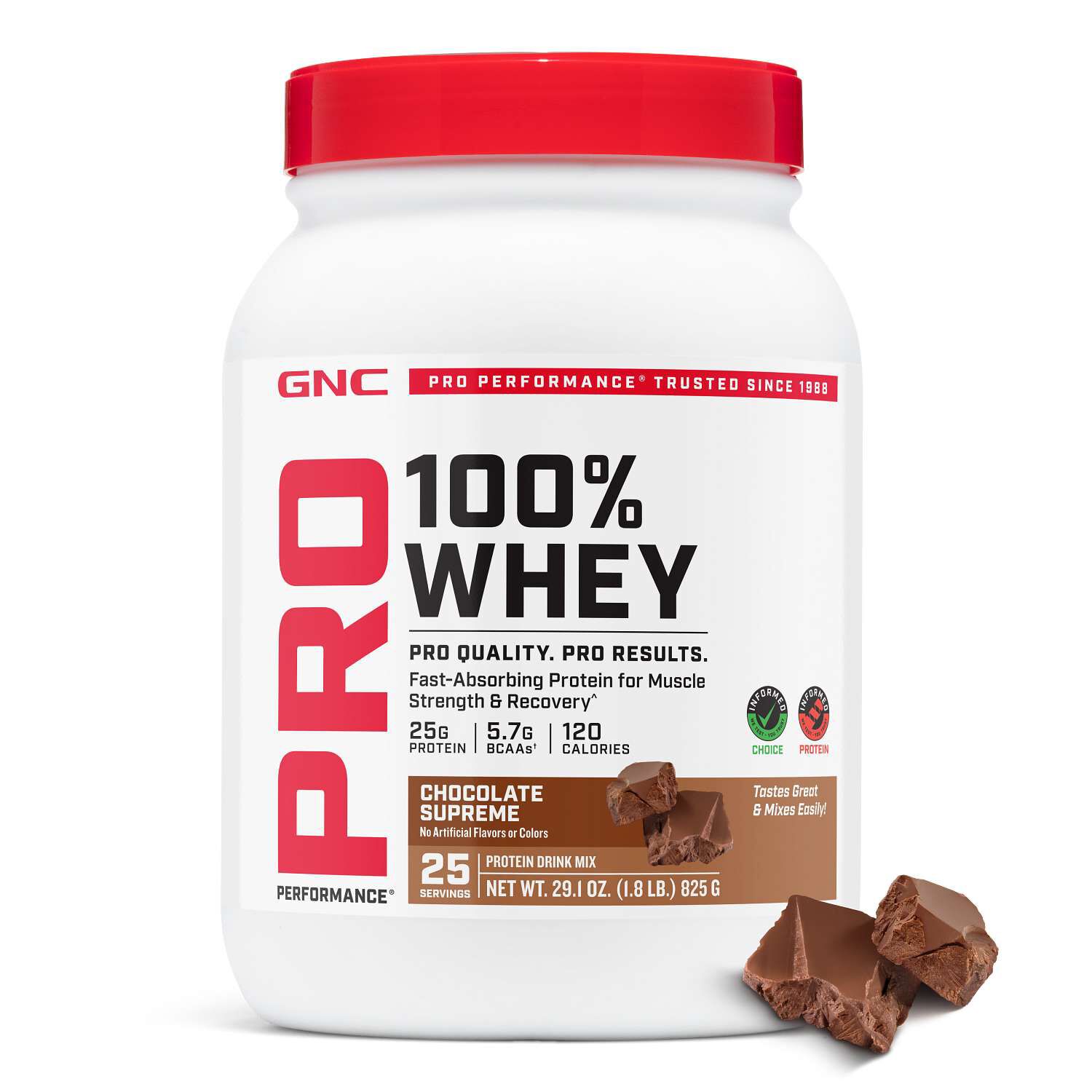

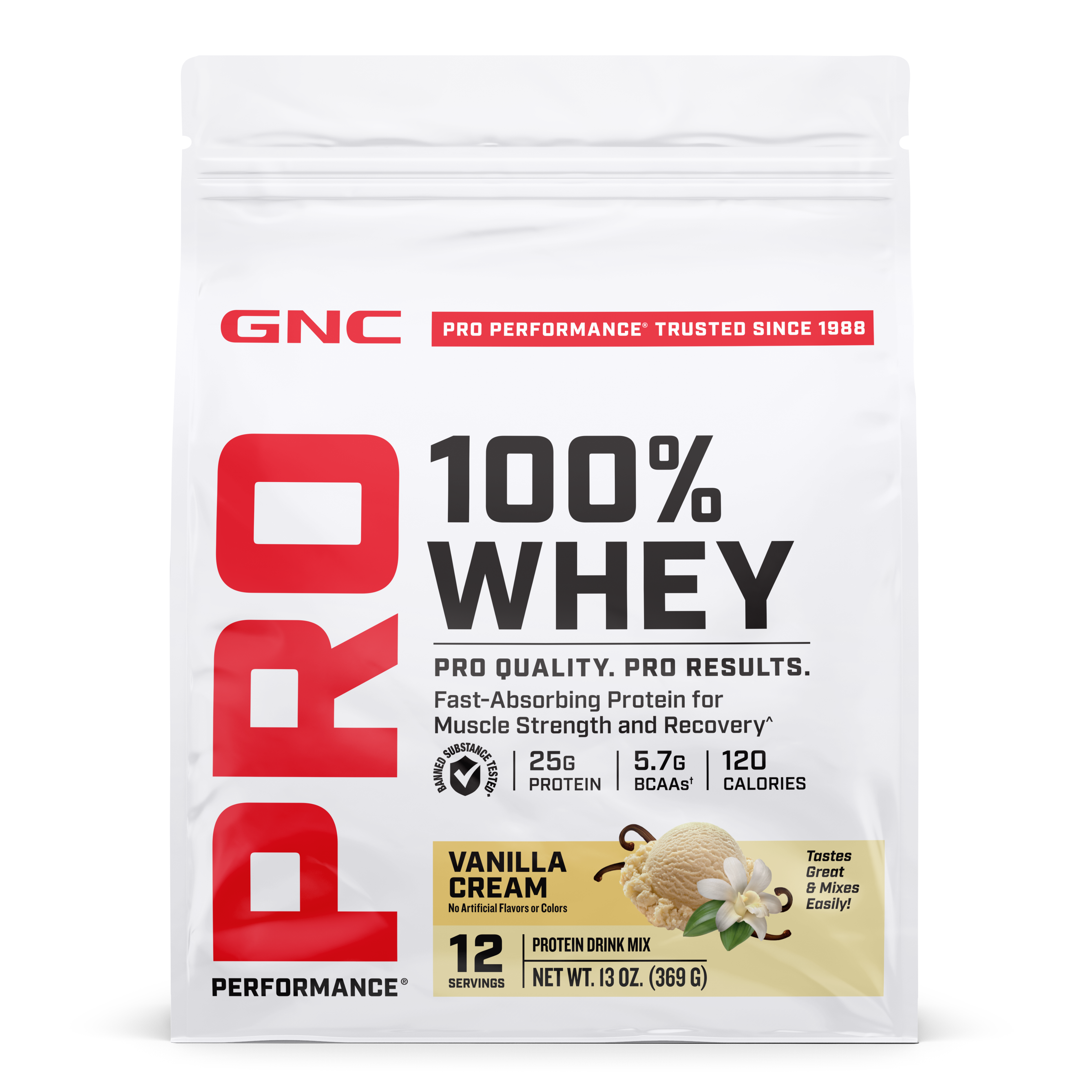

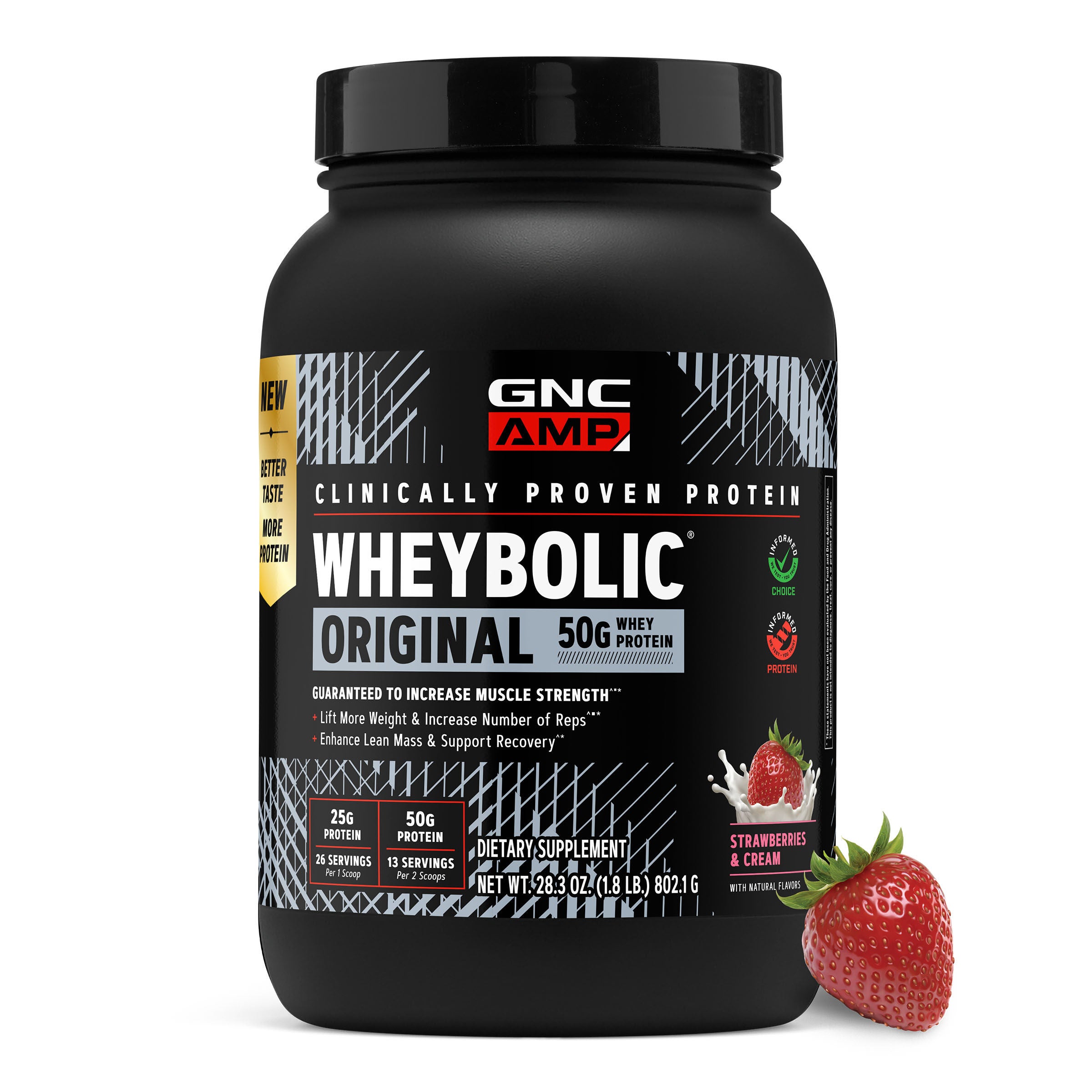
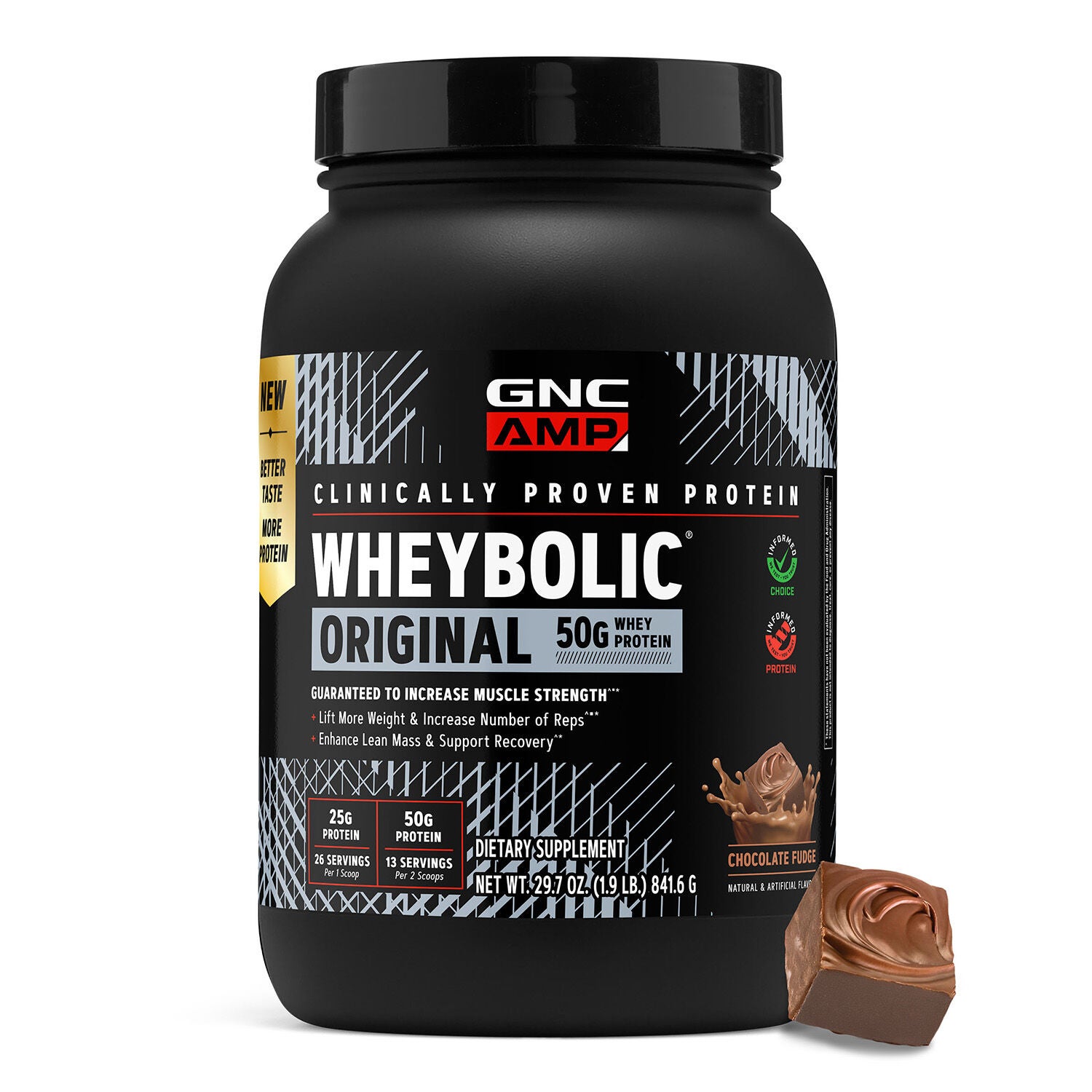
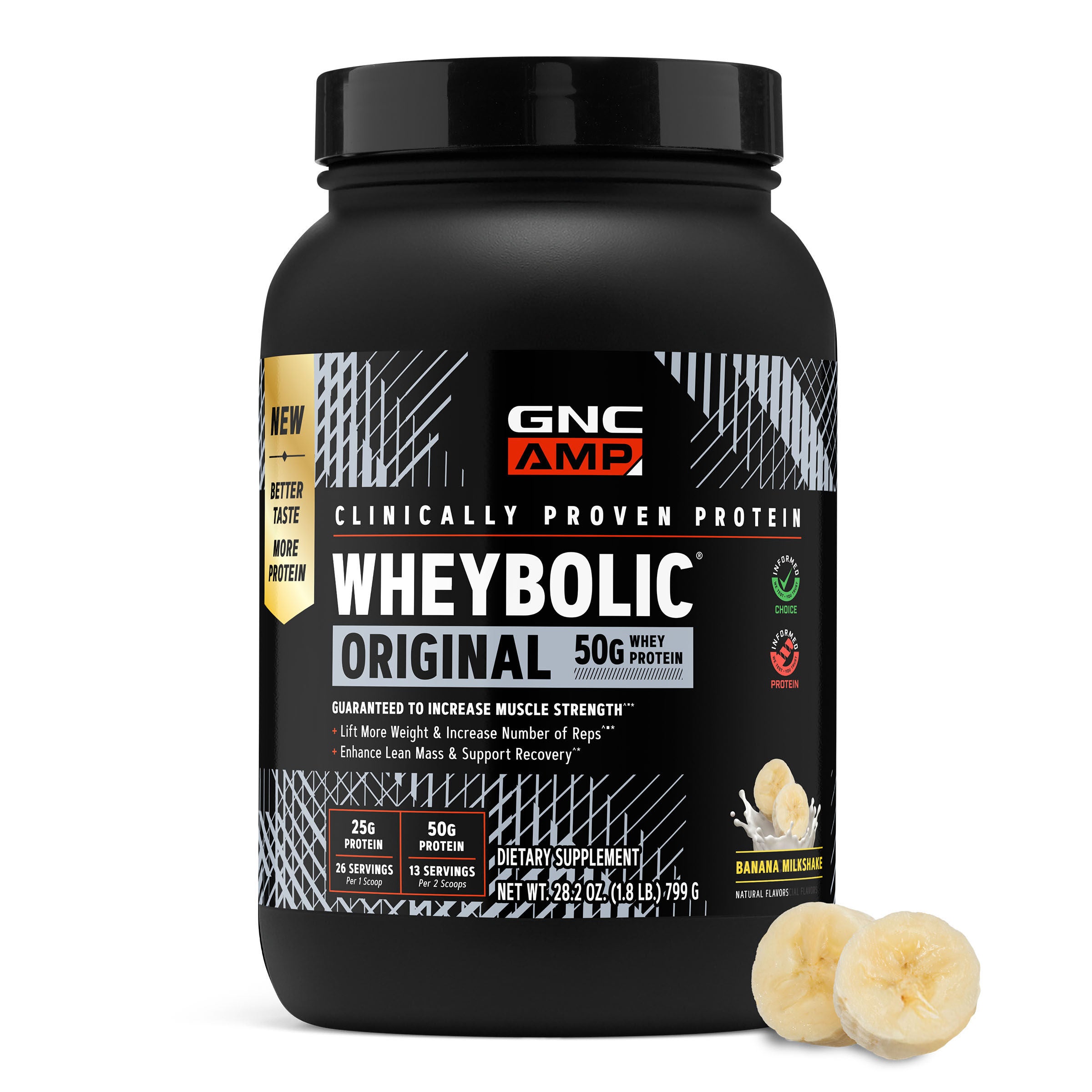


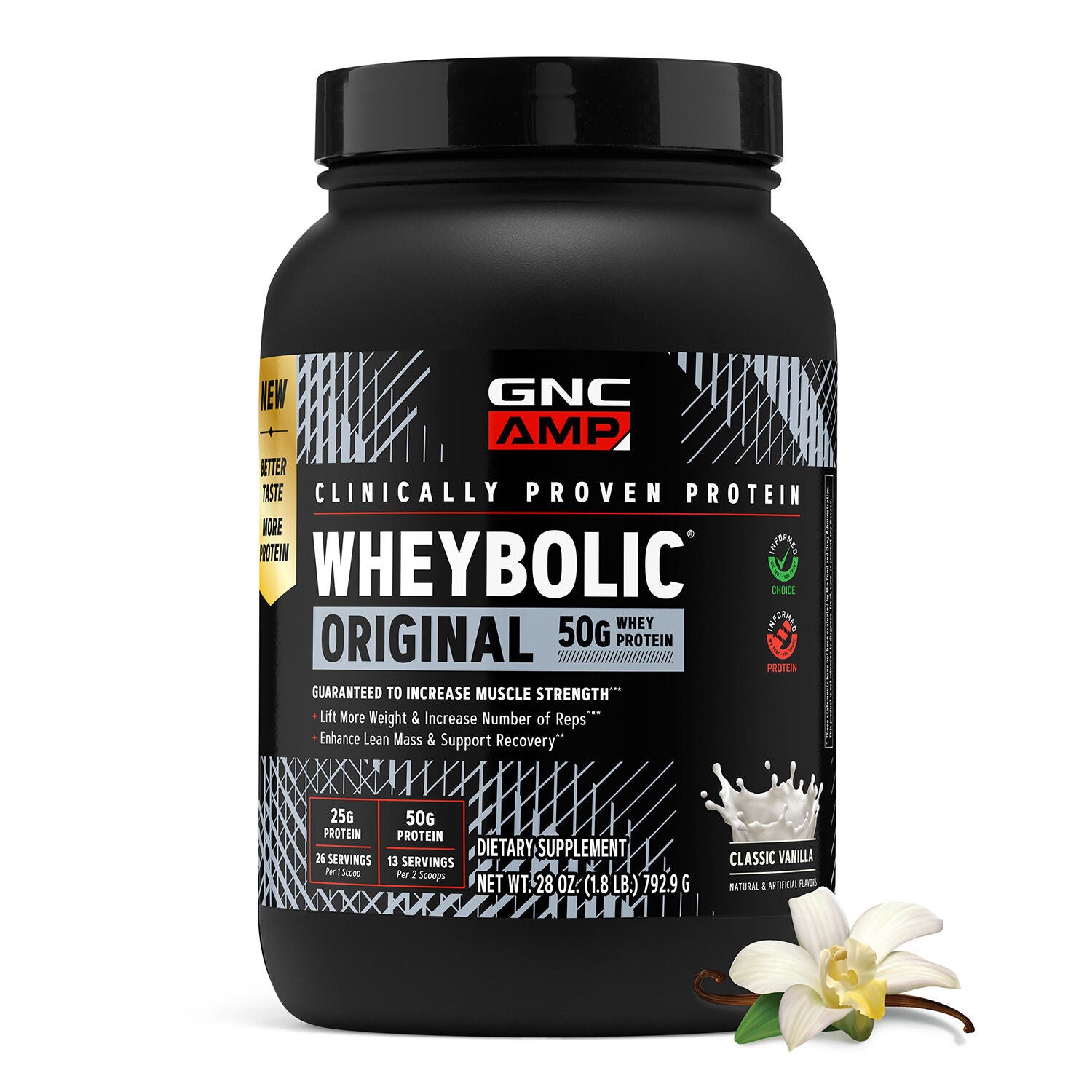
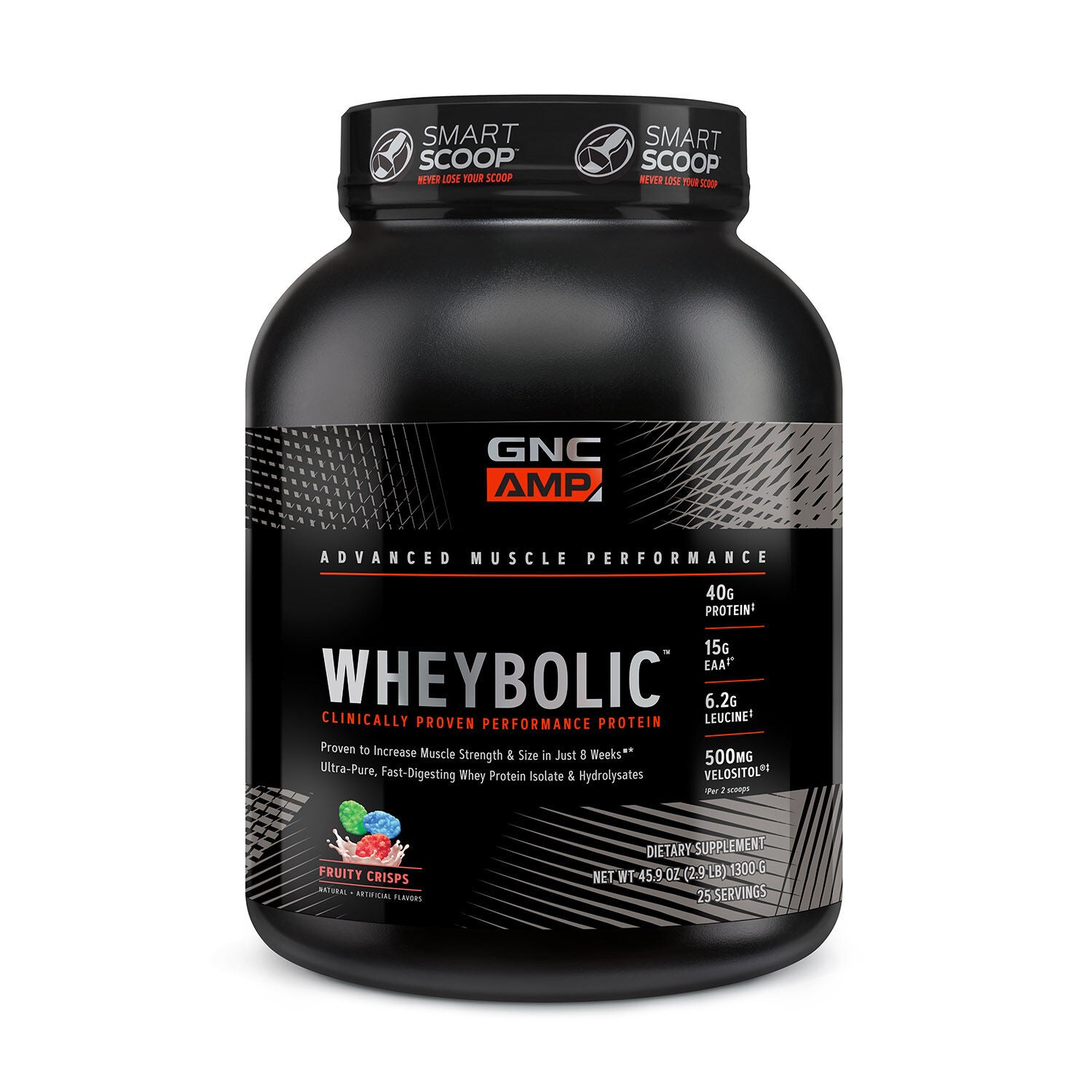
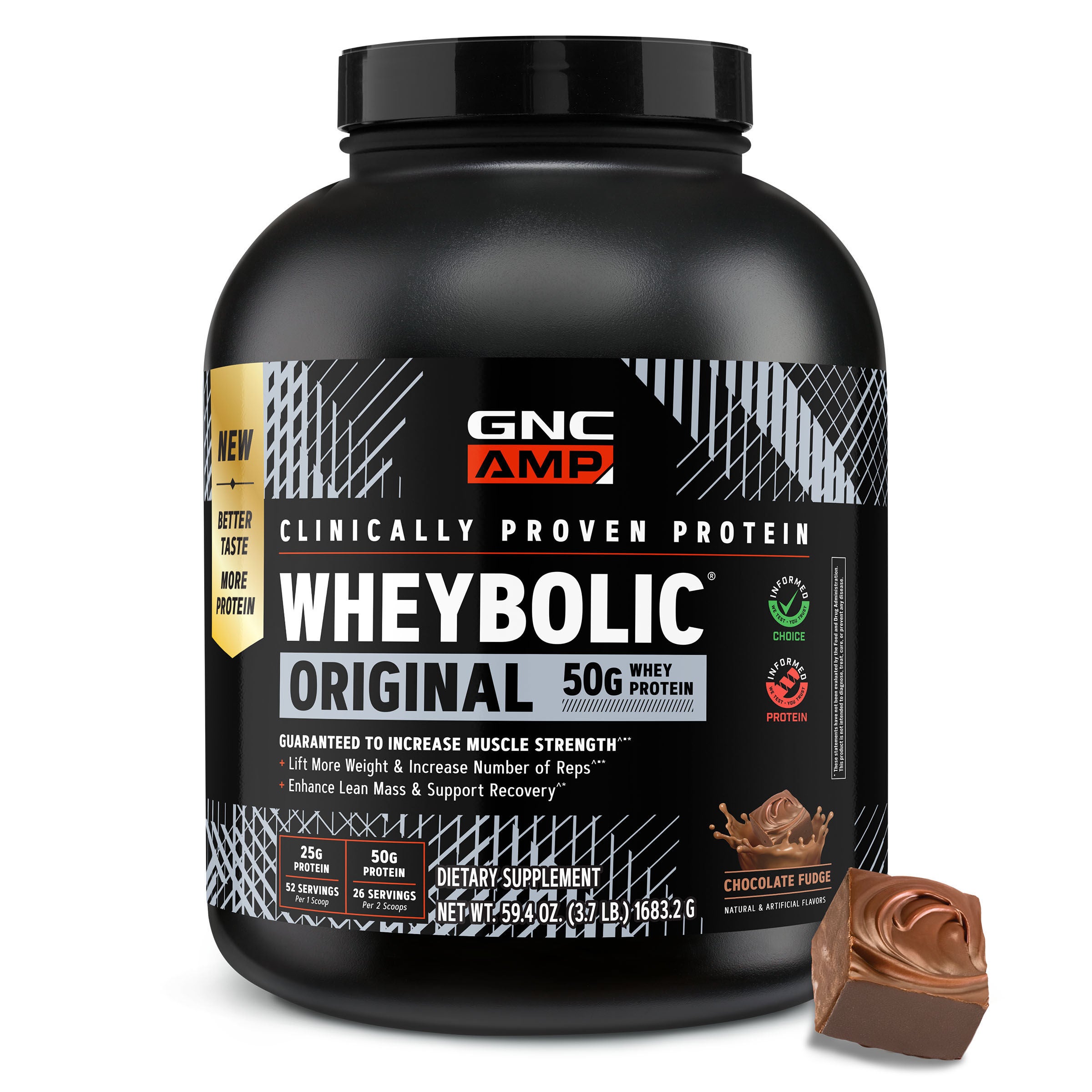


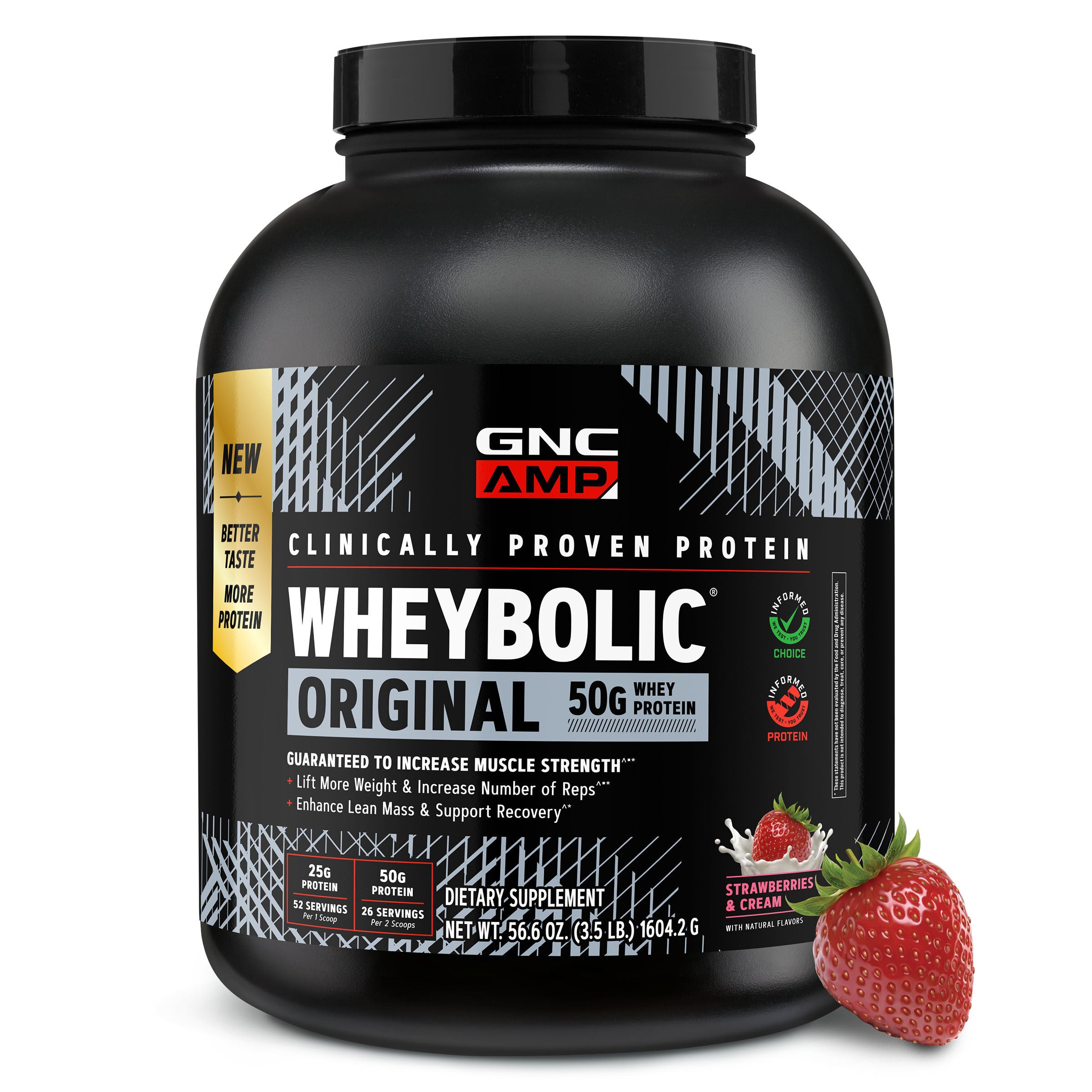

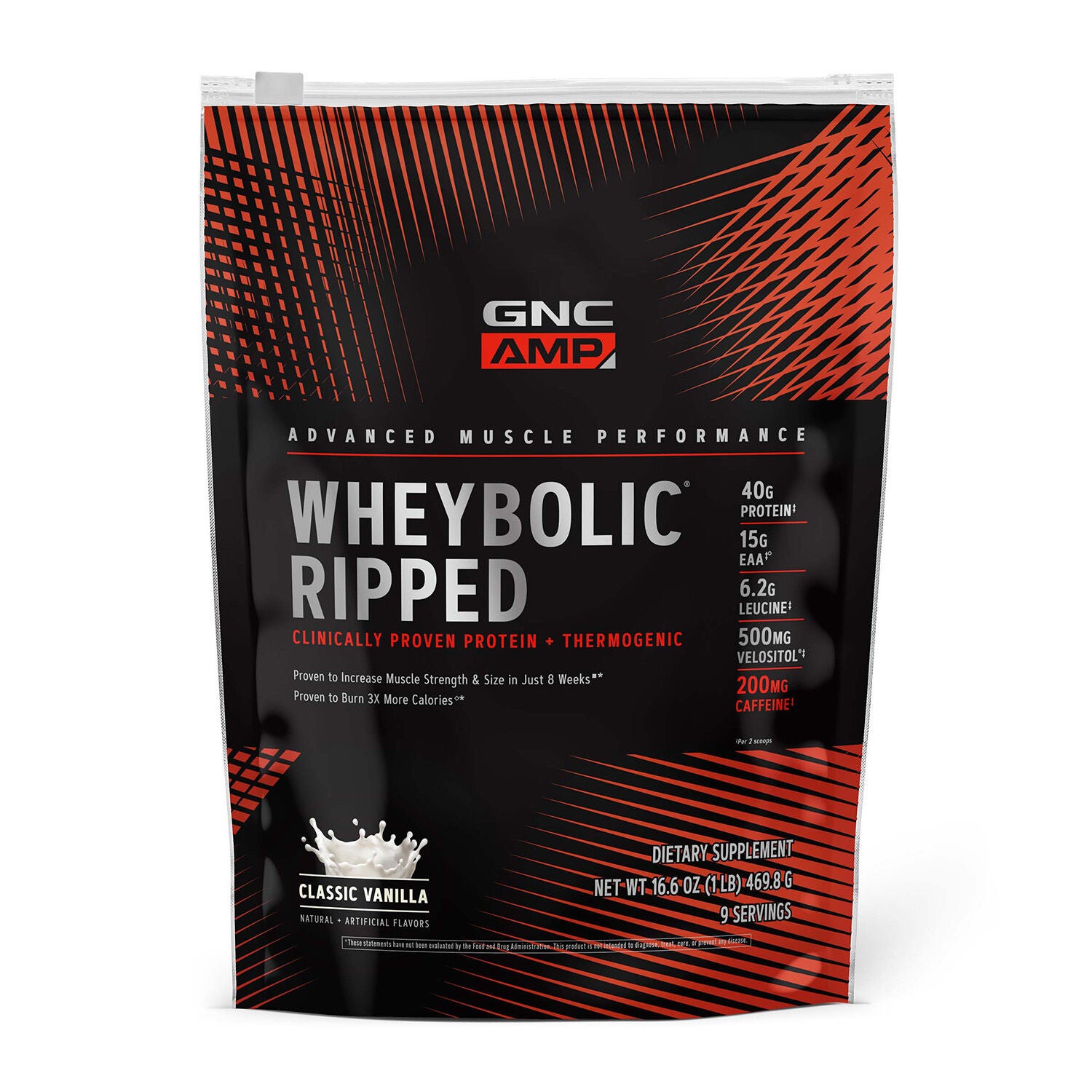

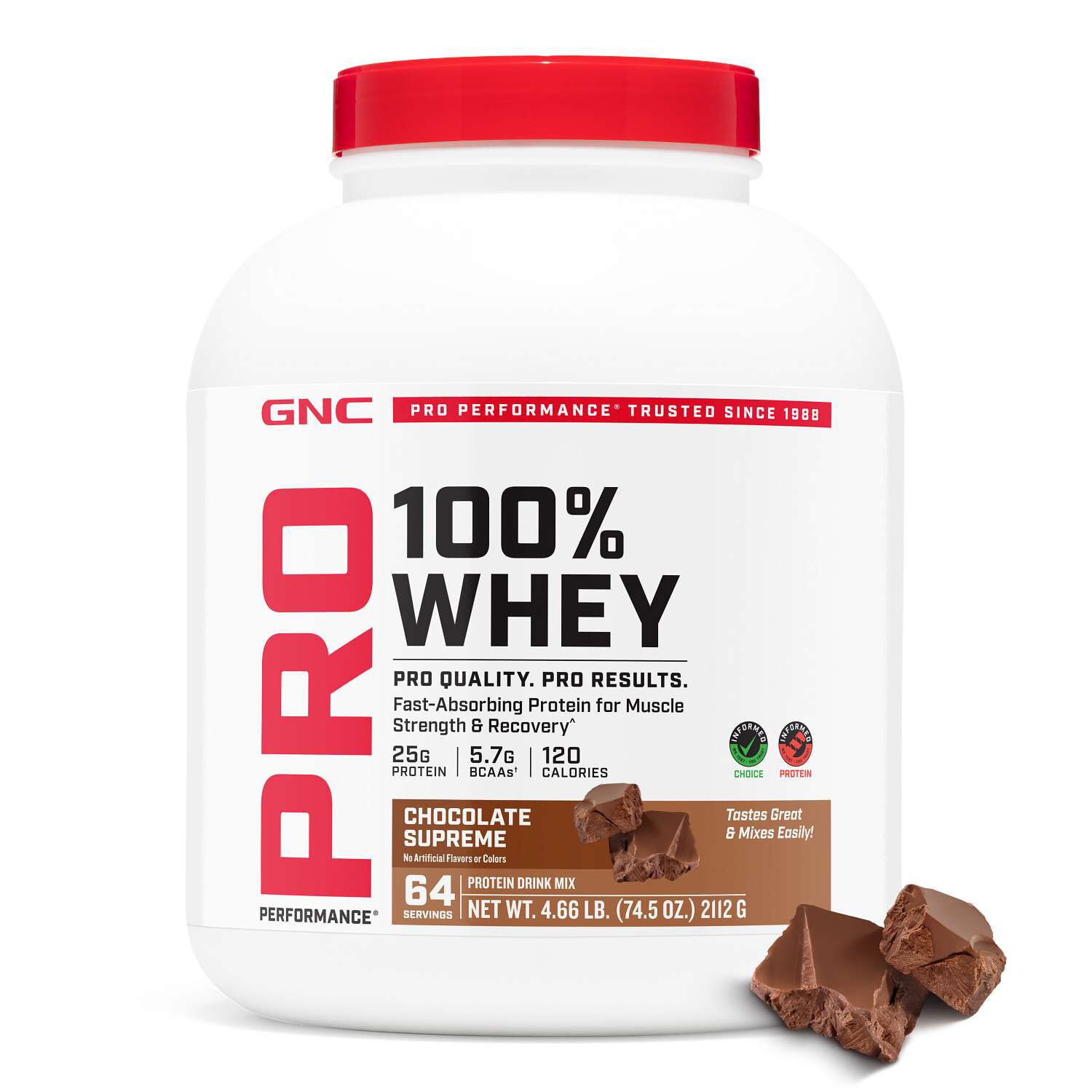
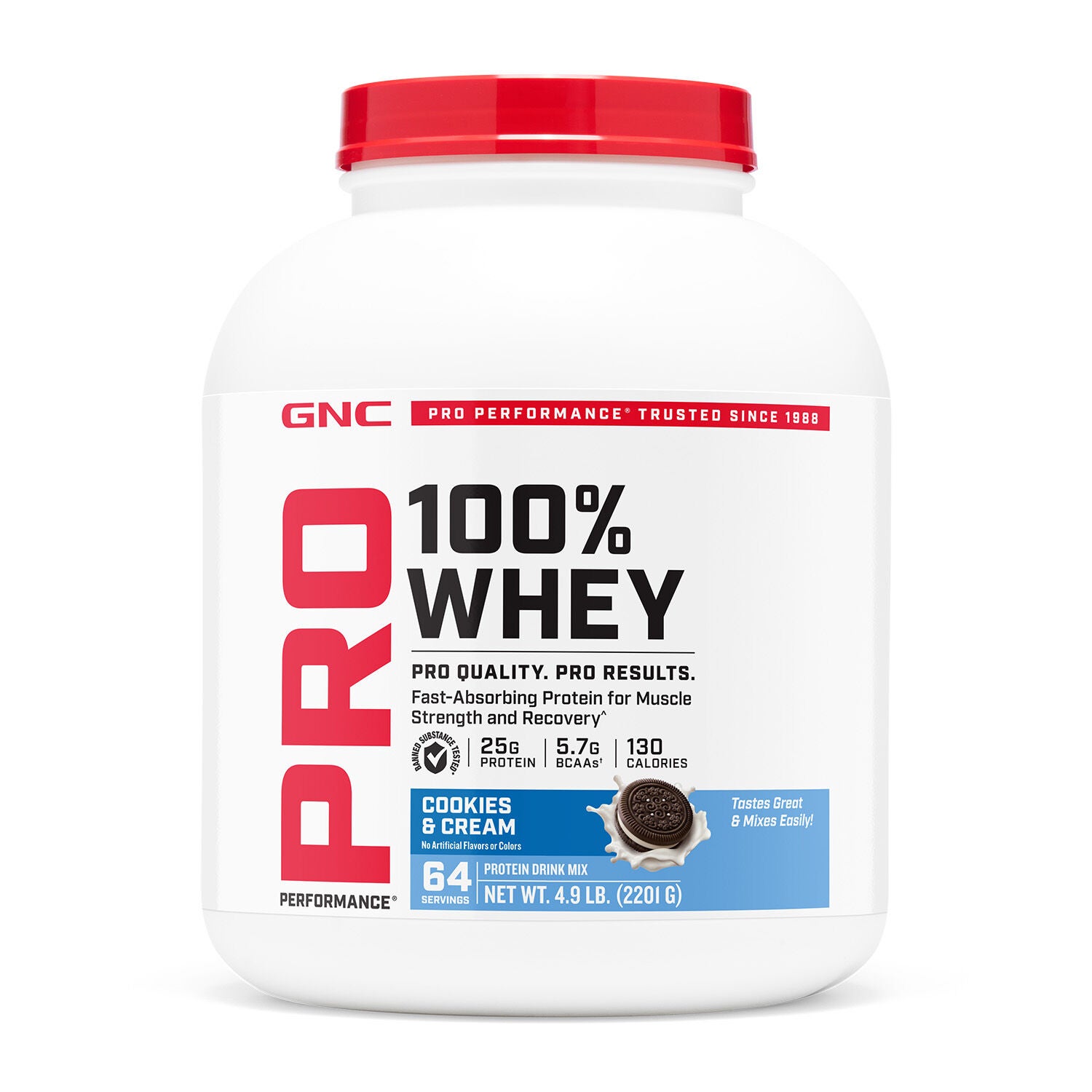
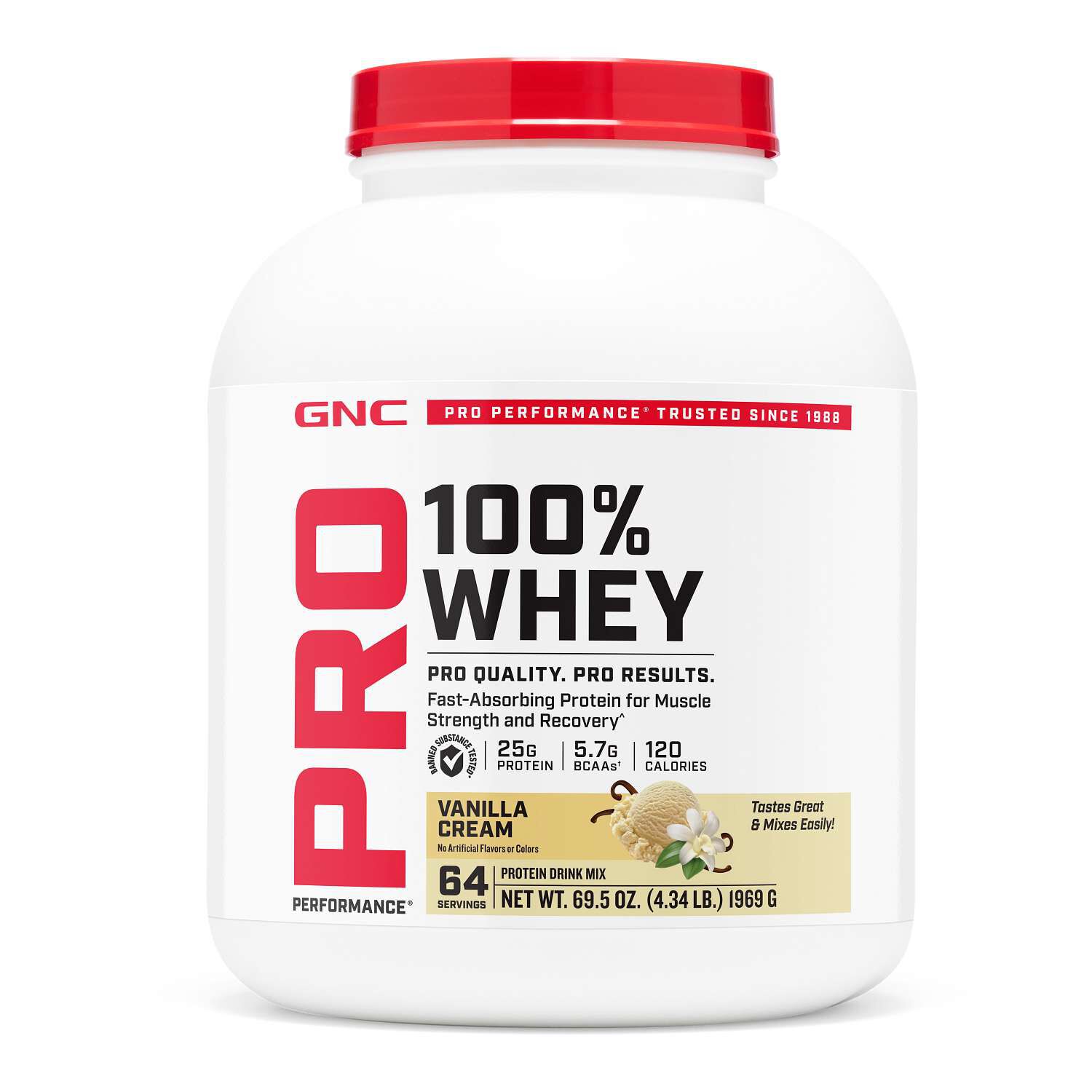


Protein powder with BCAAs brings together a concentrated source of dietary protein and three branched-chain amino acids: leucine, isoleucine, and valine. These amino acids are naturally present in many protein sources, so a powder does not need separately added BCAAs to contain them. Whey, casein, soy, and certain plant protein blends can provide all nine amino acids the body cannot make on its own, including the three BCAAs. That distinction matters when comparing a protein powder with a standalone amino acid formula: the former supplies a broader amino acid profile, while a BCAA-only formula supplies those three amino acids rather than a full serving of protein. Many whey powders providing about 20 to 25 grams of protein per serving contain roughly 4 to 6 grams of naturally occurring BCAAs, although the amount varies with the source and formulation. A listed BCAA amount therefore needs the context of the serving size and protein content beside it. A larger scoop is not necessarily a more concentrated powder, and an added amino acid blend is not automatically evidence of a better fit for a particular routine. For someone who regularly lifts weights, plays recreational sports, or wants another way to include protein in everyday meals, protein powder may support muscle maintenance and recovery after exercise as part of an eating pattern that supplies adequate nourishment. Its appeal also lies in the format: a measured portion can be mixed into a shake, blended with fruit, or stirred into familiar foods. The category includes different textures and flavor styles, from creamy chocolate shakes to lighter fruit-flavored drinks. Those differences can matter as much as a prominent BCAA number when the powder is something a person plans to use repeatedly. The most meaningful comparison looks at the protein source, amino acid information, serving size, and intended use together, rather than treating BCAAs as an ingredient separate from the protein that naturally contains them.
Protein source shapes many of the practical differences among these powders. Whey concentrate and whey isolate both come from milk, but isolate generally has a higher proportion of protein by weight and less lactose and fat than concentrate. The finished formula still matters, since flavorings and other ingredients influence its nutrition and texture. Casein also comes from milk and often produces a thicker mixture, which can suit a spoonable bowl or a dense smoothie. Soy protein supplies all nine of the amino acids the body must obtain through food, while plant-based blends may combine sources such as pea and rice to create a broader amino acid profile than either source alone. For shoppers who avoid animal-derived ingredients, the entire ingredient list matters, not just the protein named on the front of the container. Milk, soy, and other allergen declarations are also relevant to product selection. Beyond the source, useful points of comparison include grams of protein per serving, any disclosed BCAA amounts, carbohydrates, fats, sugars, sweeteners, and the number of scoops used for the stated serving. Some labels identify naturally occurring amino acids; others list added leucine, isoleucine, or valine among the ingredients. Not every label publishes an amino acid breakdown, and a missing BCAA callout does not mean the protein contains none. Anyone comparing the broader protein category with BCAA Supplements Powder will find a difference in purpose and composition: protein powders contribute dietary protein, whereas standalone BCAA formulas focus on a narrower group of amino acids. More added BCAAs do not necessarily translate into greater exercise-related benefits when an eating pattern already provides enough protein. Flavor and preparation preferences deserve similar attention. A lightly flavored powder may fit oatmeal or a fruit smoothie, while a dessert-style option may be more appealing simply shaken with water. Sweetness, aroma, and mouthfeel can vary considerably even among powders with similar nutrition information.
Day-to-day use often comes down to where and how a serving will be prepared. A powder intended for a shaker bottle at the gym has a different practical role from one blended with frozen berries, yogurt, and oats at home. Fine powders may mix readily with gentle shaking, while thicker formulas may need more liquid or a blender for the preferred consistency. The preparation directions provide a starting point for the liquid amount; less liquid generally produces a denser shake, and more produces a thinner drink. Water keeps the flavor closer to the powder itself, while milk or a plant-based beverage changes both the taste and the nutrition of the finished serving. Some plant proteins have an earthy note or a slightly grainier texture, and cocoa, banana, or nut butter may suit those characteristics in a smoothie. For warm foods during the cooler months, stirring a small amount of powder into a separate portion of cool liquid before combining it with oatmeal may help create a smoother mixture. Results vary by formula, particularly with heat, so a powder that works well as a cold shake may behave differently in cooking. Packaging and storage also play a role in keeping the routine practical. A securely closed container, a dry scoop, and storage according to the label help limit exposure to moisture; powder is best kept away from steam rising from a kettle or stovetop. The labeled date and any storage directions remain relevant after opening. Prepared shakes need appropriate handling for their ingredients, especially when made with milk or yogurt rather than consumed immediately. For a commute or an afternoon workout, carrying a dry serving and adding liquid when ready may be more convenient than transporting a prepared drink. Whether the setting is a home kitchen, an office break room, or a gym bag, a suitable protein powder with BCAAs fits the way it will actually be used. Clear ingredient information, an appropriate protein source, an enjoyable flavor, and a workable texture offer a grounded basis for comparing formulas beyond the front-label callouts.