Protein And BCAA Supplements
(0 Results)
Protein and BCAA supplements may be popular choices for those looking for options that fit their fitness routines and active lifestyles. Whether you are focused on post-workout recovery, maintaining muscle, or simply adding extra nutrition to your day, there is a wide variety of options available to suit different preferences and goals. Explore protein and BCAA supplements in various formats, including powders, ready-to-drink beverages, and capsules, to find the right fit for your routine.
-

-

-
-

-

-
-
-

-
-
-

-

-
-
-
-

-

-

-

-
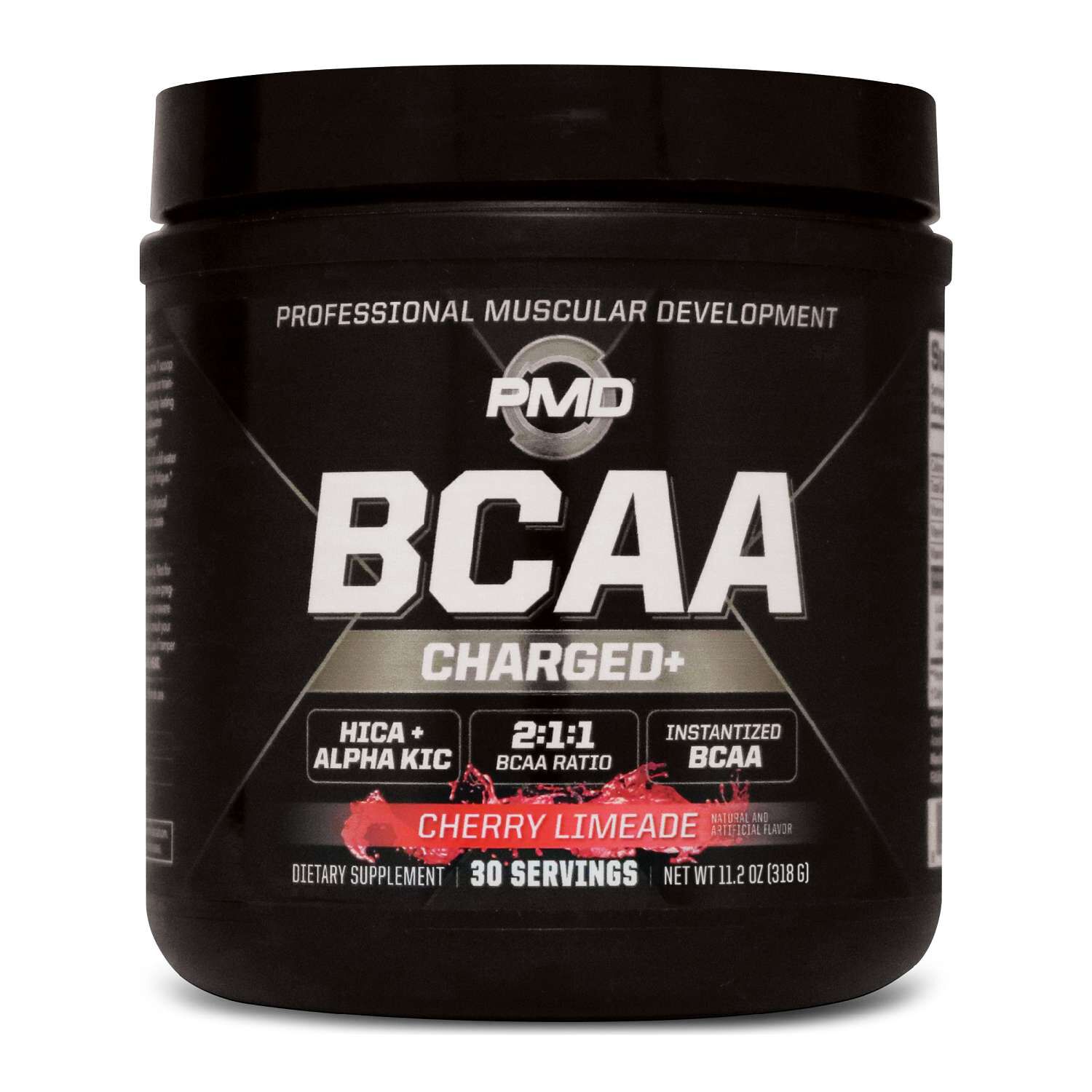 $52.99
Protein and BCAA supplements bring together two related categories with different nutritional profiles: protein supplements provide protein from sources such as milk, eggs, or plants, while BCAA supplements focus on three branched-chain amino acids—leucine, isoleucine, and valine. Amino acids are the building blocks of protein. Nine amino acids must come from food because the body cannot make them, and protein sources differ in the amounts and proportions they contain. Whey, casein, egg, and soy protein contain all nine, while other plant proteins have varying profiles and are sometimes combined in a blend. BCAAs represent only three of those nine amino acids, so a BCAA supplement does not provide the same amino acid range as these protein sources. That distinction matters when comparing a protein shake with an amino acid drink: the two can look similar in a shaker bottle without serving the same nutritional purpose. Protein supplements may help supplement protein intake when everyday meals leave a gap, and adequate protein may support muscle maintenance alongside regular resistance exercise. A powder mixed after a lifting session, a ready-to-drink shake packed for a long commute, and a protein bar tucked into a work bag each offer a different format for a busy schedule. BCAA supplements are often associated with exercise routines, but their narrower composition makes them different from an additional serving of dietary protein. BCAAs also occur naturally in protein foods and many protein powders, a detail worth keeping in mind when comparing categories. The most useful comparison starts with the actual contents of a serving rather than the size of the container or the intensity of its flavor name. For recreational lifters, runners, team-sport participants, and adults organizing meals around demanding days, these categories offer several ways to approach a personal nutrition routine. Their role depends on the foods already being eaten, the desired format, and the intended use, rather than an assumption that every exercise routine calls for both.
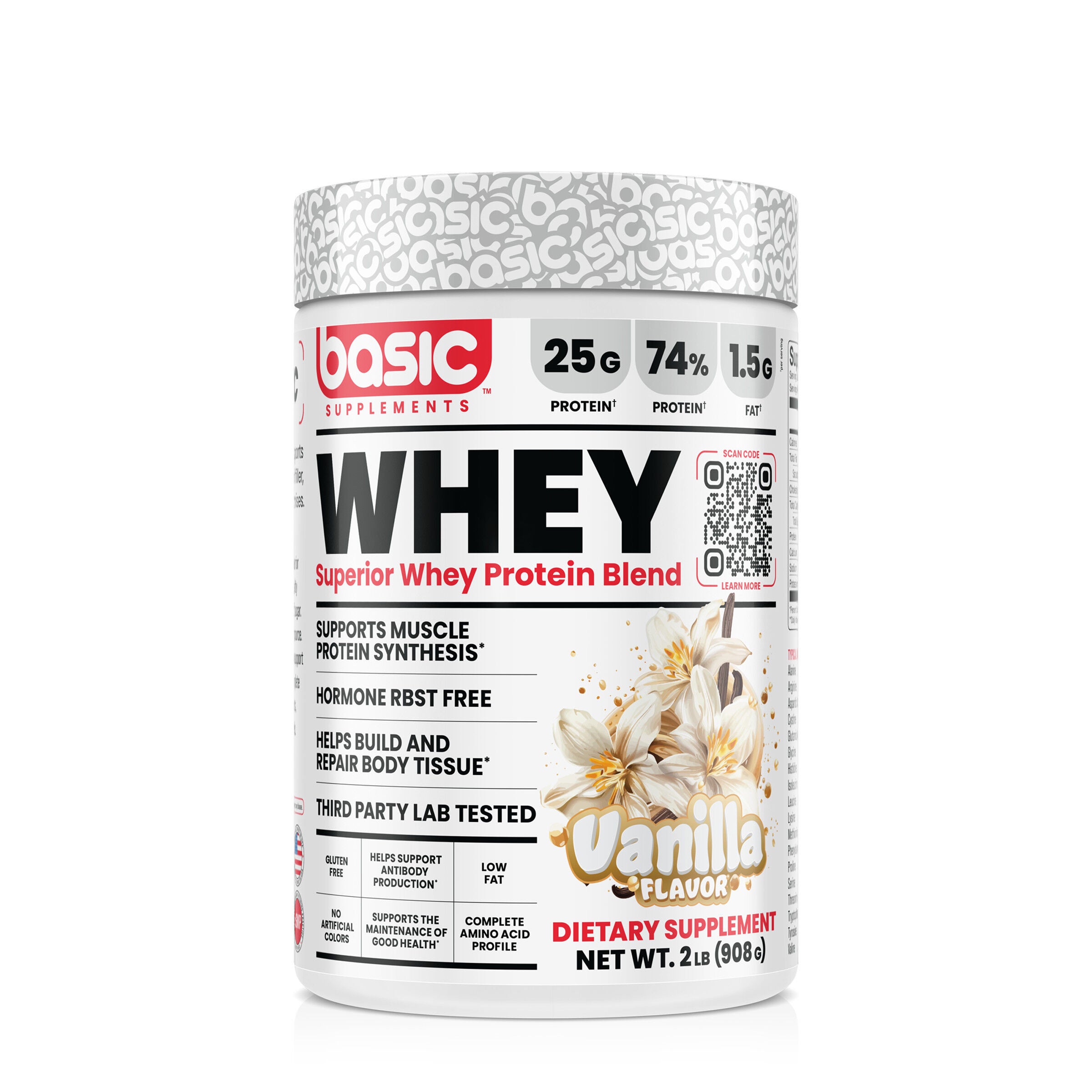
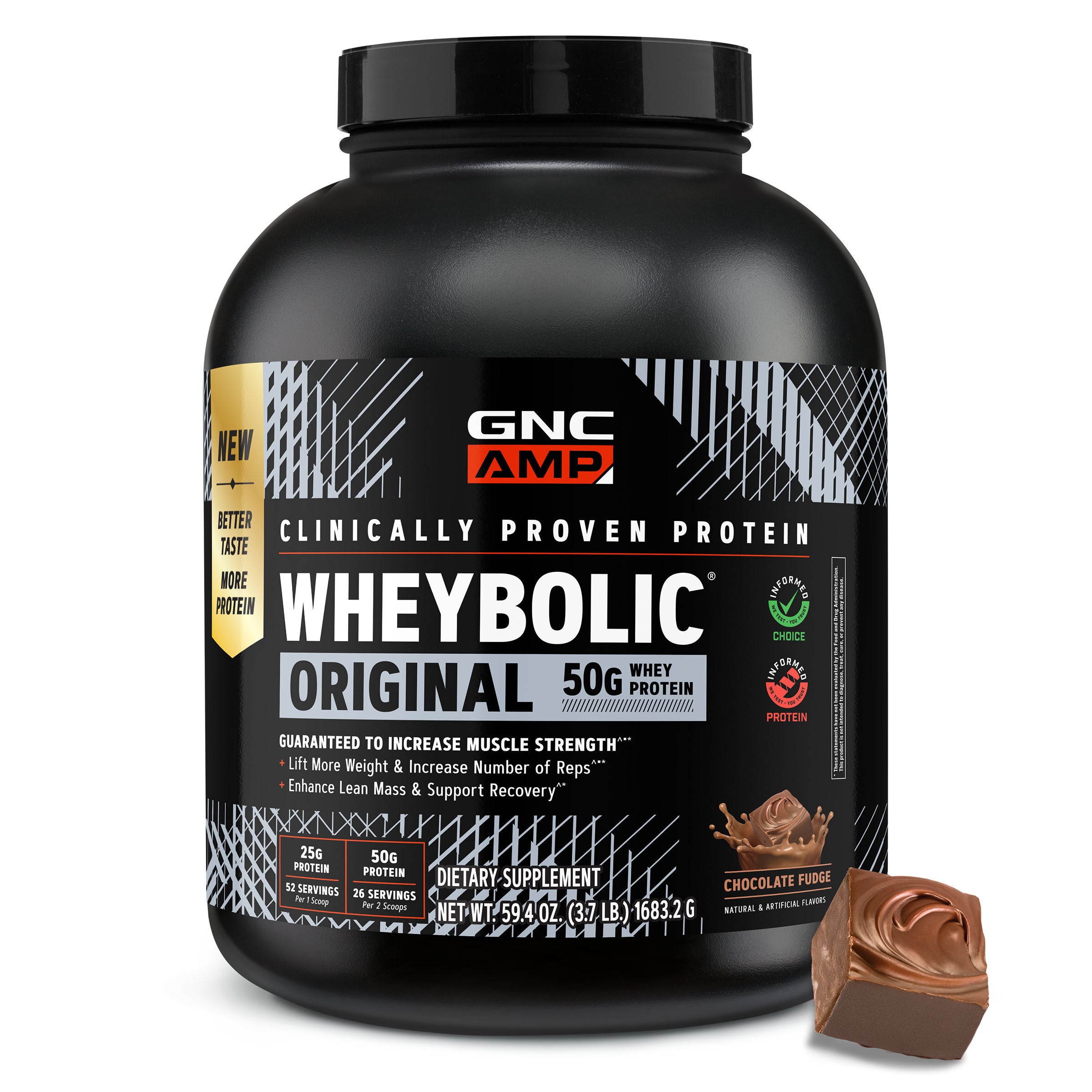
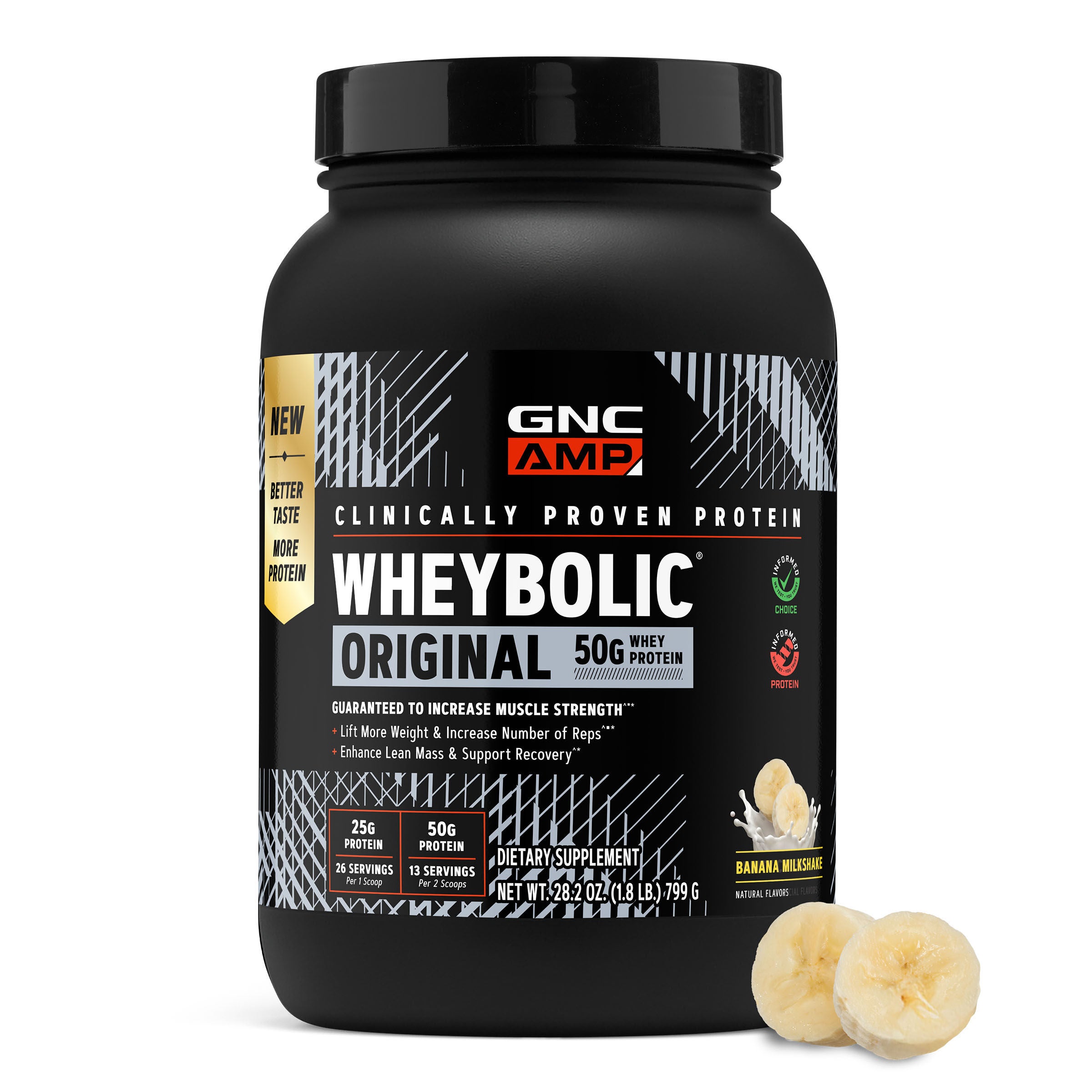
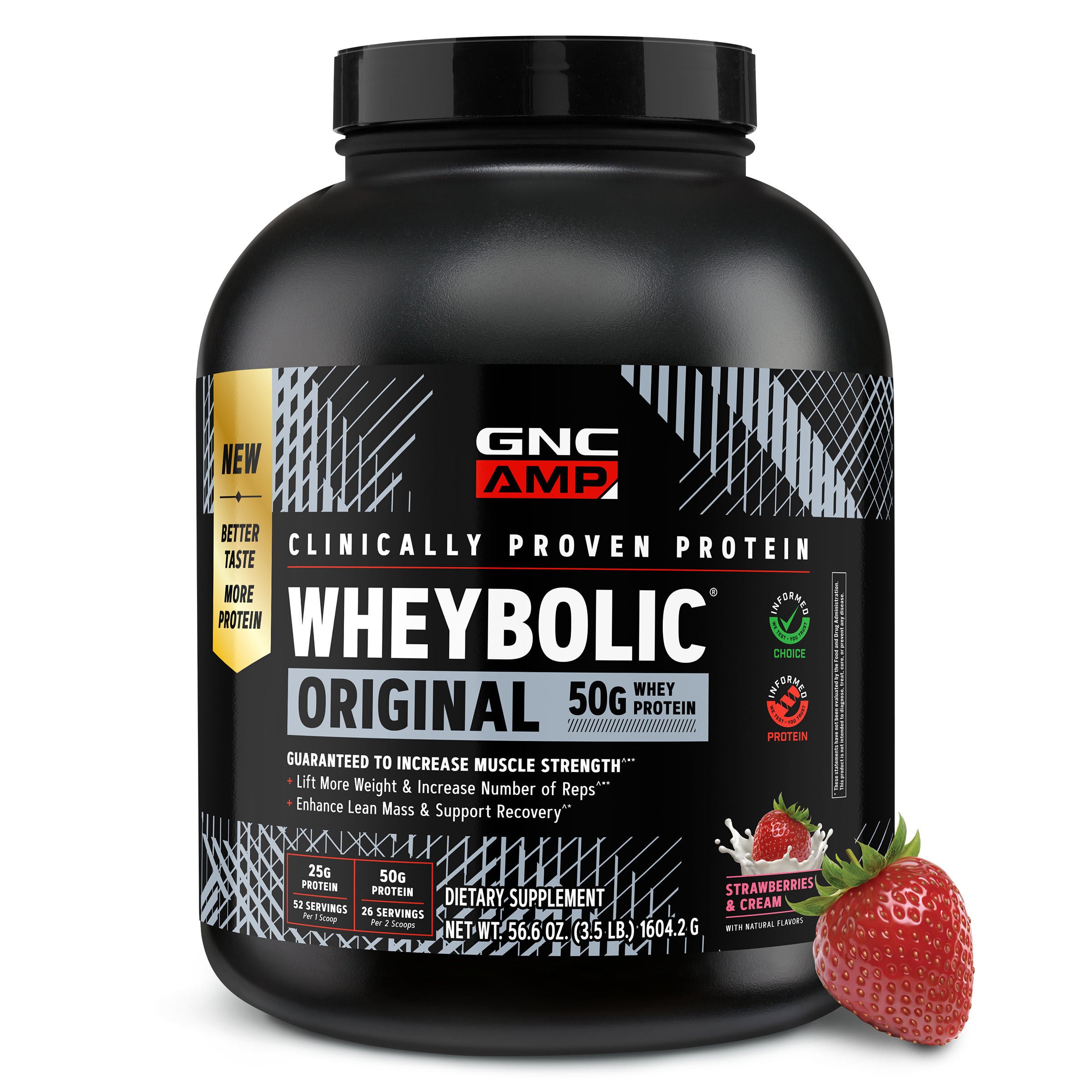
Protein supplements vary in source, texture, flavor, and preparation, giving shoppers meaningful differences to compare beyond the protein amount printed on the label. Whey comes from milk and is commonly offered as a concentrate, isolate, or blend; the protein, carbohydrate, fat, and lactose content can differ among formulas. Casein is another milk-derived protein, while egg protein offers an animal-derived option outside the dairy category. Plant-based powders may use soy, pea, rice, or combinations of several sources. A blend deserves attention to its actual ingredient list, since the word alone does not describe its protein proportions or amino acid composition. Dietary preferences and ingredient sensitivities also shape the comparison. Milk, egg, and soy declarations, sweetener choices, and other listed ingredients are relevant details for anyone choosing a supplement for regular use. Flavor and texture matter in practical ways, too. Chocolate mixed with water has a different character from vanilla blended with milk, and a neutral-tasting powder offers a different experience from a fruit-flavored drink. Mixing directions help set expectations for liquid volume and consistency; some powders are intended for a shaker, while others suit a blender preparation. A shaker bottle that fits in a work bag may be more practical for a gym-to-office schedule, whereas a blender drink may suit a morning meal at home. Ready-to-drink shakes remove the measuring and mixing steps, and bars provide a chewable alternative with their own textures and ingredient profiles. Serving sizes are not interchangeable across these formats. Protein grams, calories, carbohydrates, fats, and the number of servings in the package provide a clearer comparison than scoop size alone. A large scoop is not necessarily a larger protein serving, since flavoring and other ingredients contribute to the powder’s weight. For shoppers who enjoy variety, the contrast between a creamy shake, a lighter mixed drink, and a textured bar can be as relevant to repeat use as the nutrition panel. Intended use, preparation time, and personal taste all belong in the same comparison.
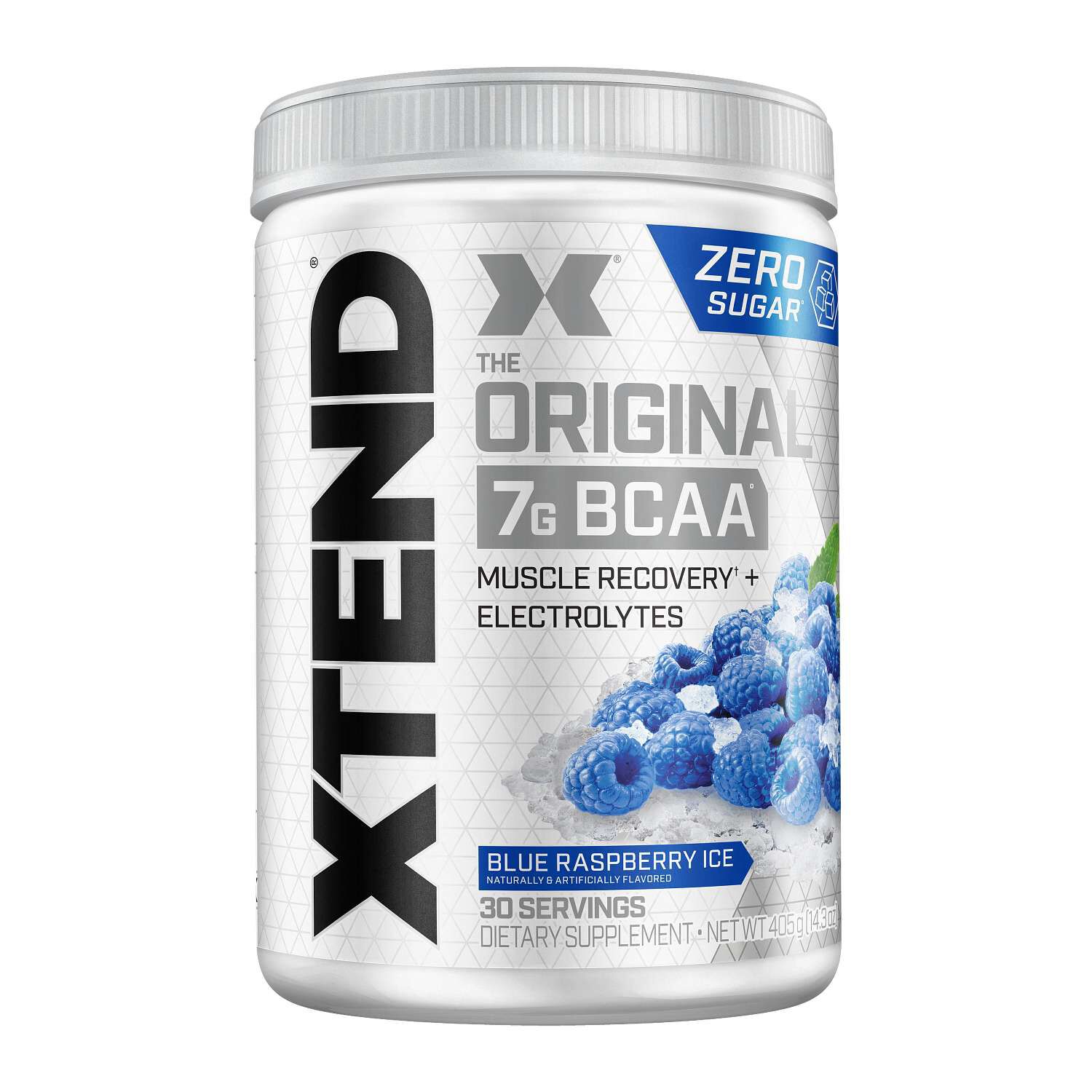
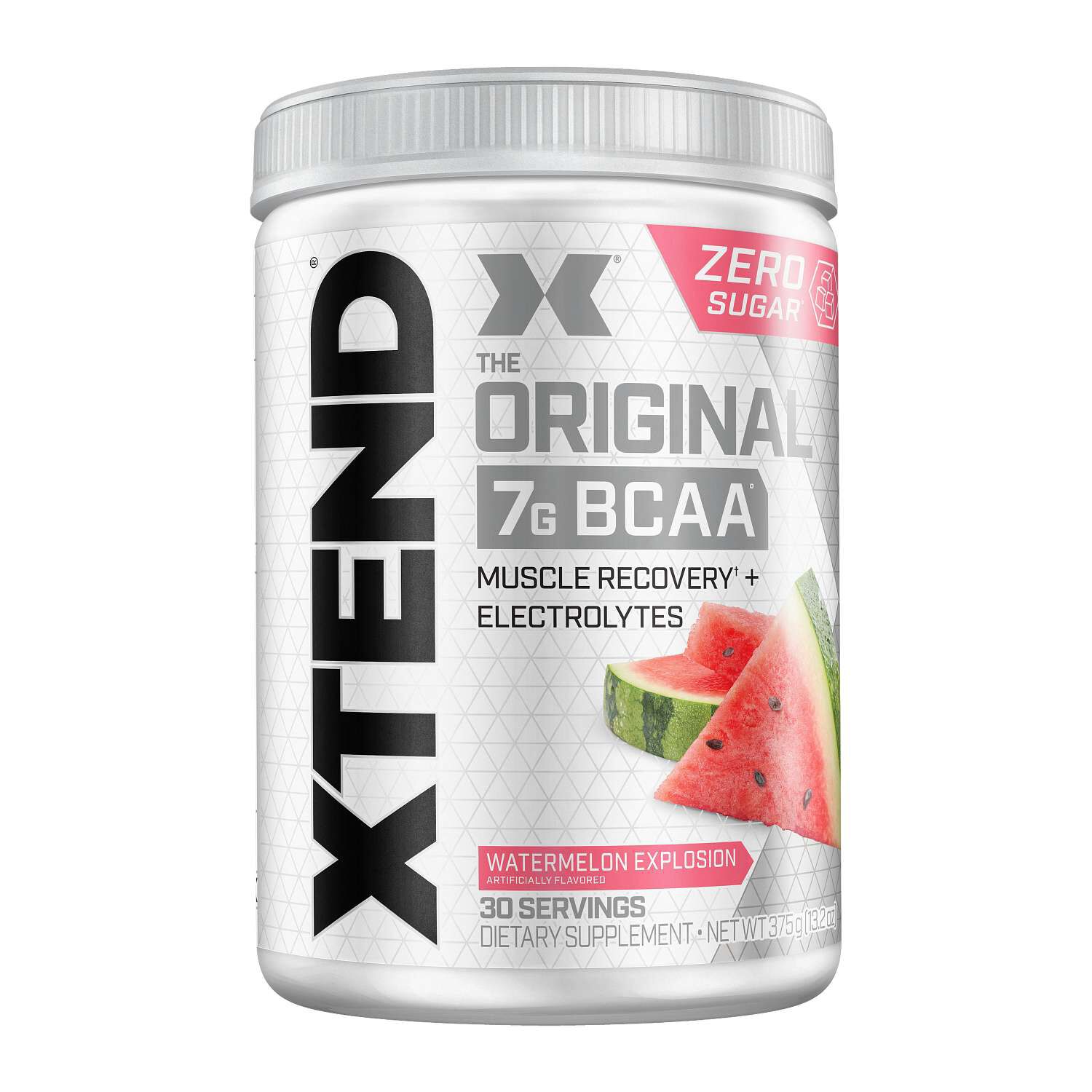
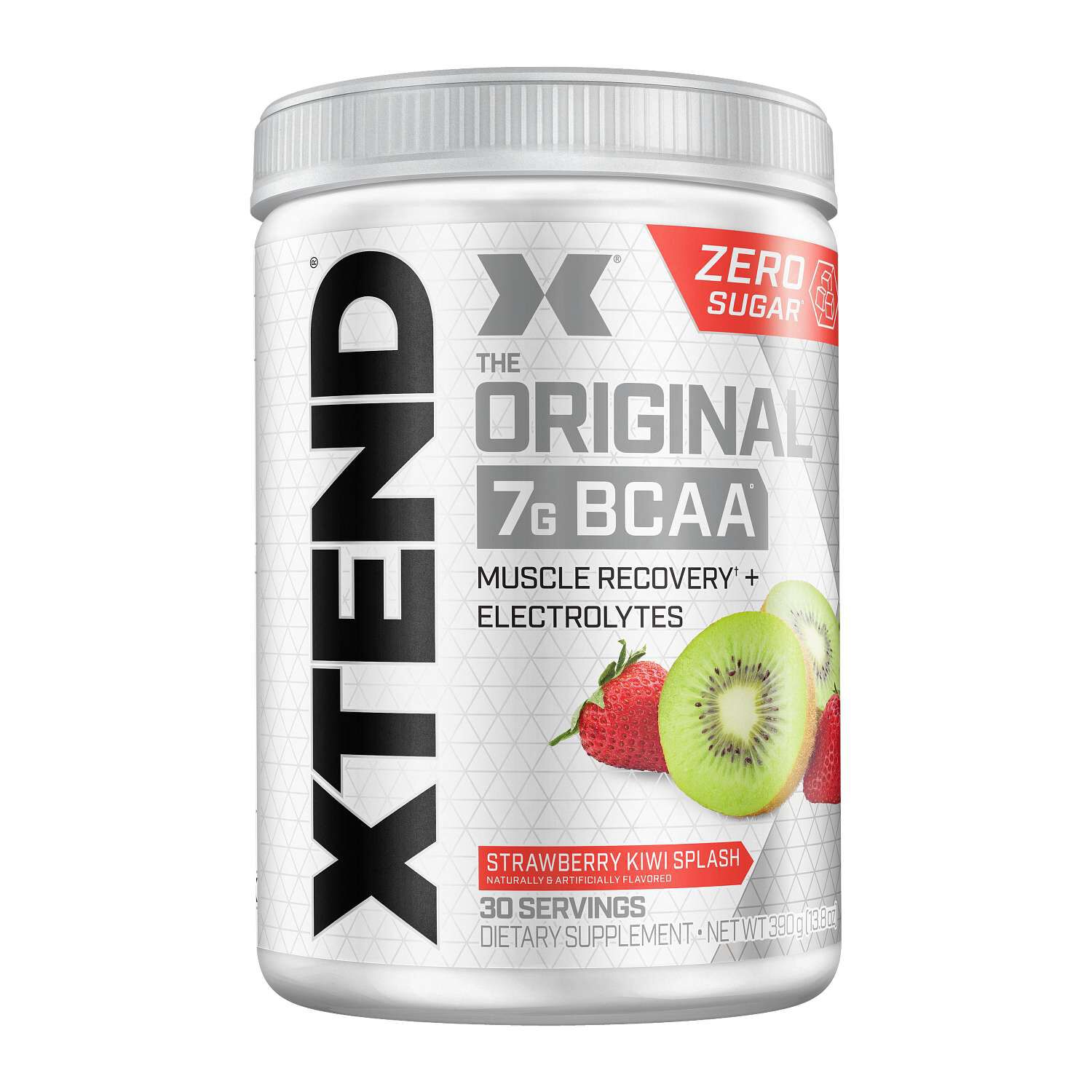
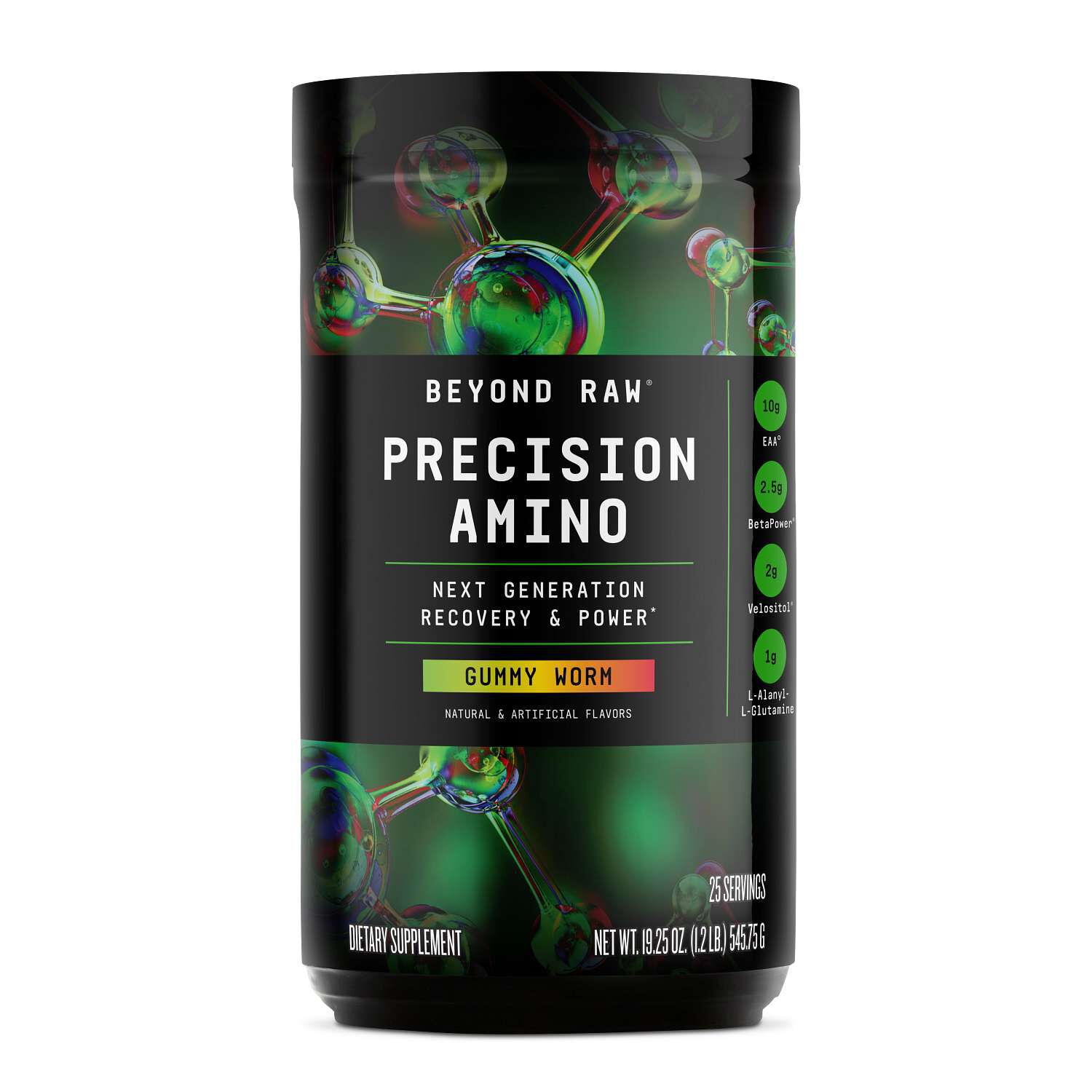
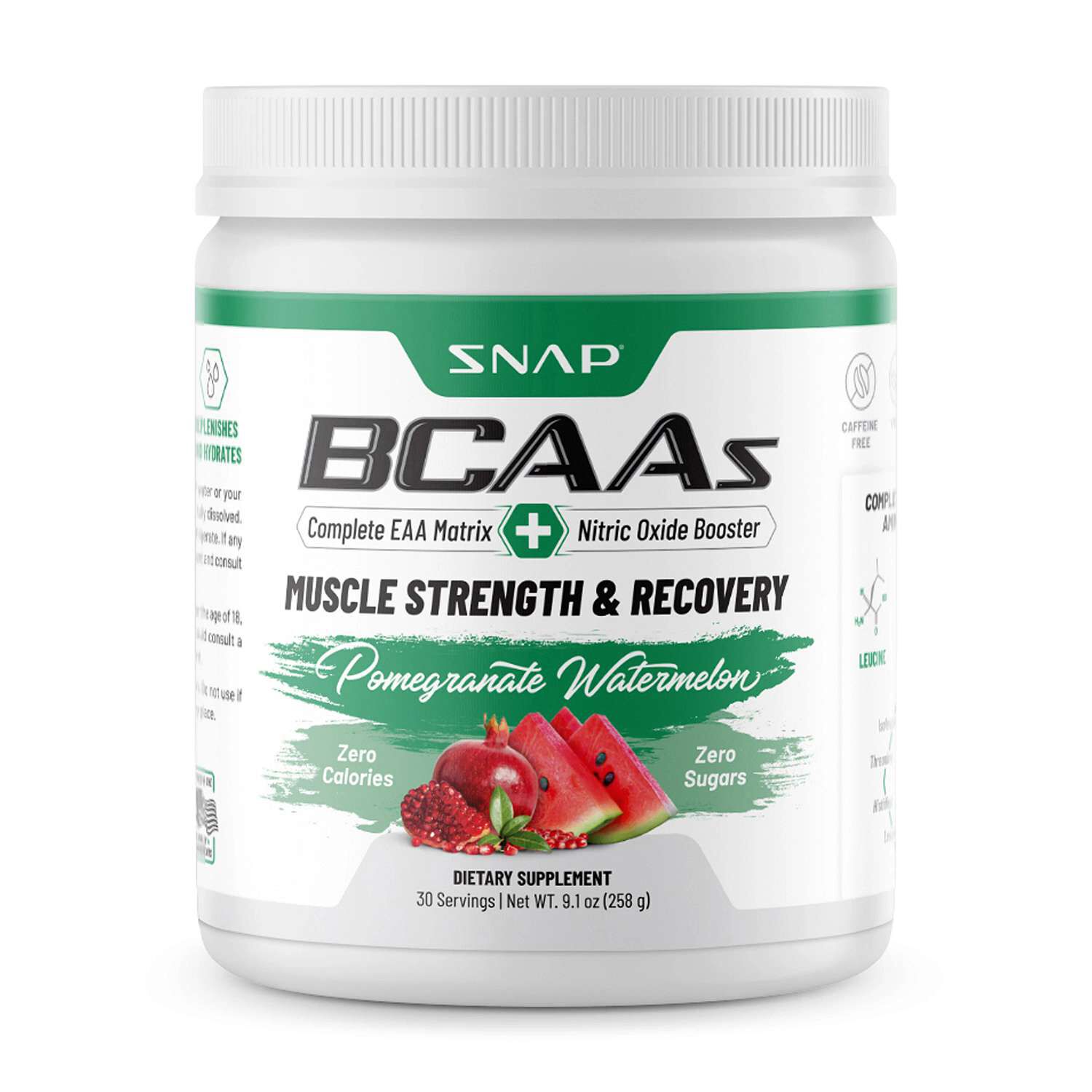
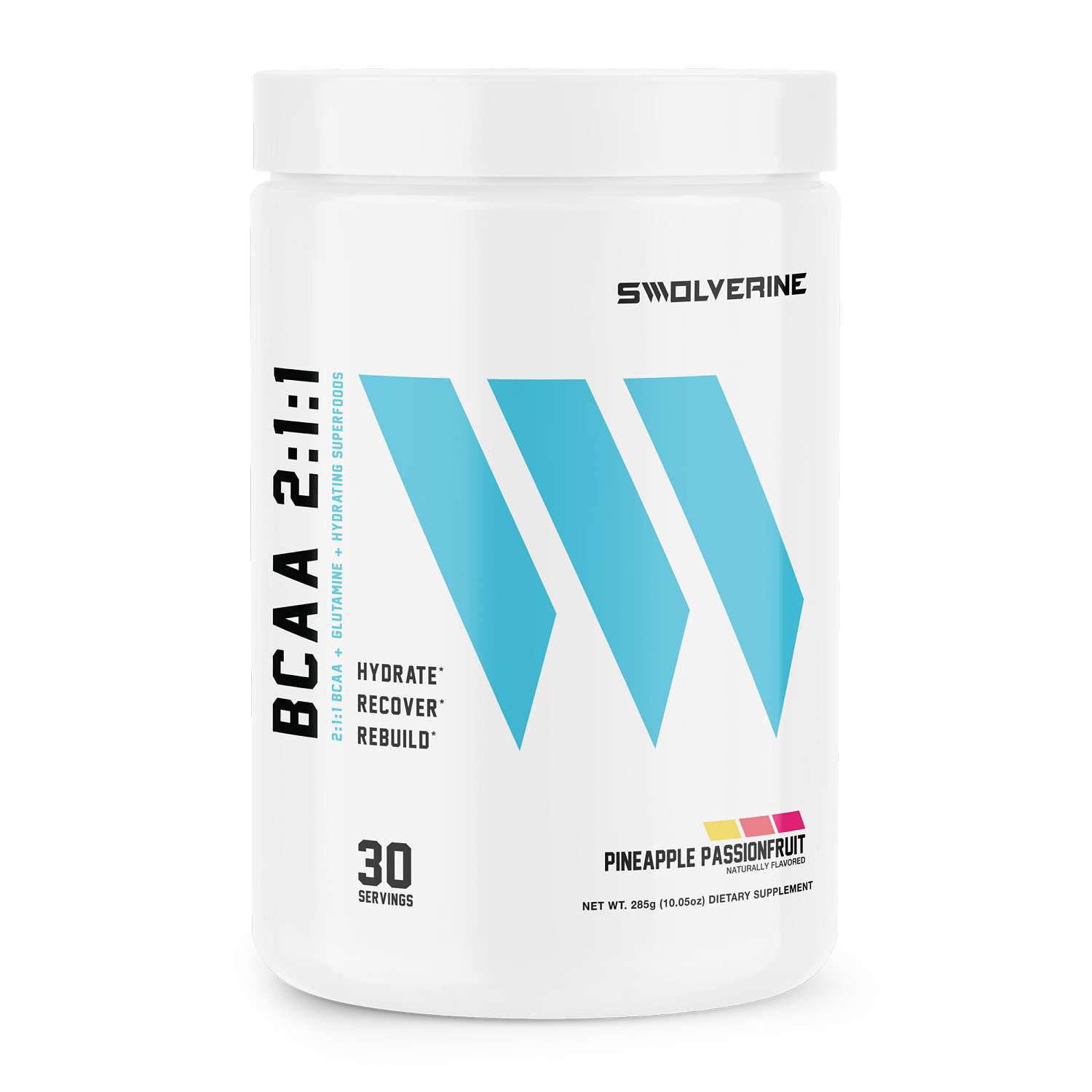
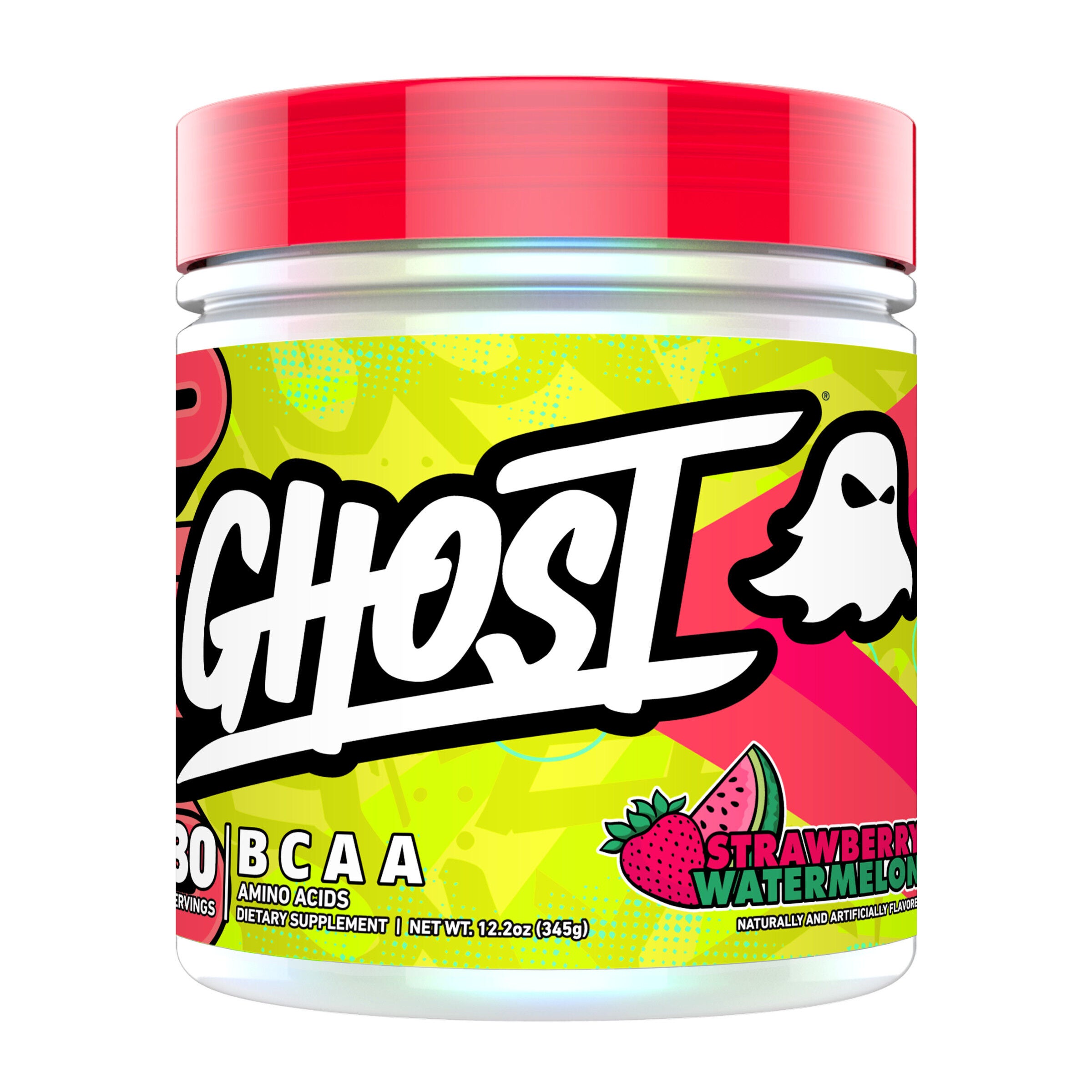
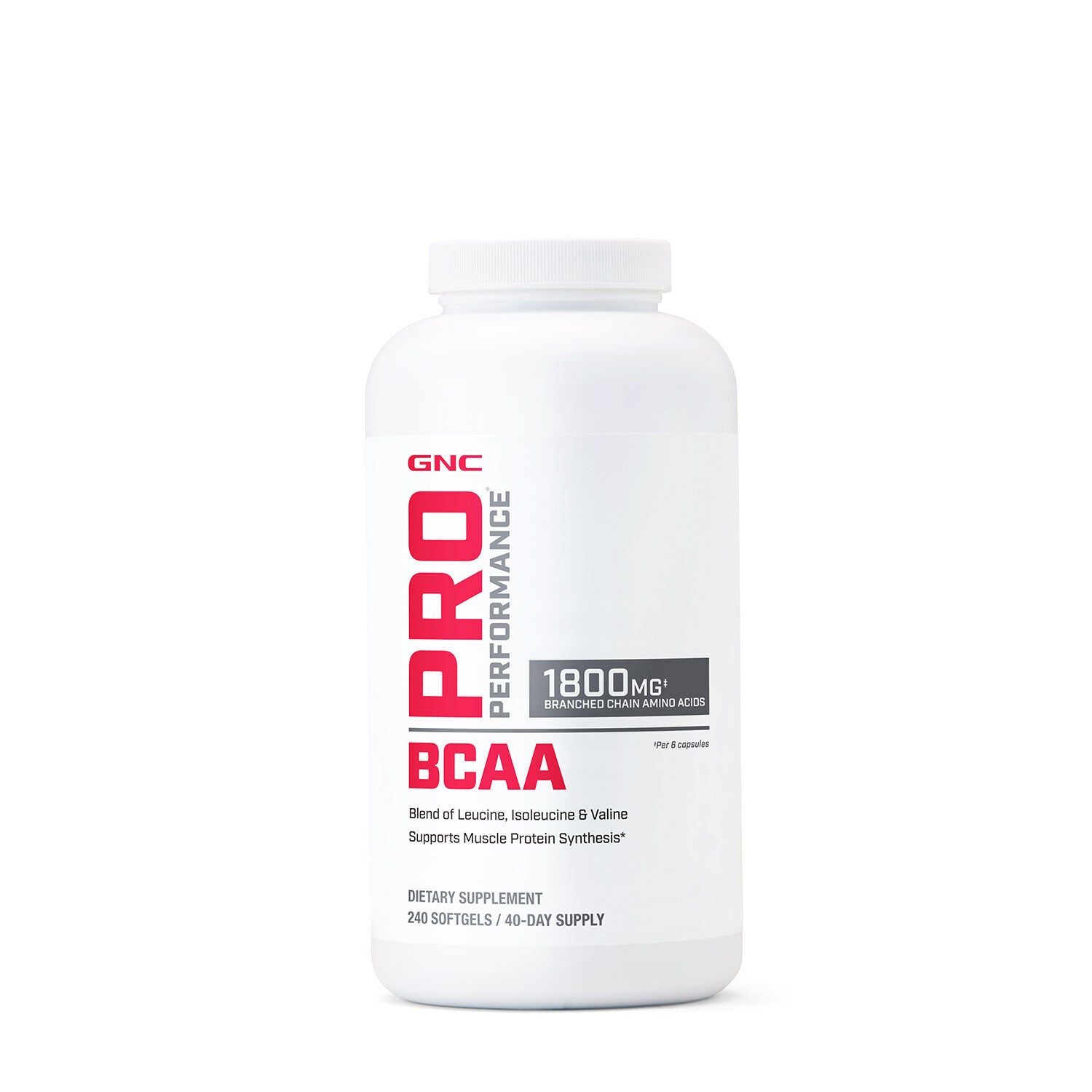
BCAA supplements typically come as powders or capsules, with labels identifying leucine, isoleucine, and valine and sometimes listing their relative proportions. A stated ratio describes the relationship among those three amino acids; it does not, on its own, explain the amount in a serving or establish suitability for a particular routine. The listed quantities and serving directions provide more context. Powdered options may feature fruit flavors and varying degrees of sweetness, while capsules offer a format without a mixed beverage. Some amino acid formulas also contain other ingredients, so two products described as BCAA supplements can have notably different contents. For a related category, BCAA Glutamine Supplements brings together formulas featuring BCAAs and glutamine, an amino acid distinct from leucine, isoleucine, and valine. Comparing those combinations involves the same attention to serving size, ingredient amounts, and preparation directions as comparing other amino acid supplements. A protein powder already containing BCAAs and a separate amino acid supplement can overlap in composition, so the distinction between the categories remains important when planning purchases. Packaging and storage also deserve consideration for products used repeatedly. Resealable pouches, tubs, individual packets, and bottled drinks have different storage and carrying requirements. A tightly closed container, a dry scoop, and storage according to the package directions are practical considerations for powdered supplements. Prepared shakes and opened beverages have their own handling instructions, including refrigeration where specified. Single-serving packets offer a measured format for travel or a gym bag, while larger containers require a suitable place to store and measure them. Clear serving information, an ingredient profile that suits personal preferences, and a format that works with an established routine give this category its everyday relevance. Whether the preference is a measured protein shake after training or an amino acid format considered alongside existing meals, the distinction between protein and BCAAs provides a useful foundation for comparing the options.
- Q: What are protein and BCAA supplements?
A: Protein and BCAA supplements are products that may provide additional protein or branched-chain amino acids, which are nutrients found in foods like meat, dairy, and legumes. - Q: When might someone consider adding protein or BCAA supplements to their routine?
A: Some people may choose to add protein or BCAA supplements to their routine if they have specific fitness goals, dietary preferences, or want convenient ways to increase their intake of these nutrients. - Q: How can protein and BCAA supplements be used as part of a fitness regimen?
A: Protein and BCAA supplements might be used before or after workouts, or as a snack throughout the day, depending on individual preferences and routines. - Q: What forms do protein and BCAA supplements come in?
A: These supplements are available in various forms such as powders, ready-to-drink beverages, capsules, and chewables. - Q: Can protein and BCAA supplements fit into different dietary lifestyles?
A: Many protein and BCAA supplements are available in options that may suit vegetarian, vegan, or plant-based lifestyles.