

Protein Shake With Creatine
(0 Results)
Protein shake with creatine options could be a convenient addition to your fitness routine, offering a blend that may support your training goals. Whether you’re looking to fuel post-workout recovery or seeking an easy way to supplement your daily nutrition, these shakes provide a versatile choice for active lifestyles. Explore a variety of protein shake with creatine selections designed to fit different preferences and routines.
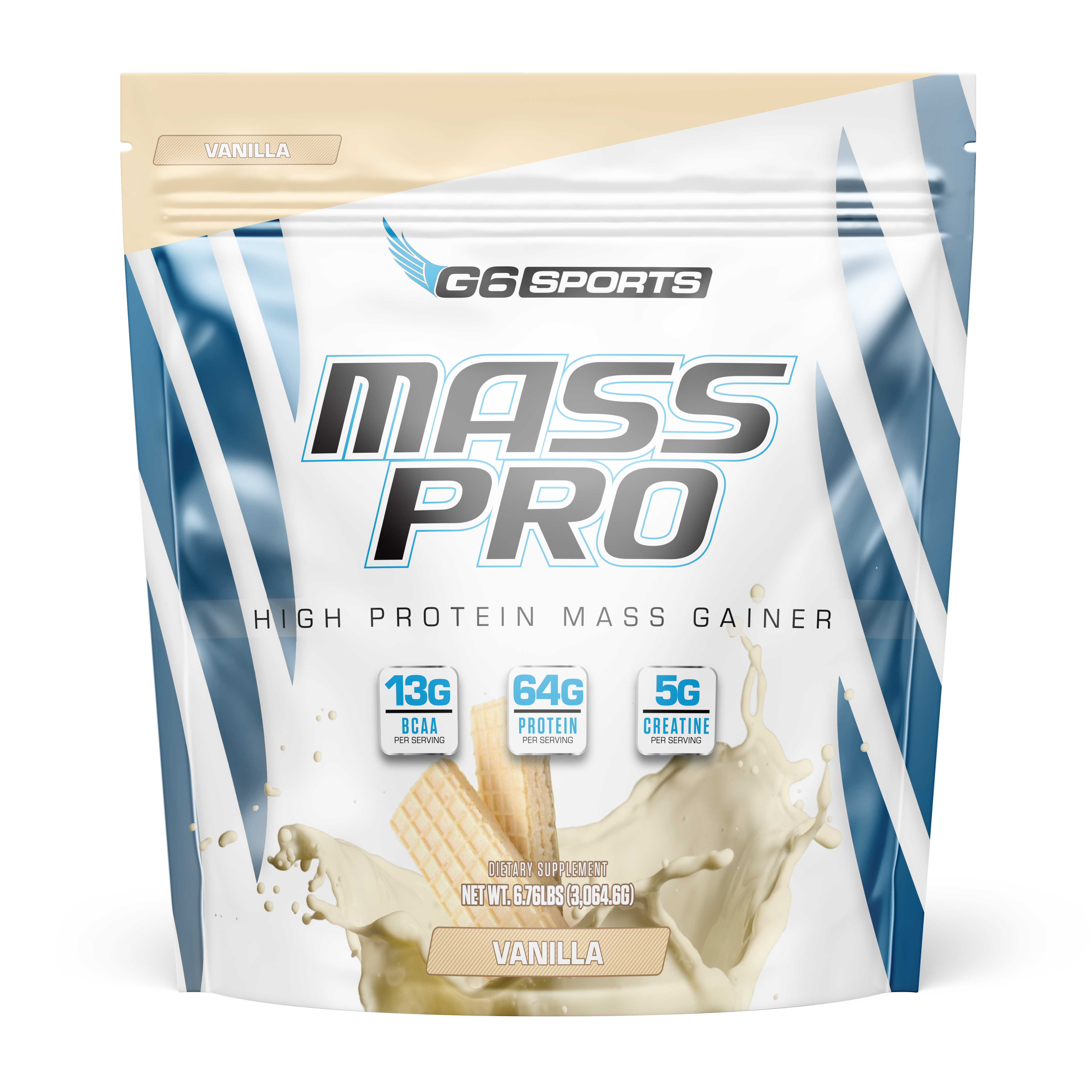


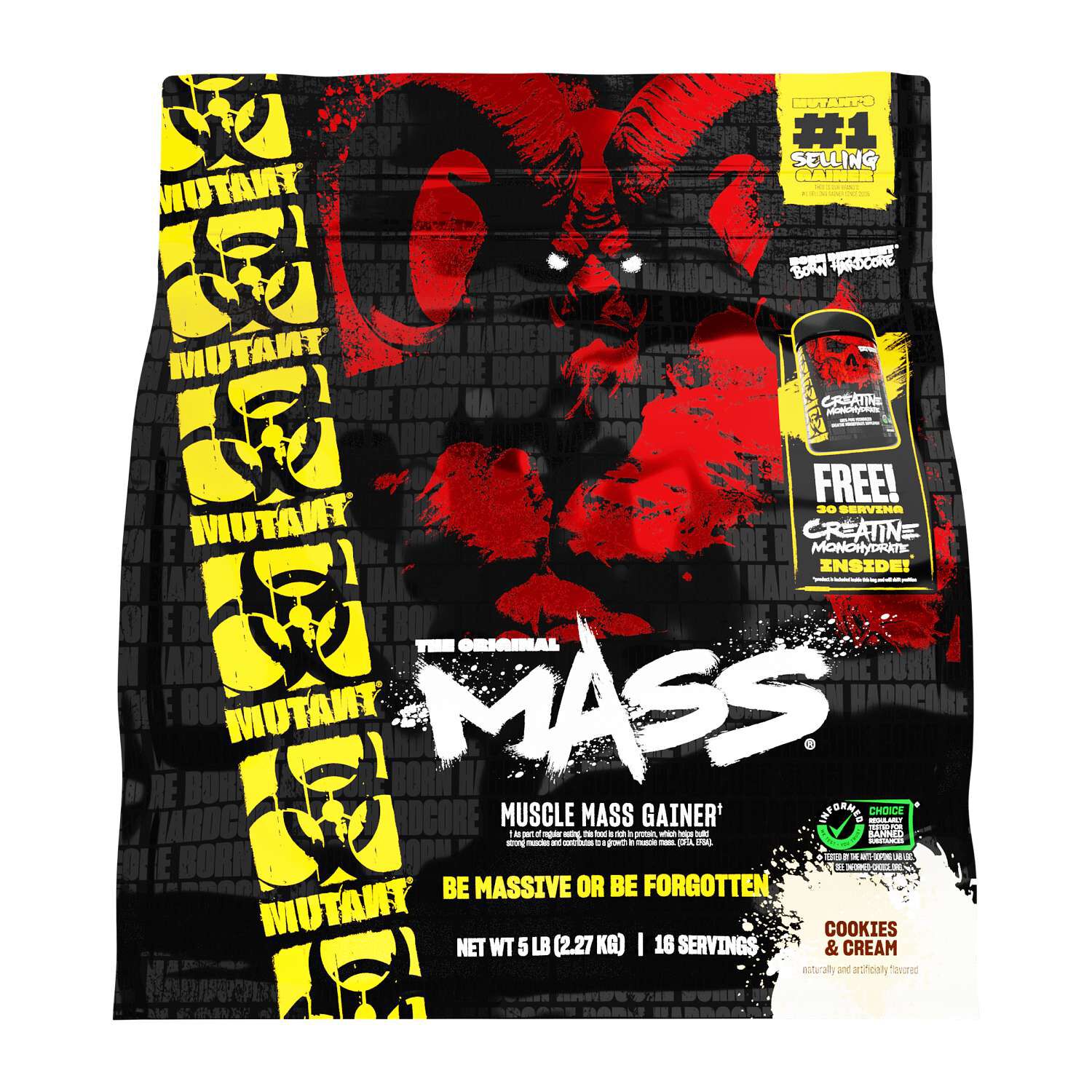
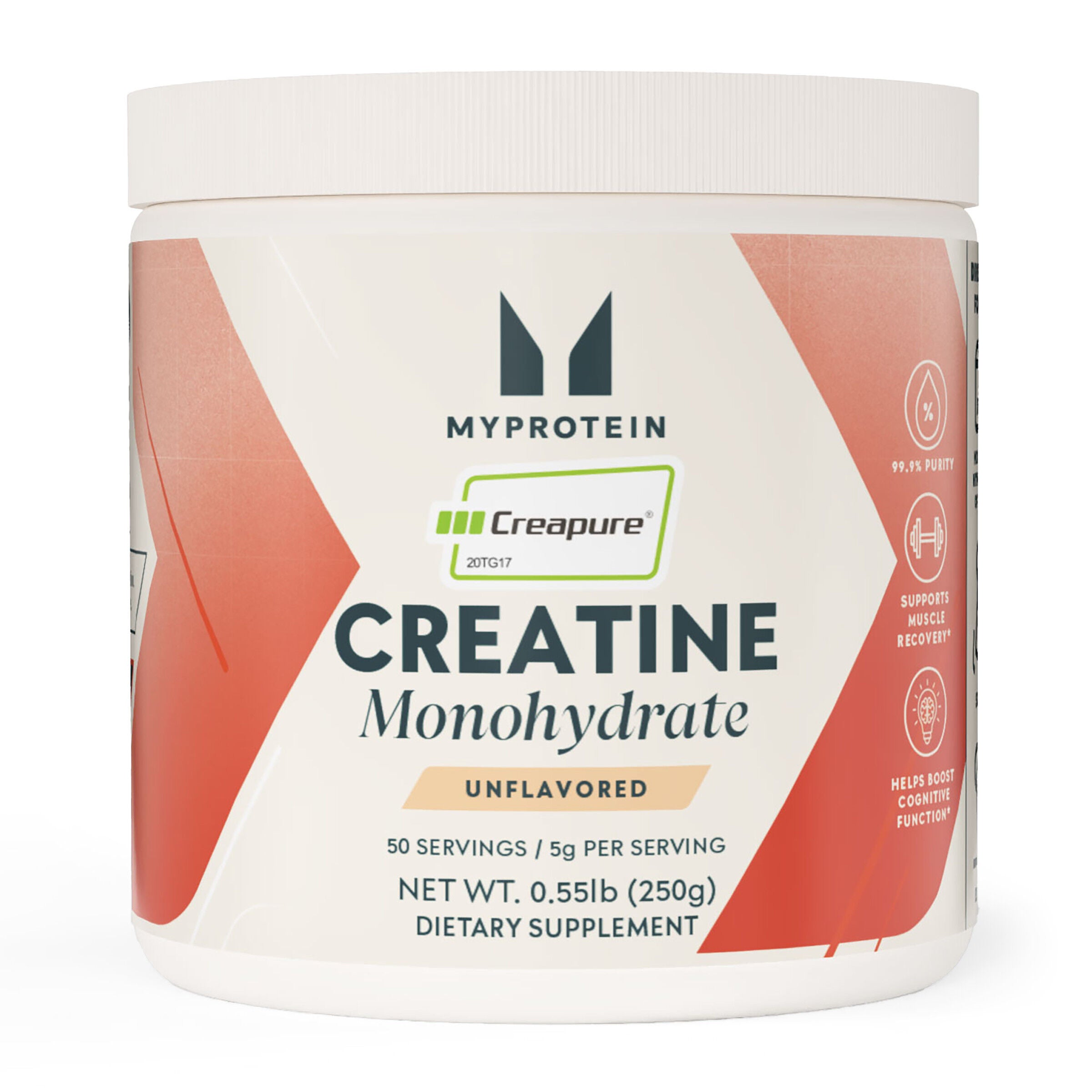
A protein shake with creatine brings two familiar sports nutrition ingredients into one drink, whether they come together in a formulated powder or are combined from separate containers. Protein provides amino acids, while creatine is a compound found naturally in the body and in foods such as meat and fish. They serve different nutritional roles: protein may support muscle maintenance and recovery after exercise, and creatine may support performance during repeated, short bursts of high-intensity activity. Combining them does not make them interchangeable, and the amount of one ingredient says nothing about the amount of the other. For shoppers comparing these shakes, the most useful starting points are the protein source, the form and quantity of creatine, the serving size, and the preparation directions. A front label that mentions both ingredients is only part of the picture; the nutrition panel and ingredient list offer a clearer view of what goes into each serving. This category is particularly relevant to adults who pair strength training with a regular eating routine and prefer a drink format over separate preparations. Picture an early gym session followed by a commute, or an evening workout with dinner still to come: a shake may fit into those transitions without requiring a blender full of ingredients. That convenience is a matter of format rather than a reason to expect a particular result. These drinks are not automatically meal replacements, either. A shake built primarily around protein and creatine may have a very different nutritional profile from a meal that includes produce, grains, and other foods. The best match depends on how the drink fits alongside ordinary meals, personal preferences, and the demands of a training schedule. Flavor matters here as much as the label details. A rich chocolate shake can feel quite different from a lighter vanilla blend, especially when it becomes part of a familiar routine several days a week.
The protein base plays a large role in the character of a protein shake with creatine. Whey comes from milk and appears in forms such as concentrate and isolate, each with its own composition. Whey isolate generally contains less lactose and fat than whey concentrate, though the finished formula matters more than the ingredient name alone. Neither should be assumed suitable for someone avoiding milk ingredients. Shoppers interested in that protein source can compare Whey Protein Powders With Creatine while paying attention to the amount of each ingredient per labeled serving. Other protein bases include casein and plant-derived proteins such as pea or rice. Casein often creates a thicker drink, while the texture of plant-based blends varies with their ingredients and processing. Creatine monohydrate is a common form in sports nutrition powders; the word micronized describes a smaller particle size, not a separate type of creatine. Its presence does not by itself establish how much creatine a serving contains, so the stated quantity remains an important comparison point. Scoop sizes also differ between formulas. One scoop from one container is not a dependable substitute for the scoop supplied with another, and some labeled servings call for more than one scoop. Beyond protein and creatine, carbohydrate content, added sugars, fat, sodium, and sweeteners help distinguish otherwise similar shakes. Ingredient lists may also include cocoa, flavorings, gums, or emulsifiers that influence taste and texture. Someone who enjoys a dessert-like drink might prefer a fuller-bodied blend, while someone drinking a shake between a workout and lunch might favor a less intense flavor. Dietary preferences deserve the same attention as flavor: milk, soy, and other allergen declarations belong in the comparison, including when a shake is being chosen for another adult. Clear ingredient amounts and readable preparation directions can make a formula easier to evaluate than a long list of ingredients with little explanation of their quantities.
Preparation and packaging shape the everyday experience of using these powders just as much as flavor does. A formula designed to include both protein and creatine puts the ingredients into a single measured serving, while separate powders allow each component to be measured according to its own label. With either format, checking whether creatine is already included can help shoppers understand what they are combining. The suggested liquid volume offers a useful reference for the intended consistency: a smaller volume generally produces a thicker drink, while more liquid produces a thinner one. Water keeps the preparation straightforward; milk or a plant-based beverage changes the flavor, texture, and nutritional profile. Oats, fruit, or nut butter can turn a simple shake into a more substantial blended drink, but those additions also change what the serving contains. Mixing performance is worth considering for the setting where the shake will actually be prepared. A powder that mixes comfortably in a shaker bottle may suit a gym bag or office kitchen, while a dense smoothie with frozen fruit calls for a blender. Some settling can occur, and a smooth texture should not be treated as evidence of a particular ingredient amount or product effect. For powder storage, a securely closed container, a dry scoop, and a location away from excess heat and moisture help protect the contents during ordinary use. Prepared shakes have different handling needs, particularly when mixed with milk or other perishable ingredients; label directions and appropriate refrigeration matter when a drink will not be consumed promptly. Packaging also deserves a practical look. A wide opening makes scooping easier at a kitchen counter, while a smaller container can be less cumbersome to carry. Through busy workdays, weekend training sessions, and indoor workouts during cooler weather, a protein shake with creatine may offer a convenient addition to an established nutrition routine. A sensible choice brings together clearly stated ingredients, a serving format that suits the occasion, and a taste and texture the person drinking it genuinely enjoys.
Best Sellers
-
 GNC Pro Performance
 -
 GNC Pro Performance
 -
 GNC Pro Performance
 -
 GNC Pro Performance