





Weight Loss Protein Shakes
(0 Results)
Looking to shed those extra pounds and support your fitness goals? Our Protein Weight Loss Shakes are here to help you on your journey to a healthier, more energetic you. Packed with essential nutrients and designed to keep you feeling full and satisfied, these shakes are a convenient way to boost your protein intake while managing your weight. Whether you're hitting it hard at workouts or simply looking for a nutritious meal replacement, our Protein Weight Loss Shakes are a delicious and effective option to support your weight loss efforts.
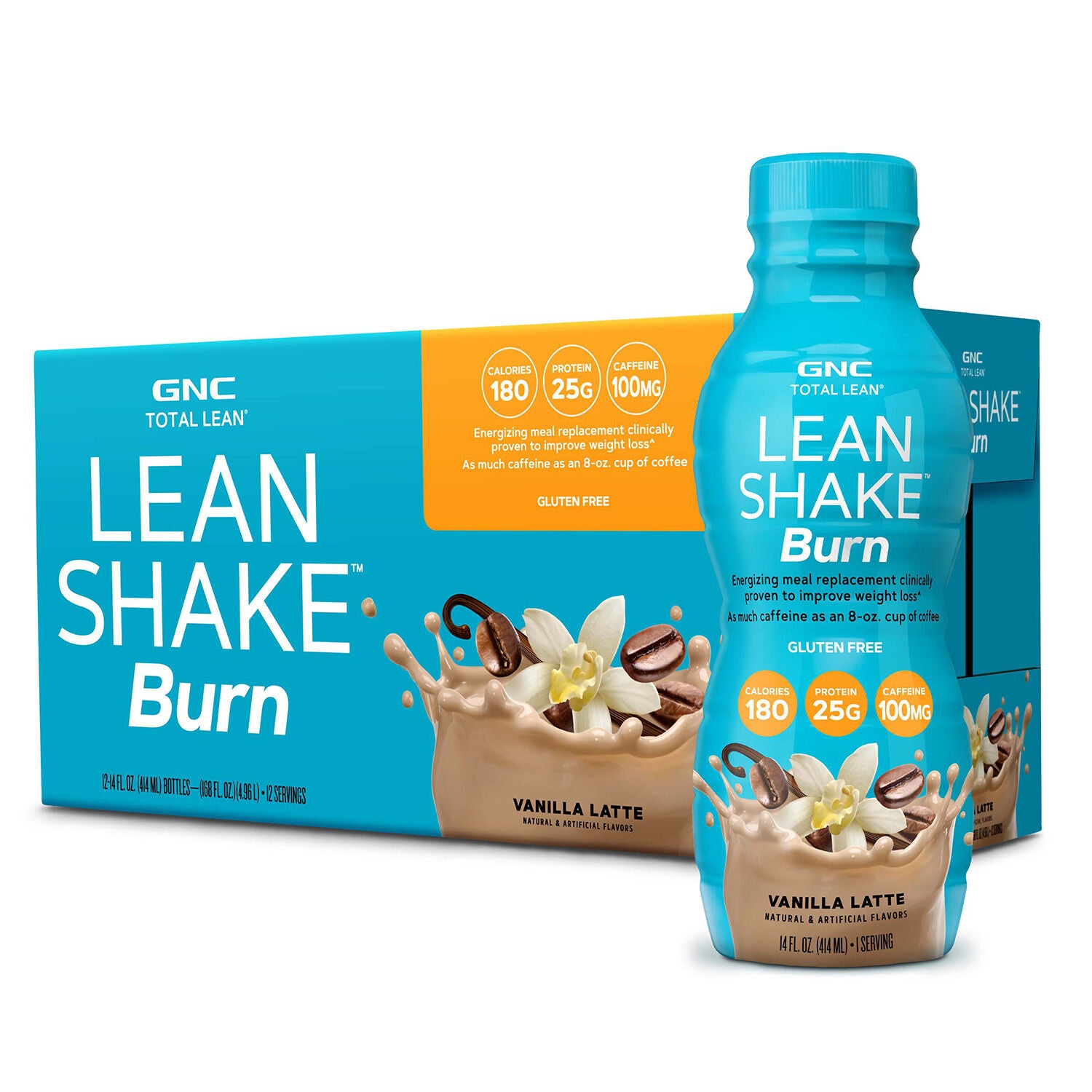


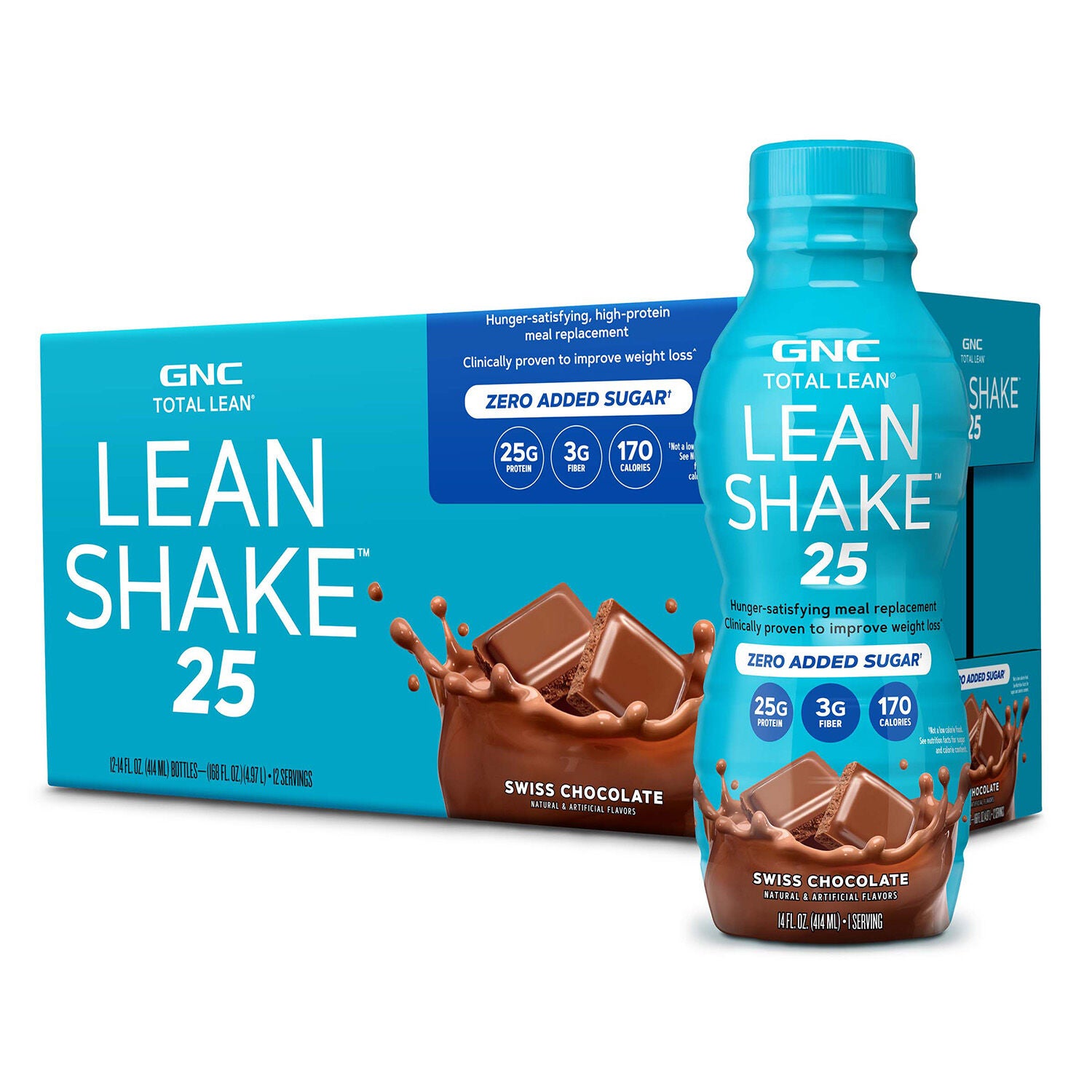

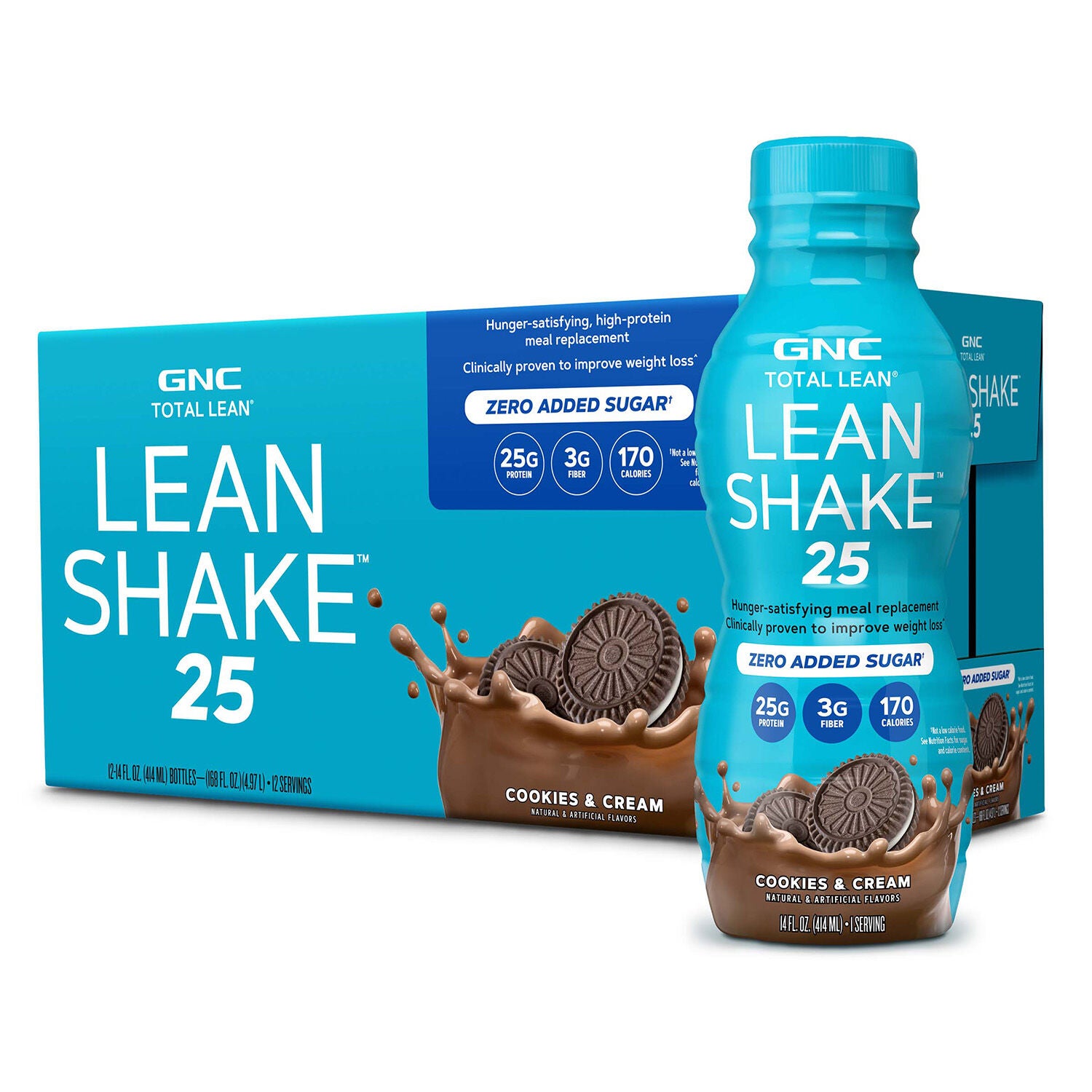
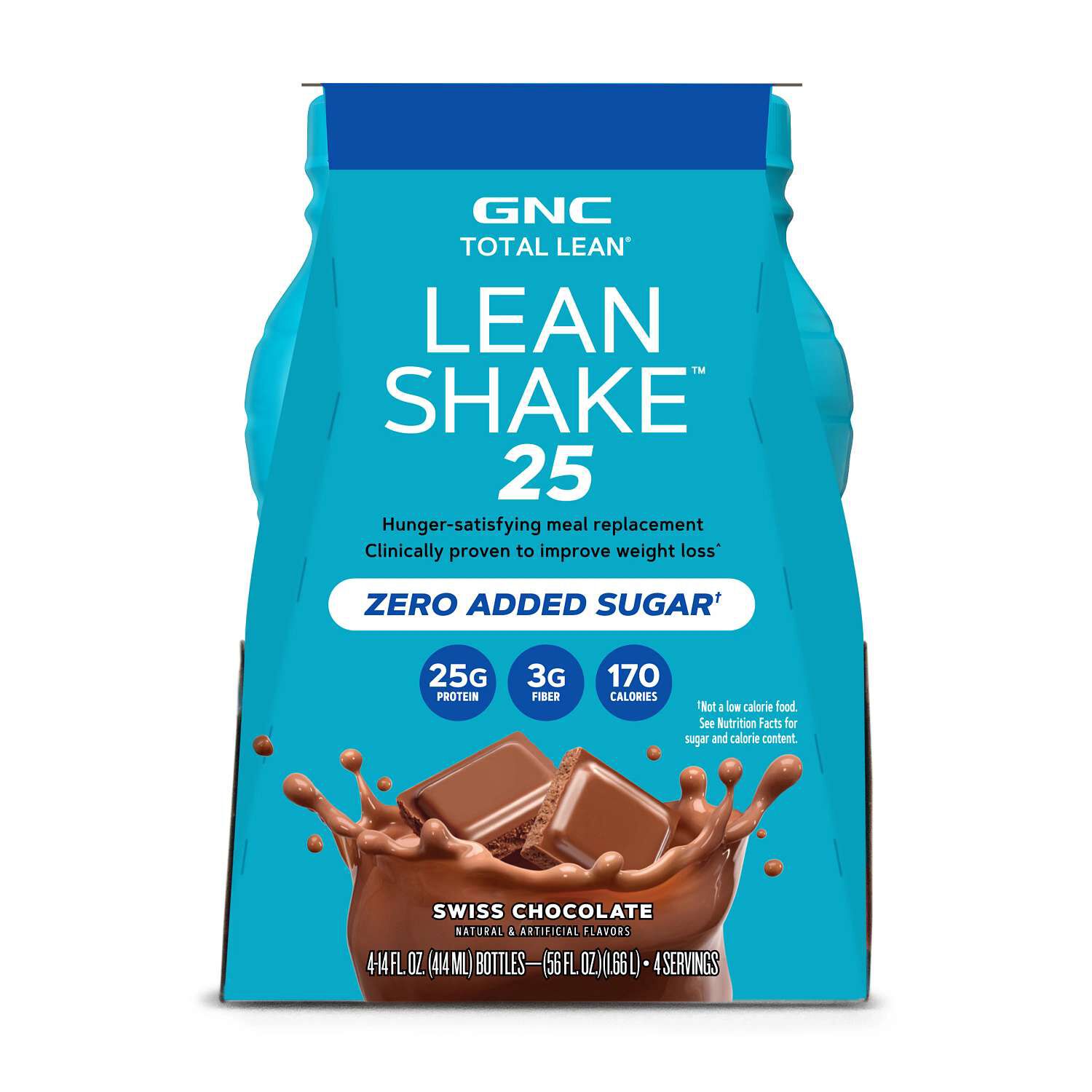

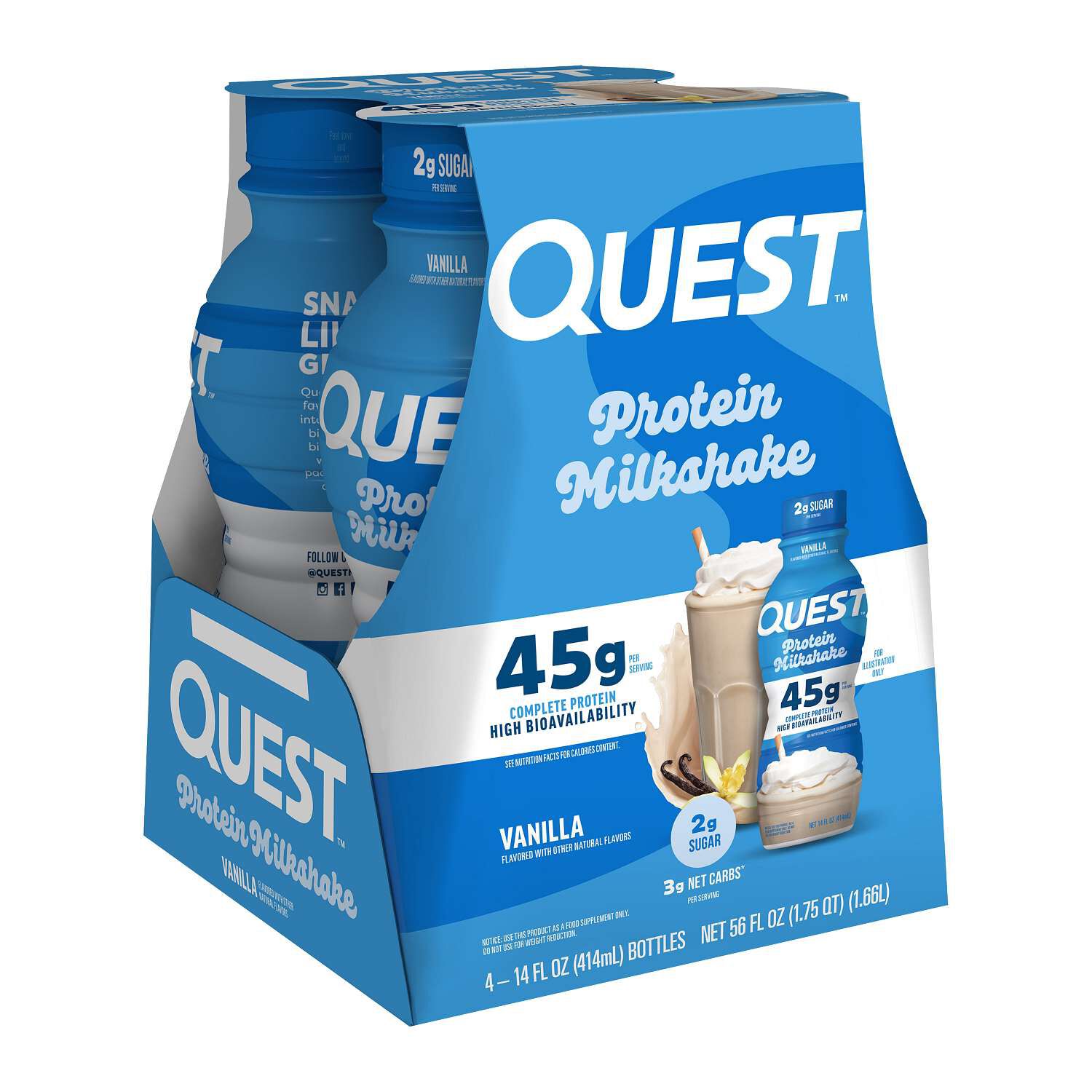
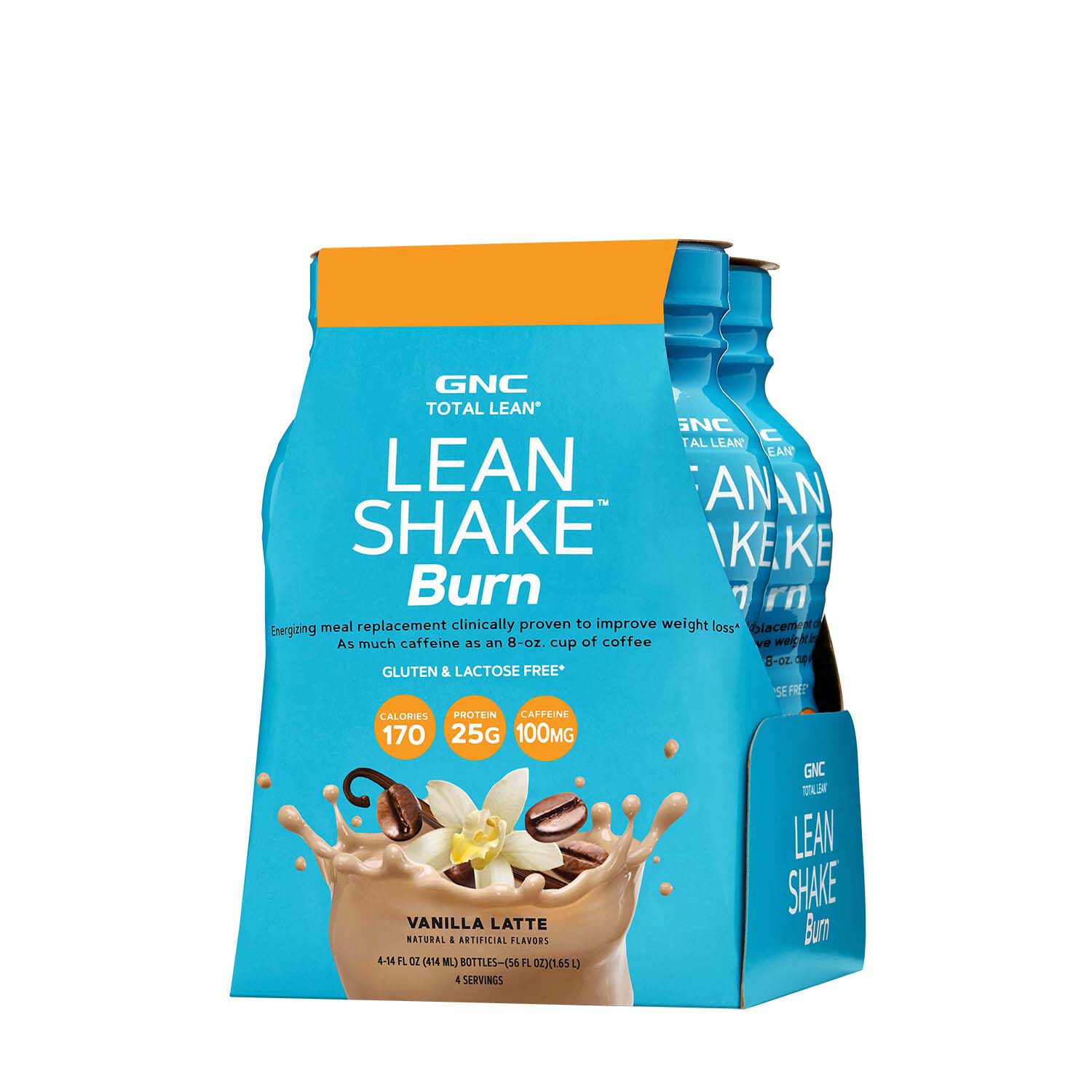
Weight loss protein shakes are protein beverages chosen for eating routines that include weight management goals. The category spans ready-to-drink shakes and powders mixed with liquid, with differences in protein sources, calories, serving sizes, flavors, and texture. A shake may offer a practical way to include protein in a planned snack or meal, but its role depends on what else is eaten throughout the day. Protein may help with feelings of fullness, although individual experiences vary, and a product’s name alone does not establish how it will fit a particular routine. The most useful comparisons start with the nutrition panel: grams of protein per serving, calories per serving, added sugars, fat, carbohydrates, and any fiber included in the formula. These details belong together rather than being judged in isolation. Two shakes with similar protein amounts can have different calorie counts, ingredient lists, and serving volumes. Likewise, a smaller bottle is not necessarily lower in calories than a larger one. Serving information matters especially with powders, since one serving may call for more than one scoop. Nutrition information also needs to be read in context: the figures for dry powder may differ from those for a shake prepared with milk or another beverage. A powder mixed with water and the same powder blended with milk, banana, and nut butter are different preparations, even when the scoop amount stays the same. For someone planning a snack between meetings, a simple preparation may suit the occasion; someone pairing a shake with breakfast may prefer a different texture or flavor alongside other foods. Protein shakes are also distinct from meal replacement shakes. A protein-focused formula is not automatically intended to stand in for a meal, and formulas differ in their balance of nutrients. The label’s intended use provides a clearer basis for comparison than front-label descriptions alone. Within this category, the relevant choice is one whose serving size, ingredients, preparation, and taste fit the way it will actually be used.
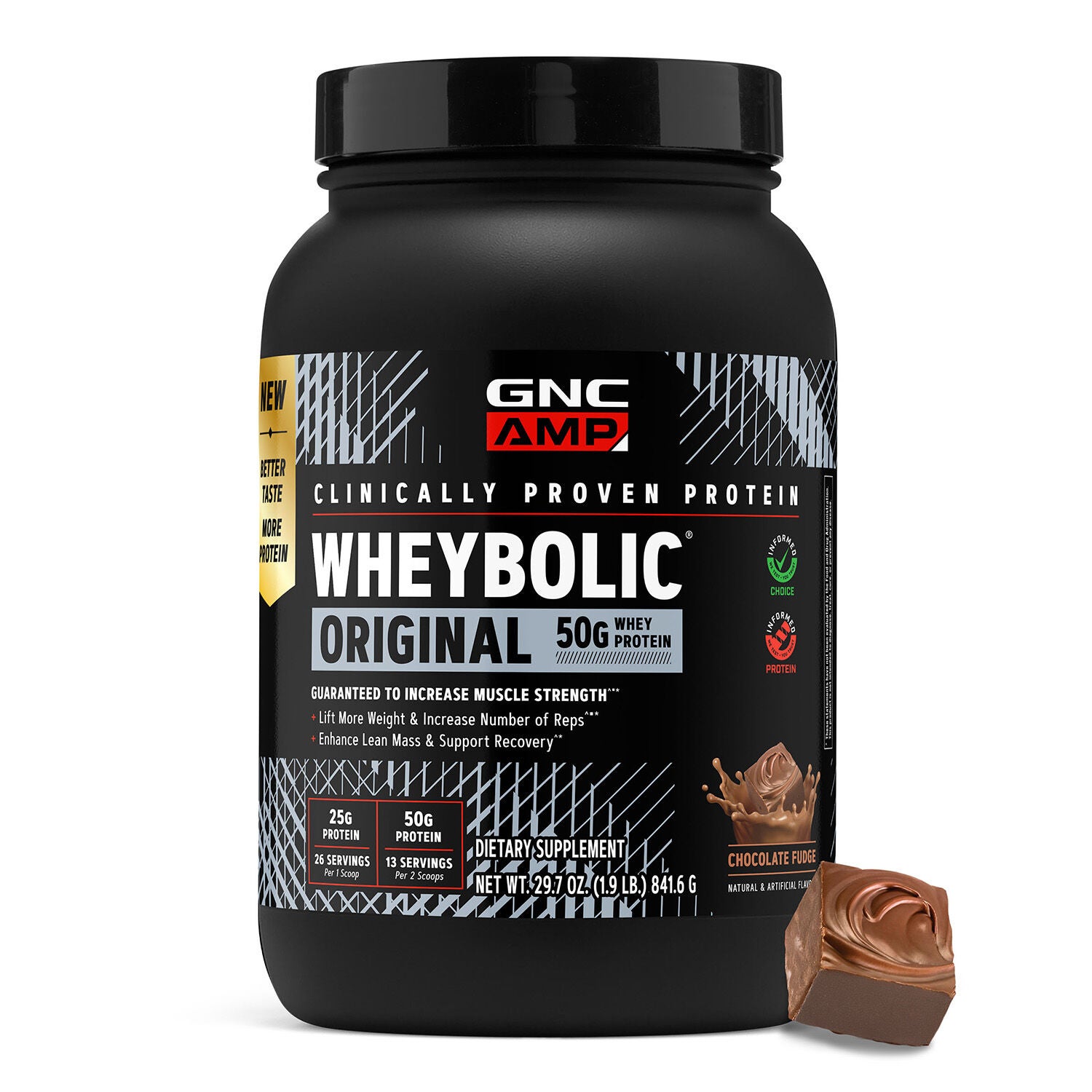
Protein source is another meaningful distinction among weight loss protein shakes. Dairy-based powders commonly use whey, casein, or a blend, while plant-based formulas may use pea, soy, rice, or combinations of plant proteins. Whey isolate and whey concentrate are different forms of whey protein, and their nutrition profiles can vary by formula. The source name does not tell the entire story: added ingredients, flavor systems, and the amount used per serving also shape the finished beverage. Anyone shopping around food allergies or dietary preferences will find the ingredient list and allergen statement particularly important. A plant-based description, for example, does not replace a check for individual ingredients or shared-equipment notices. Texture deserves similar attention because it is part of every serving. Some shakes are light and easy to sip, while others have a thicker, creamier consistency. Plant ingredients, cocoa, added fiber, and different protein blends can each contribute to the mouthfeel. Chocolate flavors often have a cocoa-forward character, vanilla offers a milder base for mixing, and coffee-inspired varieties may have a roasted flavor profile. Coffee flavor does not by itself establish caffeine content, so that detail belongs on the label checklist when relevant. Sweetness also varies: formulas may contain sugar, other sweeteners, or a combination, and a low added-sugar number does not necessarily mean a less sweet taste. For powders, liquid choice and the mixing ratio affect both flavor intensity and consistency. More liquid generally makes a thinner drink, while less produces a denser mixture; the package directions provide the starting proportions. A shaker bottle suits many straightforward preparations, while a blender accommodates fruit or other additions. Every addition changes the finished serving, including its nutrition information. For shoppers comparing mix-at-home formats, the Best Weight Loss Protein Powder collection provides a related category to explore alongside ready-to-drink shakes. The distinction is largely about preparation and preference: powders allow a choice of liquid and mixing method, while bottled shakes arrive with a set recipe and serving format.
Everyday use often makes the differences between formats more noticeable than a flavor name does. A ready-to-drink protein shake requires no measuring or mixing, which may suit a commute, a desk drawer snack plan, or a gym bag when the package’s storage directions allow it. A powder requires liquid and a suitable container, but its preparation can be adjusted within the serving instructions to match a preferred consistency. Individually portioned packets offer a different packing experience from a larger tub, especially when carrying a separate scoop would be inconvenient. Packaging condition and storage instructions matter with either format. Some unopened beverages are suitable for pantry storage, while others require refrigeration; an opened bottle may have different handling directions from an unopened one. Powders generally call for a securely closed container and protection from moisture, with the package providing the specific instructions. A dry scoop and a clean mixing vessel are practical parts of preparation, and prepared shakes should be handled according to the directions for both the powder and the chosen liquid. When using a reusable shaker, a secure lid, readable measurement markings, and an opening wide enough for washing are useful features. Cleaning the lid, seal, and mixing insert after use helps remove residue from places a quick rinse may miss. These small details matter for someone making a shake several times a week rather than occasionally. Taste preferences matter just as much over repeated servings: a rich dessert-style flavor may appeal on its own, while a simpler flavor may work better with varied ingredients. A person who dislikes thick drinks may prefer a different preparation from someone who enjoys a spoonable blend. Shopping for weight loss protein shakes therefore involves more than choosing the largest protein number on a label. Protein amount, calories, dietary compatibility, serving format, flavor, and handling requirements all describe how a shake fits into an eating routine. Viewed together, those details offer a practical basis for choosing a protein beverage to accompany familiar foods and personal preferences, rather than treating the category name as a prediction of results.
Best Sellers


Related Pages
Top Collections
- Top Rated Collagen | Shop Customer Favorites | GNC
- Cortisol Supplements
- Vitamins For Hair Loss
- NAD+ Supplement Tablets
- Peptide Supplements
- Best Brand of Magnesium Glycinate
- Vitamins That Help Support Weight Gain
- Protein Powders For Muscle Growth Support
- Spirulina Tablets
- Peptide Supplements for Muscle Growth