Vanilla Weight Loss Shakes
(0 Results)
Vanilla weight loss shakes offer a convenient and delicious way to support your active lifestyle. With their smooth, creamy flavor, these shakes might fit seamlessly into your daily routine as a satisfying meal replacement or snack. Packed with essential nutrients, vanilla weight loss shakes could help you stay on track with your wellness goals while enjoying a classic taste you love. Explore a range of options that may suit various dietary preferences and fitness needs.
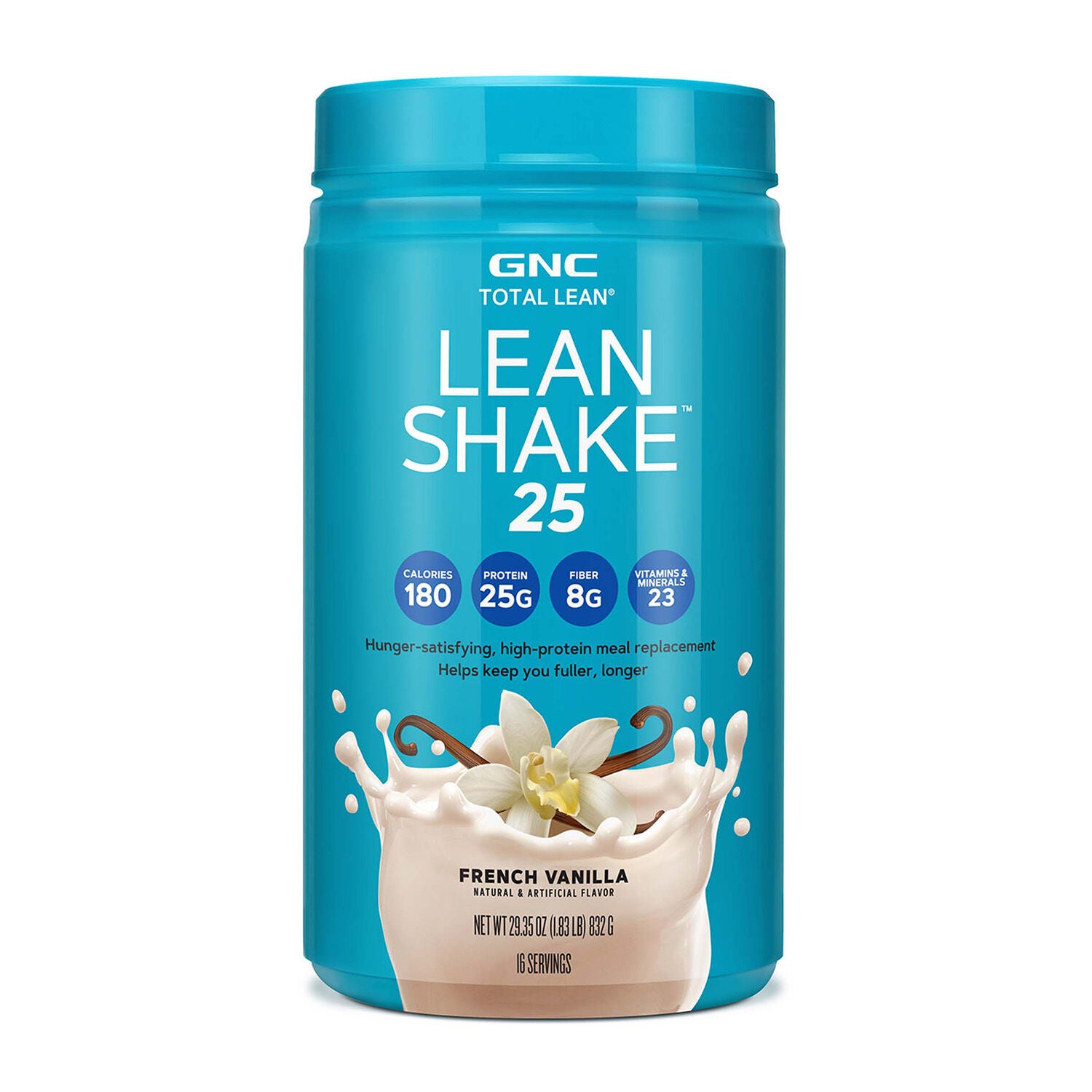

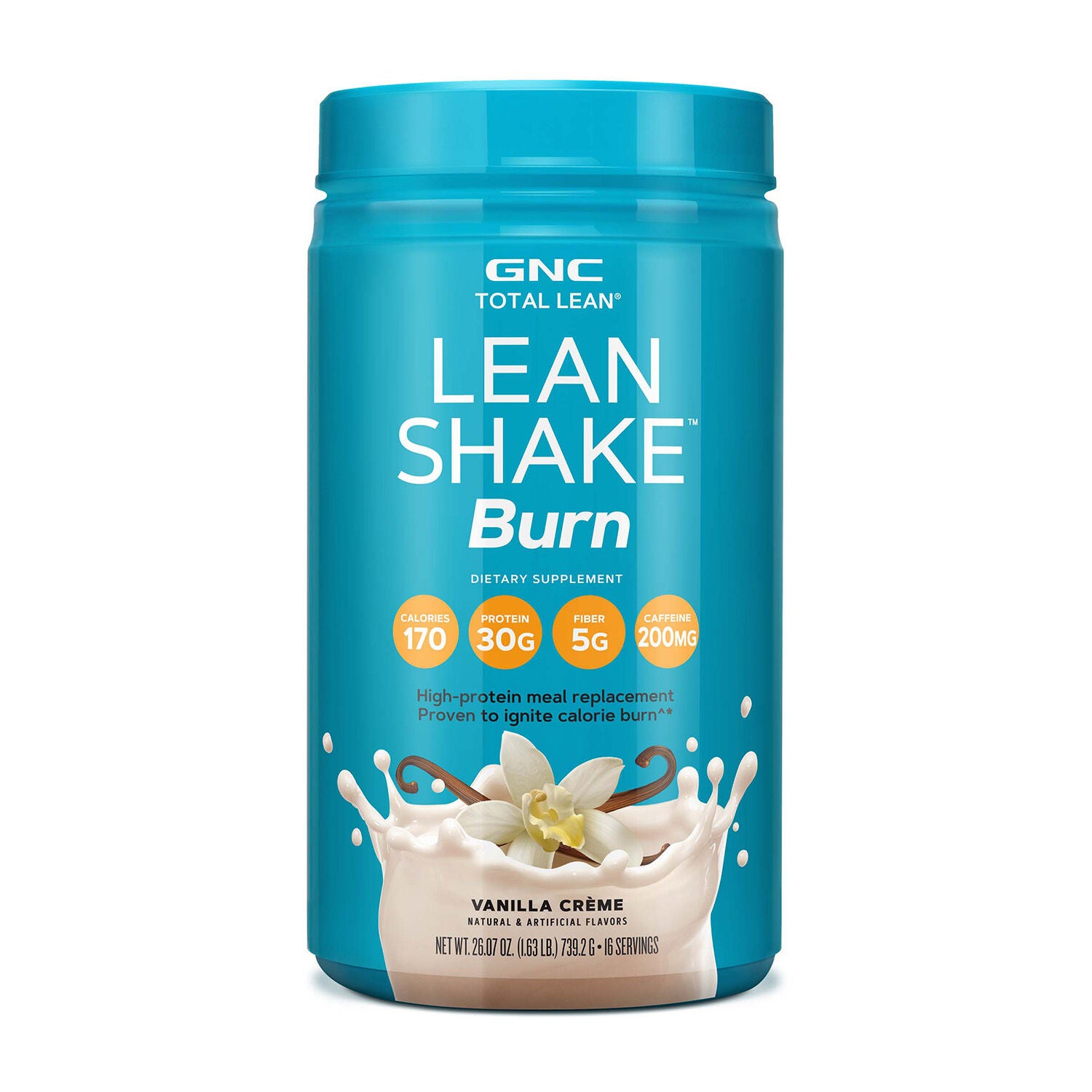

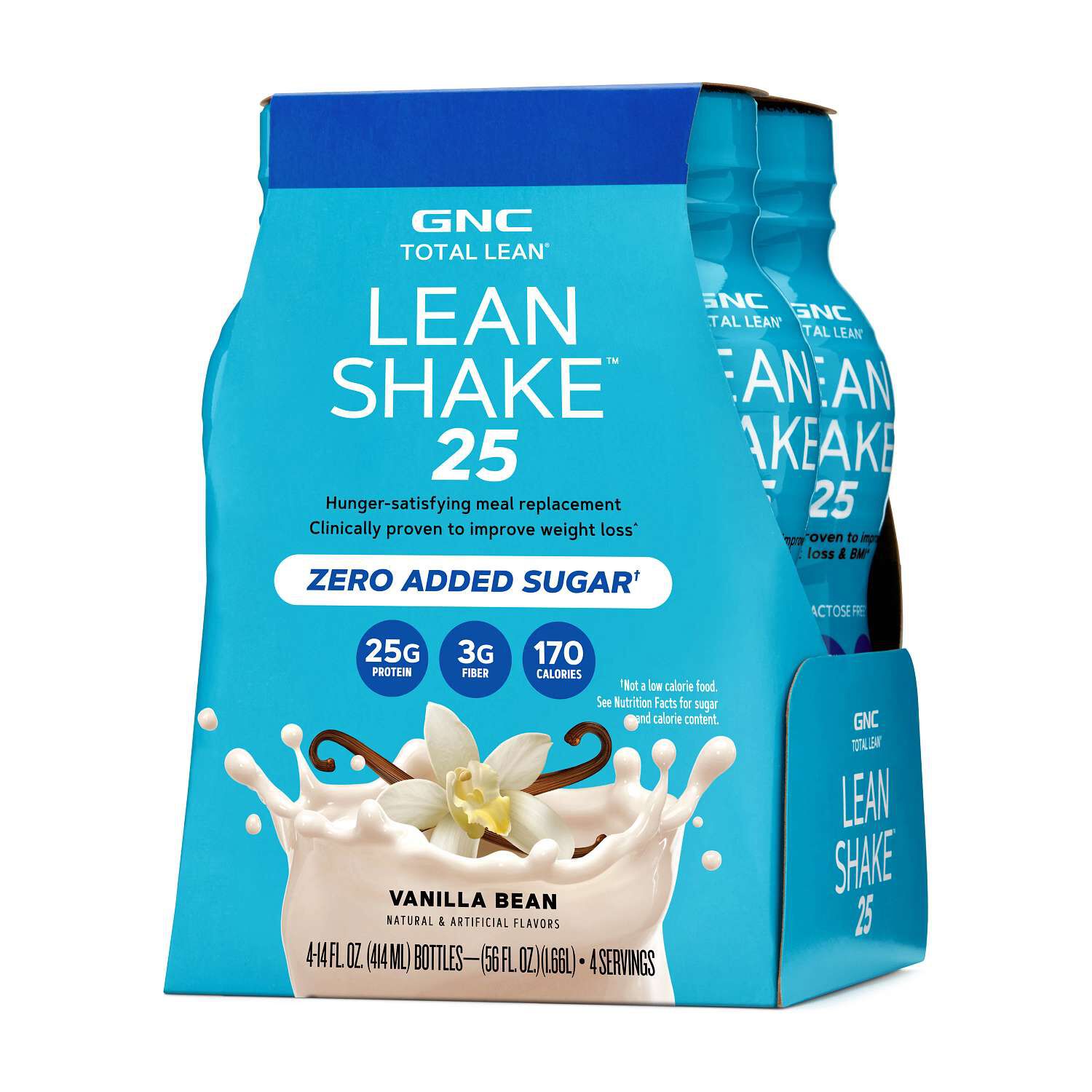
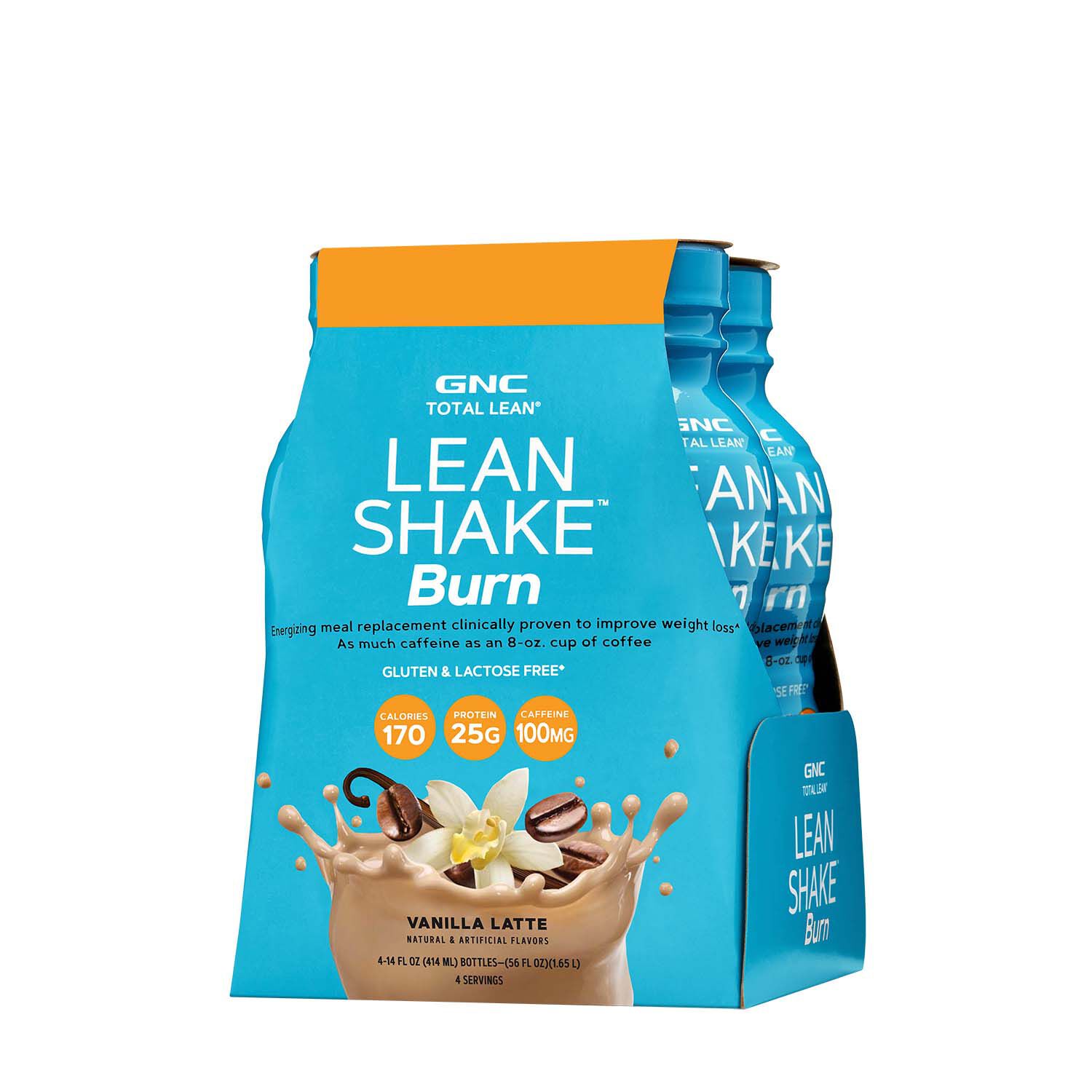


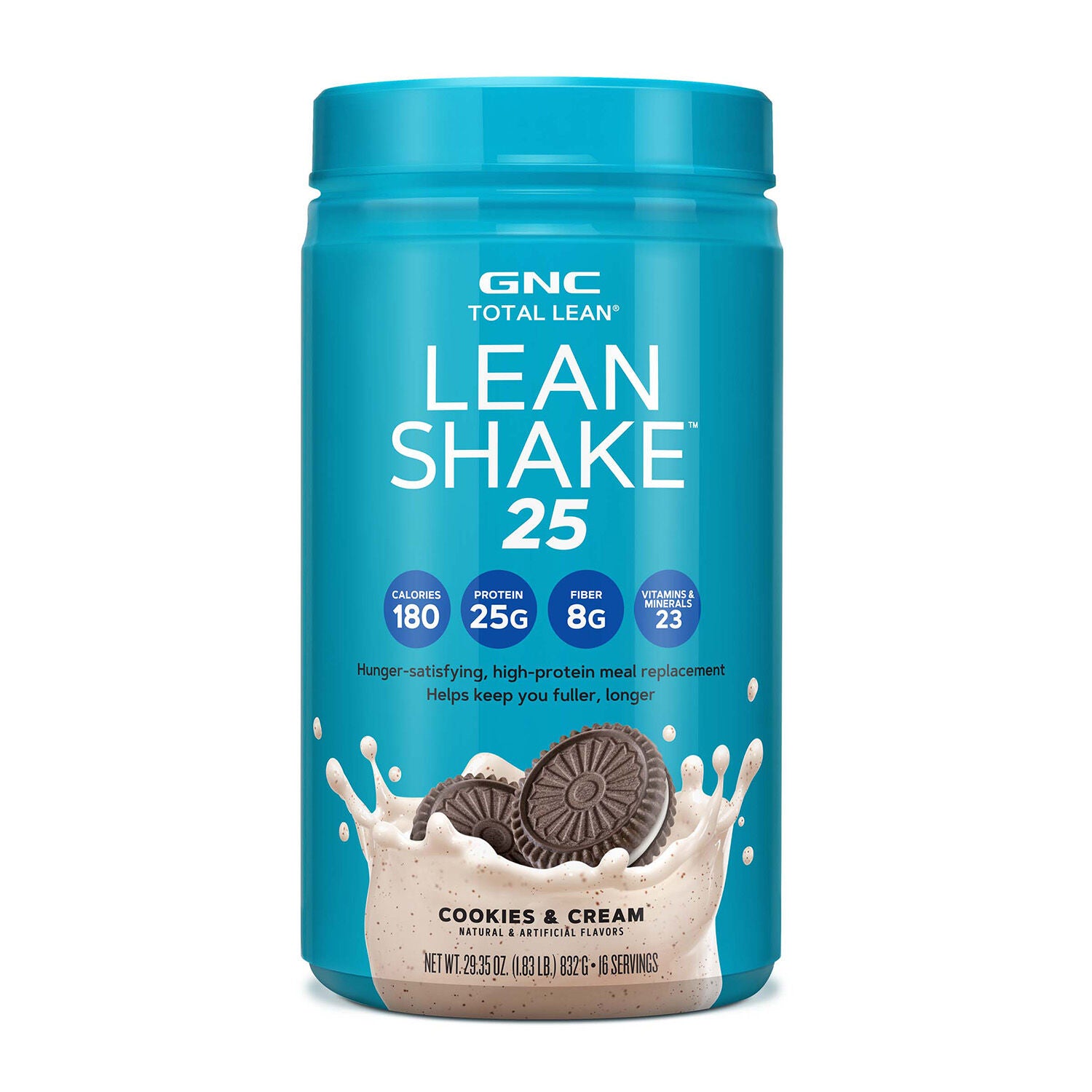
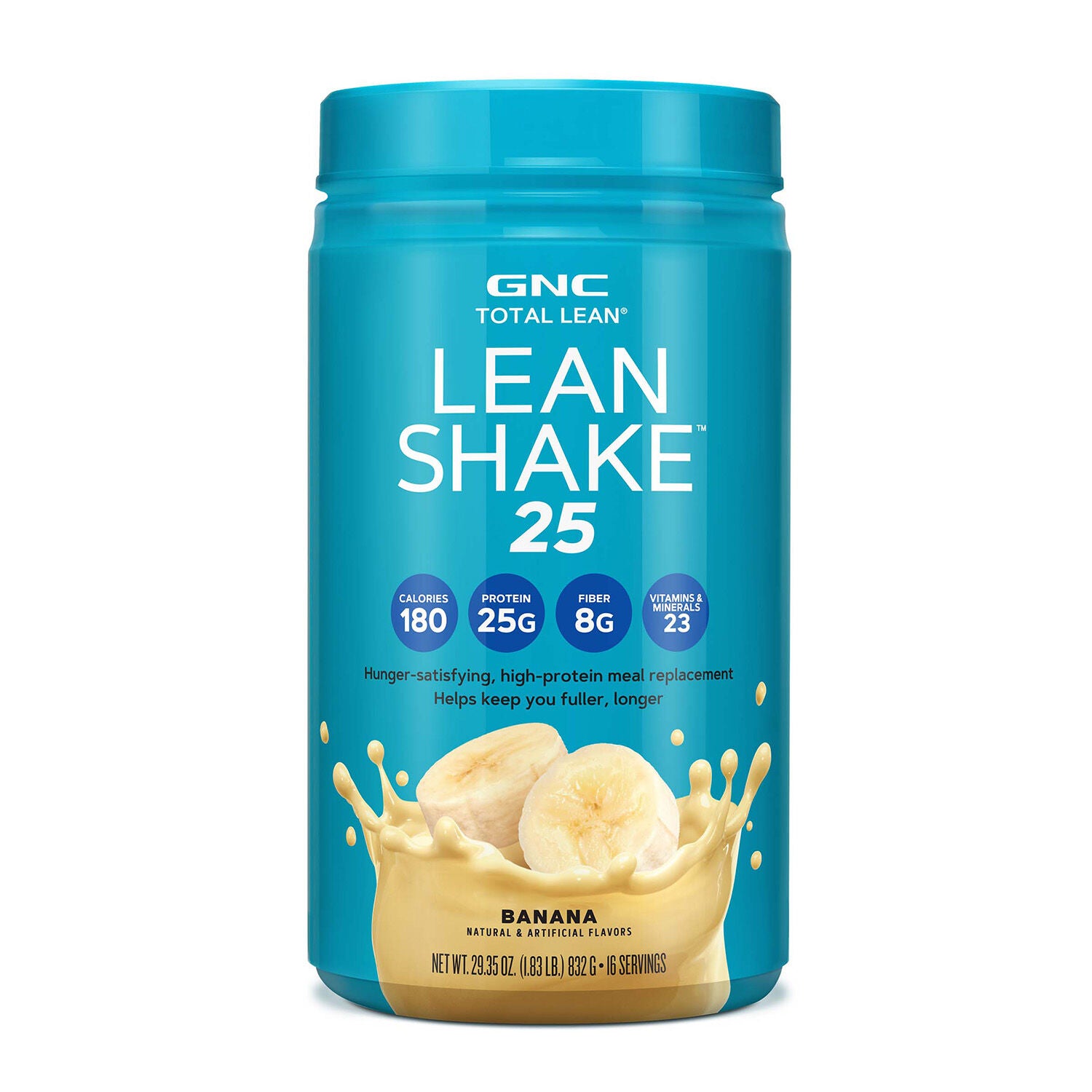

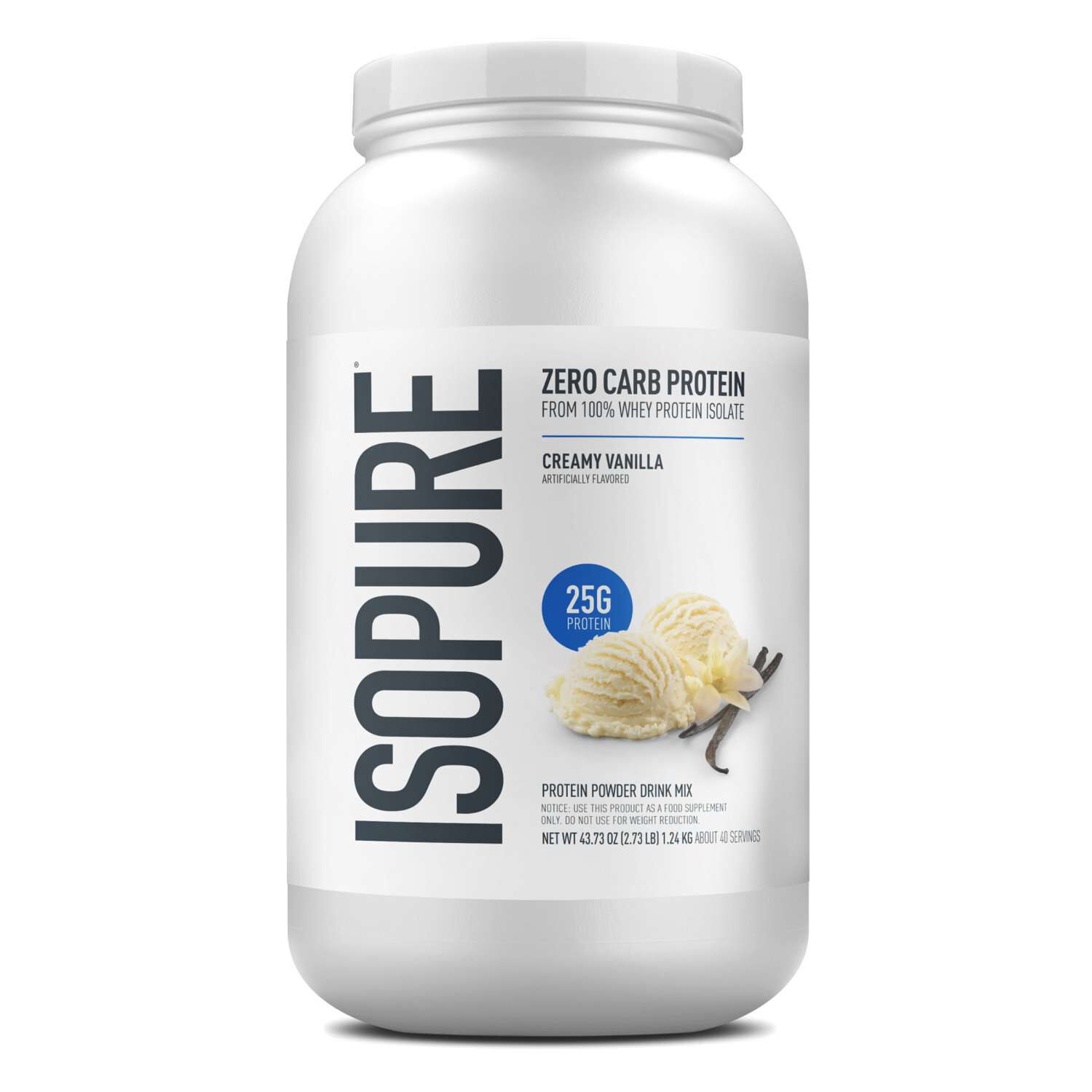
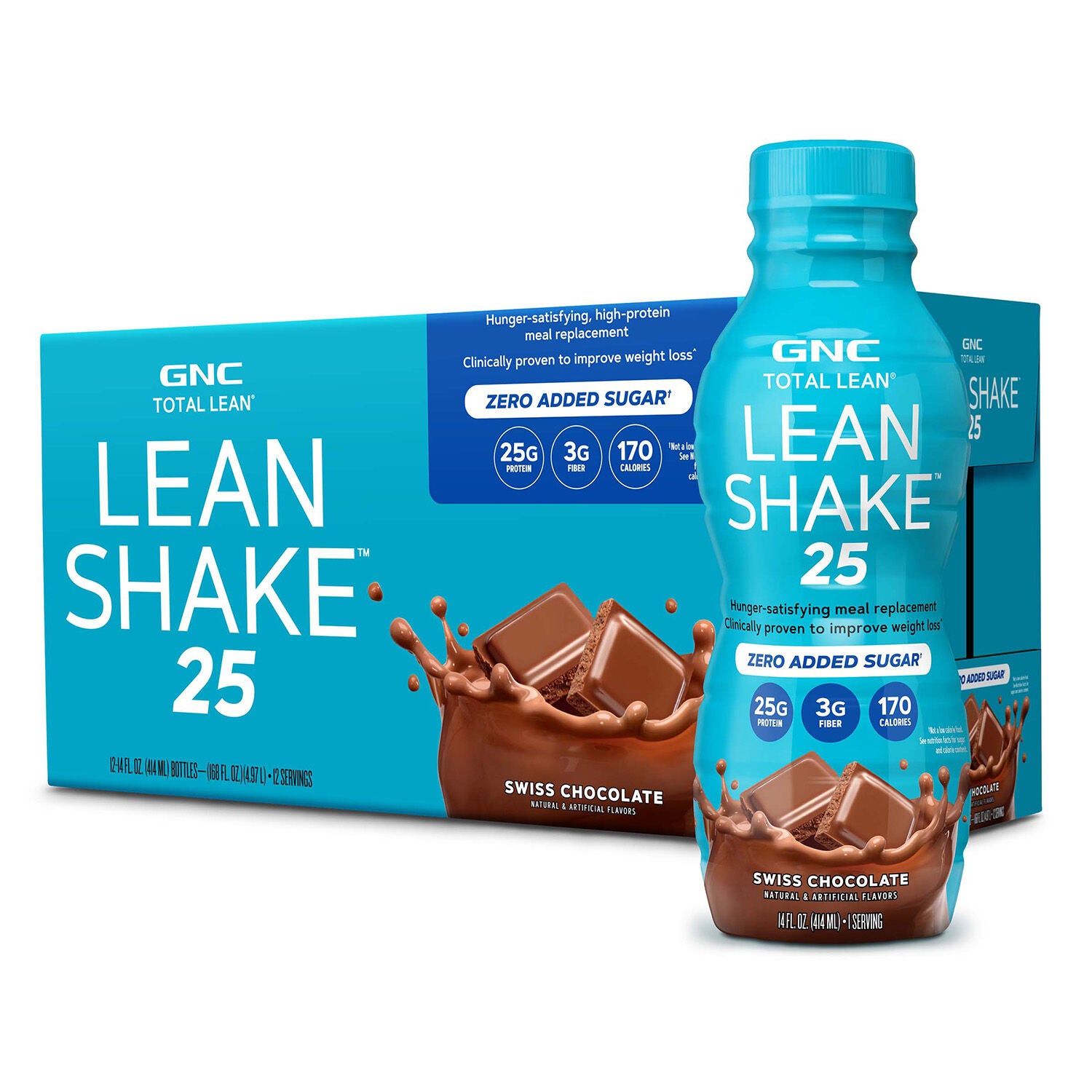
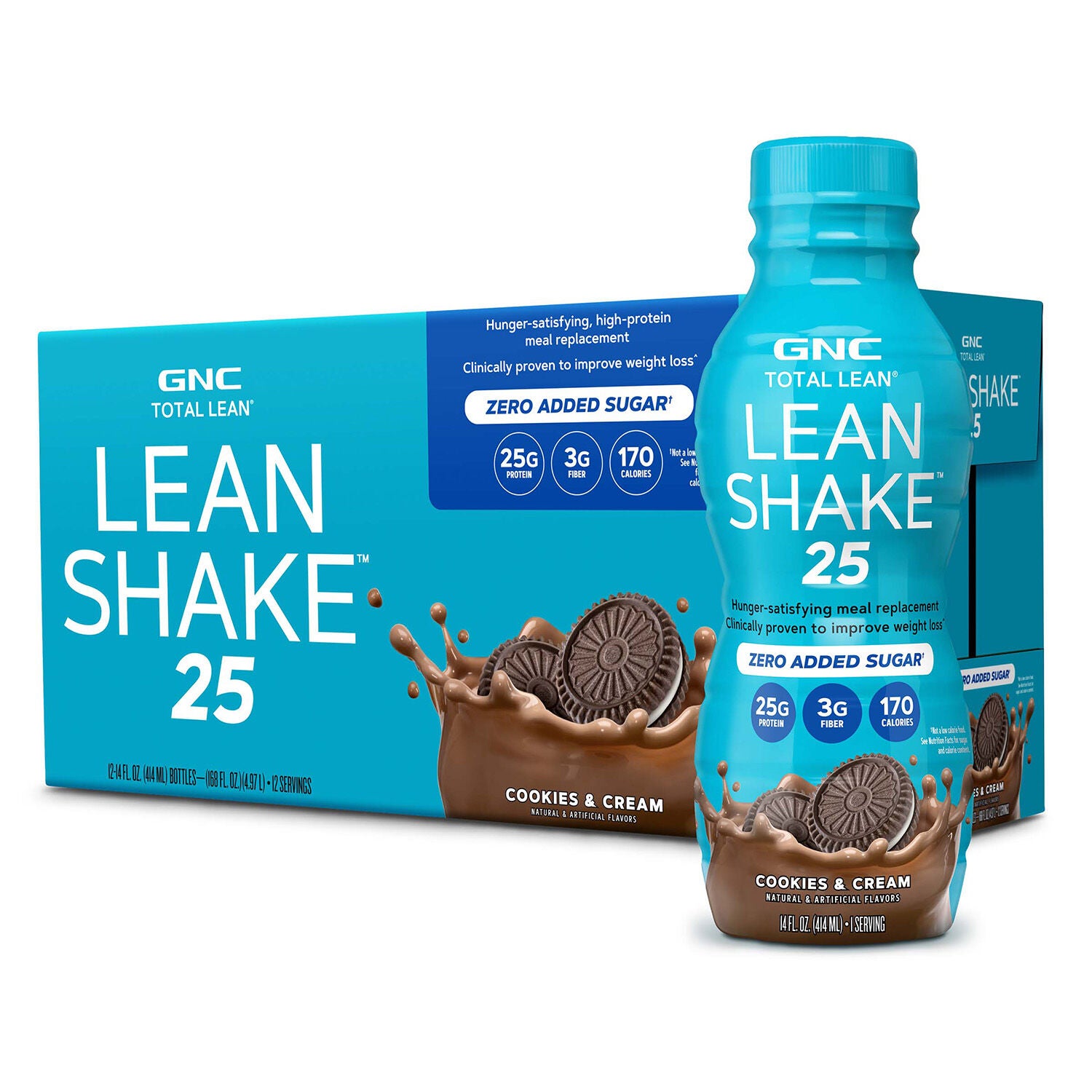
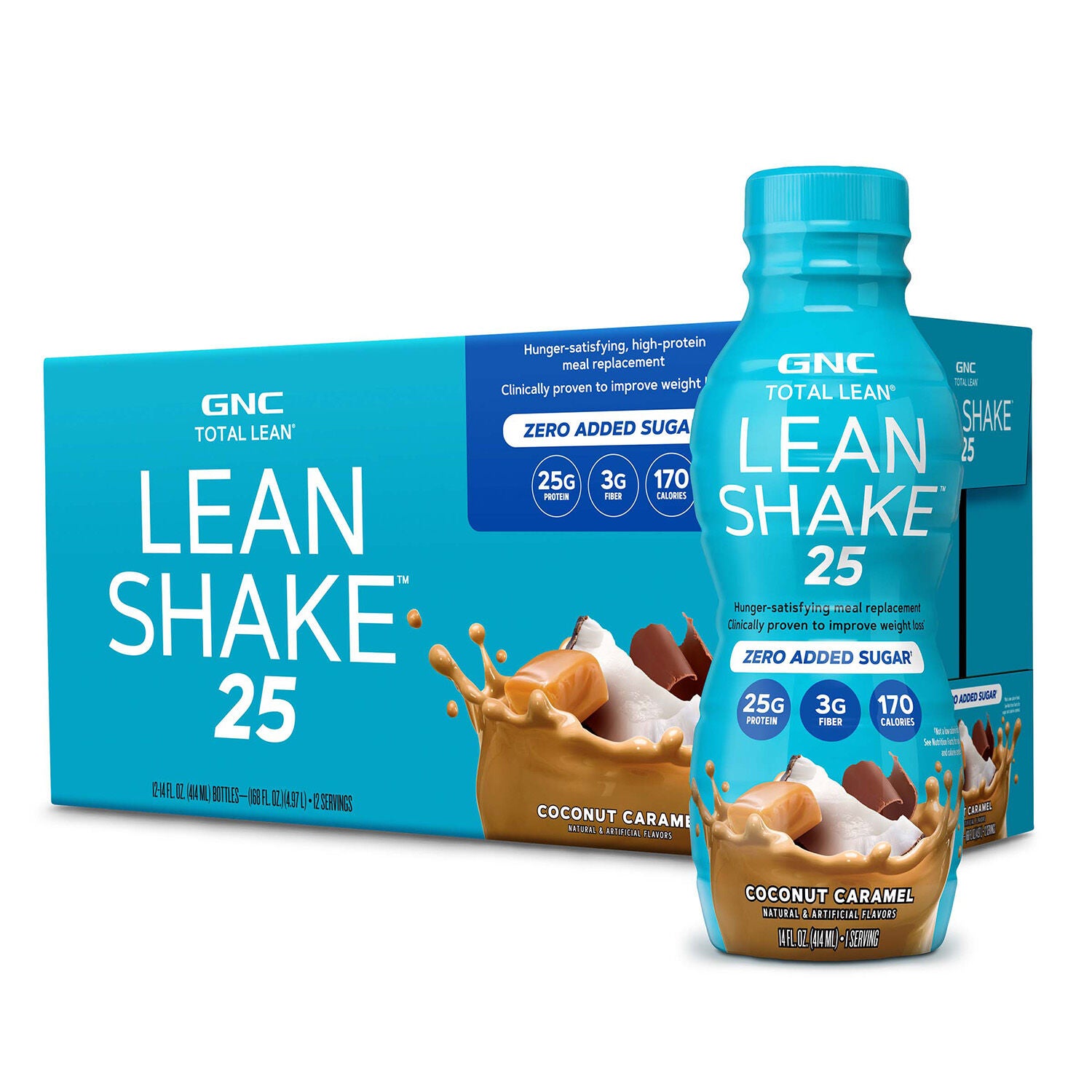
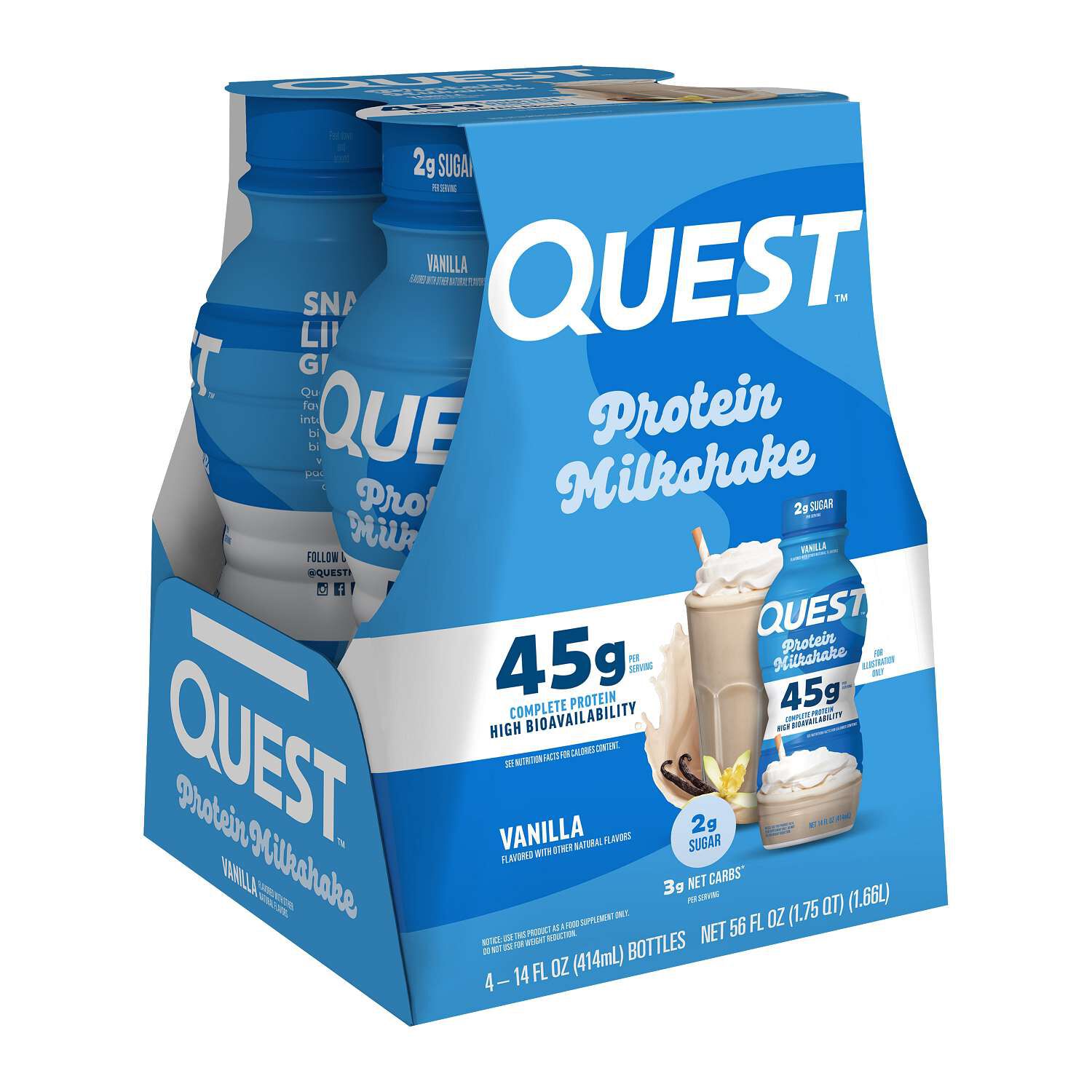
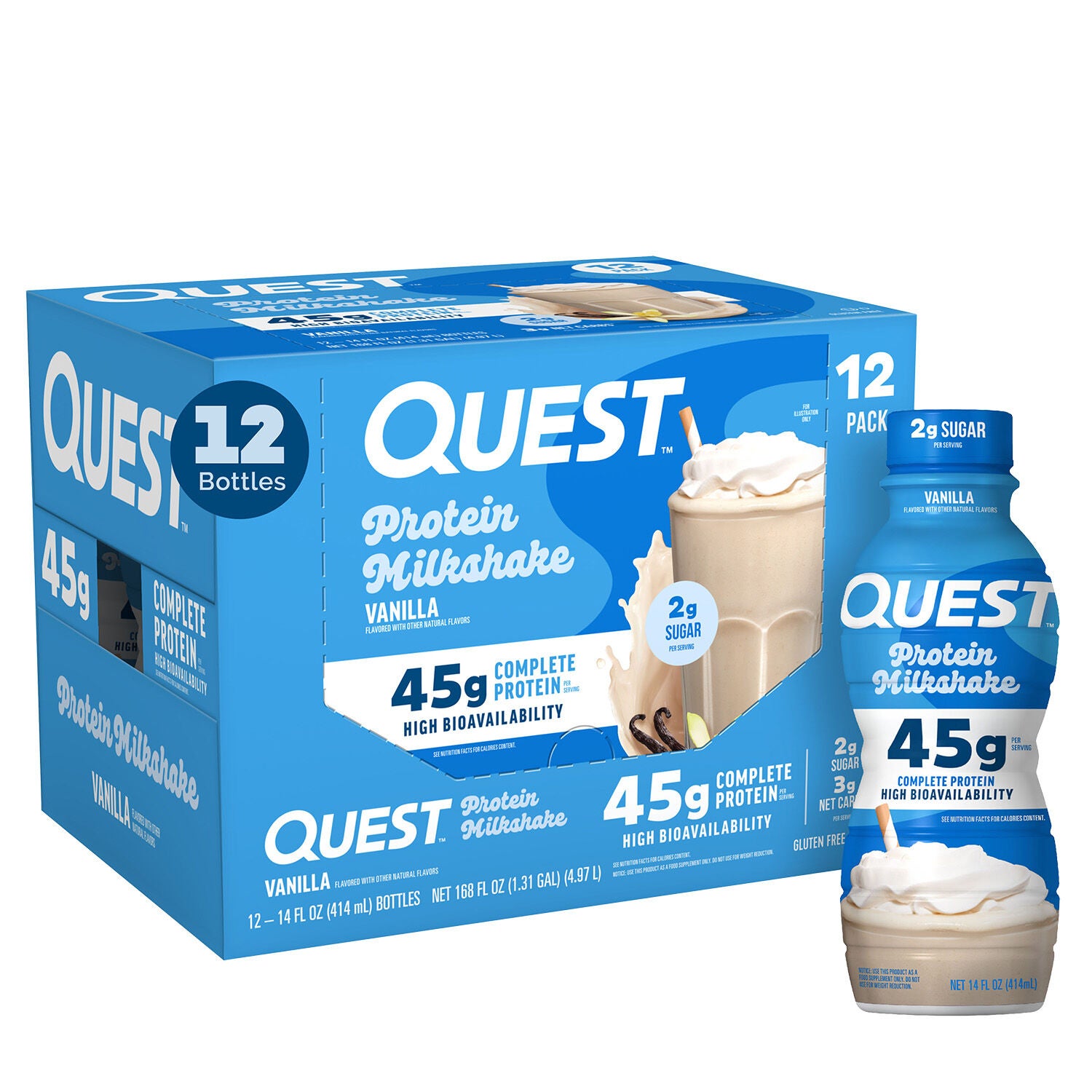
Vanilla weight loss shakes are powdered mixes or ready-to-drink beverages intended for use within a weight-management eating routine. The category includes both meal replacement shakes and protein-focused drinks, which serve different purposes even when their flavors and packaging look similar. A meal replacement is formulated to stand in for a meal when used as directed, while a protein shake primarily supplies protein and may not provide the same mix of carbohydrates, fats, fiber, vitamins, and minerals. That distinction matters more than the vanilla flavor or the size of the container. Depending on their formulation and how they fit into an eating routine, these shakes may support portion planning or help satisfy hunger between meals. No single calorie count or protein amount defines the category, and a shake’s role depends on its serving size, ingredients, preparation, and intended use. Vanilla offers a familiar flavor profile, ranging from a light, milk-like sweetness to richer notes reminiscent of custard or vanilla bean. It also pairs naturally with fruit, oats, coffee, and nut butters, although additions change the nutritional content of the prepared drink. For someone who prefers a consistent breakfast before commuting or a measured option during a crowded workday, the appeal may be as much about predictable preparation as flavor. Shoppers specifically seeking a beverage formulated to replace a meal can explore Vanilla Meal Replacement Shakes, with attention to each formula’s labeled purpose. A protein-focused drink and a meal replacement are not interchangeable simply because both contain vanilla and protein. The most useful comparisons consider what the drink contributes per prepared serving and whether that matches its place in the day. Weight-management outcomes vary, and these beverages are one possible part of a broader eating pattern rather than a stand-alone answer. Their convenience comes from having a defined serving and a familiar format, not from a particular flavor producing a particular result.
The ingredient list and Nutrition Facts panel provide the clearest picture of what is inside a vanilla shake. Protein sources may include whey, casein, milk protein, soy, pea, or blends of plant proteins. Dairy-based and plant-based formulas differ in their ingredients, and neither description alone establishes whether a drink suits a particular dietary preference. A plant-based formula, for example, still deserves a closer look at its ingredient and allergen statements when milk avoidance matters. Protein grams, calories, fiber, carbohydrates, fat, and added sugars are useful points of comparison, but the serving information gives those numbers meaning. A powder label may describe the dry mix alone, a drink prepared with water, or a serving made with a specified amount of milk. Those are different preparations, so comparing a prepared powder shake with a bottled drink requires attention to the stated basis. Fiber and protein may contribute to a more satisfying drink, though the experience can differ from person to person and from one formula to another. Vitamins and minerals also vary, and a long list of added nutrients does not by itself establish a product’s intended use as a meal replacement. Flavor and texture deserve equal consideration for a drink that might become part of a regular routine. Some vanilla shakes have a subtle sweetness; others lean toward a dessert-style profile. Sugar, alternative sweeteners, flavorings, and thickening ingredients all shape that experience. A smooth, lighter drink may appeal to someone who dislikes dense textures, while a thicker blend may suit someone who enjoys a milkshake-like consistency. Ingredient lists can also clarify whether vanilla appears alongside cocoa, spices, or other flavor components. For households with differing preferences, the distinction between a gently flavored base and a strongly sweetened formula can be especially noticeable. A vanilla powder intended for blending with fruit may taste quite different when mixed only with water, making the preparation directions an important part of understanding the flavor described on the package.
Format is another practical difference among vanilla weight loss shakes. Ready-to-drink bottles require no measuring or mixing, making them a straightforward option for a desk drawer, gym bag, or commute when the package’s storage directions allow it. Powders offer more control over liquid quantity and preparation, but they also require a suitable container, accurate measuring, and a moment to mix. A shaker bottle fits a simple powder-and-liquid preparation, while a blender accommodates additions such as berries, oats, or nut butter. Those additions bring their own calories and nutrients, so a blended recipe is nutritionally different from the labeled serving of powder alone. Liquid choice changes the drink as well: water contributes no additional nutrients, while dairy milk and plant-based beverages contribute varying amounts of protein, carbohydrates, and fat. The amount of liquid affects consistency, and the package directions provide a starting point for the intended texture. A person drinking a shake at home may value flexibility, while someone carrying it to a workplace may care more about a secure lid, compact packaging, and minimal cleanup. Storage and handling matter with either format. Powder containers need a secure closure and protection from moisture according to their labels, and a clean, dry scoop helps keep unwanted moisture out of the mix. Bottled shakes have their own instructions for storage before and after opening; shelf storage before opening does not necessarily mean the same conditions are appropriate afterward. Prepared shakes likewise need handling that follows the product directions and the requirements of any added ingredients. Package dates, seal condition, and serving instructions remain relevant even when the flavor and nutrition profile are familiar. Across these everyday details, a useful fit is about more than choosing the highest protein number or the smallest calorie figure. It is about a vanilla flavor someone enjoys, a formula whose labeled purpose matches the occasion, and a preparation method that fits naturally into an ordinary day.