Self Care Vitamins
(0 Results)
Prioritize your wellness journey with self care vitamins designed to support overall health and well-being. These carefully formulated supplements may offer a range of benefits, from enhancing energy to promoting mental clarity. Incorporating self care vitamins into your daily routine could be a simple yet effective way to nurture your body and mind. Explore our selection to find the perfect addition to your self-care regimen.

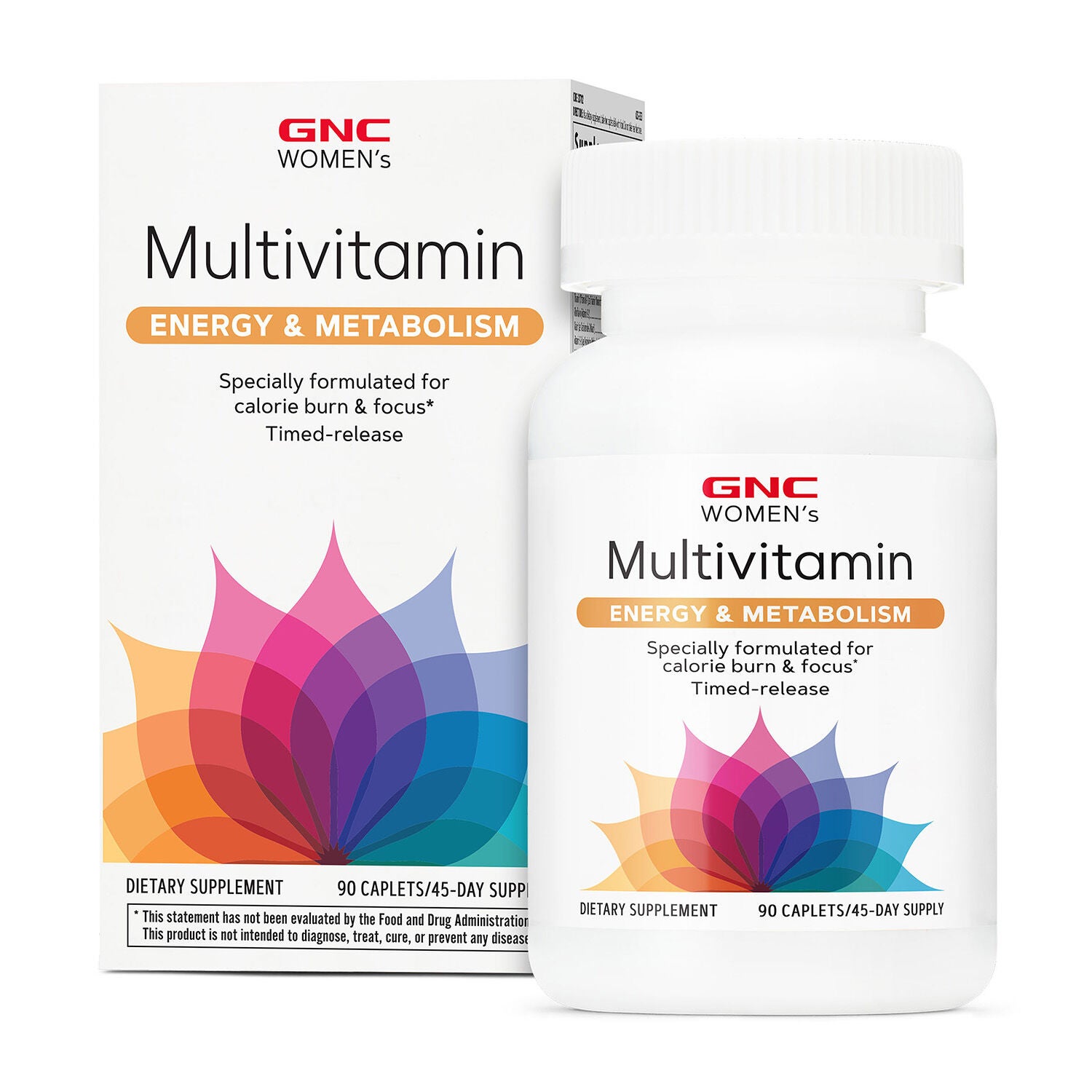

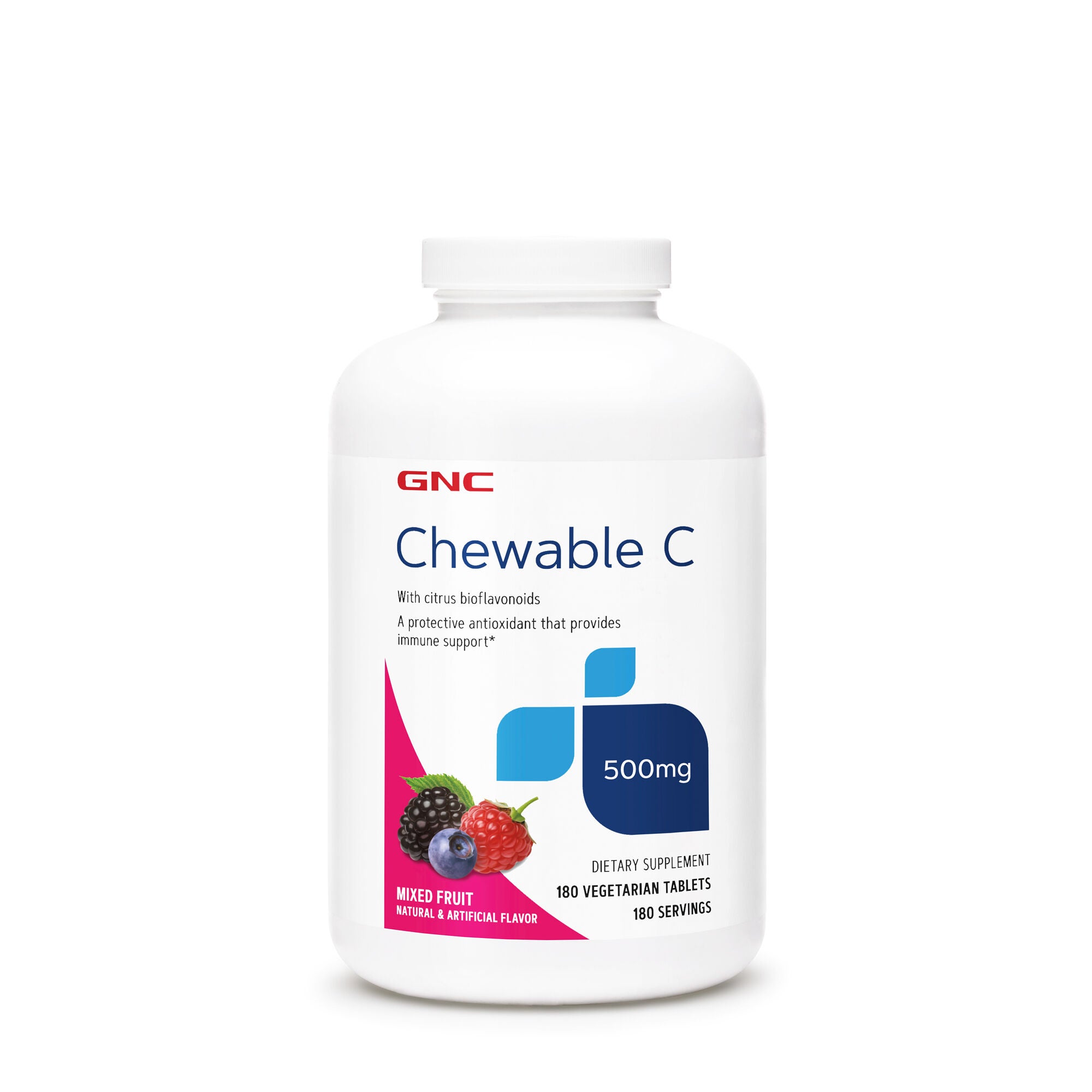
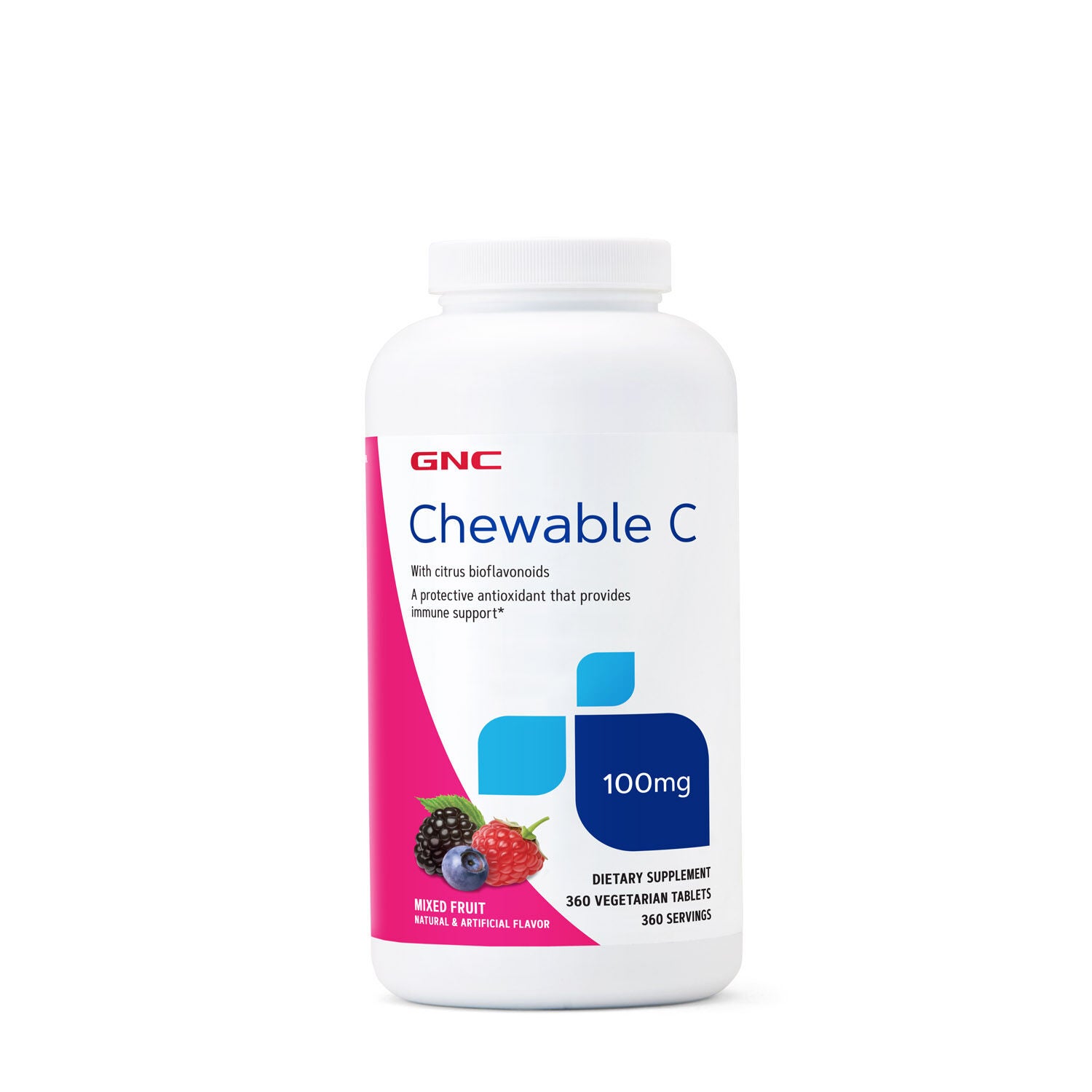


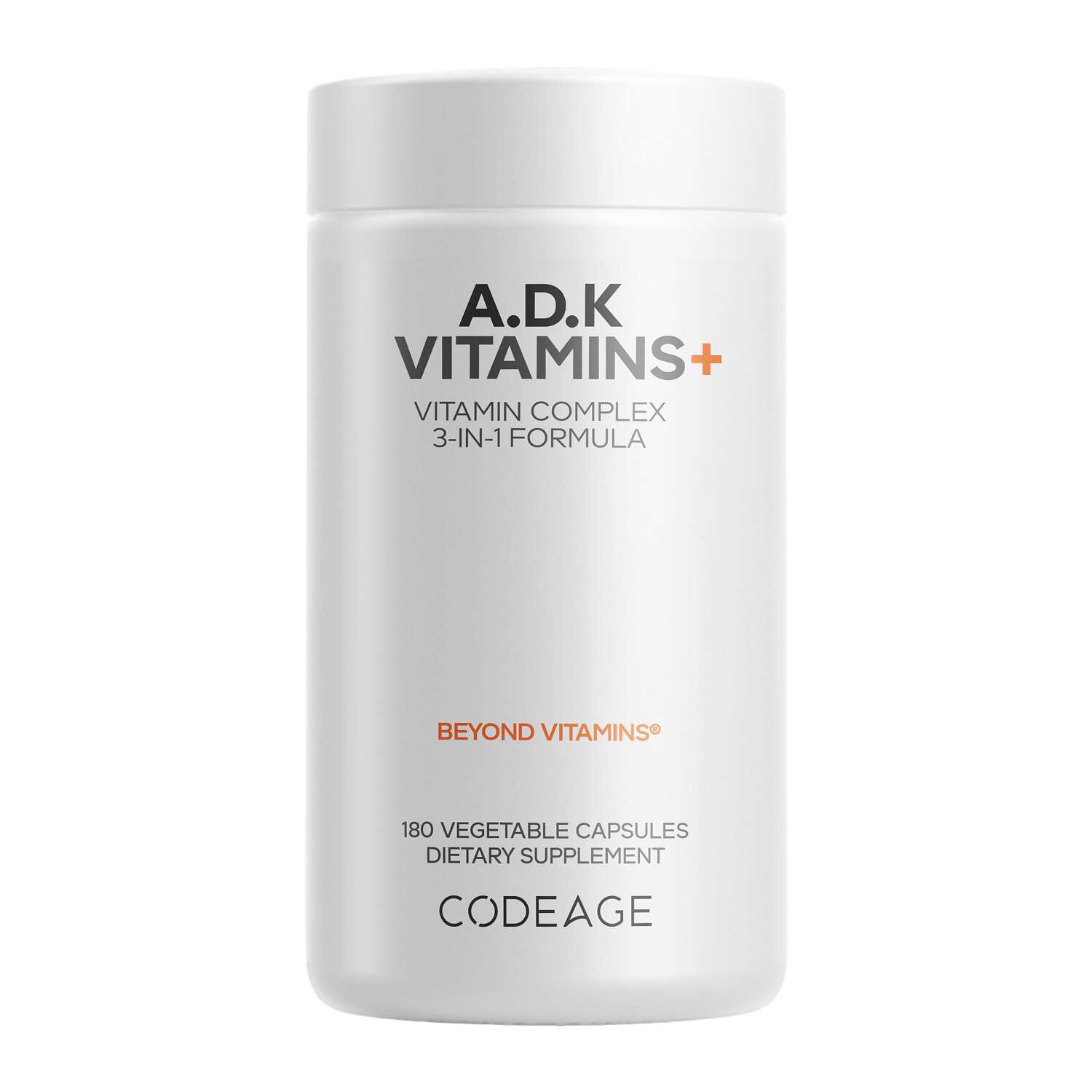


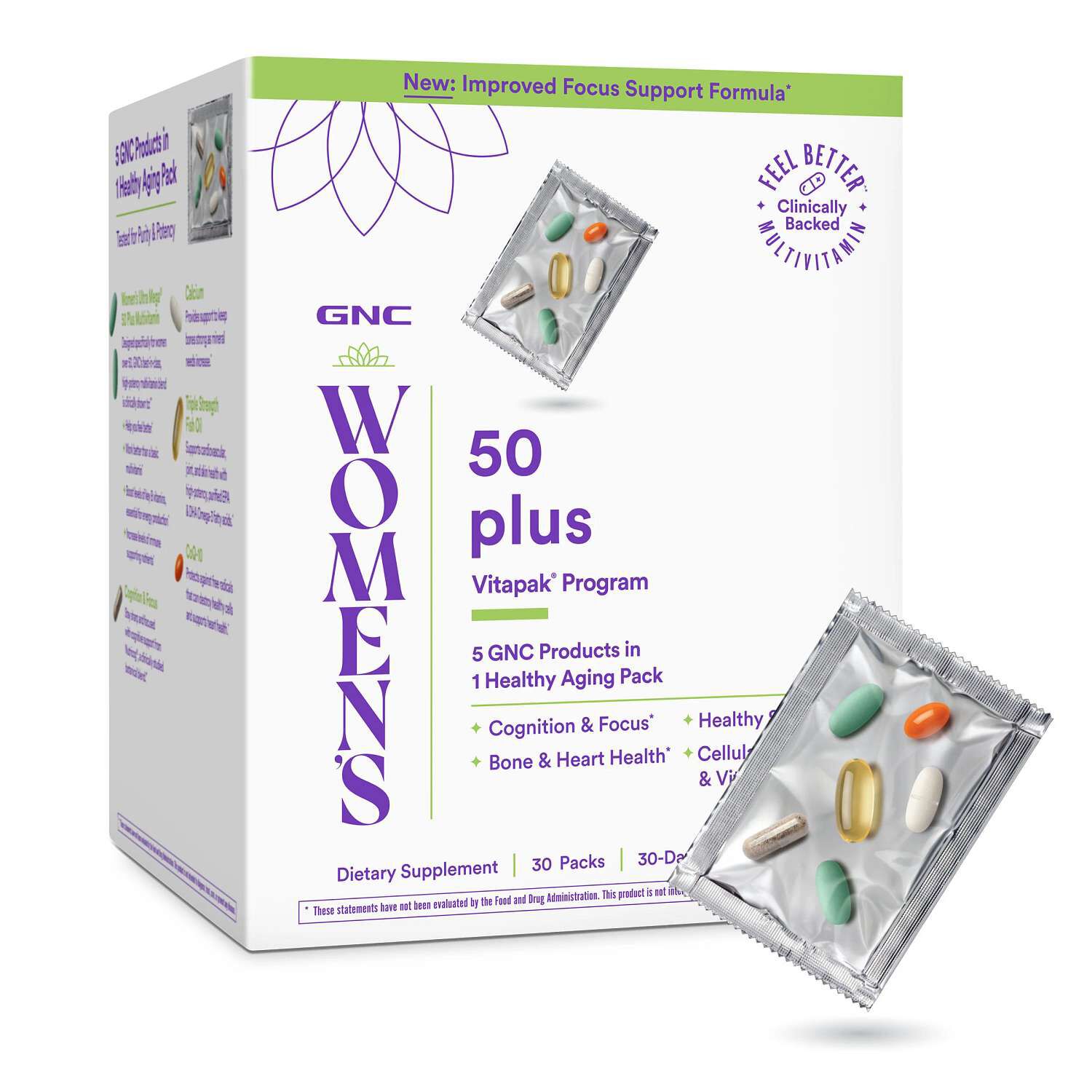

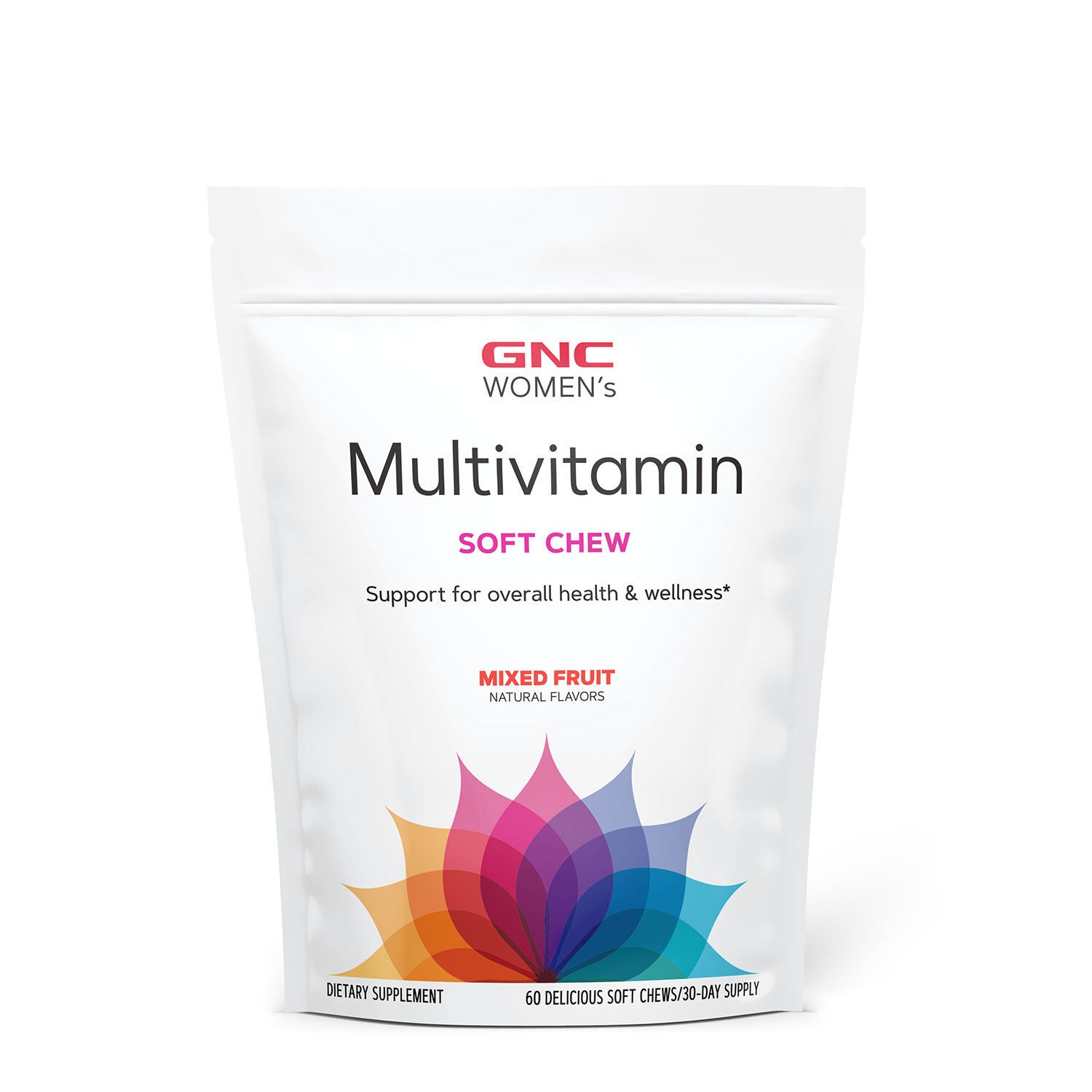


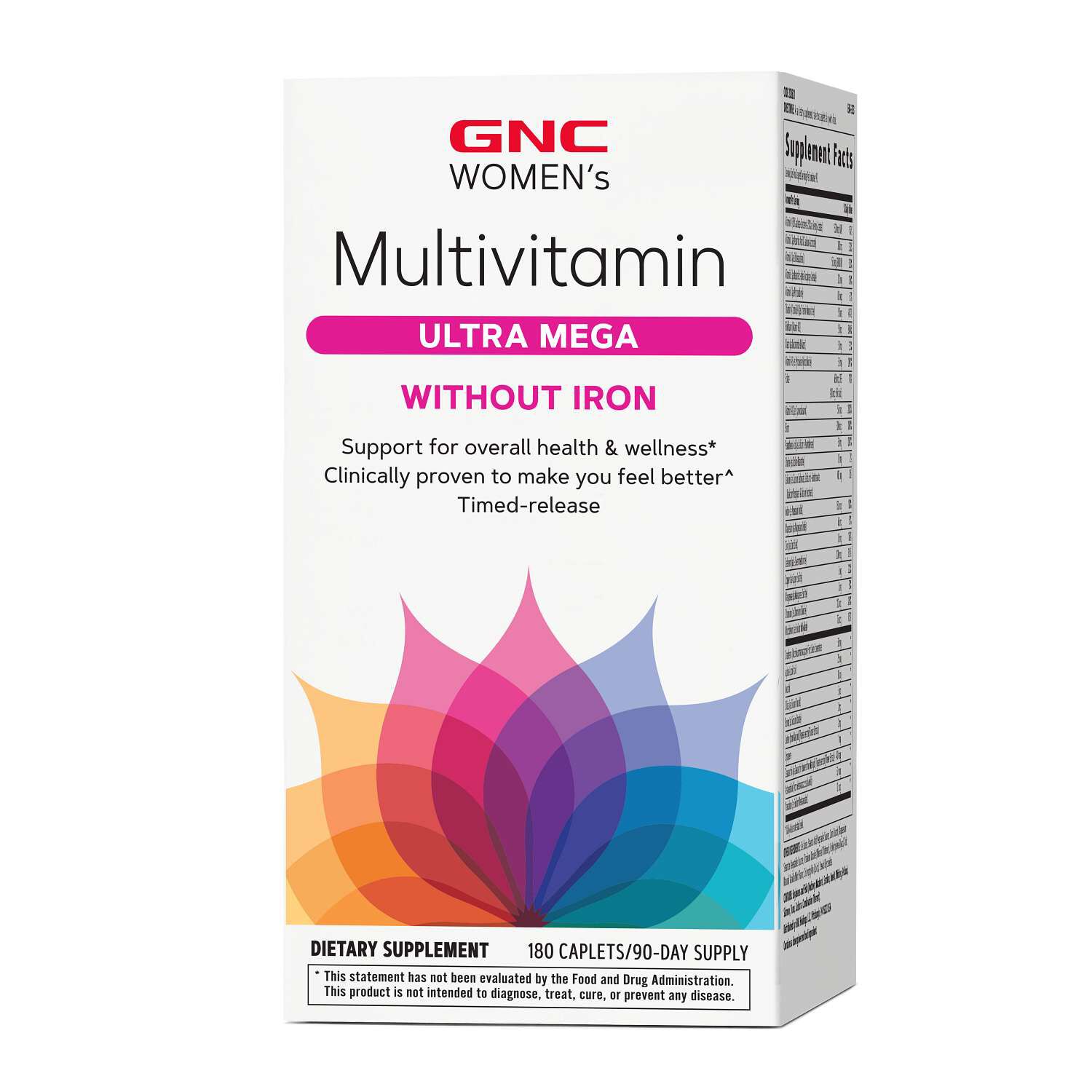

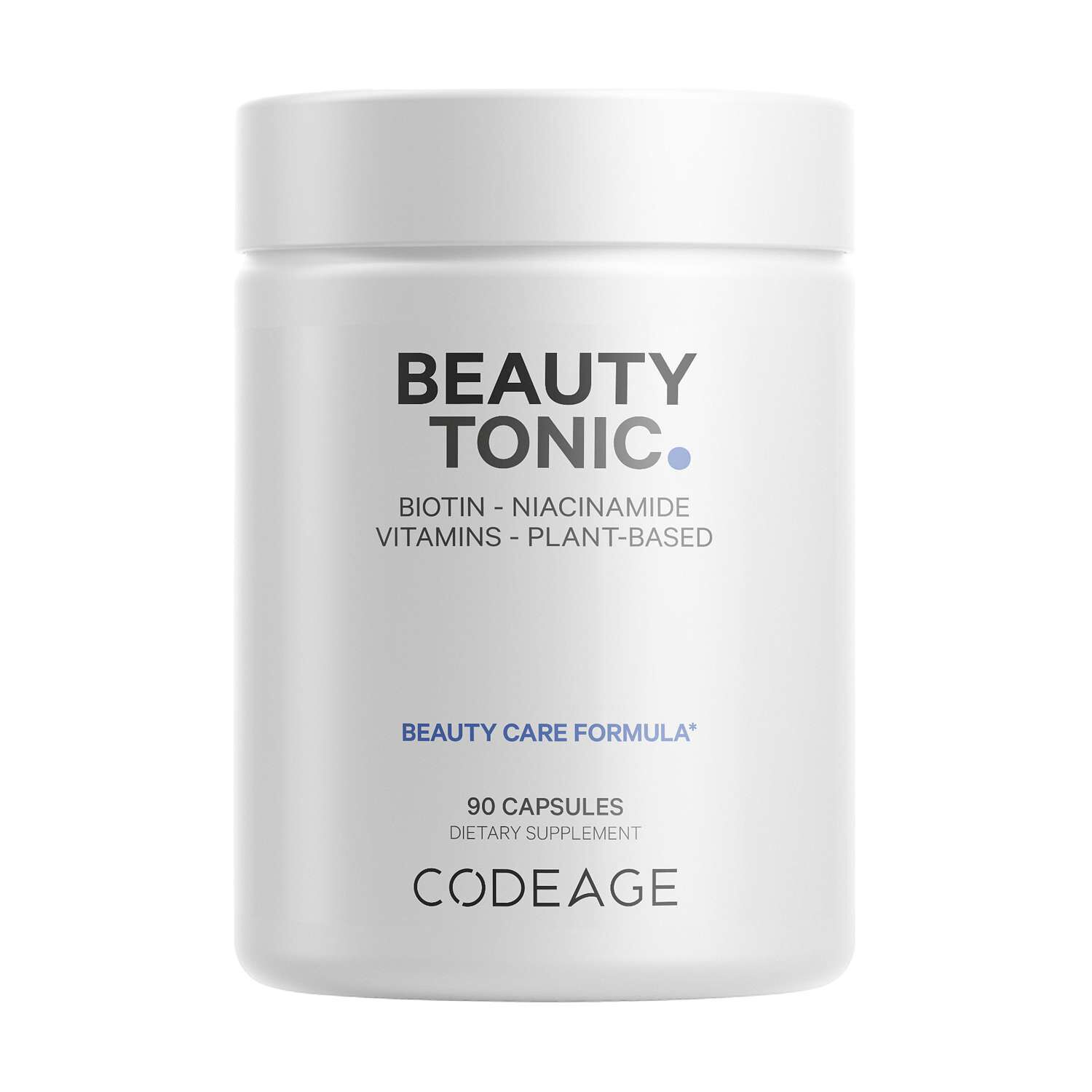

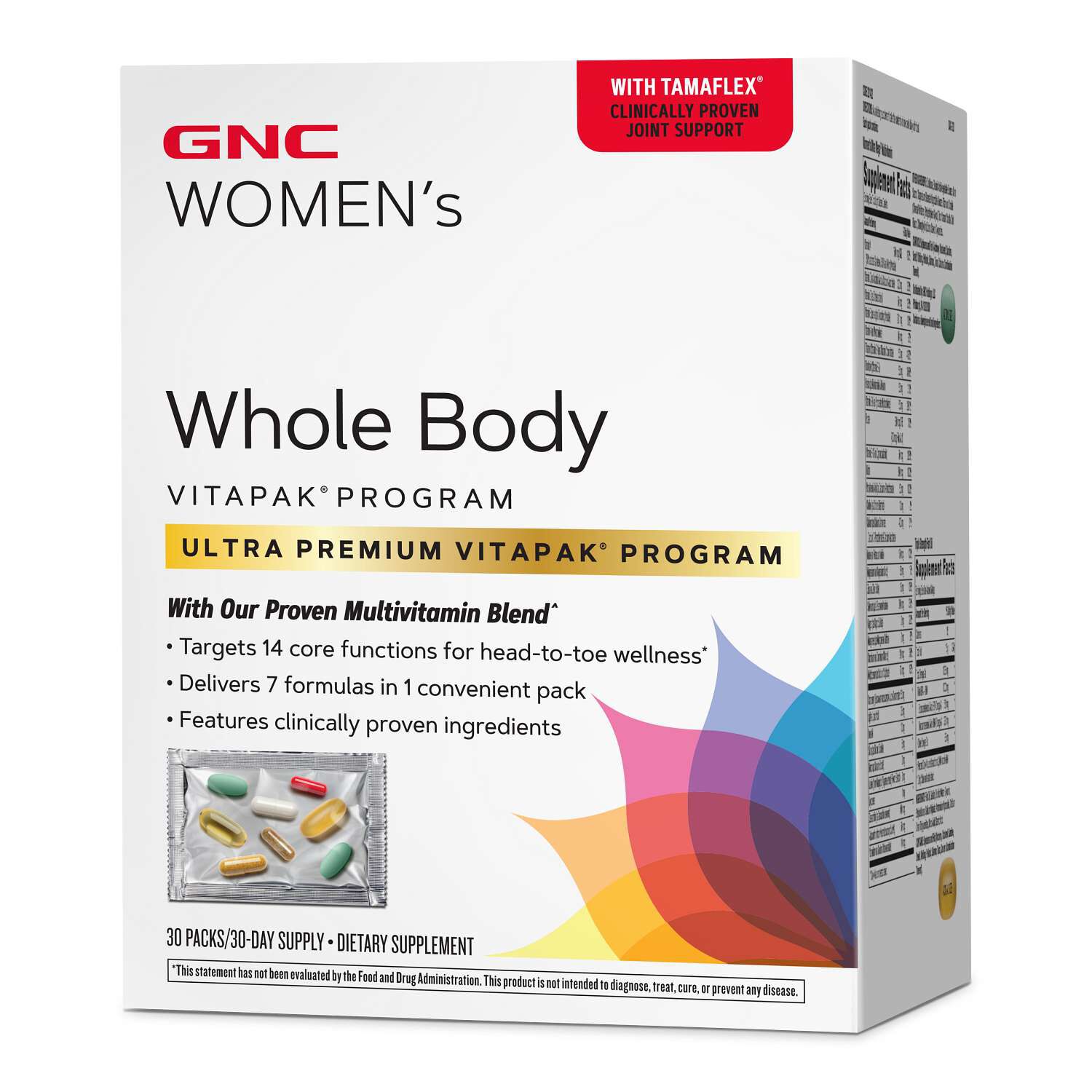
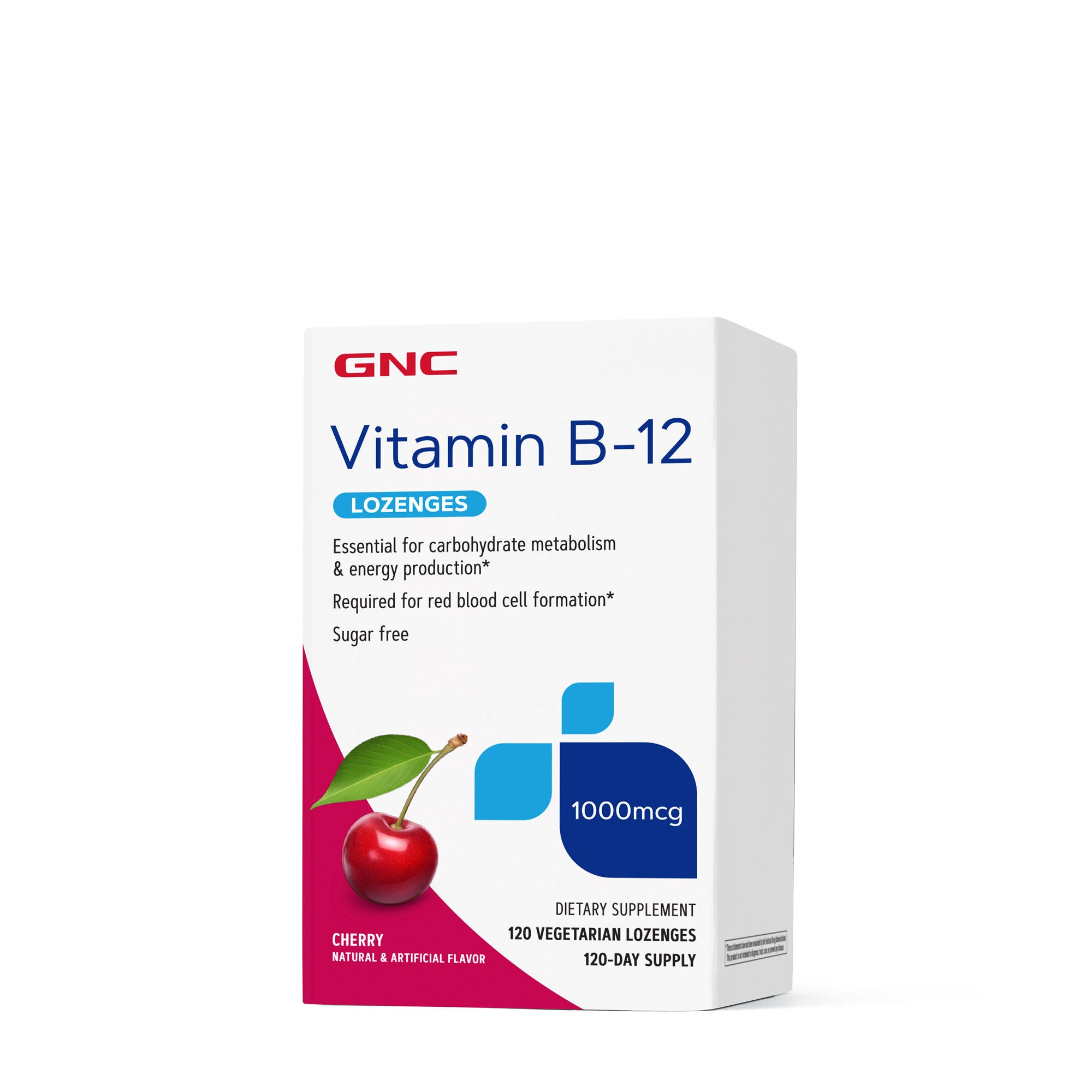
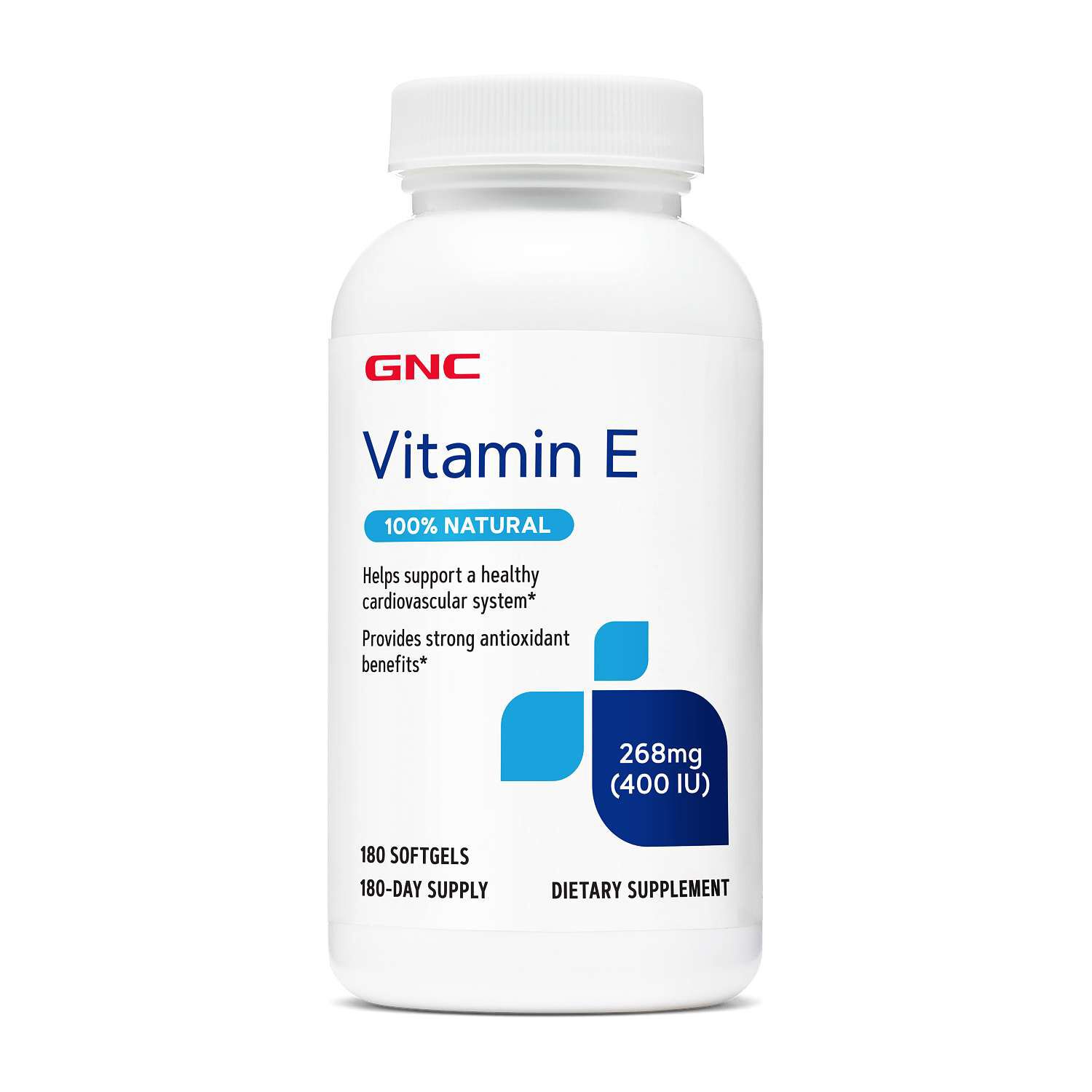
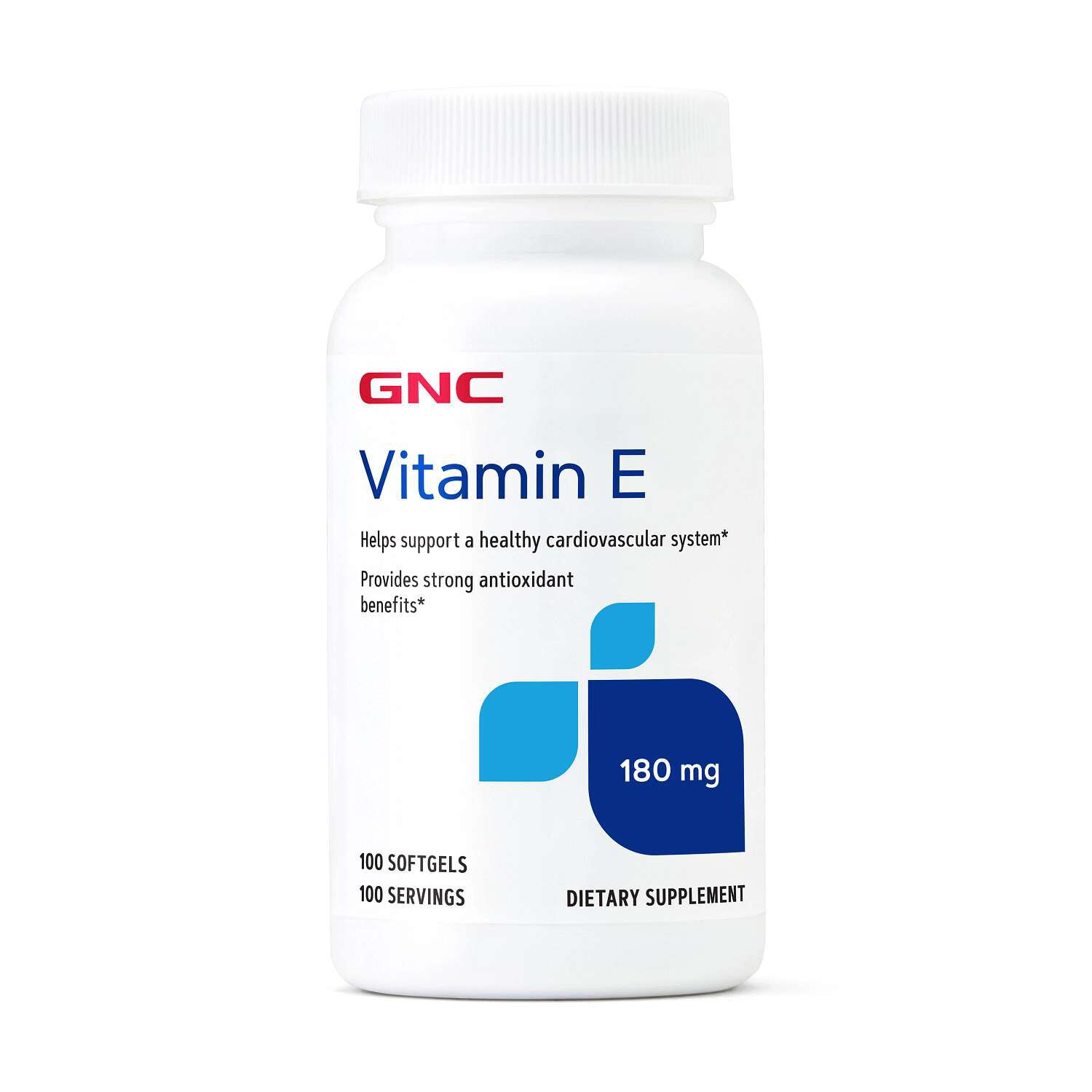
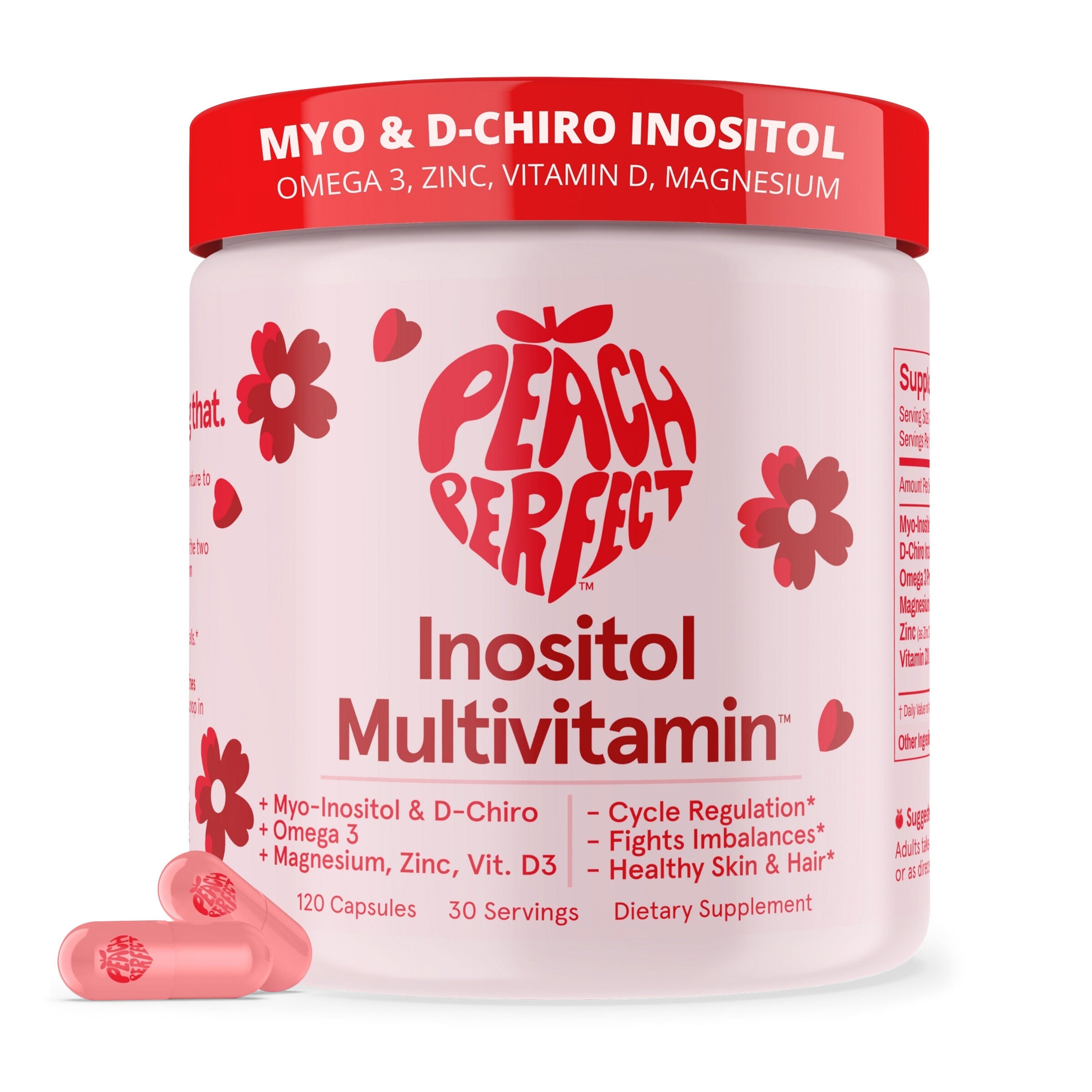
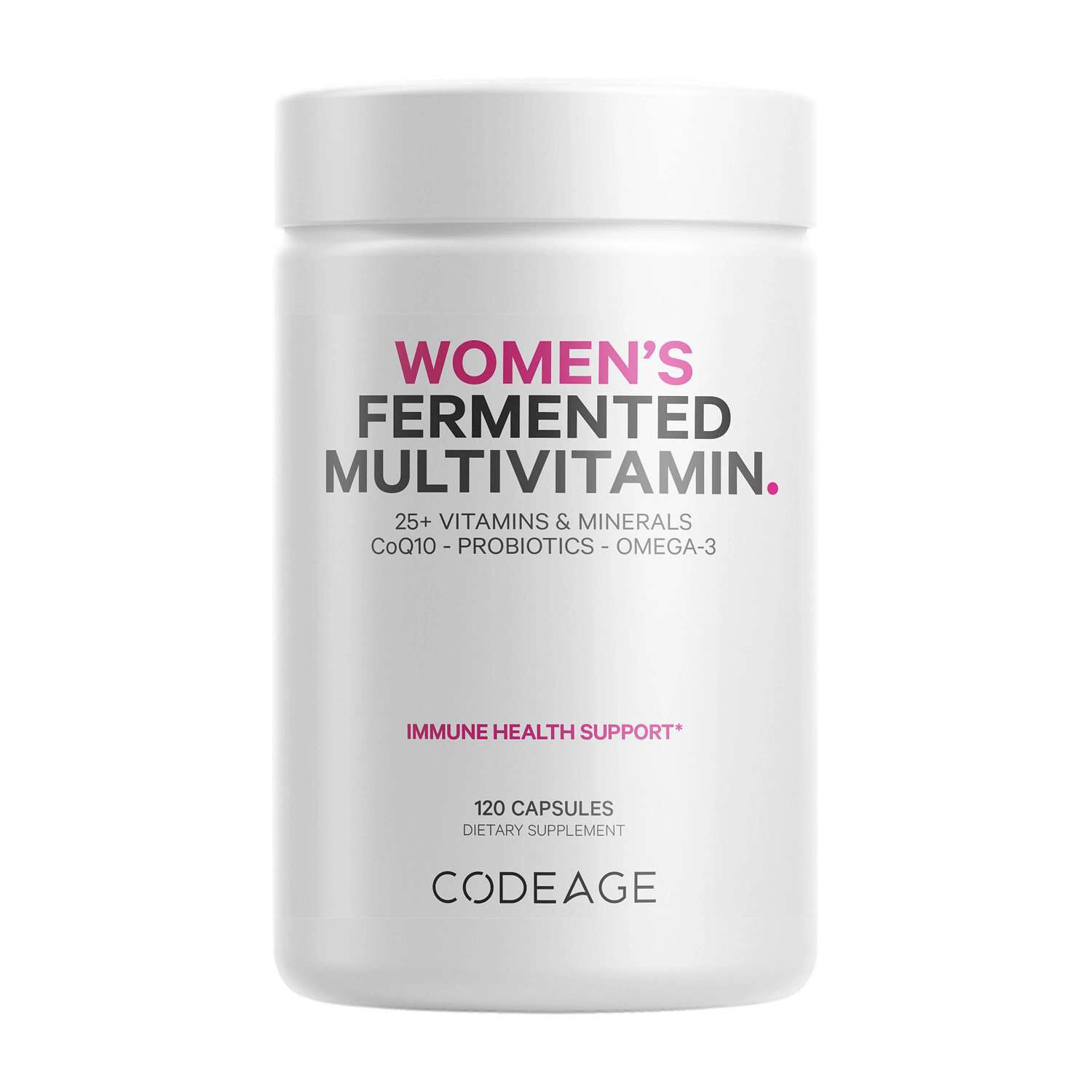
Self-care vitamins are vitamins and related supplements chosen to complement everyday routines centered on nourishment and personal well-being. The category can include multivitamins, individual nutrients such as vitamin D and vitamin B12, B-complex formulas, and companion supplements such as magnesium or probiotics. Although these products often appear together, they are not interchangeable: magnesium is a mineral, probiotics contain microorganisms, and a multivitamin combines several nutrients in one formula. That distinction matters when comparing a broad daily option with something more focused. Self-care vitamins may complement nutrient intake from food, but they are one part of a routine that also makes room for balanced meals, rest, movement, and time away from everyday demands. Choosing among them is as much about the details of daily life as the name on the front of the bottle. Someone who eats breakfast at home may prefer a different format from someone who packs breakfast before a long commute. A person who dislikes flavored supplements may gravitate toward capsules or tablets, while someone who enjoys a chewable format may prefer gummies. Dietary preferences also shape the selection, especially when ingredients derived from animals, sweeteners, or particular allergens are a consideration. The most useful comparisons begin with what a formula contains, how much is in a labeled serving, and how that serving fits into an established routine. A long ingredient list does not, by itself, make a product a better match. Neither does a familiar nutrient name explain everything about the formula. Looking beyond broad wellness language to the Supplement Facts panel, serving directions, and other ingredients gives the category practical context. For shoppers building a thoughtful self-care routine, these details provide a clearer basis for comparison than decorative packaging or an ambitious list of suggested benefits. The goal is a considered selection with a purpose, rather than a crowded cabinet of overlapping formulas.
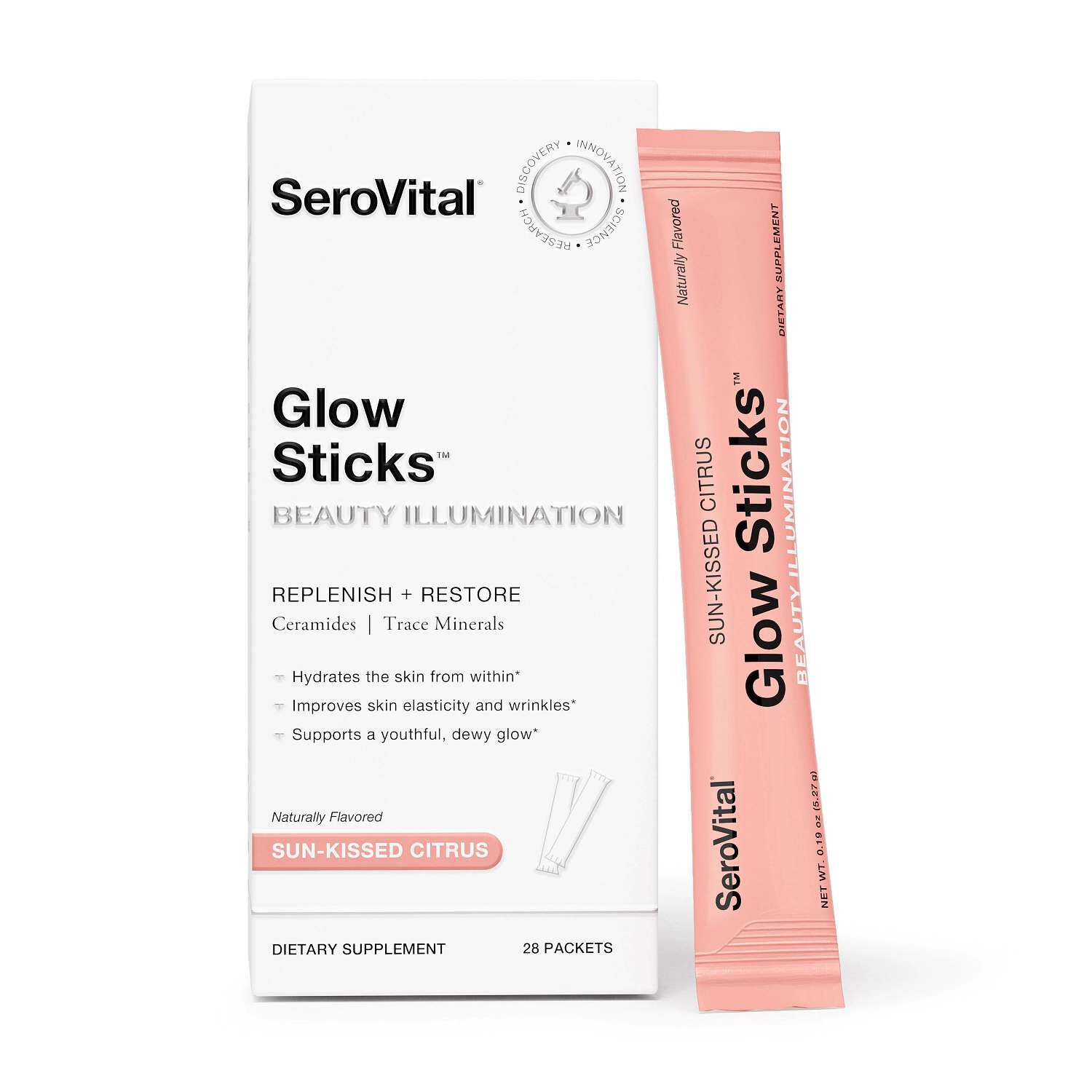
Format is one of the clearest ways to narrow a selection of self-care vitamins. Tablets and capsules generally have little emphasis on flavor, though their dimensions, coatings, and number per serving vary. A bottle with a large count may still contain fewer daily servings than expected if the directions call for several pieces at a time. Gummies and other chewables bring taste and texture into the decision, with differences in sweetness, firmness, and ingredients such as gelatin or pectin. Powders involve another set of considerations: the amount of liquid specified, the mixing method, the flavor, and whether preparation suits the place where they will be used. A powder mixed at a kitchen counter presents a different experience from a capsule carried in its labeled container for an overnight trip. Liquids have their own measuring and storage requirements, and the serving measure deserves attention alongside the nutrient amounts. Across formats, ingredient sourcing can matter to shoppers with vegetarian or vegan preferences. Capsule shells, gummy bases, flavorings, and colors are all part of that comparison, not just the featured vitamins and minerals. Allergen statements and dietary designations offer additional context, while the other ingredients list shows components used for texture, consistency, or preparation. When comparing multivitamins with individual nutrients, the amounts and units on each Supplement Facts panel are more informative than comparing front-label names alone. Percent Daily Value provides a shared labeling reference for many nutrients, but it is not a personalized target. Some supplement ingredients do not have an established Daily Value, which is another reason formulas can look different on paper. Serving size also matters when assessing sugar content, flavor ingredients, and the number of capsules or chewables involved. Two containers that look similar on a shelf can represent quite different daily routines. A close comparison considers the full labeled serving rather than a single gummy, tablet, or scoop, along with any preparation details that make a format more or less practical for its intended use.
The place a supplement occupies in daily life matters after the initial selection, too. A simple routine might involve one labeled container stored near the breakfast dishes, provided that location meets the package’s storage directions and remains out of children’s reach. A more involved assortment requires additional attention to serving instructions and overlapping ingredients; combining a multivitamin with several individual nutrients can repeat ingredients already present in the first formula. Self-care does not need to mean adding more bottles. It can mean selecting thoughtfully, keeping labels readable, and making the routine manageable alongside ordinary meals and responsibilities. Product care is largely about following the stated storage conditions, closing containers as directed, and noting expiration dates and any instructions that apply after opening. Moisture, light exposure, and unsuitable storage locations can affect product quality, so a bathroom shelf or a car console may not match the conditions listed on the package. Original packaging keeps serving information, ingredient details, and handling instructions with the contents, which is especially useful in a shared household or during travel. For shoppers considering a gift, vitamins are a personal choice rather than a one-size-fits-all gesture. A recipient’s stated preferences, familiar formats, and dietary requirements are more useful starting points than assumptions about what that person needs. Someone who has already expressed interest in a coordinated assortment may appreciate the presentation and organization of Vitamin Care Packages, with each included formula still deserving its own label review. Whether purchased individually or as part of an assortment, self-care vitamins belong within a broader picture of everyday nourishment, not in place of it. The most relevant selection reflects the person using it: the ingredients they are seeking, the formats they prefer, the directions they can accommodate, and the storage space they actually have. Those concrete details make browsing this category less about collecting wellness language and more about choosing products with a clear place in daily life.