Seven Day Fat Burner Tablets
(0 Results)
Jumpstart your wellness journey with seven day fat burner tablets, designed to support your fitness goals and complement an active lifestyle. These convenient supplements may fit seamlessly into your daily routine, offering a potential boost as you work toward achieving your desired results. Explore options that could help you stay motivated and on track throughout the week. Discover how seven day fat burner tablets might be the extra push you need to power through your health and fitness plan.
-
-
-

-

-
 Purity Products$49.99
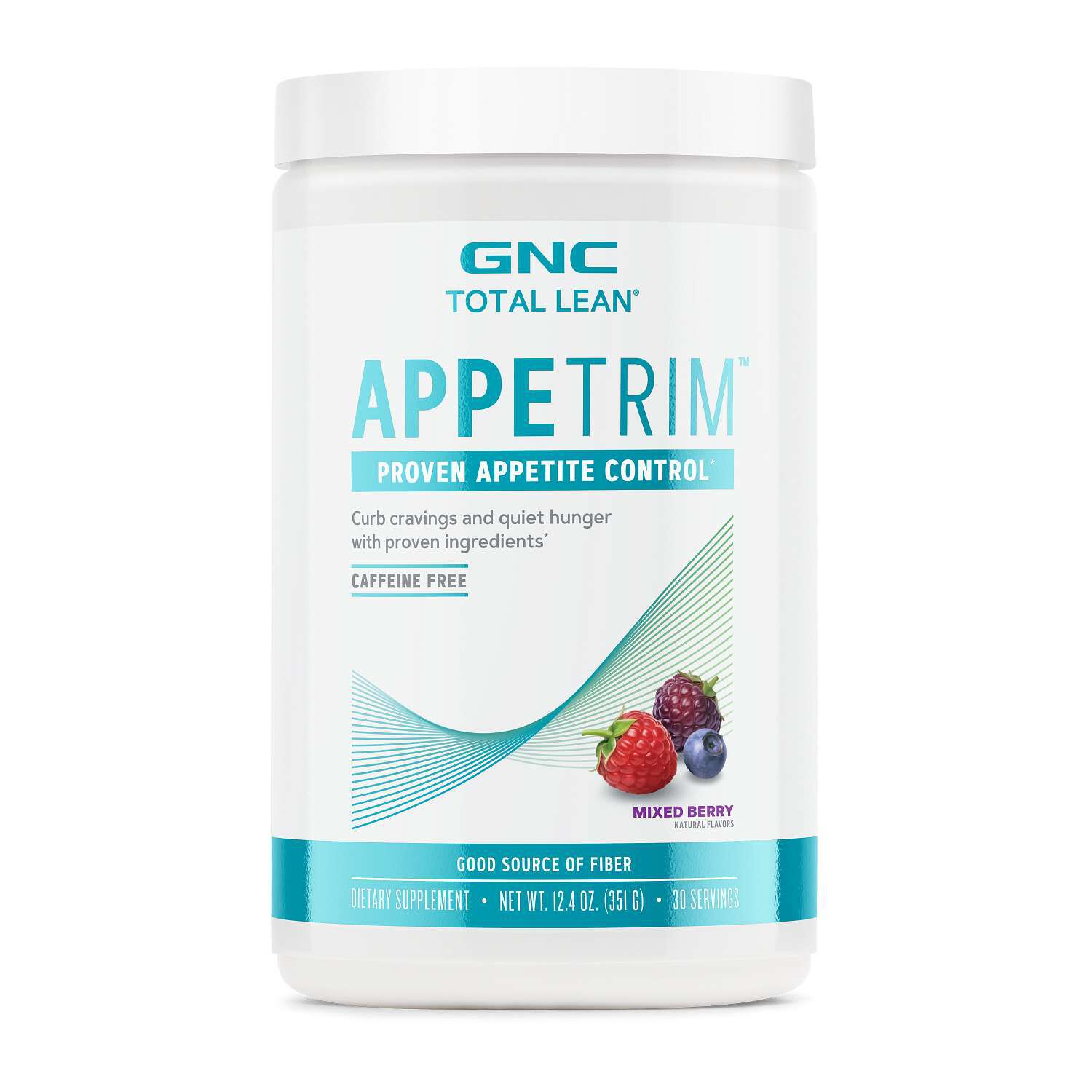
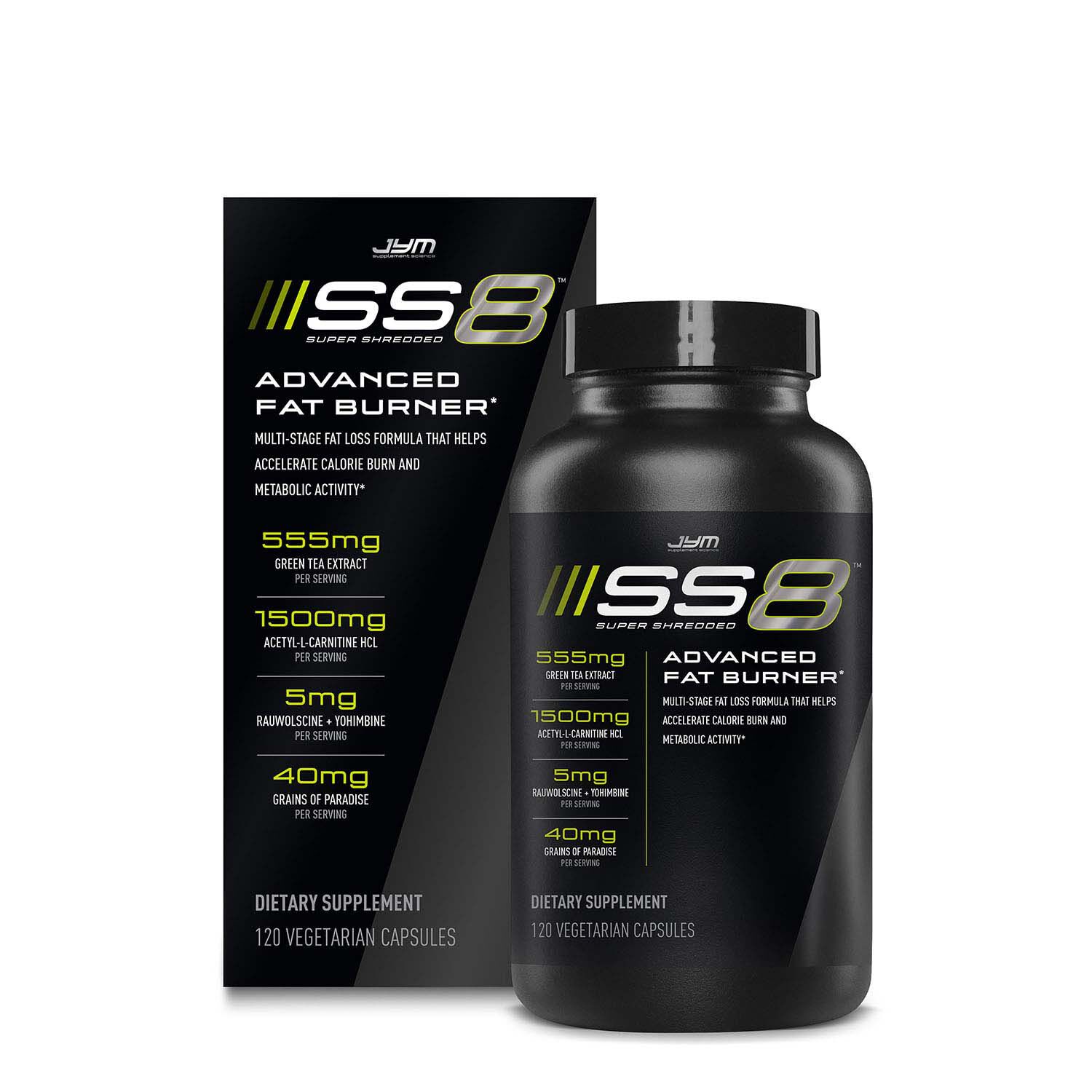
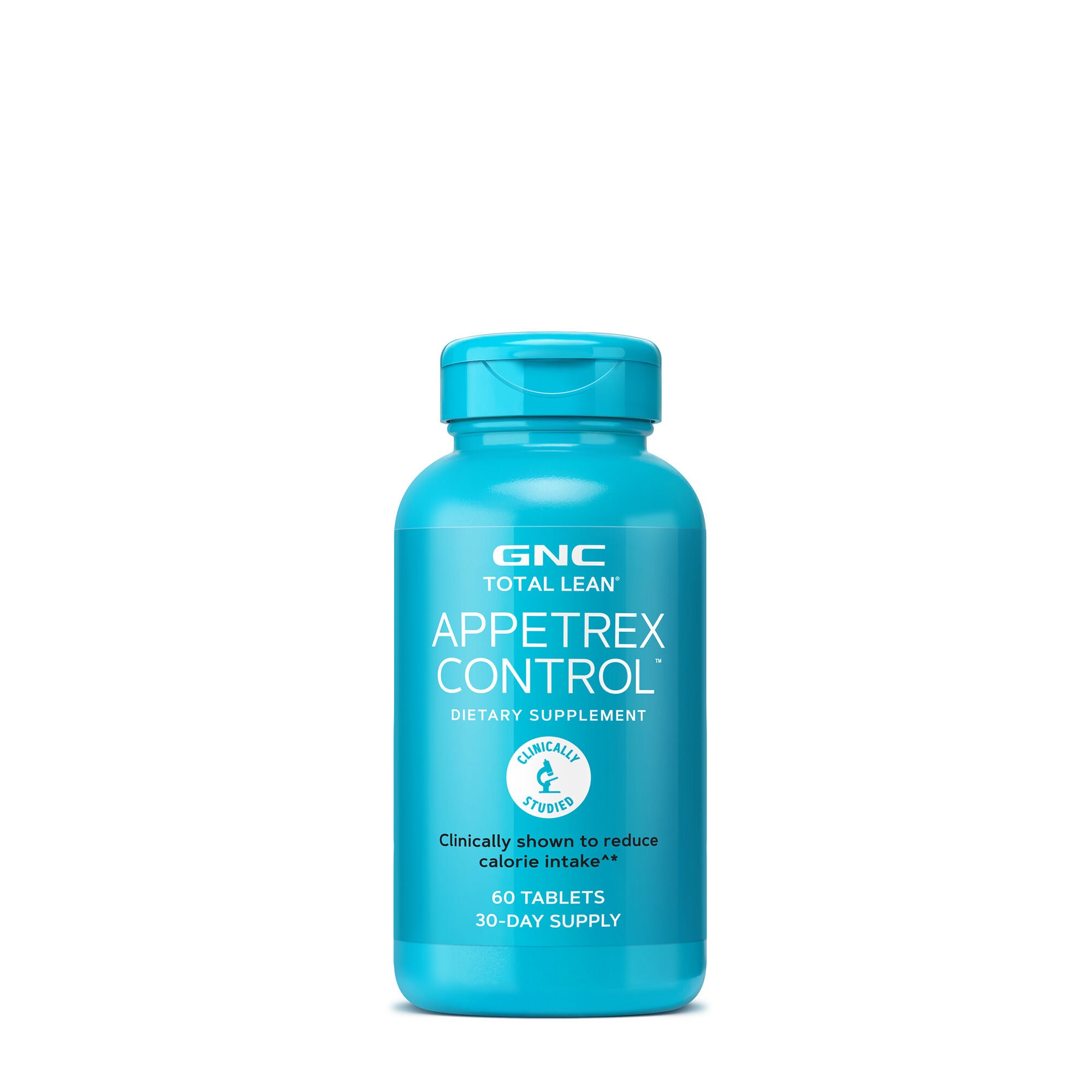
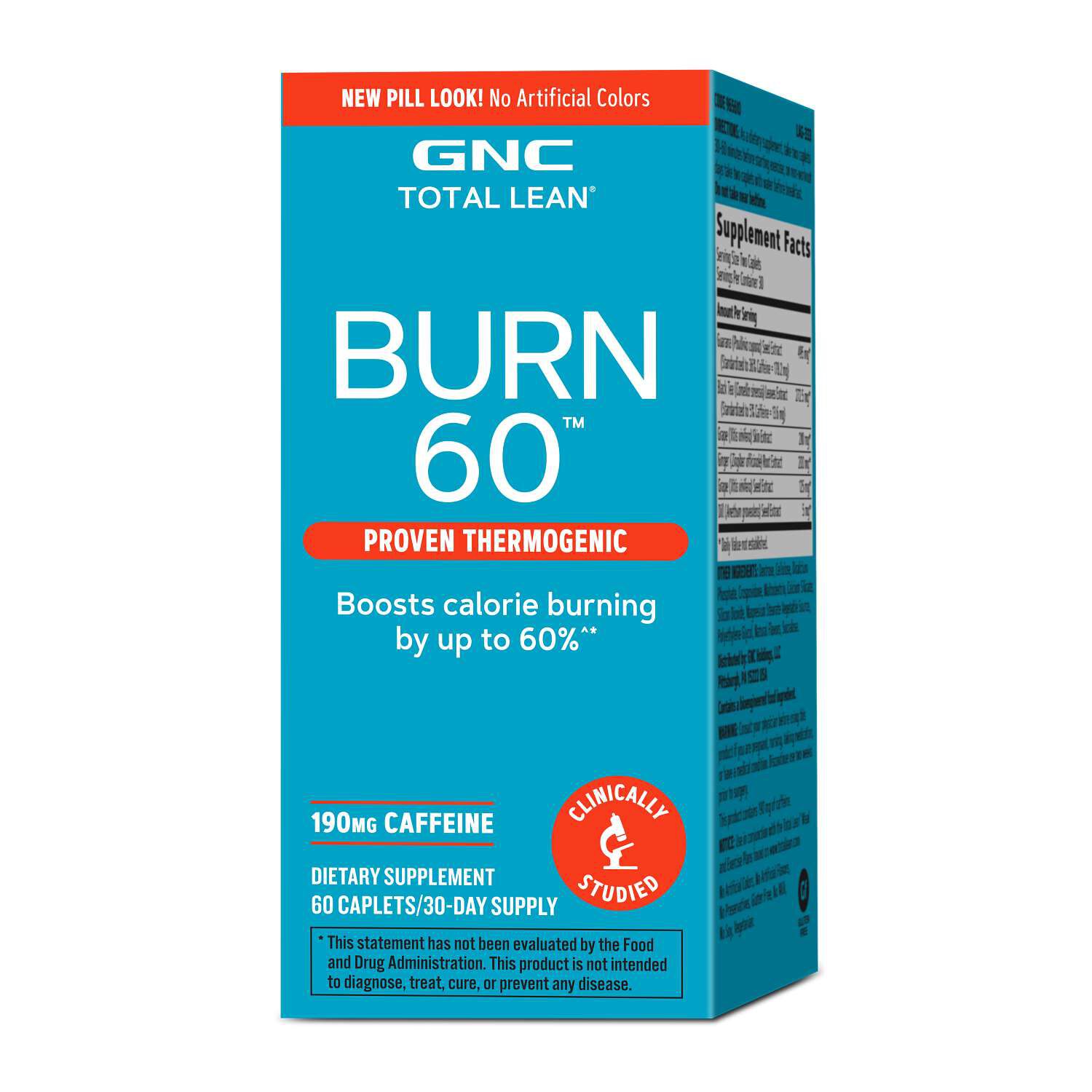
Seven-day fat burner tablets are dietary supplements marketed around a short, defined routine, often with packaging or serving directions organized around seven days. The phrase describes a product category and an intended schedule, not a measured amount of body fat lost within that period. A seven-day label alone does not establish what results someone might experience, and tablets with similar names can differ considerably in their ingredients, serving sizes, and directions. For shoppers comparing these supplements, the most useful distinctions are often the ones printed on the package: whether the formula contains caffeine, how many tablets make up a serving, how many servings the container holds, and whether the labeled schedule involves one or several daily servings. Tablets are solid formats made from compressed ingredients, sometimes with an outer coating, while capsules enclose their contents in a shell. That difference can matter to an adult who has a strong preference for a particular texture, shape, or serving format. The compact appearance of a tablet does not reveal the amount of each ingredient inside, just as a larger bottle does not necessarily represent a longer routine. A container holding 28 tablets, for example, represents a different number of servings when the labeled serving is two tablets rather than four. Seven-day packaging may appeal to adults who prefer a clearly bounded purchase rather than a larger container, but the number of days on the front label is only one part of the comparison. Ingredient transparency, package organization, and the practical details of the serving schedule provide more context than a bold category name. The distinction between a short purchase format and a physical outcome is especially important here: changes in body weight and changes in body fat are not interchangeable, and a brief product schedule should not be read as evidence of a particular result.
Formulas in this category can include botanical extracts, caffeine, vitamins, minerals, or combinations of these ingredients. Green tea extract and guarana are examples of botanicals shoppers may encounter on supplement labels, although their presence, amounts, and preparation vary by formula. A familiar plant name does not make two ingredient panels equivalent. One label might identify the amount of an individual extract, while another might list several ingredients within a blend and disclose only the blend’s combined weight. Likewise, caffeine may appear as a separately named ingredient or occur naturally in certain botanical ingredients. A clearly stated caffeine amount offers a more concrete comparison than language centered on intensity or strength. For someone whose morning already includes coffee or whose afternoon routine includes an energy beverage, that label detail is relevant to understanding the purchase. Products without added caffeine may still require a closer look at botanical ingredients to understand their composition. The Supplement Facts panel and the other-ingredients list serve different purposes: the first describes the dietary ingredients and amounts per serving, while the second identifies components such as coatings, binders, and capsule materials. Those additional components help explain how a tablet is formed and why its appearance or texture may differ from another format. Ingredient sourcing statements and dietary suitability information can also matter to shoppers with particular preferences, but those attributes belong to the individual label rather than the category as a whole. Terms associated with energy, metabolism, or thermogenic formulas describe how these supplements are positioned; they do not establish that every formula has the same effects. Any potential effect may differ by formulation and person, and a category description cannot substitute for product-specific information. Detailed labeling therefore gives shoppers a firmer basis for comparison than dramatic imagery or a short timeline. It also helps distinguish the advertised purpose of a formula from the straightforward facts about what each serving contains.
Practical fit extends beyond the ingredient panel to the way a package works in everyday settings. A bottle with a clearly printed serving chart offers a different experience from individually separated portions, especially when a routine includes an early commute, a packed gym bag, or an overnight trip. A seven-day format may be convenient for comparing package organization and serving preferences, but the label determines the intended use; the category name does not establish when to take a serving or whether a routine is meant to continue beyond the stated period. Directions, cautions, storage information, and date markings are part of the product description worth considering alongside tablet count. Storage needs can vary, and the original packaging provides the relevant conditions for that formula. A bathroom shelf exposed to steam or a bag left in a parked car presents a different environment from an indoor cabinet, making package instructions more useful than assumptions about how sturdy a tablet looks. Container design matters, too, from a closure that stays secure during ordinary handling to a label that remains readable as the package is used. For adults who prefer an enclosed format rather than a compressed tablet, Liquid Gel Fat Burner Capsules offers a related category to compare by shell material, ingredient composition, and serving directions. A liquid-filled capsule is a different delivery format, not evidence on its own of a stronger or faster effect. Tablet dimensions, capsule materials, and the number of units per serving may be more meaningful everyday distinctions than the overall size of the container. These supplements are generally a more personal purchase than a casual gift because ingredient preferences and labeled cautions can be individual considerations. During the cooler months, when calendars fill with travel, indoor workouts, and changing daily schedules, straightforward packaging and readable directions remain useful attributes. Across any season, the clearest comparison centers on what the formula contains, how the labeled routine is structured, and whether the format suits the shopper’s preferences. Seven days provides a timeframe for understanding the package, while the finer details of the label provide the substance behind the purchase.
Best Sellers
-
GNC Total Lean