Rapid Release Weight Loss Capsules
(0 Results)
Rapid release weight loss capsules may offer a convenient option for those looking to support their wellness journey. With formulas designed for quick absorption, these capsules could be a choice for individuals seeking to complement their active lifestyle and balanced nutrition plan. Explore a variety of options to find rapid release weight loss capsules that may align with your personal goals and routine.
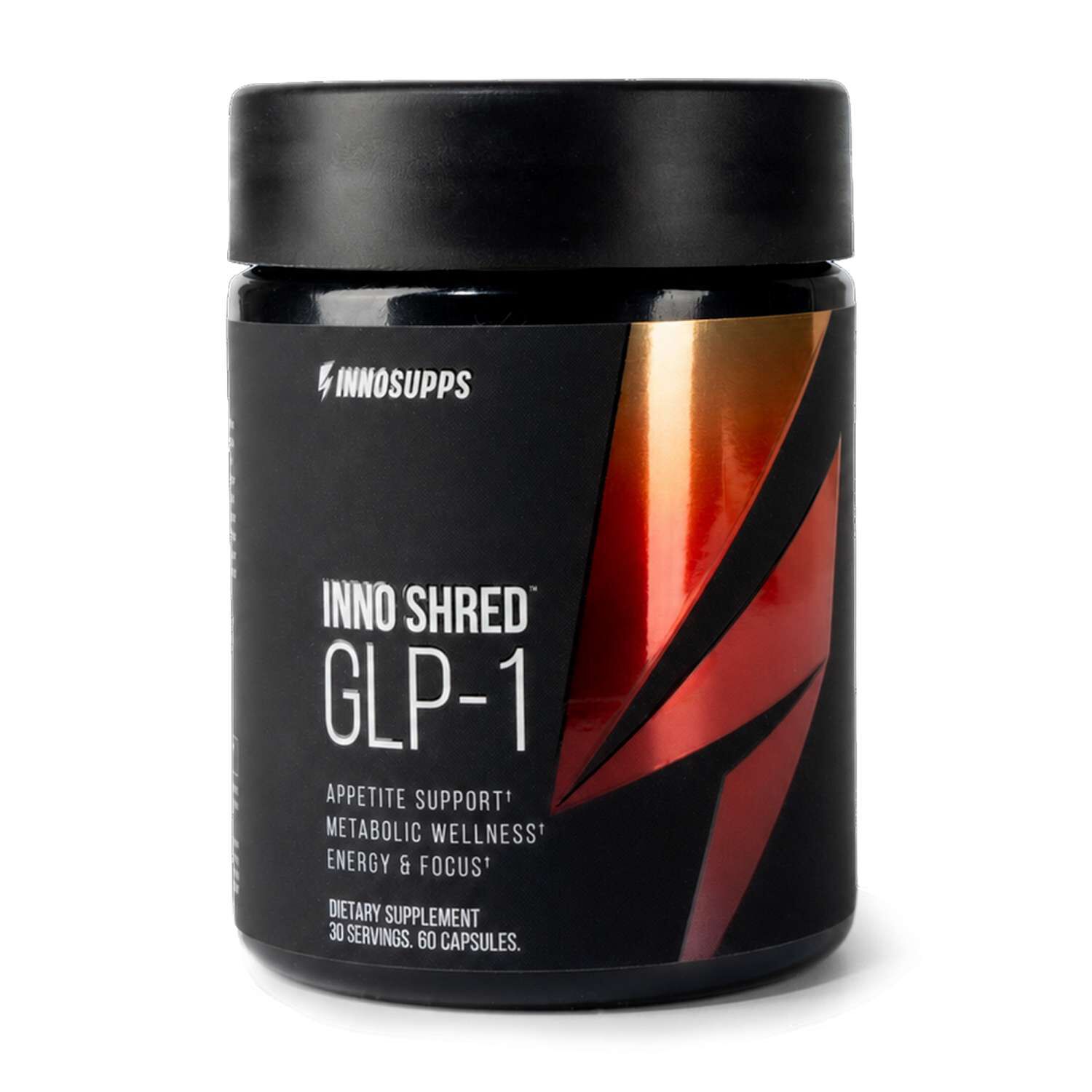

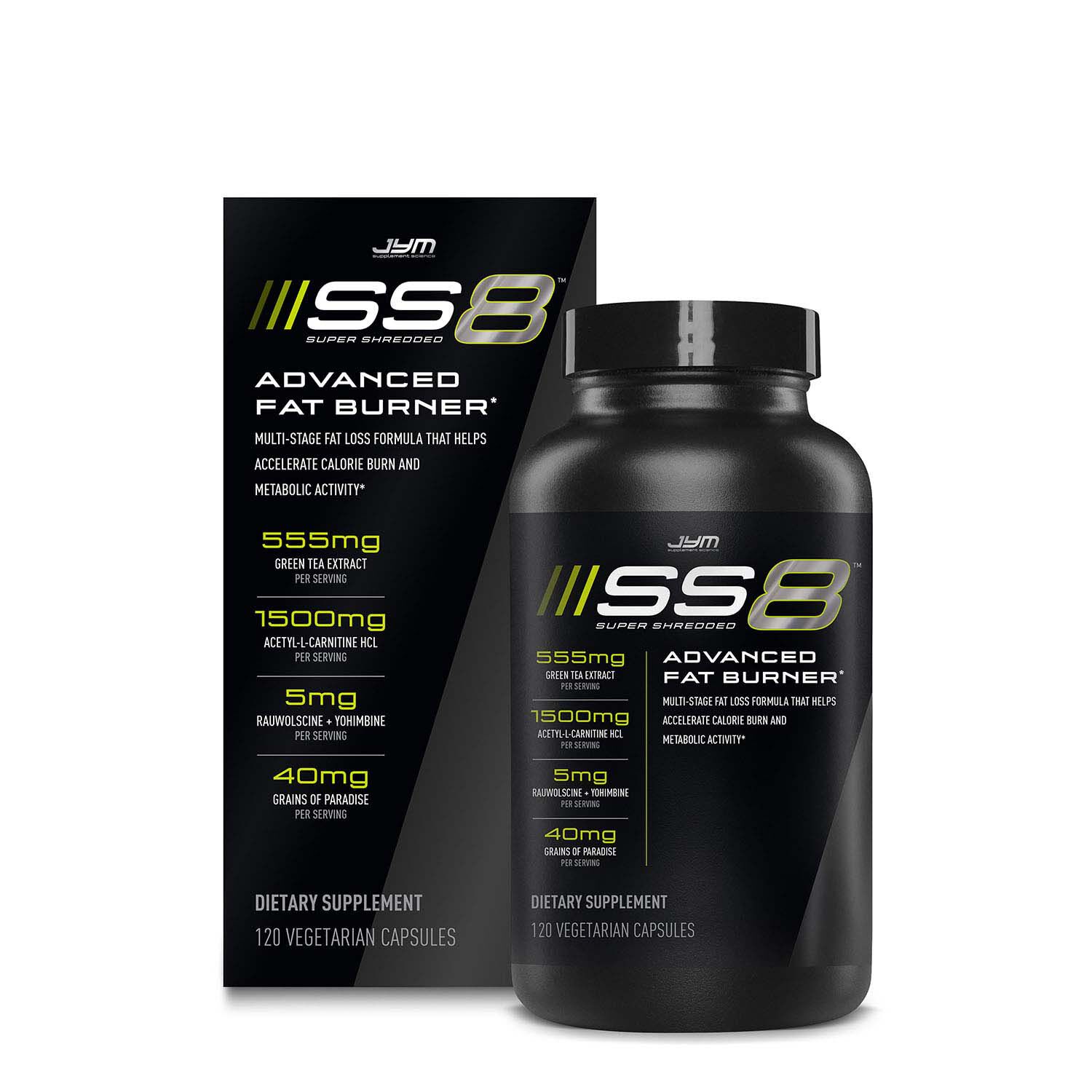


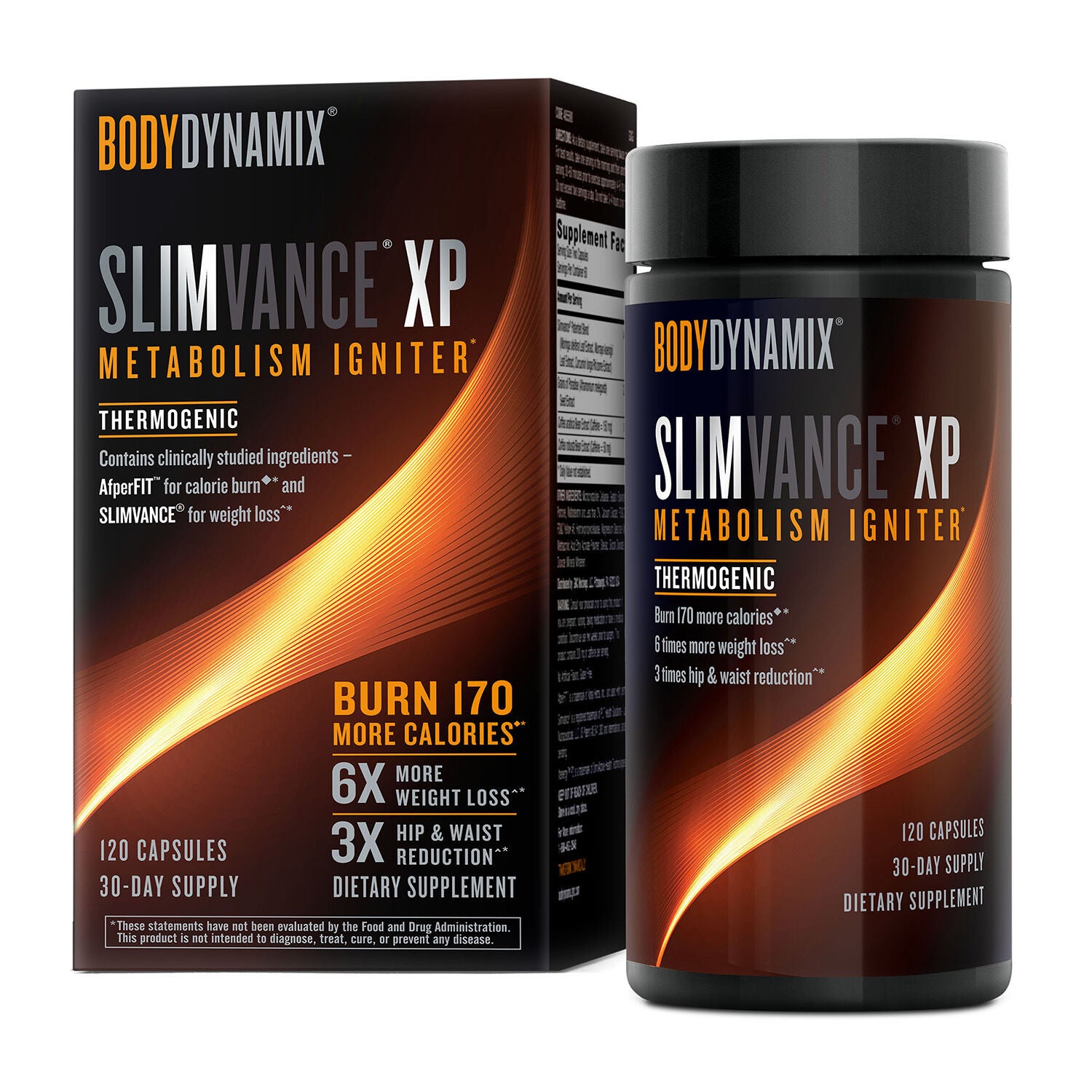

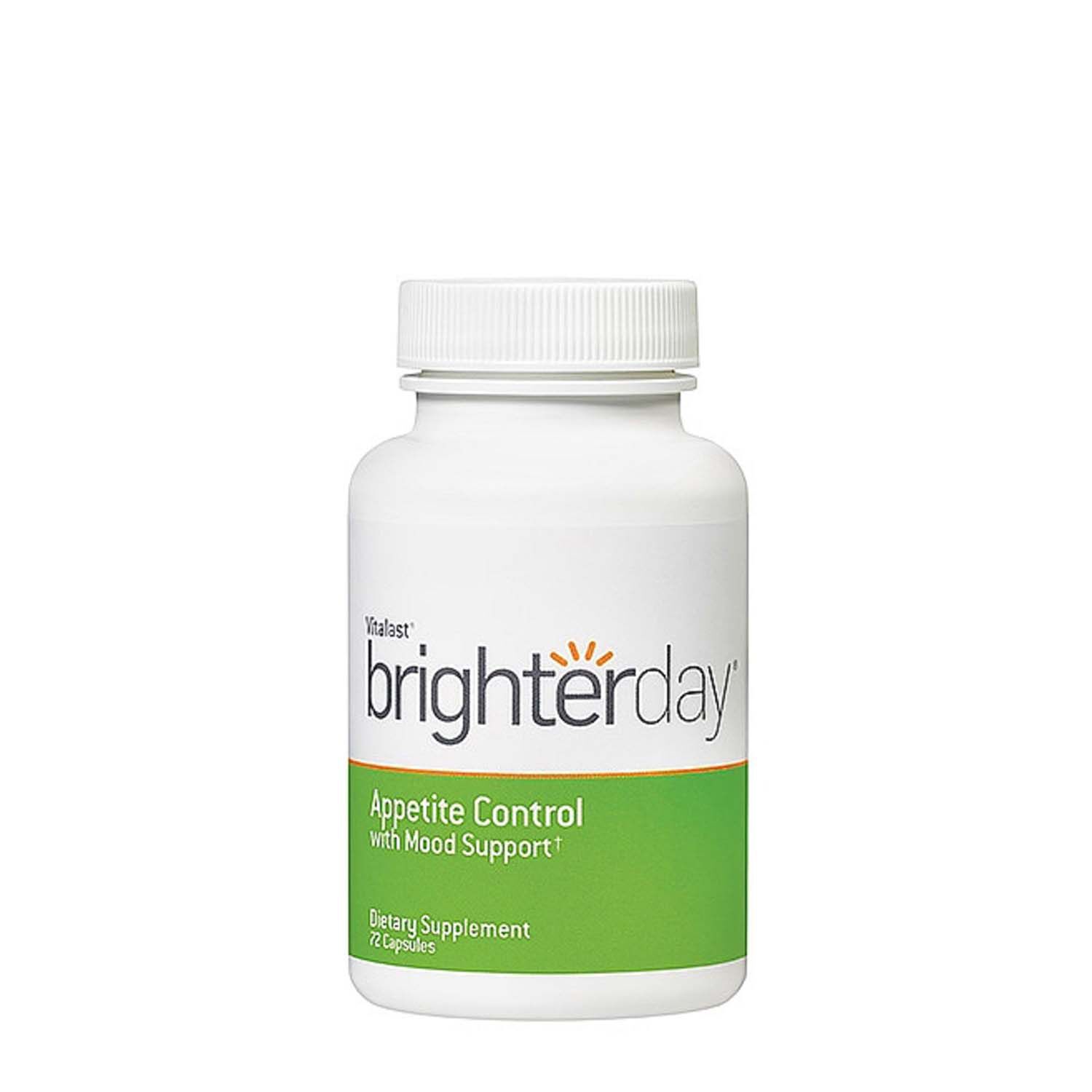


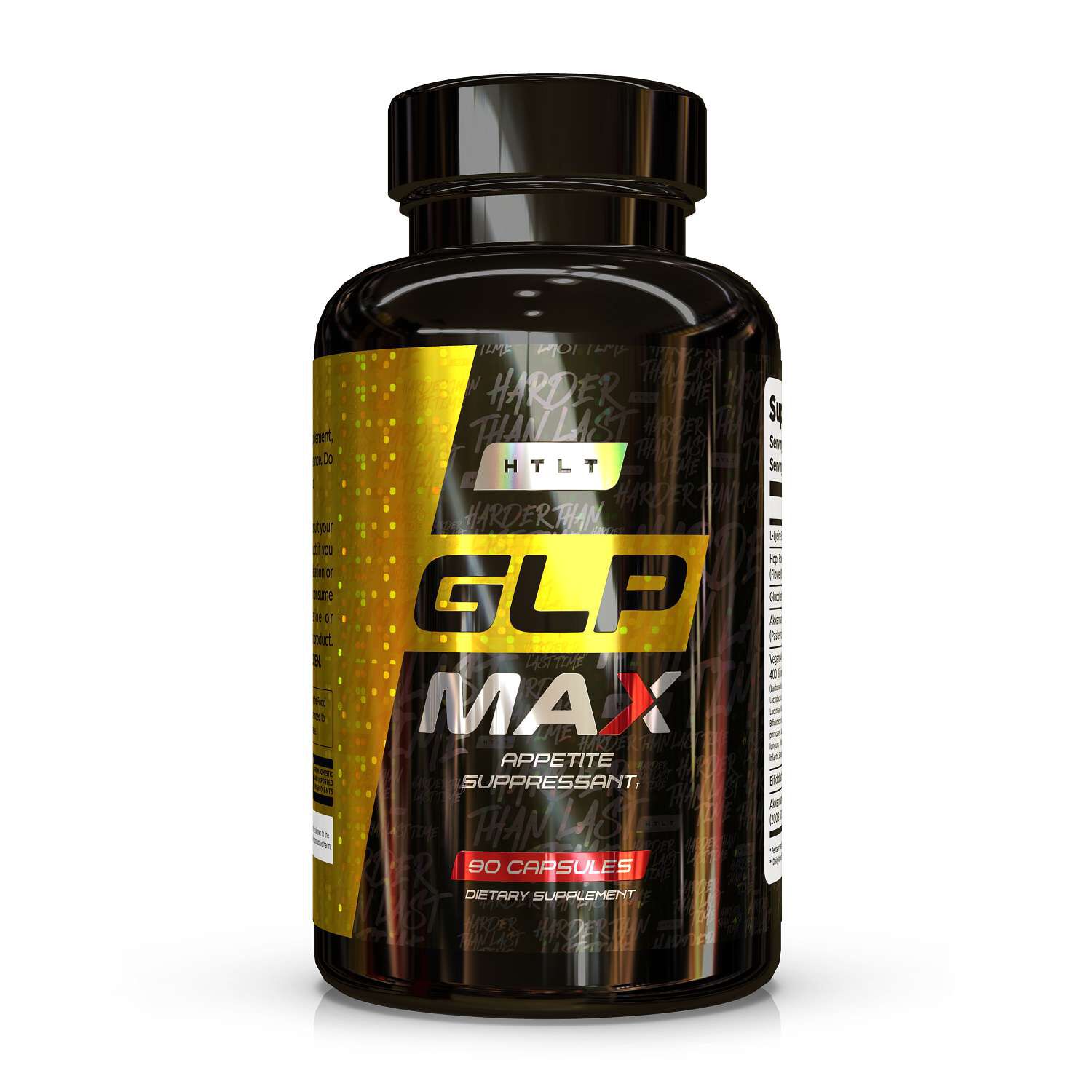
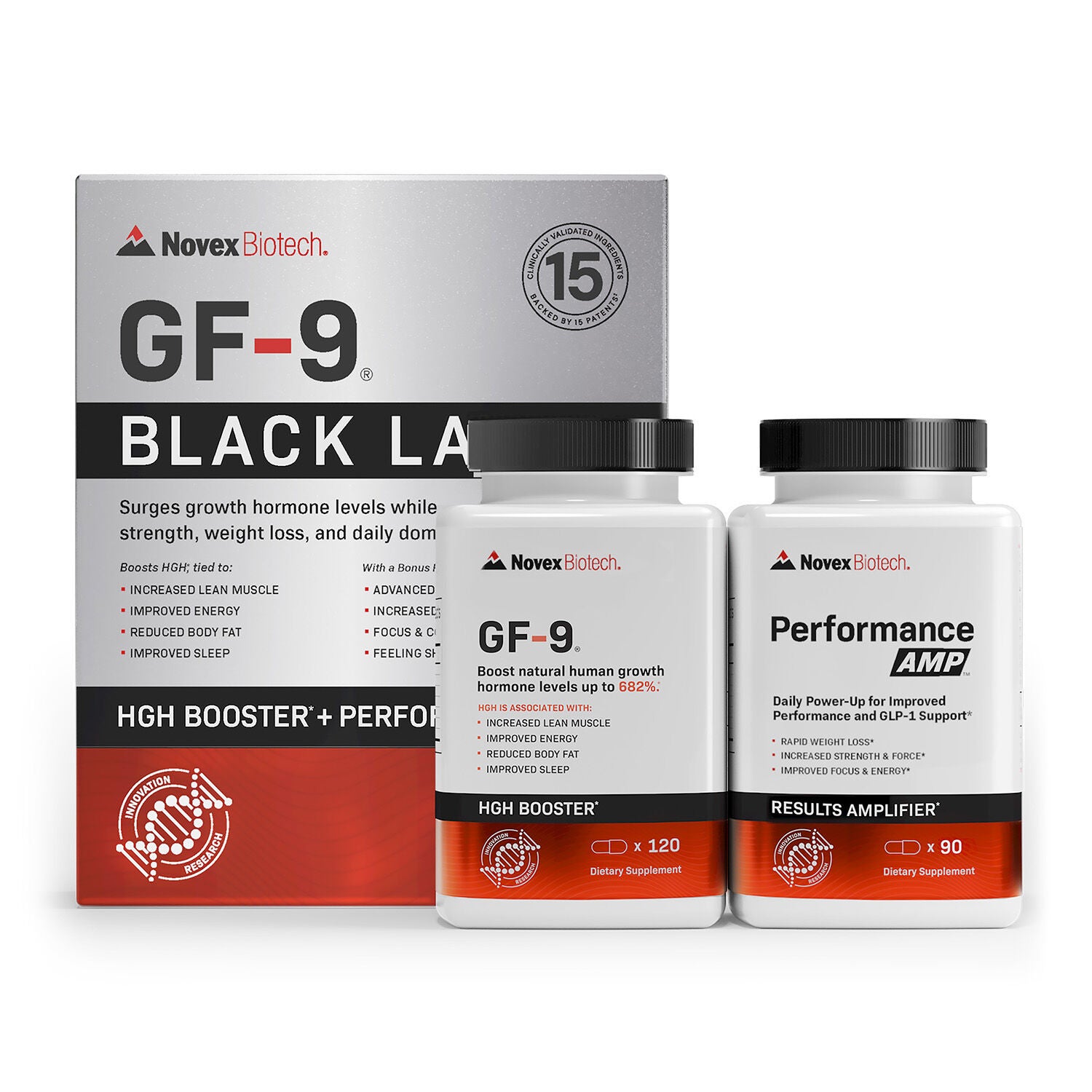

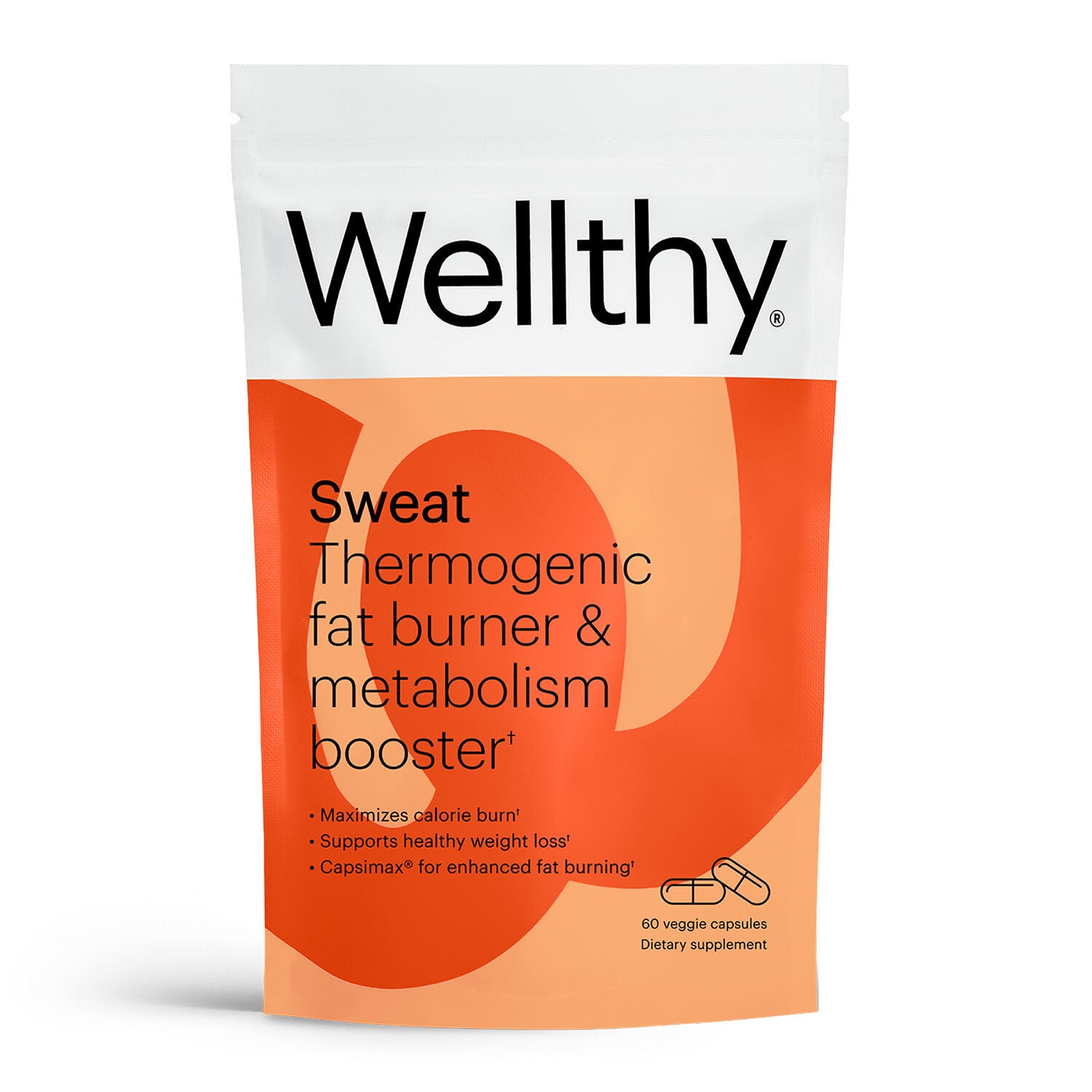
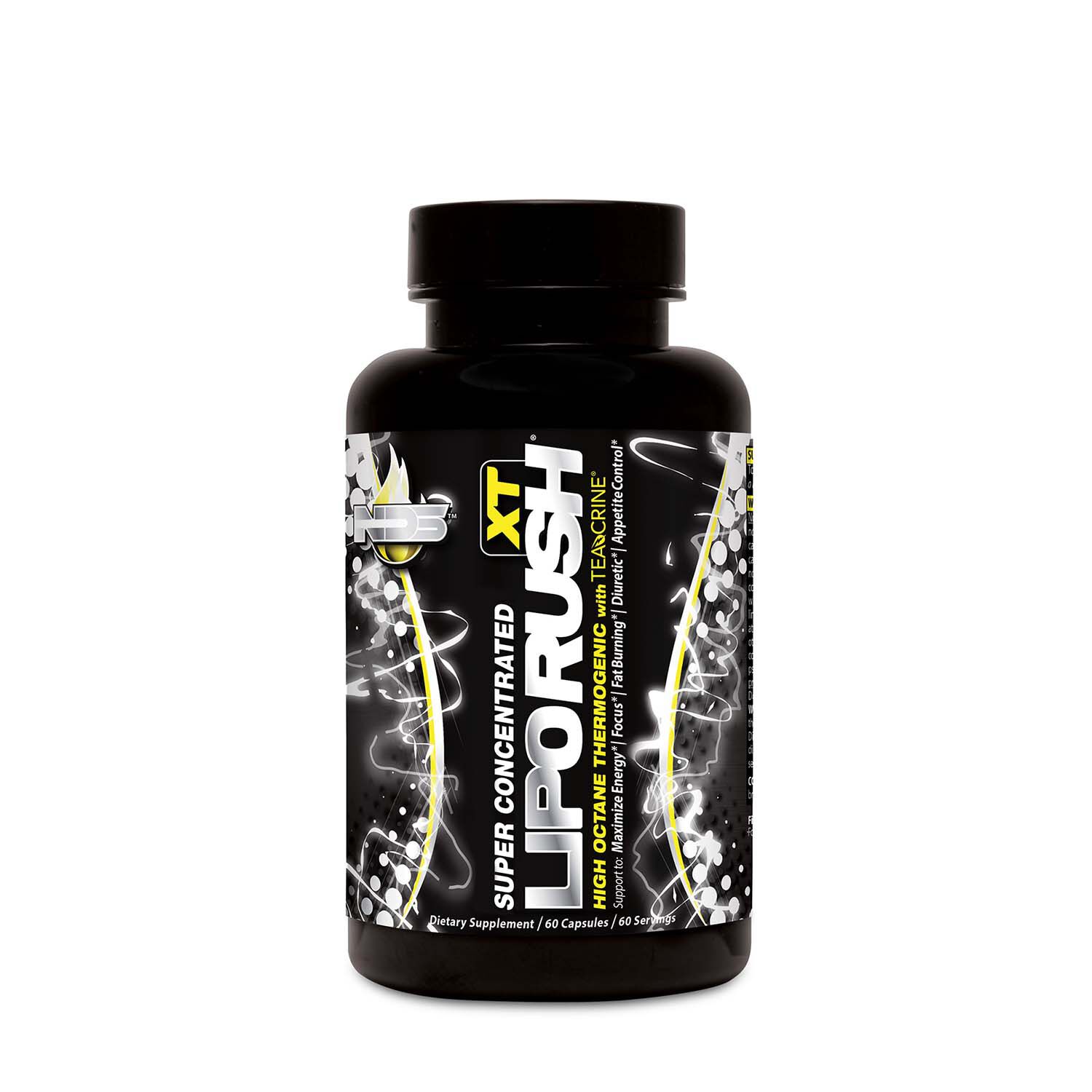
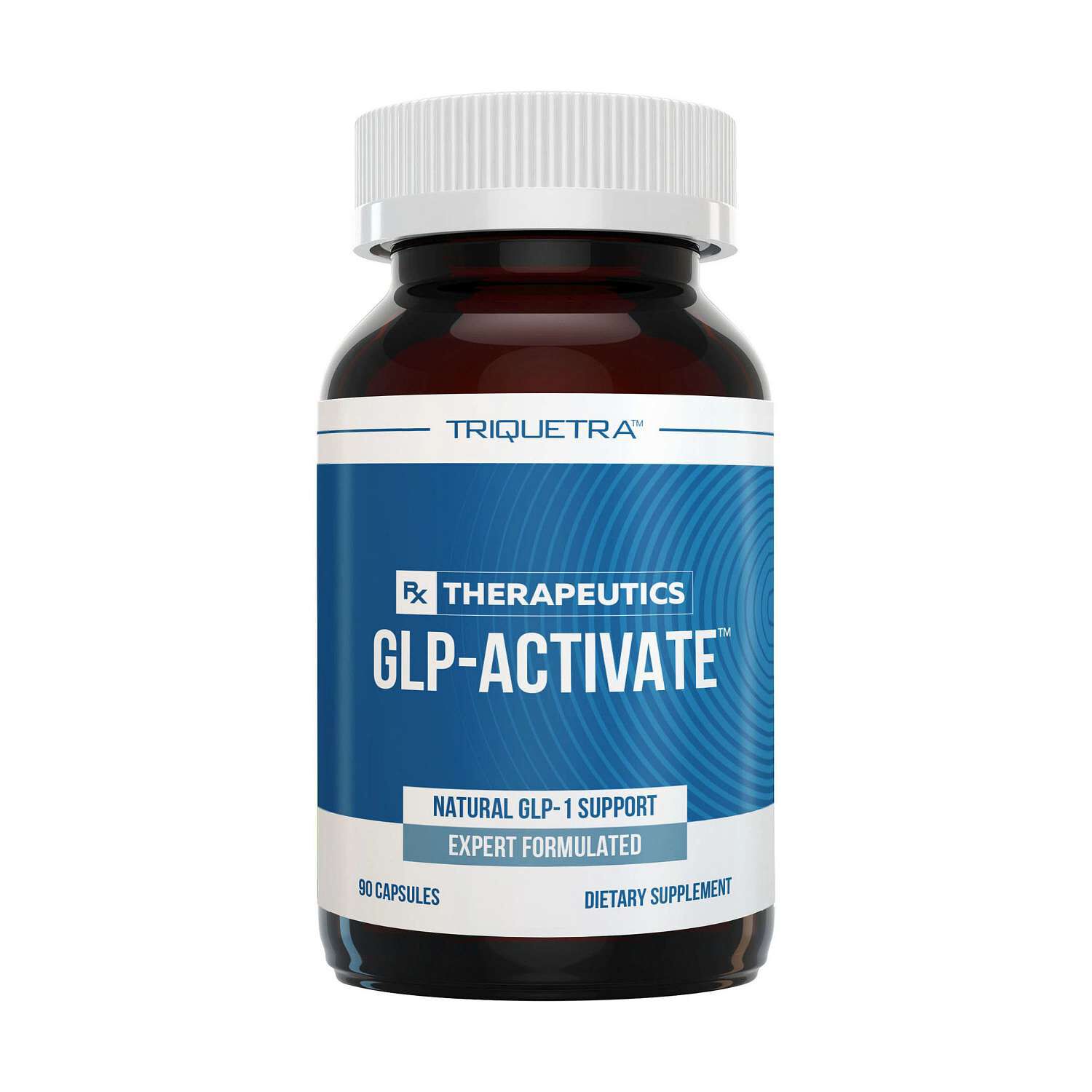

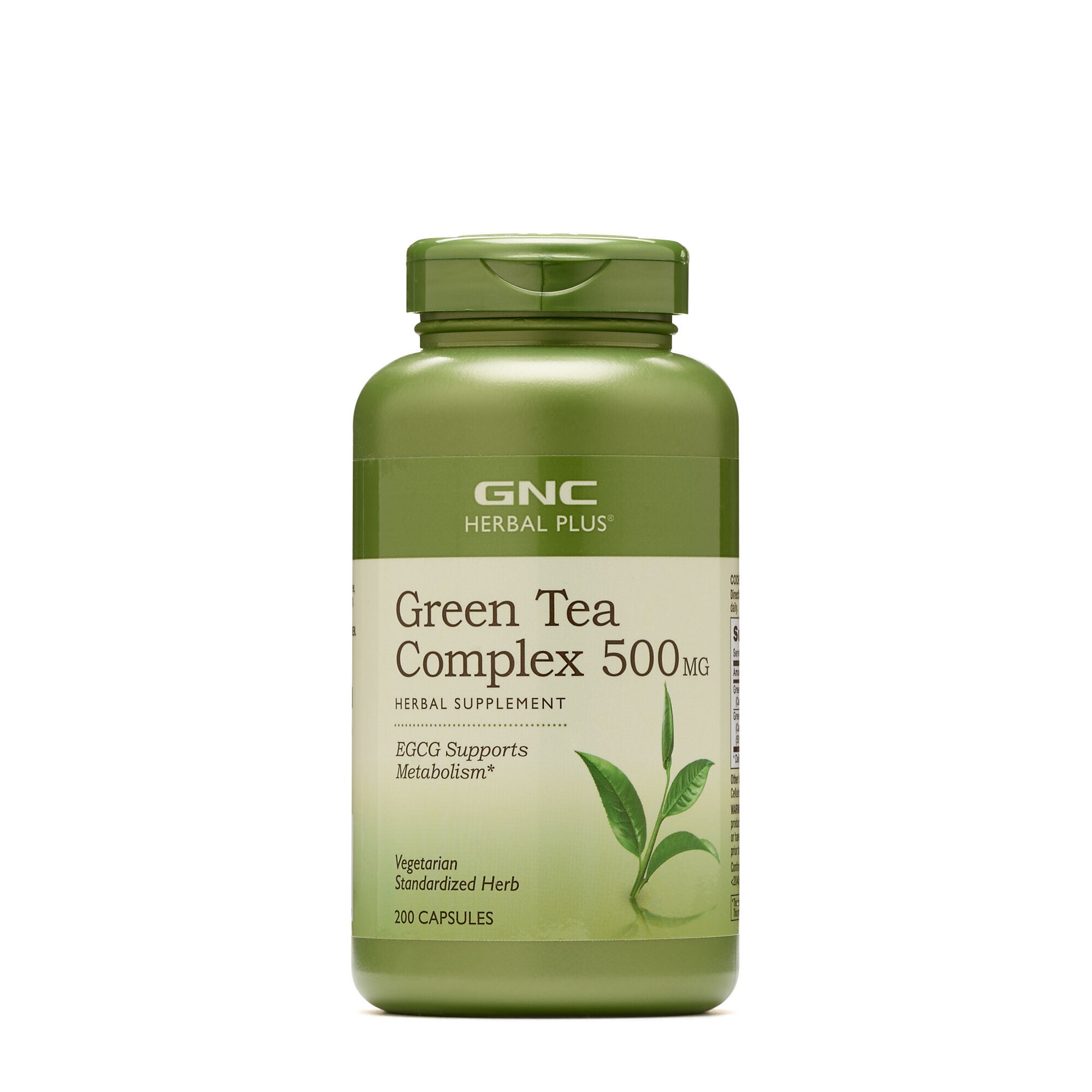
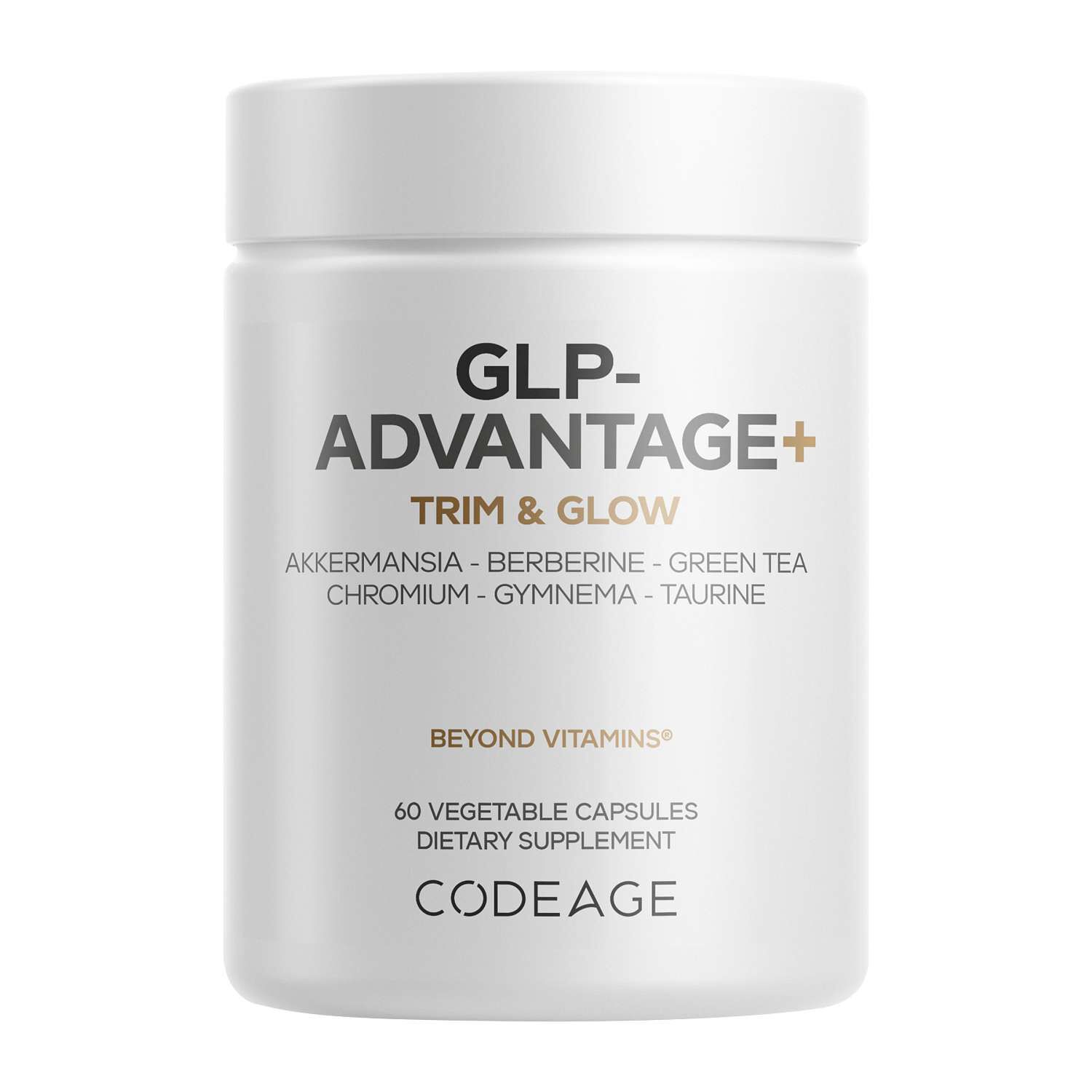

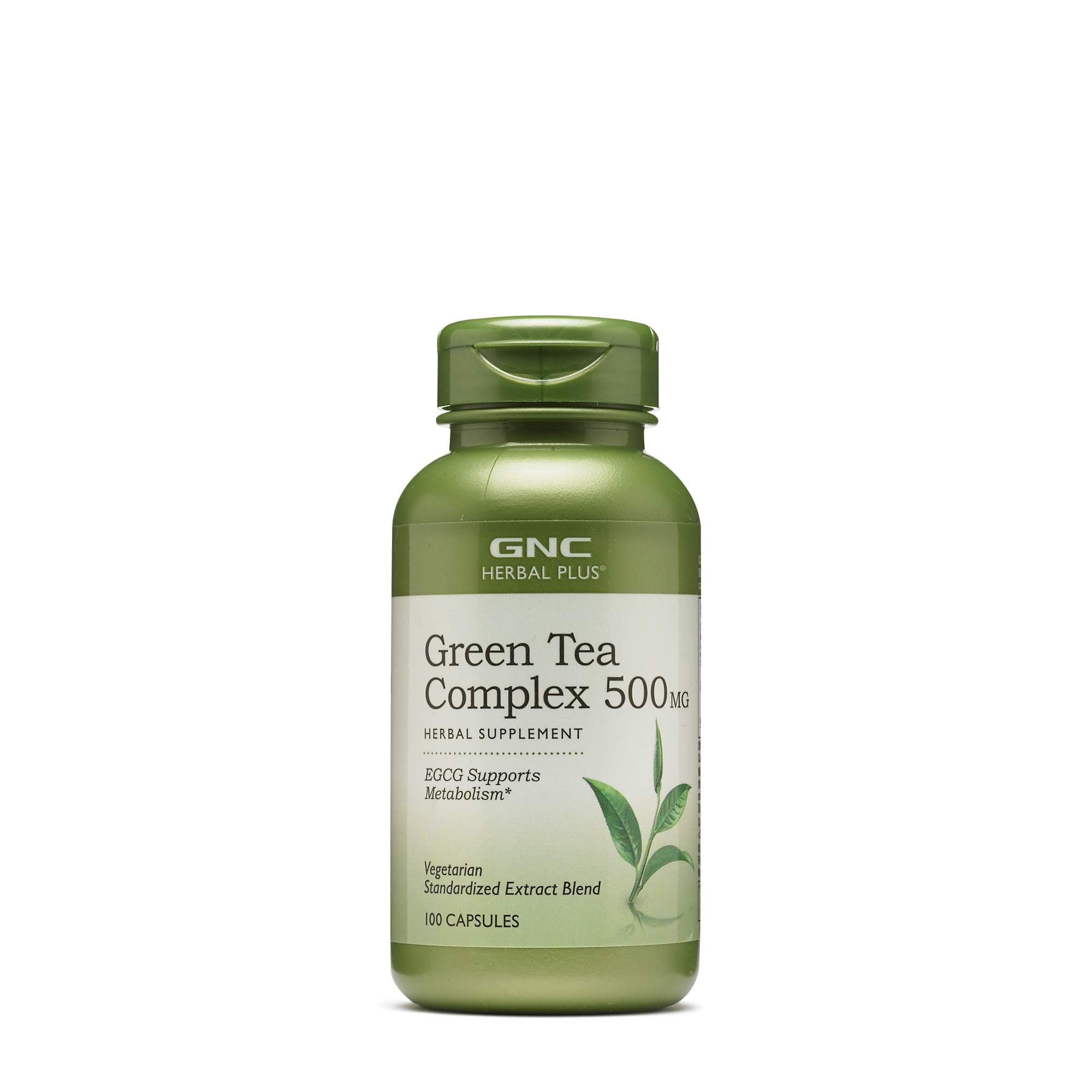
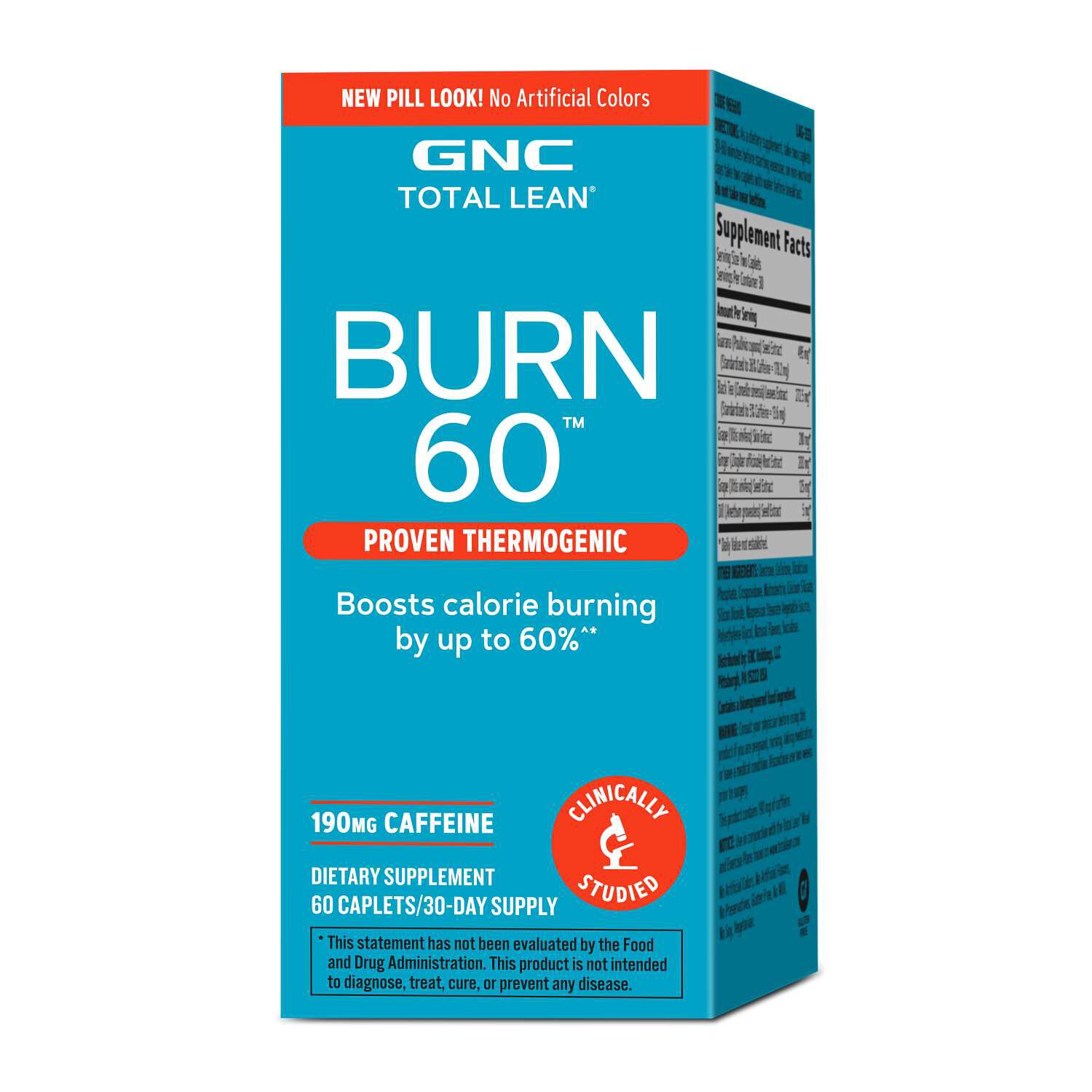
Rapid-release weight loss capsules are dietary supplements in capsule form, with a release designation that refers to the formulation rather than a set pace of weight change. The term may describe a capsule intended to open and release its contents promptly after swallowing, but its exact meaning depends on the manufacturer’s specifications. A rapid-release label alone does not establish how quickly a formula might affect an individual’s weight. These products are distinct from powders mixed into beverages, chewable supplements, and tablets, even when their ingredient lists share similarities. Their format may appeal to adults who prefer a measured serving without preparing a drink or adding another flavor to a meal. Within this category, the capsule shell, contents, and serving directions deserve as much attention as the wording on the front of the bottle. Some shells use gelatin, while others use plant-derived materials such as cellulose; the ingredient statement provides information about suitability for personal dietary preferences. Powdered contents and liquid-filled capsules represent different formulation choices, and neither format by itself establishes effectiveness. Formulas may include botanical extracts, caffeine, vitamins, minerals, or combinations of these ingredients, with amounts and serving sizes that differ across labels. An extract name alone also leaves out important context, since the plant part, preparation, and amount per serving may vary. For someone comparing supplements alongside an established food and activity routine, those details provide a clearer picture of what each serving contains. Capsule dimensions and the number required per serving also matter when considering how a product fits into everyday life. A single capsule is not necessarily a full serving, and similarly sized bottles can contain different numbers of servings. The serving size, directions, and servings-per-container information connect the description on the package with the format someone would actually be using.
The most useful comparisons between rapid-release weight loss capsules extend beyond a shared category name. The Supplement Facts panel identifies dietary ingredients and their stated amounts, while the other ingredients list describes components such as the capsule shell, fillers, and coloring ingredients. Where a proprietary blend appears, its combined amount does not necessarily reveal the quantity of every ingredient within it. That distinction matters when comparing two formulas with similar-looking ingredient names but different label details. Botanical ingredients can also appear under common names, scientific names, or extract descriptions, making careful label reading more informative than matching a single familiar word. Caffeine deserves particular attention as a formulation detail because it may be listed separately or occur naturally in certain botanical ingredients. For adults whose days already include coffee, tea, or energy drinks, a clearly stated caffeine amount provides relevant context for evaluating a supplement. A botanical description is not, by itself, a statement about caffeine content. Dietary preferences introduce another set of considerations: a plant-derived shell does not automatically describe every ingredient inside, and a short front-label description may not address every dietary restriction. Allergen statements and any dietary certifications provide additional information where present. Beyond ingredients, the directions may differ in serving size, timing relative to meals, and the number of servings described for a day. Those details belong to the individual formula rather than to the category as a whole. Someone with a predictable breakfast schedule may assess that fit differently from an adult whose meals move around a rotating work schedule. The relevant comparison is not simply which bottle says rapid release, but which label provides understandable information about its contents, intended users, and use instructions. Personal preferences about capsule size, ingredient transparency, and daily preparation can be more useful distinctions than dramatic package language. Weight-management supplements remain optional additions to everyday routines, not substitutes for meals or a varied diet, and individual experiences may differ.
Packaging and handling are practical parts of choosing capsule supplements, especially when a bottle will be opened repeatedly over several weeks. The manufacturer’s storage directions, expiration date, closure, and tamper-evident features provide information about keeping and handling the contents as intended. A tightly closing container and legible label are more relevant here than the kind of durability associated with reusable exercise equipment. Capsules are consumable products, and their condition depends in part on storage and handling rather than on a long service life. Original packaging also keeps the ingredient statement, directions, and identifying information together, which matters when several supplements sit on the same shelf. A bottle beside a breakfast organizer presents a different practical setup from loose capsules tucked into an unmarked bag; the latter separates the contents from the information needed to identify them. For adults comparing capsule styles, Liquid Gel Fat Burner Capsules provides a related category to explore alongside powdered capsule formats. A liquid-filled interior, a particular shell material, and a rapid-release description are separate characteristics, so one does not automatically establish the others. The linked category’s name also does not establish how any individual formula might influence body weight. Across capsule formats, clear labeling makes differences in composition and intended use easier to understand. These are personal purchases, with preferences shaped by dietary choices, comfort with the capsule format, and the details of an existing routine. They are generally better approached as an individual selection than as a surprise gift tied to someone else’s appearance or weight. An adult considering this category may value a straightforward ingredient list, another may prioritize a particular shell material, and another may decide that the serving schedule does not suit daily life. There is no single capsule format that establishes the same experience for everyone. Thoughtful comparison centers on the actual label, practical handling, and realistic expectations about what a release description does—and does not—say about the product.