Natural Weight Loss Capsules For Adults
(0 Results)
Natural weight loss capsules for adults offer a convenient option for those looking to support their wellness journey with plant-based ingredients. With a focus on naturally derived components, these capsules may fit into a balanced lifestyle that includes healthy eating and regular physical activity. Discover options designed to complement your goals and explore how natural weight loss capsules for adults could become part of your daily routine.
-
-

-
-
 2,035$119.99
-
-
-

-

-

-
 185$24.99
-
-

-
-

-

-
-
-

-
-
.jpg?sw=305&sh=305&sm=fit "Sleep Aid - 60 Capsules (30 Servings) | GNC")
-
-
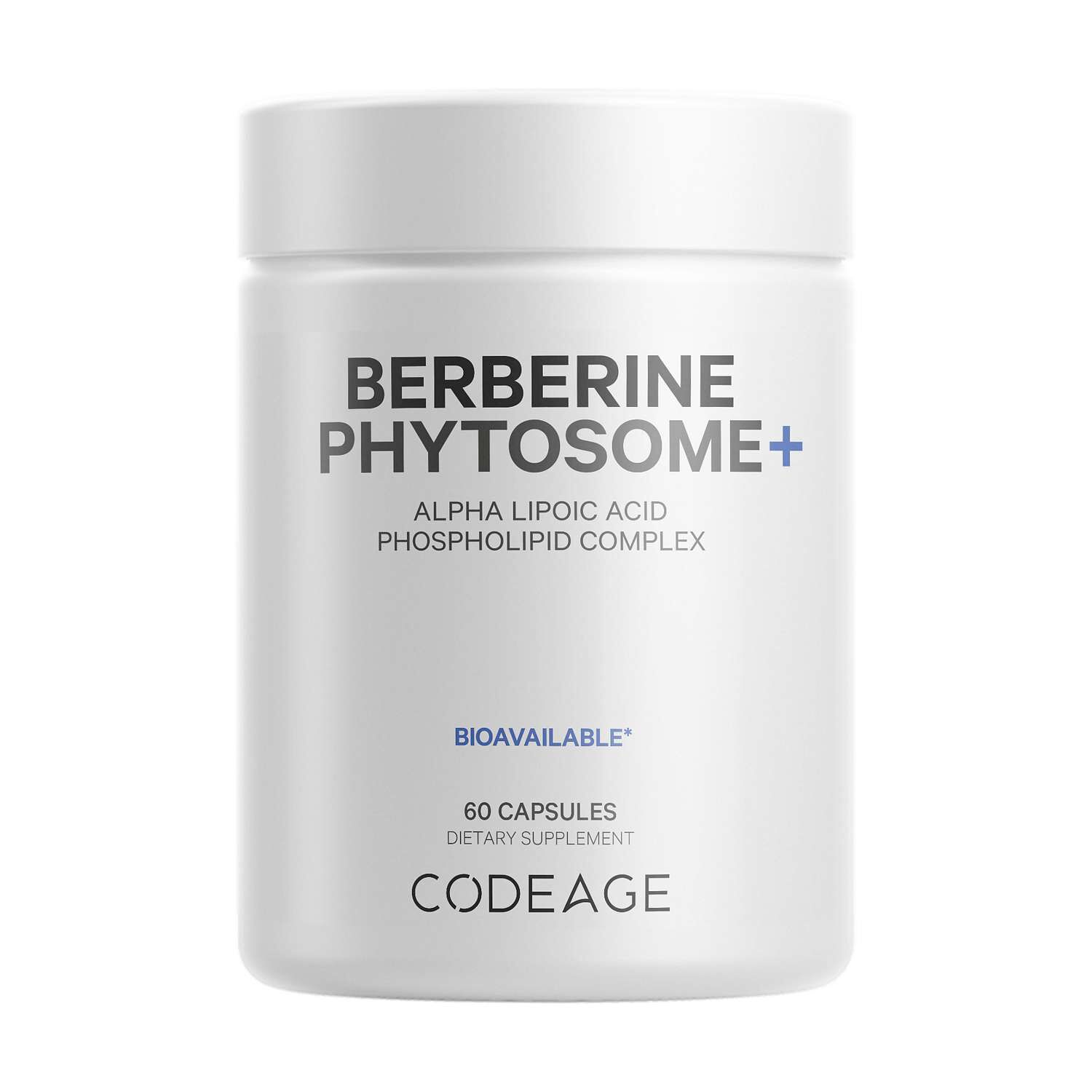
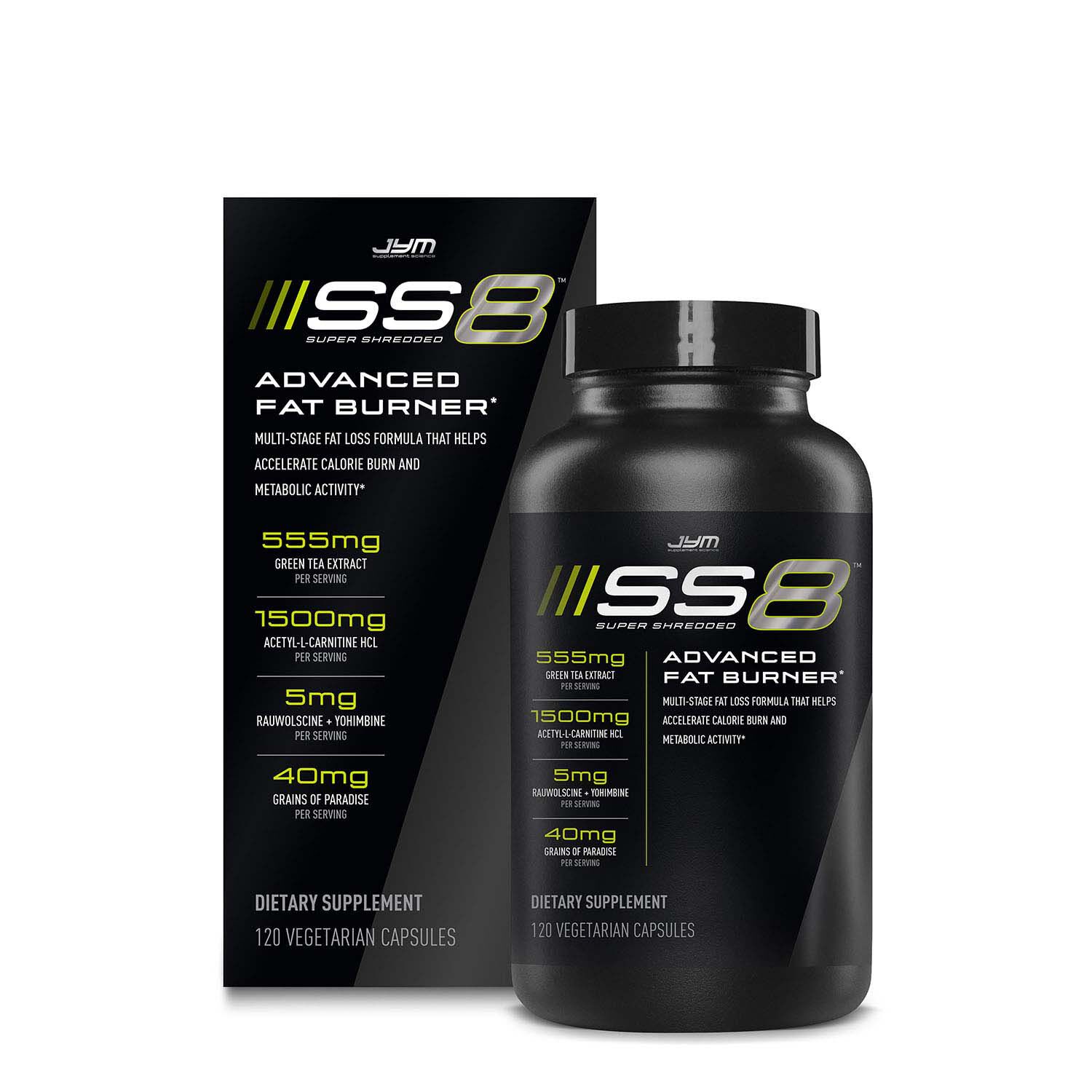

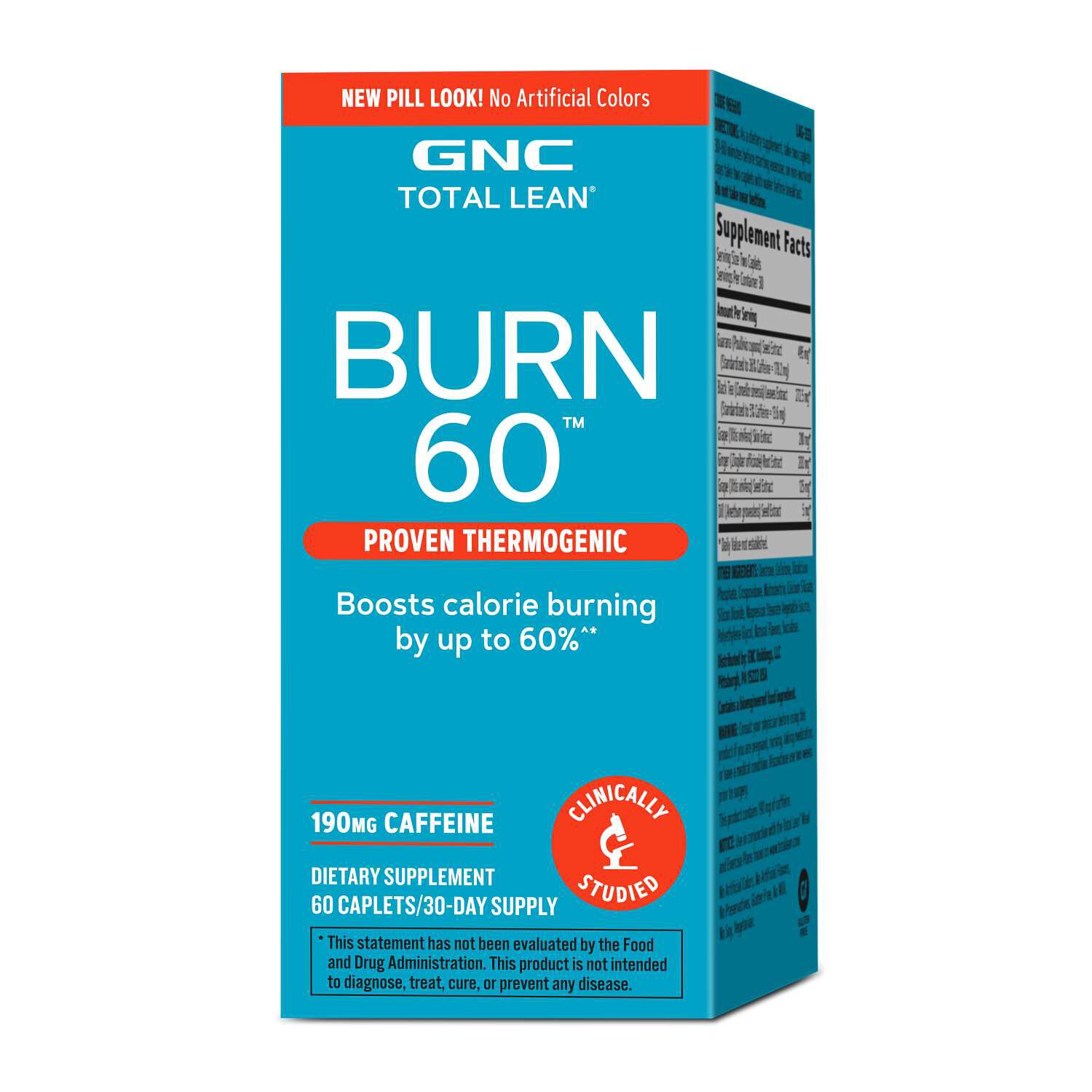
Natural weight loss capsules for adults are dietary supplements marketed for adult weight-management routines, often featuring botanical extracts, plant-derived compounds, or dietary fiber. The word “natural” describes an ingredient’s origin or a product’s positioning; it does not establish effectiveness, suitability, or manufacturing quality. Research on supplements marketed for weight loss varies by ingredient and formulation, and evidence for meaningful, lasting changes is often limited. An ingredient studied on its own is not necessarily equivalent to a finished capsule containing several ingredients in different amounts. That distinction matters when comparing a straightforward botanical formula with a blend that combines extracts, fiber, and caffeine. Green tea extract, for example, comes from tea leaves, but a concentrated extract is different from a cup of brewed tea. Its caffeine content and the amounts of other naturally occurring compounds depend on the formulation. Caffeine can also appear through ingredients such as guarana or coffee extracts, so a plant-focused description does not necessarily mean a formula is made without stimulants. Glucomannan is a dietary fiber derived from konjac root, while berberine is a compound found in certain plants. These ingredients differ in composition and intended use, and their presence alone does not establish that a capsule will produce weight loss. Products with similar front-label descriptions may therefore have quite different ingredient profiles. For adults browsing this category, the most useful background is less about finding a single defining ingredient and more about understanding what each formula actually contains. A clear ingredient list, disclosed amounts, and readable directions provide a firmer basis for comparison than dramatic before-and-after imagery or broad claims about a smaller waist. Capsules belong to a wider category of dietary supplements, not to a separate category with uniform ingredients or predictable outcomes. The format describes how a formula is packaged, rather than how well it has been studied or how suitable it is for a particular person.
The Supplement Facts panel provides concrete details that a short product description may leave out. Serving size is especially important: an amount listed per serving may refer to two or more capsules rather than one. A bottle’s capsule count and its number of servings are consequently different measurements, and similarly sized bottles may represent different routines. Ingredient amounts are usually listed by weight, but the weight of a botanical extract does not tell the whole story. The plant species, plant part, extract concentration, and any stated standardization help describe what is inside. A root extract and a leaf extract from the same plant are not interchangeable descriptions. Likewise, a formula listing each ingredient amount provides different information from a proprietary blend that gives only a combined amount. Botanical names can help distinguish ingredients with similar everyday names, while the other ingredients section describes capsule materials and components used during manufacturing. Capsule shells may contain gelatin or plant-derived materials such as cellulose. For someone who follows a vegetarian eating pattern, the shell deserves the same attention as the featured botanicals; plant ingredients inside a gelatin capsule do not make the entire formula vegetarian. Added colors, coatings, and other formulation components may also matter to personal preferences. Allergen statements and dietary certifications offer another layer of detail, although each certification addresses a particular standard rather than every aspect of a product. Where independent testing is documented, its scope matters: testing for ingredient identity or specified contaminants does not establish a weight-loss outcome. These distinctions make label transparency a practical comparison point without turning a certification seal into a claim about results. A clearly identified manufacturer, accessible product information, and a legible lot code also help document what a bottle contains and how it is identified. Together, these details provide a more grounded picture of capsule construction, formulation, and labeling than the word “natural” can convey by itself.
Capsule format also brings everyday considerations that differ from powders, beverages, or chewable supplements. There is no mixing step or flavor selection, but capsule dimensions, shell type, and the number of capsules per labeled serving still shape the experience. An adult who dislikes flavored powders may prefer the format, while someone who finds larger capsules difficult to swallow may place more importance on dimensions and serving size. A compact bottle can fit neatly into a home cabinet, but portability alone does not determine whether a formula matches a person’s routine. For an adult who already drinks coffee or uses other supplements, a clearly disclosed caffeine amount provides relevant context that a botanical name by itself may not convey. Labels can also differ in their stated intended use, directions, and cautions, so adult-focused wording should not be interpreted as suitability for every adult. Product selection is personal, making these capsules a less straightforward gift than a shaker bottle or another everyday fitness accessory. Packaging care is another part of the comparison. The original container carries the ingredient panel, lot information, date markings, and storage directions; those details are harder to track when capsules are transferred into an unmarked container. A secure closure and an intact seal are packaging features, not evidence of effectiveness, and the printed storage instructions describe how the manufacturer intends the product to be kept. Unlike reusable fitness equipment, capsules are consumable products, so package condition and date information matter more than long-term durability. Adults comparing broader formulas with gender-focused options can also explore Natural Slimming Capsules For Men, while recognizing that a men’s label does not by itself establish a distinct benefit or a better match. Across natural weight loss capsules for adults, the meaningful differences remain the actual ingredients, disclosed amounts, capsule materials, and intended use. Descriptive labeling makes those differences easier to understand, while realistic expectations keep the focus on the product’s documented characteristics rather than an assumed result.