Softgel Supplements For Weight Loss
(0 Results)
Softgel supplements for weight loss offer a convenient and easy-to-swallow option for those looking to support their wellness journey. With a variety of formulas designed to fit different lifestyles and preferences, these softgels could be a simple addition to your daily routine. Explore the selection of softgel supplements for weight loss and discover options that may help you stay on track with your goals.

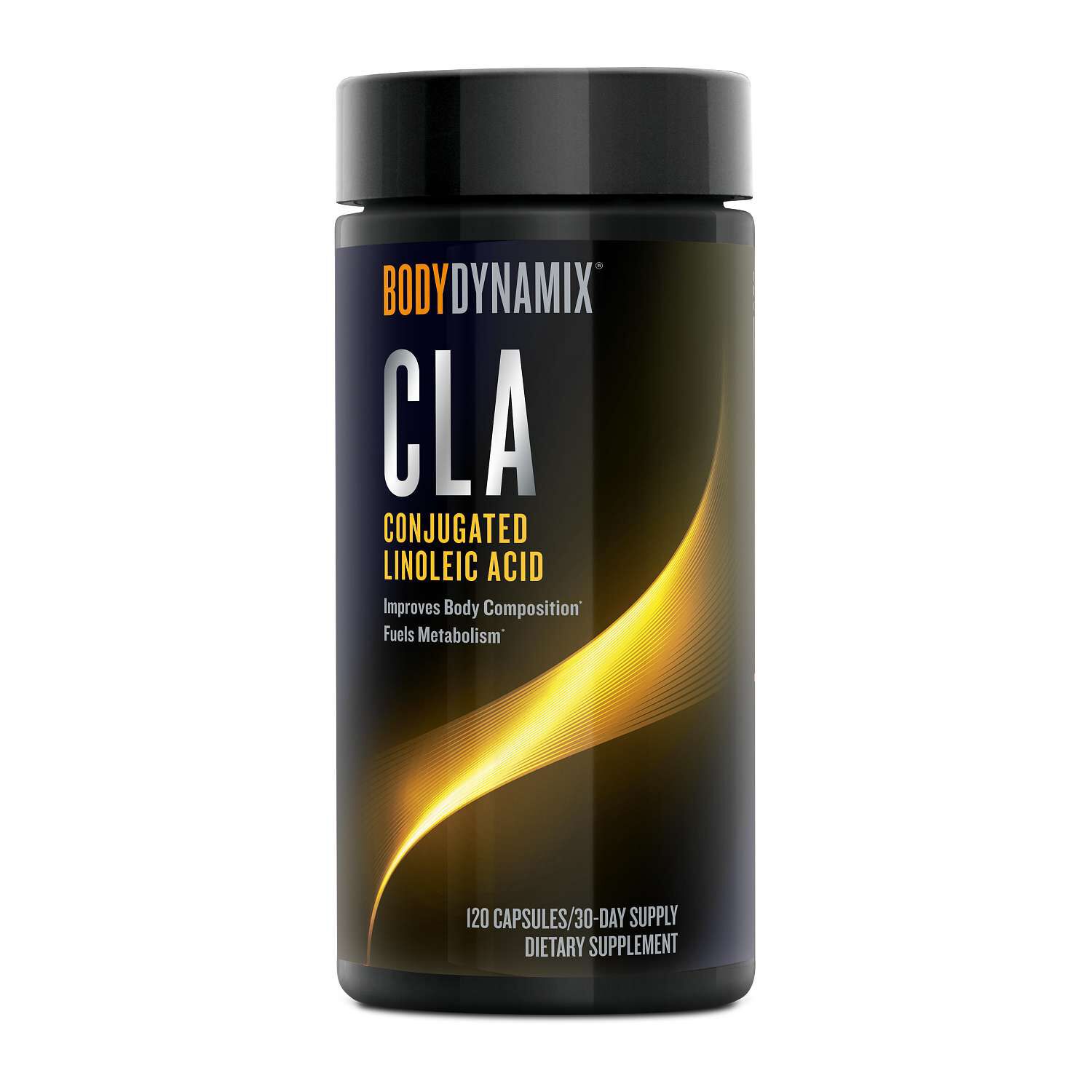
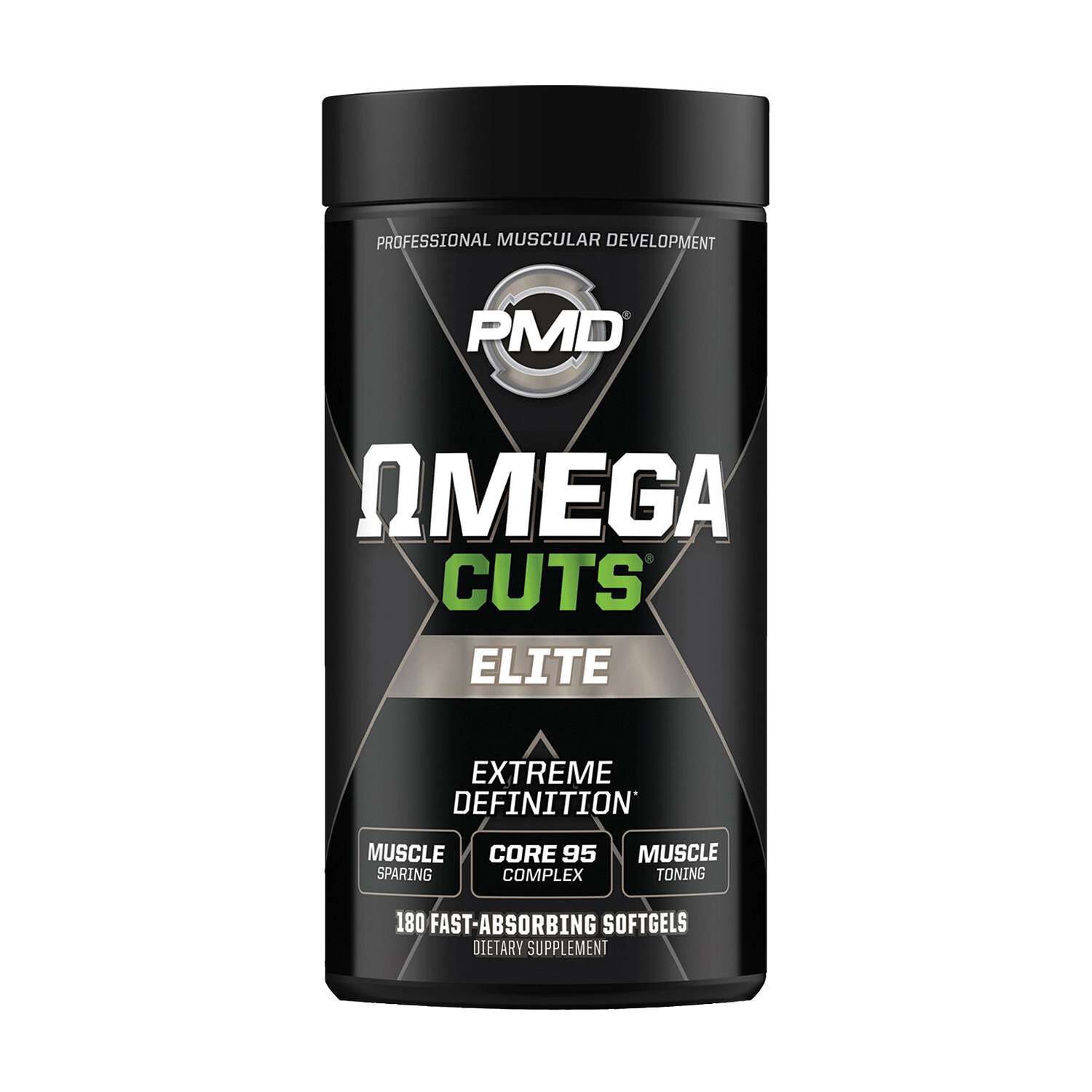

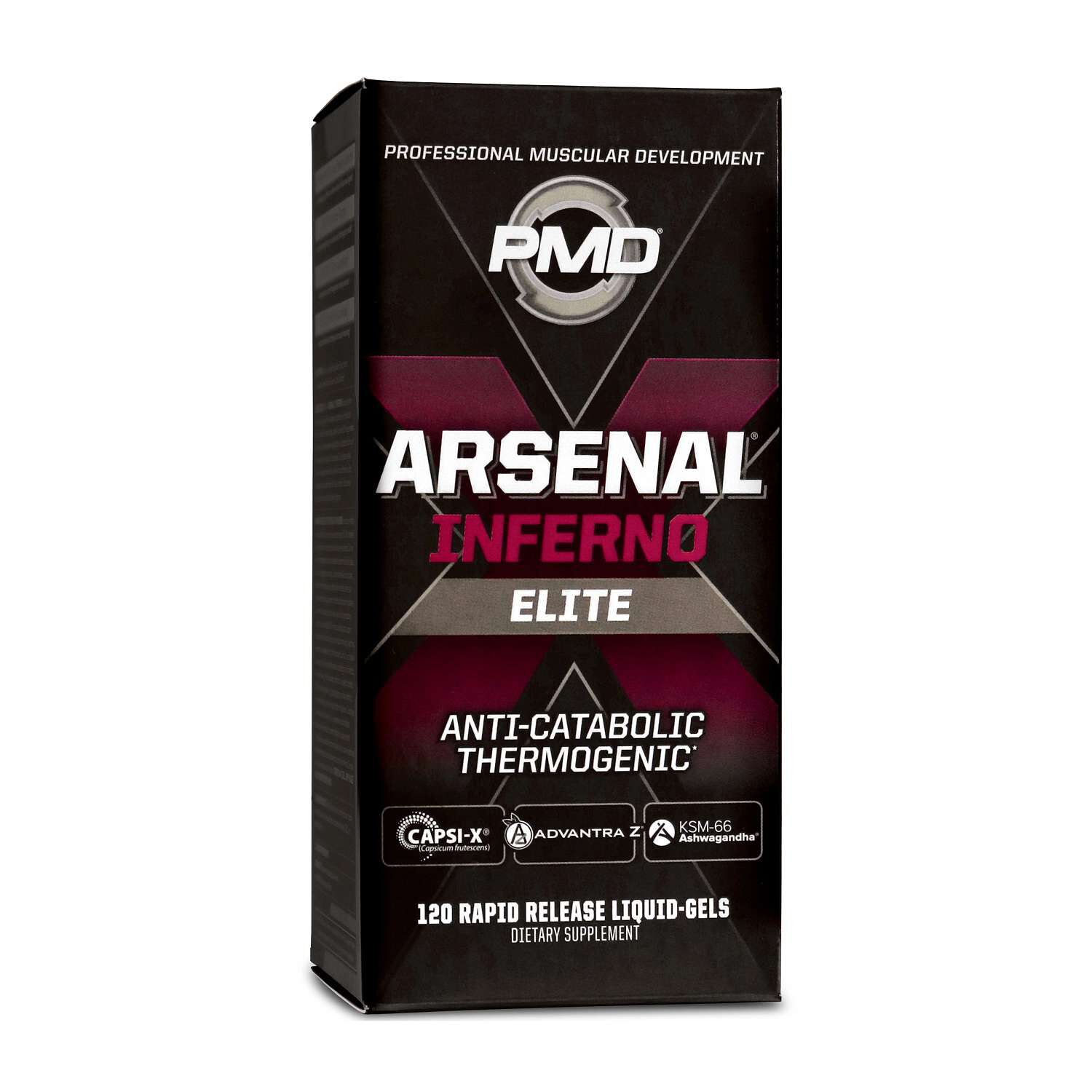
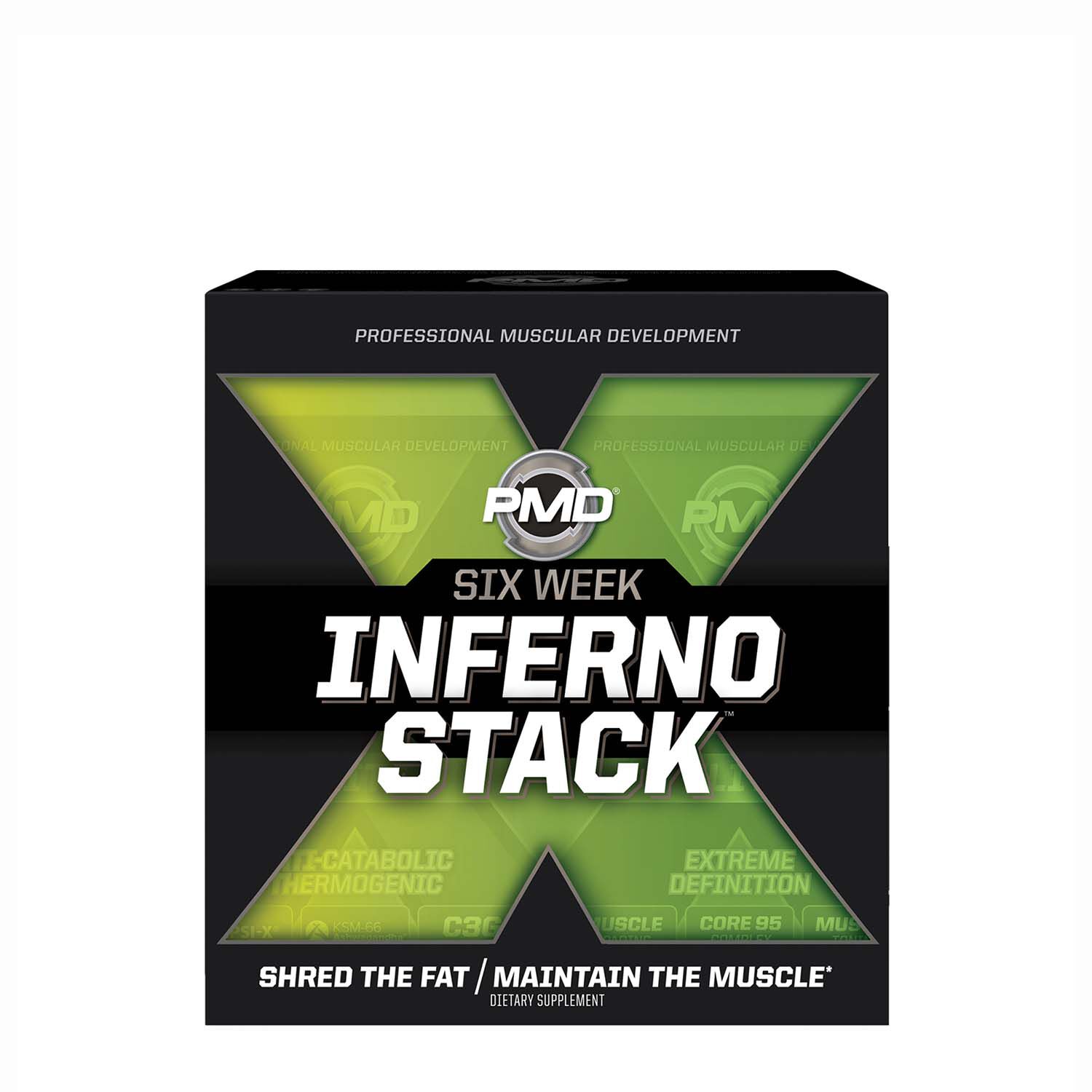

Softgel supplements for weight loss bring a familiar capsule format to a category centered on weight-management goals. A softgel typically holds a liquid or oil-based filling inside a sealed shell, rather than a compressed tablet or a capsule filled with dry powder. That construction makes it a practical format for certain oils and other ingredients used in dietary supplements. Ingredients associated with this category include conjugated linoleic acid, often called CLA, and medium-chain triglycerides, commonly shortened to MCTs. CLA is a fatty acid that can be sourced from safflower oil, while MCT ingredients often come from coconut or palm sources. Some formulas also contain botanical extracts, though the ingredient list and serving information matter more than the capsule’s appearance. These ingredients are not interchangeable, and their inclusion does not establish that a formula will produce a particular weight-management outcome. Research on weight-management supplements varies by ingredient, amount, and study design, so the softgel format itself should not be read as evidence of effectiveness. For shoppers exploring this category, the most useful distinction is between what a supplement contains and how it is packaged. A glossy, oval shell describes the delivery format; the Supplement Facts panel describes the listed dietary ingredients and their amounts. An adult who prefers capsules to flavored powders might consider this format because it requires no mixing, measuring scoop, or beverage preparation. Someone who already uses several supplements might be more interested in serving size and overlapping ingredients than in the shape of the capsule. In either case, the category is best understood in the context of everyday eating patterns, physical activity, and personal preferences, rather than as a shortcut to a specific result. Broader browsing through Softgel Supplements can also put the format in context: softgels appear across many supplement categories, and their intended uses depend on the ingredients inside.
A closer look at the label helps distinguish formulas that otherwise look similar in a bottle. Start with the relationship between serving size and ingredient amount: a listed quantity may apply to two or more softgels rather than to one. A bottle’s capsule count therefore tells a different story from its number of servings. With oil-based ingredients, the amount of an oil and the amount of a particular component within that oil are also not necessarily the same. For example, a safflower oil listing and a clearly stated CLA amount provide different kinds of information. Likewise, the phrase “MCT oil” does not by itself describe every detail of the oil’s composition. Botanical extracts introduce another set of distinctions, including the plant source, the portion used, and any stated standardization. A green tea extract listing is not equivalent to a cup of brewed tea, and caffeine content deserves attention when comparing formulas with different ingredient combinations. Some labels disclose individual ingredient amounts, while others group ingredients into blends, which can make direct comparisons less straightforward. The shell and other ingredients matter as well, particularly for shoppers with dietary preferences. Traditional softgel shells commonly use gelatin along with water and a plasticizer such as glycerin to maintain their texture. Gelatin may come from different animal sources, and a softgel should not be assumed to suit a vegetarian eating pattern unless its labeling supports that description. Certain formulas use alternative shell materials, but those details need to be checked individually. Colors, carrier oils, and other formulation ingredients may also appear outside the main Supplement Facts panel. For someone who carefully checks food labels, bringing that same attention to supplement packaging can make the category easier to navigate. Clear ingredient sourcing, readable serving information, and specific dietary labeling offer more useful comparison points than capsule color, bottle shape, or broad front-label language.
Everyday fit is another consideration when choosing softgel supplements for weight loss. Capsule dimensions, the number included in a serving, and the labeled directions all influence how a format fits into an established routine. A person who dislikes the texture of drink mixes may prefer an enclosed filling, while someone who finds larger capsules inconvenient may place more importance on the physical size of each softgel. Neither preference says anything about a formula’s potential effects; it simply reflects how the supplement is taken. Softgels usually have a smooth outer surface, but shapes and sizes differ, and photographs do not always provide a reliable sense of dimensions. The format also generally offers less flexibility for adjusting a serving than a measured powder, since each capsule contains a preset amount. Storage and handling deserve similar attention. Softgel shells are designed to remain intact under the conditions specified on the package, and moisture or direct sunlight can affect their condition. The original container preserves access to the ingredient list, directions, lot information, and expiration date, details that can be lost when capsules are transferred into an unmarked pouch. A bottle tucked into a gym bag may be convenient, but the package’s storage requirements still matter wherever it is kept. Caps should be secured as directed, and packaging seals provide another detail to inspect before use. Beyond these practical points, realistic expectations remain important: individual experiences may differ, and a supplement’s format cannot predict changes in body weight or composition. Customer reviews may describe capsule size or packaging clearly, but a personal account is not evidence that another shopper will have the same outcome. Choosing among these formulas is ultimately a matter of matching clearly labeled ingredients, dietary preferences, serving requirements, and intended use. That focus keeps the comparison grounded in the information a label can actually provide, rather than in assumptions about what an oil-filled capsule might accomplish.
Best Sellers
-
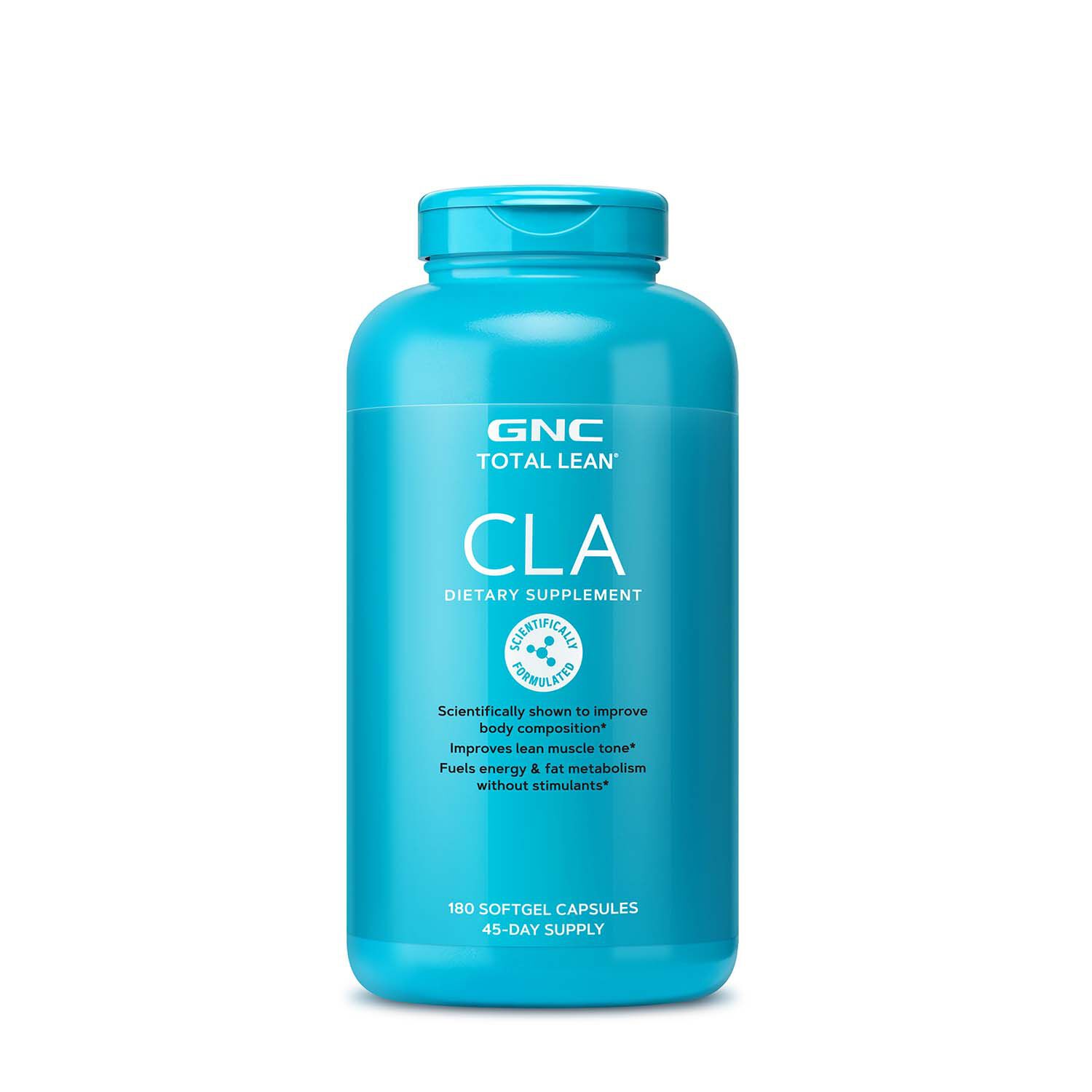 GNC Total Lean
 -
 GNC Total Lean
 -
 NDS Nutrition
 -
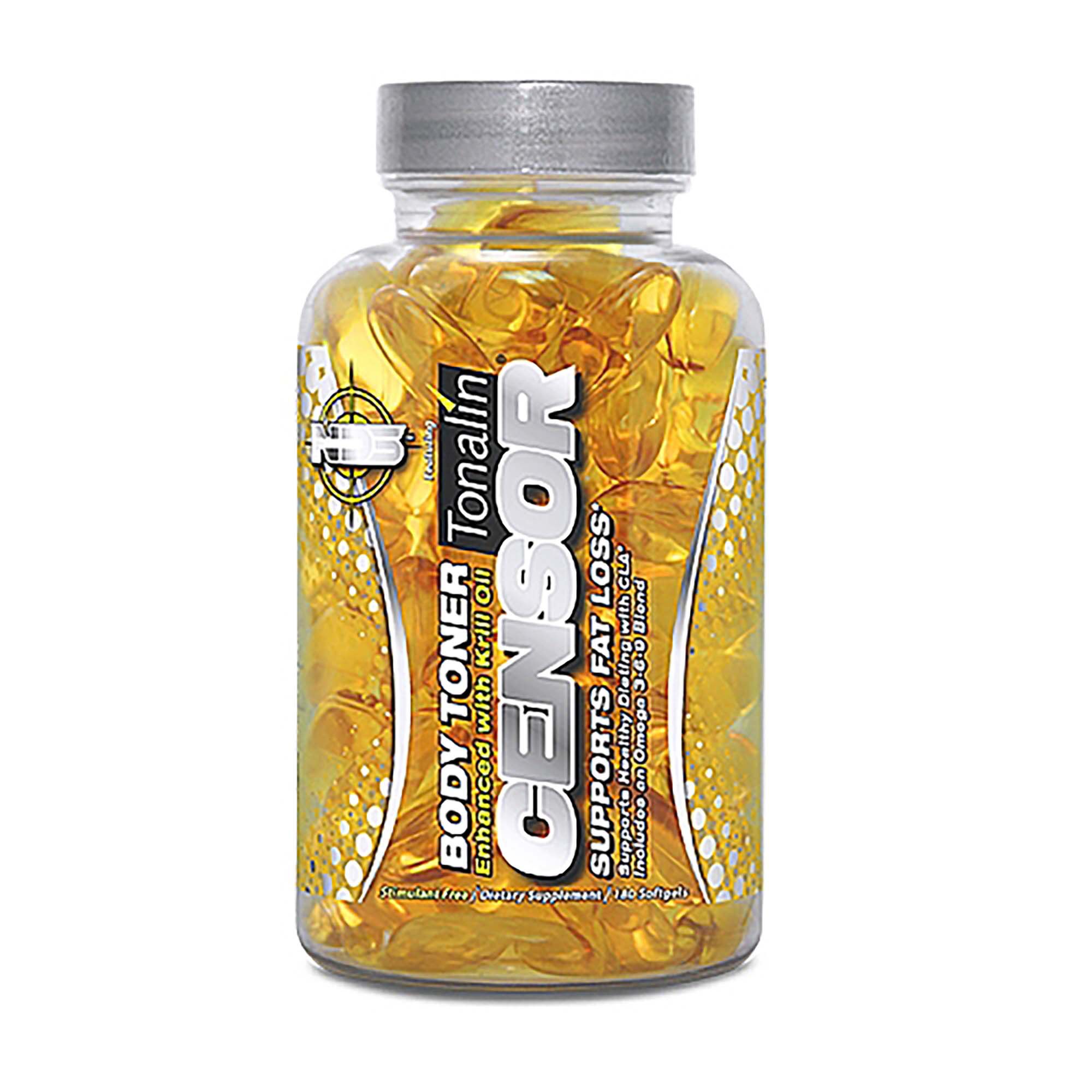 NDS Nutrition