





Softgels For Circulatory Health
(0 Results)
Softgels for circulatory health offer a convenient and easy-to-swallow option for those looking to support their wellness routines. With a variety of formulas designed to fit different lifestyles, these softgels may be a simple addition to your daily regimen. Explore options that could help you prioritize your circulatory wellness and find the right fit for your needs.
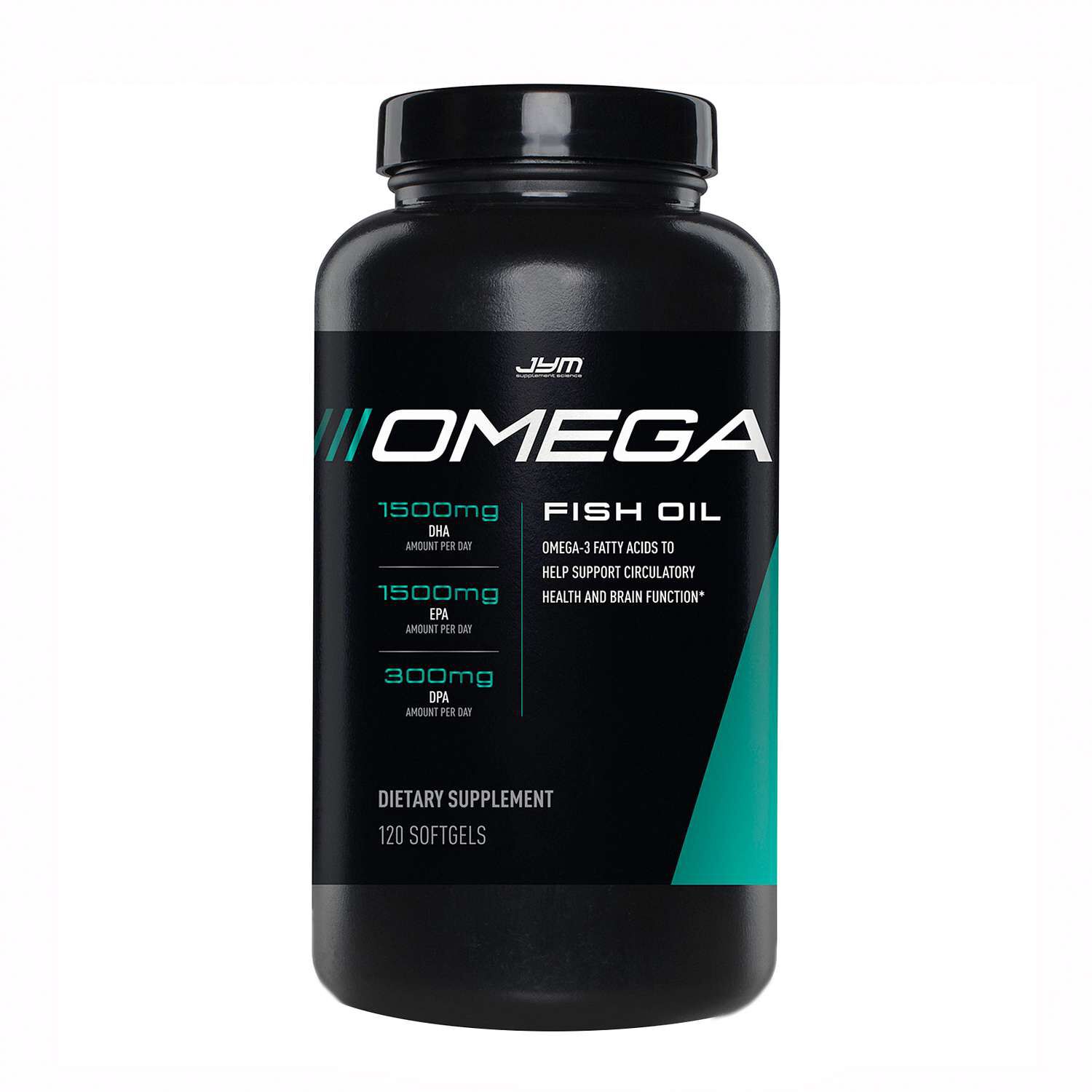
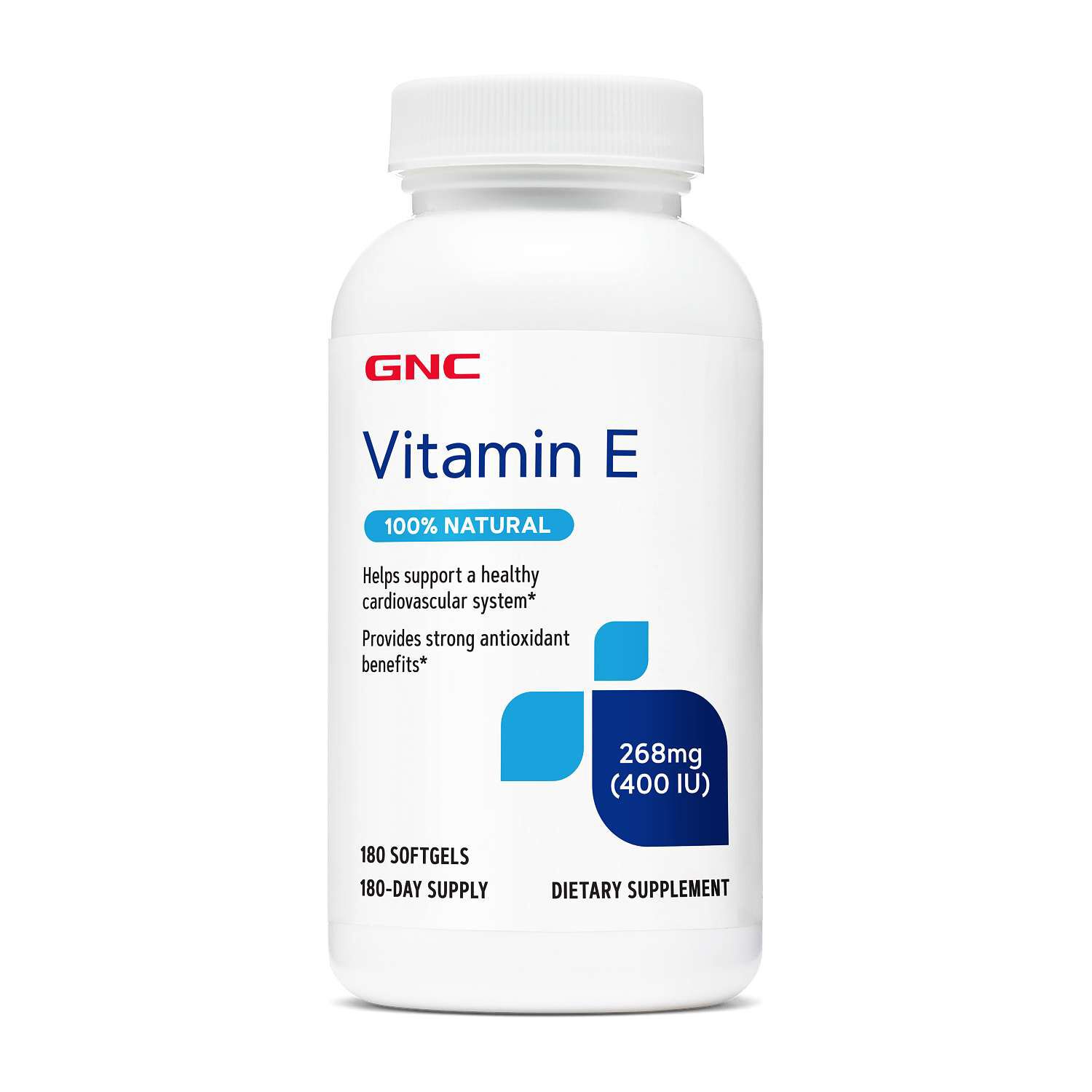


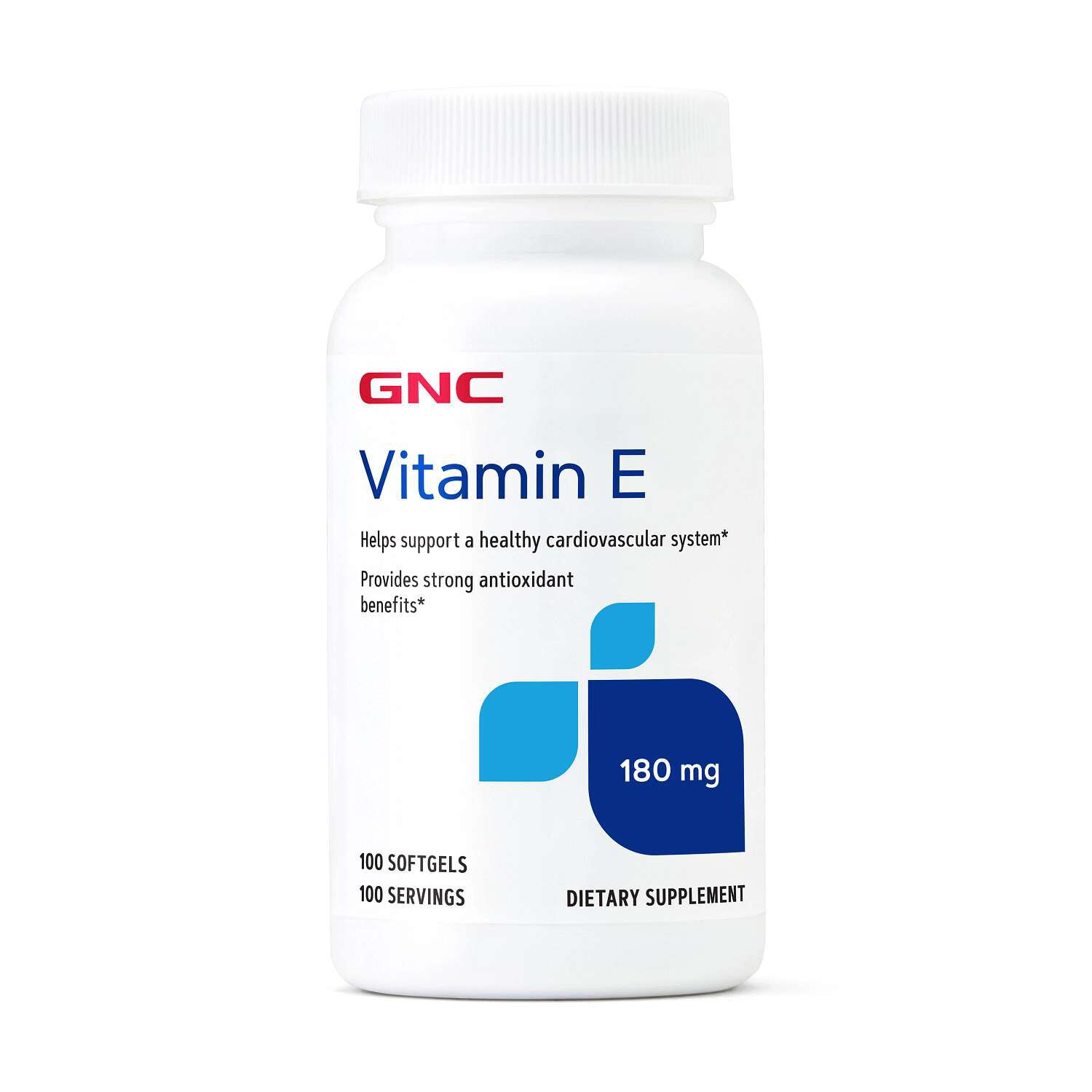
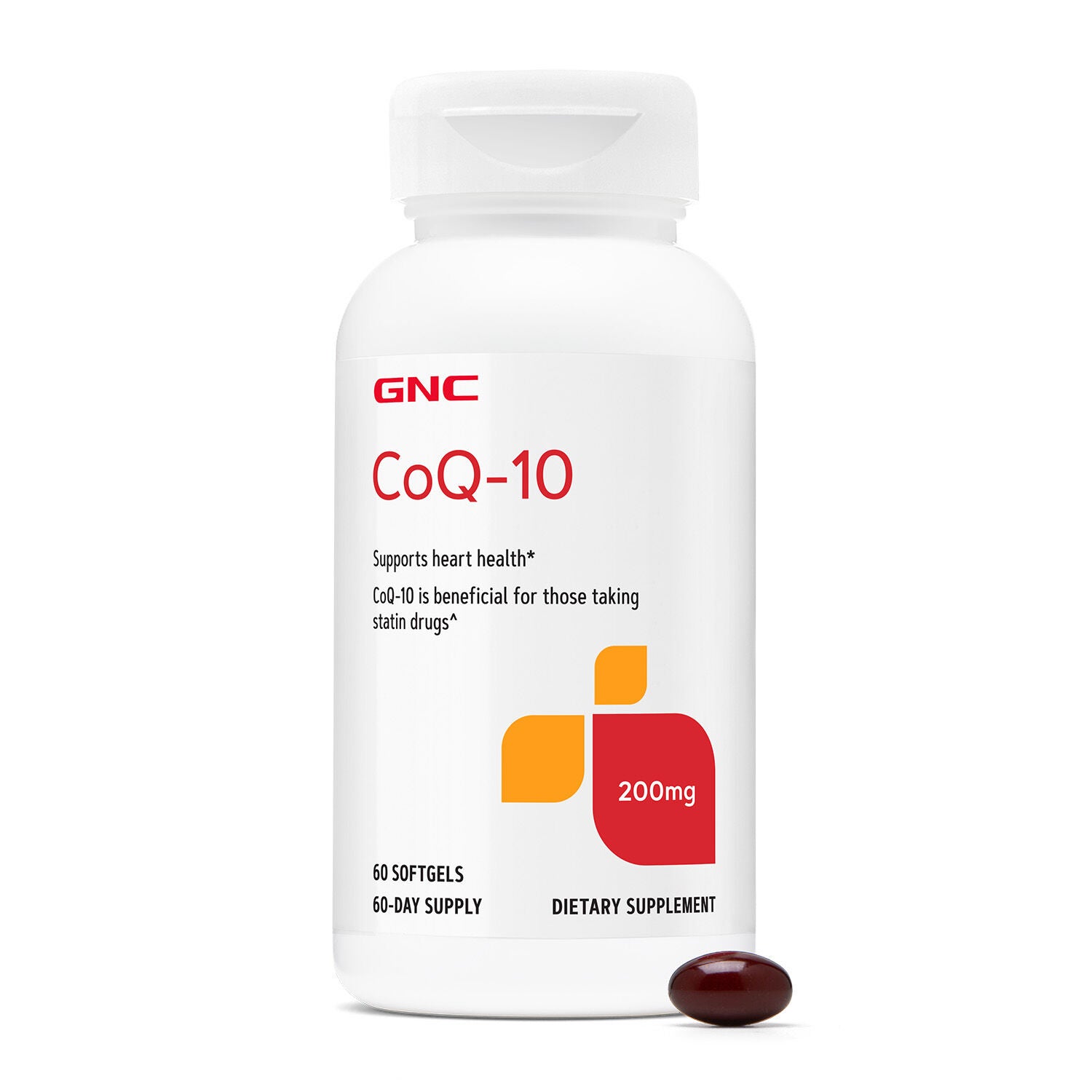
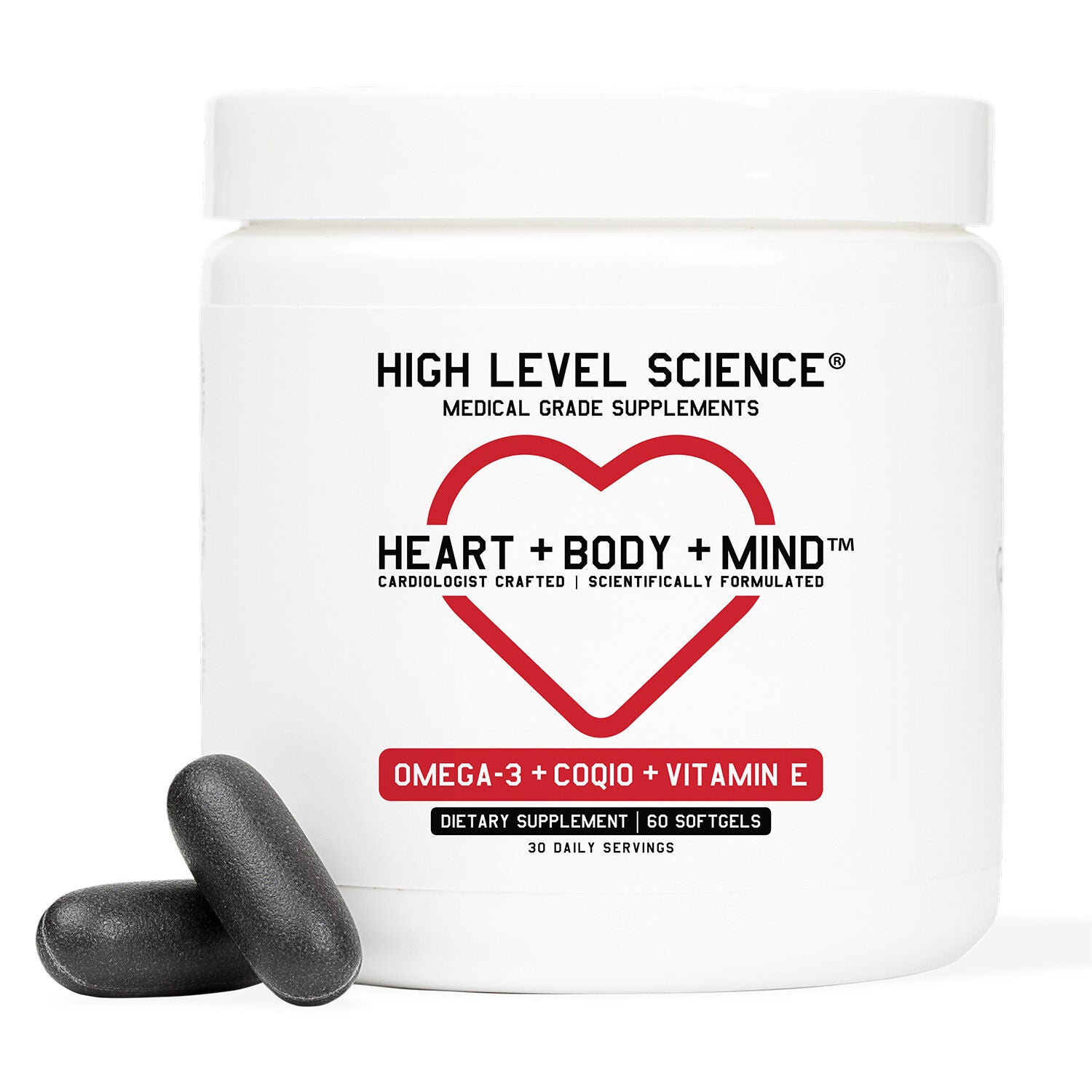
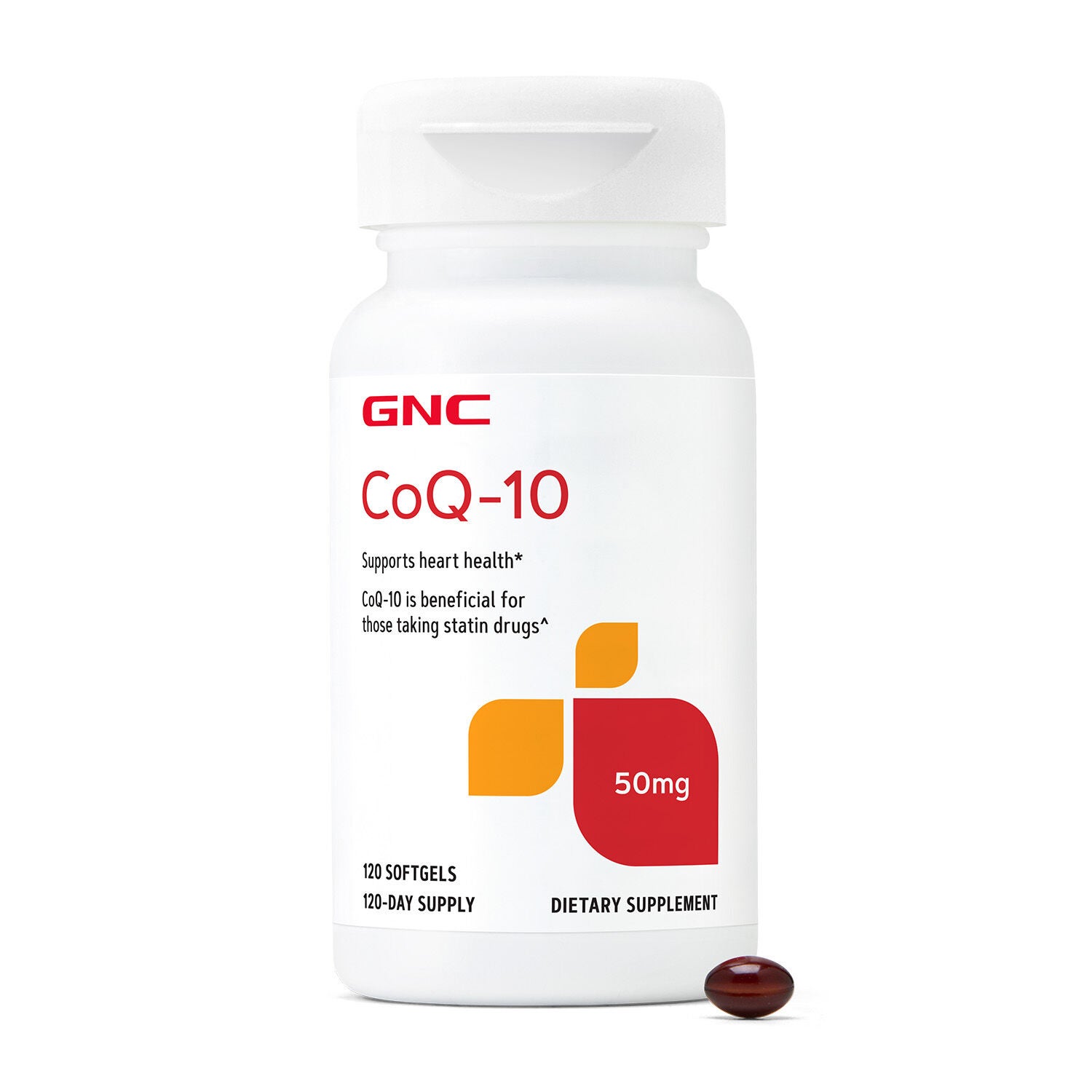
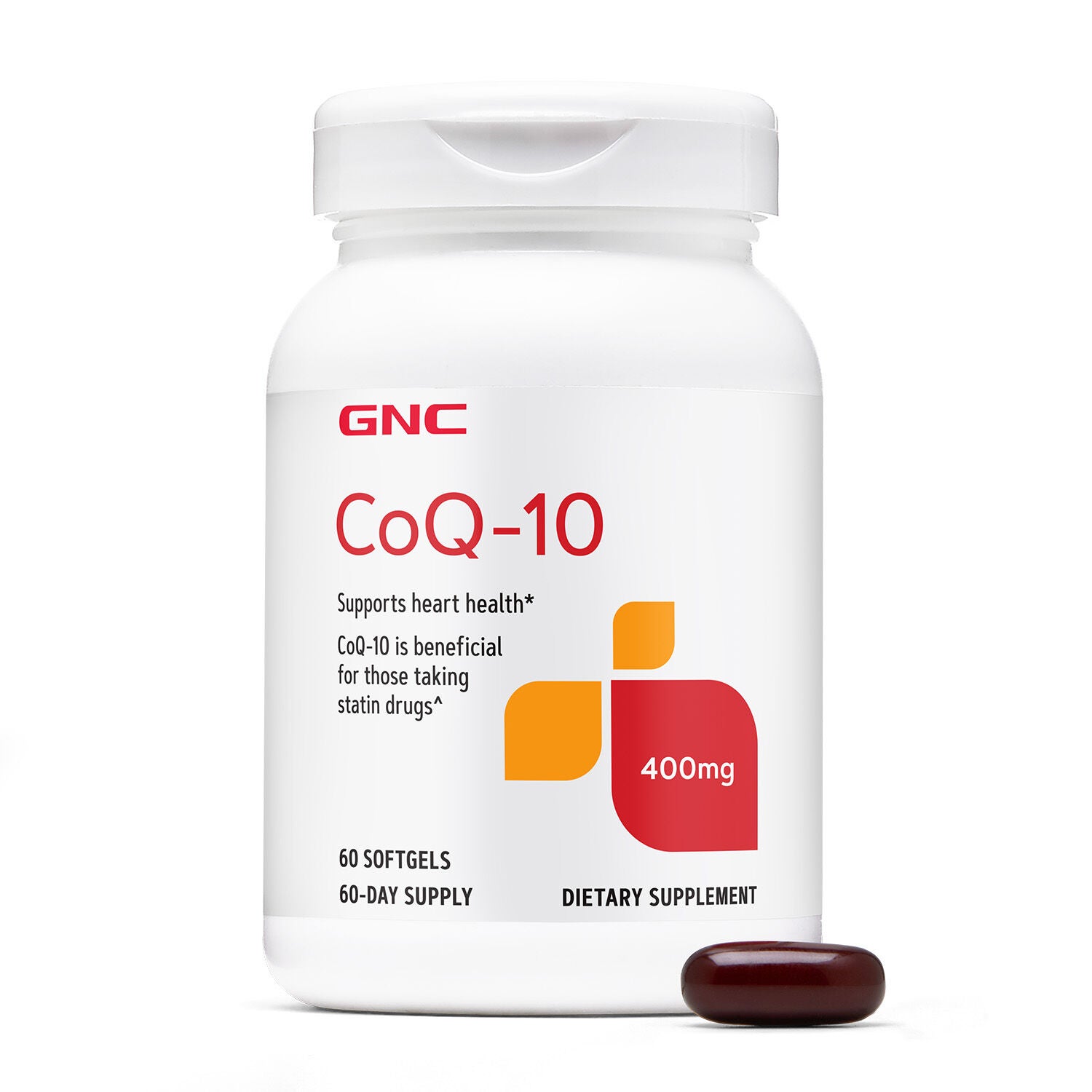


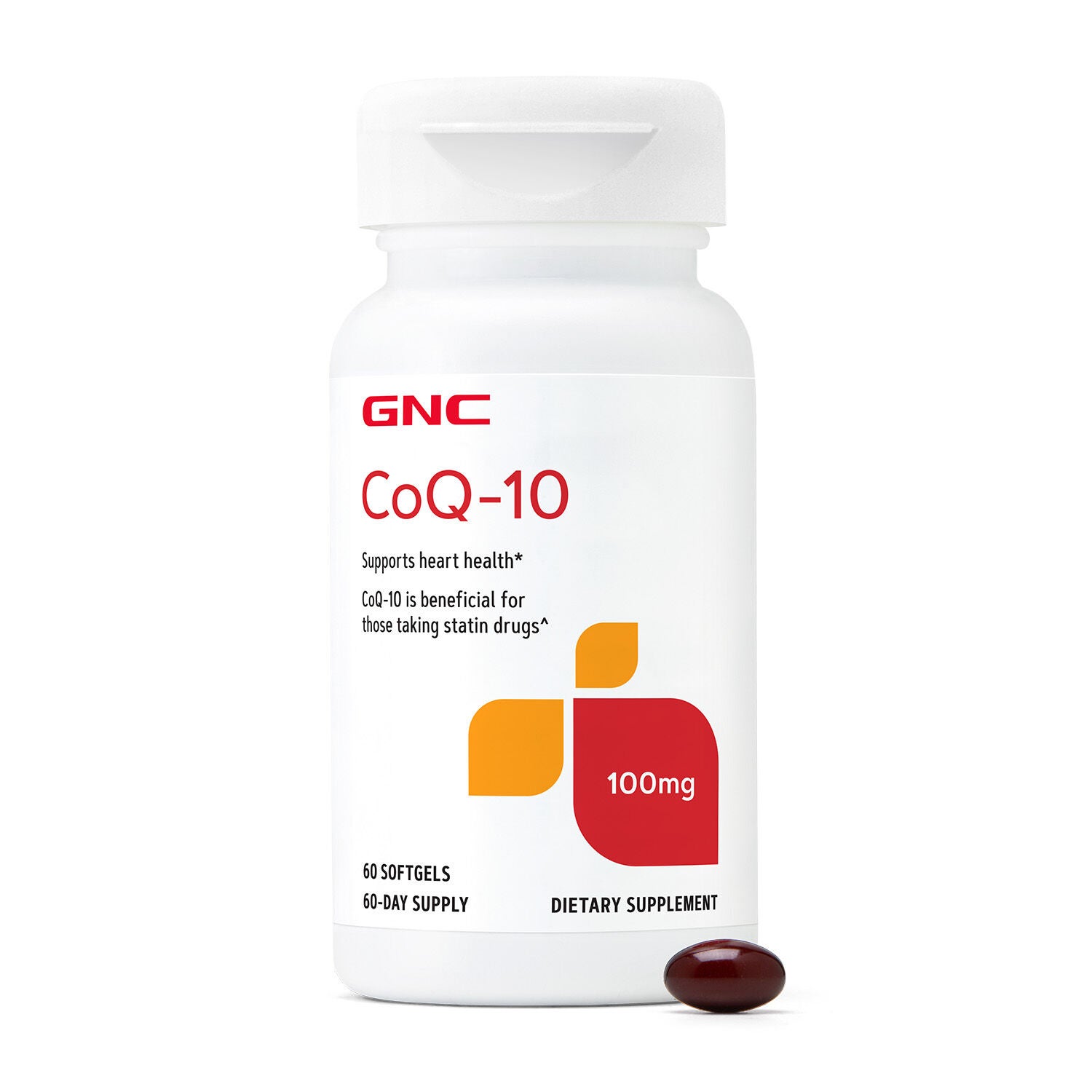


Softgels for circulatory health bring together dietary supplements in a familiar capsule format, with ingredient categories such as omega-3 oils, coenzyme Q10, and vitamin E providing useful points of comparison. The category name describes a shopping focus, while the Supplement Facts panel identifies what each formula actually contains. Omega-3 softgels can contain fish oil or algae-derived oil, with EPA and DHA listed individually on some labels. Those details matter because the amount of oil in a serving is not necessarily the same as the amount of EPA and DHA it supplies. A bottle’s front panel offers a starting point, but the individual ingredient amounts provide a clearer picture of its composition. Coenzyme Q10, often shortened to CoQ10, appears in formulas that may identify the ingredient as ubiquinone or ubiquinol. Vitamin E labels can identify different forms of the vitamin, along with the quantity per serving. These are distinctions in ingredients and formulation, not interchangeable descriptions of the same supplement. Some formulas center on one featured ingredient, while others combine several ingredients in an oil-based fill. For someone comparing bottles at a kitchen counter, the most useful differences are often practical: the source of the oil, the number of softgels in a serving, the shell material, and any additional ingredients. An adult who prefers capsules over flavored liquids may be drawn to this format, while someone with specific dietary preferences may begin with the ingredient source instead. Neither approach requires choosing by the largest number on the front of a label. A thoughtful comparison starts with understanding what that number represents and how it relates to the listed serving size. Within this category, a clear ingredient panel and readable directions offer more meaningful context than a broad wellness description alone. The softgel format is one part of the selection; the contents, composition, and intended use provide the rest of the picture.
The construction of a softgel helps explain why it is common among oil-based supplements. A softgel generally has a sealed outer shell surrounding a liquid or semisolid fill, rather than the compressed powder found in a tablet. Shells often contain gelatin, water, and glycerin, although materials vary by formula. Gelatin sources can differ, and alternative shell materials also exist, so the word “softgel” does not by itself establish whether a supplement fits a particular dietary preference. An algae-derived oil, for example, does not automatically establish the source of every ingredient in the shell. The other ingredients list gives context that the featured ingredient name cannot, including carrier oils, colors, and components used in the capsule itself. Allergen statements are another distinct part of the package to review when comparing fish-derived ingredients or other sources. Size and shape deserve attention as well. Softgels can be round, oval, or elongated, and a photograph may not communicate their actual dimensions. Someone accustomed to a small capsule may find a larger oval format less suited to their preferences, even when the ingredient category is familiar. Serving size adds another consideration: a bottle count describes the number of capsules, whereas servings per container reflect how those capsules are grouped in the labeled directions. For example, a container holding sixty softgels with two softgels per serving represents thirty labeled servings. That distinction makes side-by-side comparisons more accurate without assuming that every formula uses the same serving pattern. Packaging details can also shape the everyday experience, from a clearly printed expiration date to storage directions that are easy to locate. For a person organizing a morning routine before heading to work, readable information and a familiar format may be more relevant than decorative packaging. The best fit is a matter of matching these concrete characteristics to personal preferences, rather than treating all softgel supplements as identical.
Care and storage are especially relevant to softgels because the shell and its contents can respond to their surroundings. Heat and moisture may affect texture, and storage instructions can differ between formulas. A bathroom cabinet beside a steamy shower or a bag left in a sunlit vehicle presents a different environment from an indoor cupboard away from heat. The package’s stated storage conditions are the appropriate reference for each formula. Original packaging also keeps the ingredient list, serving directions, expiration date, and lot information together, which is useful when several similar-looking bottles share a shelf. For travel or a busy household routine, packaging that remains clearly identified can make it easier to distinguish one supplement from another. Durability here is less about resisting everyday wear and more about preserving the condition of the capsule and its container through ordinary handling. A loose closure, damaged seal, or unreadable label deserves attention before a bottle becomes part of a routine. Selection can also involve preferences beyond the physical capsule. Some shoppers favor a single featured ingredient because its composition is straightforward to compare; others examine combination formulas to understand every listed component. Neither a longer ingredient list nor a larger capsule establishes suitability on its own. Testing information, when provided, is most useful when it names the organization involved and explains what was evaluated, rather than relying on a broad quality statement. Those browsing by more than one wellness interest can also explore Softgels For Brain Health as a related category, while comparing each formula on its own label rather than assuming similar names mean identical contents. Across these shopping contexts, the practical details remain consistent: ingredient identity, source, amount per serving, capsule composition, and storage requirements. Softgels for circulatory health are best understood as a category of dietary supplements with varied formulations, not as a single uniform product. Careful attention to those differences creates a more informed comparison and keeps the focus on what each label actually says.
Best Sellers
-
 Nordic Naturals
 -
 Nordic Naturals
 -
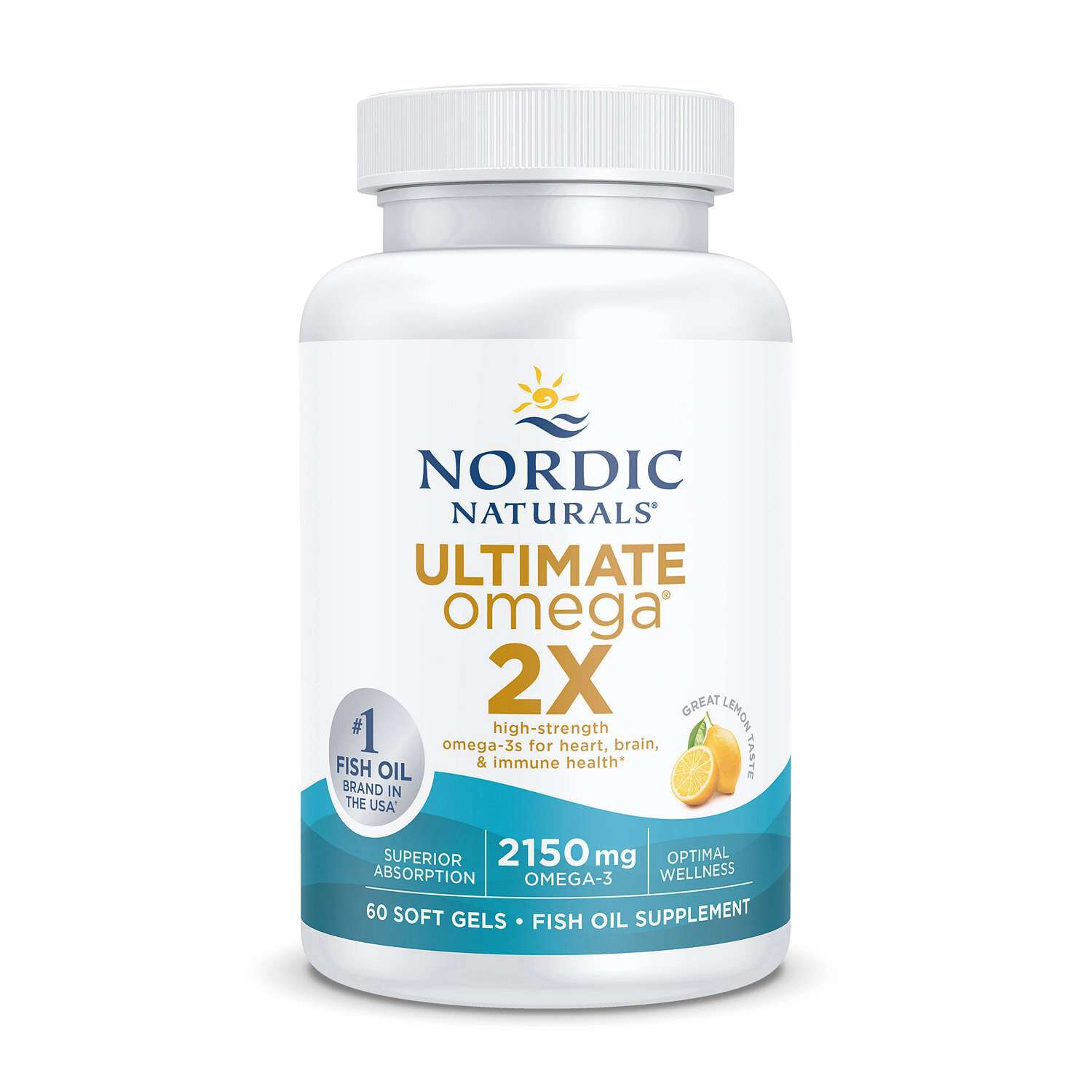 Nordic Naturals
Related Pages
Top Collections
- Daily Collagen Supplements | Top Brands & Deals | GNC
- Cortisol Supplements
- Top Rated Collagen | Shop Customer Favorites | GNC
- Vitamins For Hair Loss
- NAD+ Supplement Tablets
- Peptide Supplements
- Best Brand of Magnesium Glycinate
- Protein Powders For Muscle Growth Support
- Vitamins That Help Support Weight Gain
- Peptide Supplements for Muscle Growth