





Sports Nutrition For Men
(0 Results)
Sports nutrition for men offers a wide selection of supplements and formulas designed to support active lifestyles. Whether you’re focused on endurance, strength training, or overall fitness, finding the right nutrition could help you work toward your goals. Explore options that may complement your workout routine and help you stay motivated on your fitness journey. With sports nutrition for men, fueling your performance and recovery might be easier than ever.
-

-

-
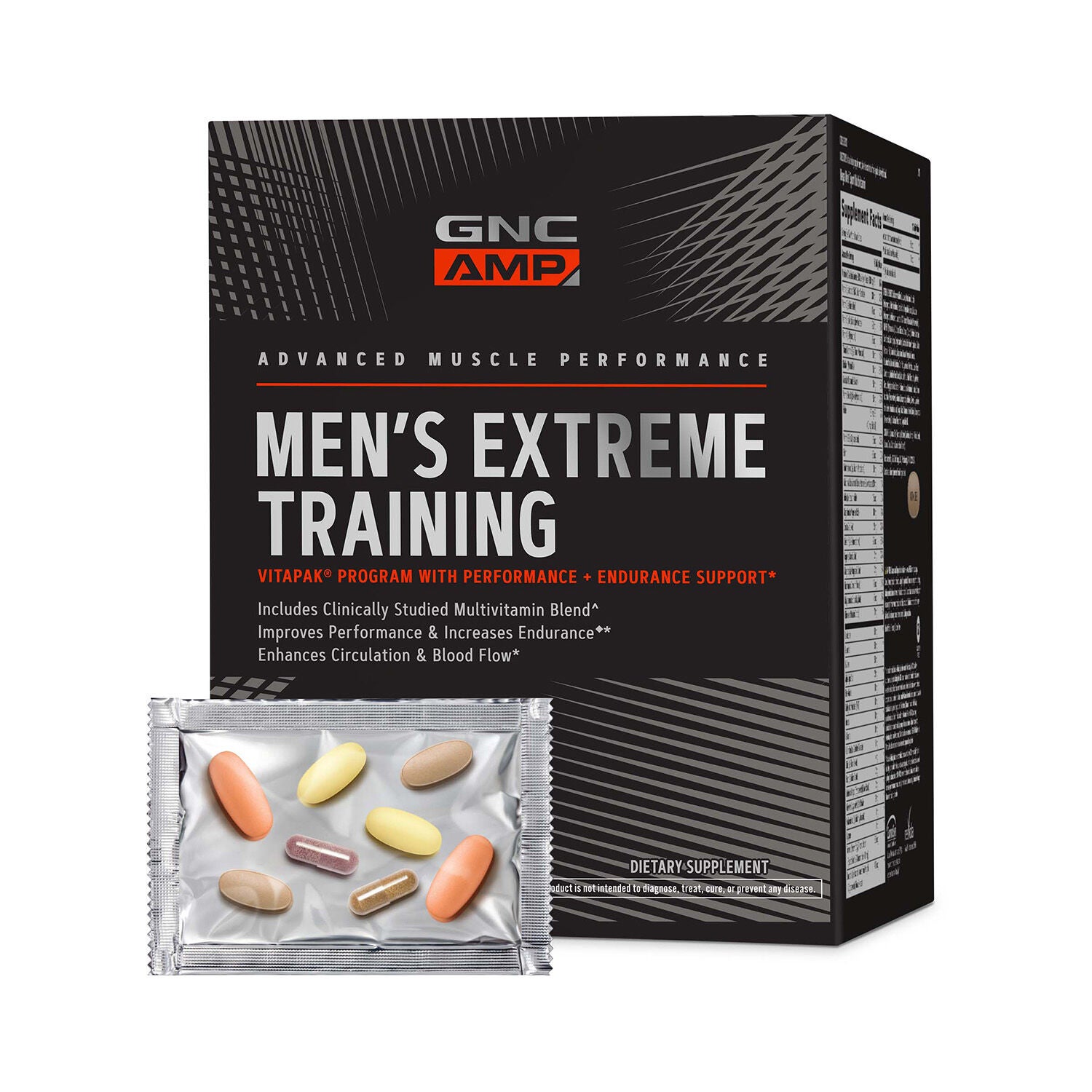
-
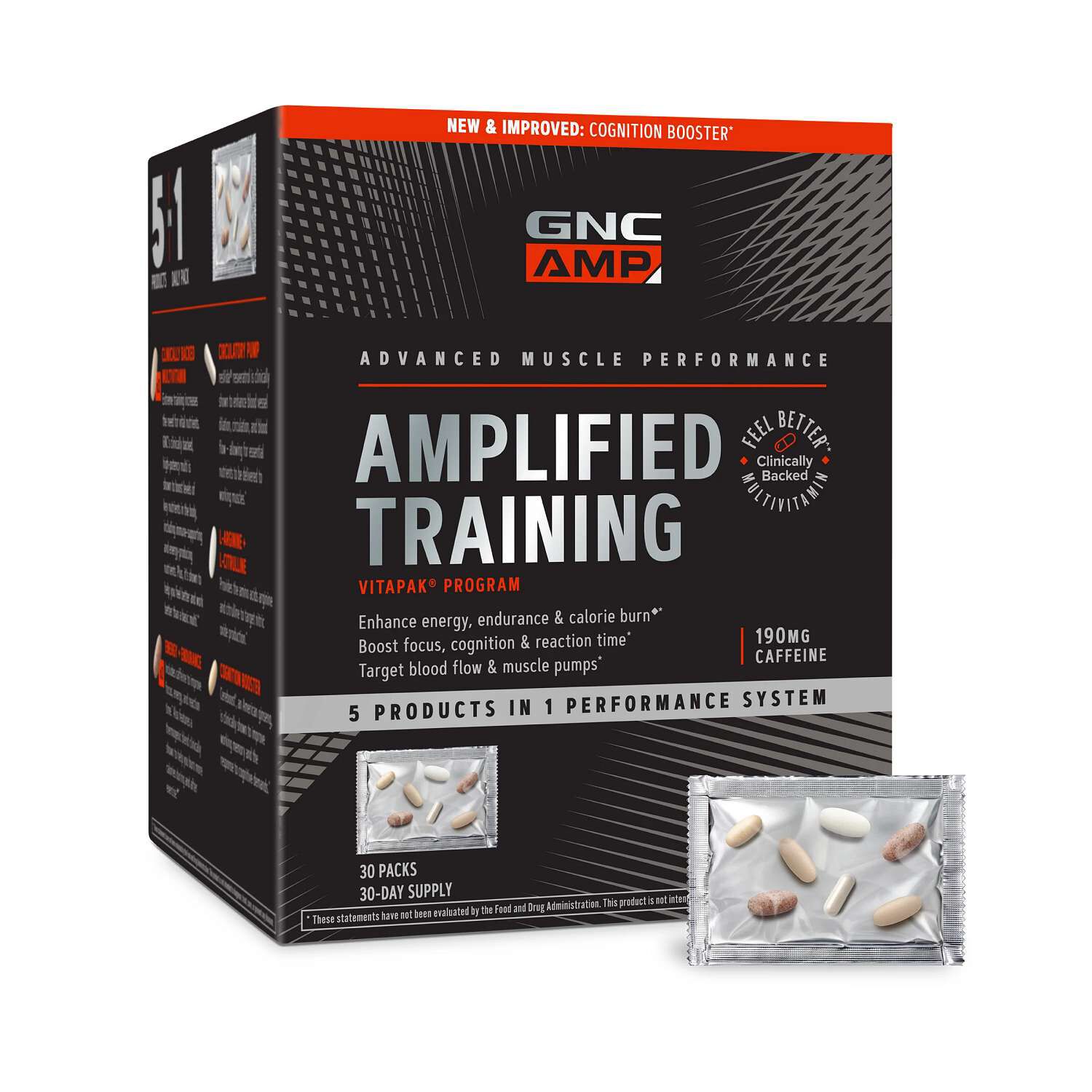
-

-
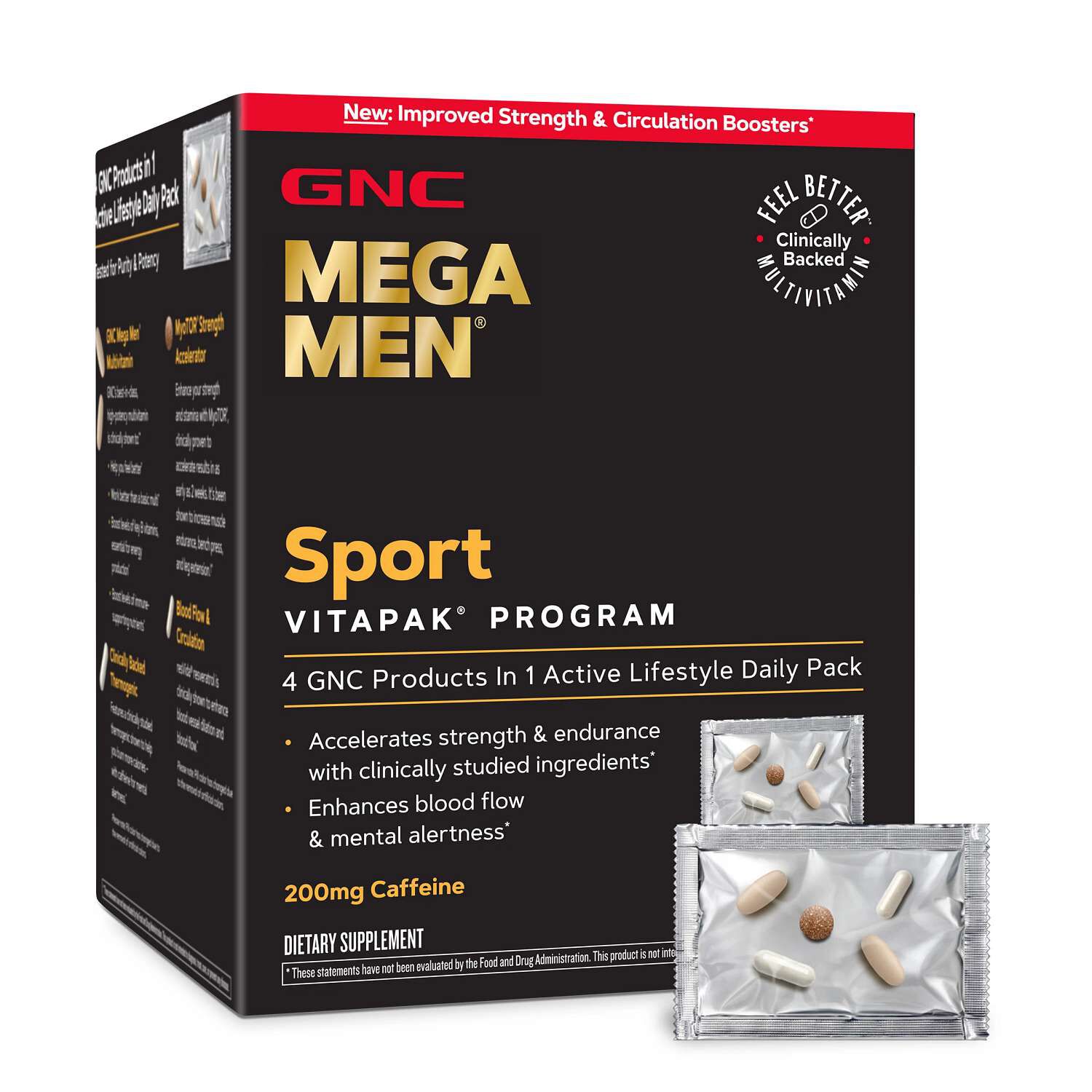
-

-

-
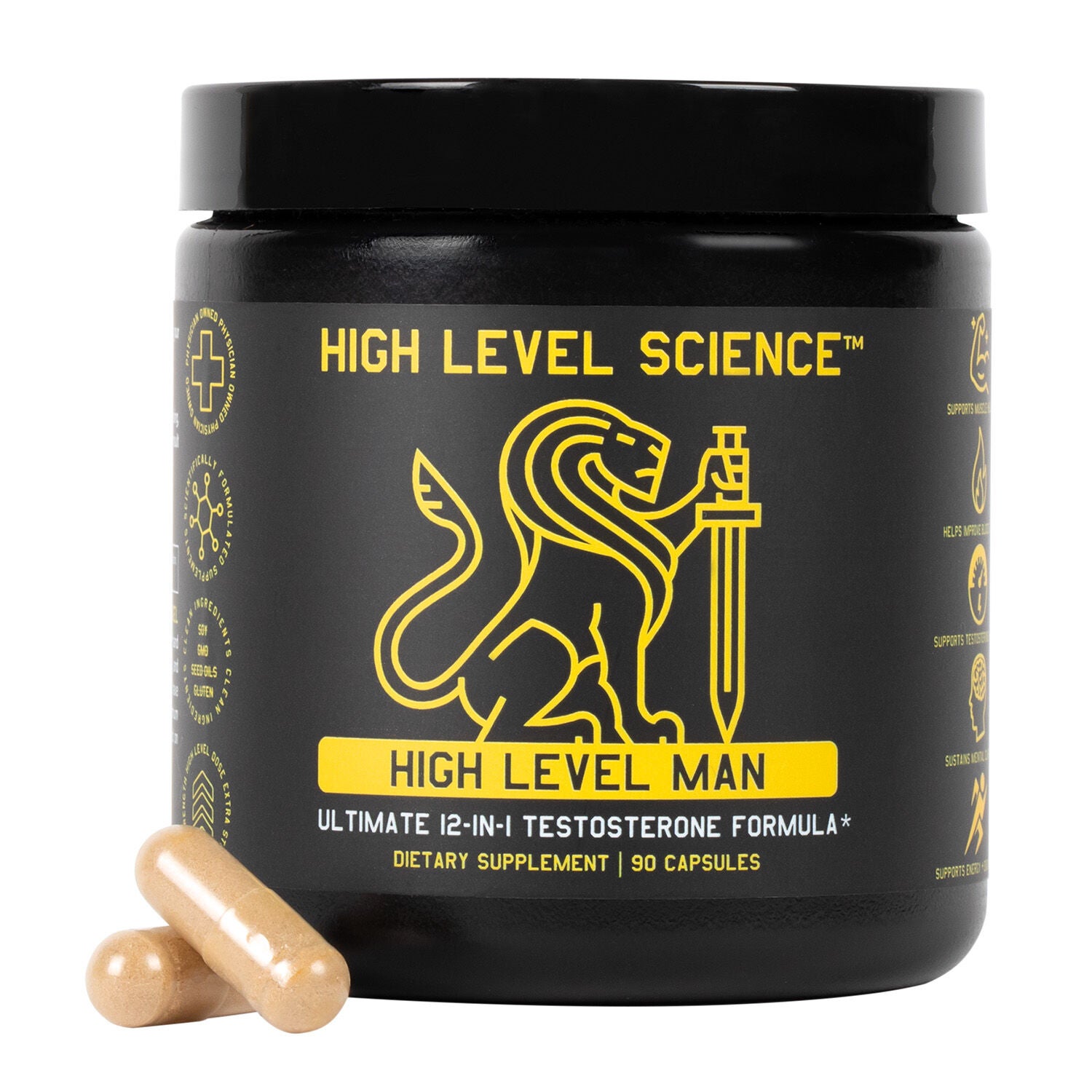
-

-

-
-

-
-

-
-
-

-
 Raw Nutrition$34.99
 -

-

-
-

-

Sports nutrition for men brings together convenient ways to support an active routine, whether training takes place in a weight room, on a running path, at a playing field, or in a garage between work and family commitments. Shoppers often look for protein powders, ready-to-drink shakes, protein bars, carbohydrate-based workout fuel, hydration mixes, creatine products, multivitamins, and other nutrition products that fit naturally around meals and training. These items could appeal to men working toward greater strength, improved endurance, more consistent exercise, or a more organized approach to everyday nutrition. They may also suit a partner, friend, father, brother, or training companion who enjoys spending time outdoors, preparing for a recreational event, or following a regular fitness schedule. A practical gift often begins with the recipient’s habits: someone who travels to the gym may appreciate single-serve formats, while a home-based athlete might prefer larger containers for a regular routine. During warmer weather, portable hydration and easy-to-carry snacks could be convenient for long walks, cycling, field sports, and outdoor training. As cooler months arrive, shelf-stable bars, shaker cups, and pantry-friendly powders may fit neatly into a gym bag or kitchen cabinet. For broader nutrition options, shoppers may also explore Supplements For Men Who Care About Nutrition.
A balanced sports nutrition routine generally includes carbohydrates, protein, fats, fluids, fruits, and vegetables rather than relying on one product. Carbohydrates from foods such as oats, rice, potatoes, whole-grain bread, fruit, and vegetables provide a familiar source of fuel for demanding activity; general sports nutrition references often place carbohydrates around 45% to 65% of daily calories, depending on training demands and personal circumstances. Protein from eggs, dairy foods, poultry, fish, lean meats, beans, lentils, soy, nuts, and supplemental products may help support muscle maintenance and training recovery. A commonly referenced range for active adults is about 1.2 to 2.3 grams of protein per kilogram of body weight per day, although needs can vary with body size, activity, age, food preferences, and training goals. Many people find it practical to spread protein across meals and snacks, with roughly 25 to 30 grams at a meal serving as a general planning reference rather than a rule for every person. Dietary fats from avocados, olive oil, nuts, seeds, and fatty fish also have a place in a varied eating pattern, with some general guidance placing them around 20% to 35% of daily calories. These numbers are broad reference points, not personal instructions. A qualified healthcare professional or registered dietitian could help a shopper select an approach that fits their eating pattern, training schedule, and personal needs.
Timing can make sports nutrition easier to manage, especially when a busy day leaves little room for elaborate meal preparation. A carbohydrate-rich meal or snack one to three hours before exercise may provide convenient fuel, with options such as fruit and yogurt, oatmeal, toast with nut butter, rice with lean protein, or a simple bar. For sessions lasting longer than an hour, some athletes may choose rapidly digested carbohydrate sources during exercise, with general guidance often mentioning 30 to 60 grams per hour alongside fluids. After training, pairing protein with carbohydrates within the following one to two hours could make it easier to return to a regular eating rhythm, such as a shake with fruit, a turkey sandwich, yogurt with granola, or a balanced meal. Hydration deserves attention throughout the day as well. About 64 fluid ounces of water is often used as a broad daily reference, with additional fluids potentially needed before, during, and after exercise in warm conditions or during sessions that produce substantial sweat. Product labels can help shoppers compare serving size, protein or carbohydrate content, added sugars, caffeine, flavors, allergens, and preparation instructions. Men who follow vegetarian or vegan diets may seek plant-based formulas, while those avoiding dairy, gluten, or certain sweeteners may want to review ingredient panels carefully. Starting with one product that fits an established routine could make it easier to observe how it works for personal preferences, schedule, and training style, without replacing varied meals or regular hydration.
Best Sellers
-
Universal Nutrition
-
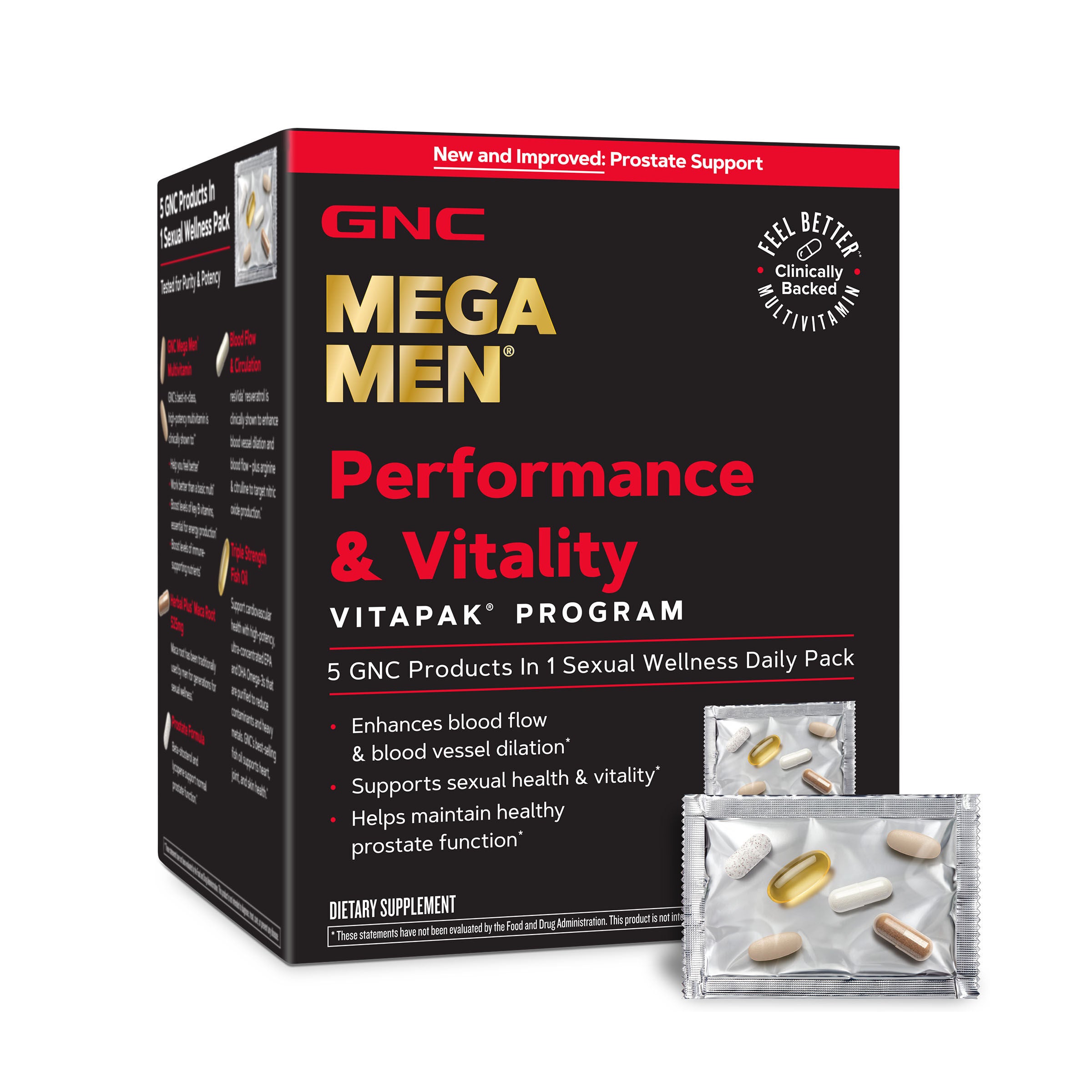
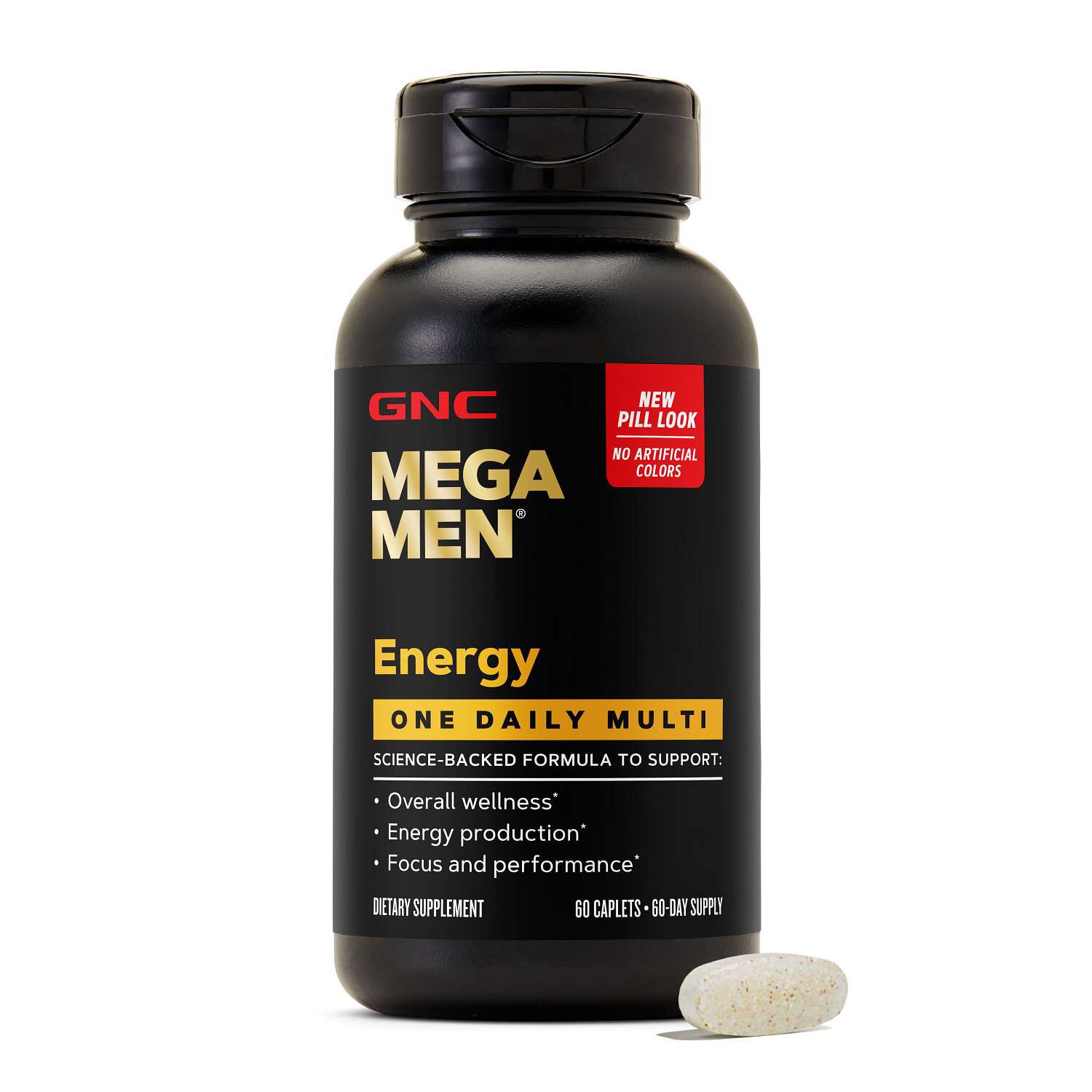 GNC Mega Men
 -
 GNC Mega Men
Related Pages

Top Collections
- Daily Collagen Supplements | Top Brands & Deals | GNC
- Natural Collagen Supplements | Top Brands & Deals | GNC
- Top Rated Collagen | Shop Customer Favorites | GNC
- Cortisol Supplements
- Vitamins For Hair Loss
- Spirulina Tablets
- NAD+ Supplement Tablets
- Peptide Supplements
- Best Brand of Magnesium Glycinate
- Vitamins That Help Support Weight Gain