Strawberry Watermelon Pre-Workout Powders
(0 Results)
Strawberry watermelon pre workout powders bring a burst of fruity flavor to your fitness routine, making it easy to look forward to every training session. These energizing blends may offer a delicious way to support your goals before you hit the gym, with a taste that’s both refreshing and satisfying. Whether you’re gearing up for an intense workout or looking to add variety to your supplement lineup, strawberry watermelon pre workout powders could be the perfect addition to your regimen. Explore options that fit your preferences and discover how these vibrant flavors might help you power through your next sweat session.
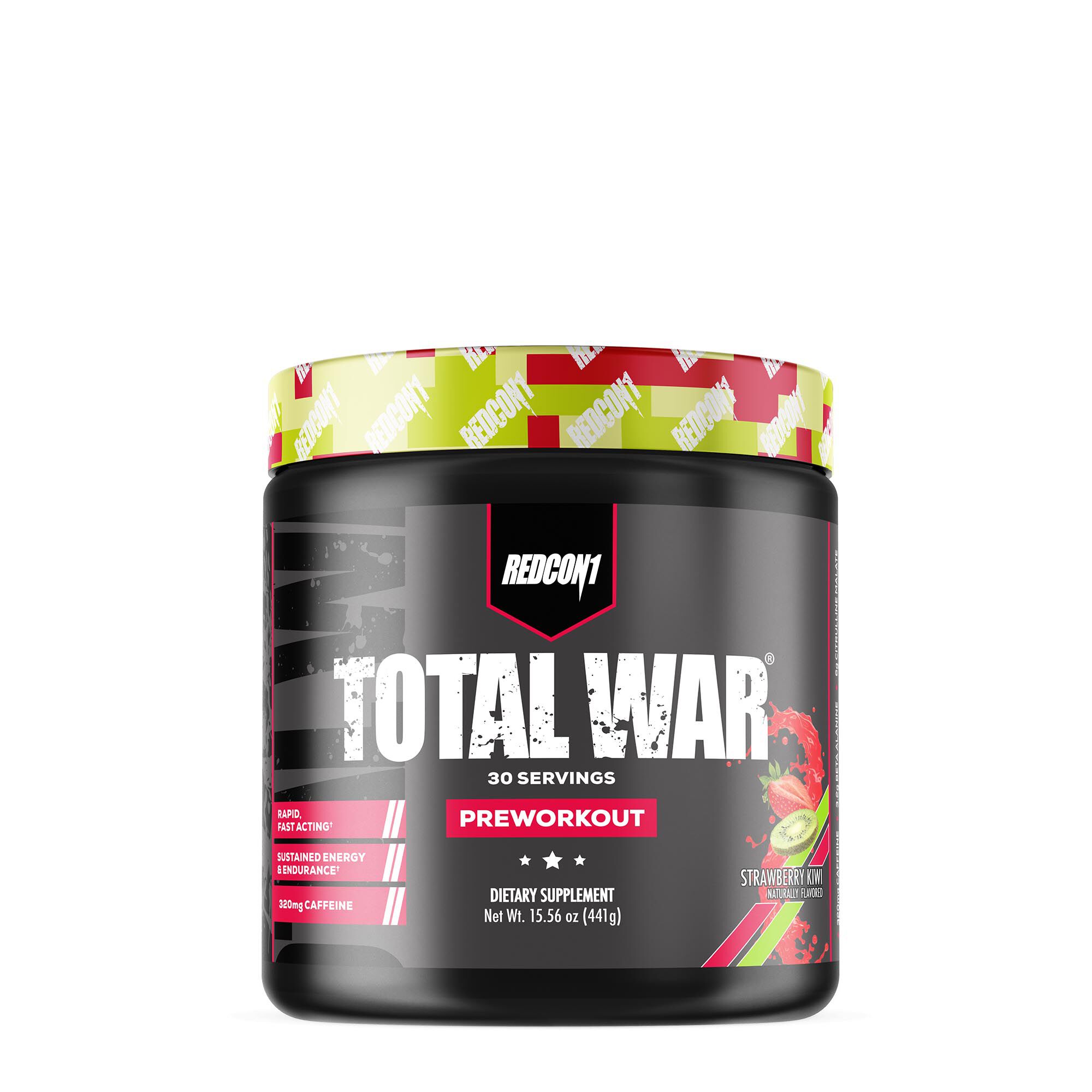

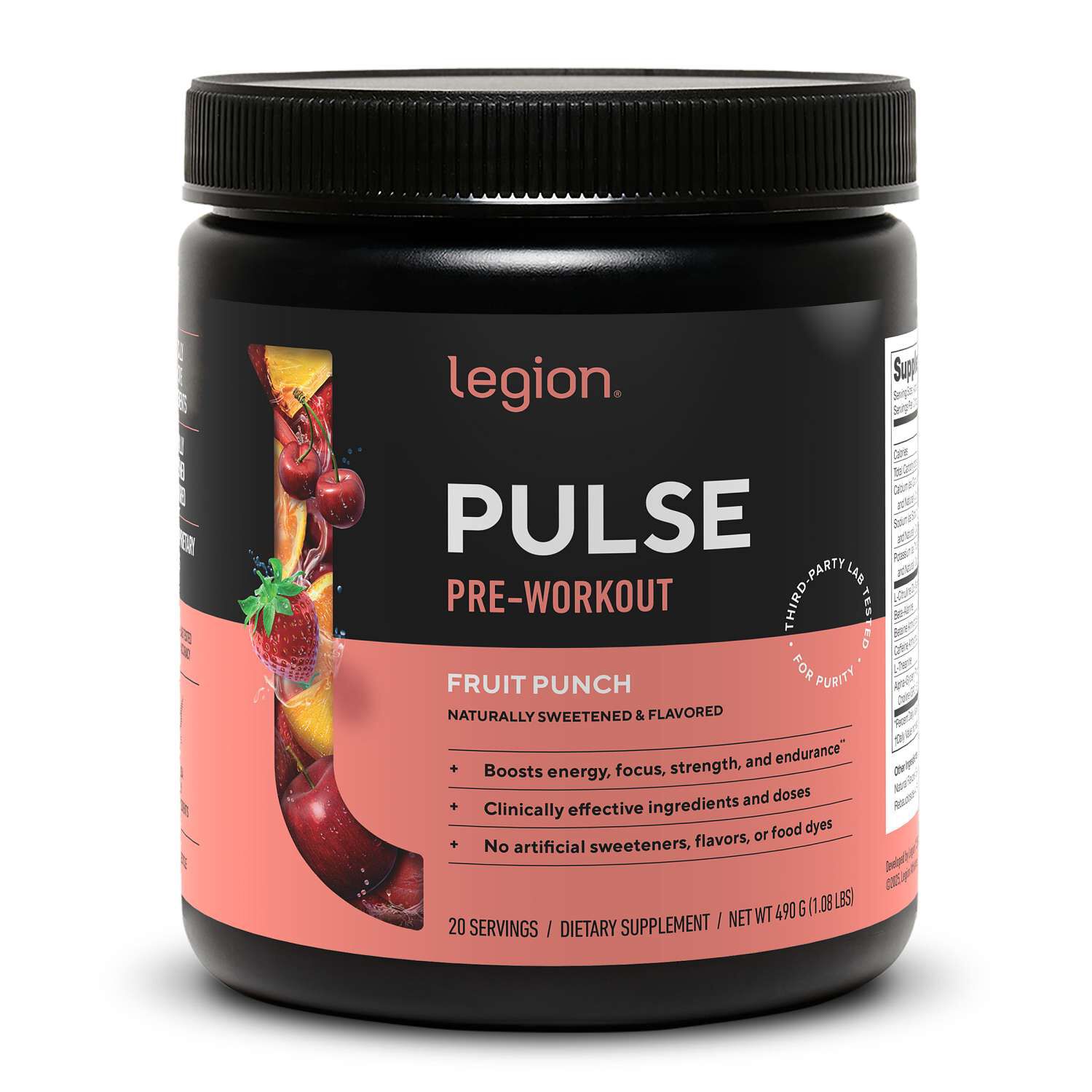
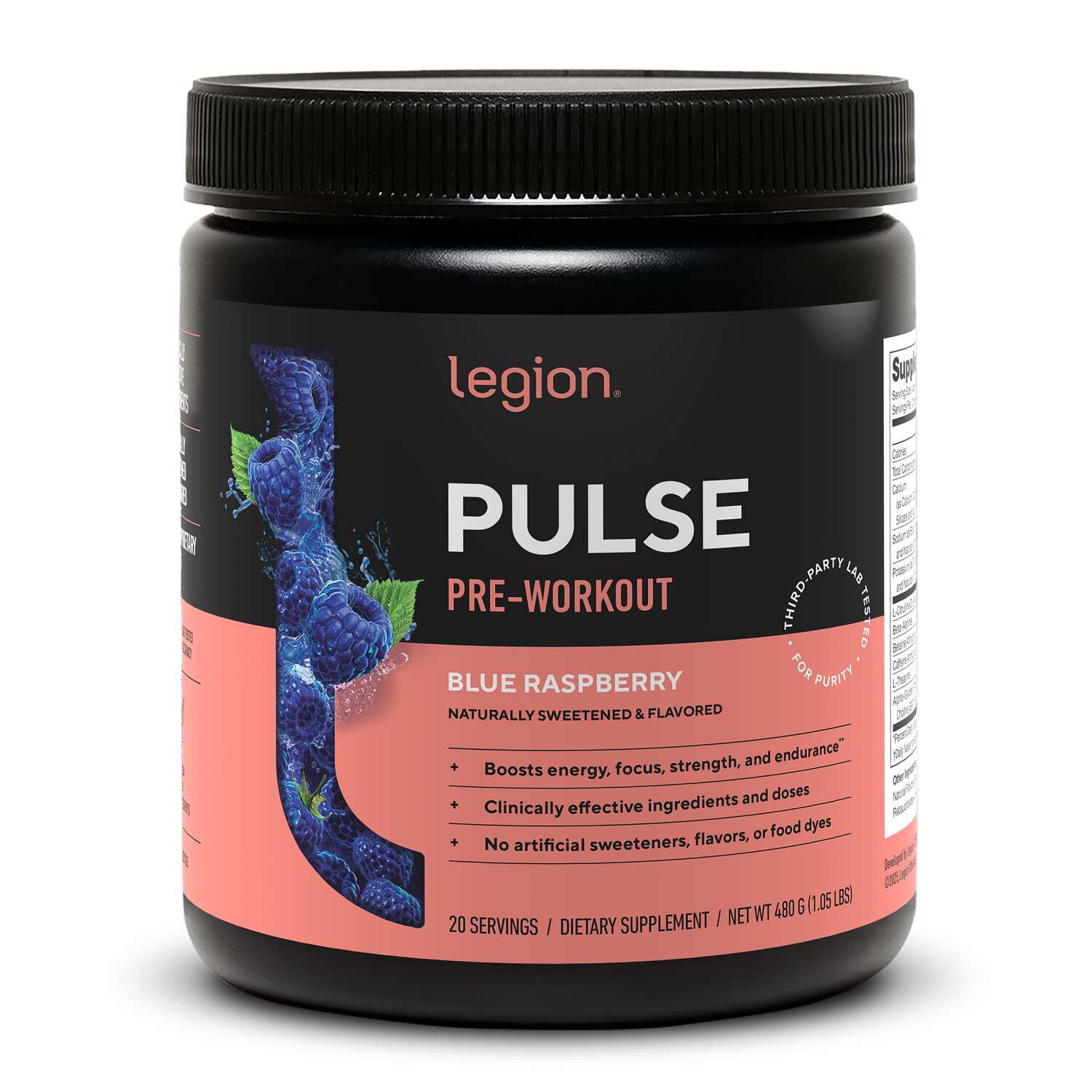


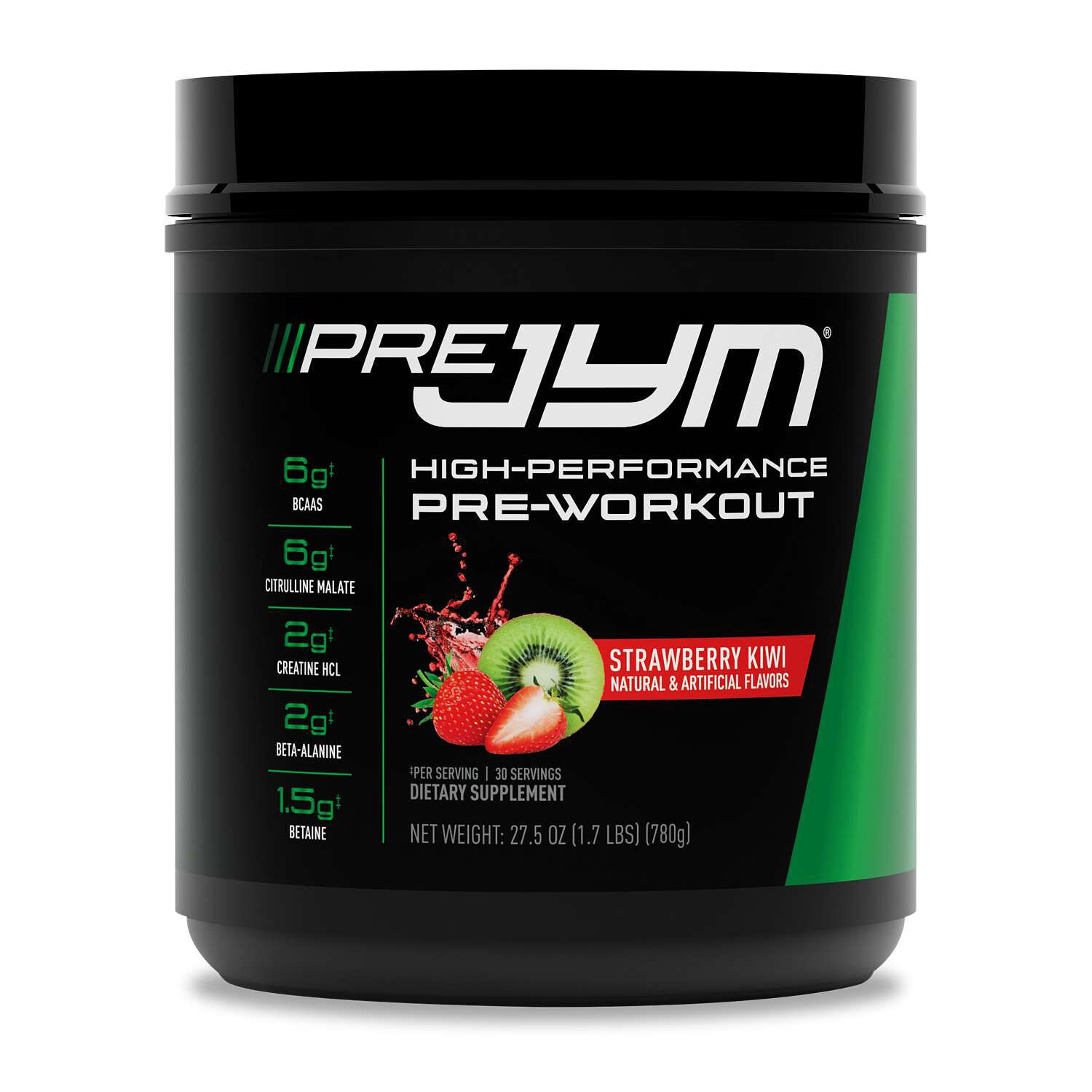

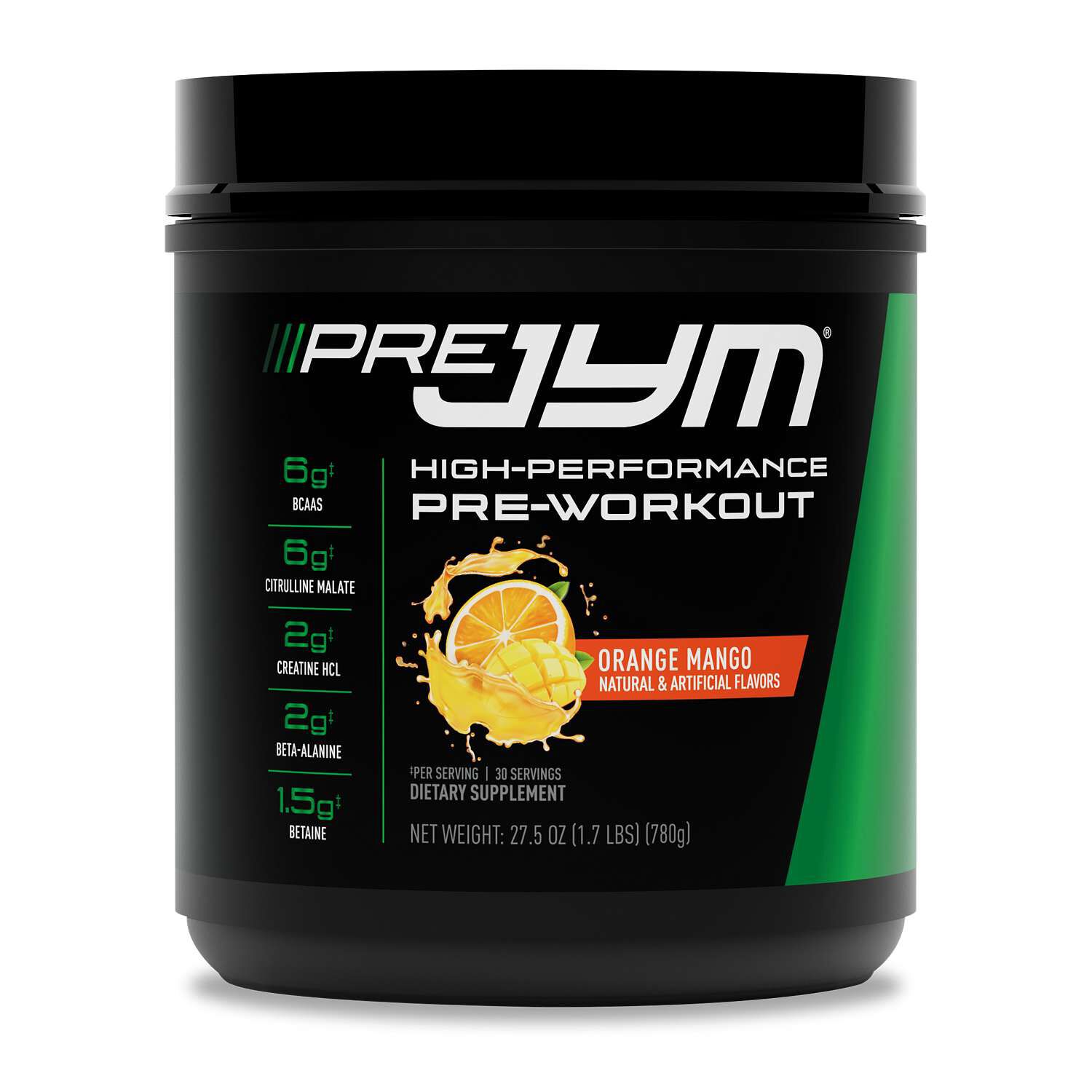
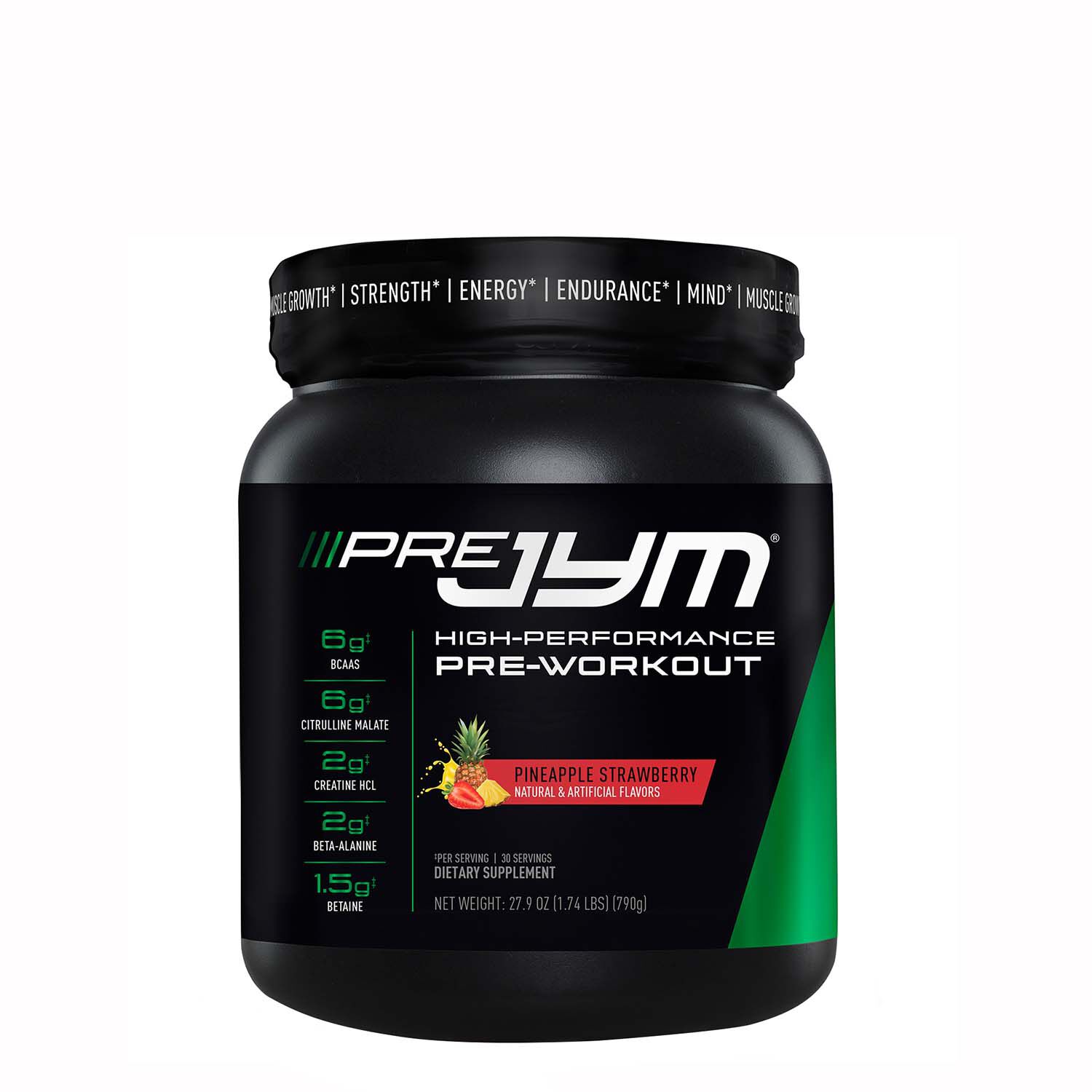


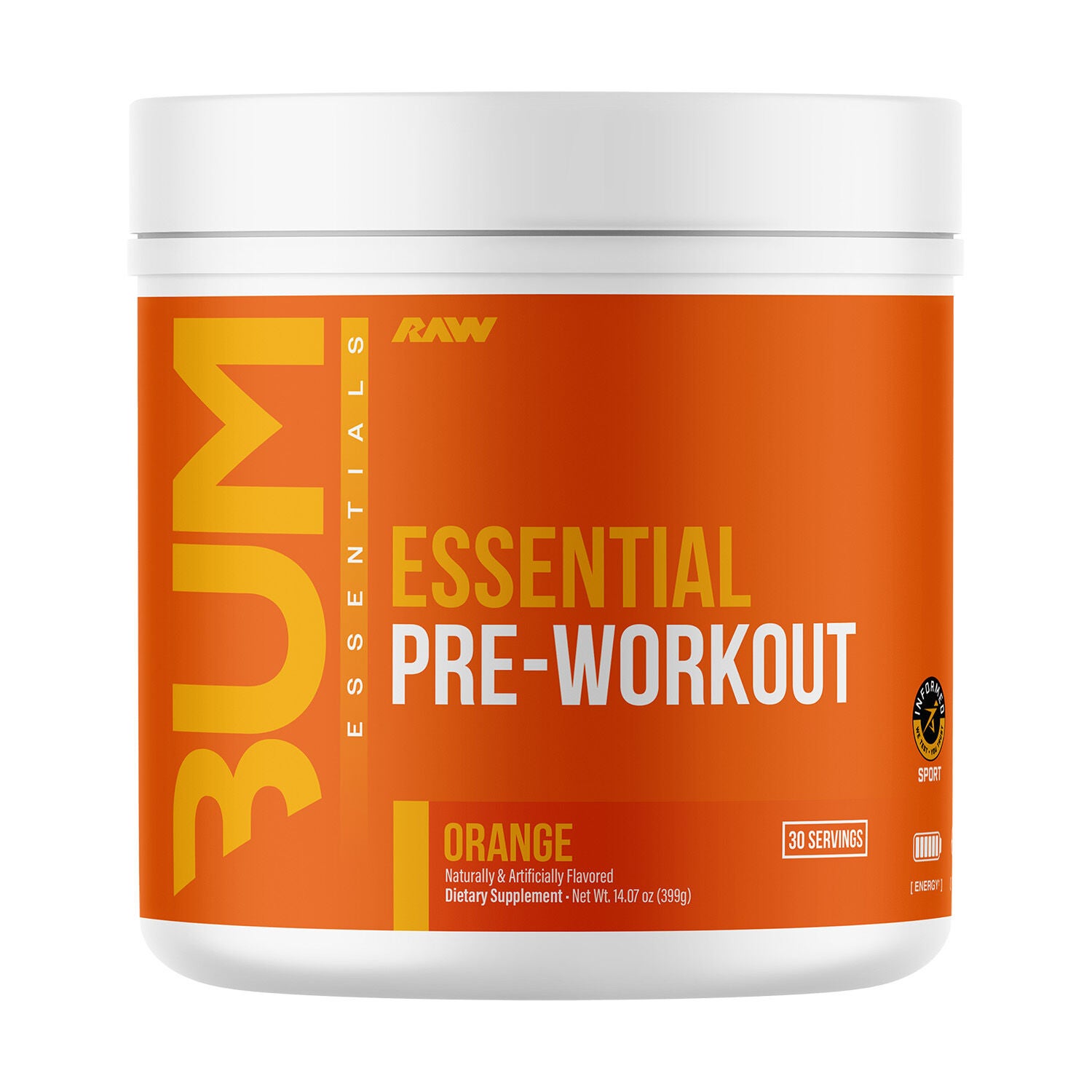


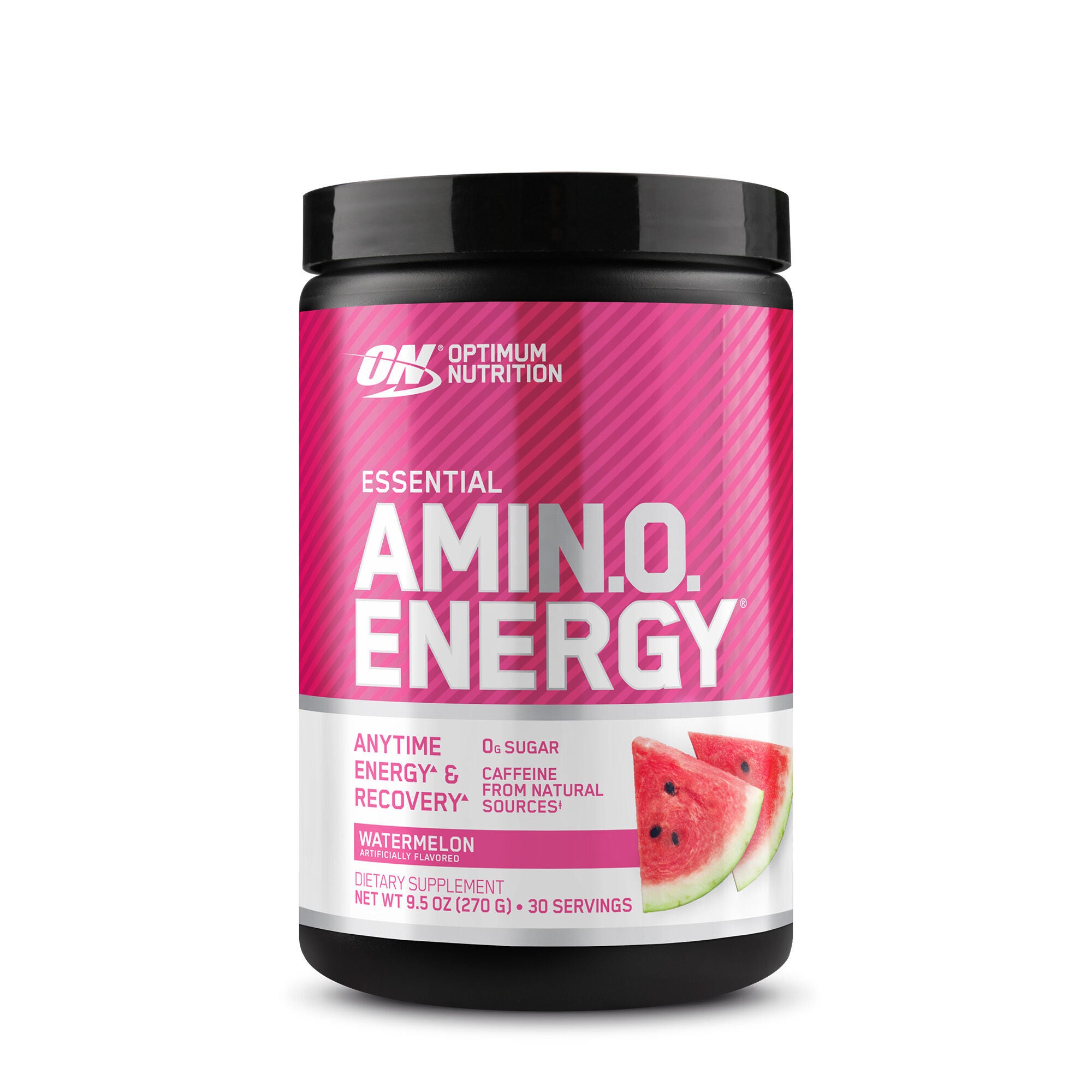
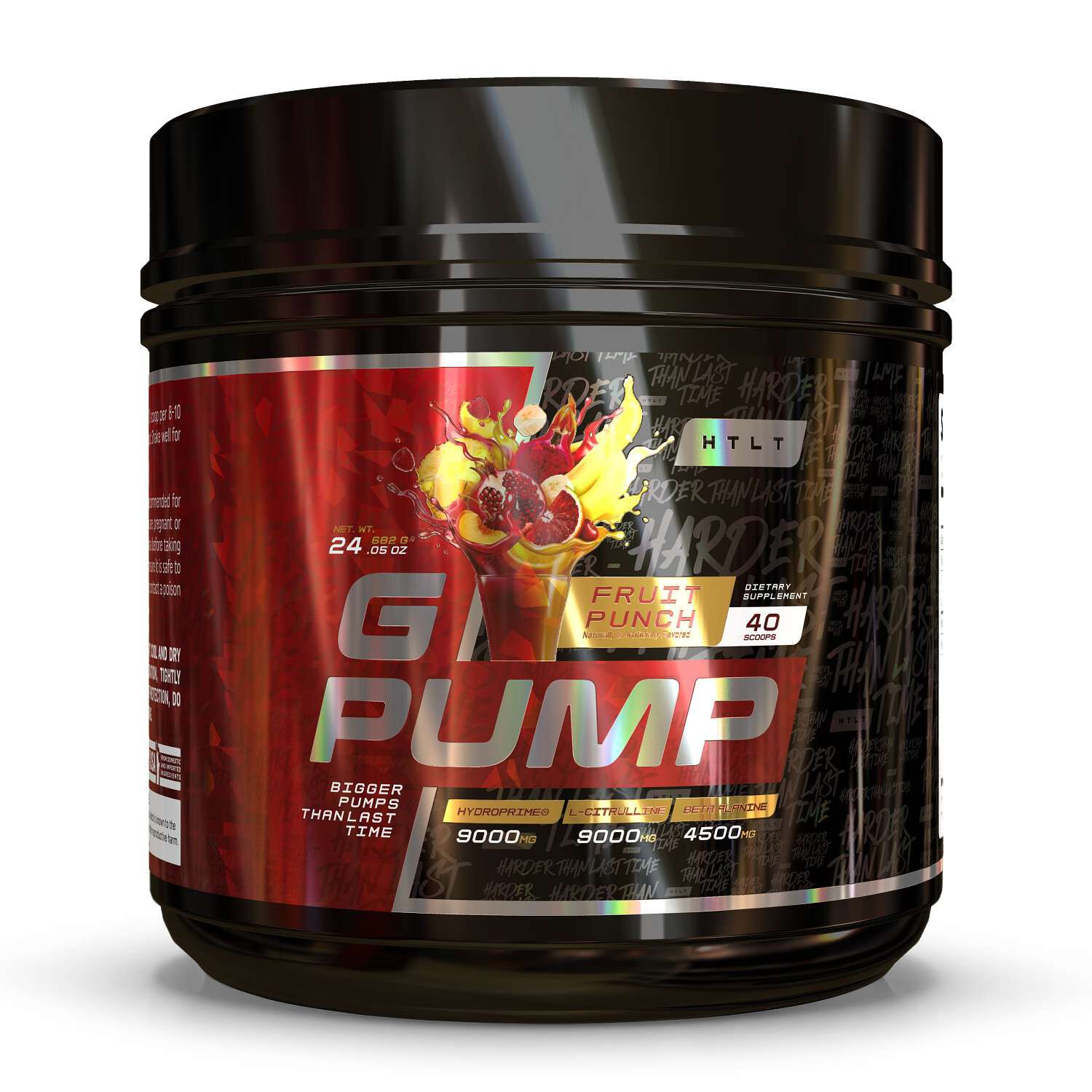
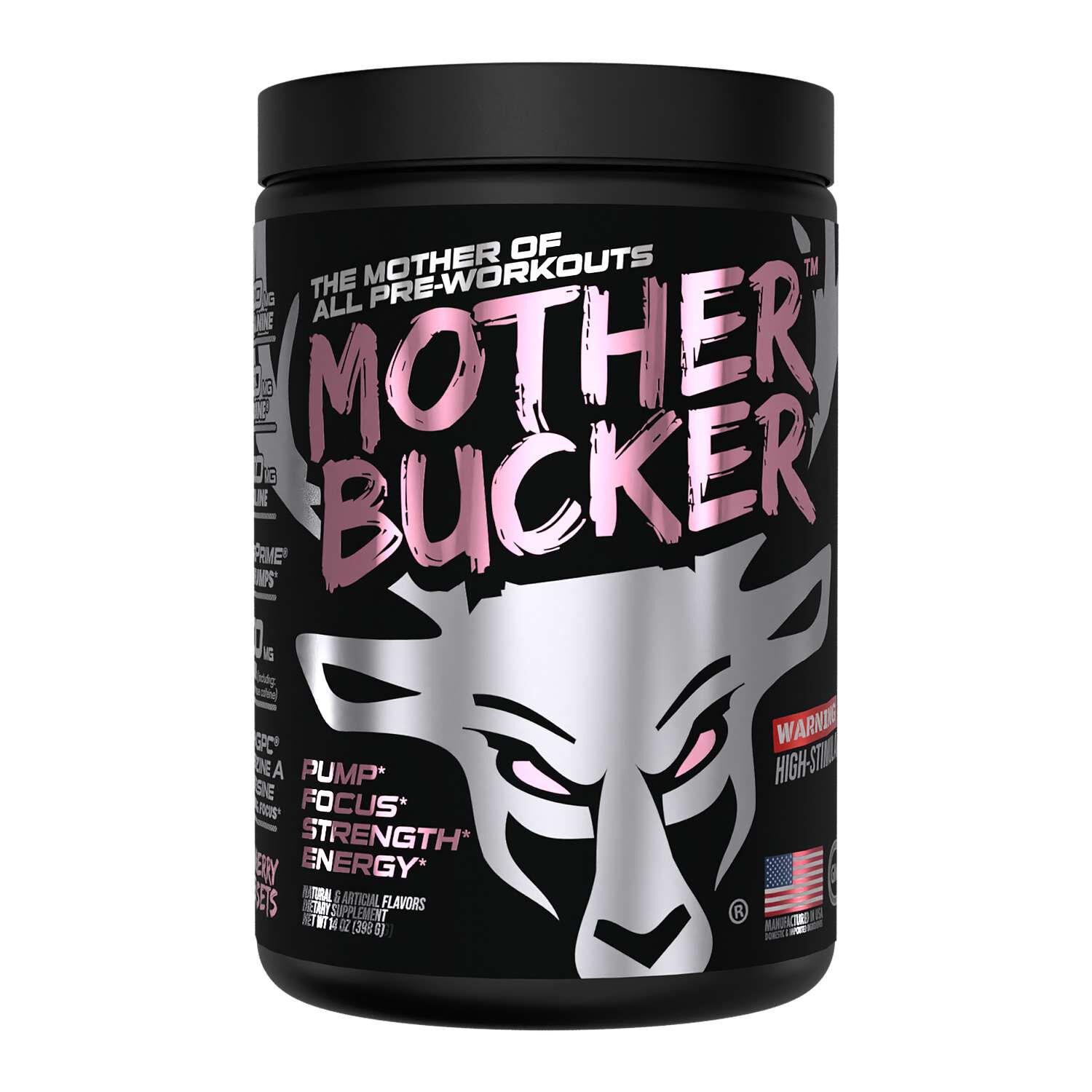
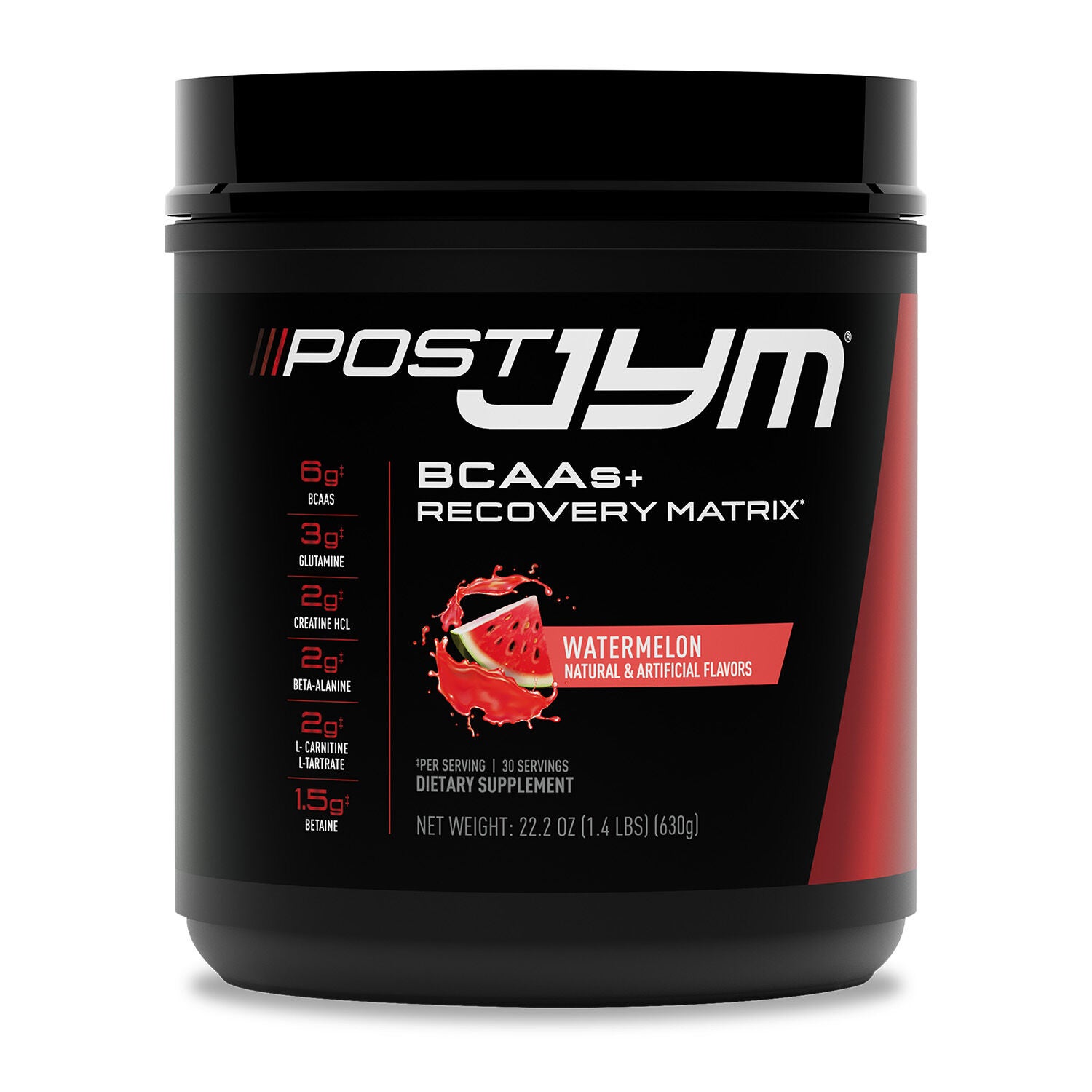
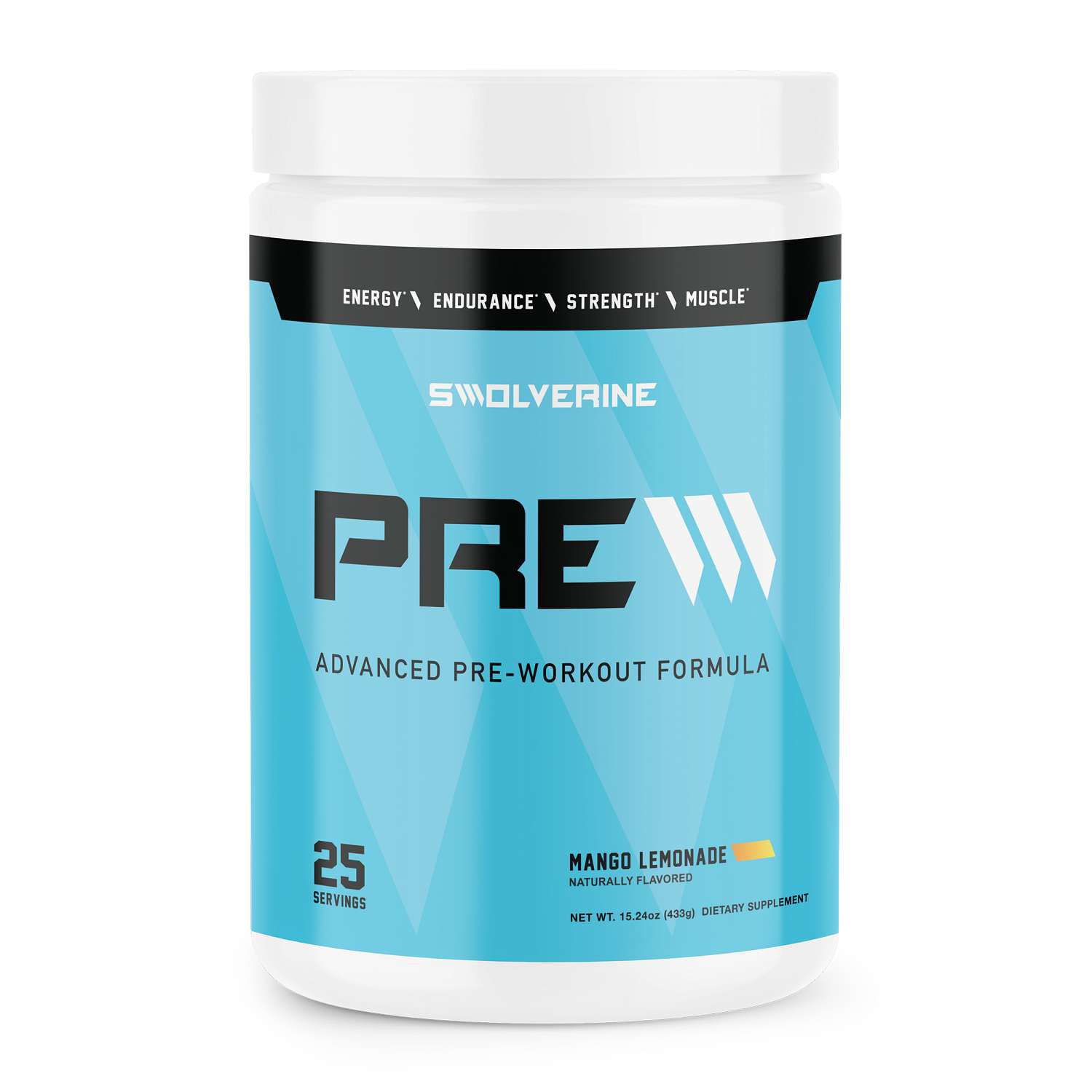
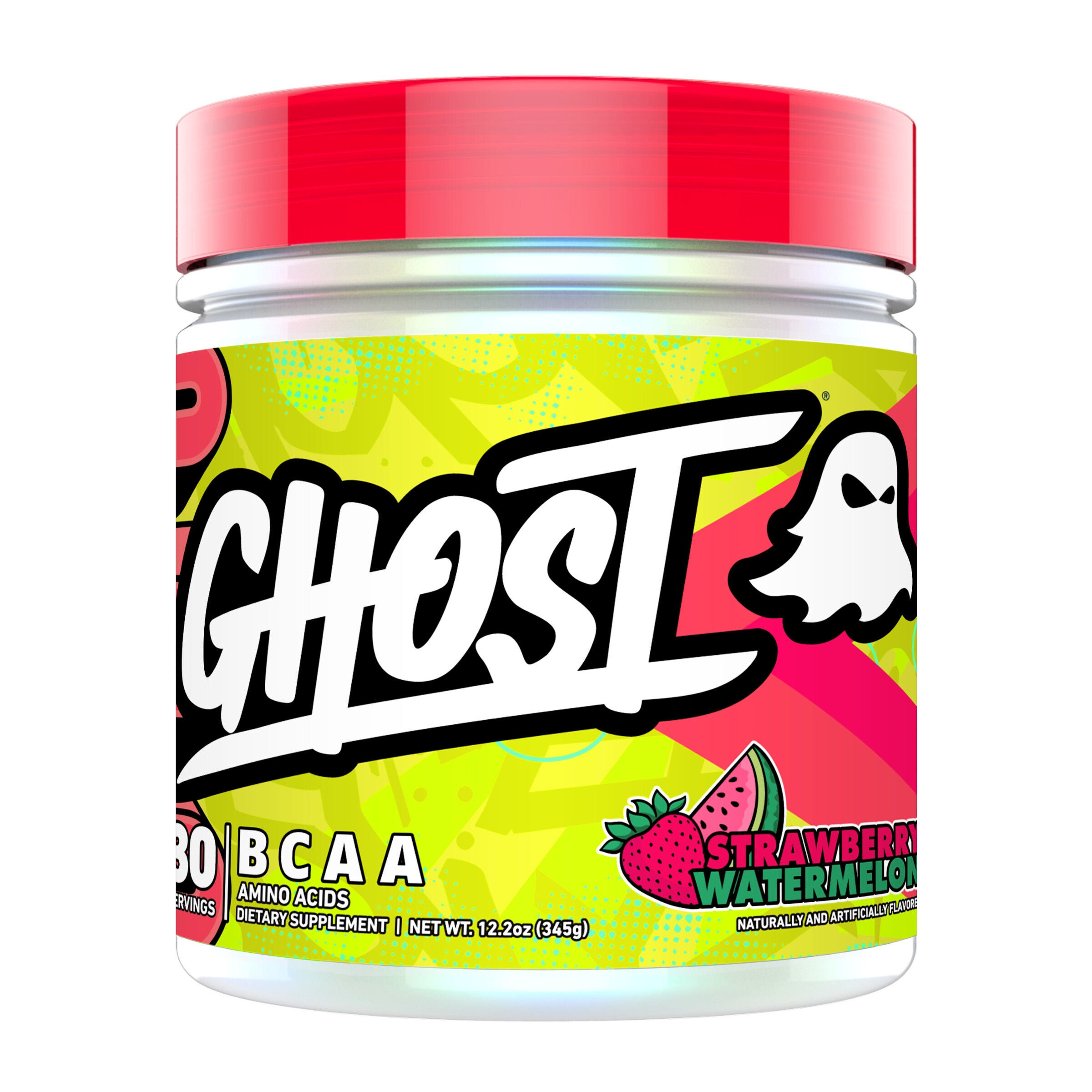
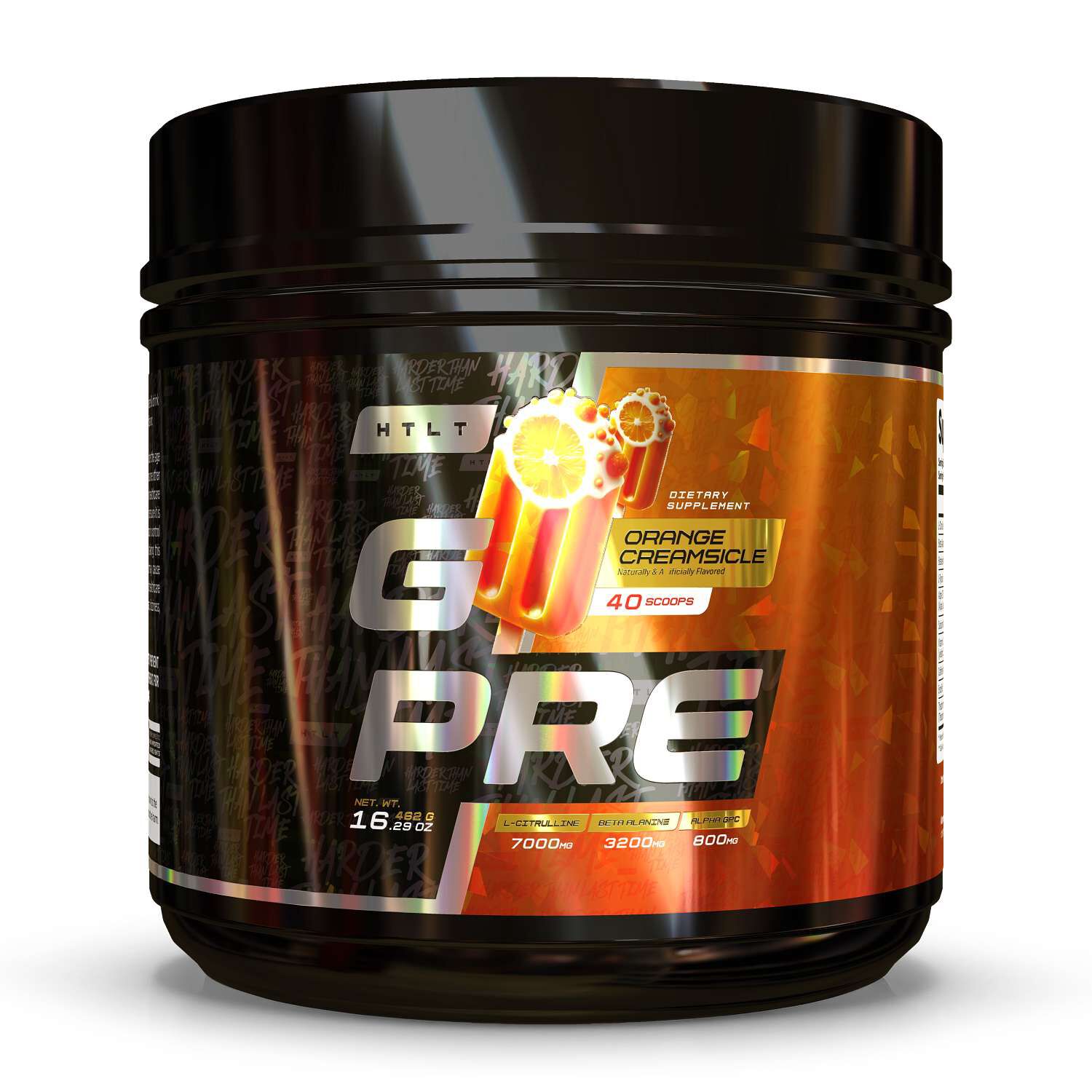
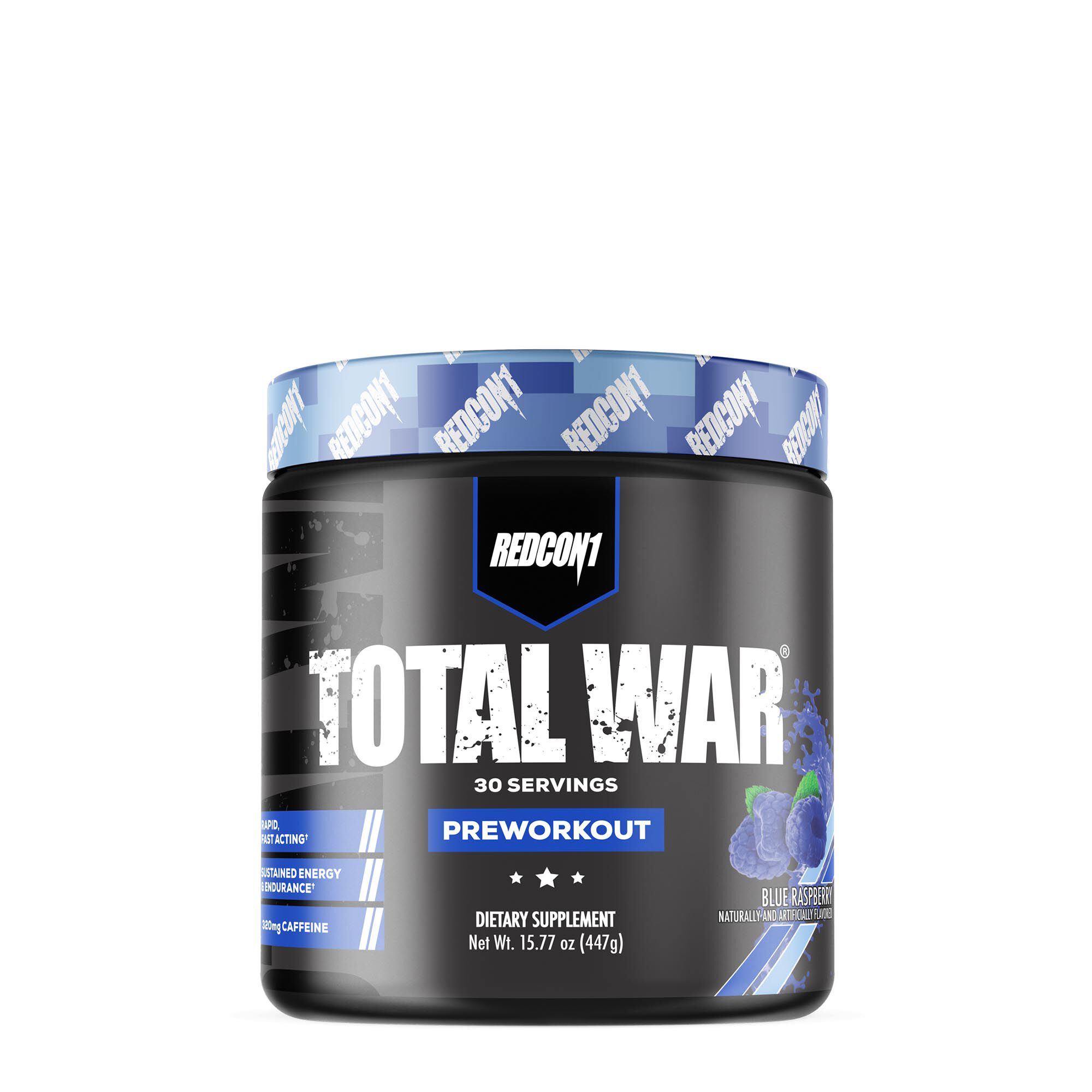
Strawberry watermelon pre-workout powders are flavored supplements intended to be mixed with water and used before exercise according to their label directions. The flavor pairing brings together the rounded sweetness associated with strawberry and the lighter, melon-forward character of watermelon, creating a fruit-flavored alternative to citrus, berry blends, or unflavored powders. Depending on the formula, the taste can lean toward juicy fruit, tart strawberry, or a sweeter candy-style finish. That variety matters when a drink becomes part of a familiar training ritual, whether it sits beside a packed gym bag before a morning lifting session or gets mixed ahead of an afternoon workout. Beyond flavor, these powders differ in their ingredients, serving sizes, caffeine content, and preparation directions. Some contain caffeine, which may support alertness and focus during exercise; others are formulated without caffeine. Beta-alanine, L-citrulline, creatine, and electrolytes are other ingredients that may appear, although no single ingredient list defines the category. Strawberry watermelon describes the flavor, not a standard formula, so two powders with similar names can have very different compositions. The Supplement Facts panel offers a more useful basis for comparison than flavor imagery or the size of the container. It identifies the serving size and lists dietary ingredients and their declared amounts, while the other ingredients list provides details about flavorings, sweeteners, colors, and additional components. A fruit-flavored powder does not necessarily contain fruit juice or meaningful amounts of whole fruit. For adults who already use workout supplements, this category offers a way to match a preferred taste with a formula suited to their established routine. The bright flavor can also fit naturally into indoor training during the cooler months, bringing a familiar summery taste to a shaker without tying the product to a particular season. The most useful distinctions remain what is in the powder, how it is prepared, and whether its intended use matches the shopper’s preferences.
Comparing strawberry watermelon pre-workout powders starts with understanding what each formula is designed to offer rather than assuming every pre-workout serves the same purpose. Caffeine-containing formulas may appeal to adults looking for support with exercise-related energy and concentration, while a formula without caffeine may better align with a preference to leave that ingredient out. The amount listed per serving is an important distinction, especially when coffee, tea, or other caffeinated beverages are already part of the day. A scoop is not a universal measurement across containers: scoop sizes, powder densities, and labeled serving sizes can differ. When one label defines a serving differently from another, ingredient amounts need to be read in that context. Beta-alanine is often included in formulas intended for demanding training, and it may support performance in certain high-intensity activities with consistent use. Creatine may support performance during repeated, short bursts of high-intensity exercise, but its inclusion and amount vary by formula. L-citrulline is another common pre-workout ingredient, while sodium, potassium, or magnesium may appear in blends that include electrolytes. Their presence alone does not establish that two formulas are interchangeable, and an ingredient named prominently on the front of a container may represent only one part of the blend. Some labels disclose individual ingredient amounts, while others group certain ingredients into blends with less detail about each component. Clear information can make comparisons more straightforward. Sweeteners and carbohydrate content also deserve attention because they contribute to differences in composition and taste. A strongly sweetened powder may have a candy-like character, while another may emphasize a sharper fruit note. Dietary preferences and allergen information belong in the comparison as well. A pre-workout powder is also distinct from a protein powder or a drink intended primarily for hydration, even when those products share a similar flavor. For someone who already has a settled exercise and nutrition routine, the relevant question is how a particular formula fits that routine—not how many ingredients appear on its label.
Preparation and storage influence the everyday experience of using a strawberry watermelon pre-workout powder just as much as the flavor description on the container. The labeled water amount provides a starting point for the intended drink concentration, and the mixing directions indicate how the powder should be prepared. Within those directions, differences in water volume and temperature can change how sweet, tart, or pronounced the flavor tastes. A cold drink may offer a crisper impression, while less-chilled water may make sweetness more noticeable. Texture varies, too: some formulas mix into a relatively light drink, while others can leave a little sediment or develop foam after shaking. Those characteristics depend on the ingredients and do not, by themselves, establish how well a formula may work. A shaker with enough room for the labeled water amount and some space for mixing can make preparation less awkward than using a bottle filled to the rim. Following the container’s directions matters more than assuming every powder needs the same mixing method or timing. For a routine that involves packing a bag the evening before, keeping the powder dry until its intended preparation time can be a practical consideration. The scoop, lid, and container opening should remain clean and dry, and storage should follow the package instructions. A tightly closed container kept away from moisture and excessive heat may help preserve the powder’s intended condition; a steamy bathroom or a hot parked car is a poor place to leave a tub. Resealable packaging, a readable label, and a scoop that is easy to access are small details worth noticing when comparing formats. Flavor preferences can also change over time, particularly for someone who uses the same fruit profile regularly. Shoppers who enjoy a softer, stone-fruit direction can explore Peach Flavored Pre Workout Powders while comparing each formula on its own label information. Whether the preference is tart strawberry, mellow watermelon, or a sweeter blend of both, a thoughtful choice brings together taste, clearly described ingredients, manageable preparation, and an intended use that fits an established workout routine.