





Stress Defense Vitamins
(0 Results)
Stress defense vitamins could offer support for those looking to manage the pressures of daily life. Packed with key nutrients, these supplements may help you maintain your well-being during busy or challenging times. Explore a range of stress defense vitamins designed to fit into your routine and support your overall wellness goals.
-
-
-
-

-
-
-

-

-
 $49.99
 -
-
 Goli Nutrition$18.99
 -
 185$24.99
 -

-
-
-
 $16.99
 -

-
 $23.99
 -

-
 $7.99
$7.99 -
-

-

-
 Nature's Fusions$32.99
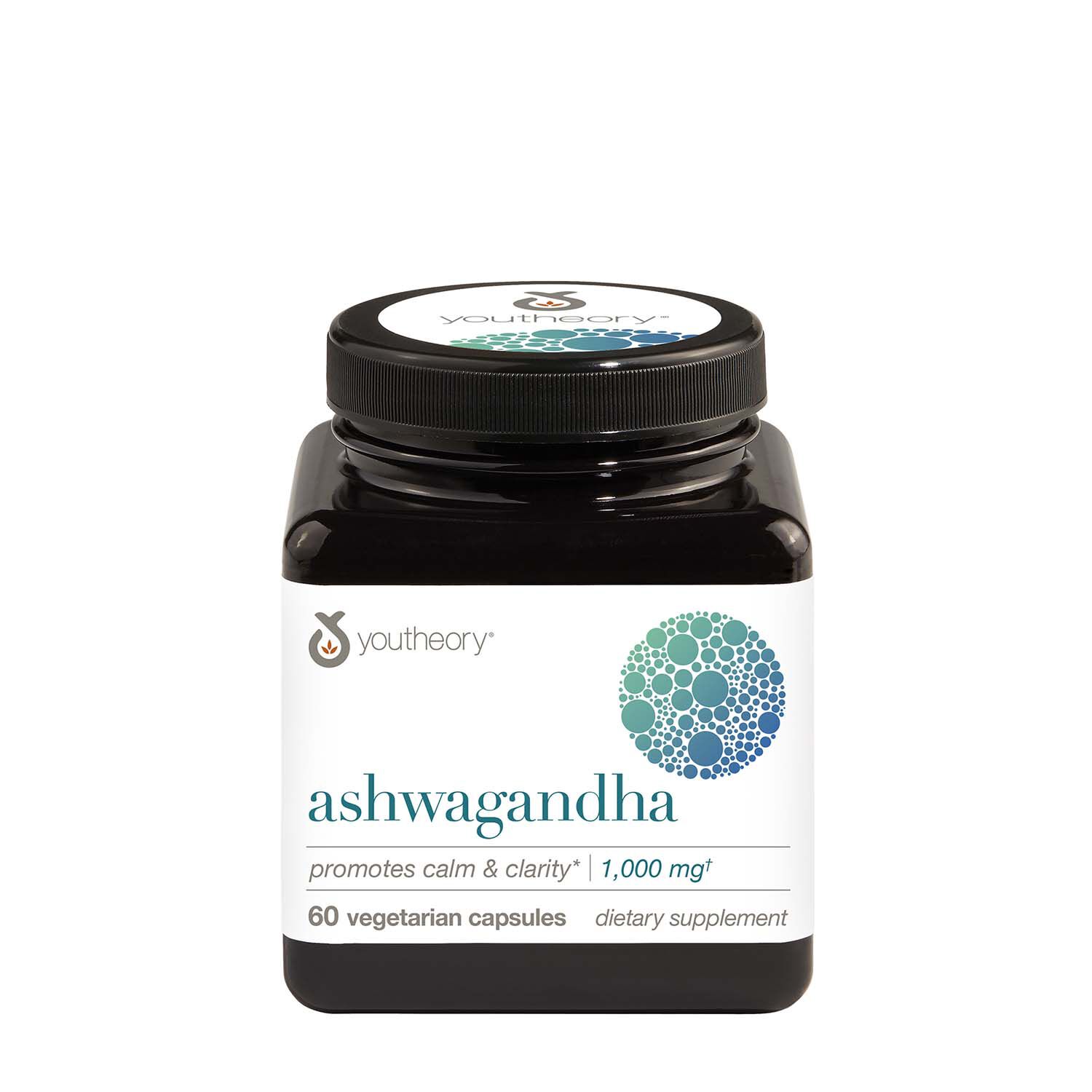
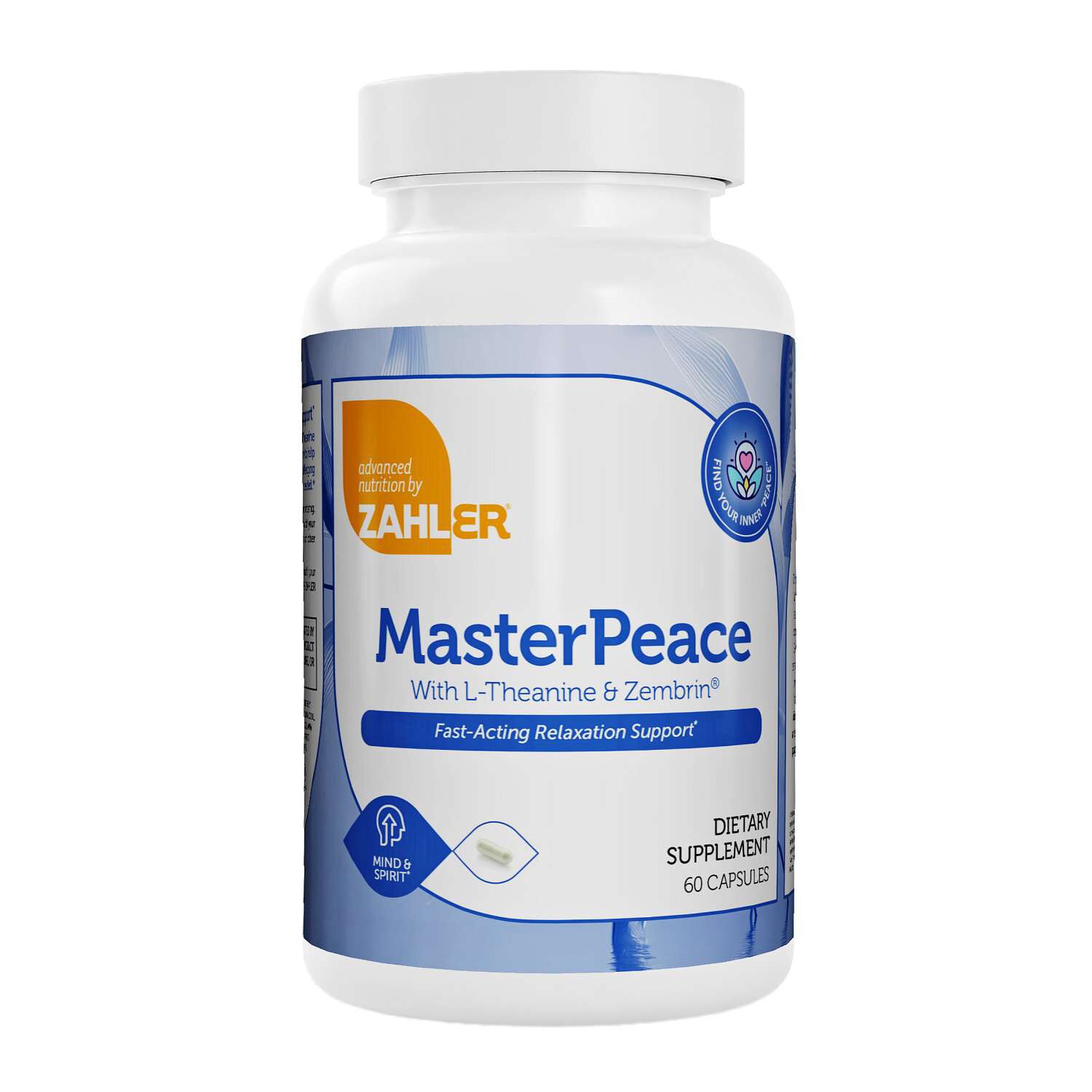
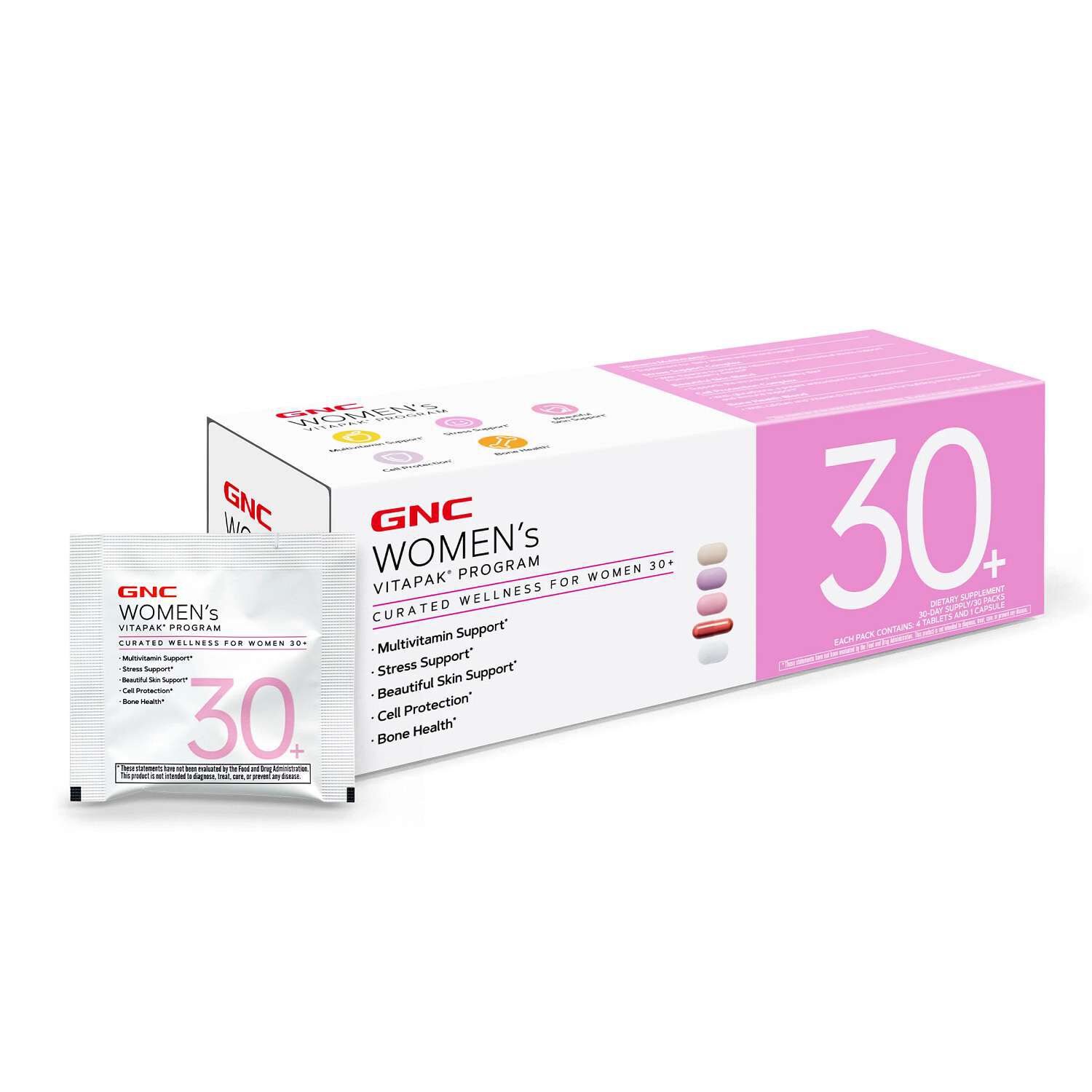
Stress defense vitamins are supplements marketed for everyday stress support, with formulas that may include B vitamins, vitamin C, vitamin D, minerals, or botanical ingredients. The name describes a shopping category rather than a single nutrient or a standardized recipe, so two formulas with similar packaging can have quite different ingredient lists. Some focus on a group of vitamins, while others pair nutrients with herbs such as ashwagandha. Magnesium also appears in this category, although it is a mineral rather than a vitamin. Understanding those distinctions makes it easier to compare options by what they contain instead of relying on the wording on the front of the bottle. For adults balancing work, family responsibilities, commuting, and crowded calendars, these supplements may complement a broader everyday wellness routine. Their intended use is different from that of a snack, beverage, or meal, even when the format is a flavored gummy or drink mix. A useful starting point is the Supplement Facts panel, which identifies the listed nutrients, their amounts per serving, and the serving size. The other ingredients list adds another layer of detail, including capsule materials, flavorings, sweeteners, and ingredients used to give a tablet or gummy its texture. These details matter in ordinary situations: someone who keeps a bottle beside the breakfast dishes may prefer a different format from someone packing a bag for a long commute. A person who dislikes flavored supplements may gravitate toward capsules, while someone who prefers a chewable format may be more interested in gummies. Neither format alone establishes the suitability of the formula inside. Ingredient composition, serving instructions, and personal preferences provide more meaningful points of comparison. Stress defense vitamins are best understood as a varied category of nutritional supplements, not as interchangeable versions of the same product. The clearest comparisons begin with the actual label and the practical details of how a supplement would fit into an established routine.
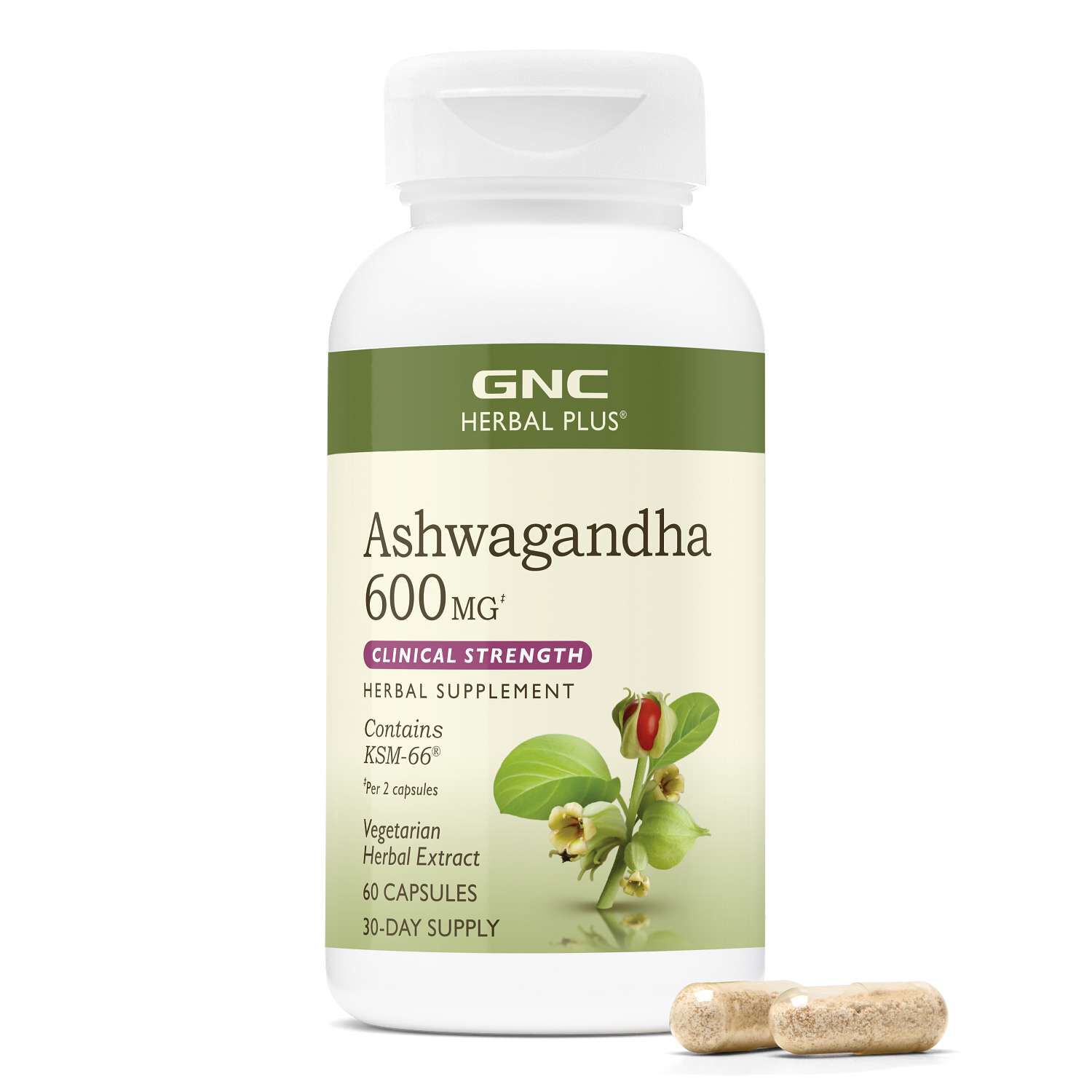
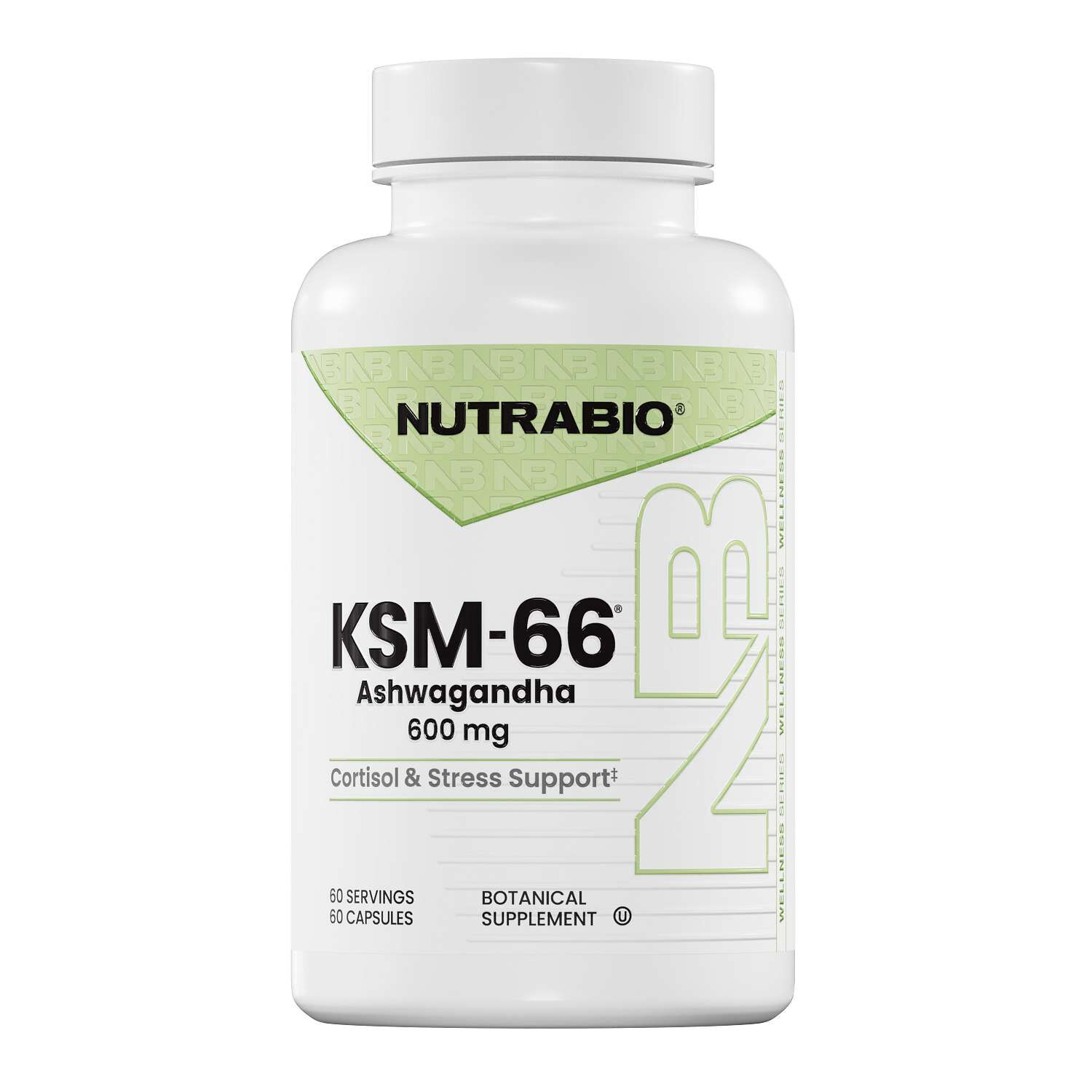
Ingredient names offer a more precise way to navigate stress defense vitamins than broad descriptions of calm or balance. B-complex formulas contain a combination of B vitamins, while other blends feature selected members of that group, such as vitamin B6, vitamin B12, or pantothenic acid, also known as vitamin B5. A formula that includes a few B vitamins is not necessarily the same as a B-complex supplement, making the nutrient list worth a closer look. For a more focused category, B Vitamins For Stress offers a related way to browse by nutrient family. Vitamin C and vitamin D may appear alongside B vitamins, but their inclusion does not make every blend alike. Amounts, ingredient forms, and the balance of nutrients can differ. Mineral-containing formulas introduce another comparison point: a label may identify magnesium alongside the compound used to supply it, such as magnesium citrate or magnesium glycinate. Botanical ingredients require their own kind of attention. Ashwagandha is a plant ingredient, not a vitamin, and labels may distinguish root powder from an extract or specify which part of the plant is used. An extract ratio or a stated concentration describes an ingredient characteristic; it does not, by itself, establish how a person will experience the finished formula. Some blends disclose separate amounts for each ingredient, while others list a combined amount for a blend. That difference affects how directly shoppers can compare the contents of two bottles. The serving size matters just as much as the ingredient amount: figures listed for a two-capsule serving are not figures for one capsule. Percent Daily Value offers additional context for nutrients with an established Daily Value, whereas some other ingredients do not have one. Larger numbers and longer ingredient lists are not substitutes for understanding the formula. When another multivitamin or nutritional supplement is already part of a household routine, noting repeated ingredients can make the comparison more transparent without assuming that adding more is the appropriate choice.
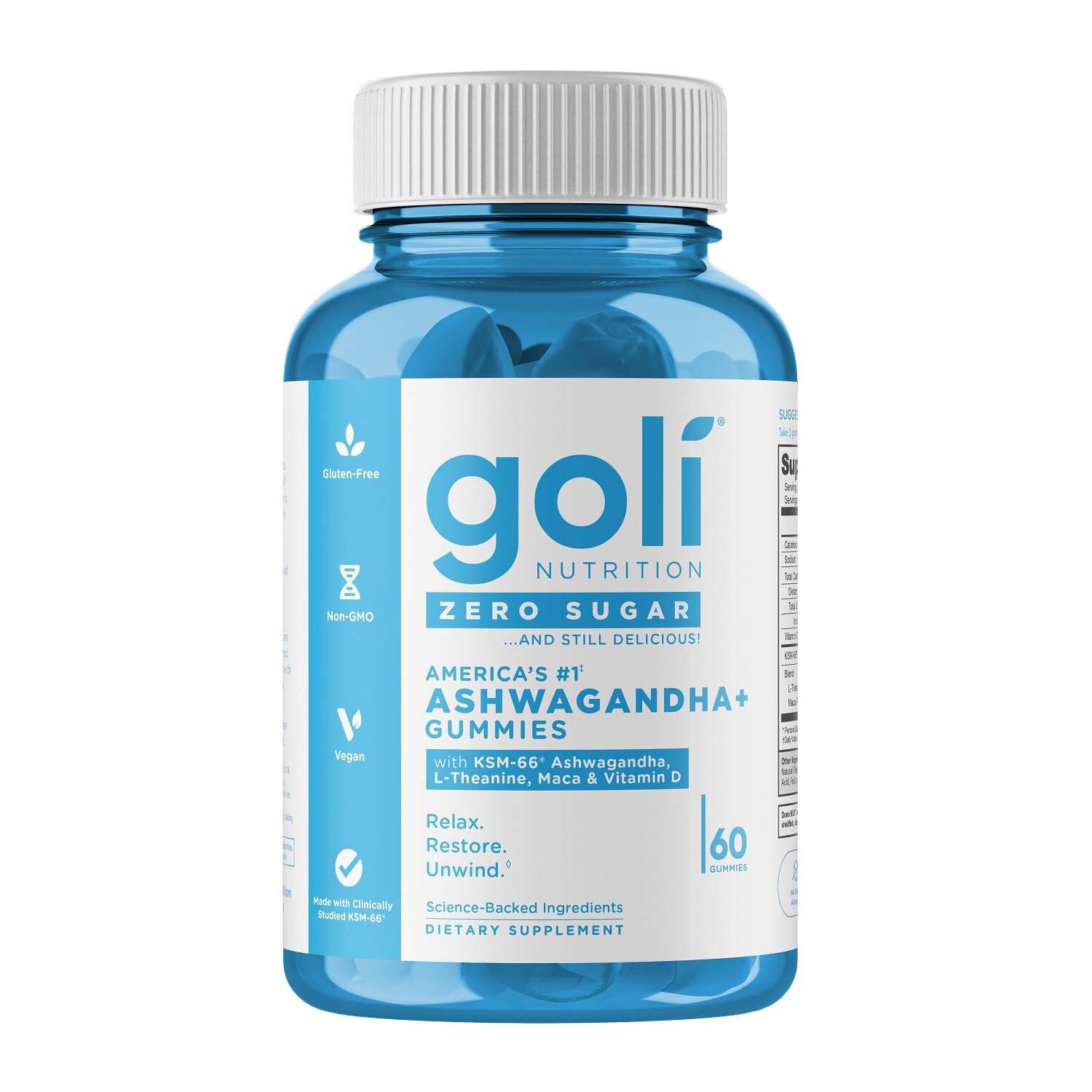
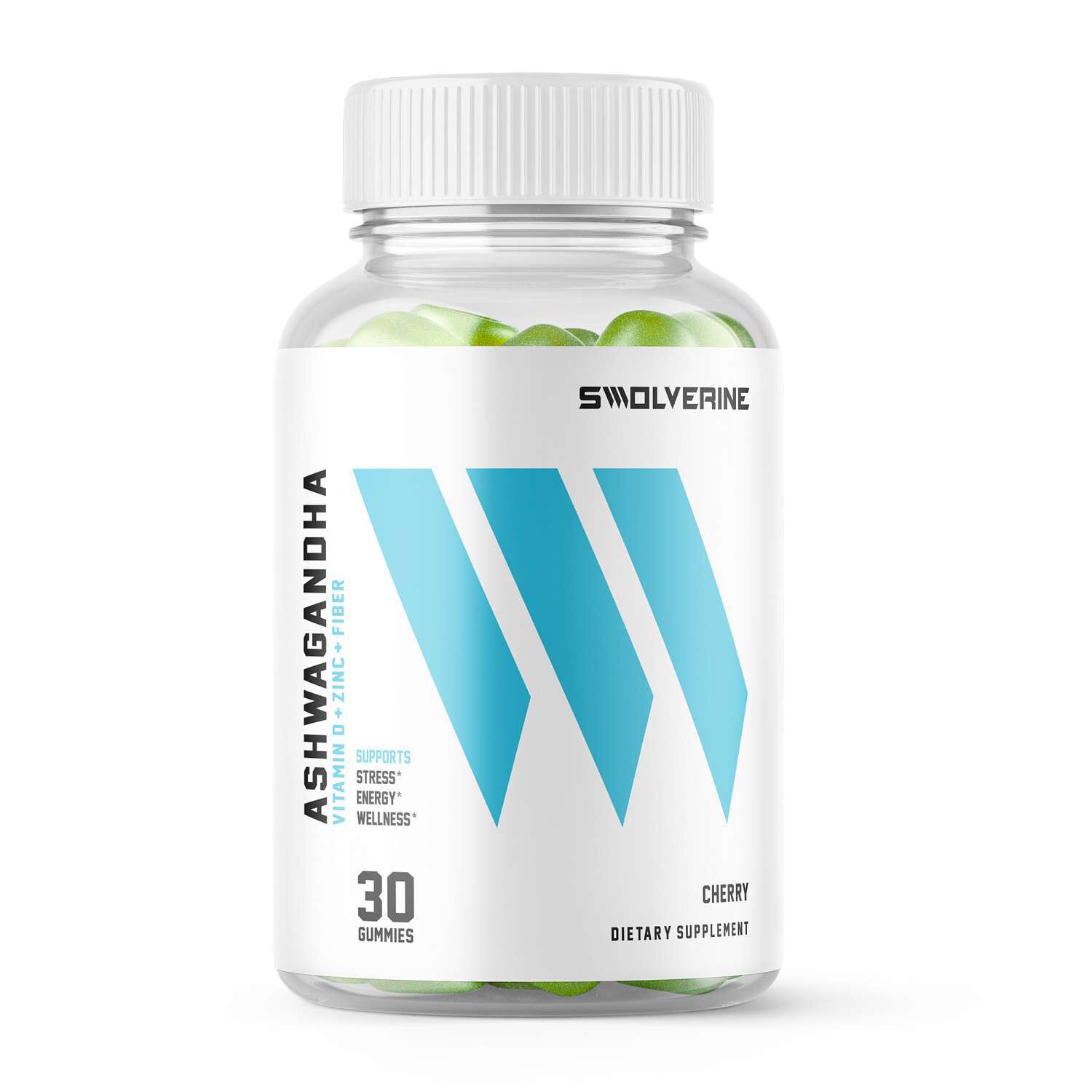
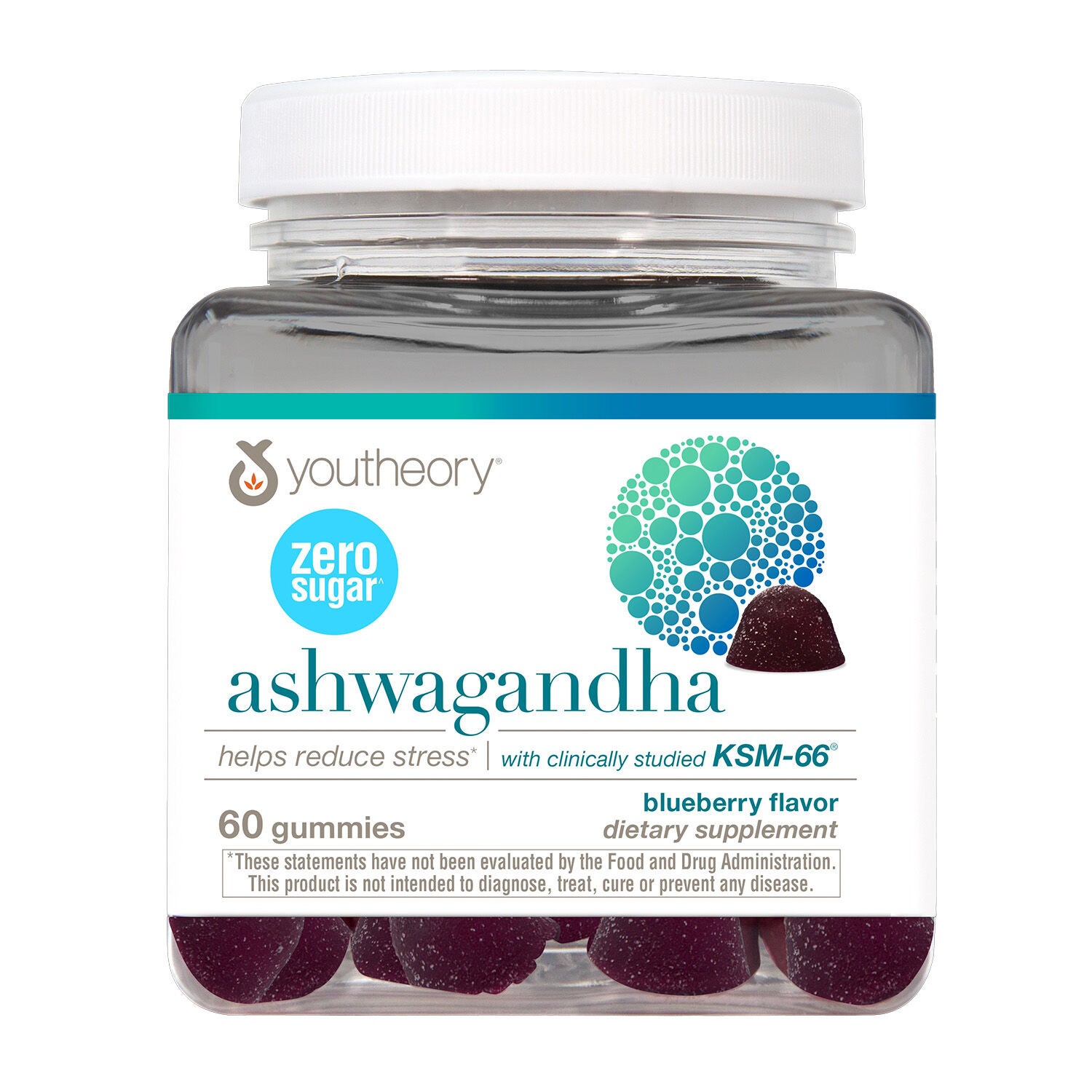
Format, packaging, and storage help distinguish stress defense supplements beyond their ingredient panels. Capsules generally contain ingredients within a shell, and that shell may be made from gelatin or a plant-derived material. Tablets are compressed and may have a coating, with dimensions and shape that vary by formula. Gummies bring flavor and texture into the decision, along with details such as the type of sweetener, added sugar, and whether the gelling ingredient is gelatin or pectin. Powders introduce preparation into the routine, including measuring, mixing, and cleaning a glass or shaker afterward. A flavored powder may suit someone who already prepares a drink at home, while a capsule or tablet may involve fewer preparation steps. Taste descriptions are also worth reading carefully, since a fruit name on a label does not describe the full ingredient list or the sweetness of the serving. For shoppers with dietary preferences, clearly stated vegetarian or vegan labeling and a review of the other ingredients offer more useful information than assumptions based on format. Packaging deserves similar attention. A screw-top bottle, a pouch, or individually portioned packaging presents different opening, closing, and carrying considerations, particularly when a supplement travels between home and work. A closure that is easy to secure and a label that remains readable are practical features, but no package should be assumed to suit every storage setting. Label directions provide the relevant storage conditions, and the printed date is another useful detail when considering how a container fits a routine. Keeping the original packaging preserves access to the ingredient panel, serving information, and product-specific cautions. Instructions can also differ between formulas, even when the front labels use similar language. For a shared household, clear labeling and separate storage from ordinary foods help maintain that distinction, especially with candy-like formats. The most useful comparison brings these details together: the ingredients, the amount per labeled serving, the format, the dietary attributes, and the care the package requires. That approach keeps the focus on understandable differences rather than on the most eye-catching name.
Best Sellers
-
GNC Herbal Plus
-
 GNC Herbal Plus
Related Pages


Top Collections
- Daily Collagen Supplements | Top Brands & Deals | GNC
- Cortisol Supplements
- Top Rated Collagen | Shop Customer Favorites | GNC
- Vitamins For Hair Loss
- NAD+ Supplement Tablets
- Peptide Supplements
- Best Brand of Magnesium Glycinate
- Protein Powders For Muscle Growth Support
- Vitamins That Help Support Weight Gain
- Peptide Supplements for Muscle Growth