





Multivitamins For Stress
(0 Results)
Feeling overwhelmed by the daily hustle and bustle? Multivitamins for stress might be just what you need to help support your body's natural balance. These specially formulated supplements could provide essential nutrients that may aid in managing stress levels, promoting a sense of calm, and enhancing overall well-being. Packed with vitamins and minerals that might support mental clarity and energy, these multivitamins could be a convenient addition to your routine. Whether you're facing a hectic work schedule or simply looking to maintain a more balanced lifestyle, explore how these multivitamins might make a difference in your day-to-day life.
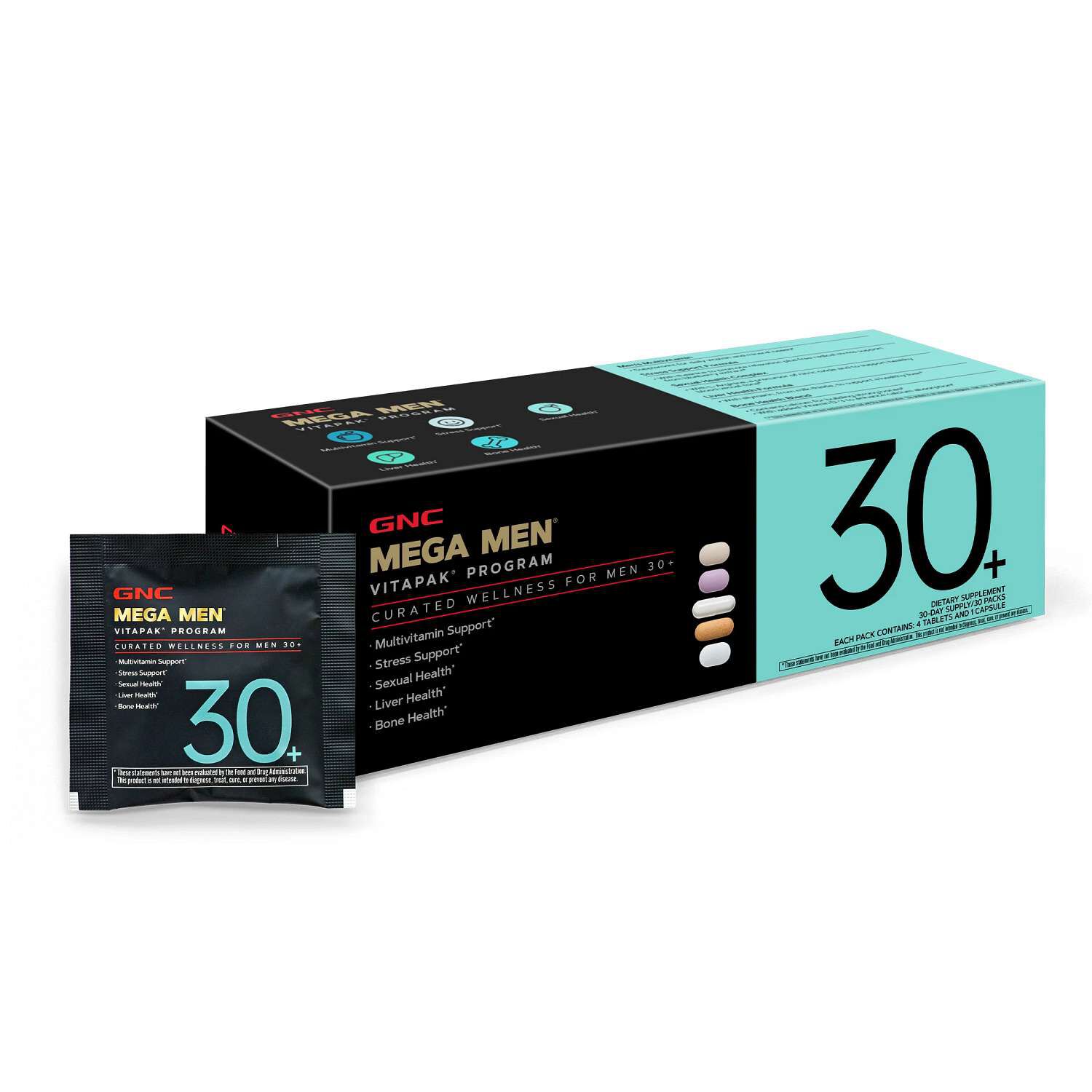
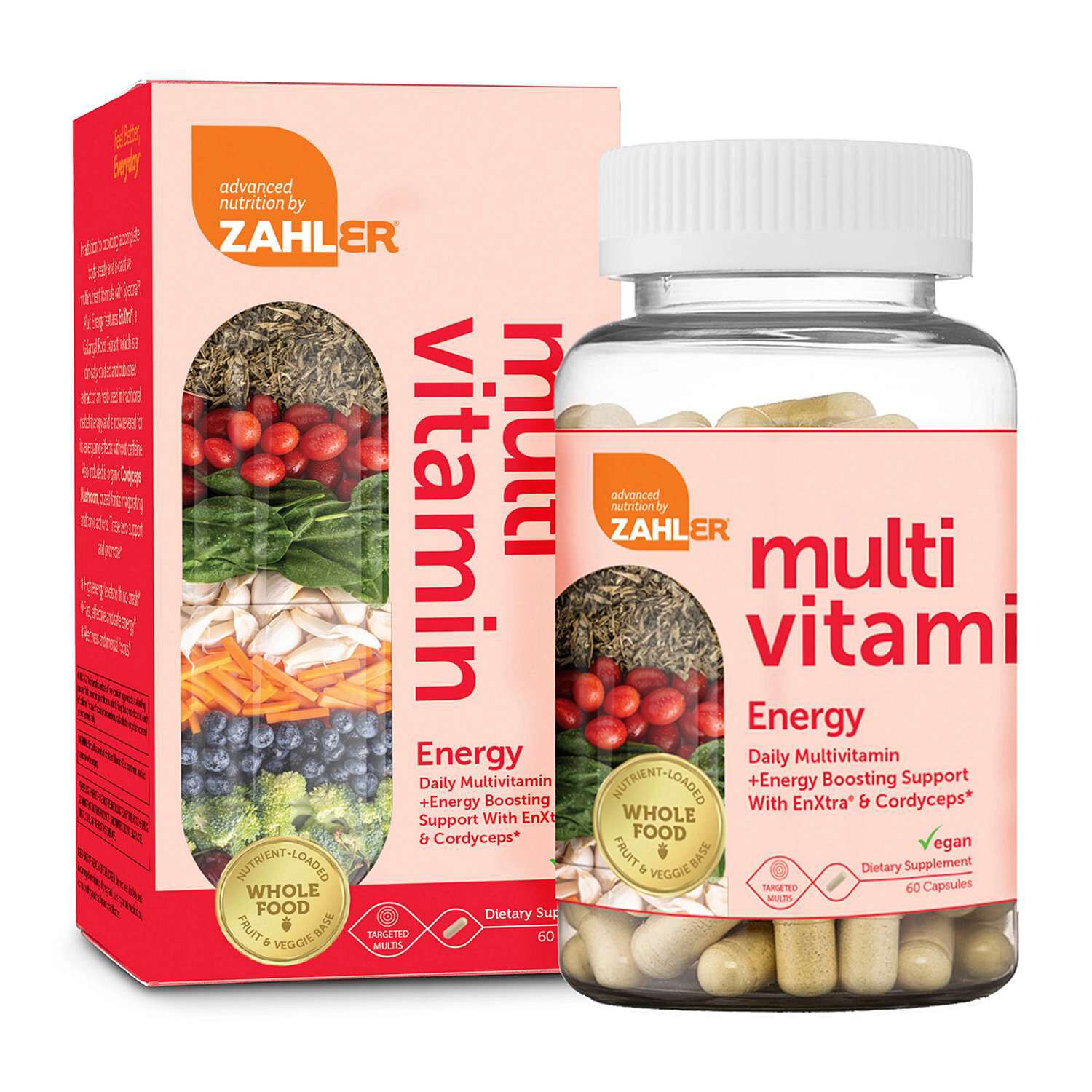
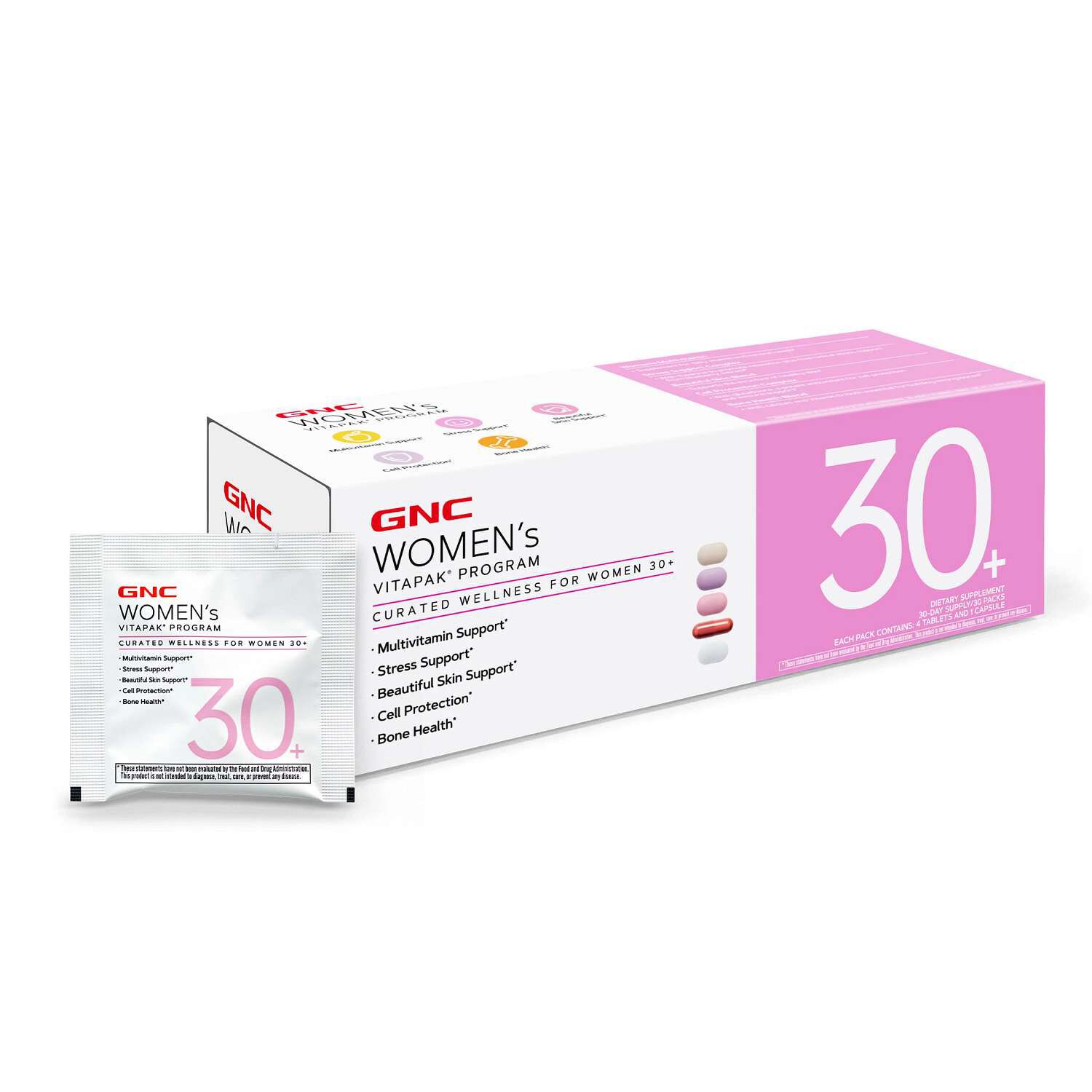


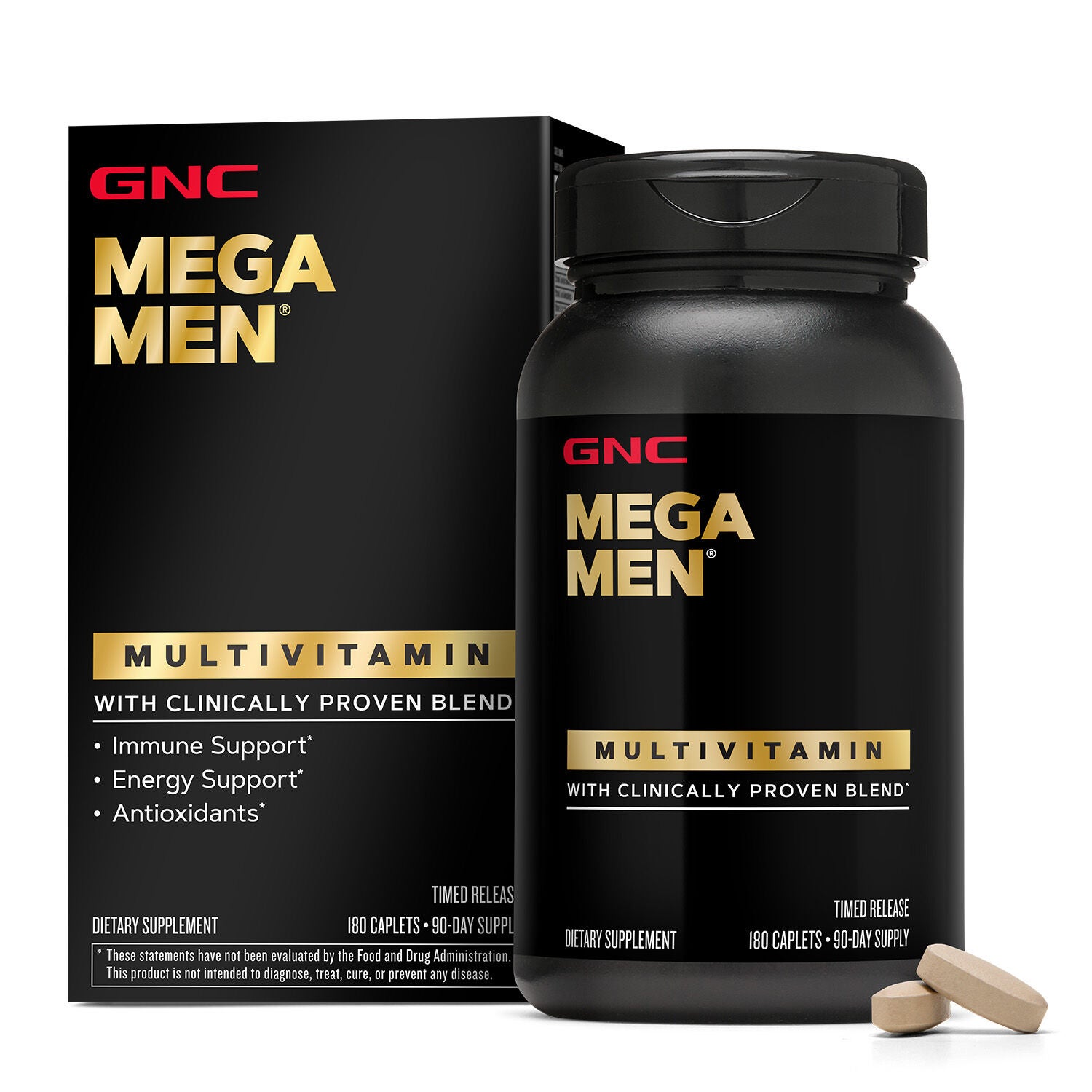
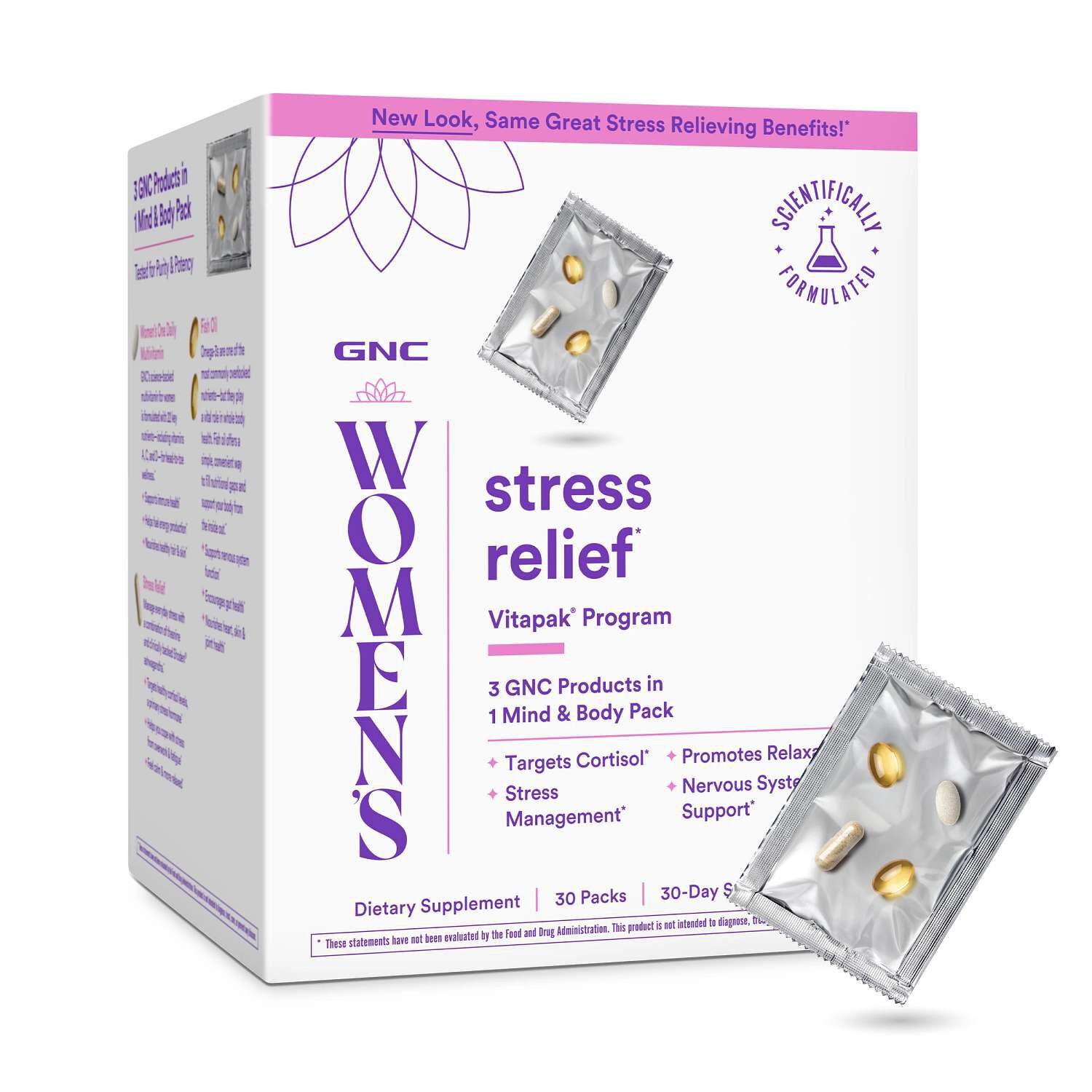
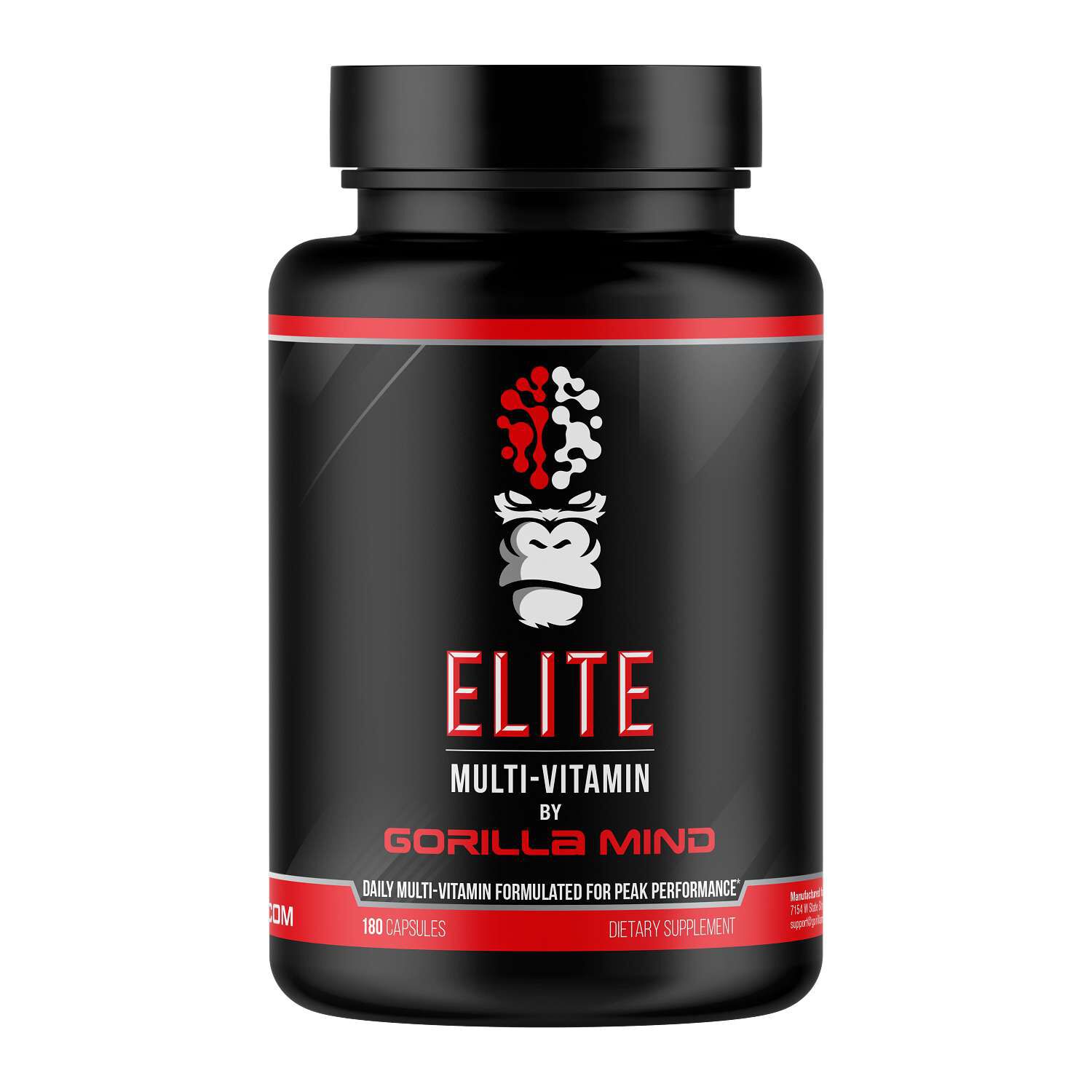
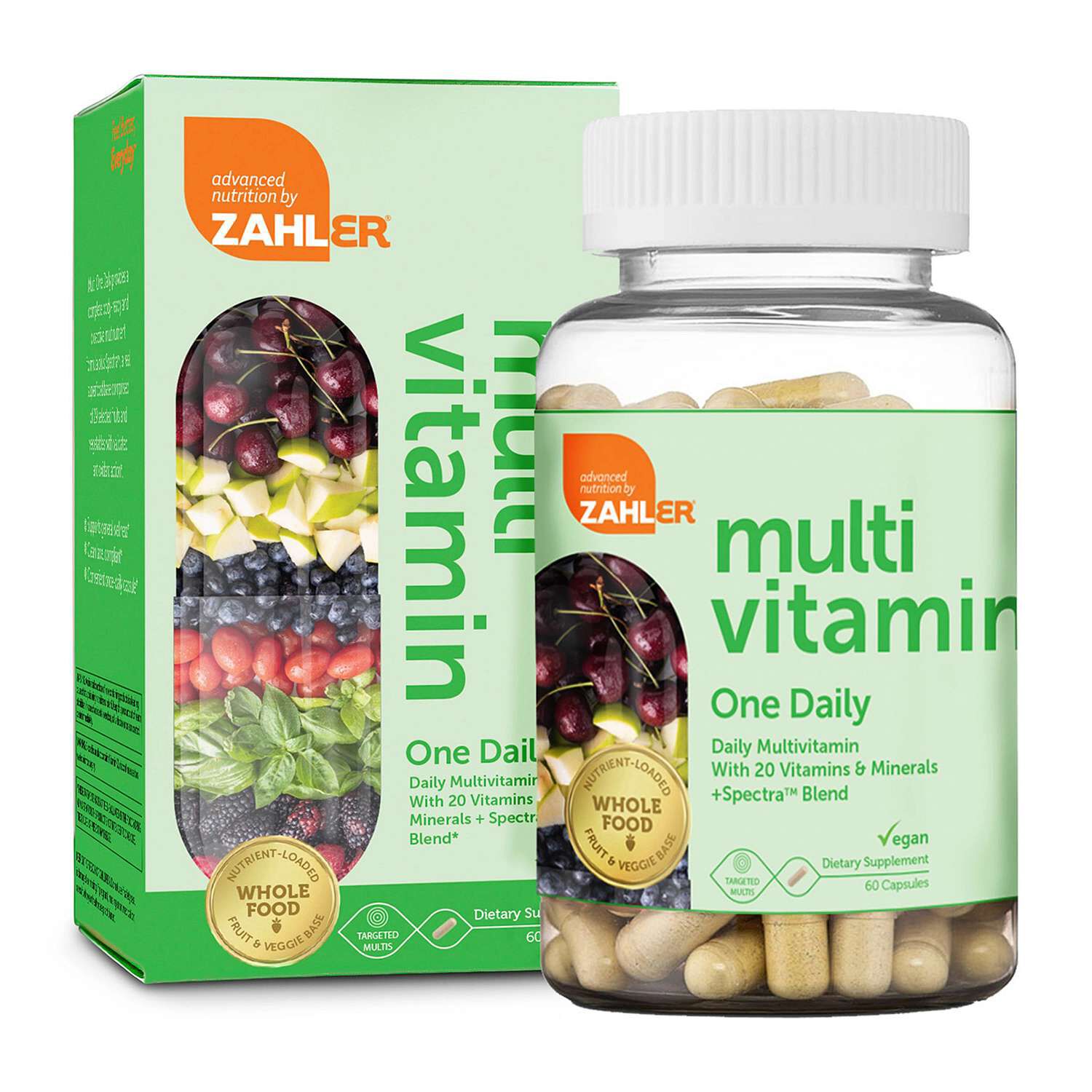


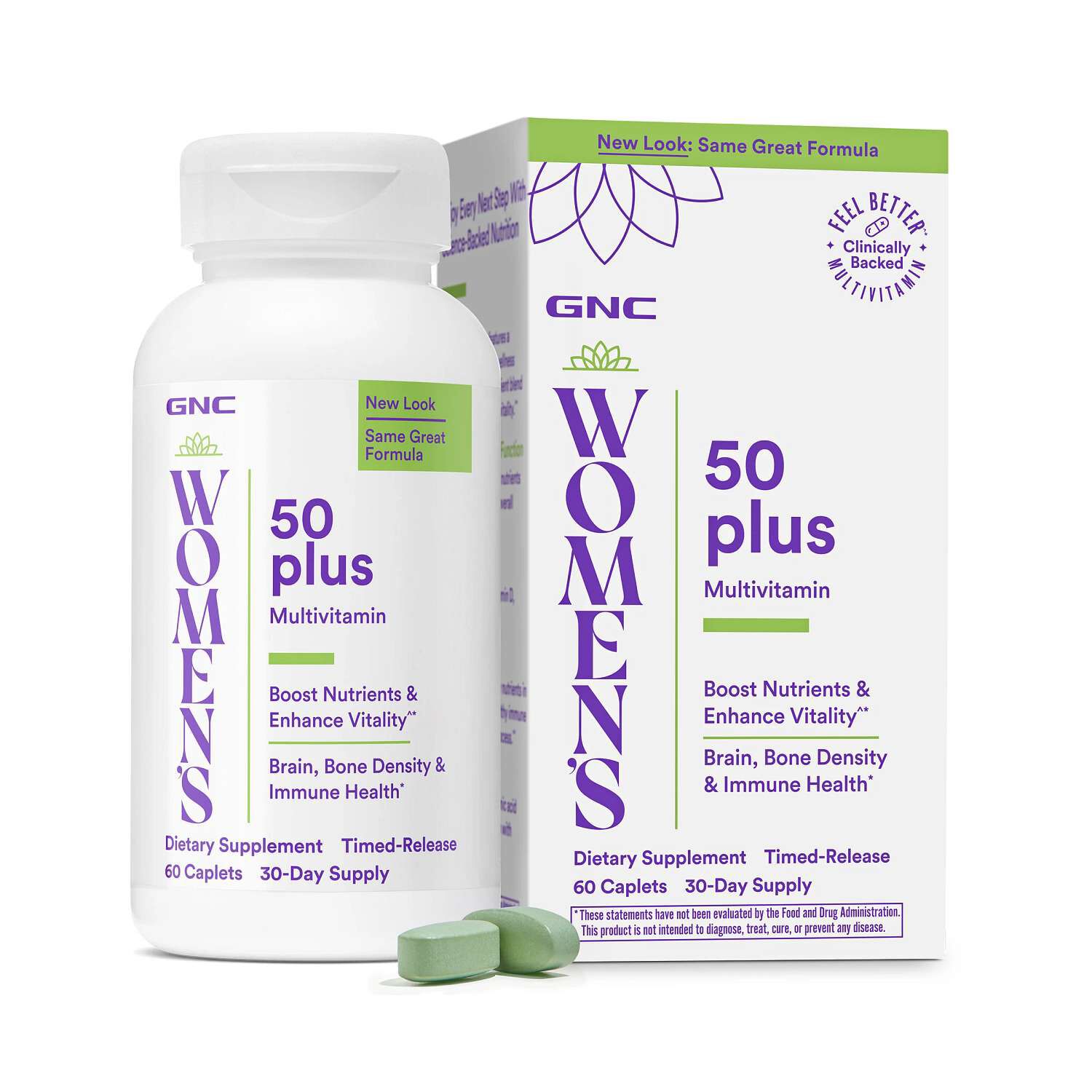
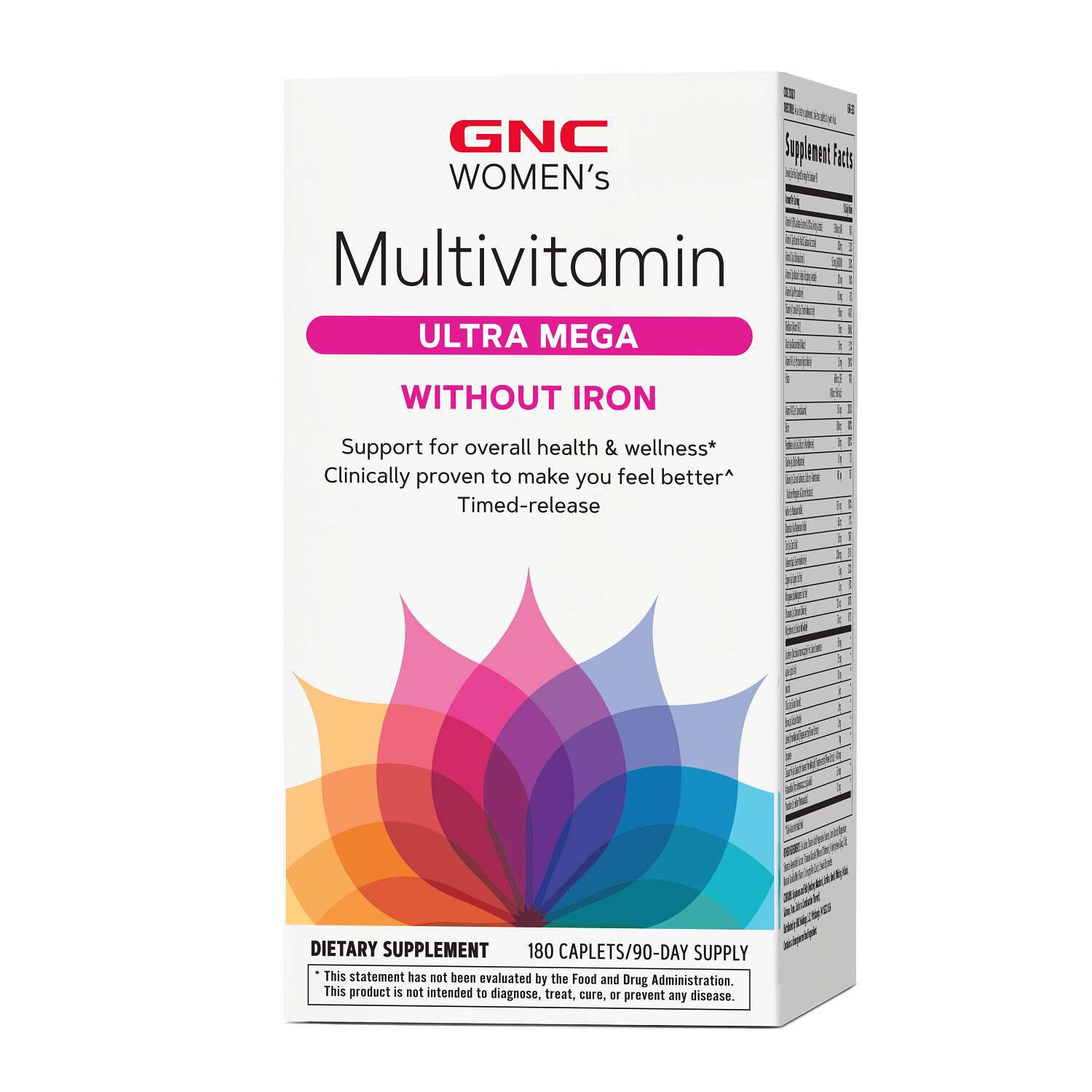
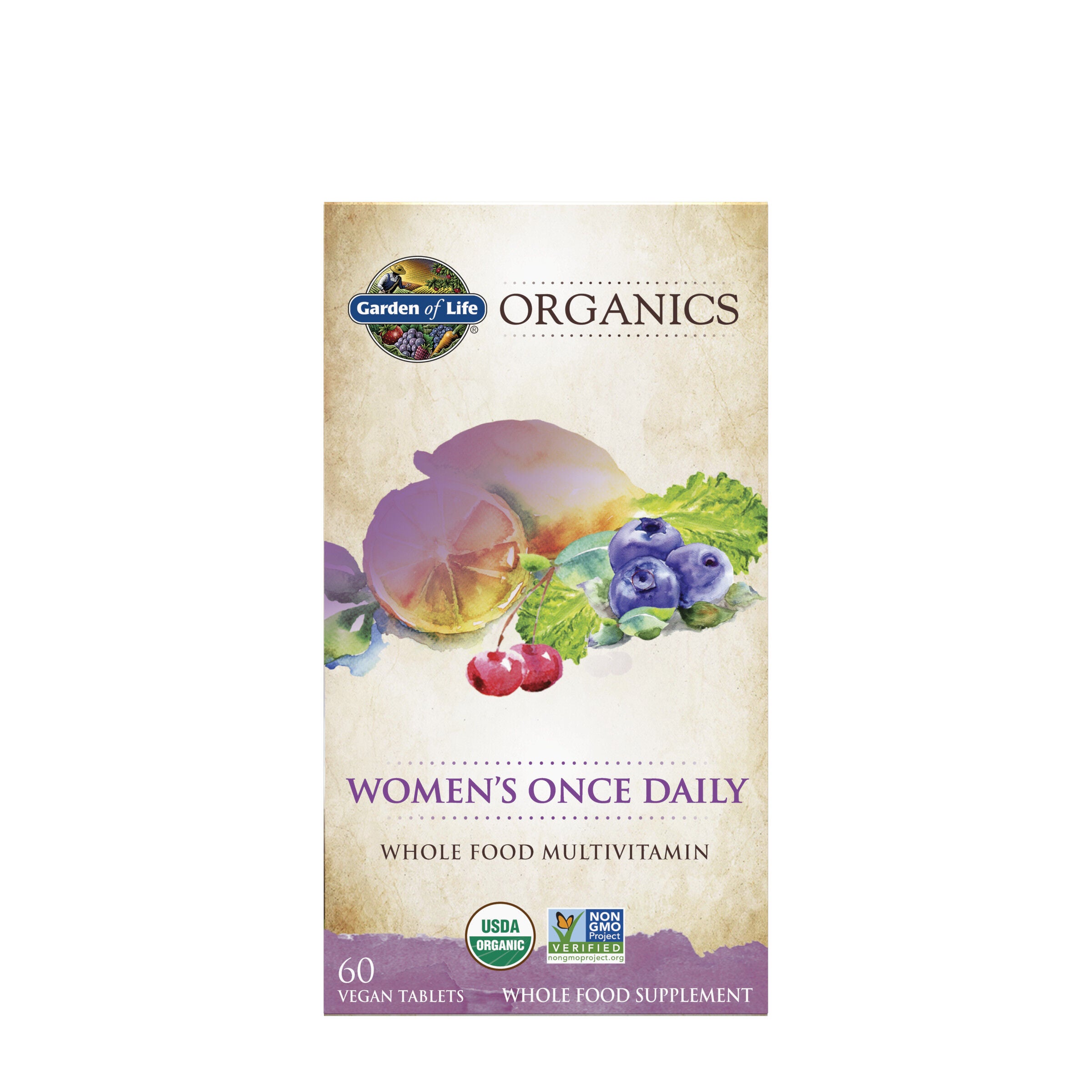
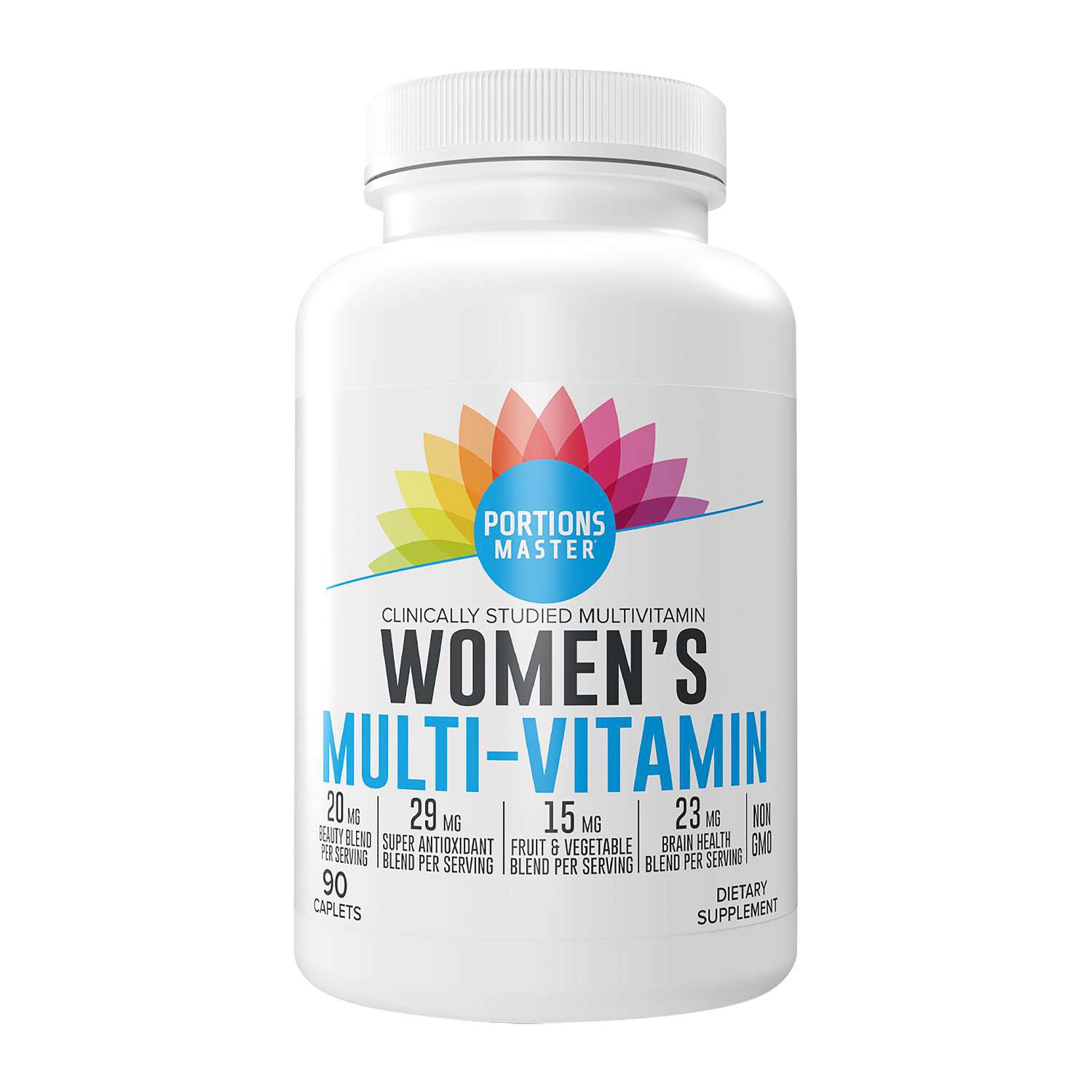


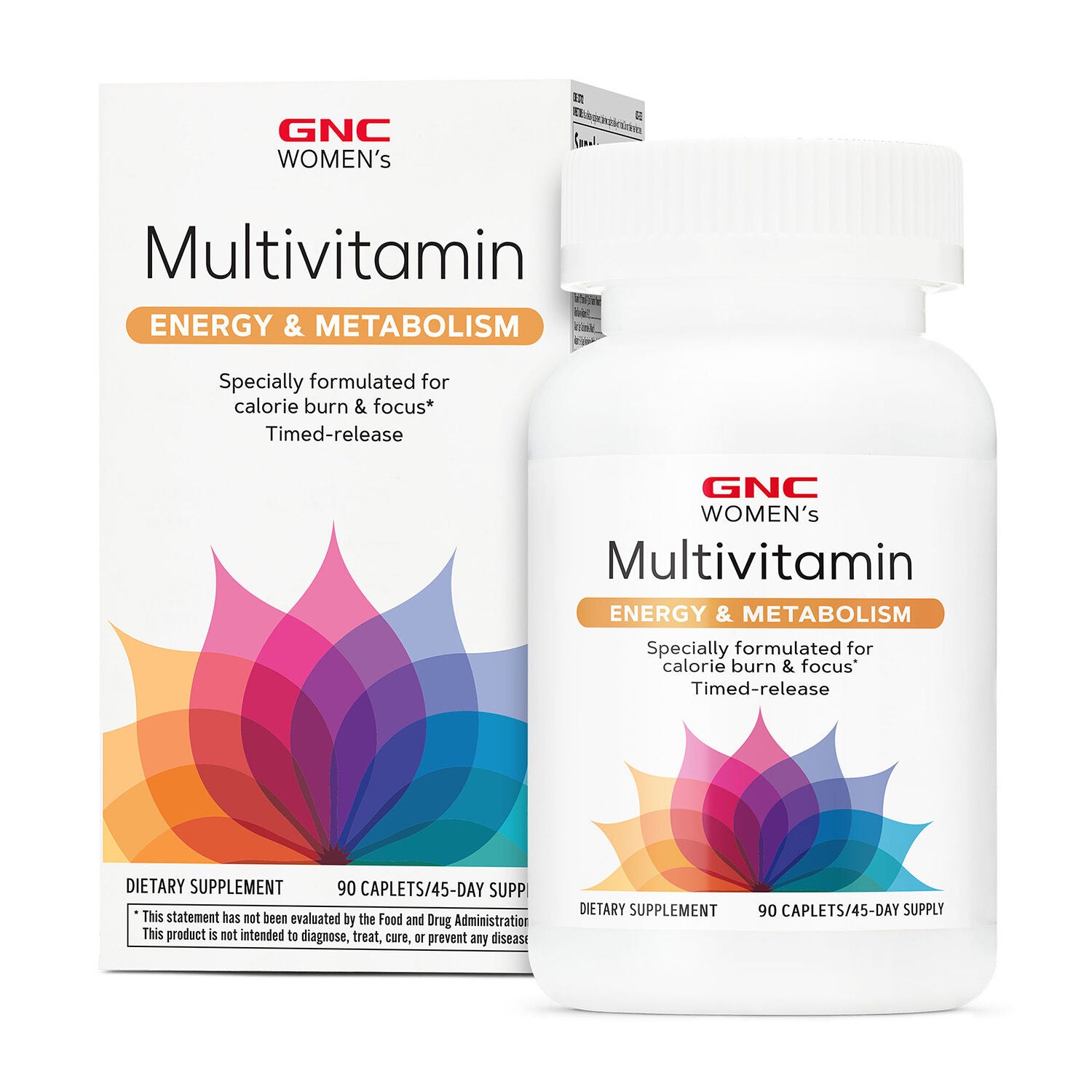


Multivitamins for stress are vitamin and mineral supplements intended for adults considering daily nutrition alongside busy schedules and occasional stress. These formulas often bring together several B vitamins, and some also include nutrients such as magnesium, vitamin C, vitamin D, or zinc. Certain blends contain botanical ingredients, while others keep the focus on vitamins and minerals. The category does not describe one standardized formula, so the ingredient panel matters more than the wording on the front of the bottle. A multivitamin may help supplement dietary intake, but it is not a substitute for varied meals, adequate rest, or time away from a demanding schedule. For someone balancing an early commute, back-to-back meetings, and evening responsibilities, the most relevant differences may be practical ones: the nutrients included, the number of tablets per serving, and how the suggested use fits an existing routine. Someone returning to school while working might prefer a straightforward formula with clearly listed amounts, while a frequent traveler might place more importance on a compact container and a familiar format. These are personal preferences rather than reasons to expect the same experience from every blend. B-complex supplements and multivitamins also deserve a distinction: a B-complex centers on the B-vitamin family, whereas a multivitamin generally includes a broader assortment of nutrients. Neither category tells the whole story without the label. Within multivitamins for stress, one formula might emphasize B vitamins, another might include a wider mineral selection, and another might add a separately identified botanical blend. Looking at that composition offers a clearer picture of the product than relying on category names alone. The useful starting point is a formula’s stated audience, its full ingredient list, and its intended place in a daily nutrition routine, rather than an expectation that a supplement will change the demands of everyday life.
Format is another meaningful part of comparing stress multivitamins, especially when a supplement is intended for regular use. Tablets, capsules, gummies, and chewables differ in size, texture, flavor, and serving count. A capsule may appeal to someone who prefers an unflavored option, while a chewable may suit someone who favors a flavored format. Gummies can have a softer texture, but their nutrient combinations and serving sizes can differ from those of tablets or capsules. The number of pieces in a serving deserves attention: one gummy, tablet, or capsule does not always represent the labeled serving. Bottle counts are most useful when read alongside that detail. Ingredient preferences also extend beyond the featured vitamins and minerals. Capsule shells may contain gelatin or plant-derived materials, while chewable formats may include sweeteners, colors, or flavoring ingredients. Shoppers with vegetarian preferences or particular ingredient exclusions can look for clearly stated attributes rather than making assumptions based on appearance. The Supplement Facts panel provides the nutrient amounts per serving and the corresponding Daily Values where established; the other-ingredients list describes components used to make the finished format. For mineral-containing formulas, the named ingredient form and the listed nutrient amount provide different pieces of information, so reading both can make comparisons more precise. Botanical ingredients deserve the same attention to detail, including whether individual amounts are listed or several ingredients appear together in a blend. Caffeine content, when present, is another distinction for shoppers comparing products positioned around busy routines. More ingredients do not automatically make a formula a better match, and a longer label is not a measure of personal suitability. Someone who prefers a short ingredient list may approach this category differently from someone seeking a broader combination. Age designations and other label directions further distinguish formulas, making them useful details to compare before focusing on flavor, bottle shape, or the visual presentation of the package.
The practical side of choosing a multivitamin continues after the label comparison. A bottle that fits neatly into a breakfast routine or a designated cabinet may be more convenient than a format that requires extra preparation. For someone who packs lunch before leaving home, checking the suggested use alongside that familiar habit may make the routine easier to organize. Others may prefer keeping the original container in one consistent location rather than transferring tablets or gummies into several smaller containers. Original packaging keeps the ingredient information, serving directions, lot details, and date marking together, which is useful when comparing a later purchase with an earlier bottle. Storage directions also deserve attention because formats respond differently to their surroundings. Moisture, direct sunlight, and excessive heat can affect a supplement’s condition, and gummies may become sticky or lose their intended texture when stored outside the stated conditions. A tightly closed container and storage that follows the package directions are practical considerations for preserving the product’s intended condition. Containers should remain out of reach of children, even when the contents resemble candy. For travel, the original label and a securely closed package keep the product information close at hand. Beyond these everyday details, shopping by intended use can reveal differences that are easy to miss when looking only at the front label. Shoppers exploring related nutritional priorities can also compare multivitamins for energy, with attention to the actual nutrient combinations rather than assuming that differently named categories contain entirely different ingredients. Some overlap is possible, particularly among formulas containing B vitamins, but serving sizes, additional ingredients, and audience designations can vary. The comparison remains grounded in what each label says. A thoughtfully chosen stress multivitamin may complement an established nutrition routine; its place is alongside everyday meals and personal habits, not in place of them. Clear labeling, a suitable format, manageable serving directions, and storage requirements that fit the household give this category a practical context beyond its name.
Best Sellers

Related Pages

Top Collections
- Daily Collagen Supplements | Top Brands & Deals | GNC
- Cortisol Supplements
- Top Rated Collagen | Shop Customer Favorites | GNC
- Vitamins For Hair Loss
- NAD+ Supplement Tablets
- Peptide Supplements
- Best Brand of Magnesium Glycinate
- Protein Powders For Muscle Growth Support
- Vitamins That Help Support Weight Gain
- Peptide Supplements for Muscle Growth