





Multivitamins For Improved Focus
(0 Results)
Discover a range of multivitamins for improved focus that could support your cognitive health and overall well-being. These specially formulated supplements might provide the nutrients needed to help you stay sharp and attentive throughout your day. Whether you're tackling work projects, studying for exams, or managing daily tasks, incorporating multivitamins into your routine may offer the extra support you need. Explore our selection to find the right blend that fits your lifestyle and nutritional needs.
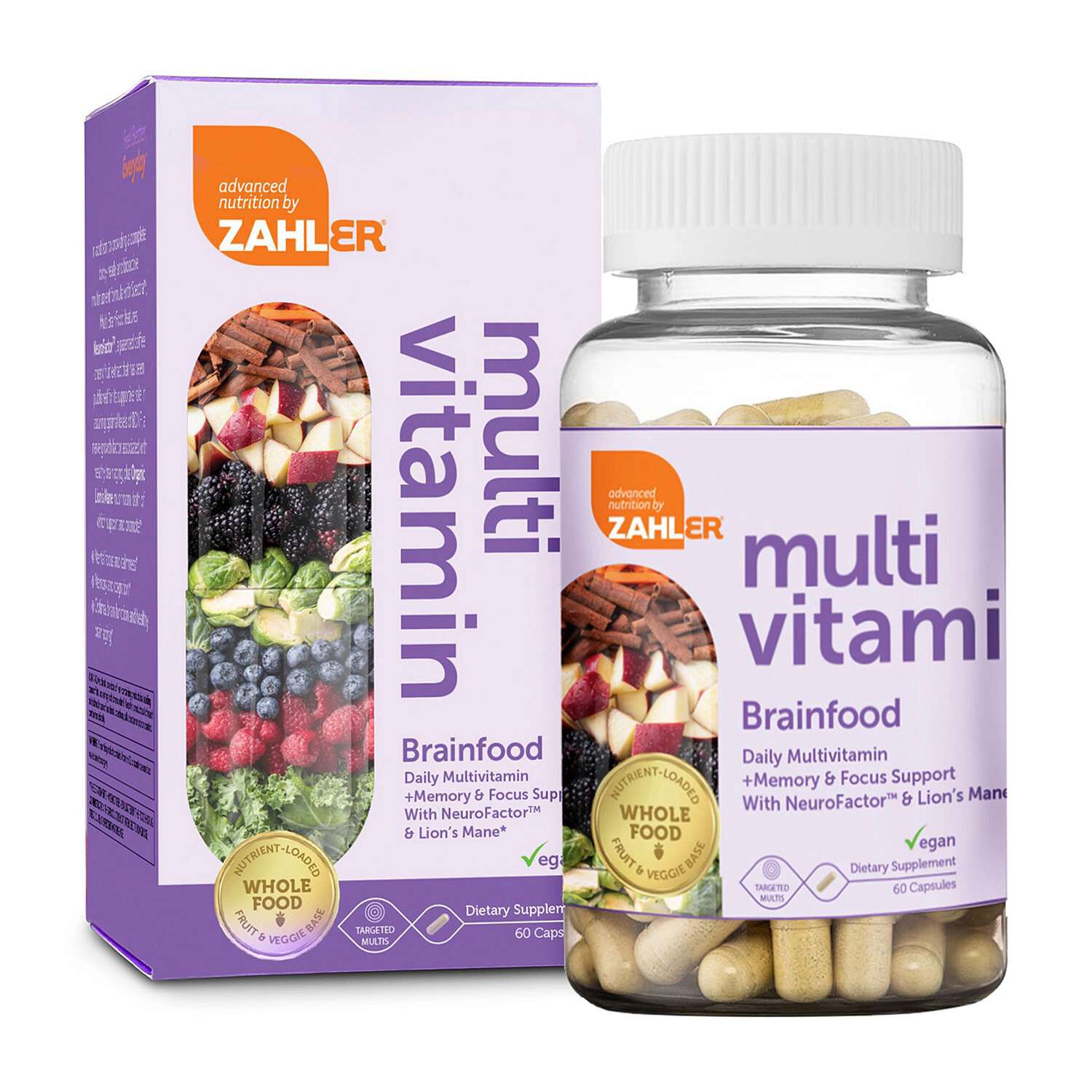


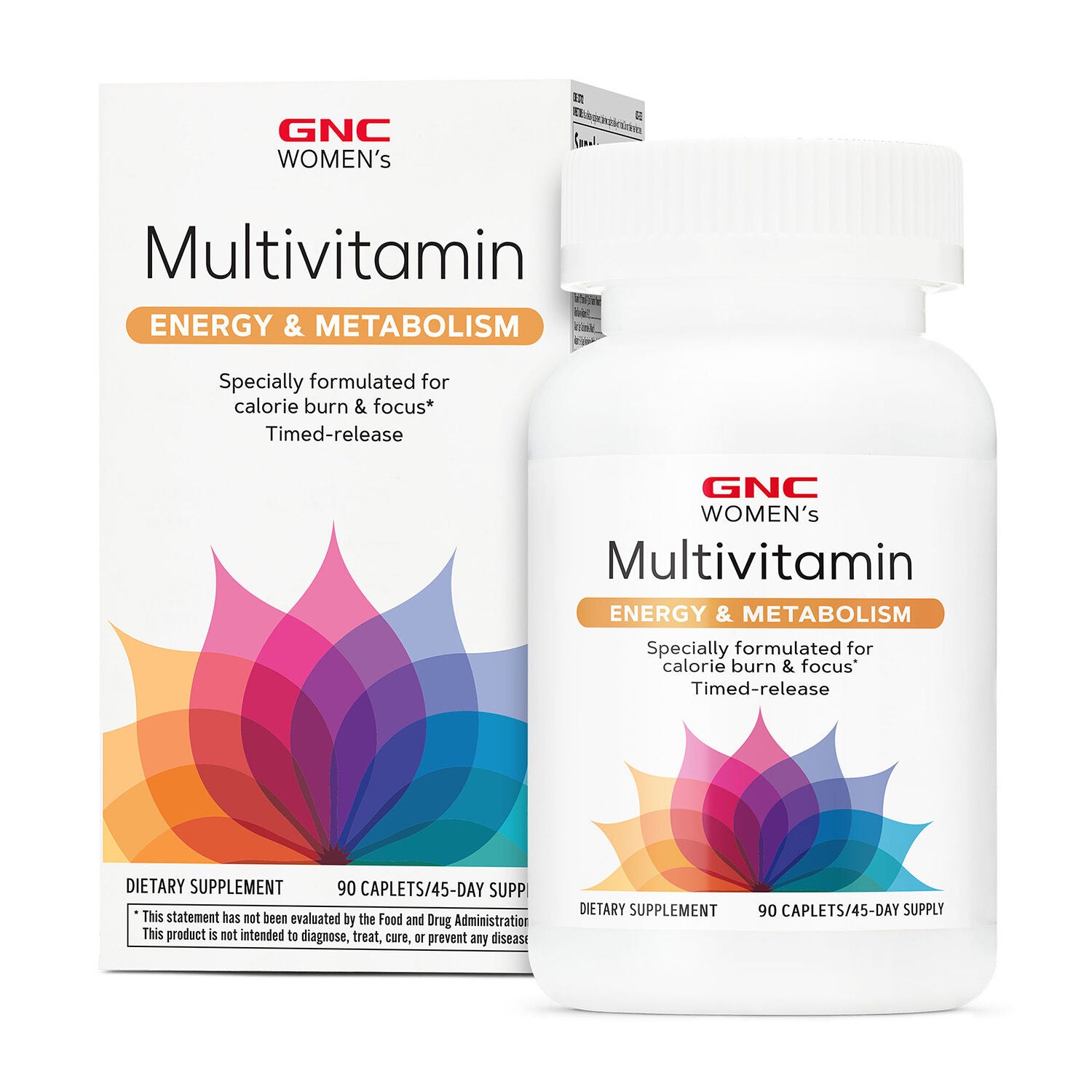
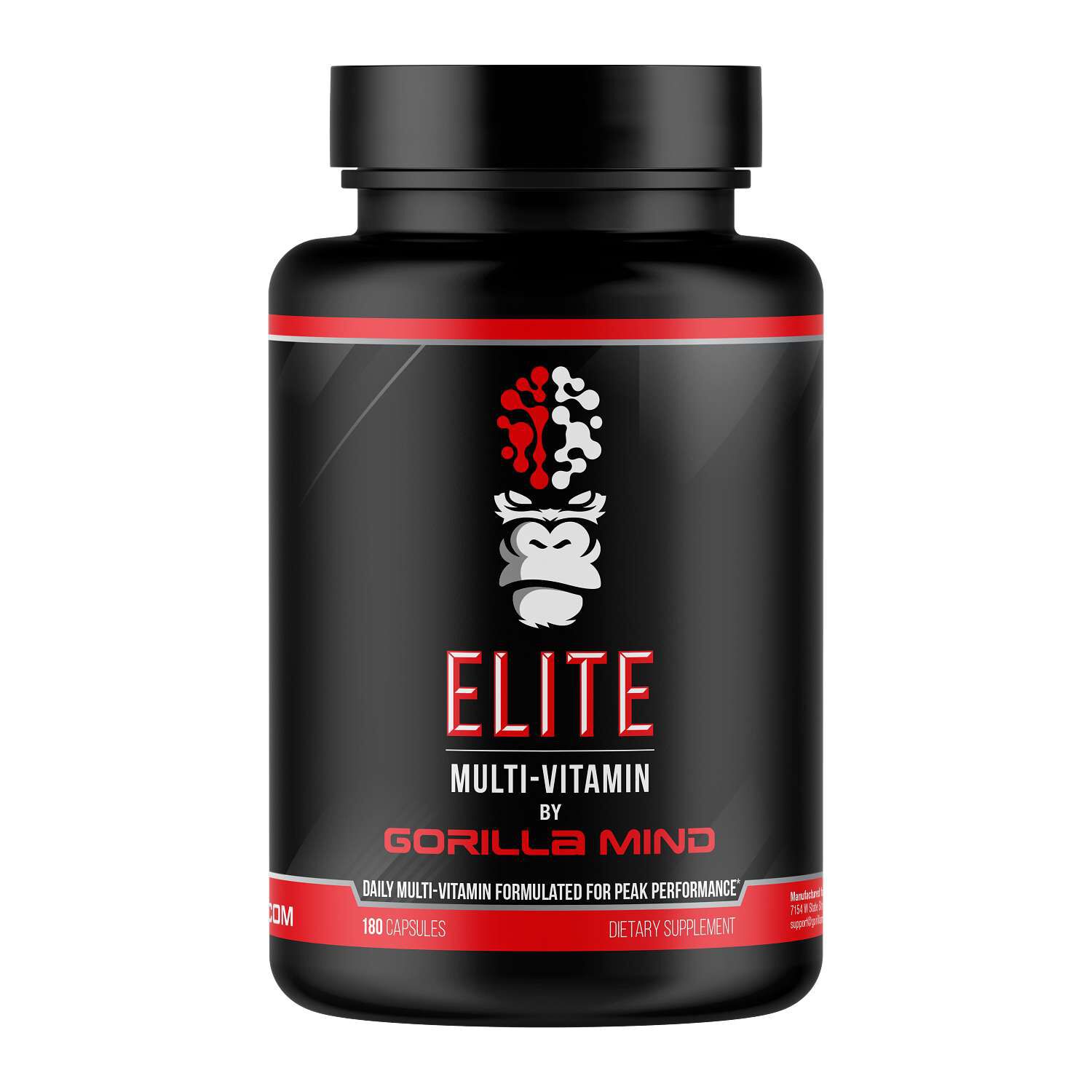

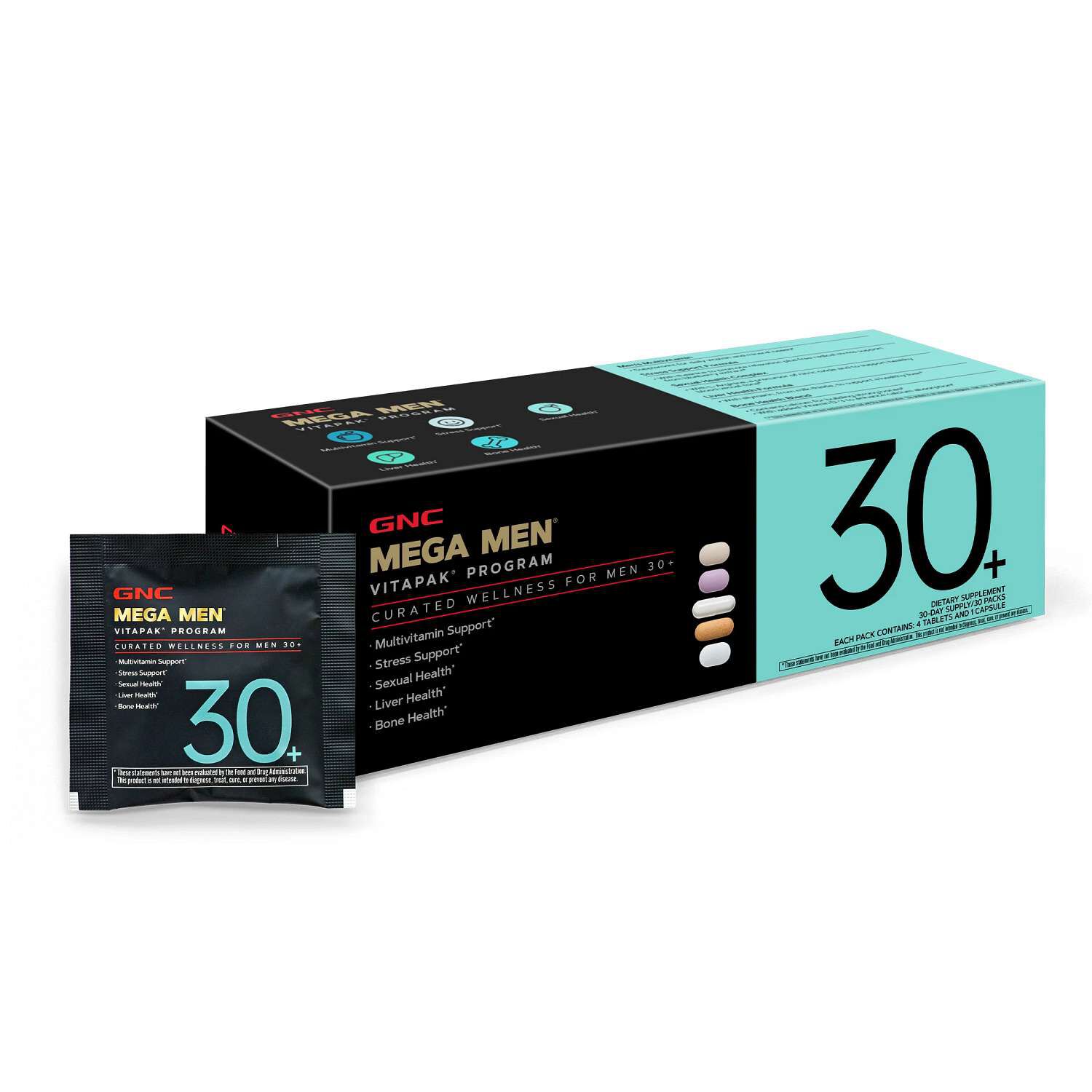

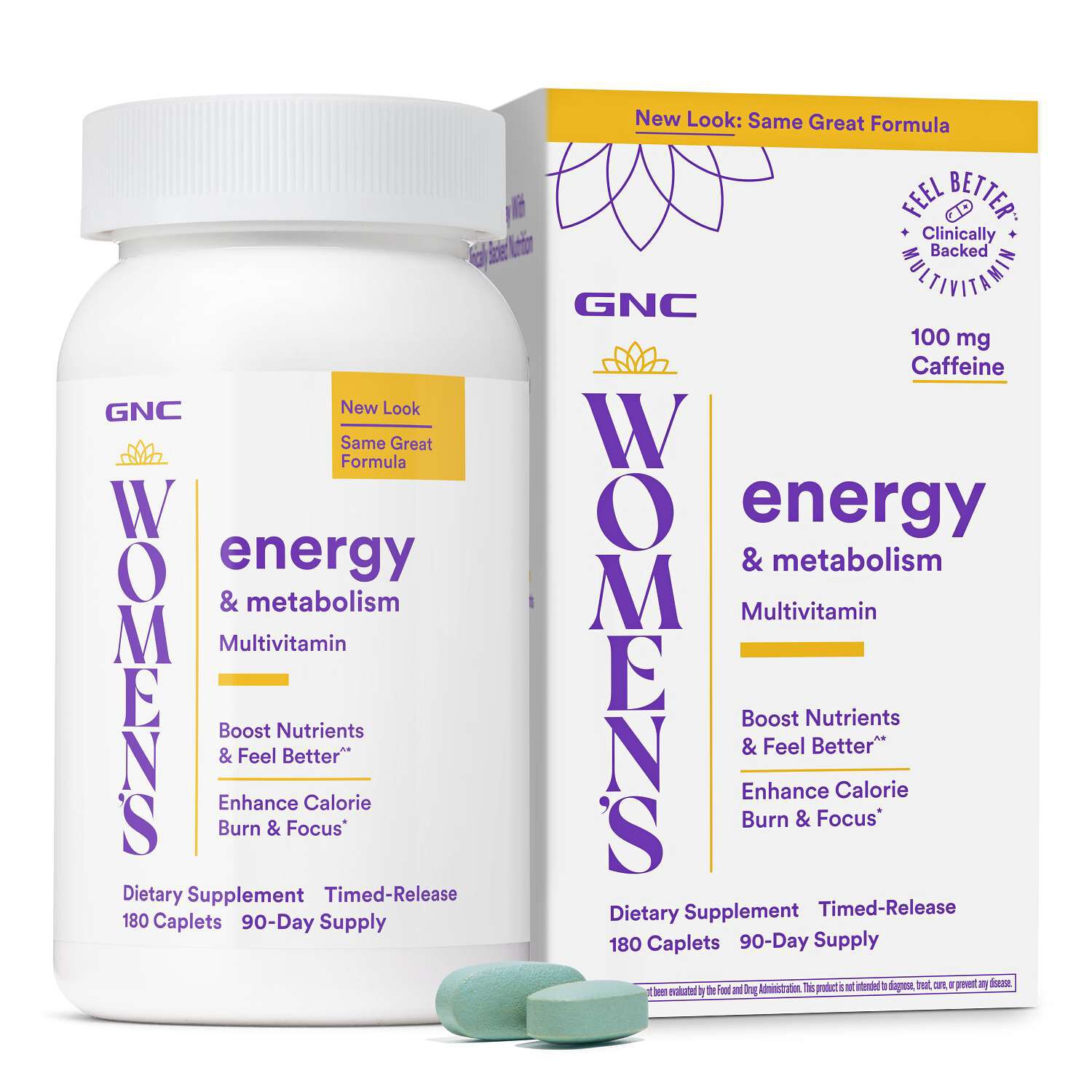


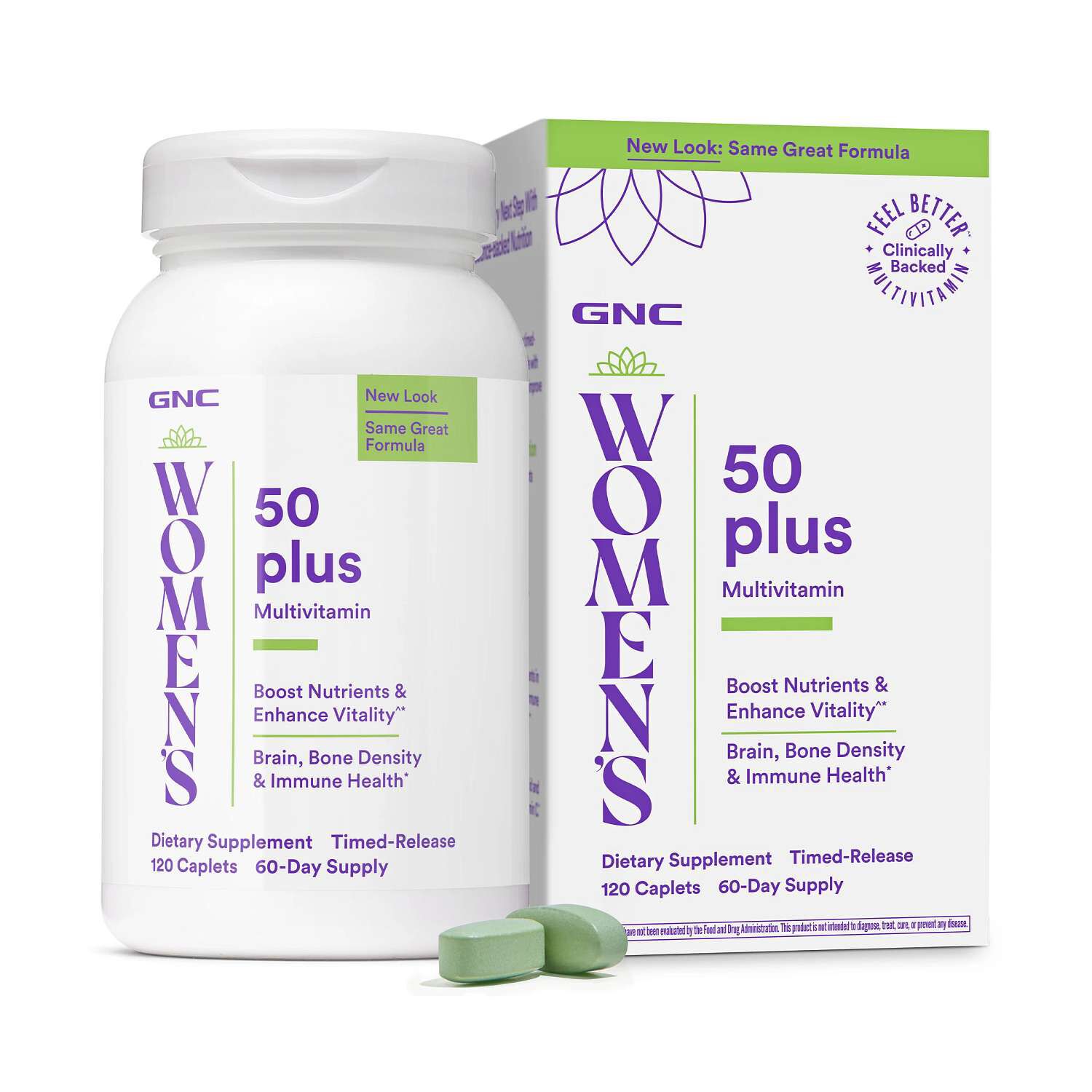



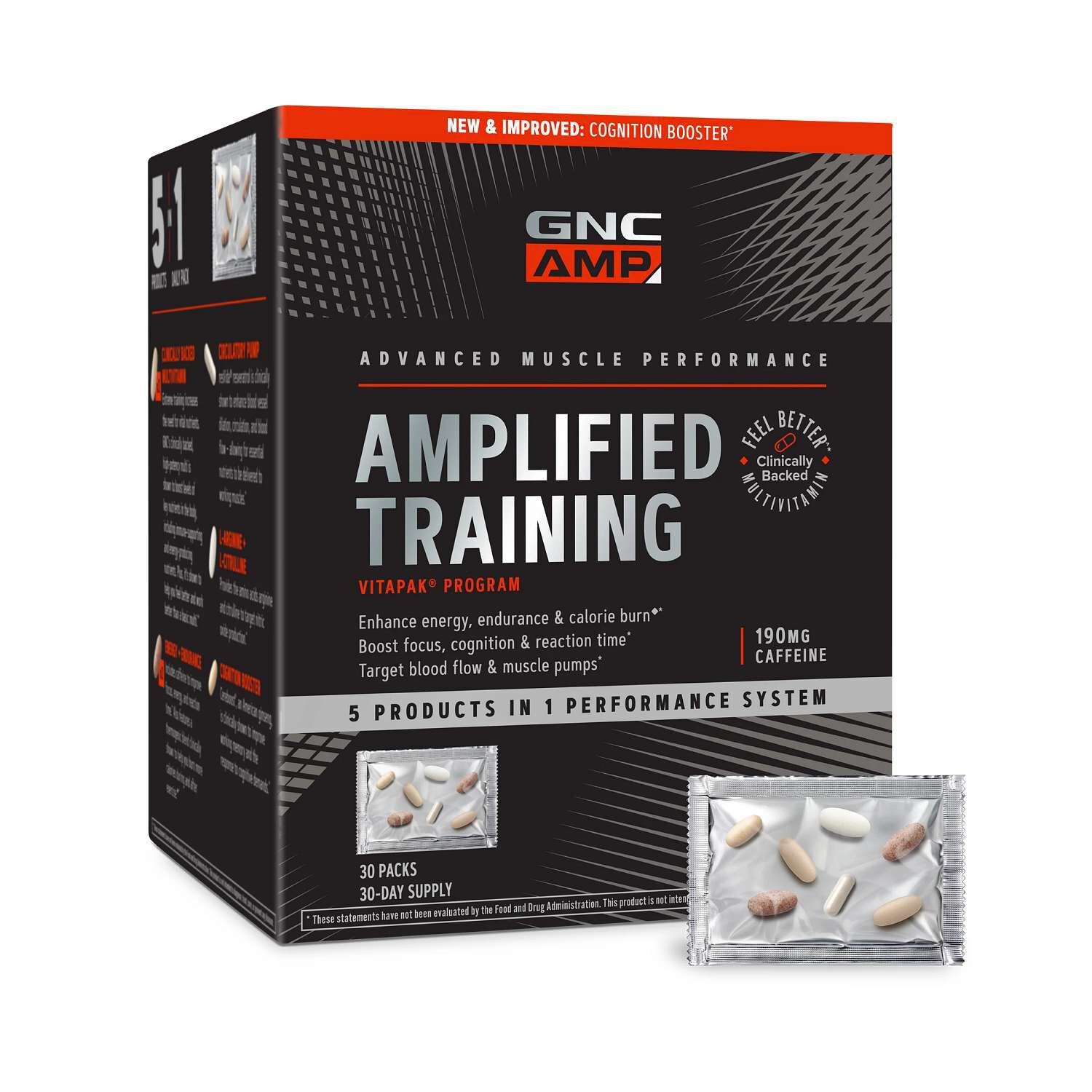
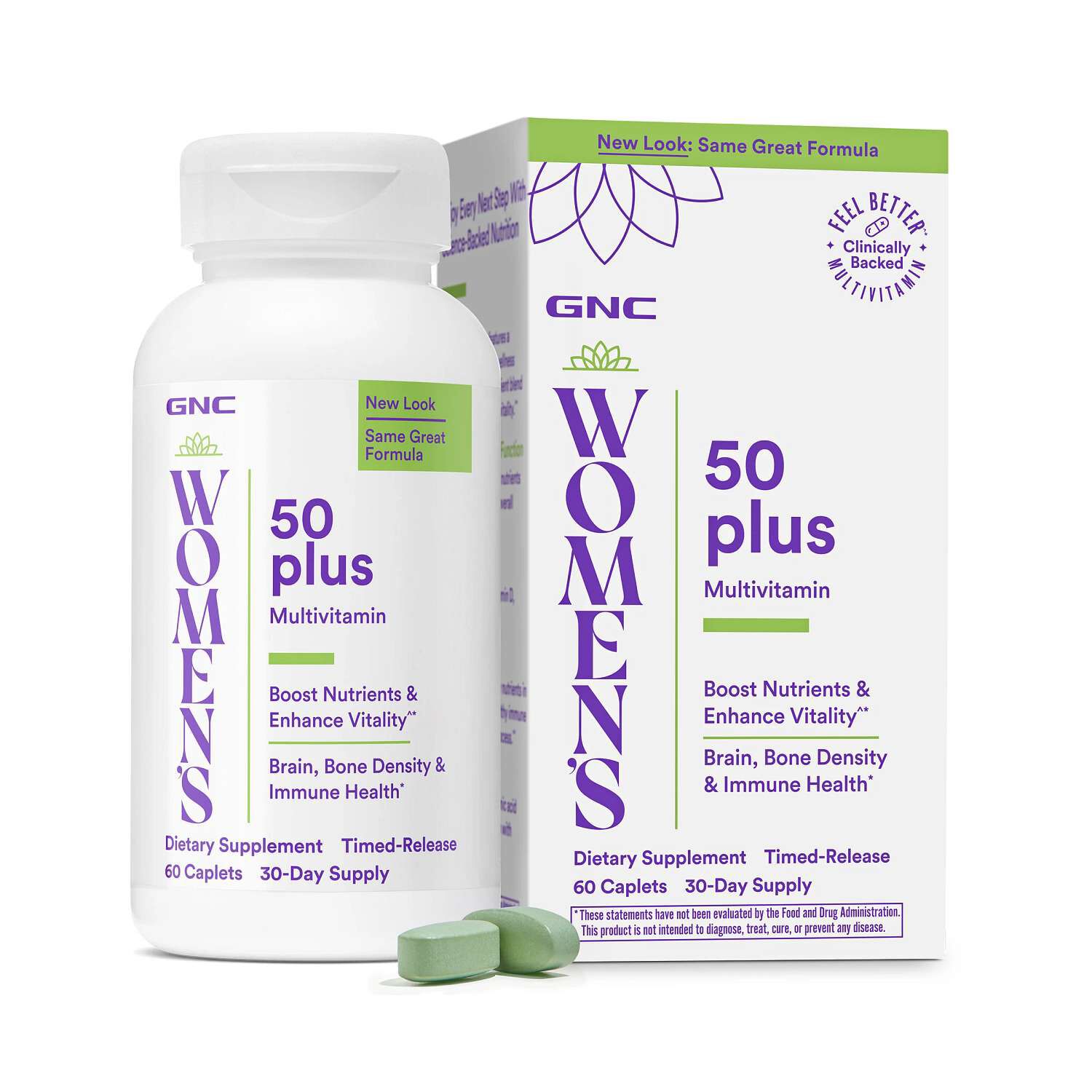
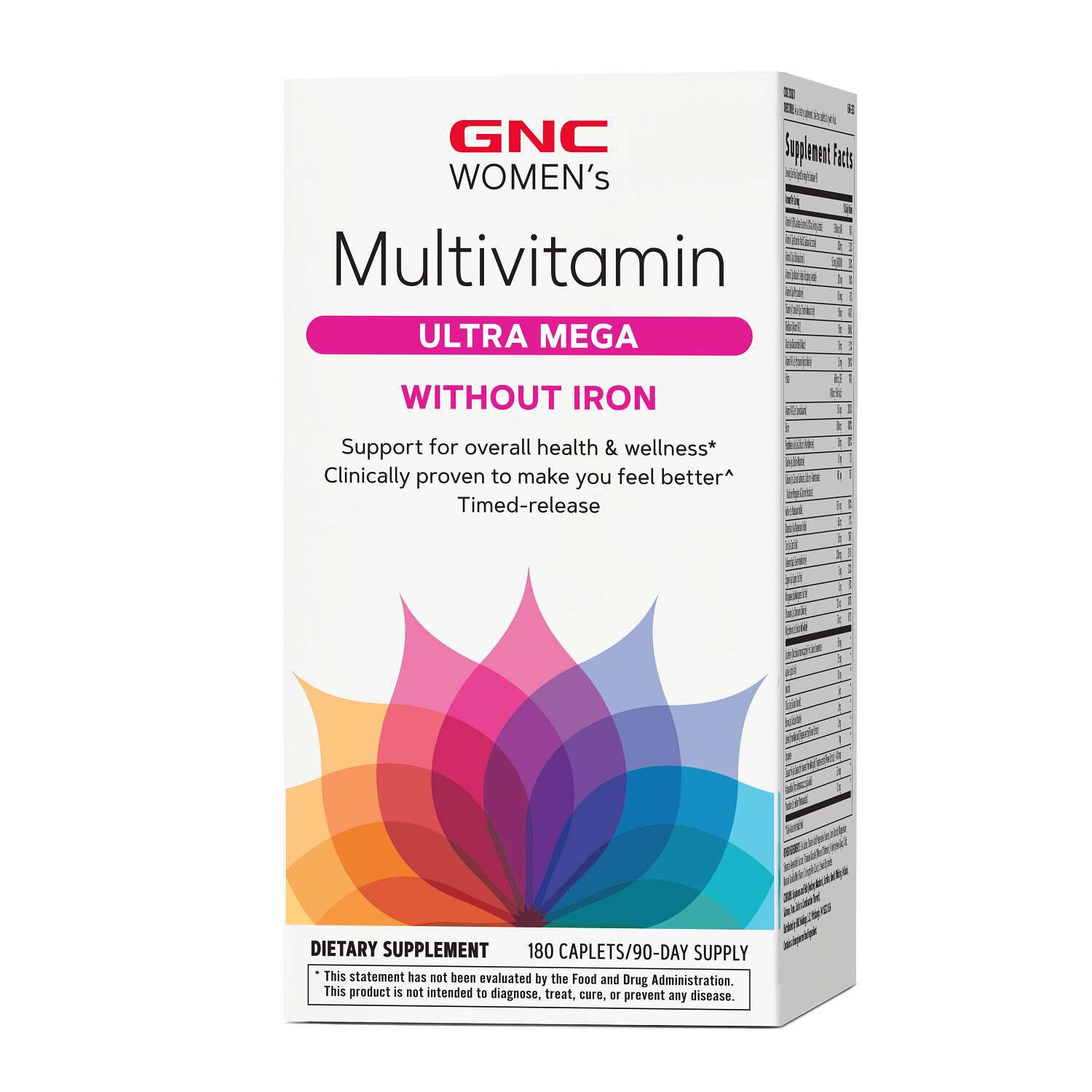
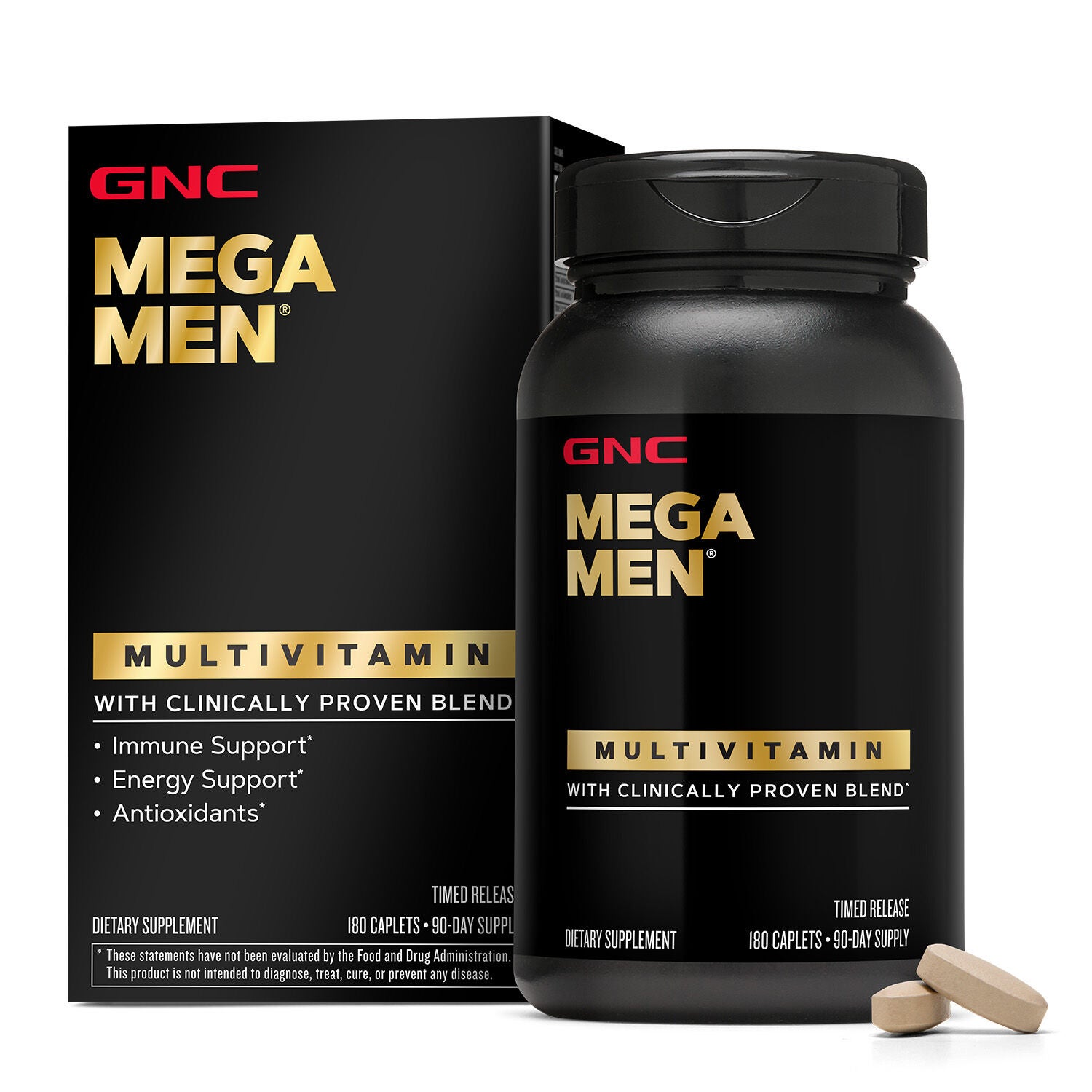


Multivitamins may help fill gaps in everyday nutrient intake, but evidence does not establish that they reliably improve focus in adults who already get adequate nutrition. That distinction matters when browsing multivitamins for improved focus: nutritional coverage and a noticeable change in concentration are not the same thing. Someone moving between meetings, reading lengthy assignments, or managing a busy household may be interested in both, yet a multivitamin label cannot predict how attentive that person might feel. These products generally combine vitamins and minerals in a daily serving, with ingredient choices and amounts that vary by formula. Some emphasize a broad nutrient mix, while others include additional ingredients associated with cognition or daily energy. Neither a longer ingredient list nor a larger nutrient amount is evidence of better concentration. Research also deserves context. Findings involving older adults, a particular dietary pattern, or a specific measure of memory do not automatically describe what a younger adult might experience while studying or answering emails. Memory, attention, and the ability to stay with a task are related concepts, but they are not interchangeable research outcomes. Likewise, research on an individual nutrient is not the same as testing the finished formula inside a bottle. A product may contribute nutrients that are less represented in someone’s usual meals without producing a noticeable difference in focus. The practical appeal of a multivitamin is often its format: several nutrients brought together in one labeled serving rather than purchased separately. For shoppers comparing this category, clear labeling and a manageable routine are more useful reference points than language suggesting sharper thinking on demand. Meals, sleep, workload, and the setting where someone reads or works remain part of the broader context. A demanding afternoon, on its own, does not reveal which nutrients someone needs or whether a particular formula might make a difference.
The Supplement Facts panel provides a more concrete basis for comparison than the wording on the front of the package. Common ingredients include B vitamins, such as B6, B12, and folate, alongside nutrients such as vitamin D and zinc. Their presence is worth noting, but familiar ingredient names should not be treated as proof of a focus benefit. Check the serving size before comparing amounts: one formula may list its nutrients per tablet, while another lists them per two capsules or several gummies. The amount in a single piece can therefore tell a different story from the amount in the labeled serving. Daily Value percentages provide another reference point, although a higher percentage does not establish that a product is better suited to concentration. Formulas also differ in which minerals they contain, whether they include iron, and whether they add botanicals or caffeine beyond the vitamin and mineral blend. Those differences can be easy to overlook when two bottles use similar language about everyday performance. A straightforward multivitamin and a formula with added ingredients are not necessarily equivalent shopping choices. The other ingredients list adds detail about the product’s construction, including capsule materials, tablet coatings, flavors, colors, and sweeteners. Capsules may use gelatin or plant-derived shell materials, while gummies may use gelatin or pectin. Dietary preferences can make these distinctions important even when the nutrient panels look similar. Format is another practical consideration. Tablets vary in dimensions and coatings; capsules have their own shape and texture; chewables and gummies introduce flavor and serving-count considerations. Powdered or liquid formats involve measuring and may have different storage directions. None of these formats, by itself, demonstrates a greater effect on attention. Their differences are about the product experience and the way a labeled serving fits into daily life. When an independent testing mark appears on a package, the scope of that program also matters: an assessment of ingredient identity or manufacturing quality is different from evidence that a formula improves concentration.
Intended use helps bring these details together. An adult shopping for a broad daily multivitamin may prioritize a different nutrient profile from someone comparing formulas labeled for a particular age group or life stage. The label’s intended audience is therefore more informative than a general association with productivity. Daily routines vary just as much. A person who eats breakfast at home may prefer a bottle that stays in one designated place, while someone who travels often may place more importance on a securely closing container and clear, readable directions. For a chewable format, texture and flavor are part of the everyday experience; for a tablet or capsule, dimensions and the number of pieces per serving may matter more. These are practical differences rather than indicators of a stronger focus effect. Packaging and care deserve attention as well. Keep the original label accessible, follow the package’s storage directions, and check whether a liquid requires refrigeration after opening. A tightly closed container and protection from the conditions identified on the label are relevant throughout the product’s labeled shelf life. Expiration information and any directions specific to the format belong in the comparison alongside ingredients and serving size. Shoppers exploring adjacent interests can also browse Multivitamins For Energy, while keeping in mind that energy and attention describe different experiences. Feeling ready for a full schedule is not the same as concentrating on a detailed spreadsheet or remembering the main points of a chapter. Category names can organize a selection, but the nutrient panel, additional ingredients, intended audience, and serving format explain the actual product more clearly. For multivitamins associated with focus, a grounded comparison centers on those tangible details rather than an expectation of immediate mental sharpness. The result is a more informed way to browse: understanding what each formula contains, recognizing what the evidence does and does not show, and considering whether the product’s everyday format matches the routine it is intended to accompany.
Best Sellers
Related Pages

Top Collections
- Joint Mobility Supplement Packs
- Daily Collagen Supplements | Top Brands & Deals | GNC
- GLP 1 Support For Adults
- Zinc Supplements | Top Brands at Great Prices | GNC
- Supplements For Yoga Joint Flexibility
- Supplements For Balance
- Capsule Supplements For Energy And Stamina
- Adult Mobility Supplements
- Chronic Fatigue Supplements
- Vitamins For Hair Loss