Strong Herb Capsules
(0 Results)
Strong herb capsules offer a convenient way to incorporate beneficial botanicals into your daily routine. With a variety of herbal blends available, these capsules may support your wellness goals and fit seamlessly into an active lifestyle. Explore strong herb capsules to discover options that could align with your unique needs and preferences.
-
-

-
-

-

-
-

-

-
 185$24.99
 -
-
-

-
-

-

-

-

-

-
-
-
-
-
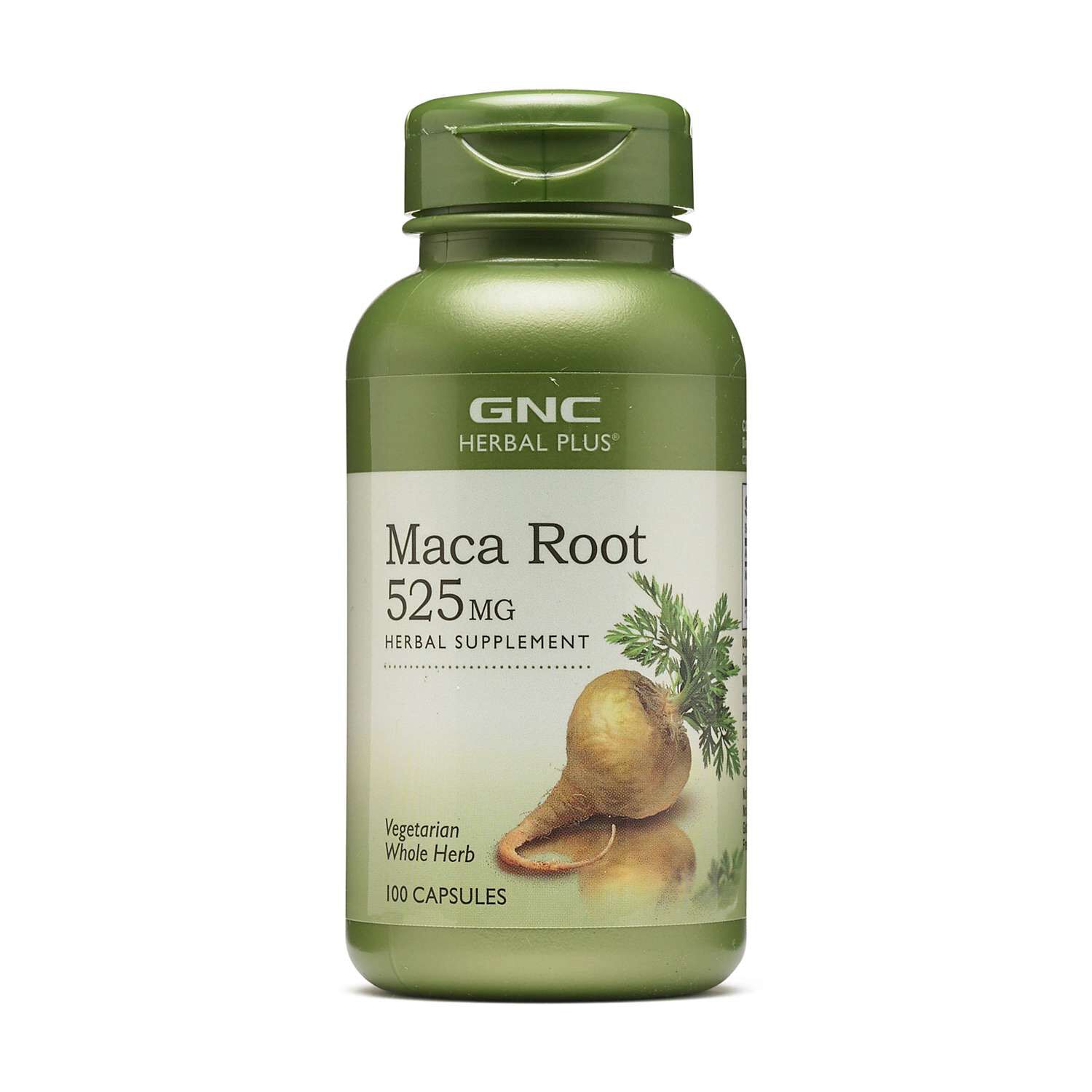

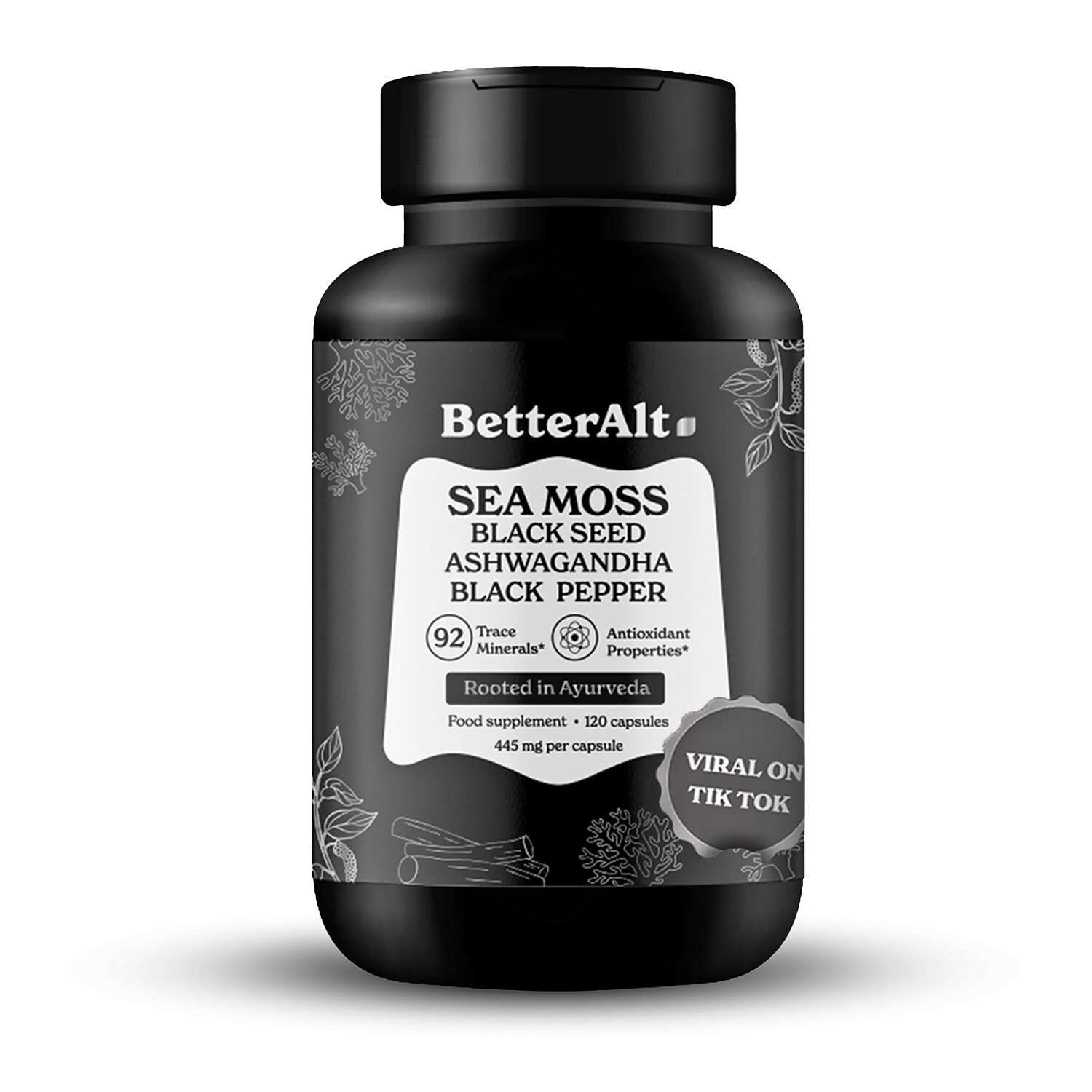
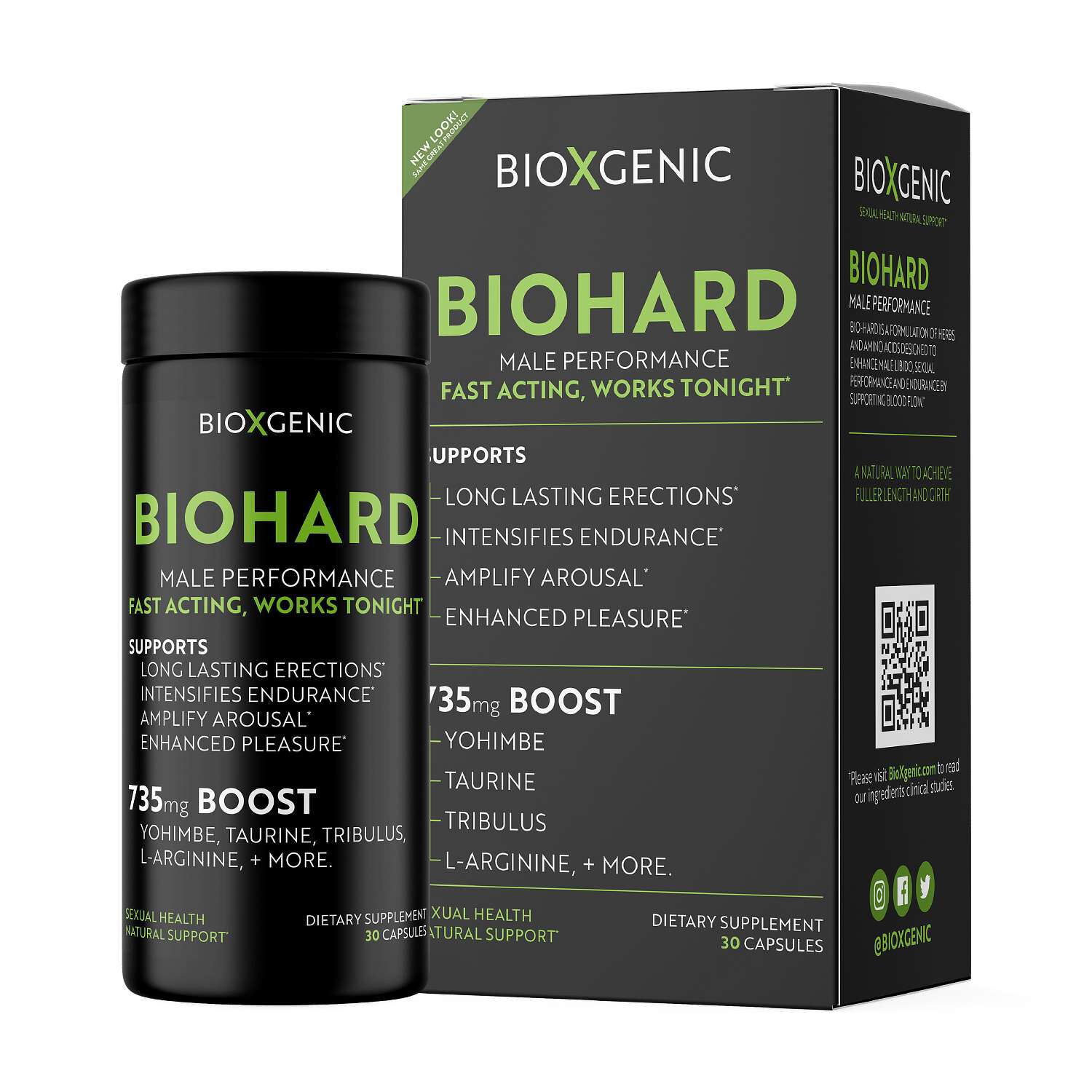
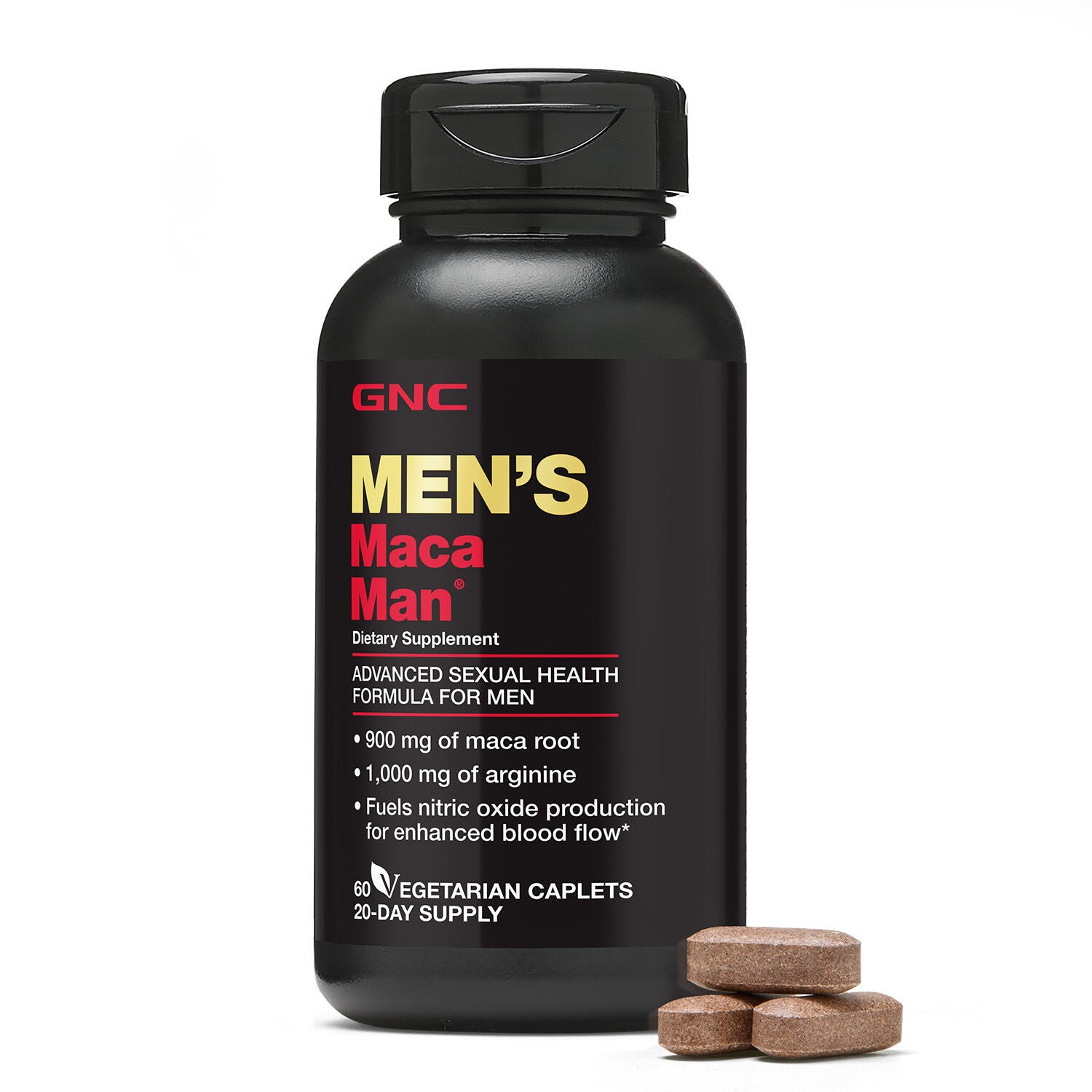
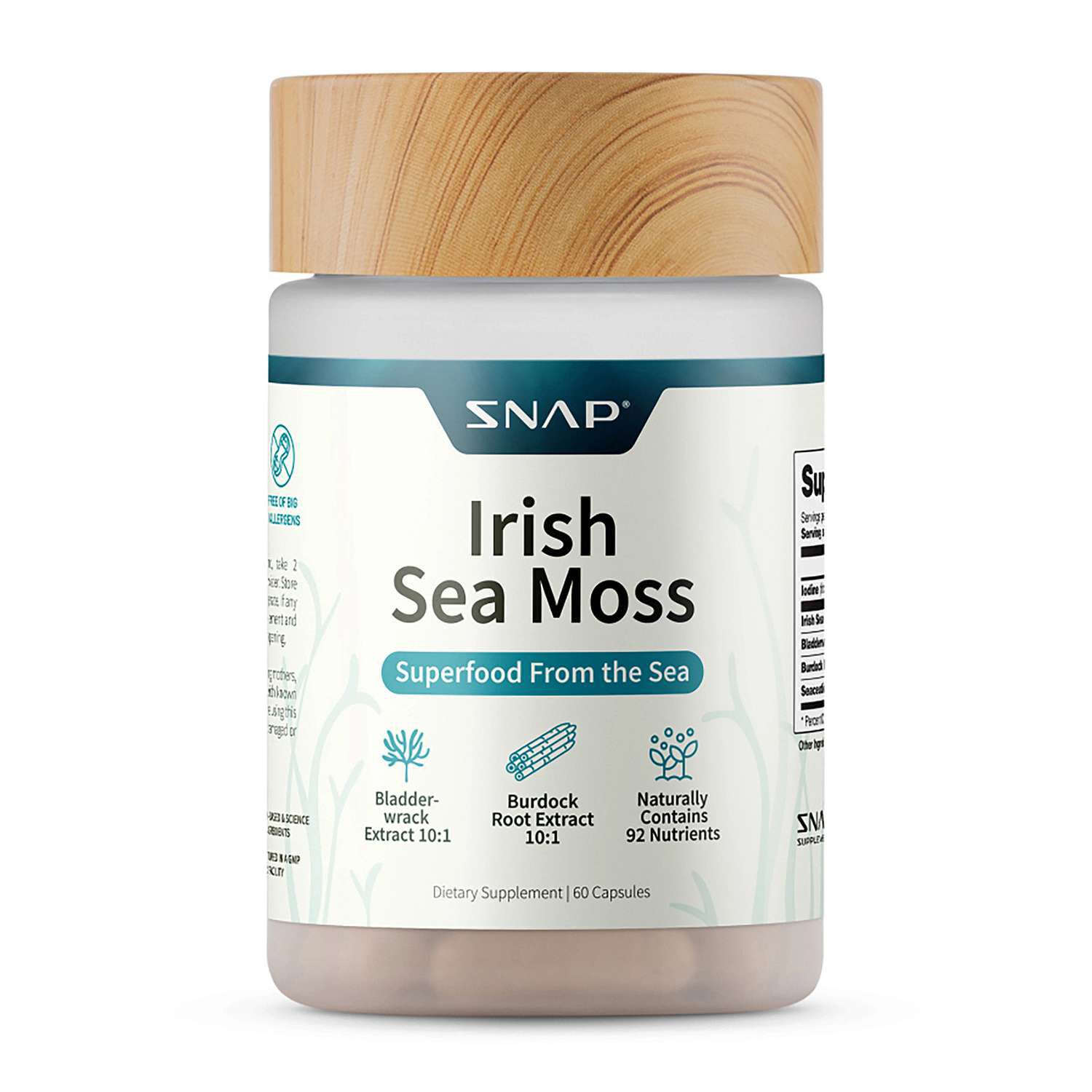
Strong herb capsules bring together botanical ingredients in a measured, enclosed format, but the word “strong” alone does not explain what is inside a bottle. A meaningful comparison starts with the herb’s identity, the part of the plant used, its preparation, and the amount listed per serving. Roots, leaves, flowers, seeds, and bark can have different chemical profiles, even when they come from the same plant. A whole-herb powder generally consists of dried botanical material that has been milled, while an extract is made by drawing selected constituents from that material through a processing method. Neither description, on its own, establishes that one capsule is a better match than another. Standardized extracts are formulated to contain a stated amount or proportion of selected botanical compounds; that information describes composition rather than establishing a particular outcome. An extract ratio, such as 4:1, describes the relationship between the starting botanical material and the resulting extract, not a simple multiplier of how well a product might work. Extraction methods and the compounds being measured also matter, so ratios from different herbs are not interchangeable measures of potency. For shoppers comparing strong herbal capsules, these distinctions are more useful than an especially large number on the front of a package. The Supplement Facts panel adds another important piece of context: an amount may apply to a serving of two or more capsules rather than to one capsule. A bottle with fewer milligrams per capsule might still list a larger amount per serving, depending on its serving size. Reading those details together creates a clearer picture of the formula without assuming that a greater quantity means a better experience. Botanical names, plant parts, extract descriptions, and clearly stated serving information give substance to an otherwise broad strength description. They also make it easier to compare similar preparations instead of treating every herbal capsule as though it contains the same kind of ingredient.
The choice between a single-herb formula and a botanical blend adds another layer to that comparison. Single-herb capsules place one botanical at the center of the formula, though the ingredient list may also include the capsule shell and materials used in manufacturing. Blends bring several botanicals together, sometimes as powders, sometimes as extracts, and sometimes as a combination of both. A longer ingredient list does not automatically indicate greater potency or a more suitable formula. What matters for a clear comparison is how much information the label provides about each component. Some blends list individual botanical amounts; others give one combined amount for a proprietary blend. Those formats offer different degrees of visibility into the contents of each serving. For someone comparing two bottles side by side at a kitchen counter, noting the plant part and preparation beside each ingredient can reveal differences that similar front labels leave unclear. The capsule itself deserves attention, too. Shell materials commonly include gelatin, cellulose-based materials, or pullulan, and the source of the shell matters to shoppers with particular dietary preferences. A plant-based shell does not, by itself, describe every other ingredient in the formula, so the full ingredient statement remains relevant. Added materials may help powdered ingredients move consistently through manufacturing equipment or maintain their intended form inside the capsule. Their presence is not a useful shortcut for judging overall quality; clear identification is more informative than broad assumptions about a short or long ingredient list. Organic certification and non-GMO labeling address particular sourcing or production attributes, rather than demonstrating greater strength. Likewise, a statement about testing is most informative when it identifies what was evaluated, such as botanical identity, composition, or unwanted contaminants. Details about testing scope and the organization performing it offer more context than a general quality phrase. For shoppers whose browsing also centers on stamina-oriented botanical categories, Herbal Stamina Capsules provides a related category to explore, with the same attention to ingredient identity, preparation, and serving information.
Everyday fit is another practical consideration for herbal capsules, separate from their botanical composition. Capsules suit a different routine than loose powders, steeped herbs, or liquid preparations: there is no powder to measure into a smoothie and no tea to prepare. That format may appeal to adults who prefer a measured supplement format, have limited space for preparation, or simply want their botanical choices organized alongside other everyday purchases. Capsule dimensions, shell texture, and the number included in a labeled serving all shape that experience. A compact bottle is not necessarily a small-capsule option, and bottle count is not the same as the number of servings. For example, a bottle containing 60 capsules and listing two capsules per serving represents 30 labeled servings. That straightforward distinction helps shoppers understand the package without relying on its size or appearance. Intended use belongs in the comparison as well: general botanical supplements, single-herb extracts, and blends organized around a particular wellness interest are not interchangeable merely because they share a capsule format. The package’s stated purpose should be read alongside its actual contents, rather than used as a substitute for them. Care and storage are similarly tied to the individual package. Original containers preserve access to serving information, ingredient details, lot codes, and printed dates, while closure design and any enclosed moisture-control materials are part of the packaging system. Storage directions identify the conditions intended for that formula; a bottle left uncapped beside a steamy sink is a different setting from one kept closed in an appropriate storage space. Capsules are not durable goods, so package integrity, protection from moisture and direct light, and the printed date are more relevant than notions of long-term wear. For a thoughtful personal purchase, the strongest comparison brings these practical details back to the botanical information: a clearly identified herb, a preparation that is accurately described, an understandable serving size, and a capsule format that fits the shopper’s preferences. Together, those attributes make strong herb capsules easier to evaluate on concrete details rather than on the strength of the name alone.
Best Sellers
-
 Yemaya Organics
 -
BetterAlt
-
Yemaya Organics