

Sugar Free Vitamins
(0 Results)
Discover a wide selection of sugar-free vitamins to support your health and wellness goals. Whether you're looking to boost your immune system, increase energy levels, or simply fill nutritional gaps in your diet, our range of sugar-free vitamin options has you covered. With various formulations tailored to different needs, finding a suitable supplement to complement your lifestyle has never been easier. Say goodbye to added sugars and hello to a healthier you with our sugar-free vitamins.
-
 $15.99
 -
 $15.99
 -
 $15.99
 -
 $15.99
 -
 $15.99
 -
 $14.99
 -

-
-

-

-
-
-

-


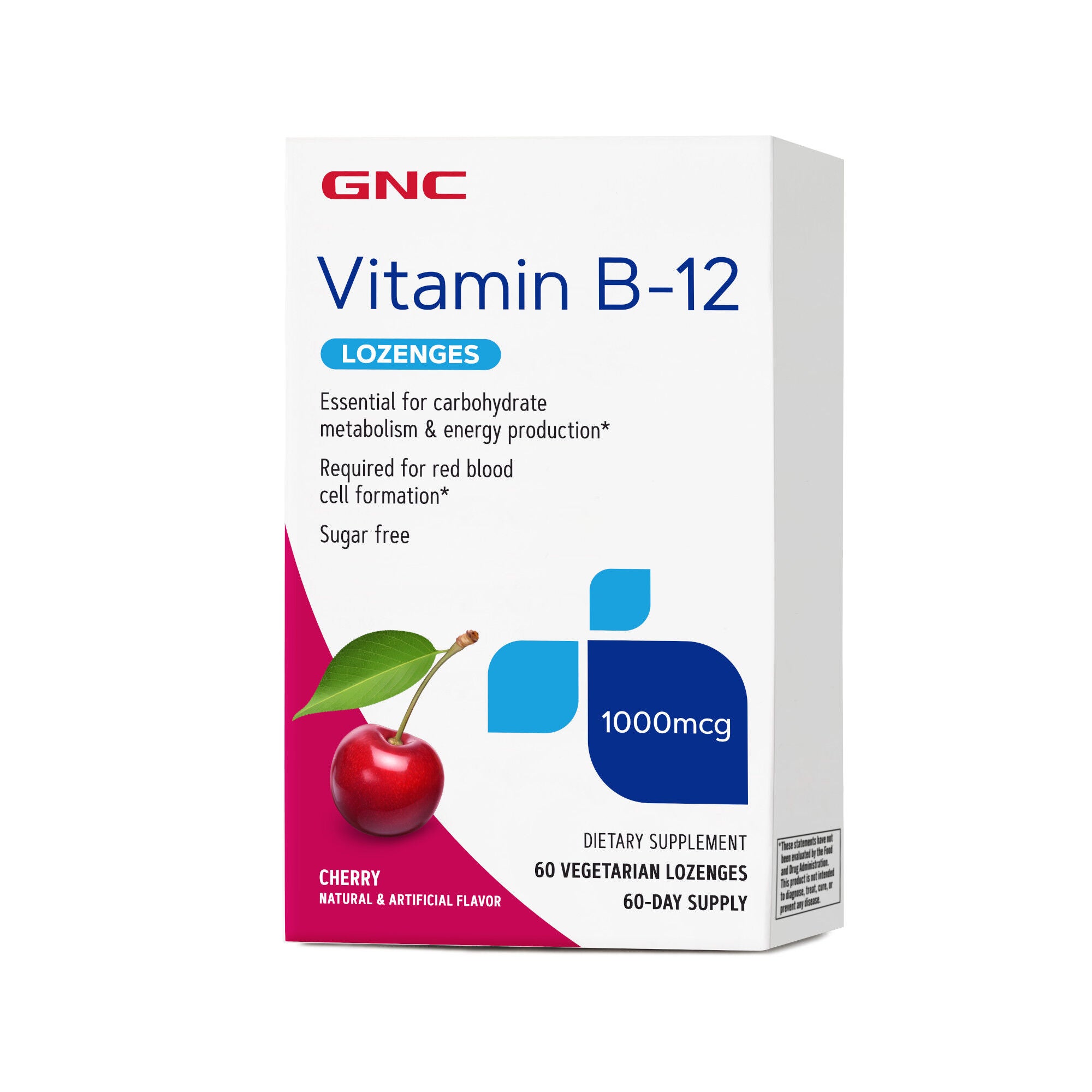
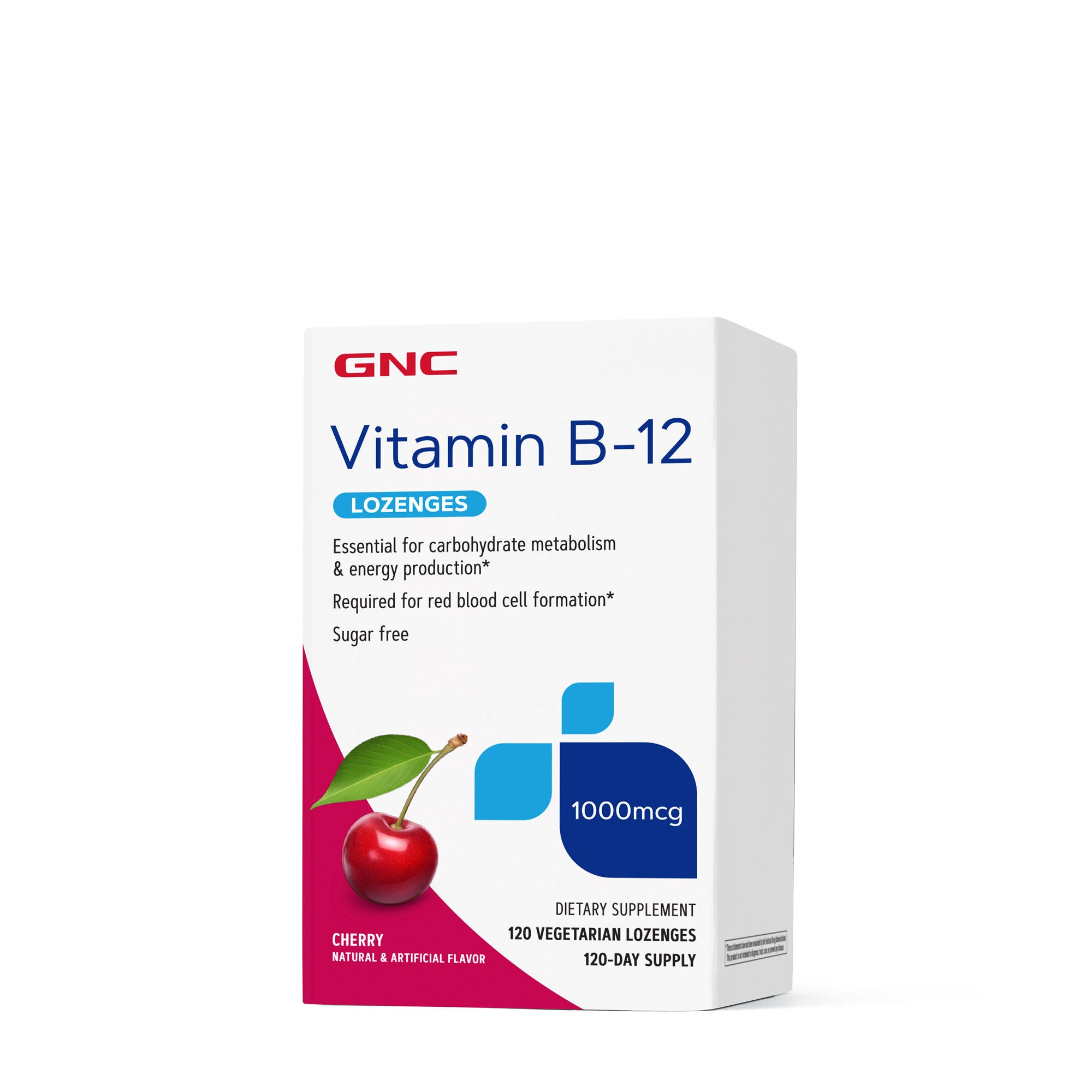

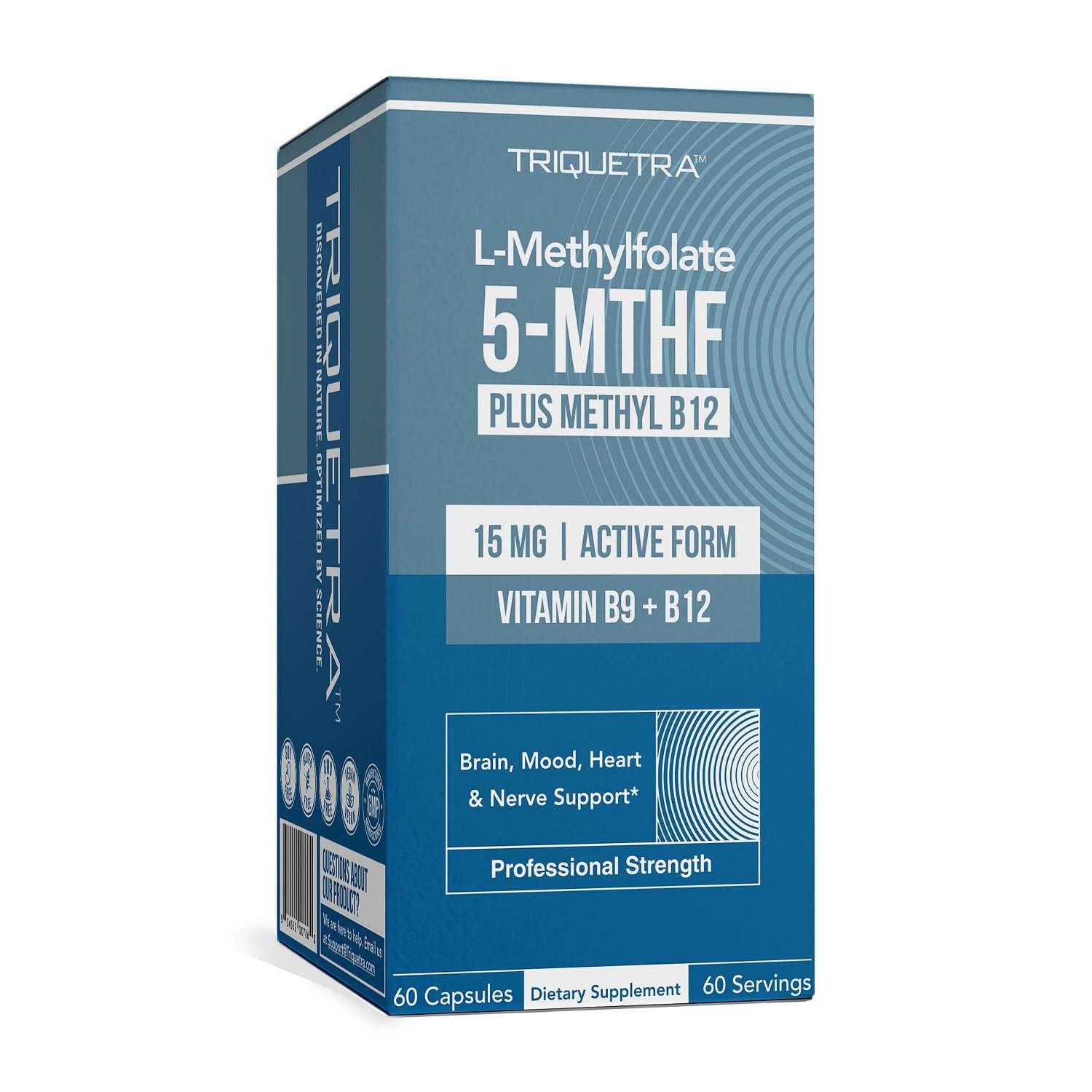
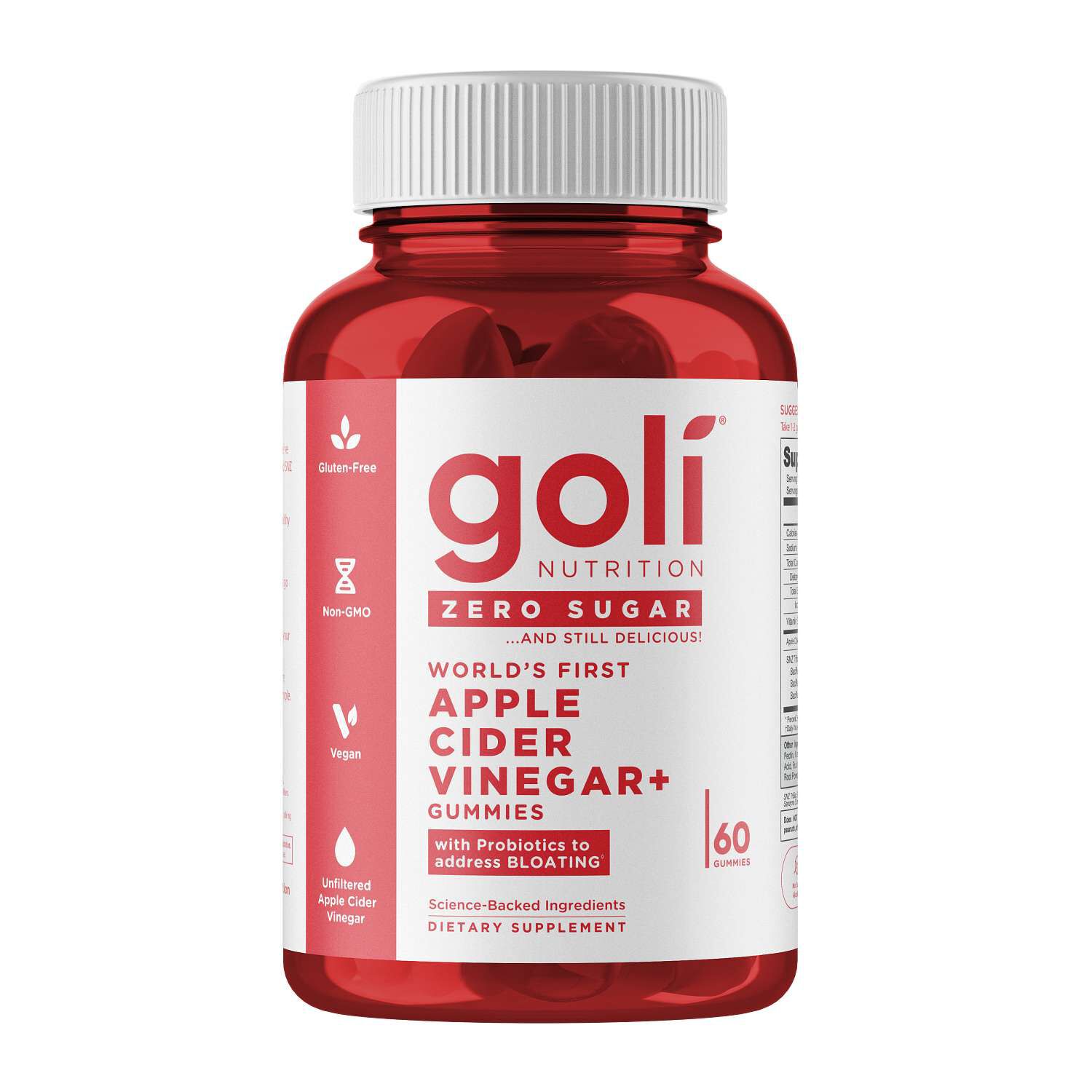
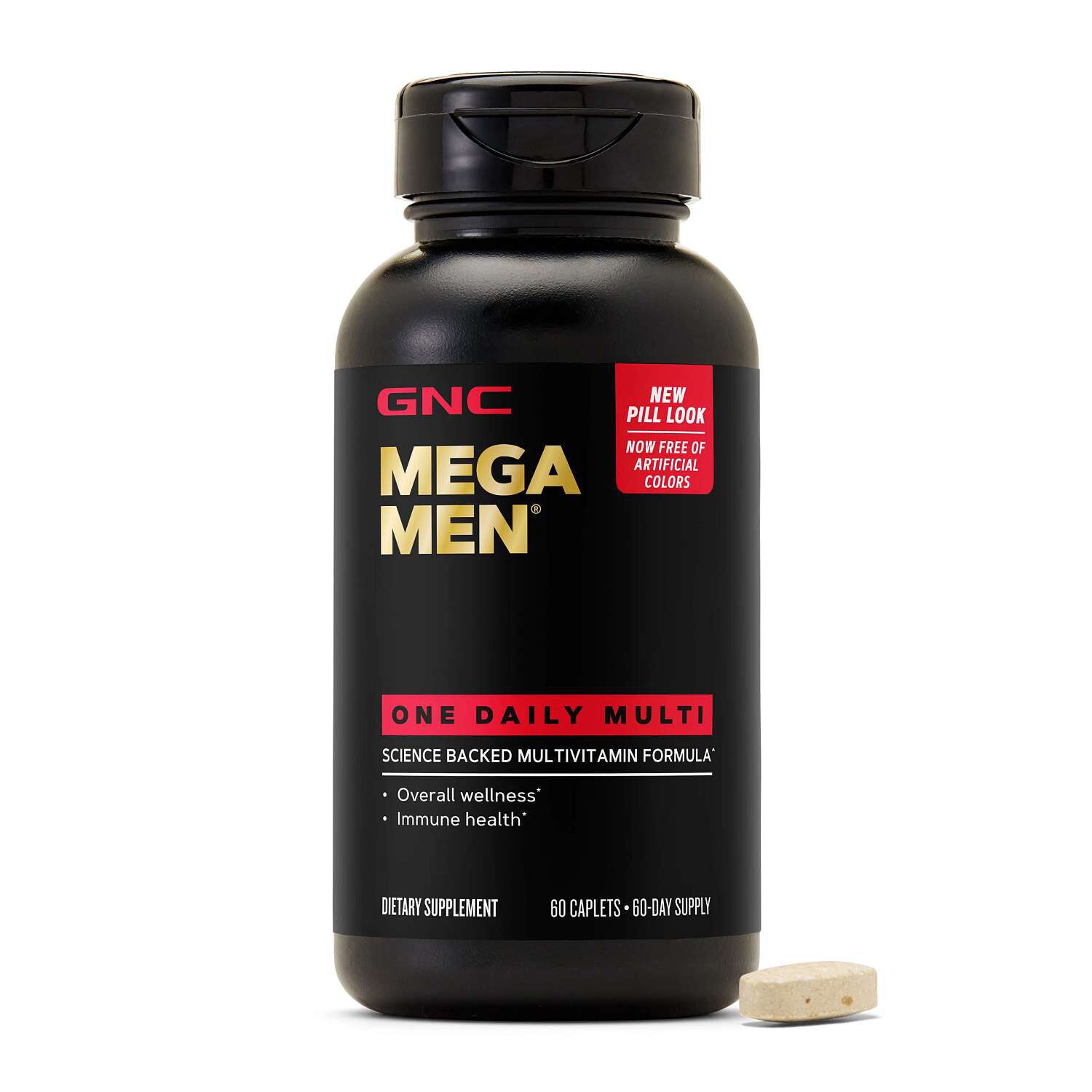
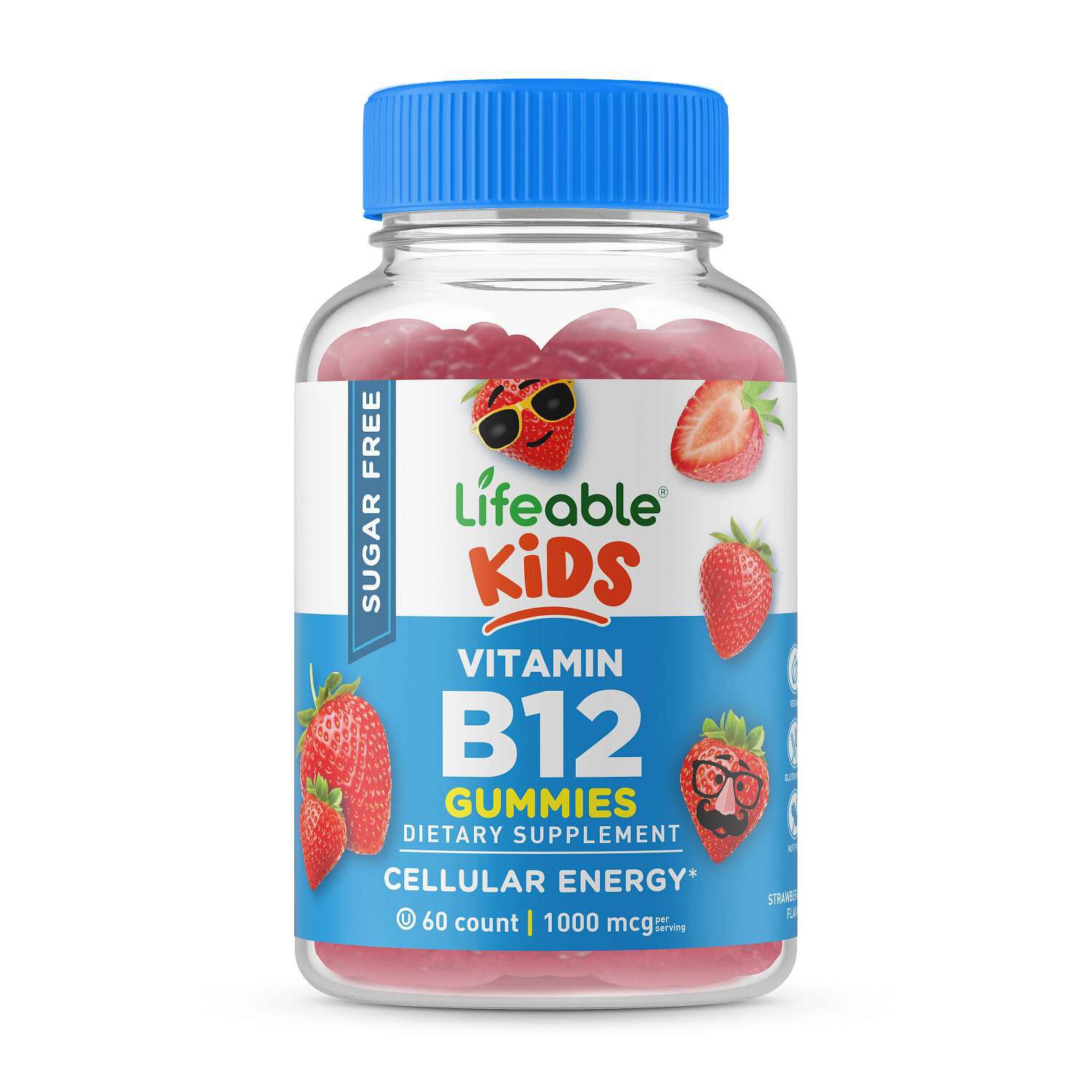
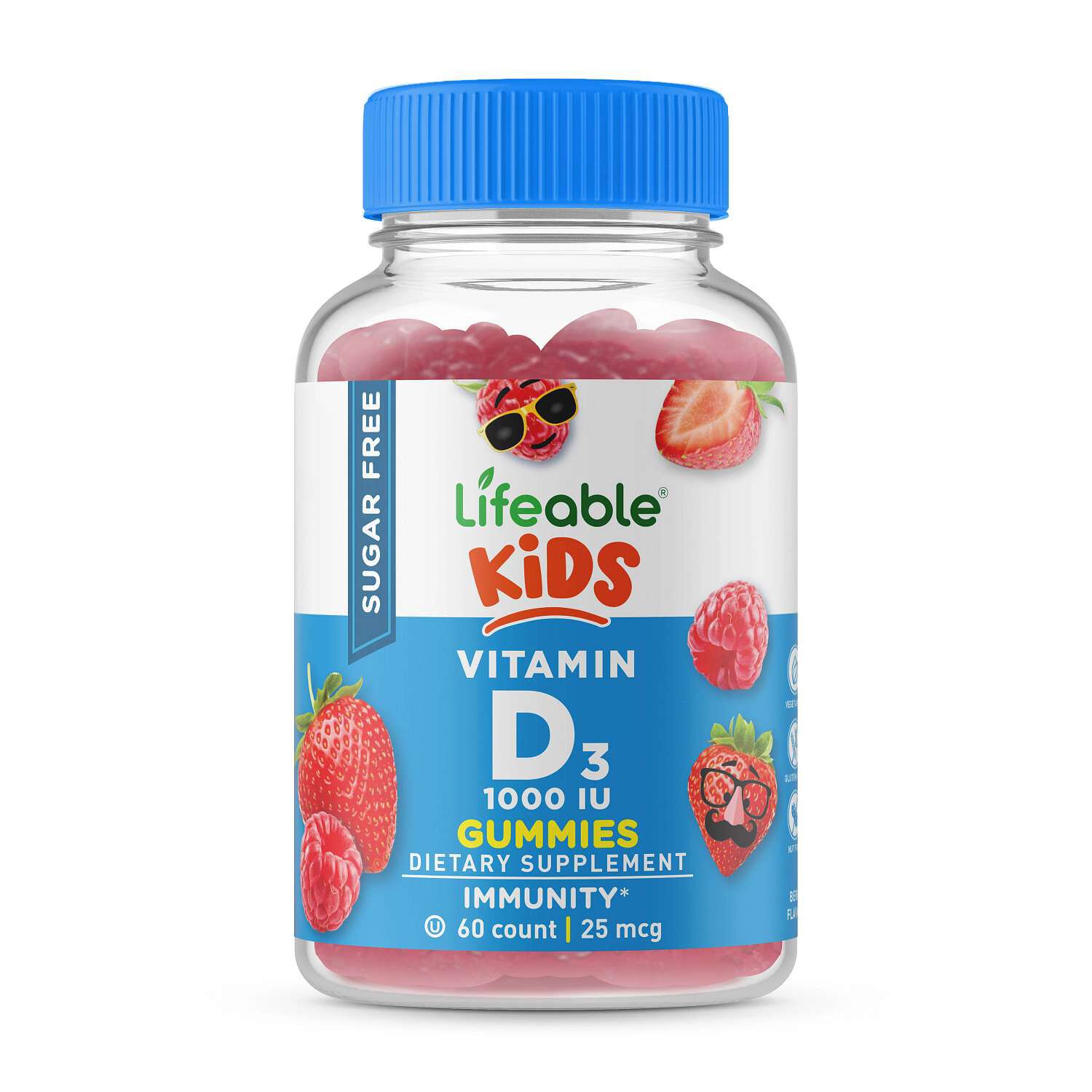
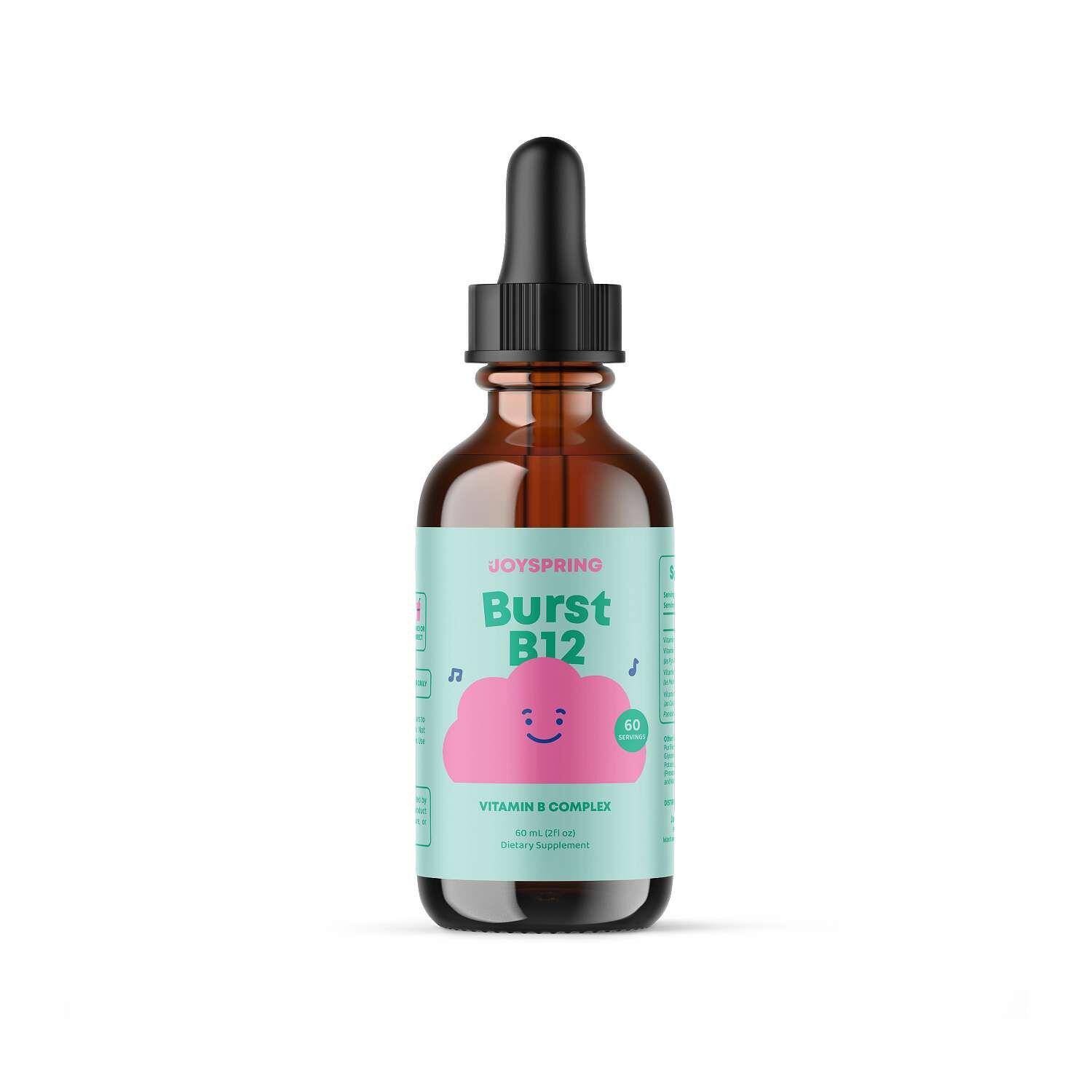
Zero-sugar vitamins are dietary supplements formulated for people who prefer vitamin products with little or no sugar per labeled serving. The category includes multivitamins and single-nutrient formulas in forms such as gummies, chewable tablets, capsules, softgels, and liquids. A zero-sugar label describes the sugar content of the product, not its vitamin content, sweetness, or suitability for every person. Under U.S. labeling rules, a zero-sugar claim generally means less than 0.5 gram of sugars per serving; it does not necessarily mean the product has no calories or carbohydrates. “No added sugar” describes a different characteristic and does not automatically mean zero sugar. Those distinctions matter when comparing a fruit-flavored gummy with a capsule or a liquid formula. The Supplement Facts panel identifies the serving size, nutrients, and amounts, while the ingredient list provides details about sweeteners, flavorings, colors, and other formulation ingredients. A bottle containing 60 gummies, for example, does not necessarily contain 60 servings, because the labeled serving may include more than one gummy. The same attention to serving size matters for liquids, where a serving may be measured in drops or milliliters rather than individual pieces. Multivitamins combine several vitamins and often minerals in one formula, while single-nutrient supplements focus on a particular vitamin, such as vitamin C, vitamin D, or vitamin B12. These are different approaches to product formulation, and neither the sweetness nor the format establishes which nutrient profile fits a particular shopper. For someone comparing products for an everyday routine, meaningful details include the intended age group, the nutrients listed, the amount per serving, and the directions on the package. Percent Daily Value provides another point of comparison, although a larger percentage is not automatically a reason to choose one formula over another. Sugar content is one useful product characteristic, but it belongs alongside those other details rather than standing in for them.
Texture, flavor, and ingredients make the experience of taking vitamins noticeably different from one format to another. Zero-sugar gummies may use sugar alcohols such as maltitol, sorbitol, or erythritol, or sweeteners such as stevia leaf extract or monk fruit extract. The exact blend affects sweetness and texture, so two fruit-flavored gummies can taste quite different even when their labels describe similar nutrients. Some sweeteners have a lingering finish, while others create a mild cooling sensation. A gummy can be soft and yielding or firmer and more chewy, depending on its formulation. Pectin and gelatin are common gelling ingredients, and the distinction is relevant to shoppers with particular ingredient preferences. Pectin comes from plants, while gelatin is animal-derived; however, the presence of pectin alone does not establish that every ingredient in a formula is suitable for a vegan diet. Capsule shells also vary in composition, and softgels often contain gelatin. Tablets and capsules usually involve less attention to flavor than chewable products, although their dimensions, coatings, and labeled serving counts can differ. Someone who dislikes a sweet aftertaste might prefer to compare these formats, while another shopper may be more interested in the flavor and texture of a chewable. Liquid vitamins bring their own considerations, including flavor intensity, the type of measuring device supplied, and any mixing directions. Across formats, ingredient preferences may include avoiding certain animal-derived ingredients or checking for specific food allergens. Statements about those characteristics are separate from a zero-sugar claim. Fruit flavoring also does not establish that a supplement contains a meaningful amount of fruit or has the same nutritional composition as fruit. Package descriptions can convey the intended taste, but the ingredient list is the more useful place to understand the formulation. These practical differences explain why products with similar nutrient panels can still feel distinct in daily use, from opening the container to measuring or counting a serving.
Intended use and packaging also shape how vitamins fit into an established routine. Adult formulas, children’s formulas, and products labeled for particular life stages can differ in nutrient amounts, serving sizes, and directions, even when the containers look similar. A fruit-flavored adult gummy is not interchangeable with a children’s formula simply because both are chewable, and a small tablet does not establish an appropriate age range. Clear labeling matters especially in a household where several people keep supplements in the same cabinet. Original containers retain the product name, ingredient information, directions, and date markings, making it easier to distinguish one formula from another. Container design may matter to shoppers, too: a broad bottle opening, a secure closure, or a liquid dispenser creates a different handling experience. Product care is generally straightforward but specific to the formula. Package storage directions take precedence, including any instructions about refrigeration after opening. Keeping the closure secure and protecting the contents from moisture and direct sunlight may help preserve the product’s intended condition. Gummies can be sensitive to storage conditions, while tablets and capsules also have handling requirements; a bathroom shelf exposed to frequent humidity may not match the storage directions on the bottle. Date markings and any after-opening instructions are further considerations when comparing package sizes with labeled servings. For a household with limited cabinet space, a larger container is not automatically more convenient than a smaller one. Vitamins also sit within a broader supplement category, but neighboring categories are not interchangeable. Shoppers exploring a separate category can compare probiotic supplements without sugar, which contain microorganisms rather than serving as another name for multivitamins. The distinction keeps product comparisons focused on what each formula actually contains. Across zero-sugar vitamins, a useful comparison brings together nutrient composition, intended user, serving size, sweetener choice, dietary preferences, and format. Those concrete details offer a clearer picture than flavor names or front-label wording alone, whether the preference is for a simple capsule, a measured liquid, or a chewable with a particular taste and texture.