Summer Weight Loss Cleanse Supplements
(0 Results)
Summer weight loss cleanse supplements may offer support for those looking to refresh their wellness routine as the temperatures rise. With a focus on seasonal goals, these supplements could help you feel motivated and ready to take on your summer activities. Explore a range of options that might fit your lifestyle and complement your healthy habits, so you can make the most of the sunny months ahead. Discover how summer weight loss cleanse supplements may be part of your journey toward feeling your best this season.
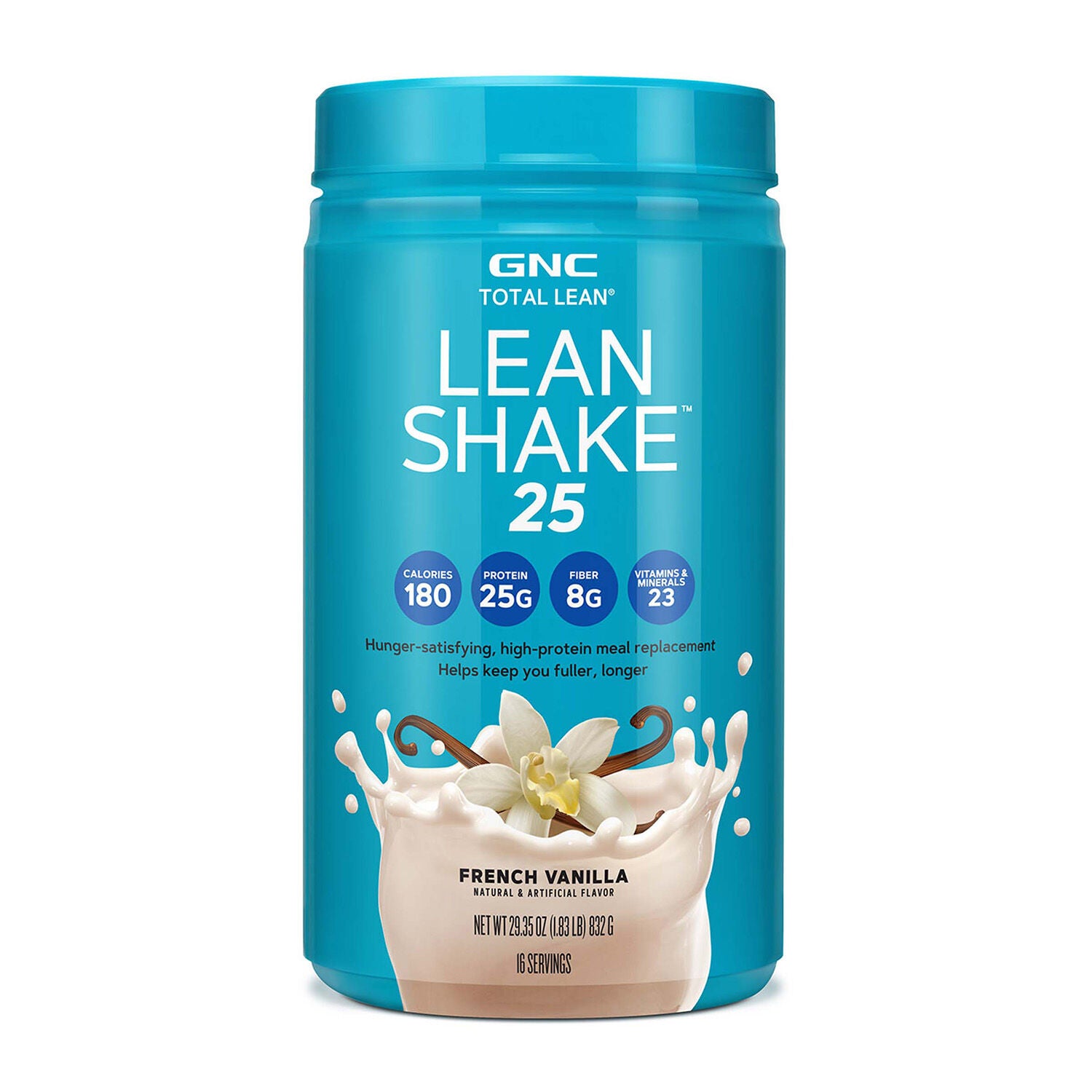
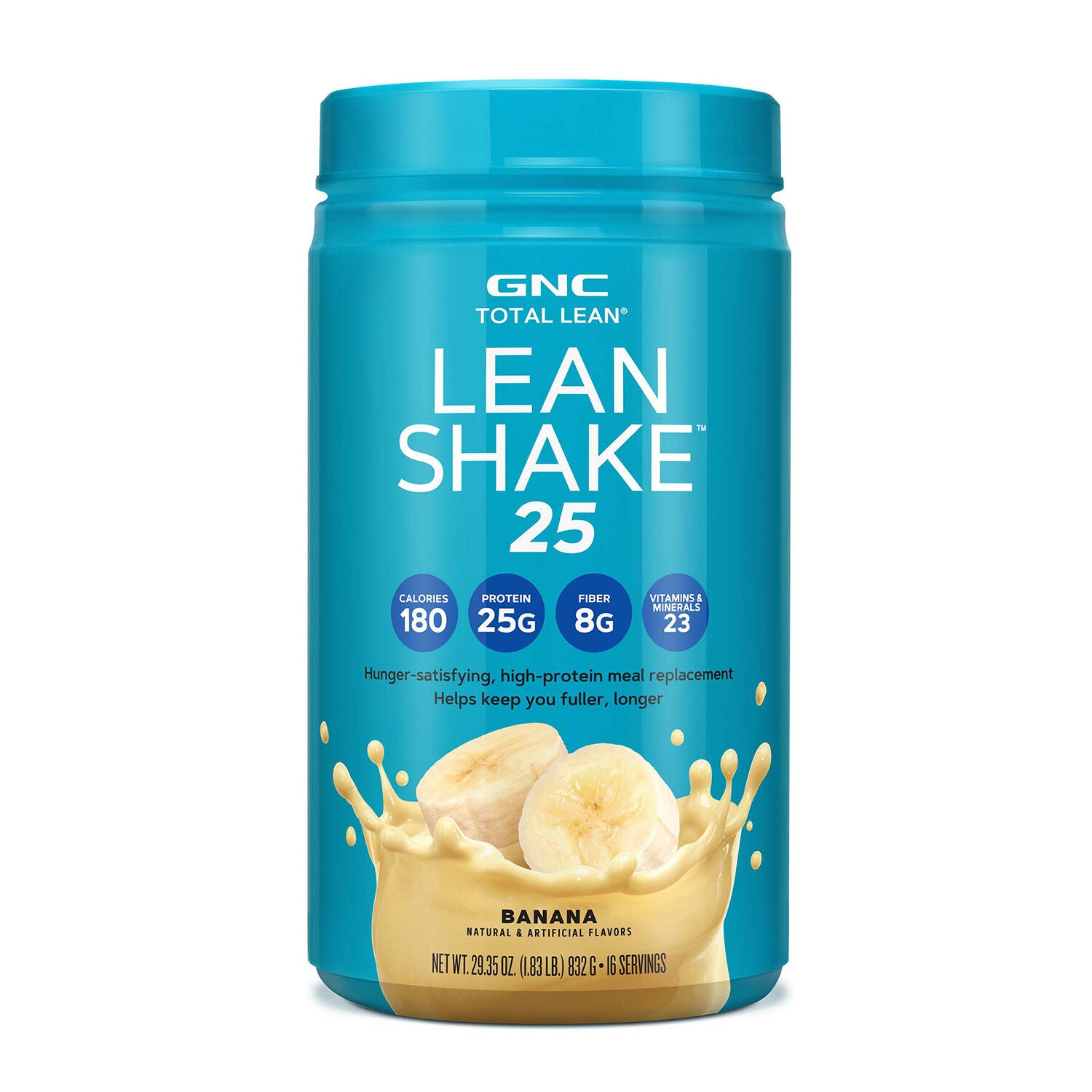

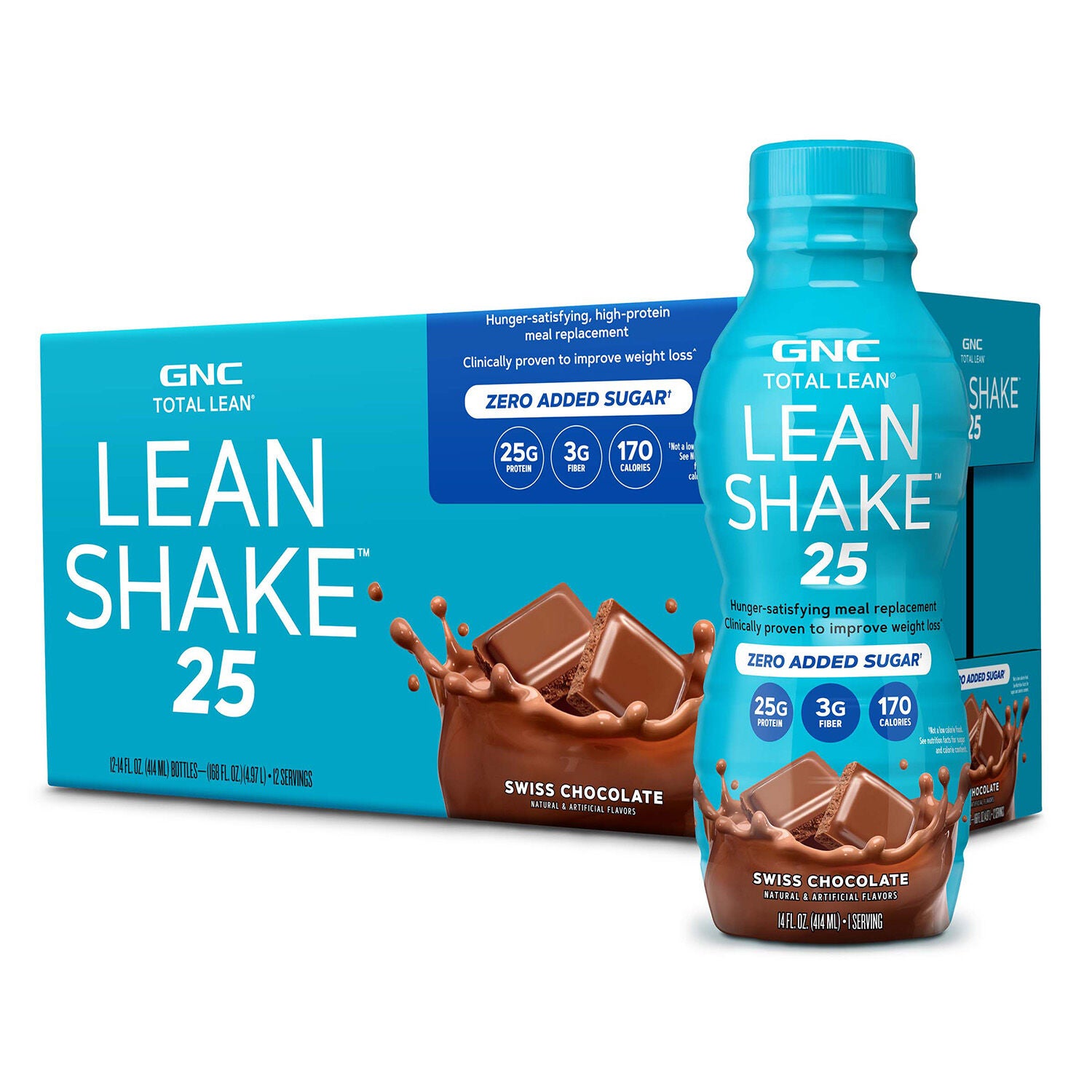
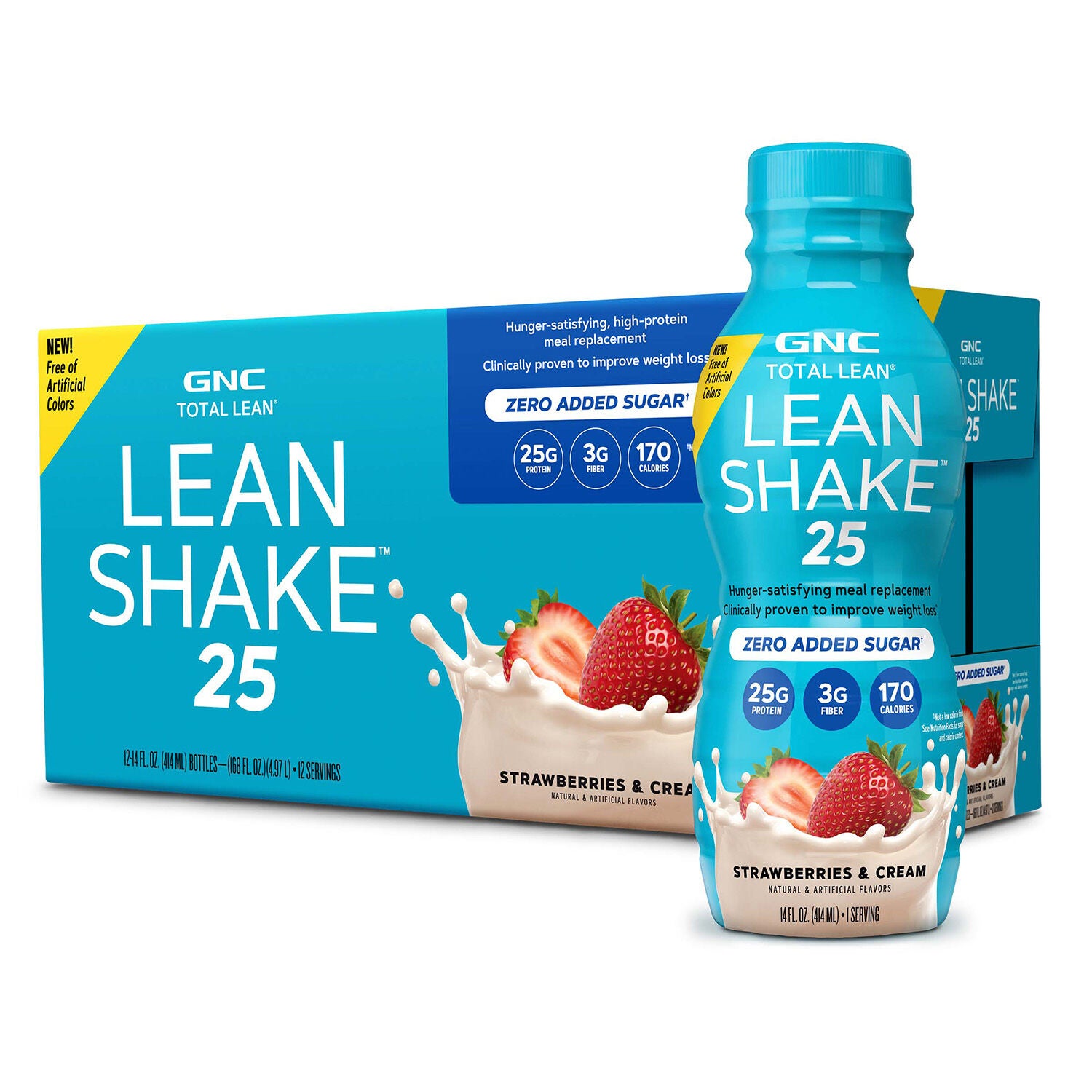
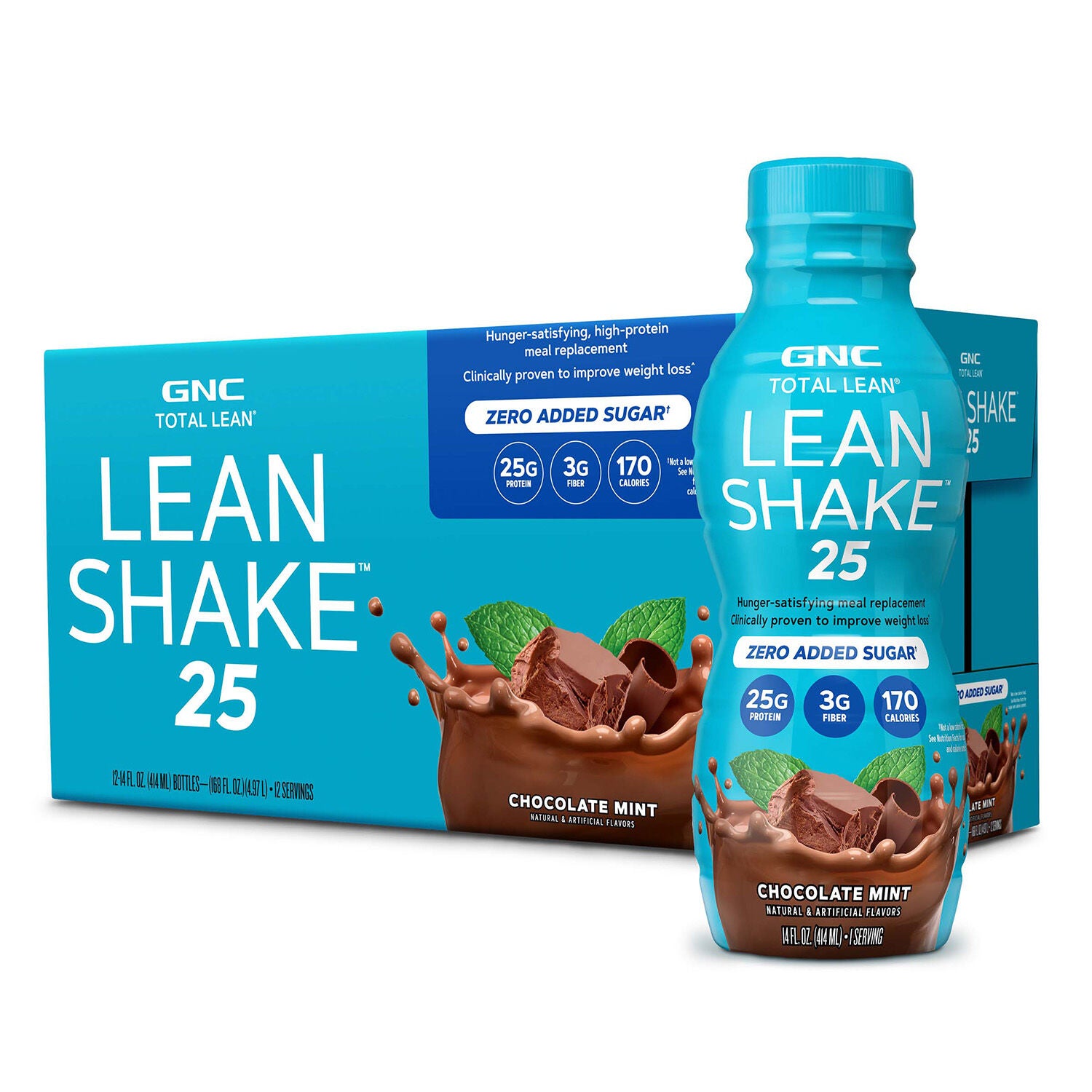
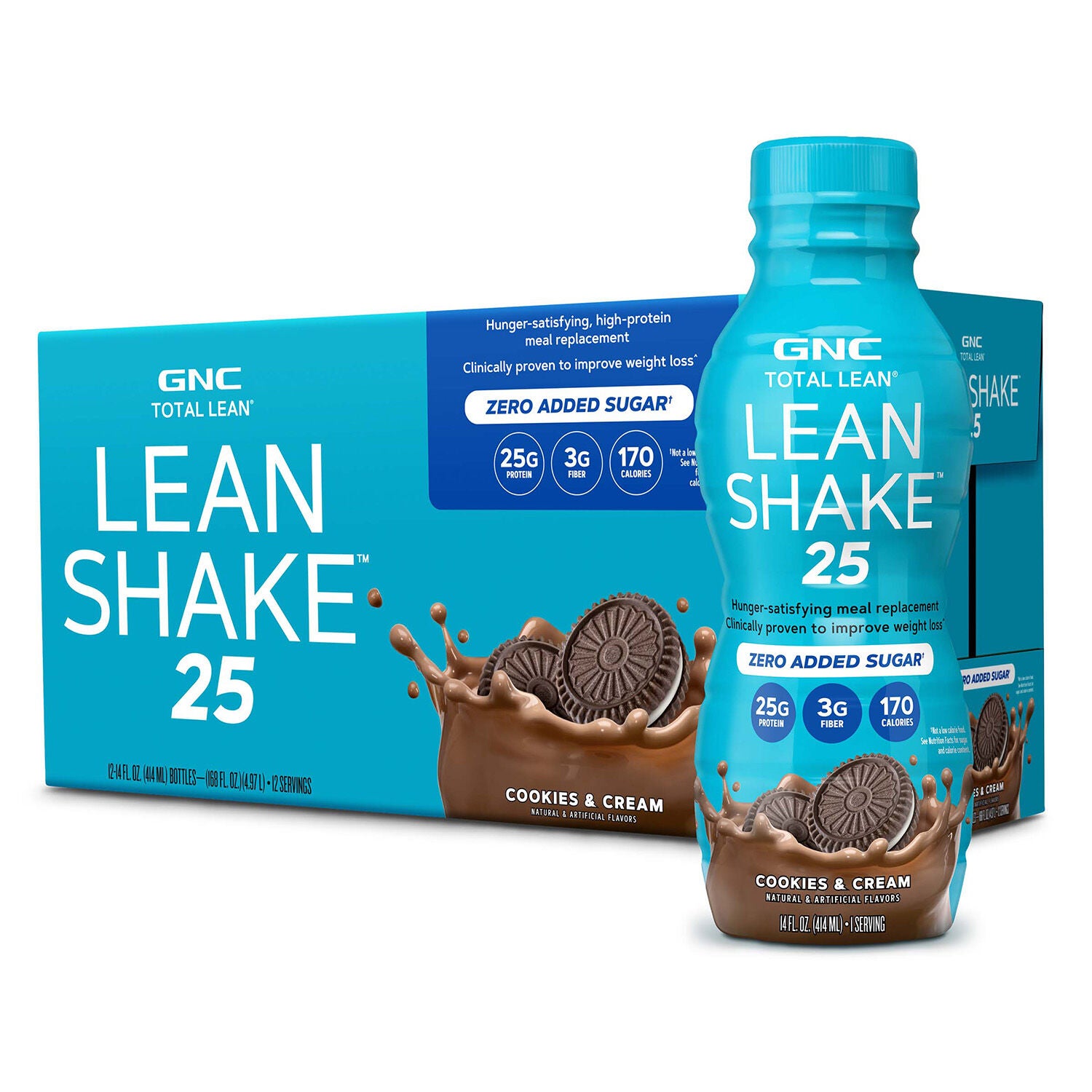
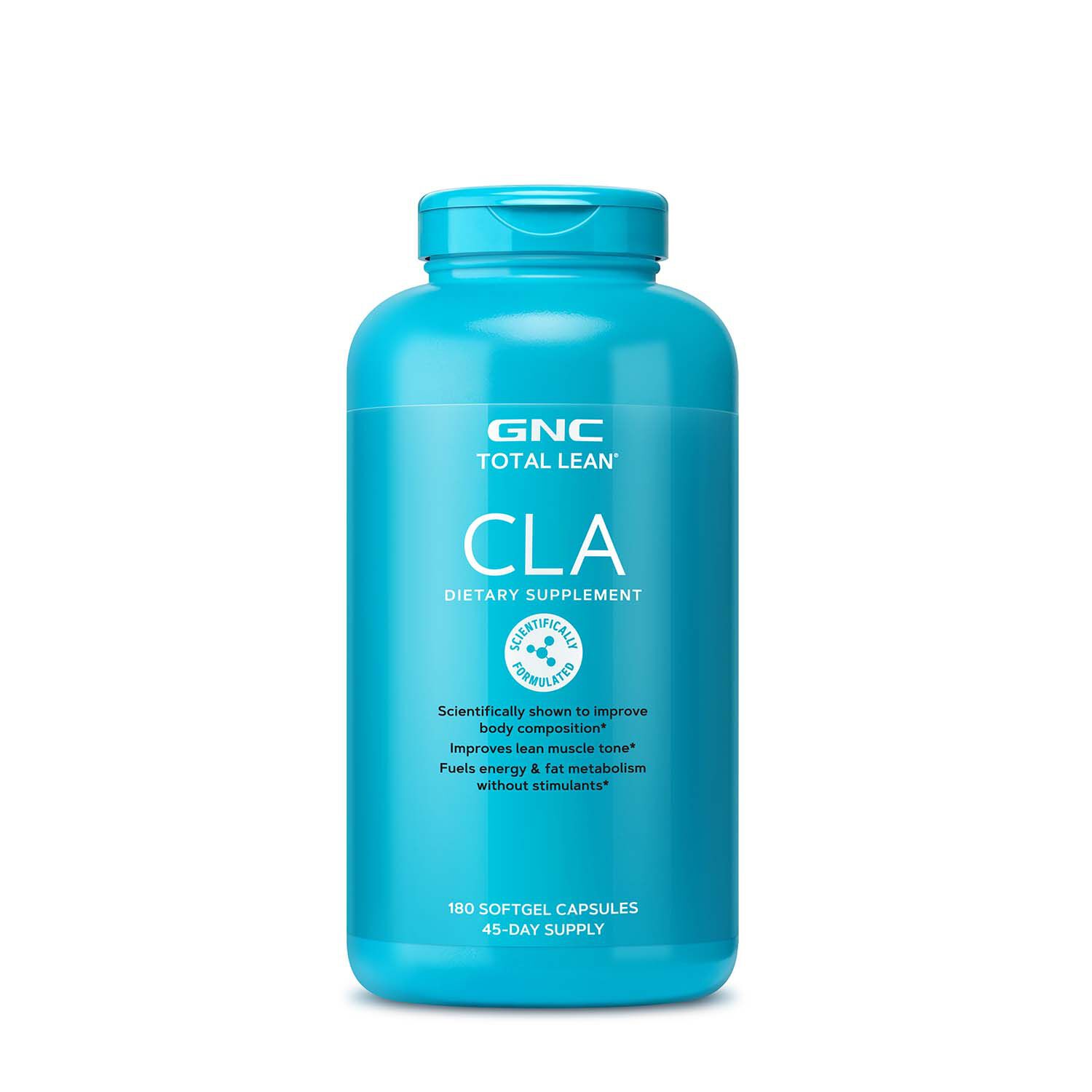

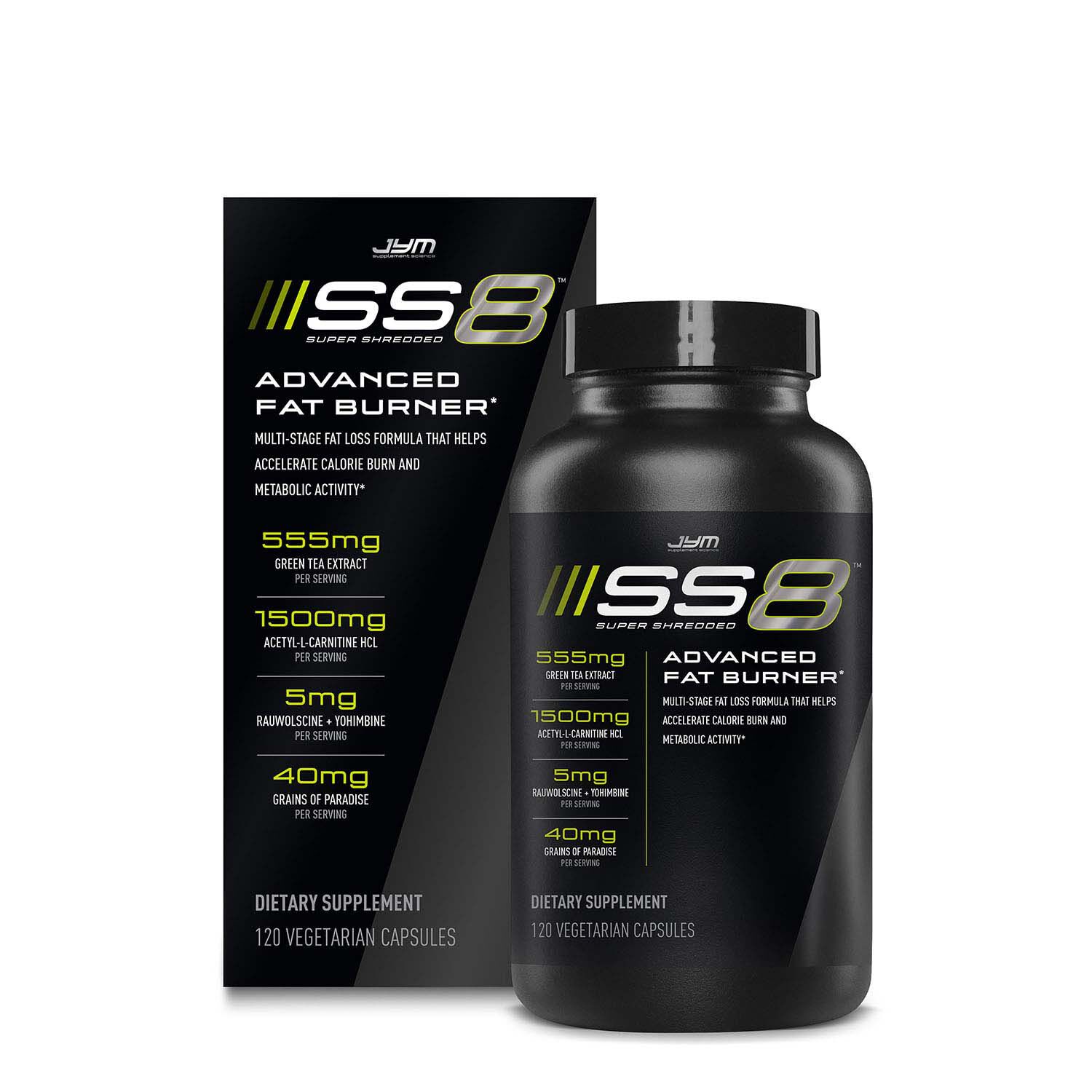


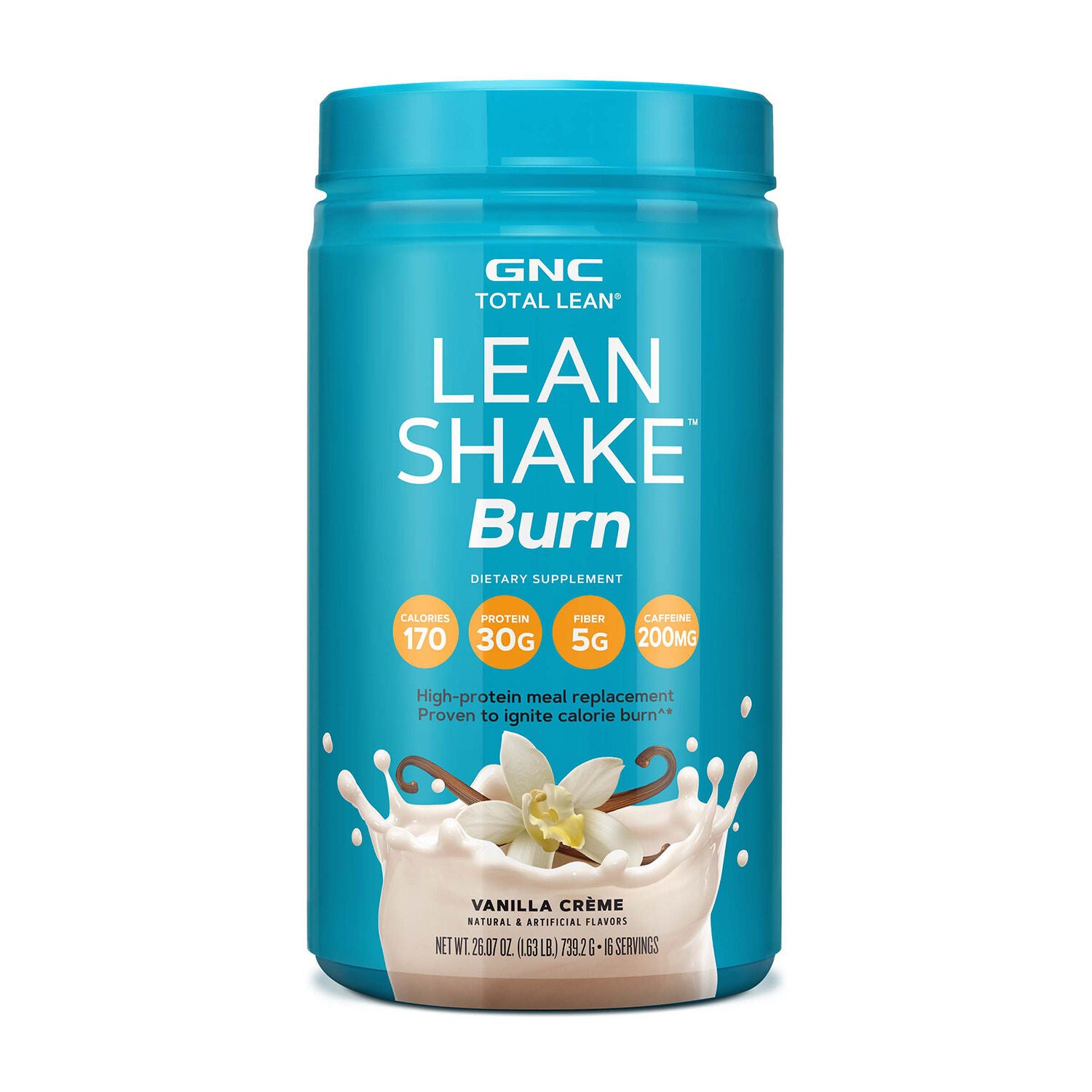
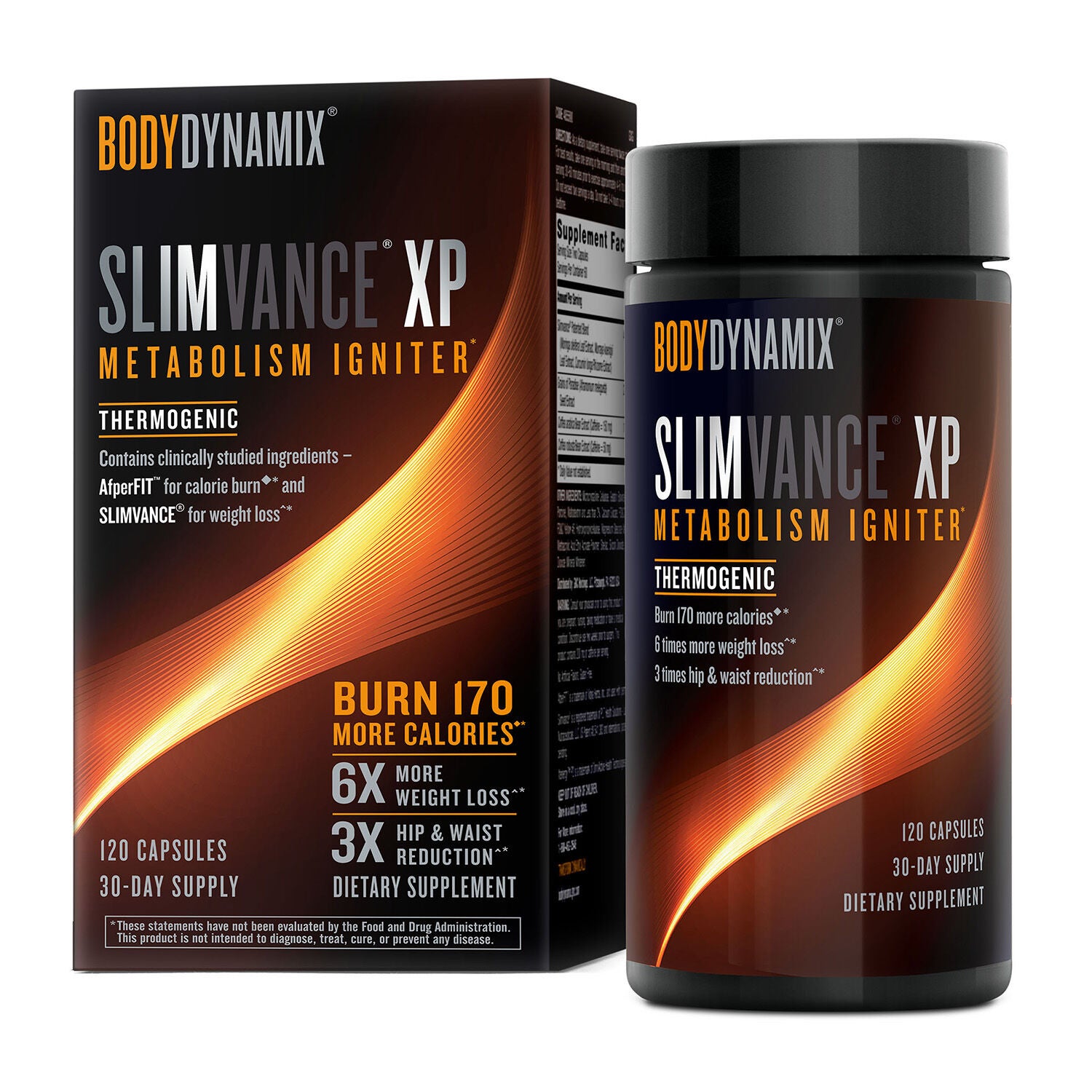


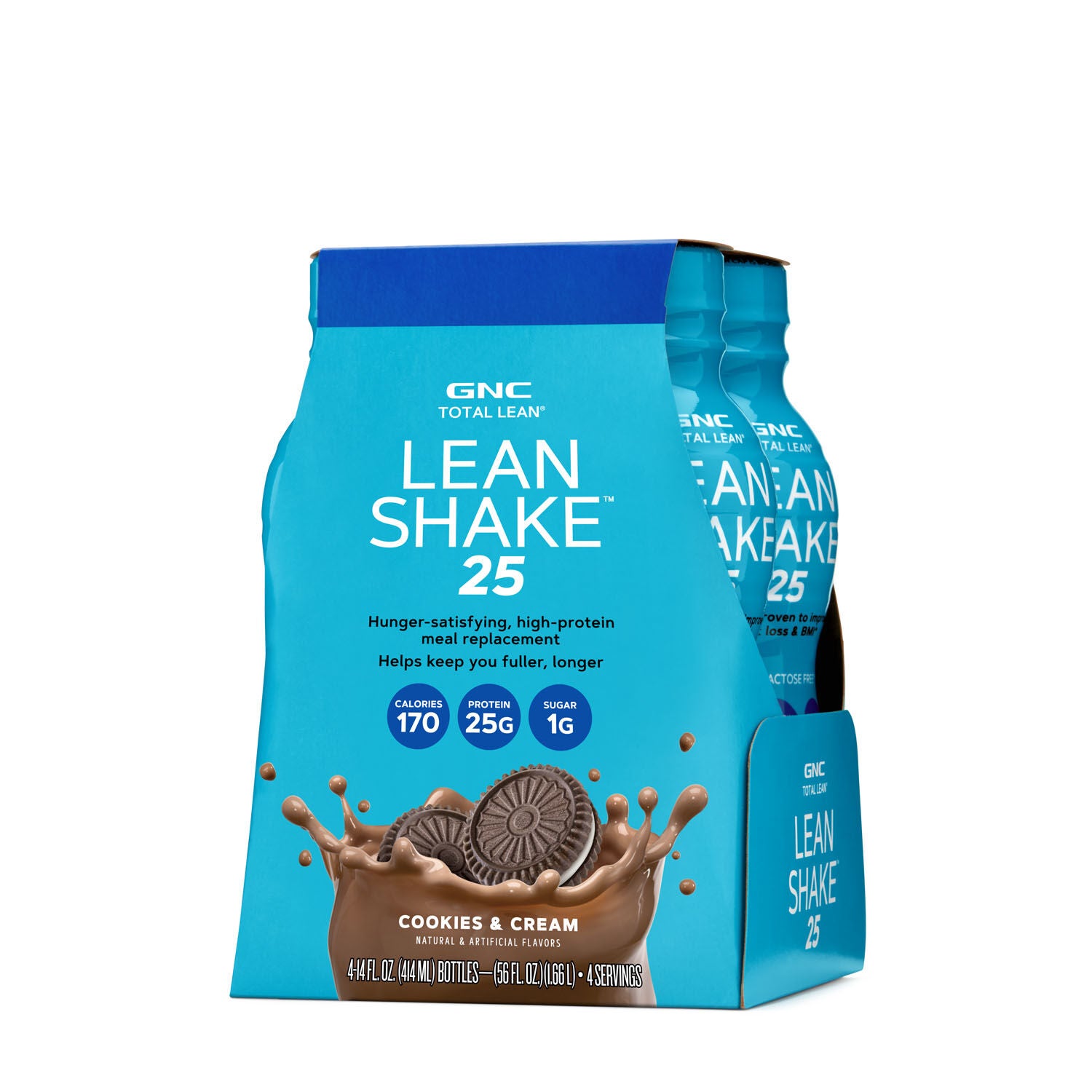
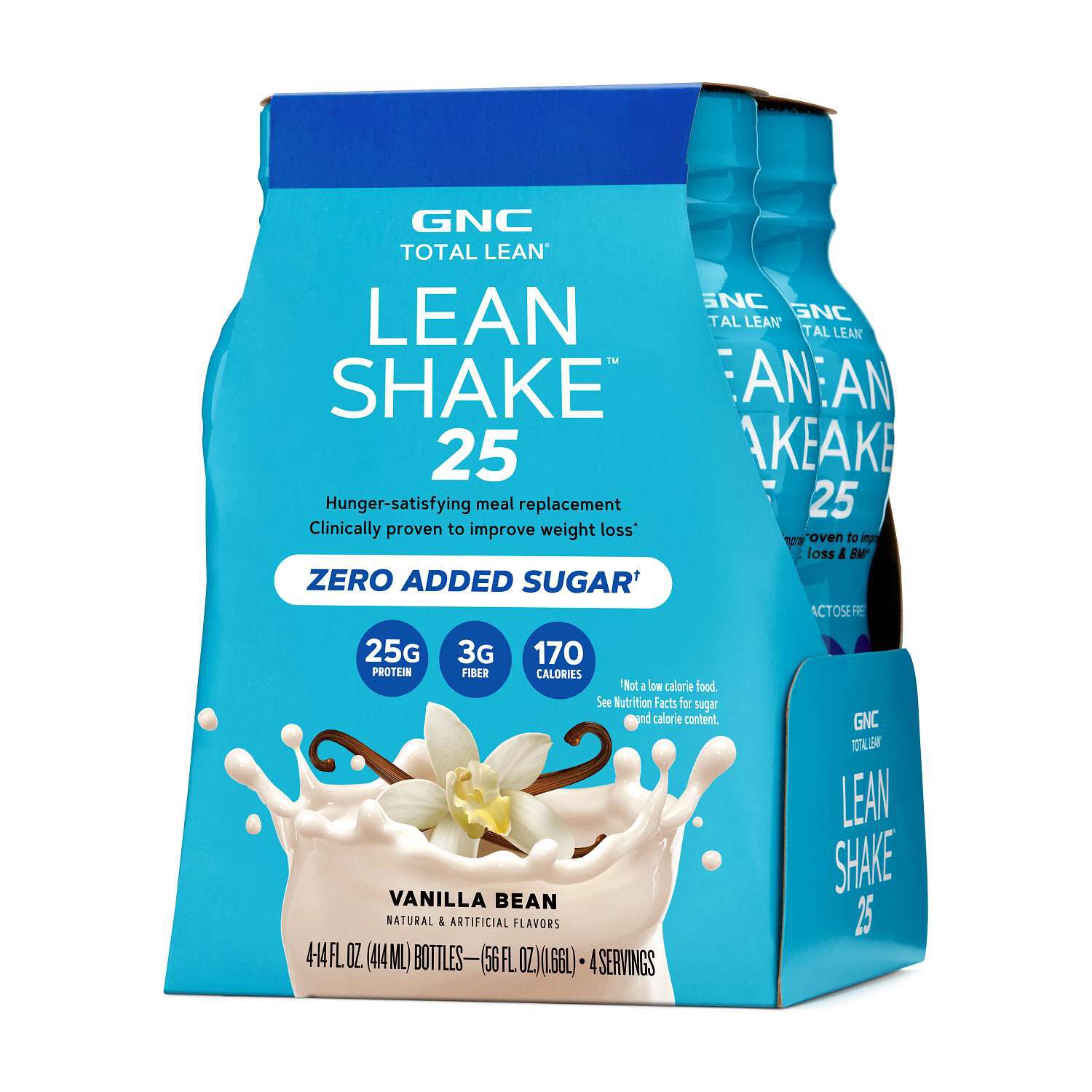
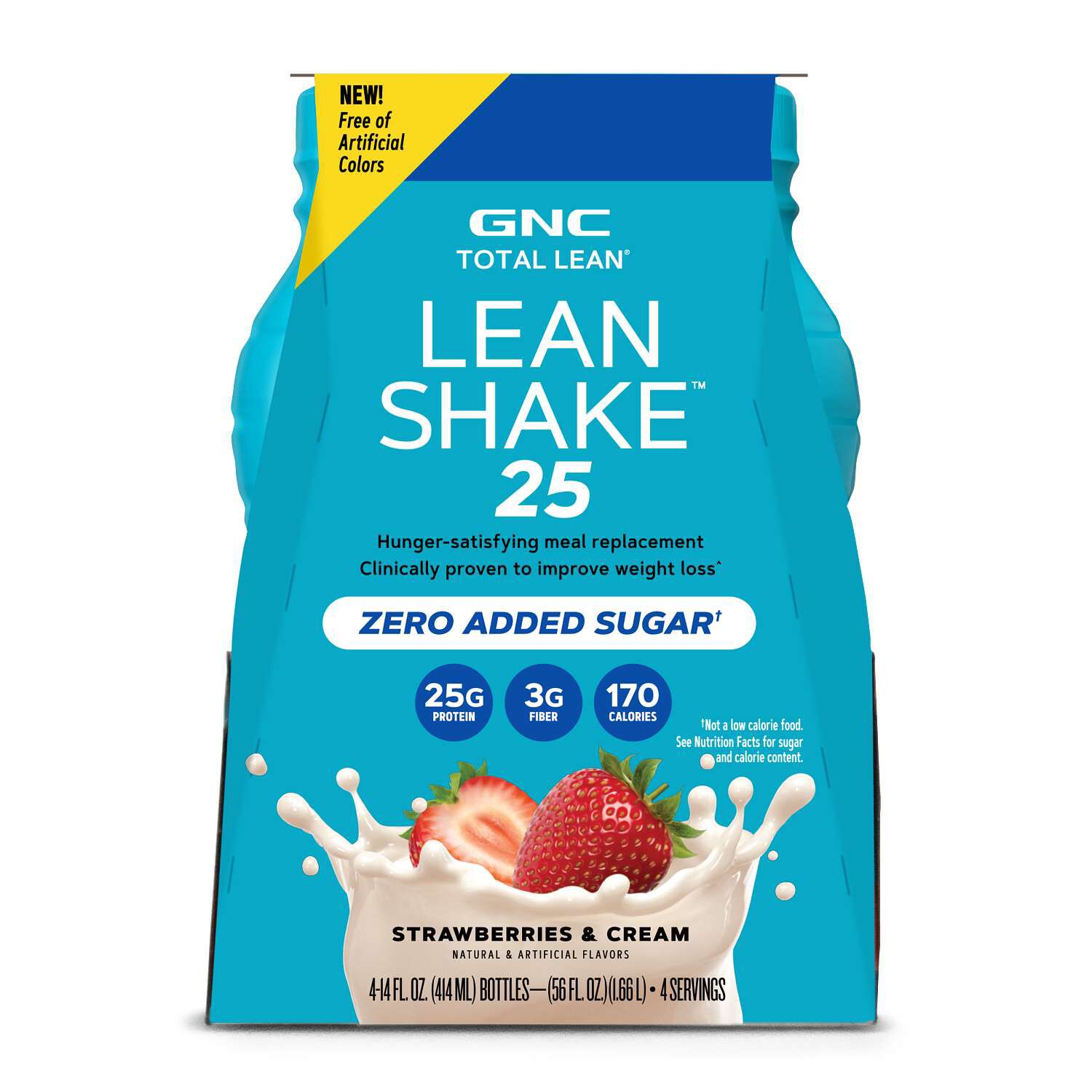
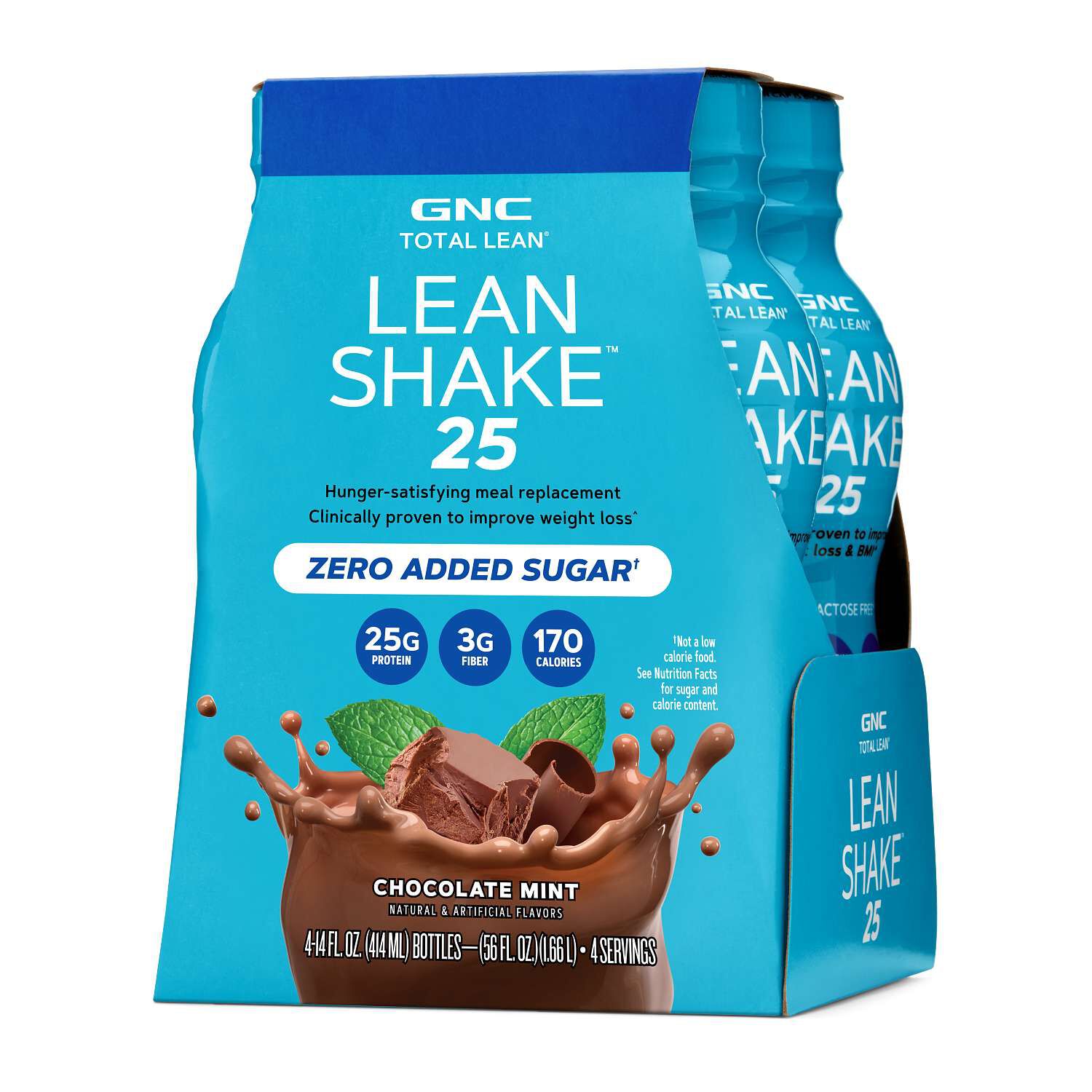
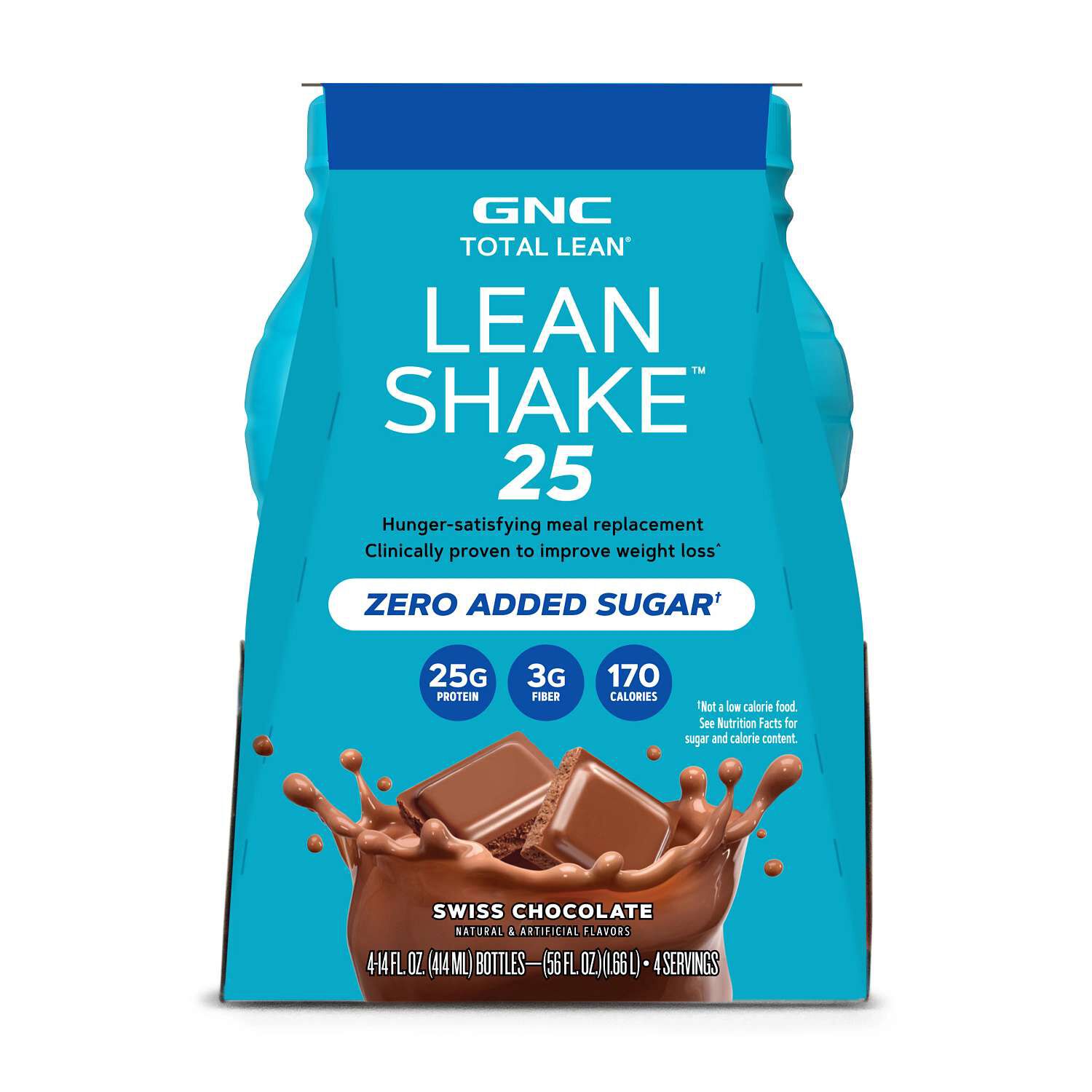

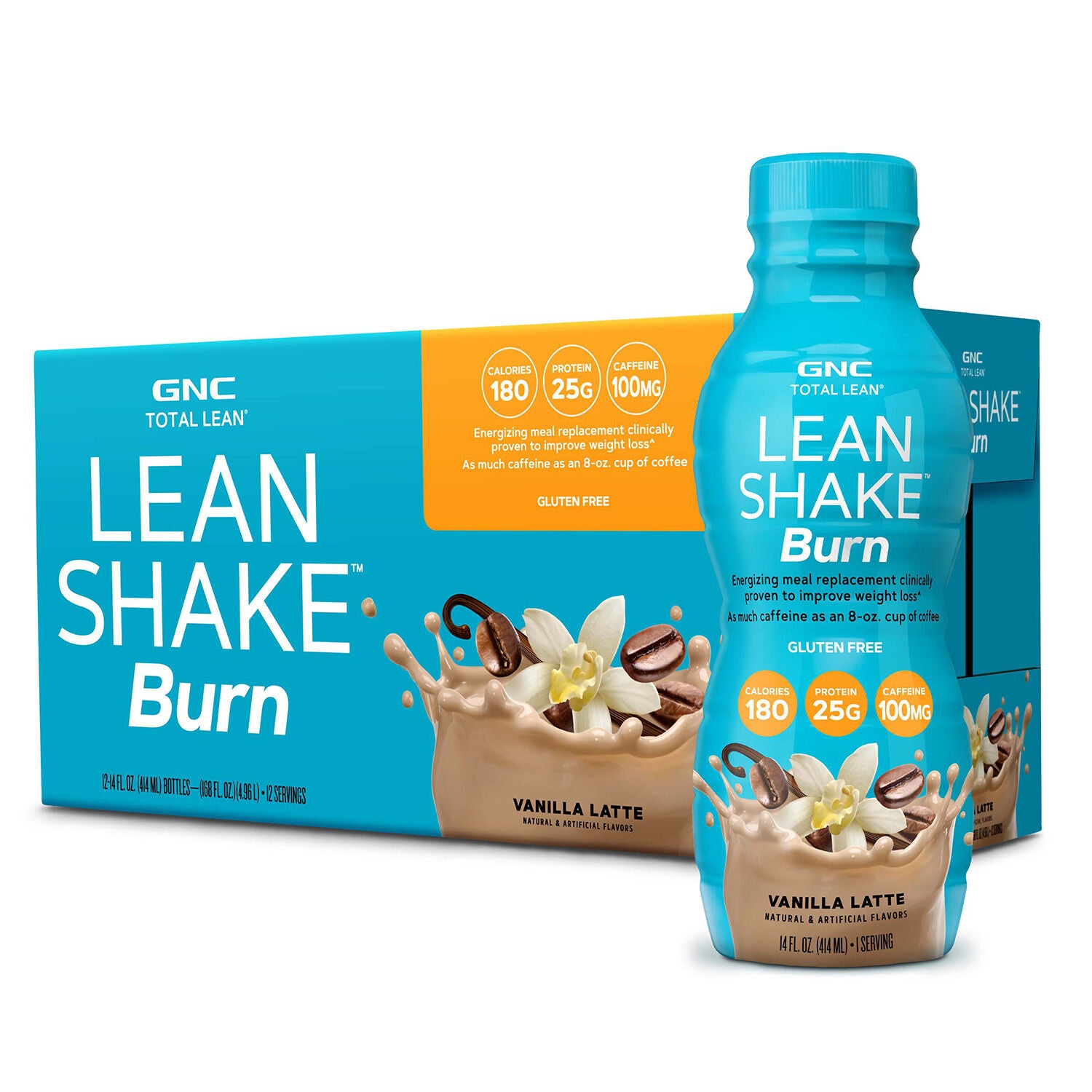
Summer weight loss cleanse supplements bring together products marketed for cleanse routines and seasonal weight management, with formats ranging from capsules and tablets to powders and drink mixes. The category can include botanical blends, fiber supplements, and other formulas with different ingredients and intended uses. Those differences matter more than the word “cleanse” on its own. A cleanse label is not evidence that a supplement reduces body fat, and terms such as detox or thermogenic do not, by themselves, establish an outcome. Products with similar descriptions can have very different serving sizes, ingredient amounts, and directions. A botanical formula might list several plant extracts, while a fiber powder might identify a particular fiber source and the amount supplied per serving. A weight management blend might contain caffeine or other ingredients that are not present in a simpler nutritional formula. These are distinct product types, rather than interchangeable versions of the same thing. The Supplement Facts panel provides a more useful basis for comparison than an evocative name: it identifies the serving size, listed ingredients, and disclosed amounts. Other ingredients can include capsule materials, flavorings, sweeteners, and ingredients used to give a powder its texture. For shoppers considering summer weight loss cleanse supplements, this information helps put the seasonal theme into practical context. A beach trip, a weekend at the lake, or a return to a familiar summer activity can be the occasion for reviewing a nutrition routine, but none of those occasions changes what a product contains. The most relevant distinctions remain the formula, its stated purpose, and how its labeled use relates to an individual’s preferences. Clear product descriptions also separate nutritional information from marketing language. A serving’s fiber content is a measurable label detail; an implied body transformation is not. That distinction gives this collection a grounded starting point, with attention on the products themselves rather than expectations built around a summer deadline.
Format is another meaningful difference within the category, especially when shopping around everyday schedules and summer travel. Capsules and tablets require no mixing, while powders involve a measured serving and the preparation described on the package. A drink mix may fit a routine built around a shaker bottle, whereas a capsule format may suit someone who prefers not to add another flavored beverage. Neither format establishes that one formula is more effective than another. Ingredient amounts and serving directions remain separate considerations from convenience. Serving size also deserves attention because a listed serving can consist of more than one capsule, tablet, or scoop. Bottle size alone does not show how many labeled servings a package contains. Powdered products bring additional distinctions, including flavor, texture, sweetener choice, and the liquid specified for preparation. A citrus-flavored mix and an unflavored powder offer different experiences, even when shoppers are comparing a similar ingredient category. Capsule shells can be made with gelatin or plant-derived materials, and powders can contain milk, soy, or other ingredients relevant to dietary preferences. The ingredient statement and any allergen information provide the details needed to distinguish those options without relying on the front label alone. Packaging matters, too. A resealable container, a tightly closing lid, and legible directions are practical features for products used regularly. Storage requirements vary by formula, so the package’s stated conditions remain the reference point for keeping a bottle or pouch between uses. A summer travel bag, a car console, and a shaded kitchen cabinet are different storage environments; portability does not mean that every setting matches the product’s instructions. Measuring accessories, when supplied, also belong with the product so that the labeled serving is not confused with an ordinary kitchen spoon. Best-by dates, package condition, and preparation directions round out these practical considerations. They describe how a supplement is packaged and intended to be handled, not what results a shopper should expect from it.
The broader weight management category provides useful context for understanding where cleanse supplements fit. Fiber products, botanical blends, protein powders, and meal-replacement powders have different purposes and nutritional profiles, even when they appear alongside one another in a seasonal collection. A protein powder is not automatically a meal replacement, and a capsule formula is not nutritionally equivalent to a shake. For powders marketed as meal replacements, calories, protein, carbohydrates, fat, and serving directions offer concrete information about the product’s intended role. For other supplements, the relevant details might be a named botanical extract, the amount of dietary fiber, or a disclosed caffeine quantity. These distinctions are especially useful when several products have similar imagery or summer-themed descriptions. The adjacent selection of Summer Body Weight Management Supplements provides another category to consider alongside cleanse-focused formulas, with attention to each product’s own labeling rather than treating the two themes as identical. Everyday context can make those differences easier to understand. Someone who already carries an iced coffee and a flavored shake to work may be interested in how another product fits that existing routine, including any overlapping ingredients. Someone packing for a long weekend may place more emphasis on preparation requirements, container size, and whether the label calls for a particular liquid or storage condition. A shopper with a preference for unflavored products may focus on ingredient simplicity, while another may care more about the taste and texture of a prepared drink. These are practical preferences, not indicators of a particular weight outcome. Supplements are also distinct from the meals and beverages that make up everyday eating, whether that means breakfast before an early outing, a packed lunch, or dinner after a day outdoors. Summer weight loss cleanse supplements are best understood through that product-specific lens: what the formula contains, what its label describes, and how its format may fit a personal routine. The seasonal name supplies the shopping theme; the ingredient information and intended use supply the substance.