Summer Body Weight Management Supplements
(0 Results)
Summer body weight management supplements offer a convenient way to support your wellness goals as the temperatures rise. Whether you’re looking to complement your active lifestyle or seeking options that fit your daily routine, these supplements may help you stay on track throughout the season. Explore a variety of formulas designed to align with your summer body aspirations and keep you feeling motivated all summer long.

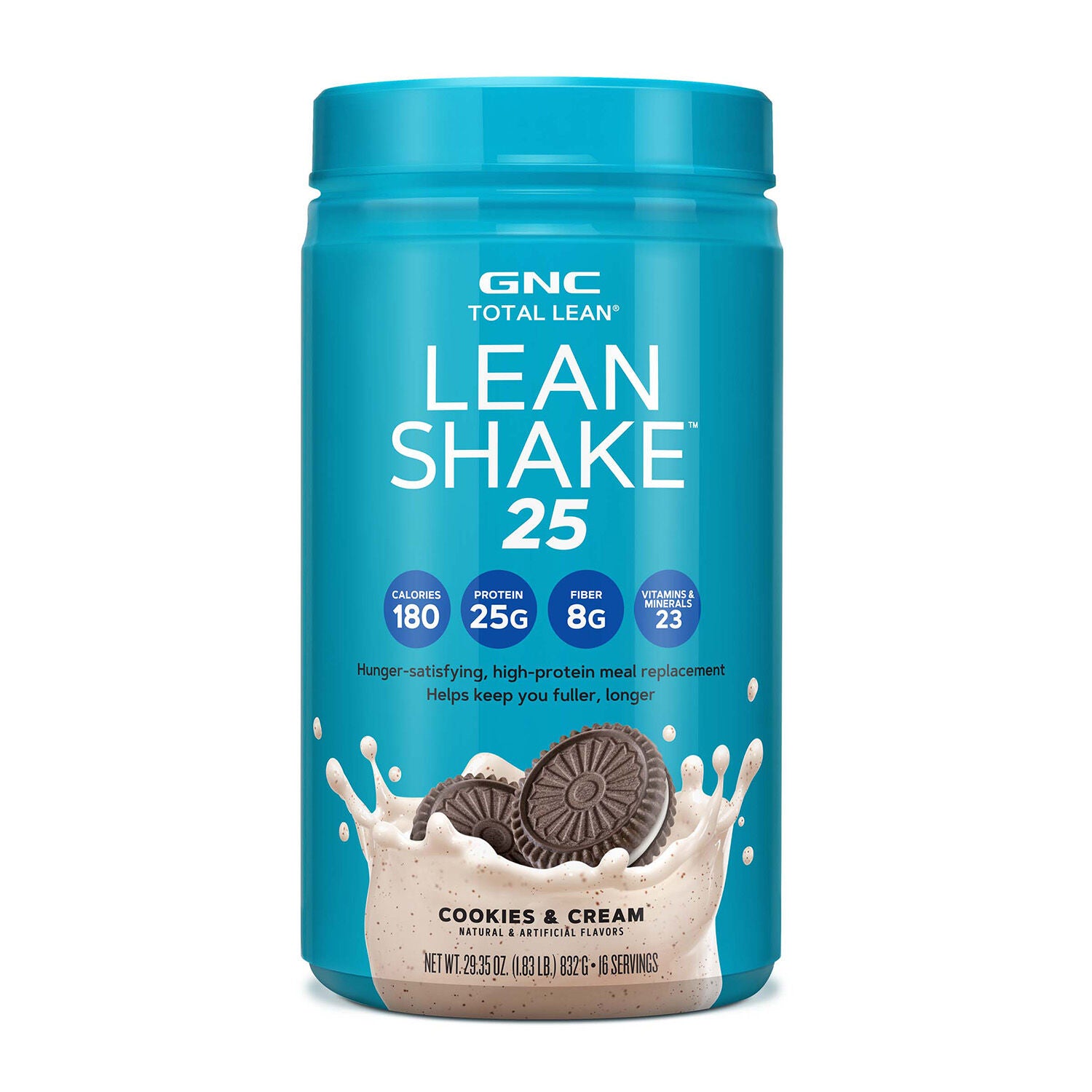
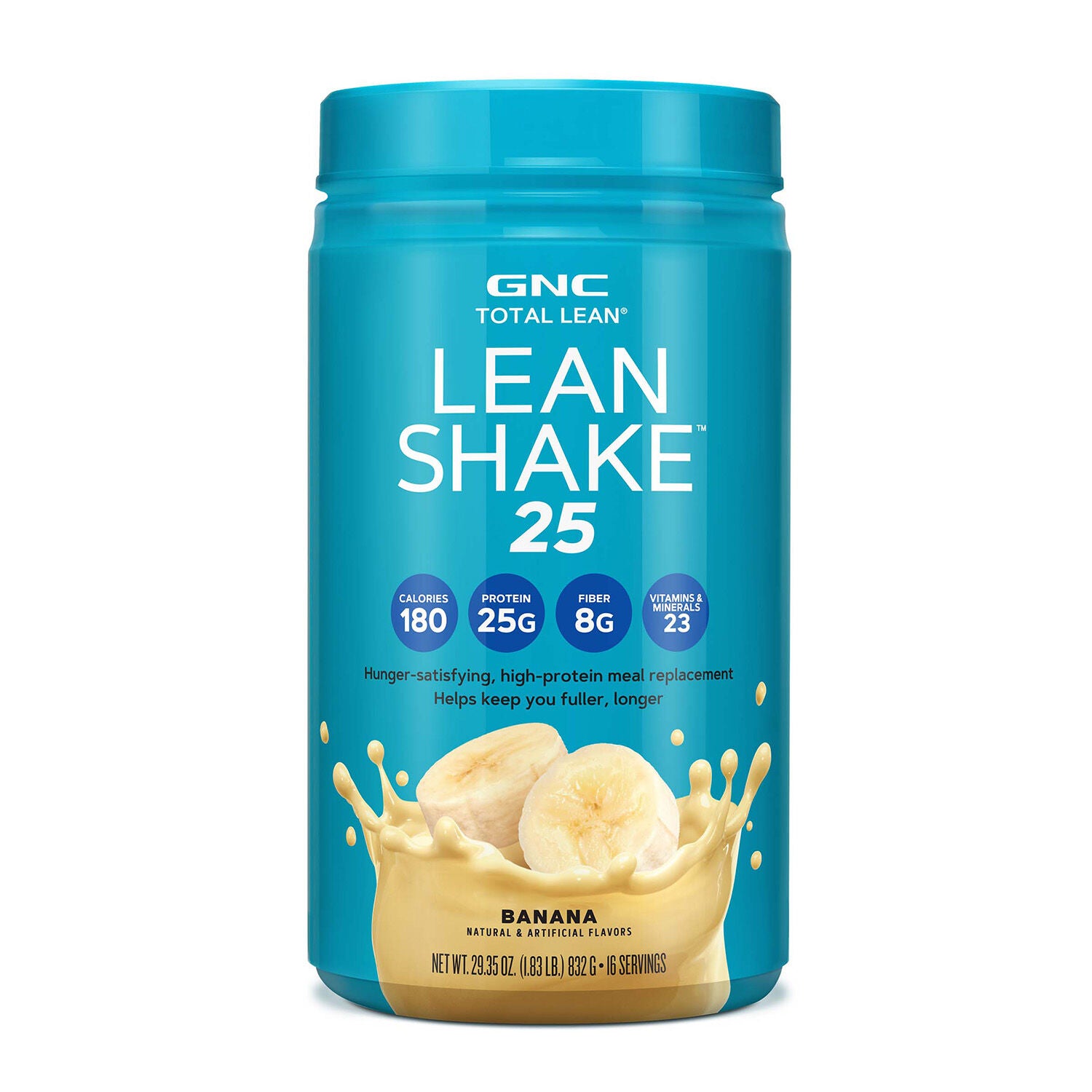

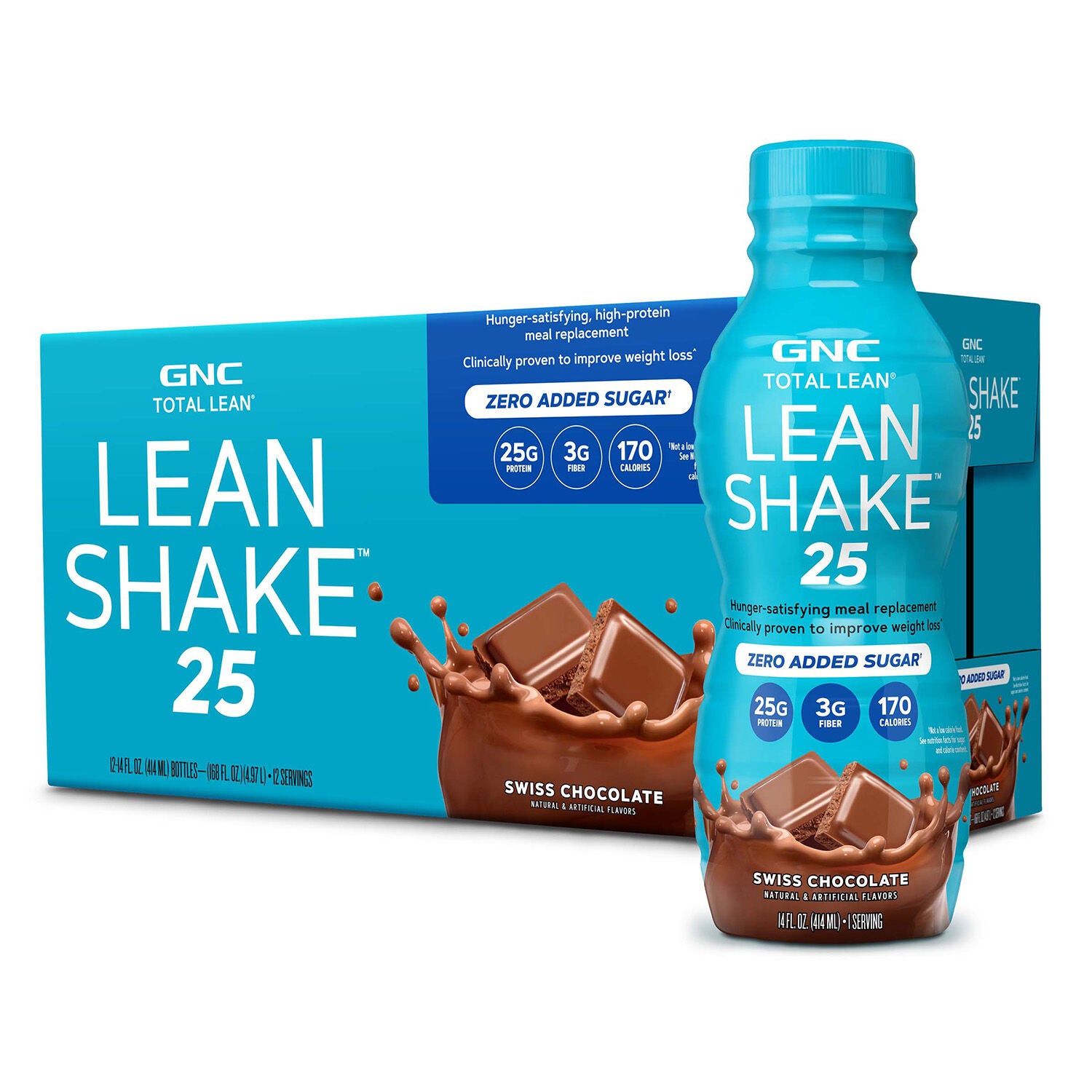
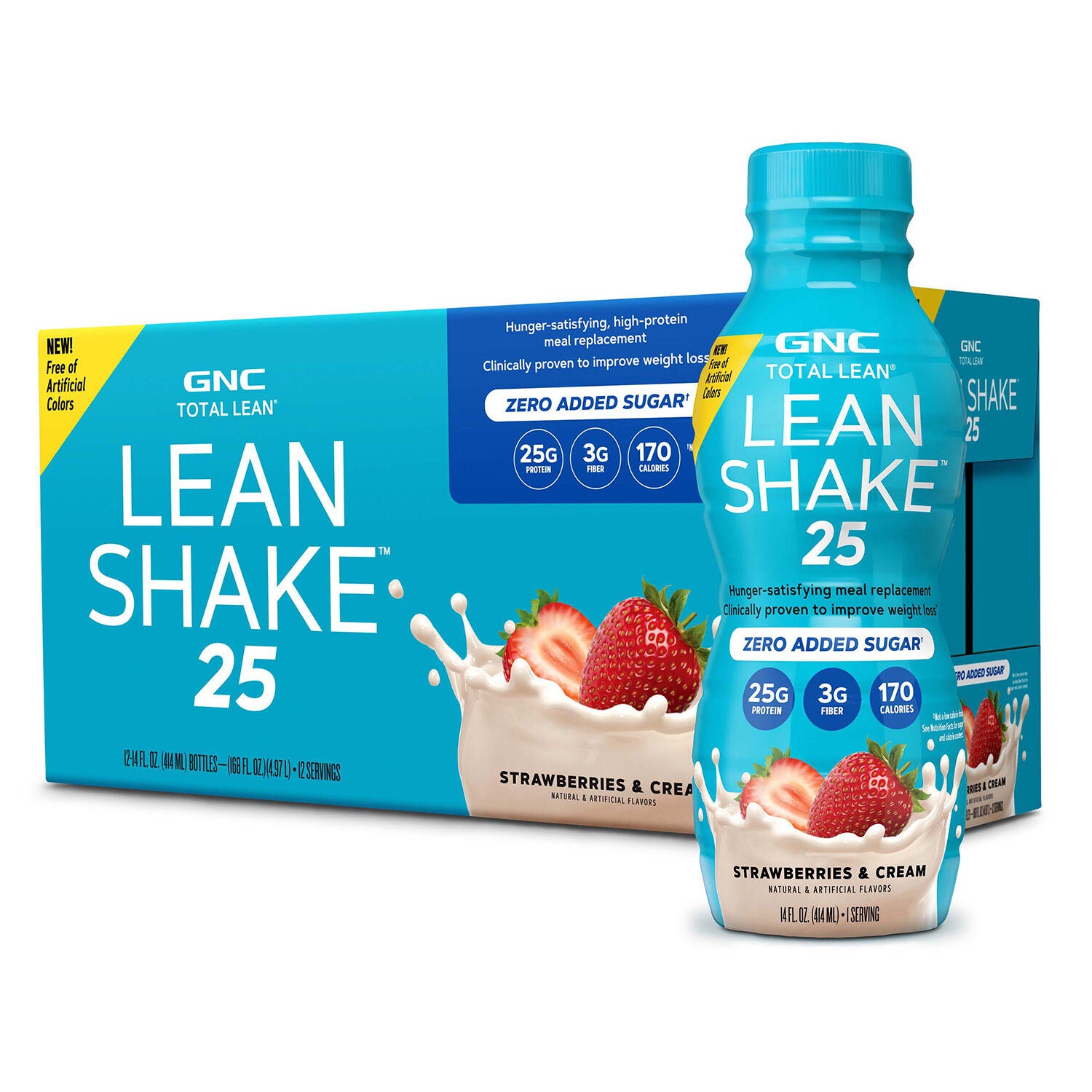
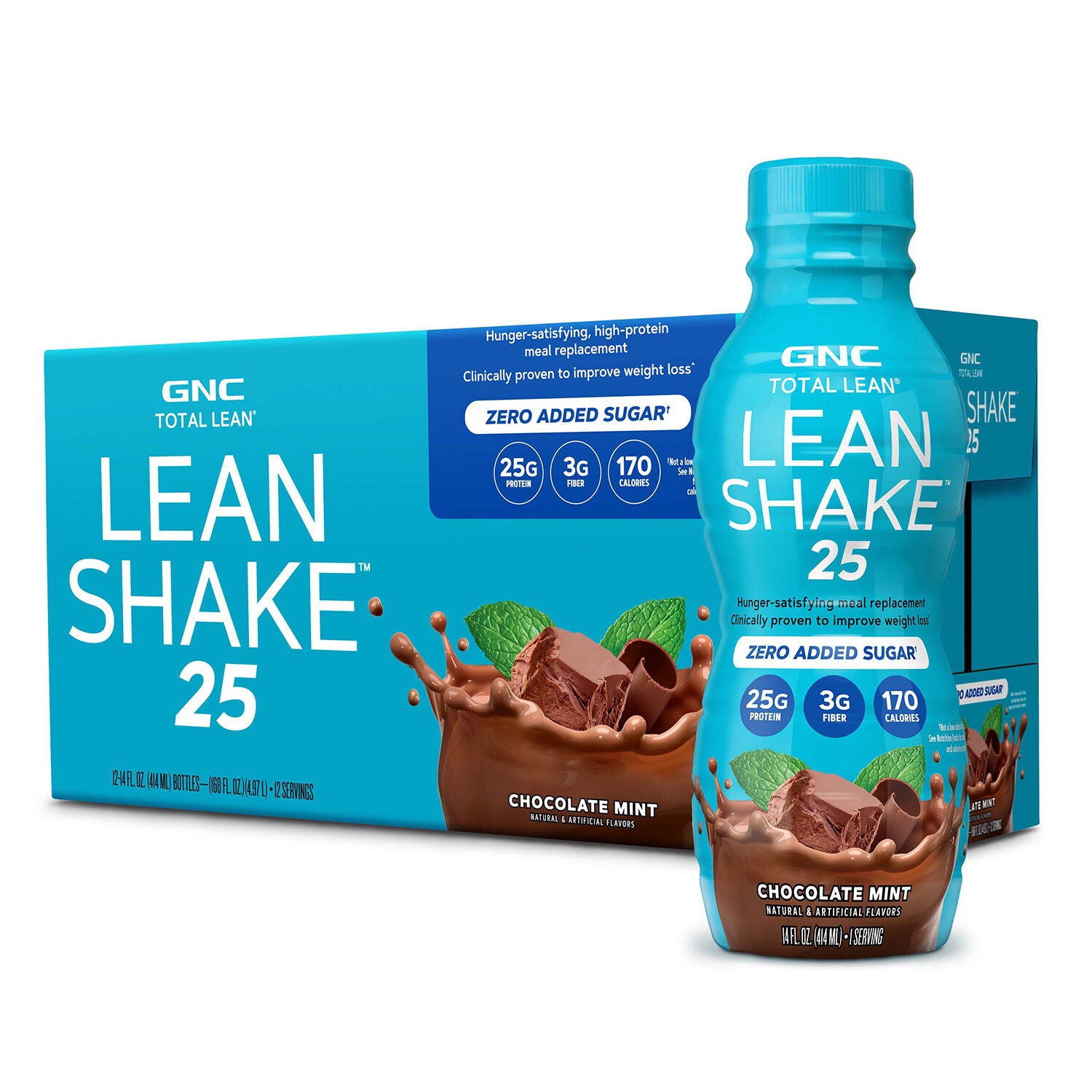
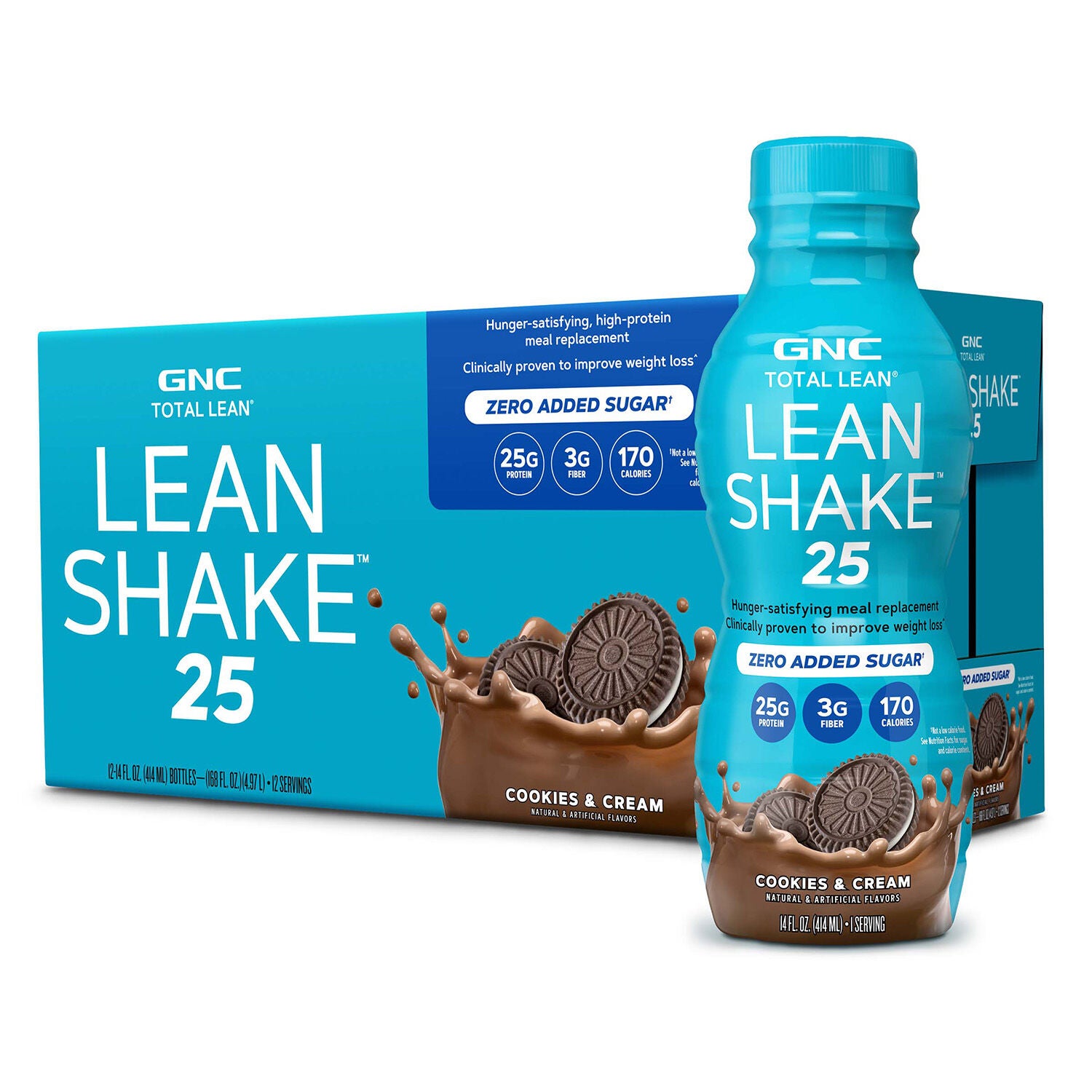
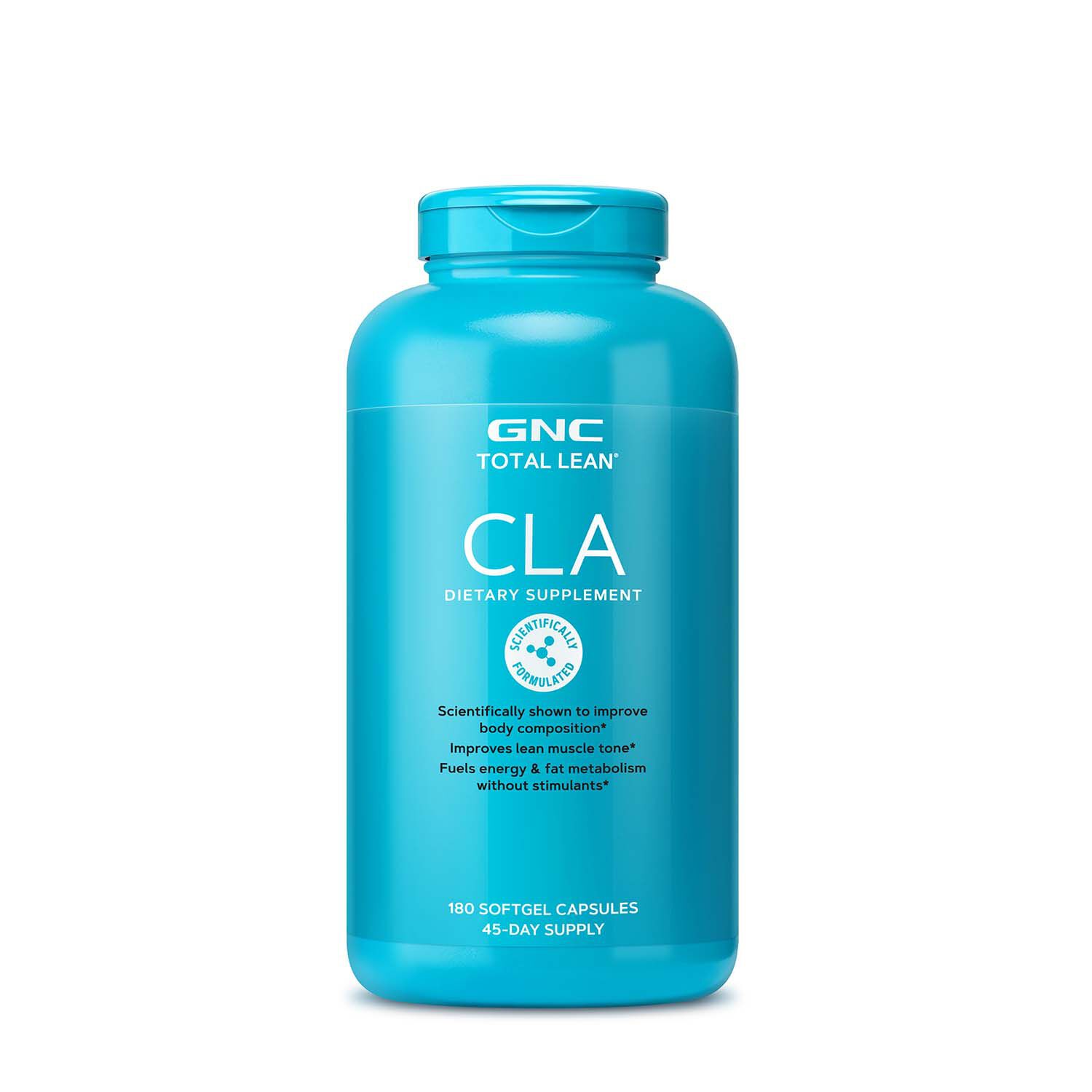


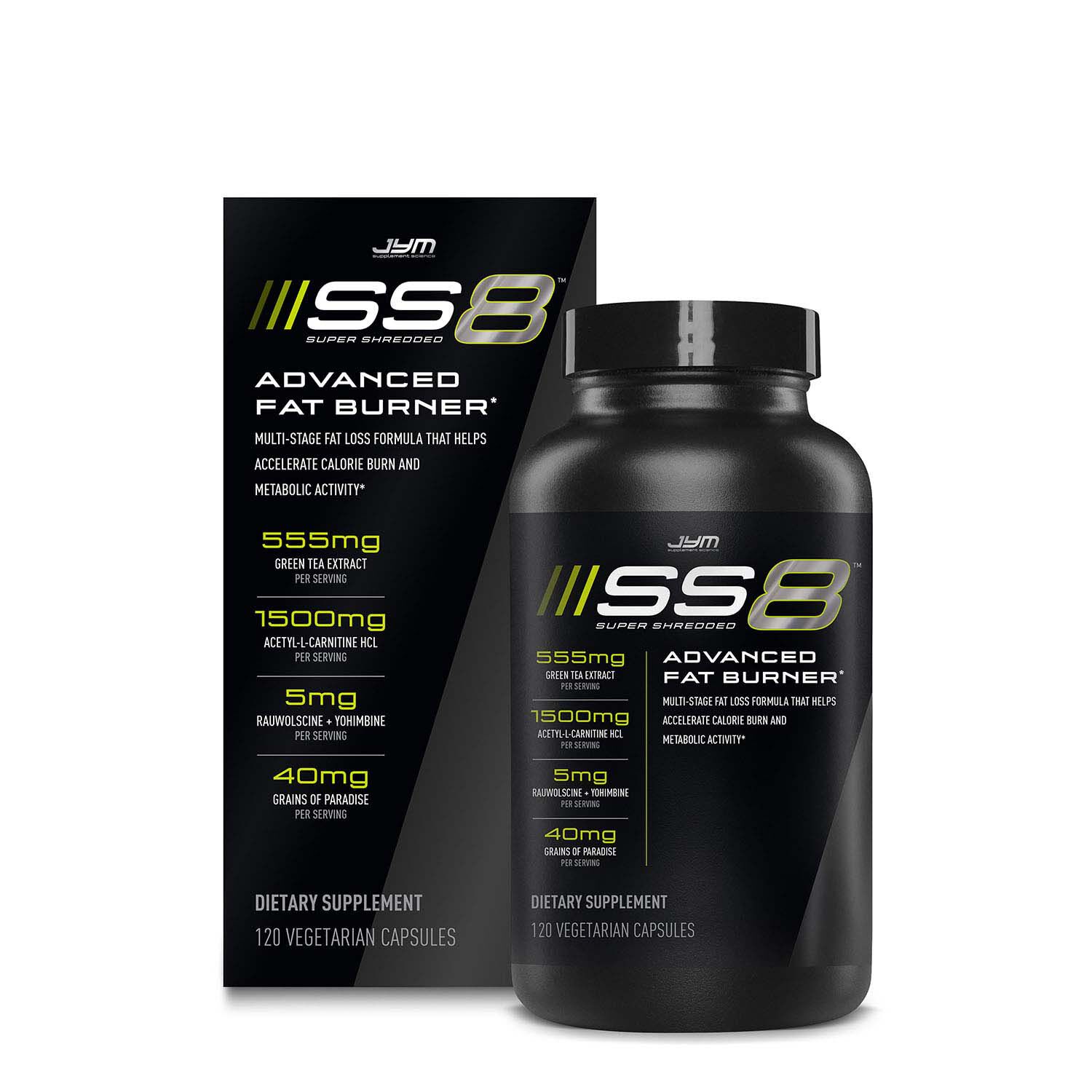

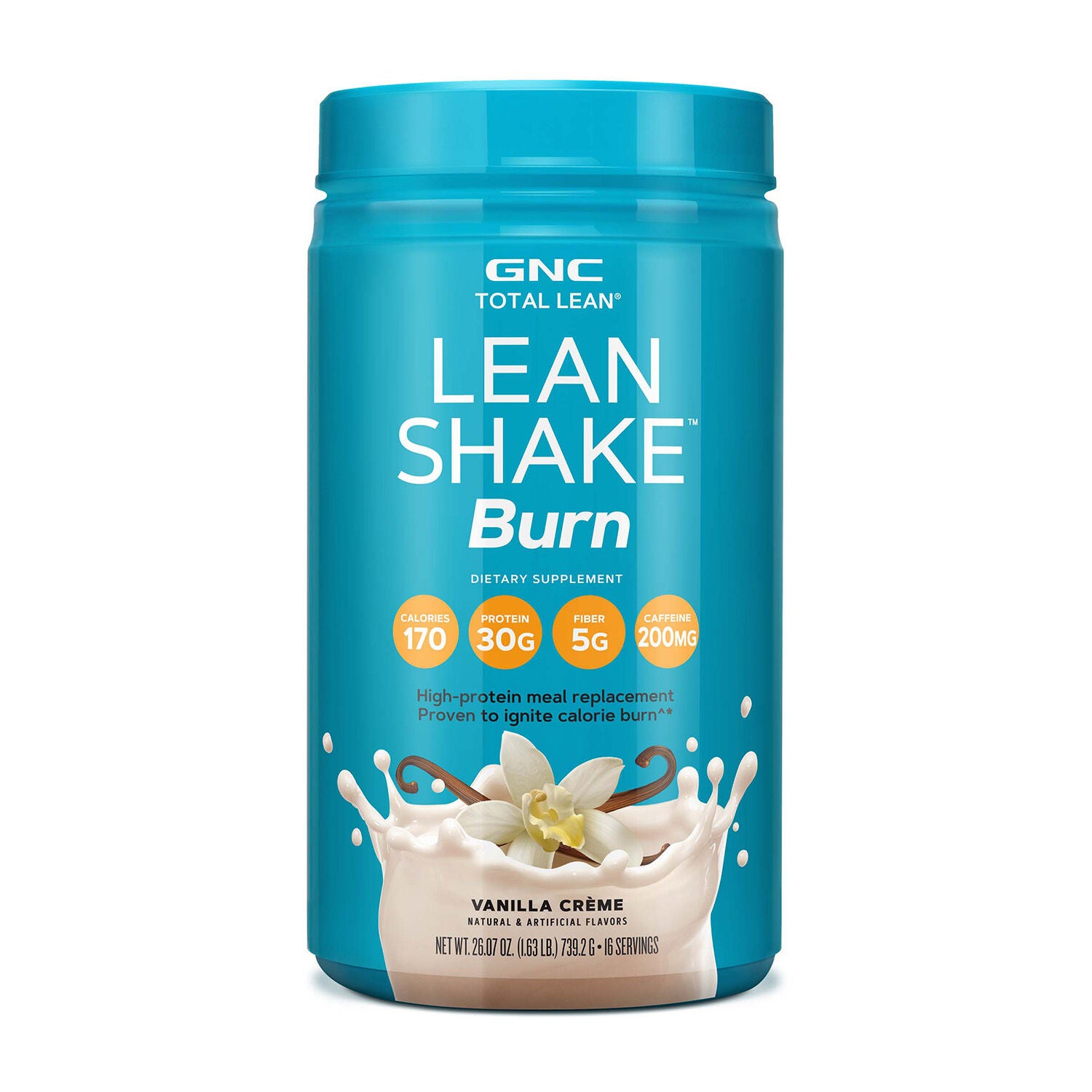
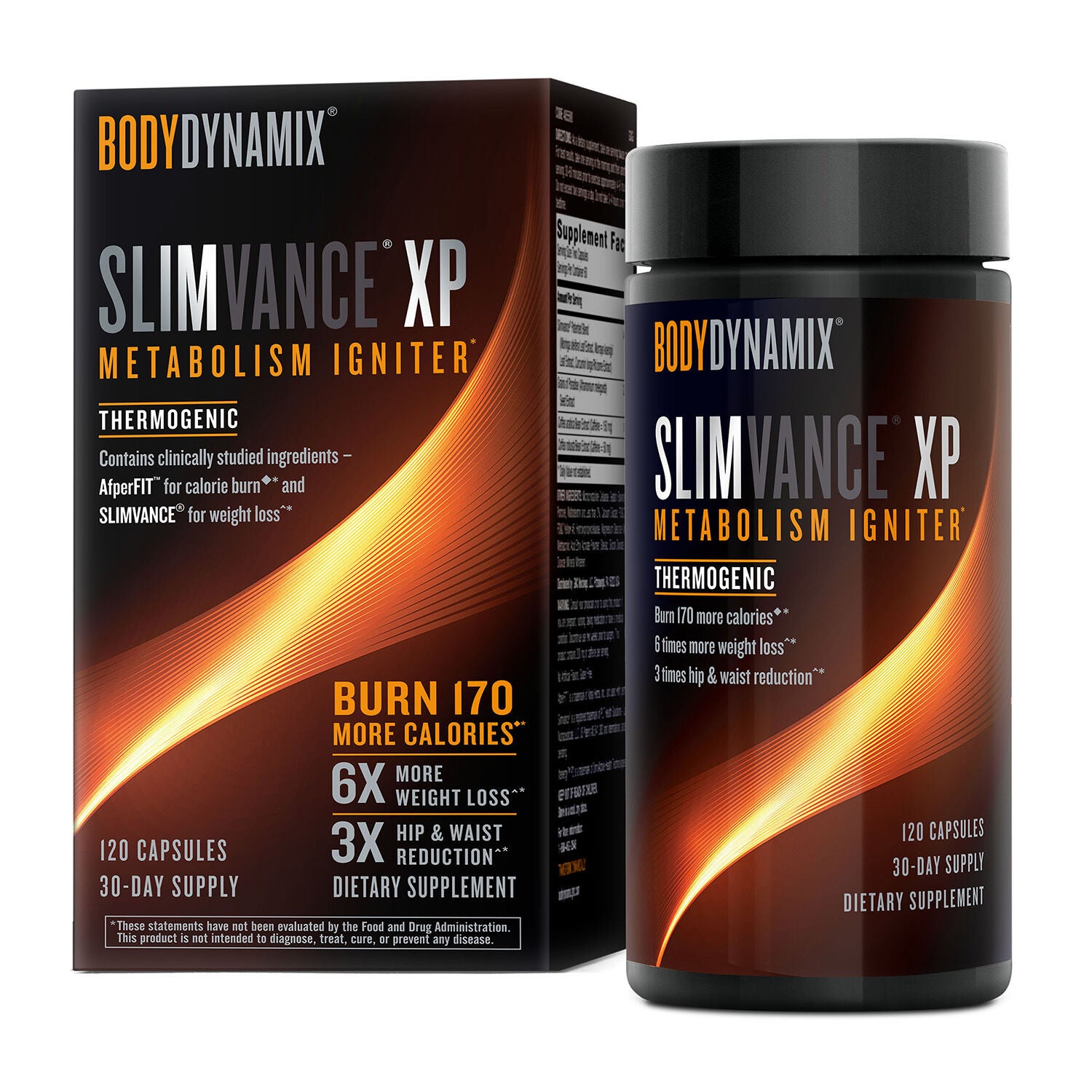


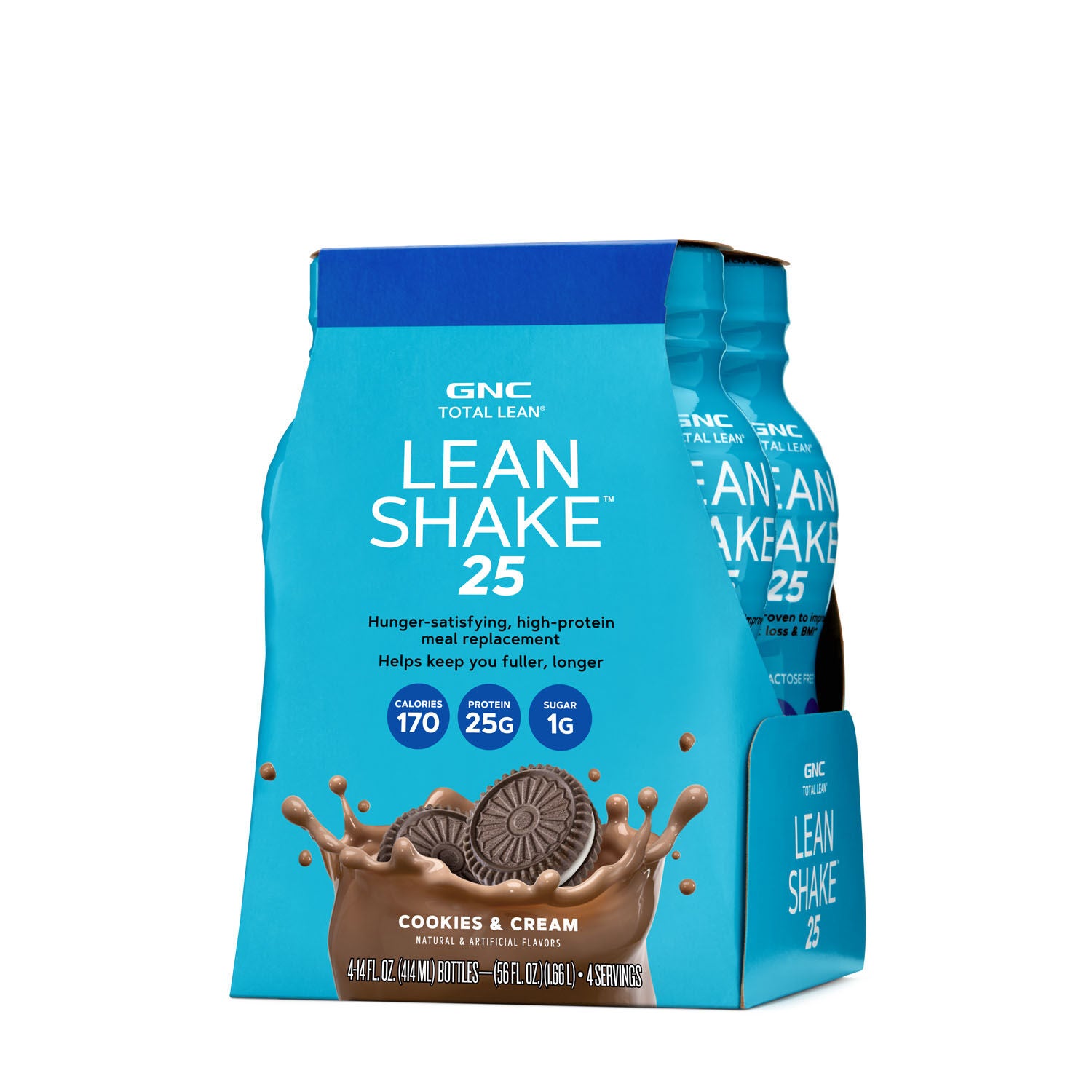
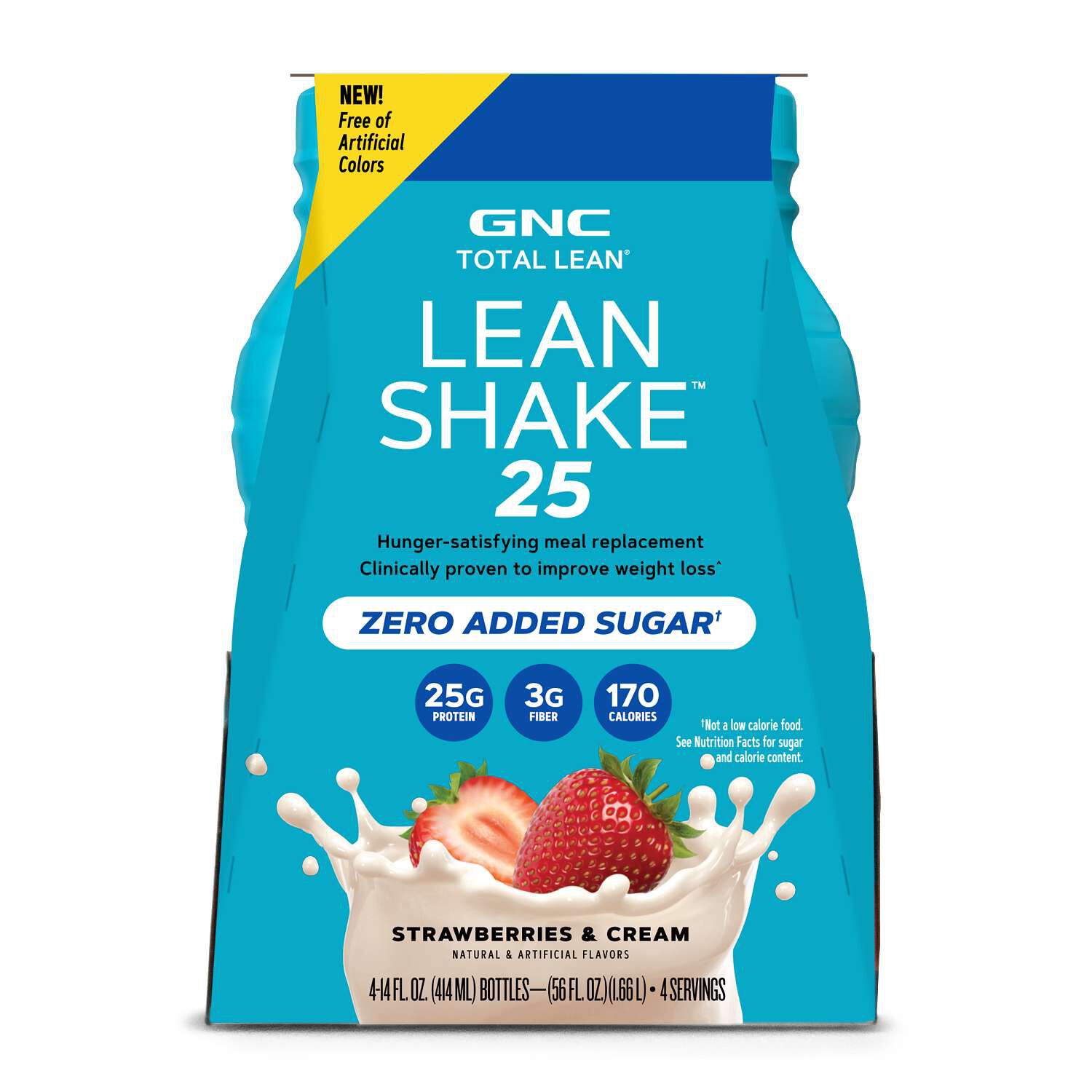
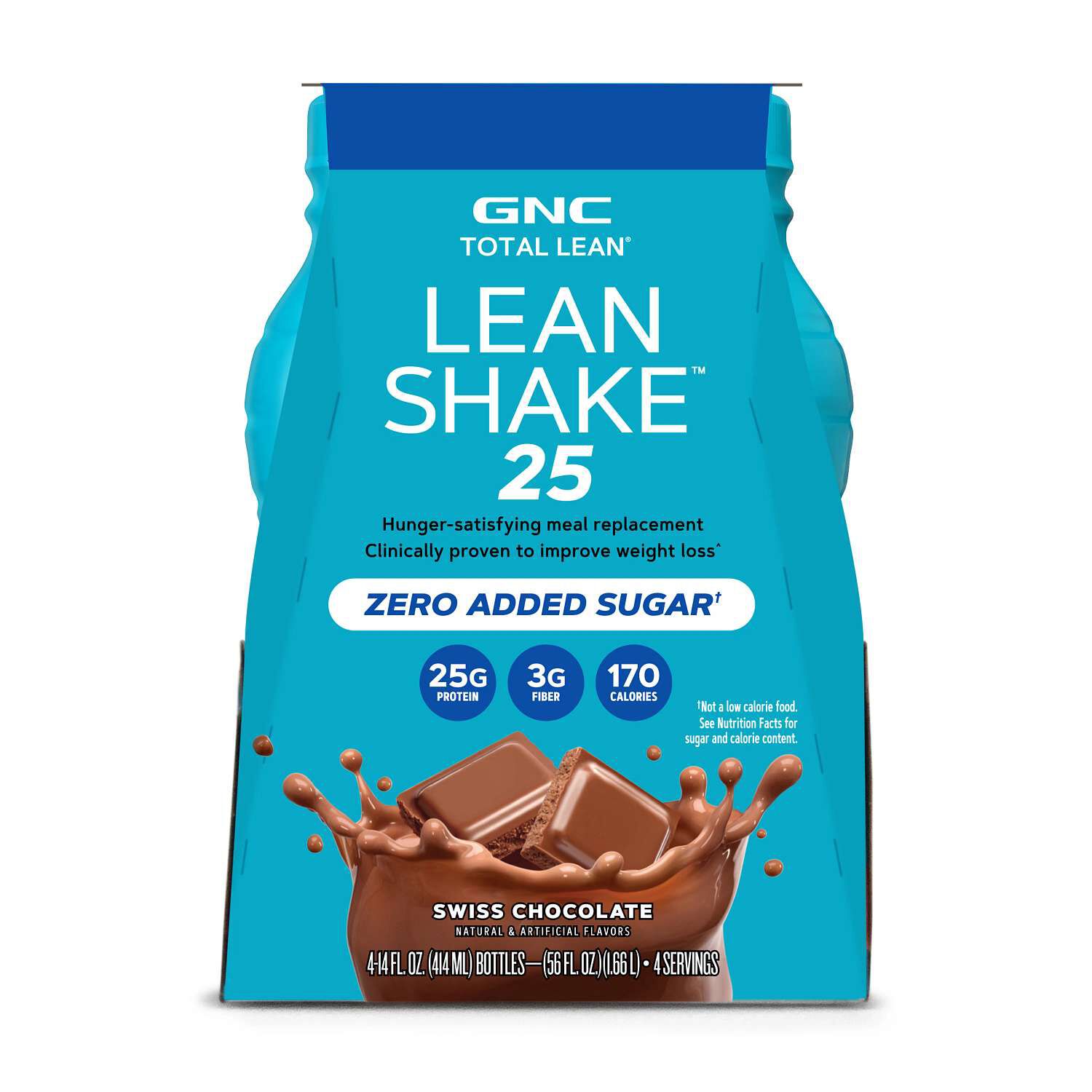

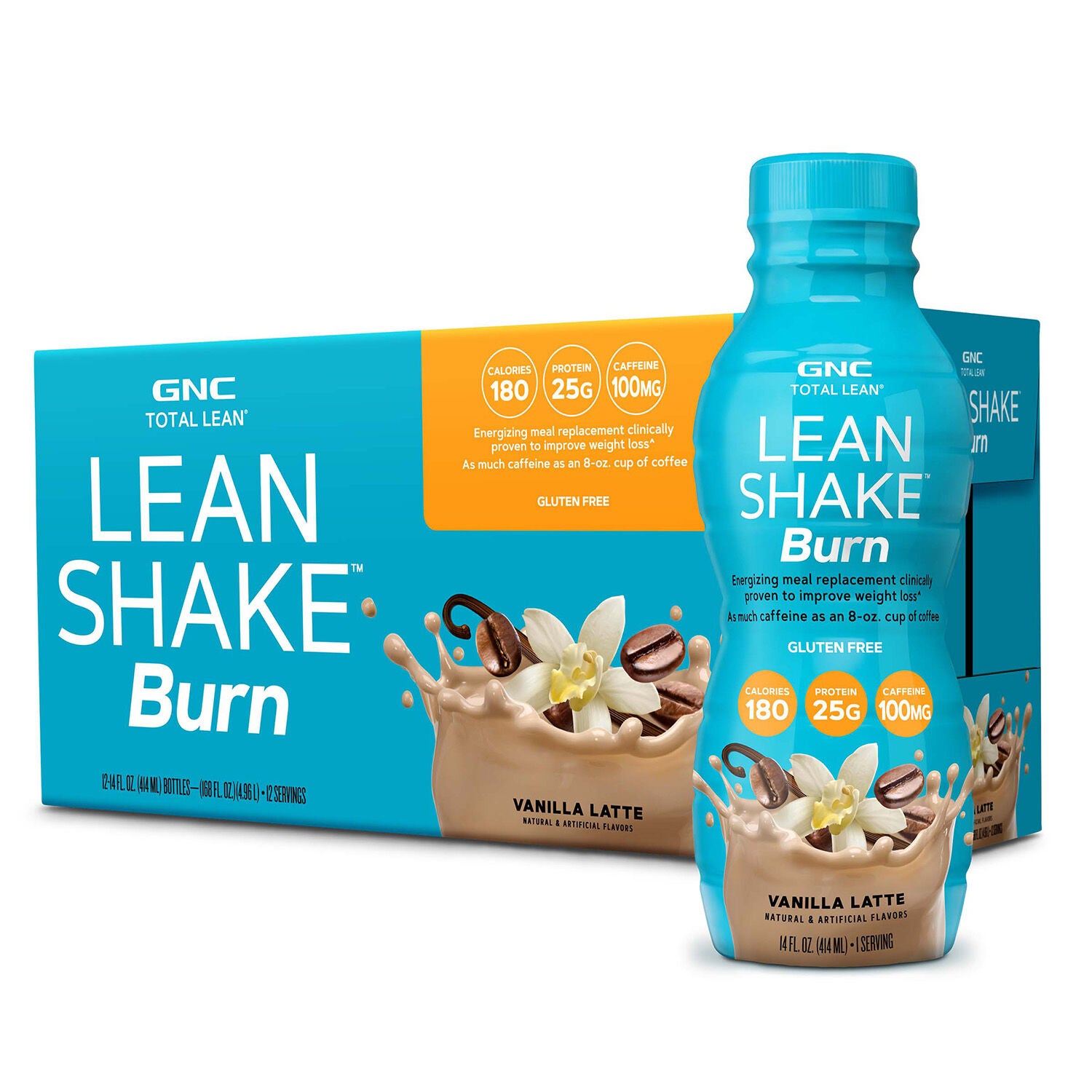
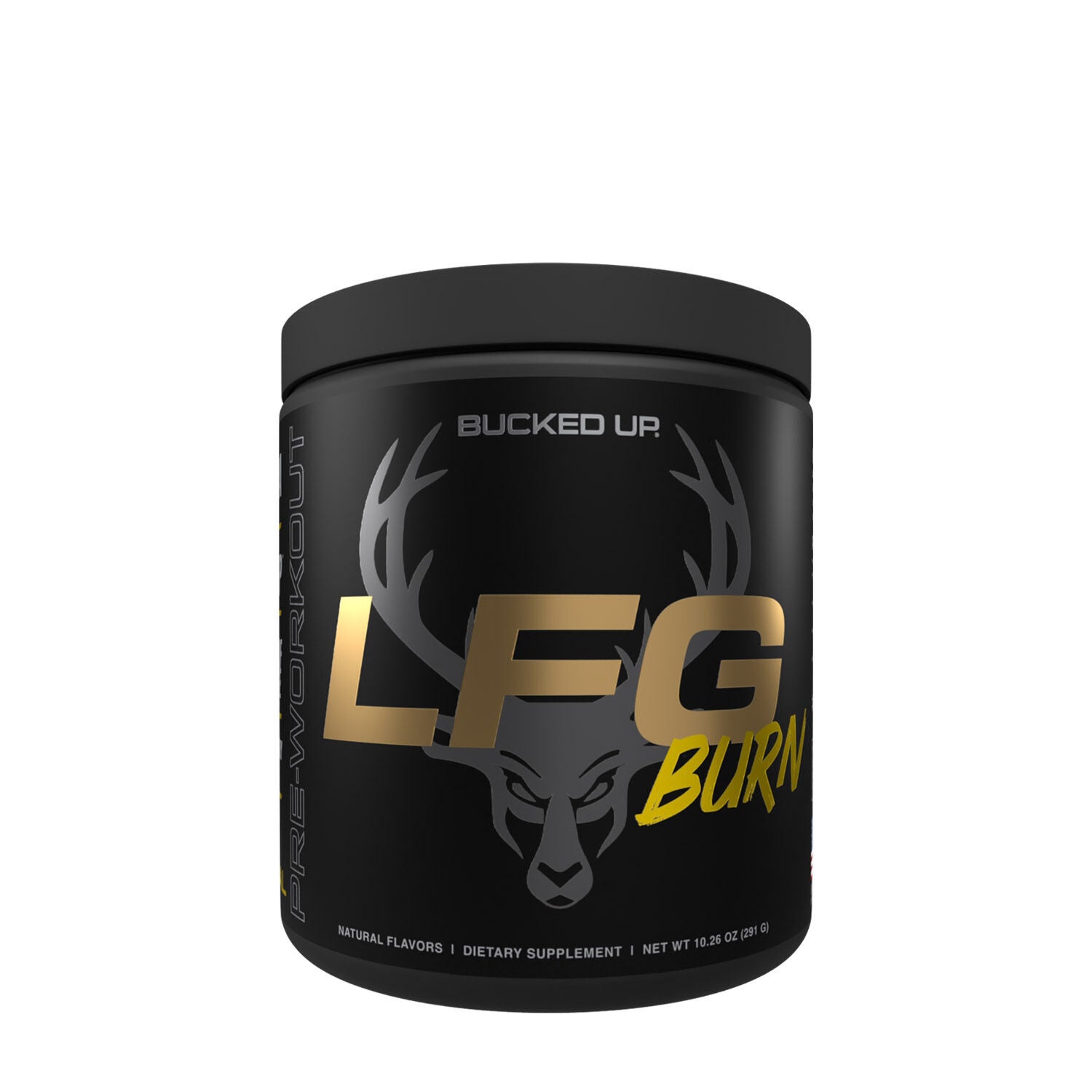
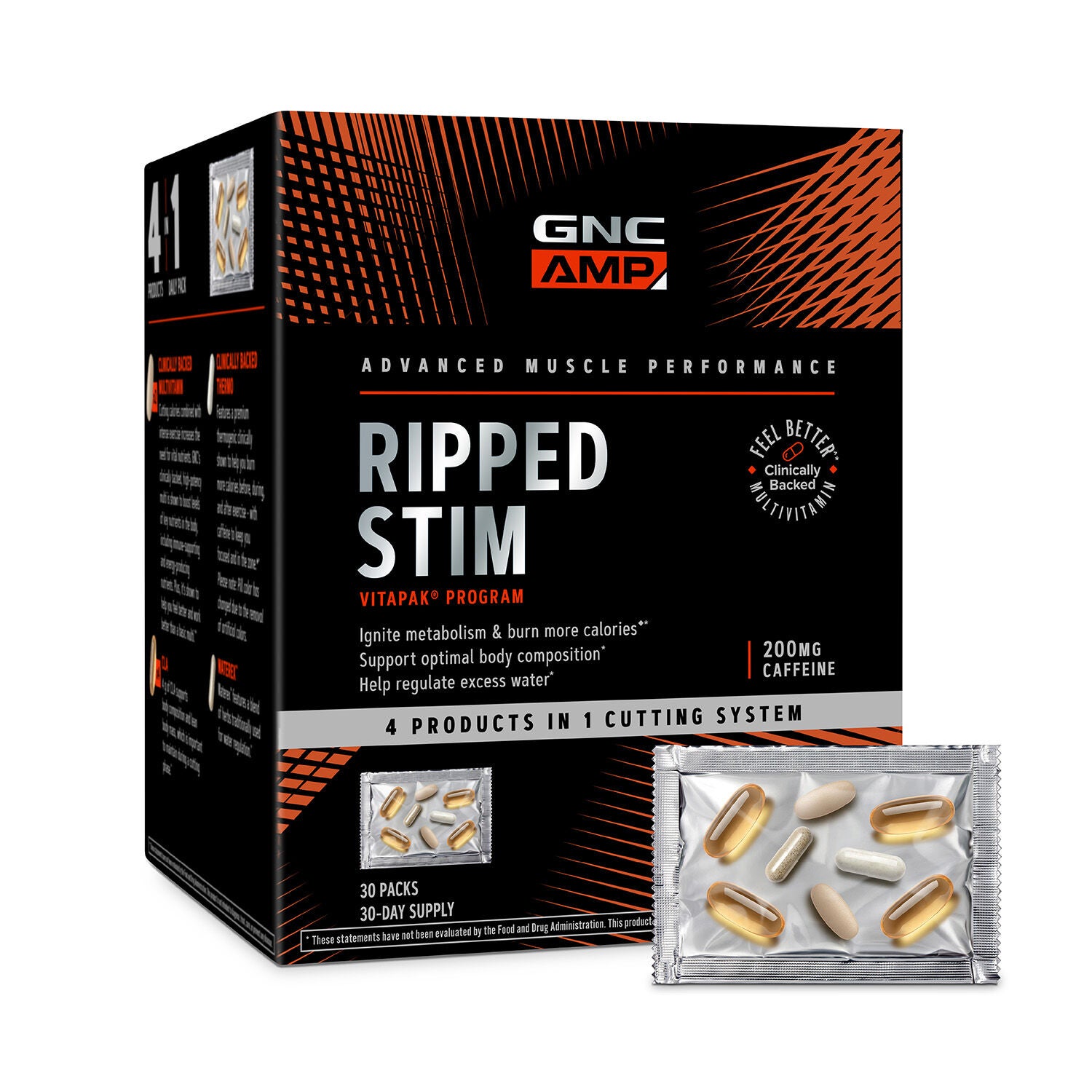
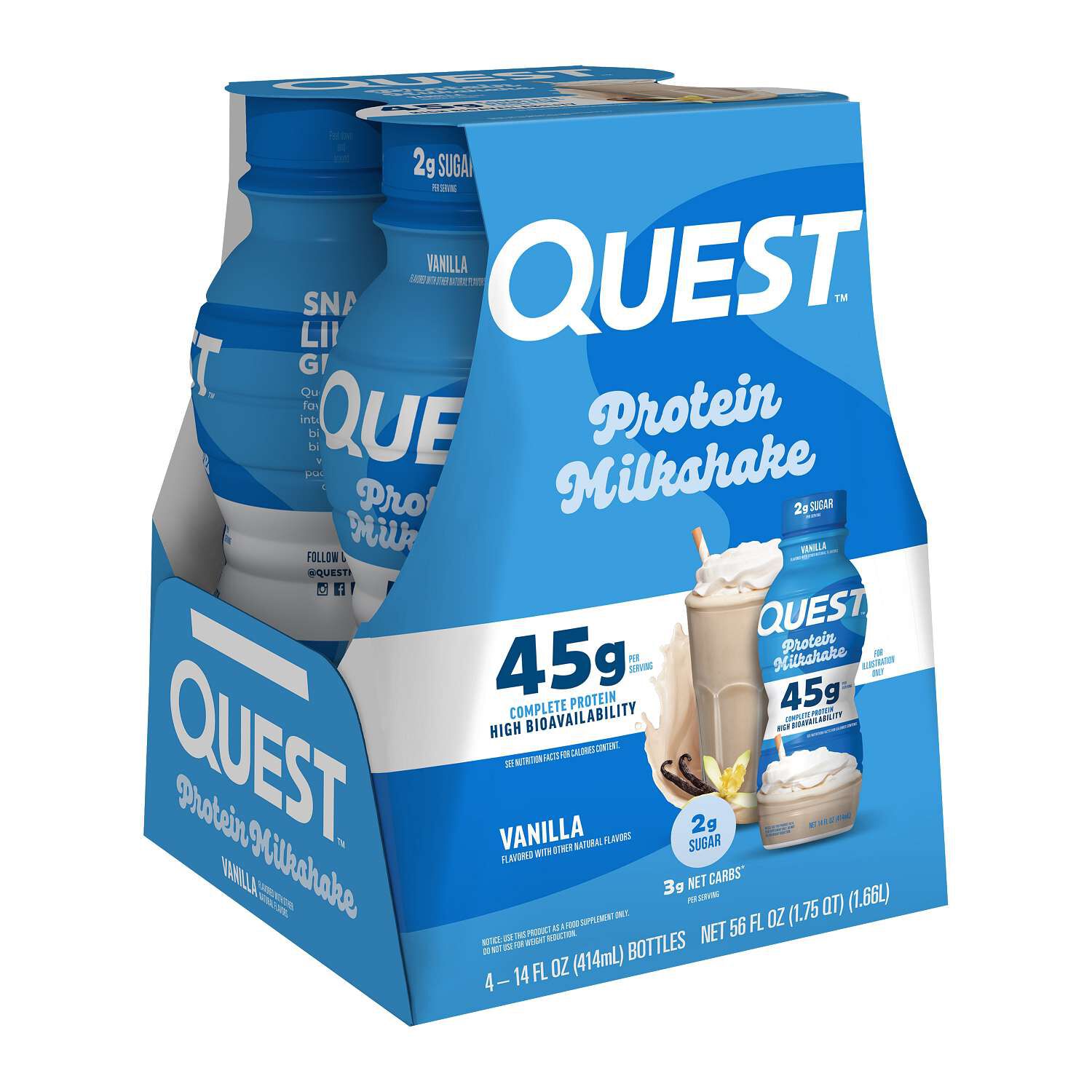
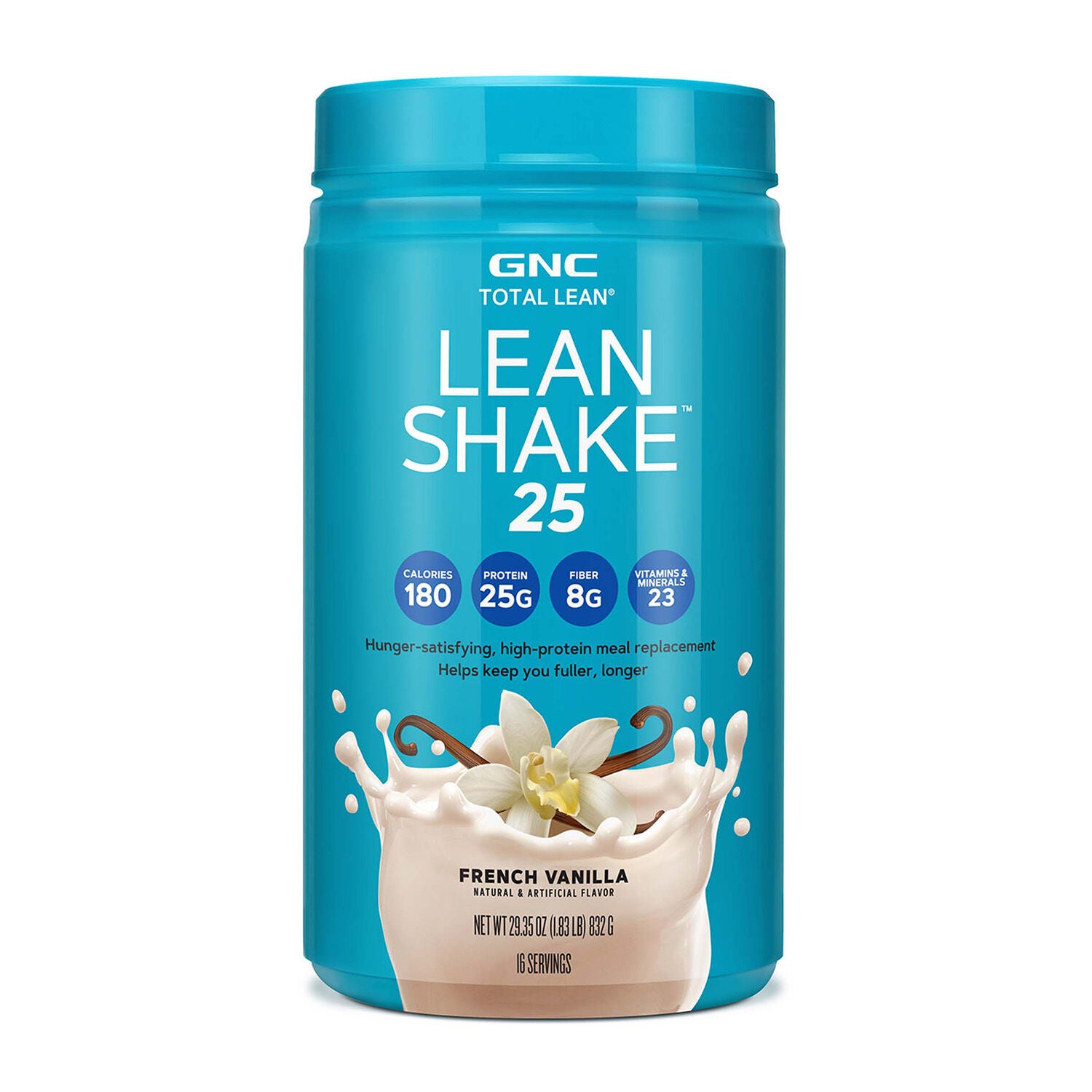
Summer body weight management supplements span several product categories, including protein powders, ready-to-drink shakes, fiber supplements, and formulas marketed for appetite or metabolism support. The shared theme is convenience within a broader routine, rather than a single ingredient or format that suits everyone. Summer plans can involve early walks, afternoons at the pool, weekend travel, and meals away from home, so practical details often matter as much as the product category itself. A powder that requires a blender has a different role from a shake packed for a day away, while a capsule offers a different experience from a flavored drink mix. Protein supplements commonly use whey, casein, soy, pea, or blends of plant proteins; the source influences flavor, texture, dietary compatibility, and preparation. Depending on the formula and the rest of the diet, protein may support muscle maintenance and help make a snack more satisfying. Fiber supplements may support fullness, although their ingredients, textures, and preparation requirements vary. Thermogenic formulas often contain caffeine, green tea extract, or other botanical ingredients, and their labels deserve attention beyond the front-of-package description. The term thermogenic describes a marketing category, not a dependable outcome for every person. No single supplement defines what a summer body should look like, and changes in appearance are not the only reason someone might explore this assortment. Some adults want a portable protein option for a busy schedule; others are comparing formats that fit an established eating and activity routine. The Products For Summer Weight Management collection brings the seasonal theme into a dedicated browsing destination. Across these categories, the most useful distinctions are concrete: what a serving contains, how it is prepared, where it fits into the day, and whether the flavor and format suit the person using it. Those details give summer weight management supplements context without treating them as a substitute for meals, movement, or realistic expectations.
Protein powders and shakes are worth comparing by more than the number printed prominently on the package. Protein per serving, serving size, calories, carbohydrate content, added sugars, and fat all contribute to the nutritional picture. A powder intended to be mixed with water will also produce a different drink when blended with milk, yogurt, or fruit, since those additions bring their own nutrients and change the texture. Whey-based powders come from milk, while plant-based options use sources such as pea, soy, or rice; an ingredient list and allergen statement provide more specific information than a broad dietary description. Some blends have a mild taste that works in oatmeal or a smoothie, while others have a pronounced dessert-style flavor that makes more sense as a stand-alone shake. Texture matters during everyday use, too. A finely textured powder, a thicker blend, and a ready-to-drink beverage can feel quite different even when their protein amounts are similar. For someone heading from a morning workout to errands, preparation time and cleanup may shape the choice. For someone spending a weekend away, the size of the container and access to refrigeration may matter more. Fiber powders introduce another set of considerations, including the fiber source, whether the formula is flavored, and how the mixture changes after preparation. Some become noticeably thicker, making the label’s mixing directions especially relevant. Capsules avoid the texture of a mixed drink, but the serving may involve more than one capsule. Ready-to-drink formats remove the measuring step, although storage directions still apply, particularly after opening. A protein shake and a meal replacement are not interchangeable descriptions; the intended use and nutrition panel establish what each formula is designed to provide. In a summer weight management assortment, these distinctions are more informative than beach imagery or dramatic package language. The format should fit the actual setting, whether that means a kitchen counter before work, a shaded picnic table after a walk, or a hotel room with limited preparation space.
Beyond protein and fiber, weight management formulas can contain combinations of botanical extracts, caffeine, vitamins, minerals, and other ingredients. Longer ingredient lists are not automatically more useful, and a familiar ingredient name does not explain the amount included in a serving. The Supplement Facts panel, serving directions, and ingredient list provide the clearest basis for comparison. Caffeine can appear alongside coffee-derived ingredients, tea extracts, or other sources, so the full label matters when distinguishing formulas with caffeine from those made without it. Products marketed for appetite support may contain fiber or botanical combinations, but the category name alone does not establish how someone will experience them. Likewise, probiotics and apple cider vinegar supplements sometimes appear beside weight management products, yet their presence in the same assortment does not establish a weight-related benefit. Clear labeling and a stated intended use are more useful than assuming every product serves the same purpose. Third-party certification, when present, should be understood according to the specific program and what it evaluates; a seal is not evidence that a particular body change will occur. Packaging and care also deserve a place in the comparison. Tight-closing lids, readable directions, and containers suited to repeated handling are practical features for products used over several weeks. Label storage instructions matter for powders, capsules, and beverages alike. A tub left in a hot car between a workout and a beach outing presents a different storage situation from one kept as directed at home. Moisture can affect powder texture, and ready-to-drink beverages may have refrigeration requirements after opening. Serving count is another useful detail because container size alone does not show how many uses it contains. For personal use, familiar flavors, manageable preparation, and clearly stated ingredients may make a supplement a more practical addition to an existing routine. These are often personal purchases rather than casual gifts, since dietary preferences and individual goals vary. Summer weight management supplements are best understood through those everyday distinctions: their nutritional content, intended role, format, and care requirements, with expectations grounded in the formula rather than the season.