

Superfood Cleansing Drink Powders
(0 Results)
Superfood cleansing drink powders could be a convenient way to support your wellness routine. Packed with nutrient-rich ingredients, these blends may offer an easy option for those looking to add more superfoods to their daily regimen. Whether you’re seeking a refreshing beverage or a simple addition to your favorite smoothie, superfood cleansing drink powders might fit seamlessly into a variety of lifestyles. Explore options that could help you take steps toward your personal health goals.


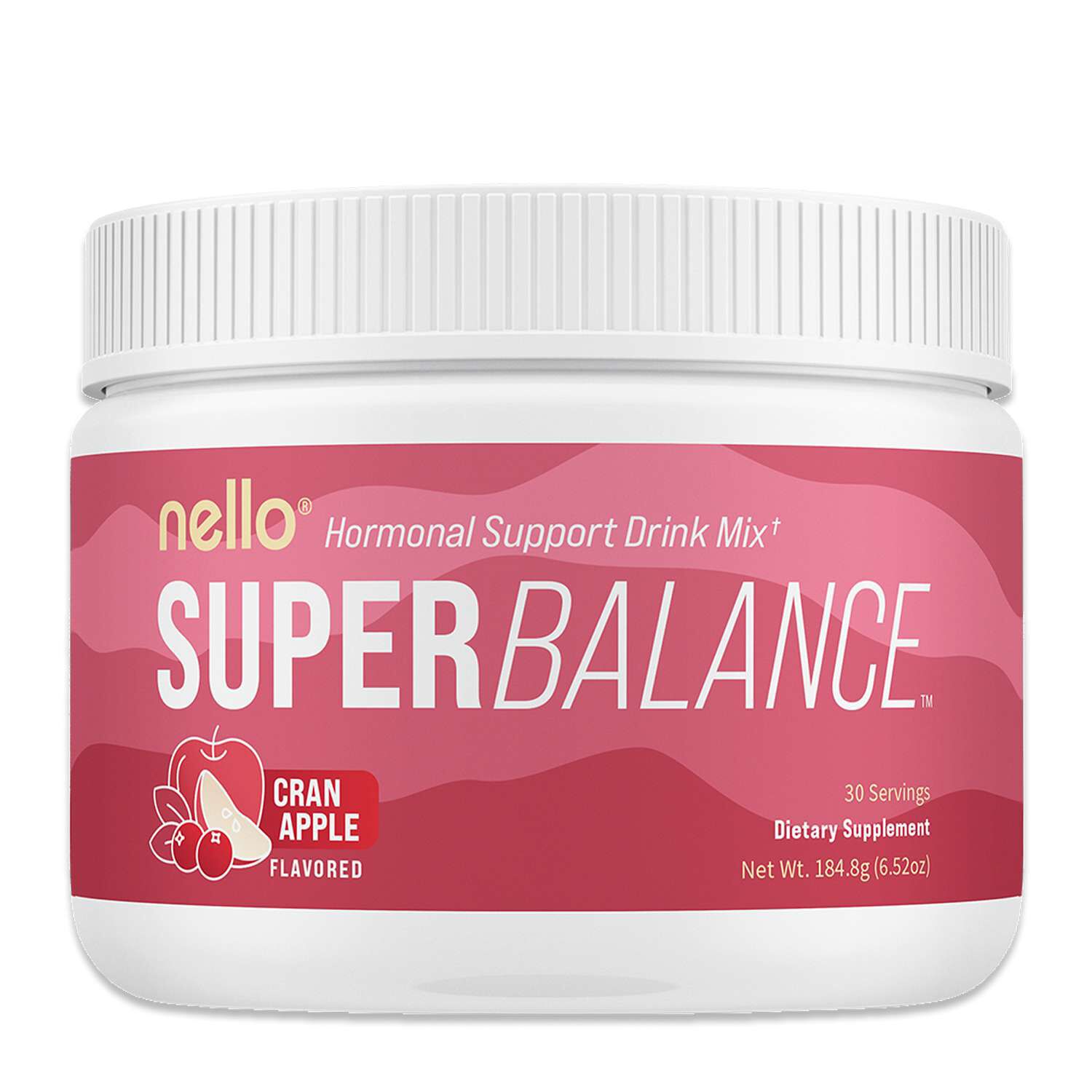
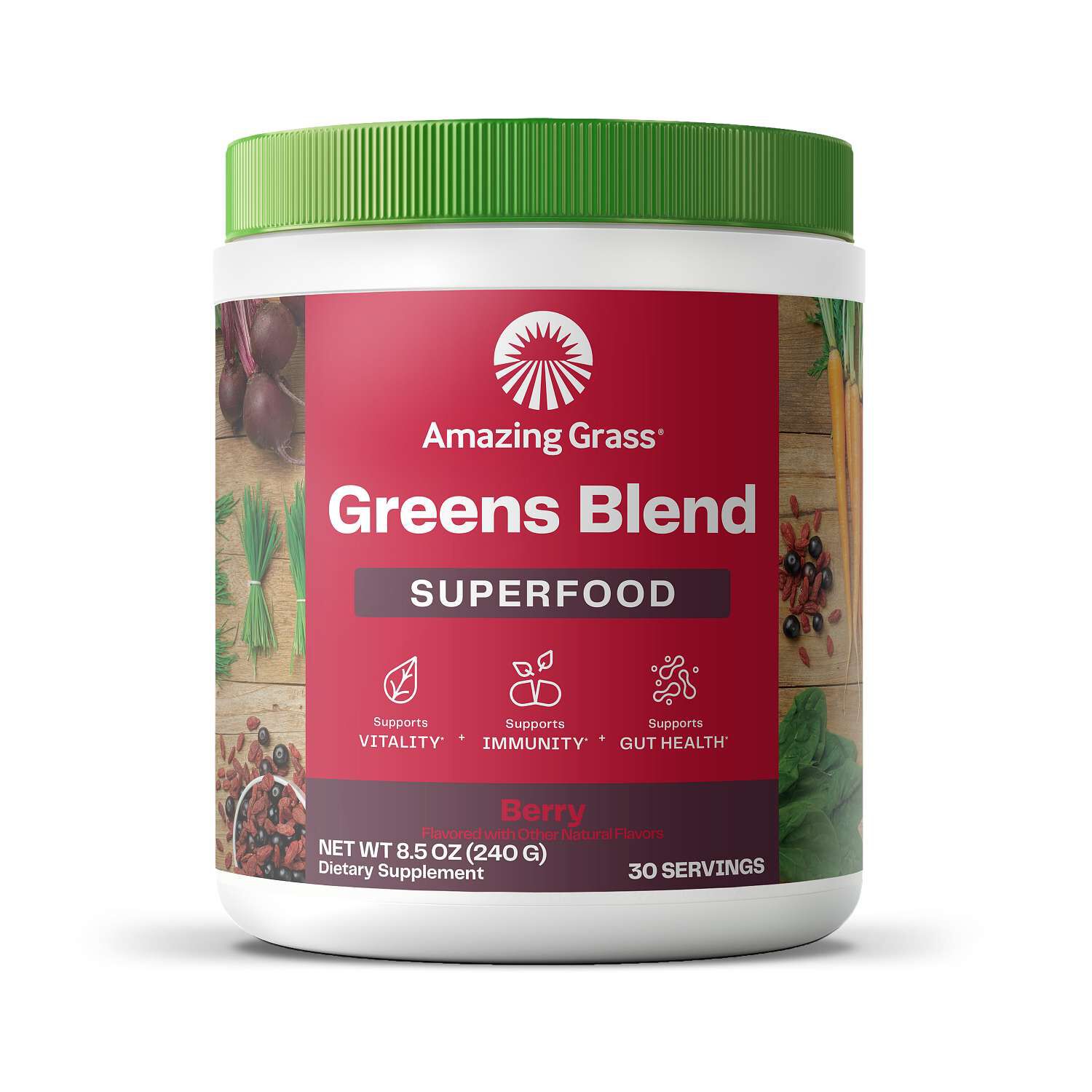

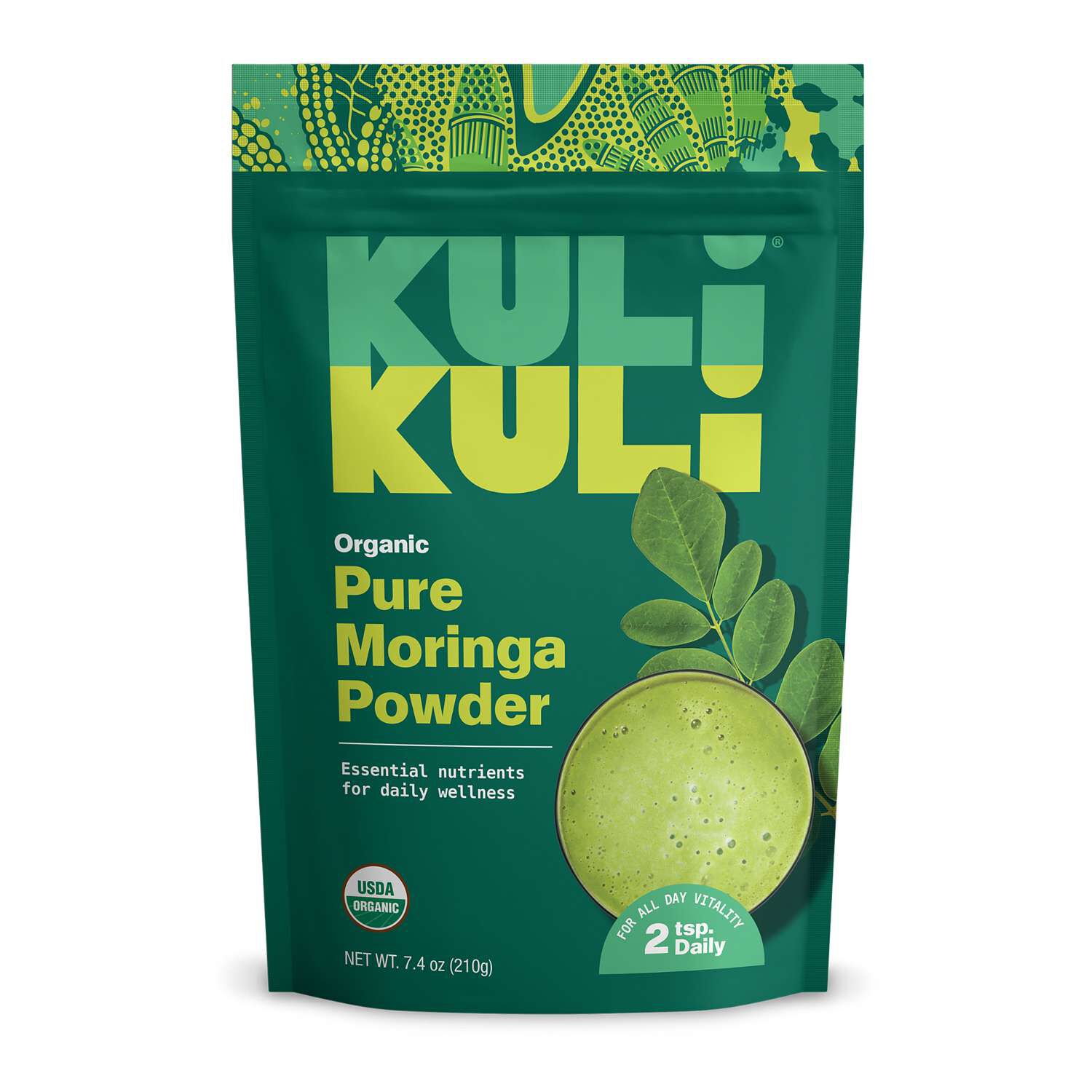

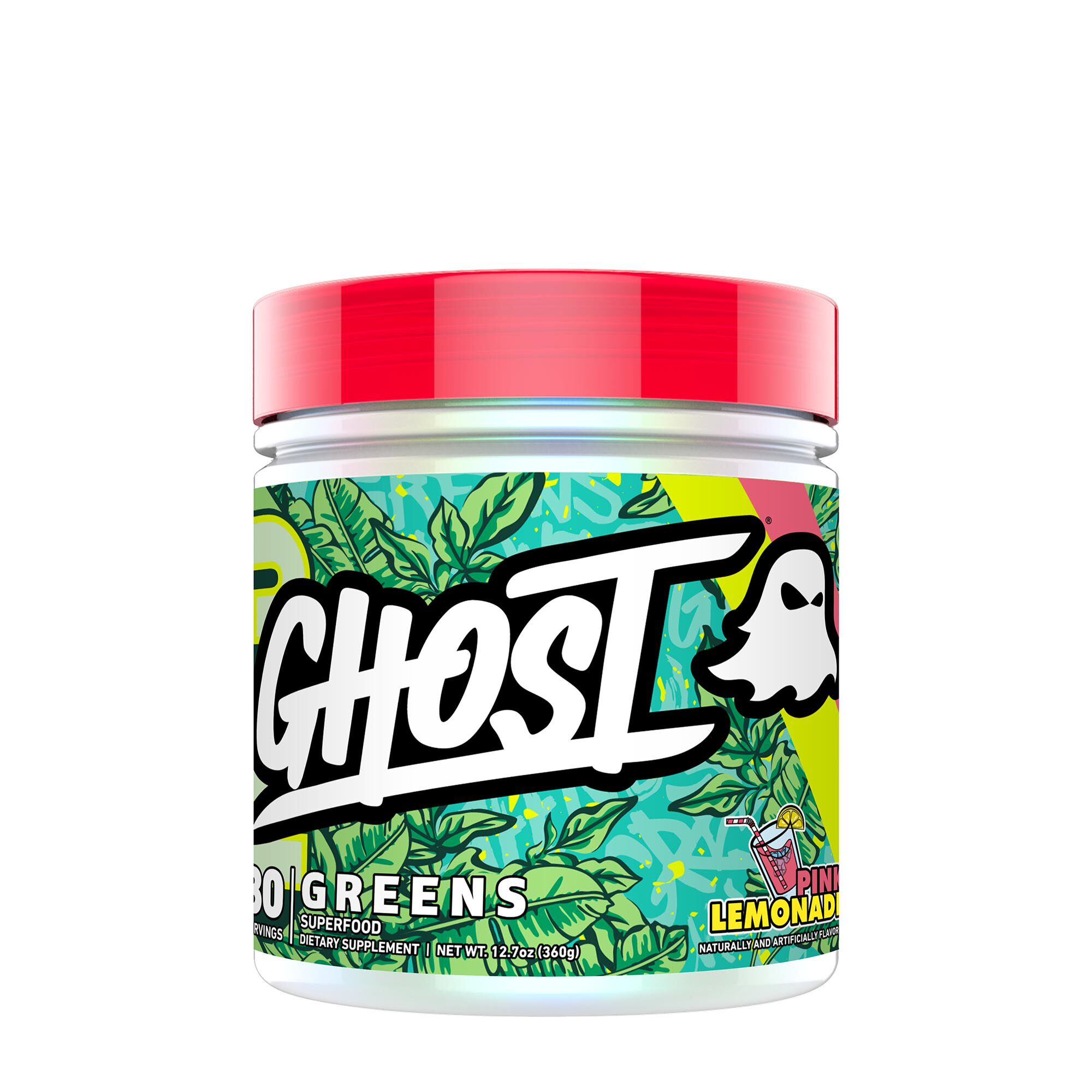
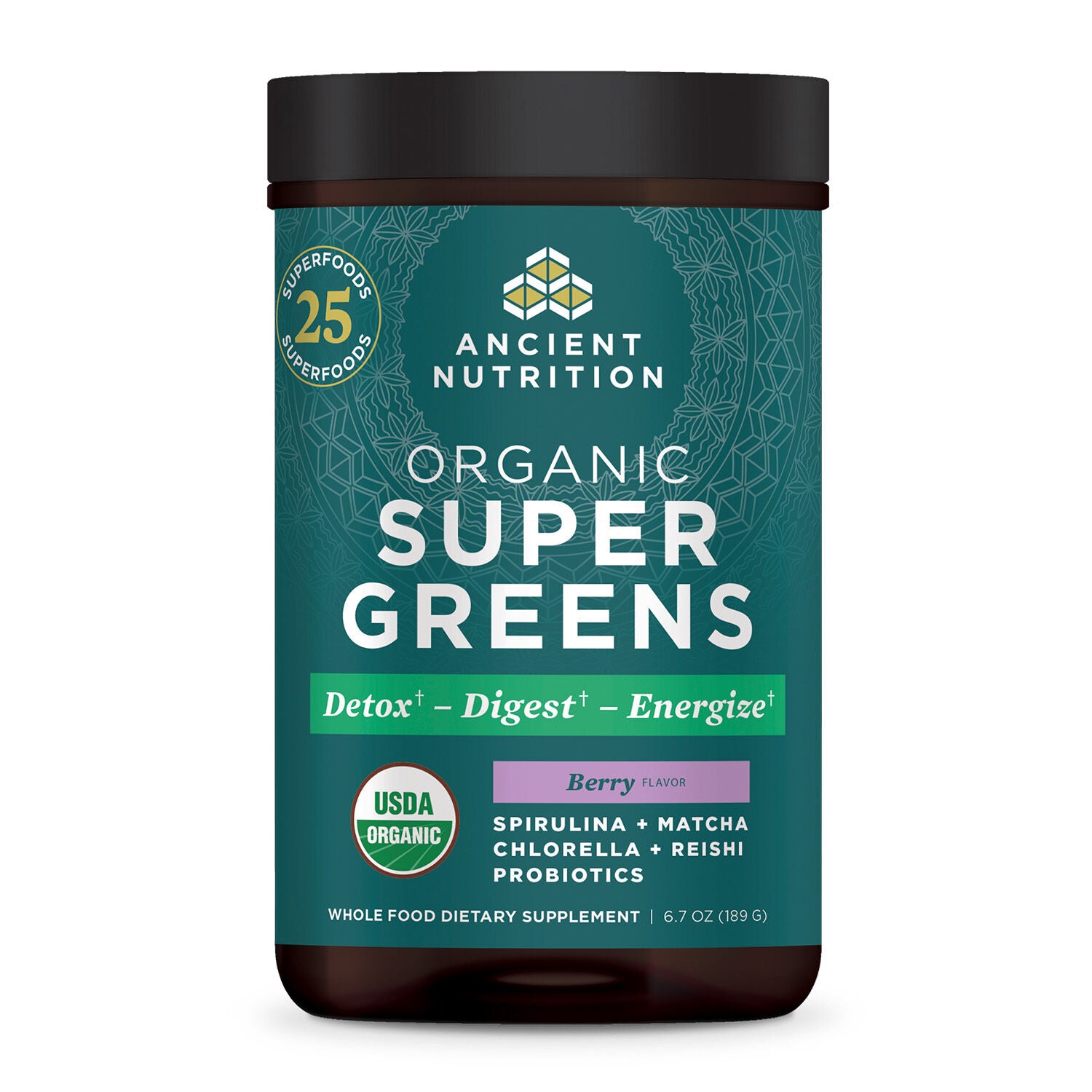
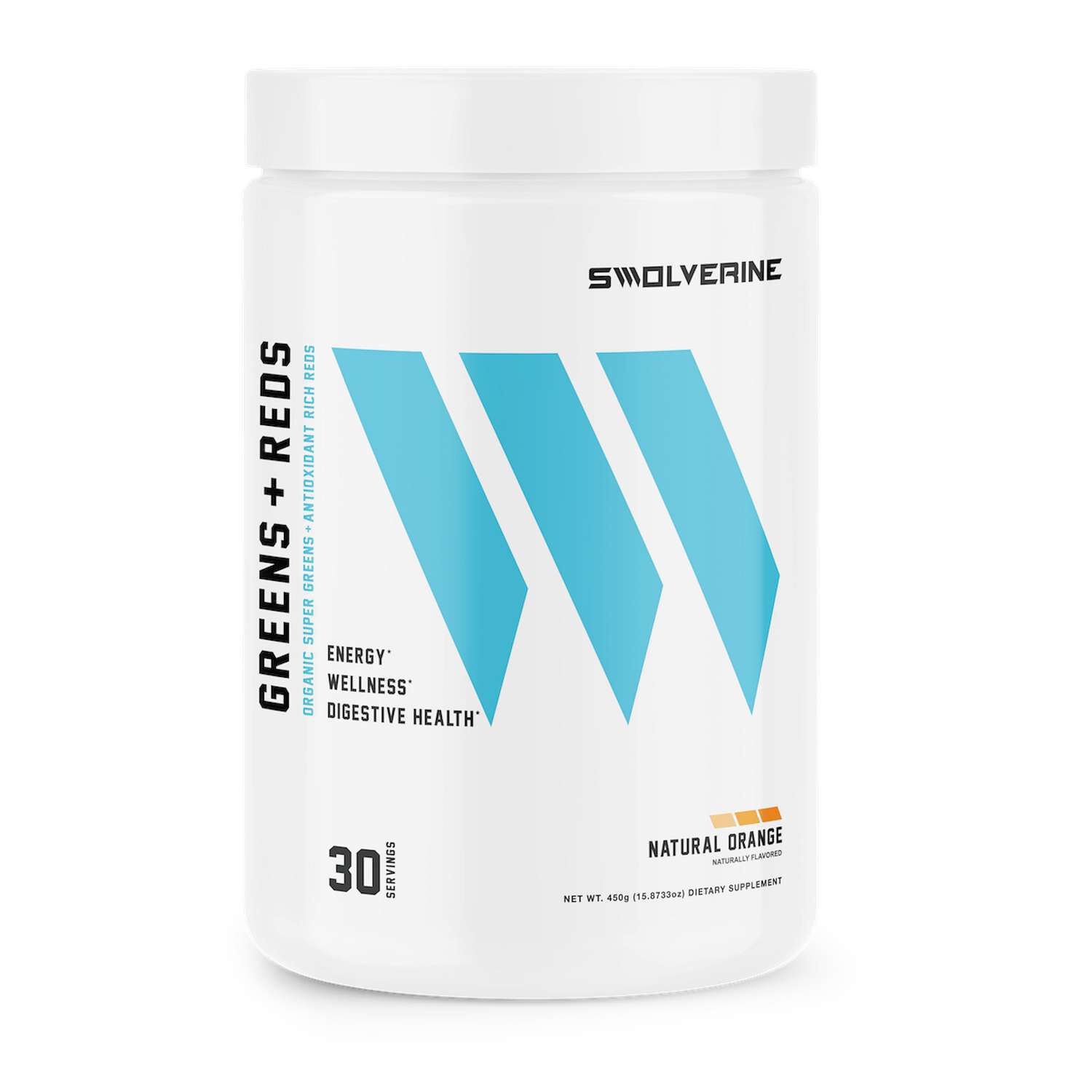
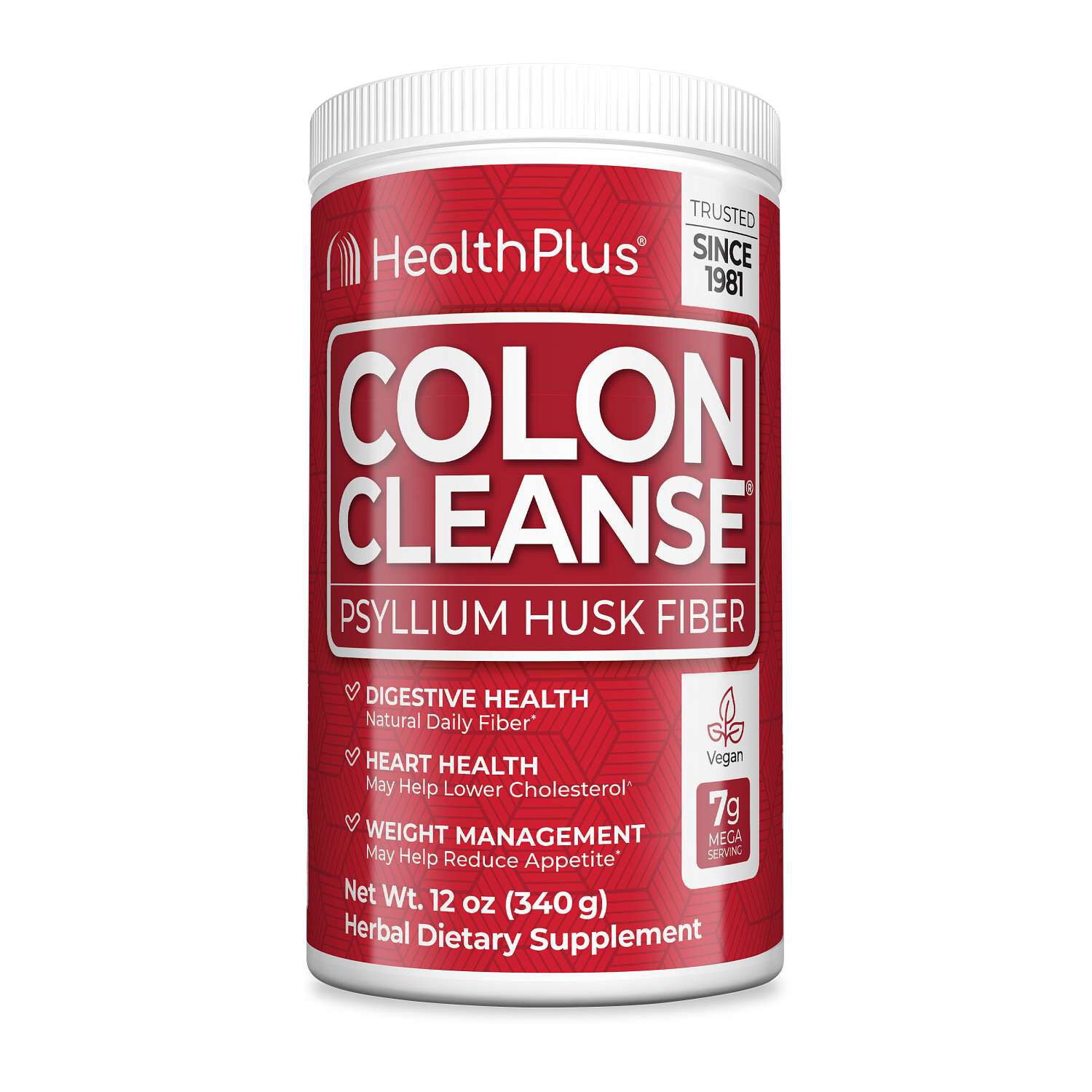
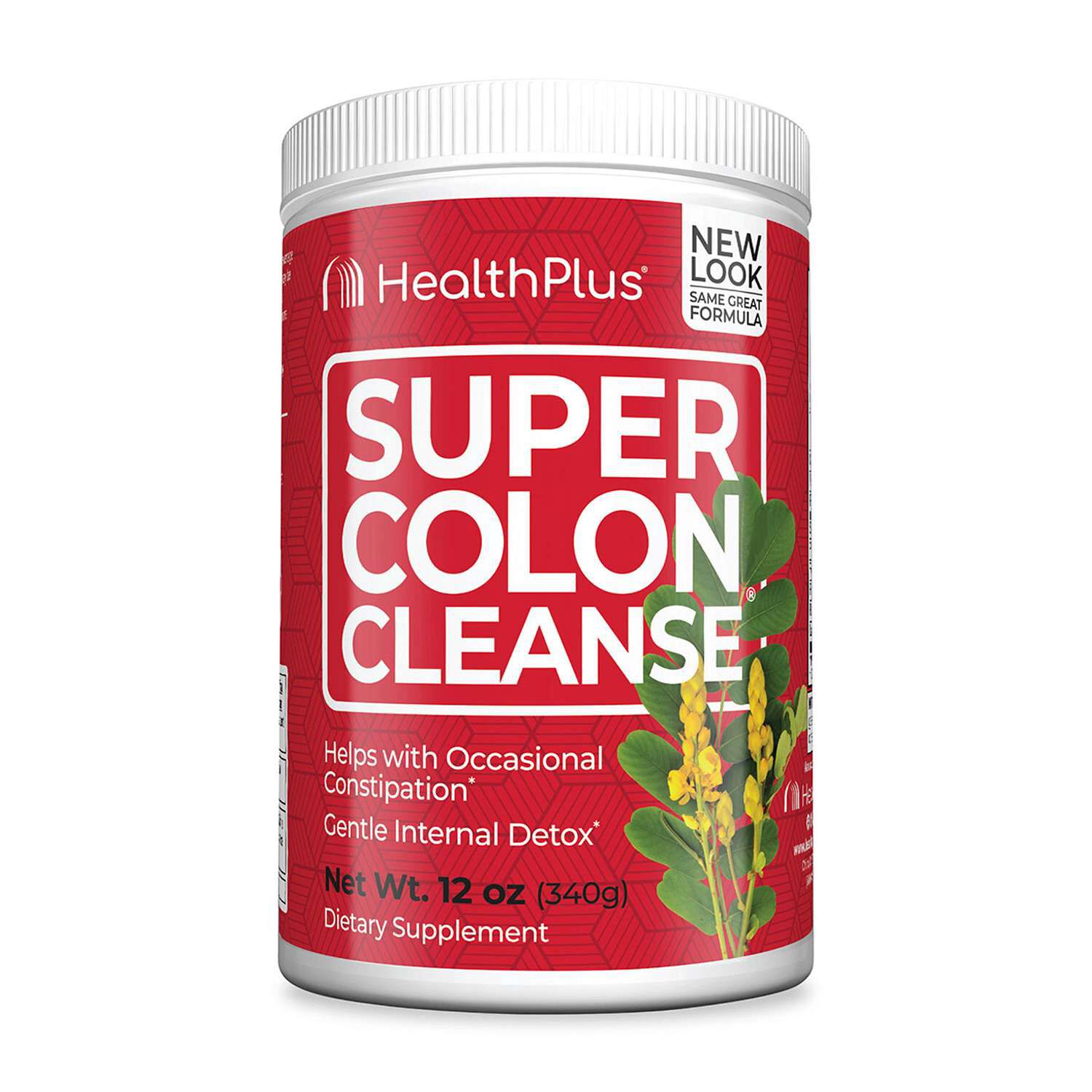
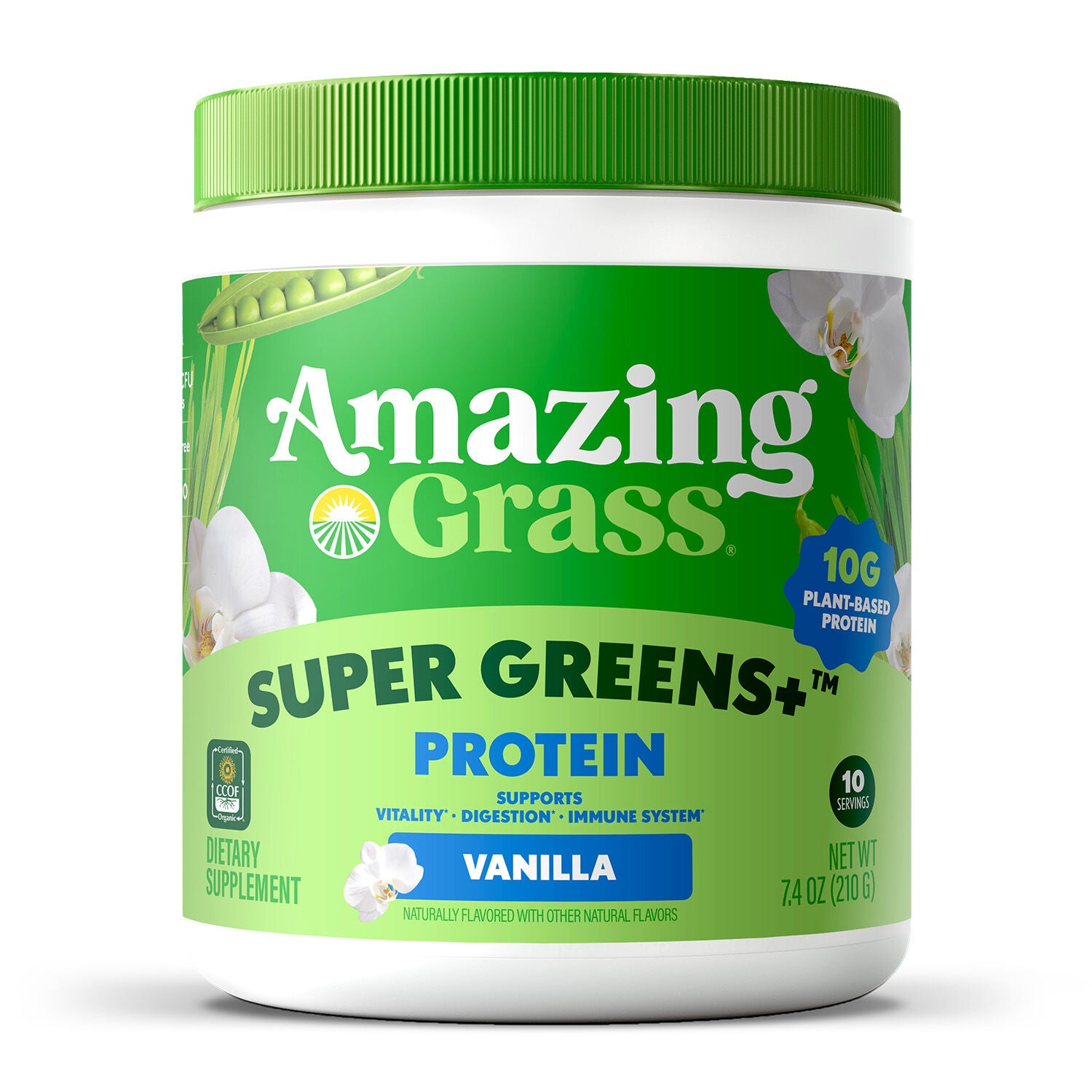

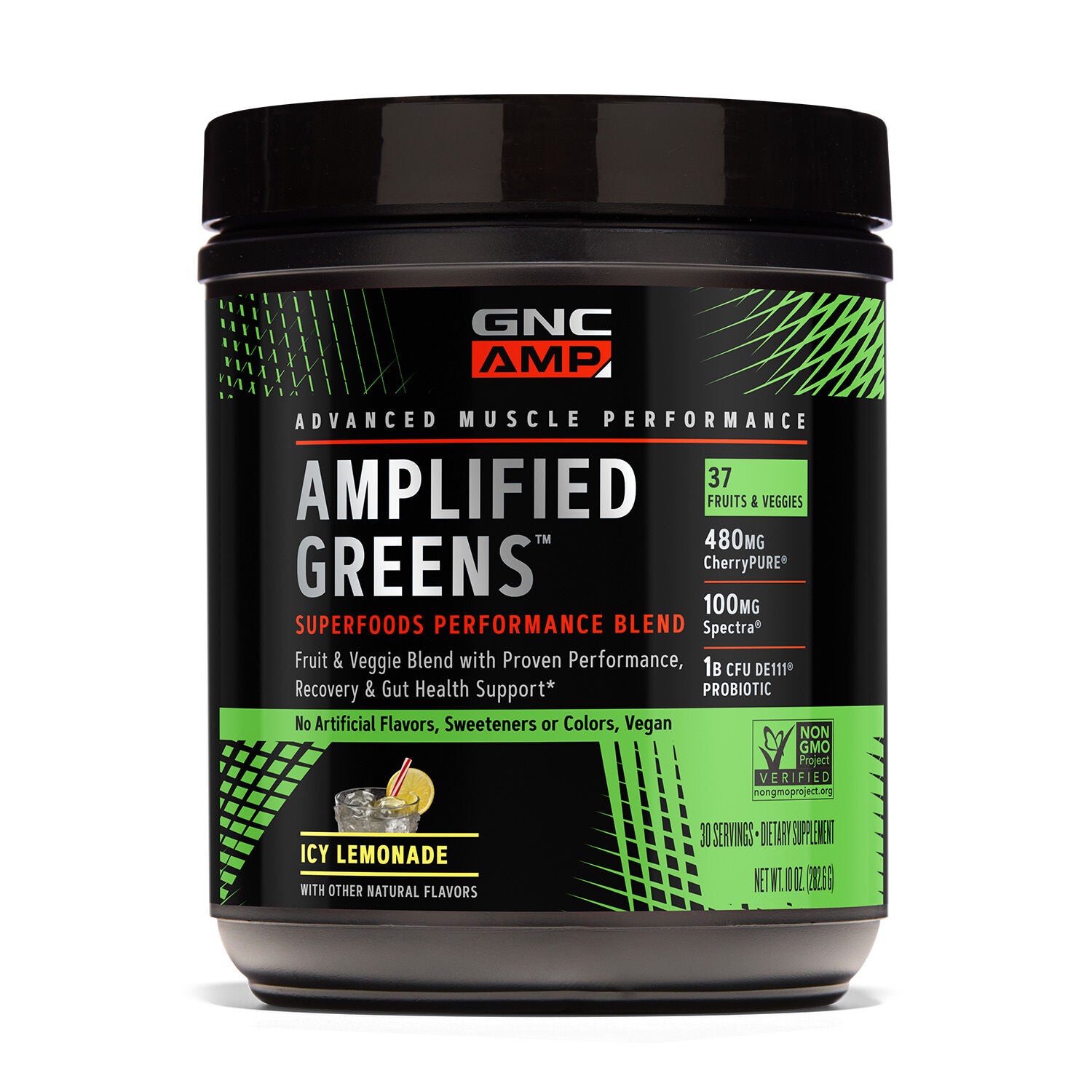
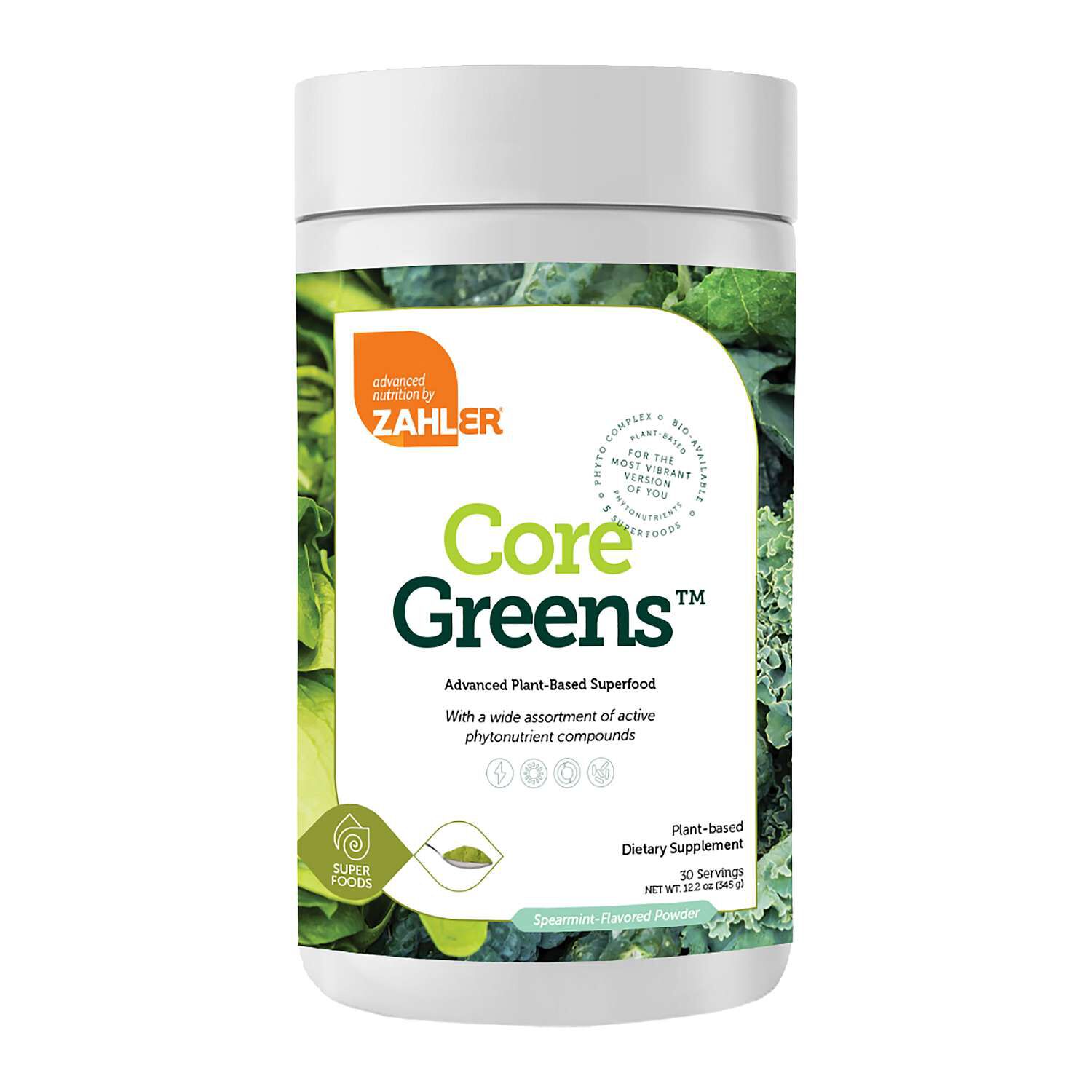


Superfood cleansing drink powders are powdered supplements made with combinations of greens, fruits, vegetables, and other plant ingredients for mixing into water or other beverages. Some formulas also contain fiber, probiotics, prebiotics, or enzymes, with the exact ingredients and serving amounts varying by blend. These powders may complement everyday nutrition for adults who prefer a drinkable supplement rather than another capsule. The term superfood describes a broad assortment of ingredients rather than one fixed recipe, so two powders with similar names can have quite different compositions. A greens-focused blend might feature kale, spinach, wheatgrass, barley grass, spirulina, or chlorella. Fruit-forward recipes may include blueberry, raspberry, acai, pomegranate, or goji, while other formulas bring together greens, fruits, and botanical extracts in a single scoop. Whole-food powders and plant extracts are not interchangeable descriptions: one identifies a powdered food ingredient, while the other identifies an ingredient obtained through an extraction process. Likewise, a long ingredient list does not reveal how much of each ingredient a serving contains. Supplement Facts panels can show serving size, listed nutrient amounts, and whether ingredients appear individually or within a blend. When a blend lists only a combined amount, the quantity of each component may not be stated. That distinction matters when comparing a simple greens recipe with a more elaborate fruit-and-vegetable formula. The word cleansing also does not identify a standardized ingredient combination or serving size. The actual formula offers a more useful picture of what goes into the drink. For shoppers comparing superfood powder blends, ingredient transparency, flavor, and preparation requirements are practical points of difference. These supplements are intended to sit alongside varied meals, not stand in for fruits, vegetables, or an entire meal. Their appeal is often the format: a measured portion that can become part of breakfast preparation, a packed lunch routine, or another familiar moment in the day.
Flavor and texture make a noticeable difference in how superfood cleansing drink powders fit into everyday use. Greens-heavy blends often have grassy, earthy, or mildly savory notes, while berry and citrus flavors can give the finished drink a brighter character. Cacao-containing recipes can taste more rounded and pair naturally with banana, oats, or a preferred milk beverage. An unflavored powder is not necessarily tasteless; the underlying vegetables, algae, and botanicals can still contribute a distinct aroma and finish. Sweetened formulas vary as well, with ingredients such as cane sugar, stevia, or monk fruit creating different flavor profiles. For someone who likes a lightly flavored drink with lunch, a fruit-forward powder mixed according to its label may be a better match than an earthy blend intended for a smoothie. For someone who already blends berries and yogurt at breakfast, a greens powder could fit that established preparation without requiring a separate drink. Texture deserves similar attention. Some powders disperse readily with stirring, while others work better in a shaker bottle or blender. Finely milled ingredients can produce a smoother texture, although plant particles may remain visible or settle after mixing. Powders containing certain fibers can also become thicker as they stand. The preparation directions provide the intended powder-to-liquid ratio, which influences both consistency and flavor intensity. A scoop designed for a larger glass can taste overly concentrated when mixed into a small amount of water. Smoothie ingredients add another variable: banana creates a different consistency than berries, and yogurt creates a different base than water. The most practical format depends on where preparation happens. A resealable container suits a kitchen counter routine, while individually portioned packets can be convenient for a work bag or a trip with access to a suitable mixing vessel. Shoppers interested in a related beverage category can also explore Hydrating Superfood Drink Powders, comparing their ingredient lists and preparation directions with those of greens-focused blends. Across these formats, taste preferences and the amount of mixing involved are meaningful considerations, not just finishing details.
Choosing among superfood cleansing powders also involves matching the formula to personal food preferences and the intended use. A shopper looking for a straightforward plant blend may prefer a shorter ingredient list, while another may be interested in a recipe that combines greens with fiber or added vitamins and minerals. Those additions are separate characteristics worth reviewing rather than assumed features of every superfood powder. Fiber content, for example, is listed in grams when present on the nutrition panel; a collection of vegetable ingredients does not by itself establish a particular amount. Similarly, formulas containing probiotics can differ in the organisms listed and in their storage directions. Botanical blends may include ingredients beyond familiar produce, making the full label more informative than the flavor name on the front. Dietary preferences deserve the same attention. A plant-forward name does not establish that every ingredient meets a vegan eating pattern, and allergen information can matter for powders mixed with dairy ingredients or processed alongside other foods. Sweeteners, added sugars, and caffeine-containing ingredients are other details that can distinguish otherwise similar-looking blends. Package design influences everyday handling, too. A wide opening can make a container easier to scoop from, while a secure closure helps keep the powder contained between uses. Serving count provides context for how a package fits a regular routine, but it should be considered alongside the stated serving size rather than the container’s appearance alone. For storage, the package directions remain the reference point, since different ingredient combinations can have different requirements. A dry measuring scoop and a tightly closed package help limit contact with moisture, and keeping the original container preserves access to preparation instructions, ingredient information, and the printed date. These powders may appeal to adults who enjoy blended drinks, prefer measured drink mixes, or want a plant-based addition to an existing food routine. The most suitable choice is the one whose composition, taste, portion format, and handling requirements fit the way it will actually be used—whether that means a shaker beside a packed lunch or a scoop added to a familiar breakfast smoothie.
Best Sellers
-
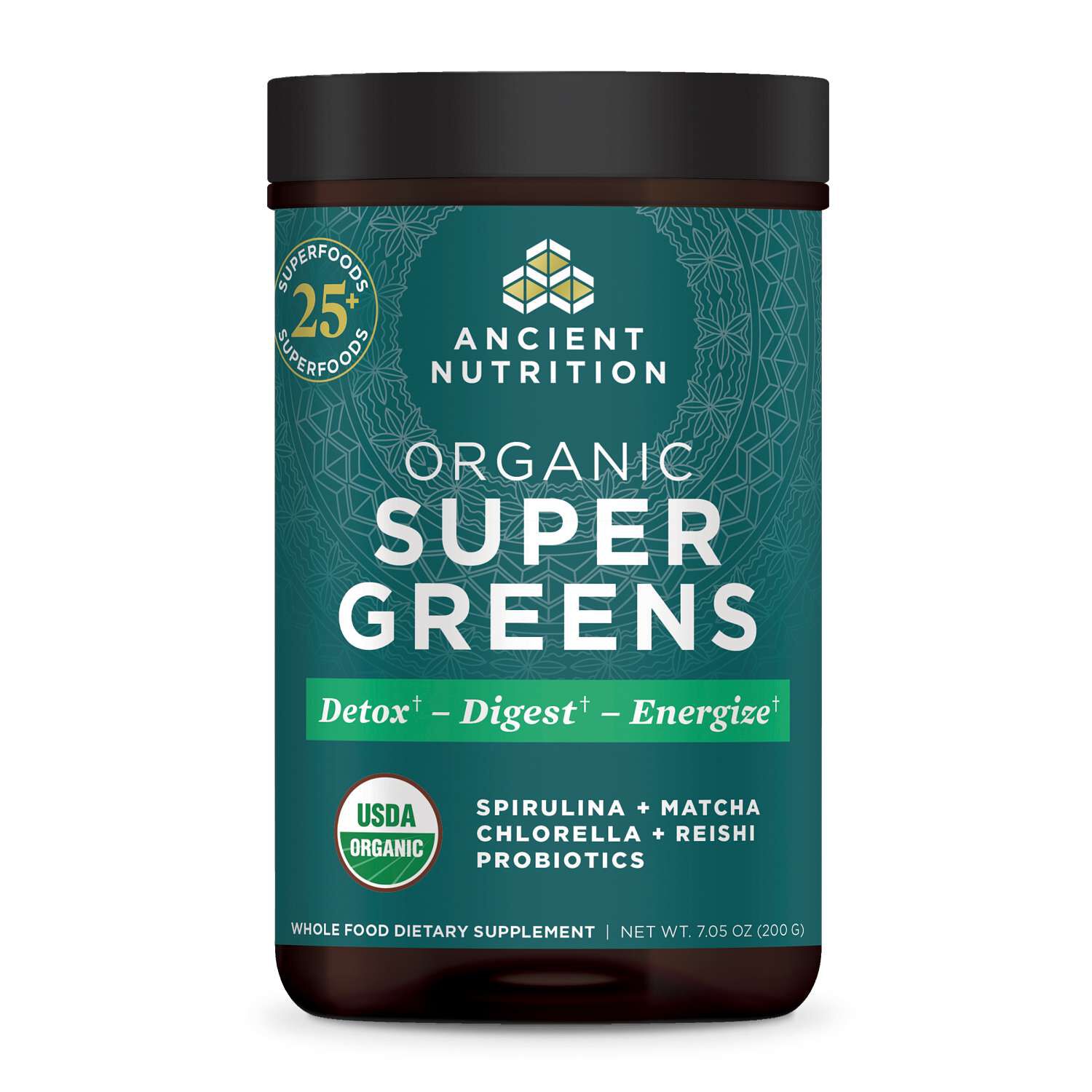 Ancient Nutrition
 -
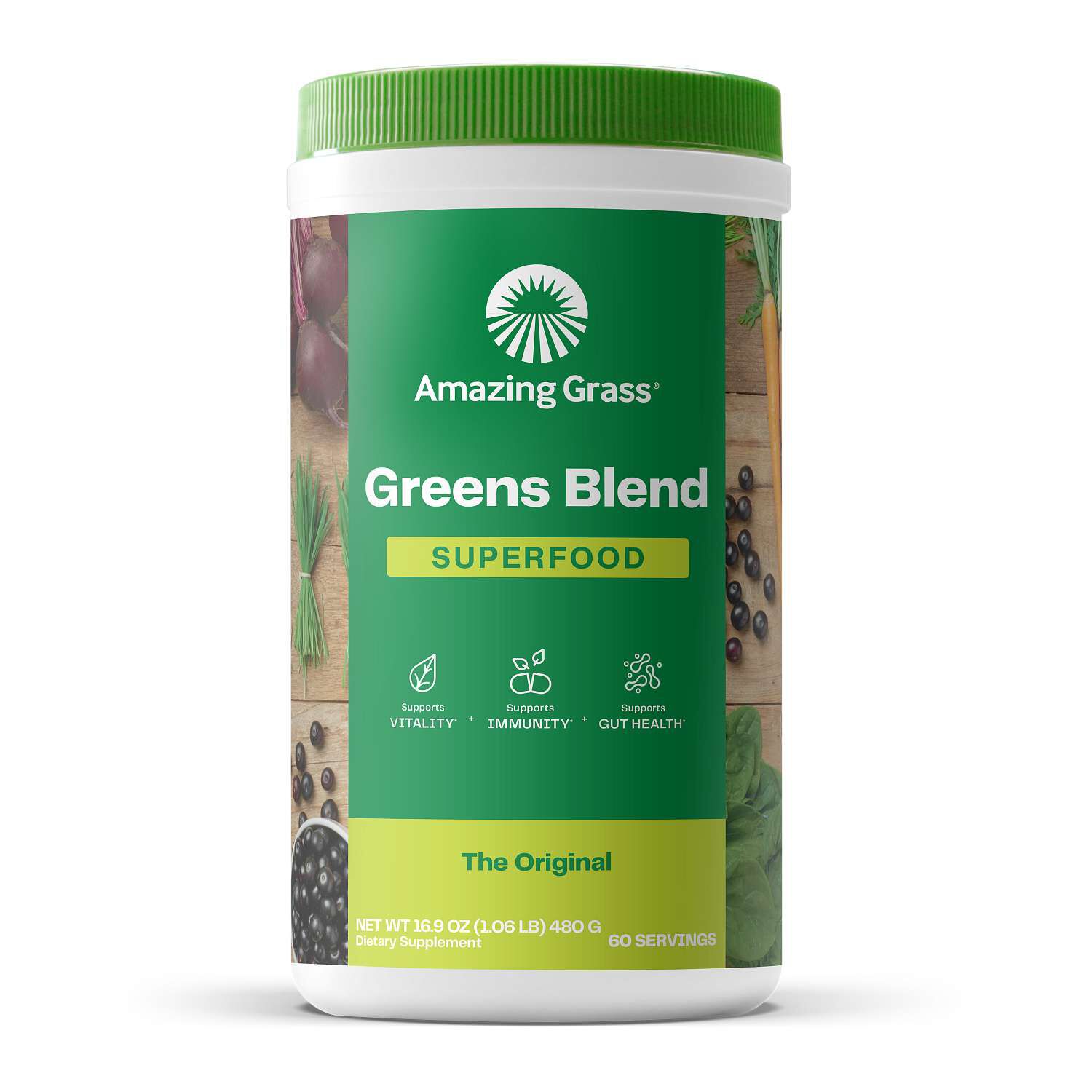 Amazing Grass