

Supplements For Calorie Restricted Diets
(0 Results)
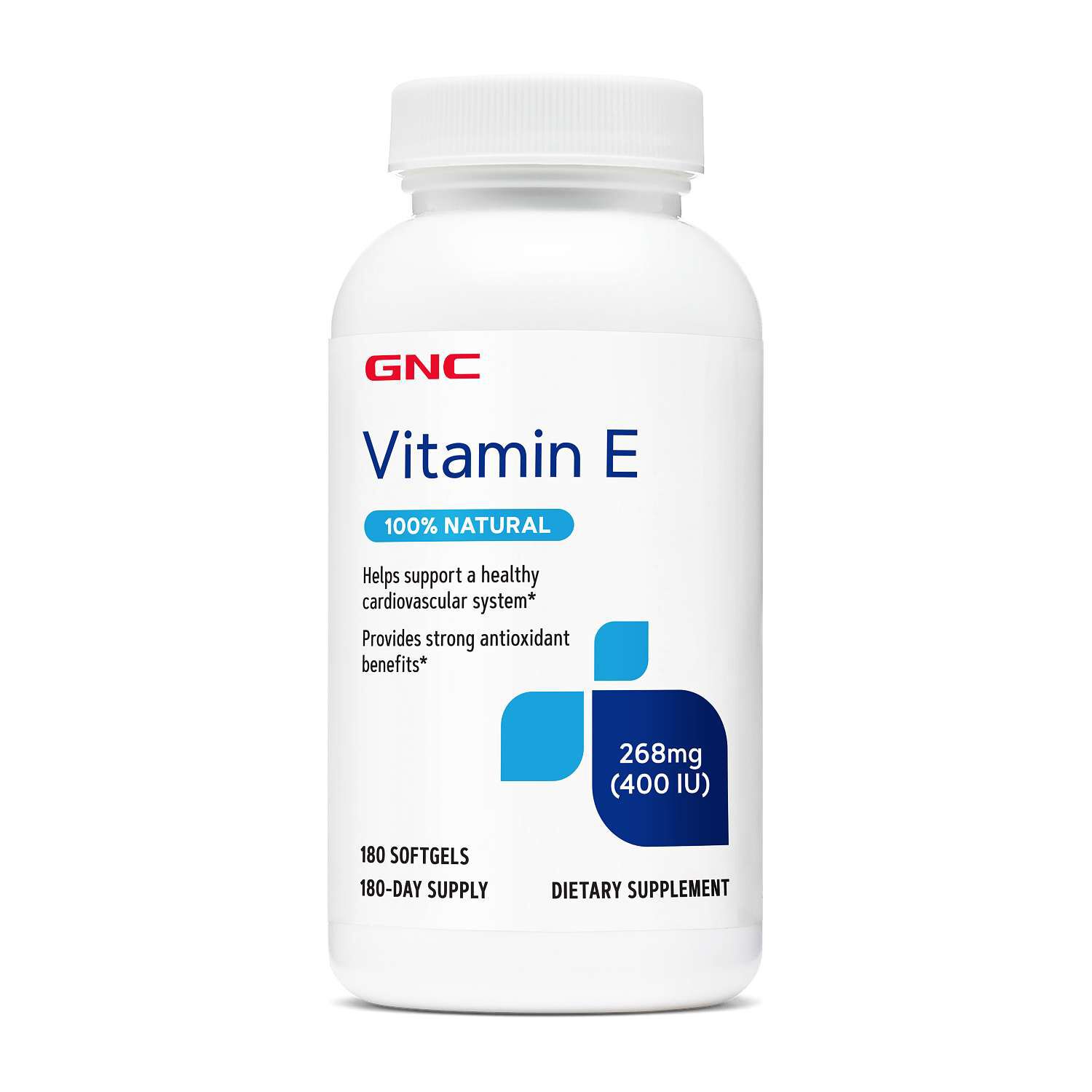
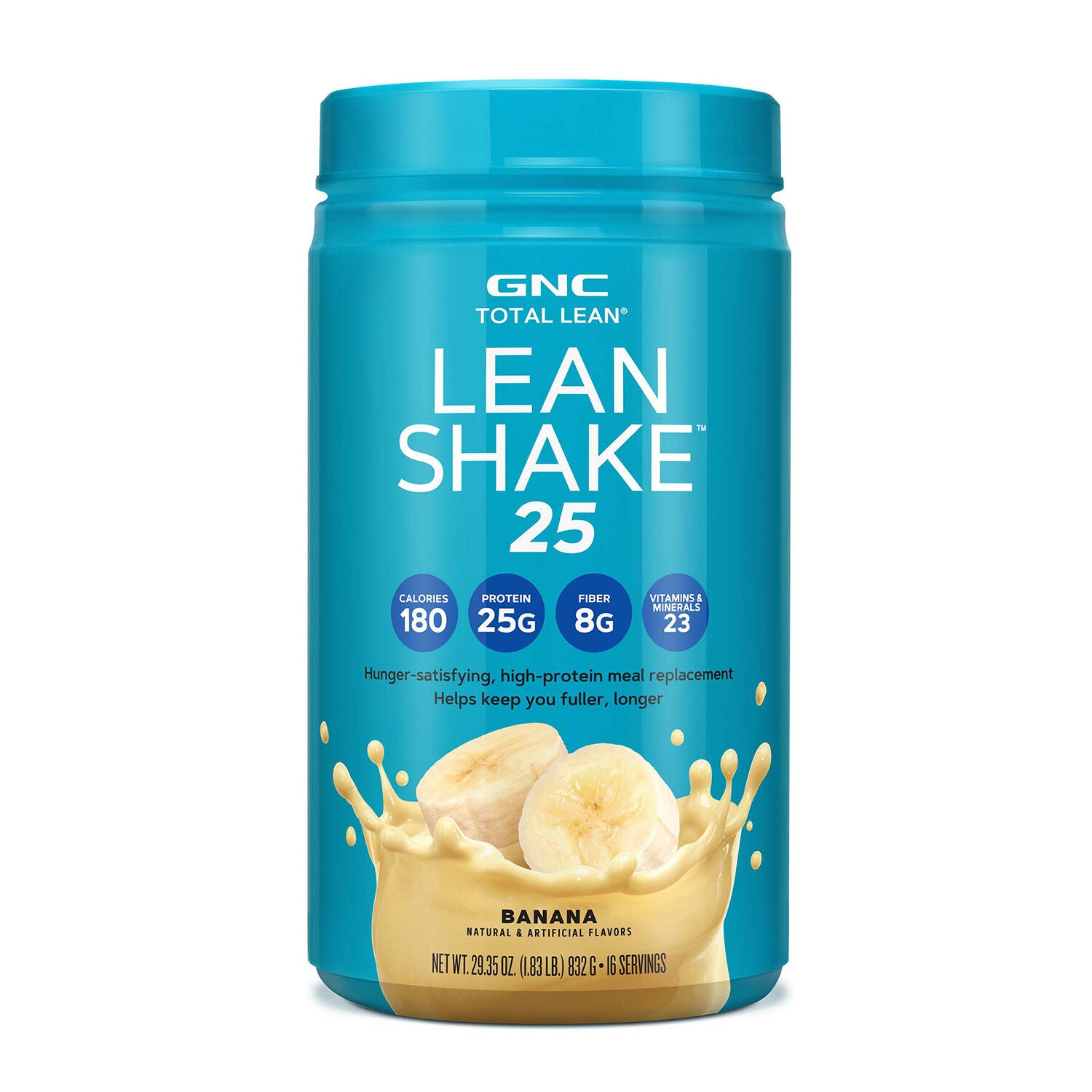
Supplements for calorie restricted diets could offer support for those looking to maintain balanced nutrition while managing their caloric intake. Whether you're pursuing weight management goals or simply aiming to optimize your daily routine, these supplements may help fill potential nutrient gaps that can arise from eating fewer calories. Explore options that might complement your efforts and help you stay on track with your dietary needs.

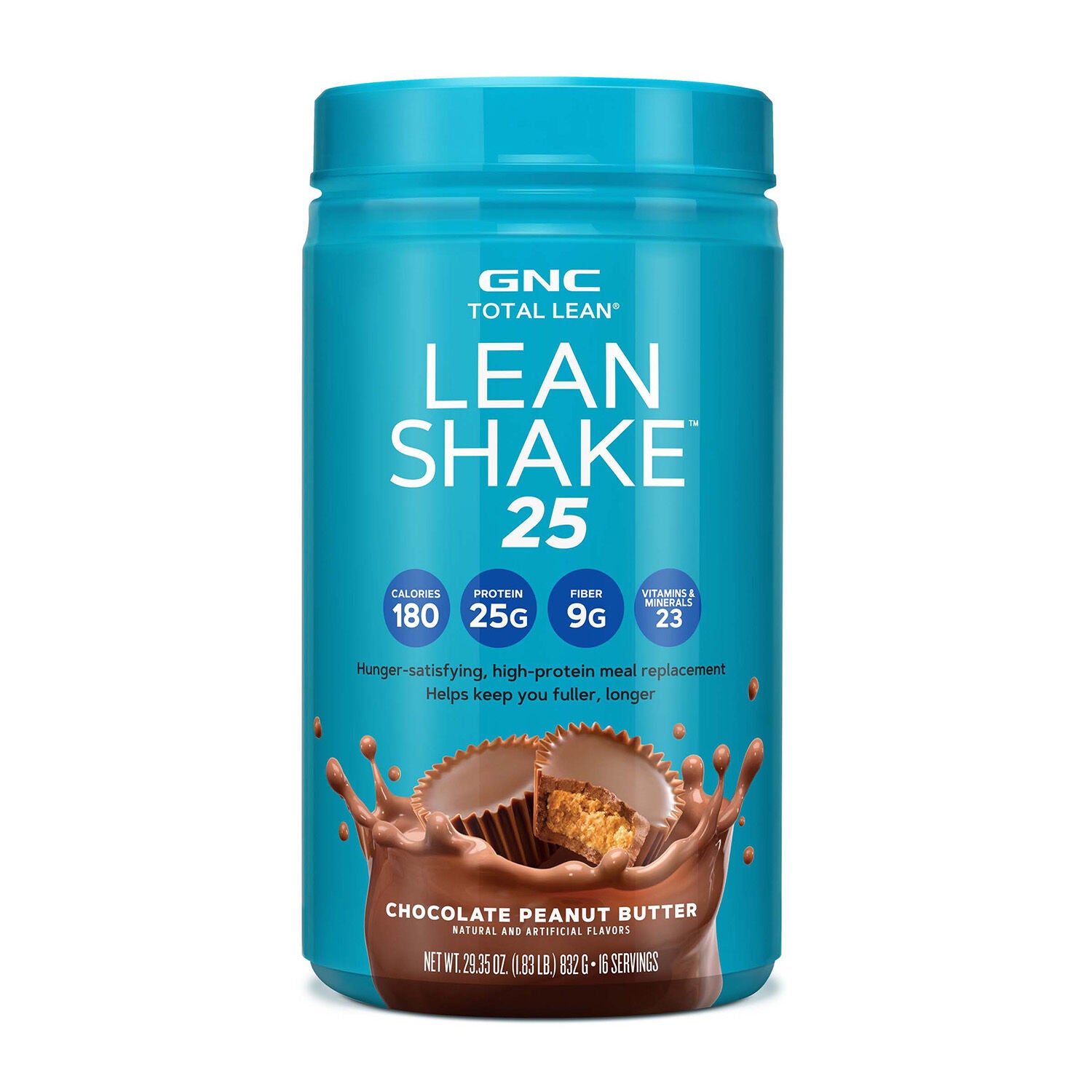

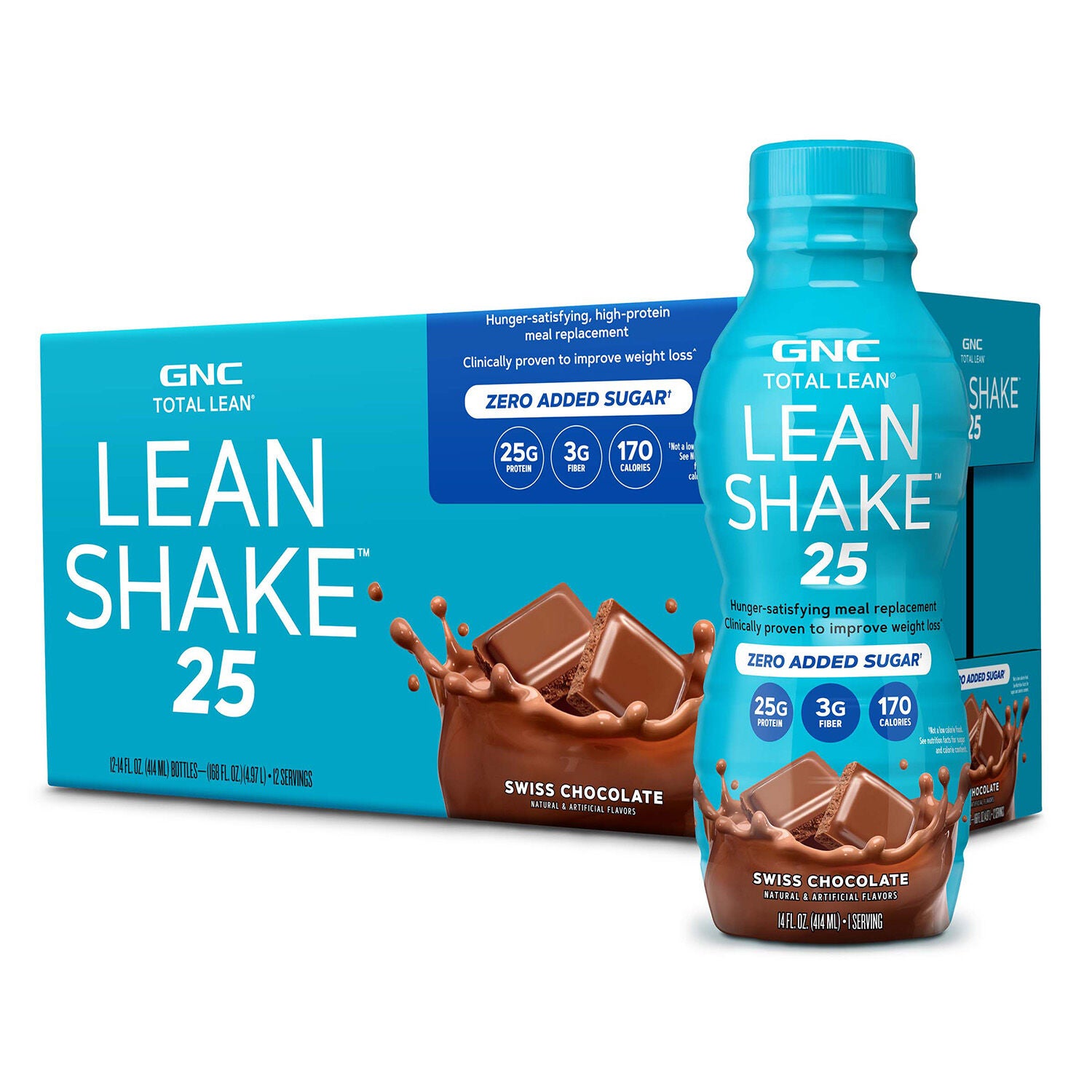
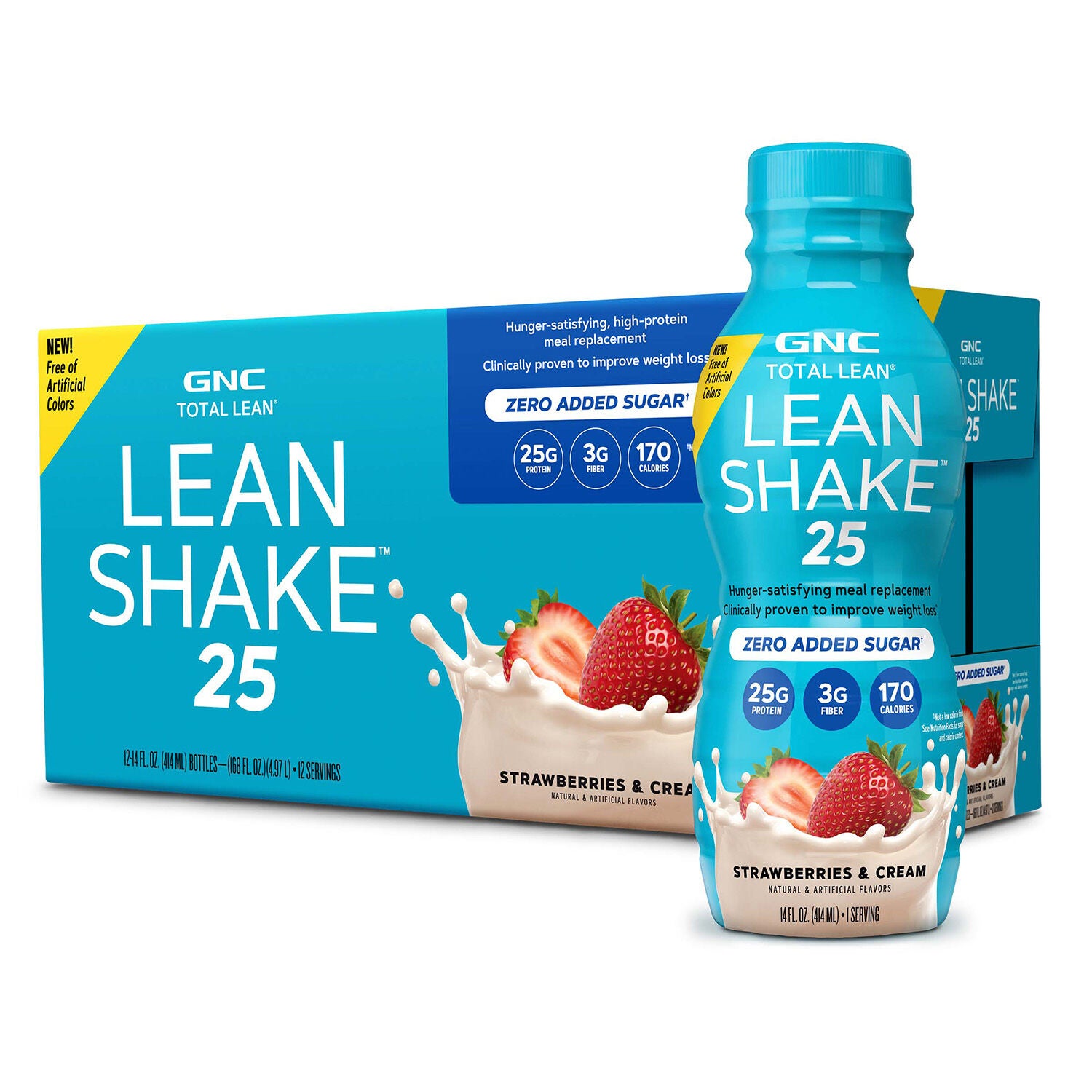
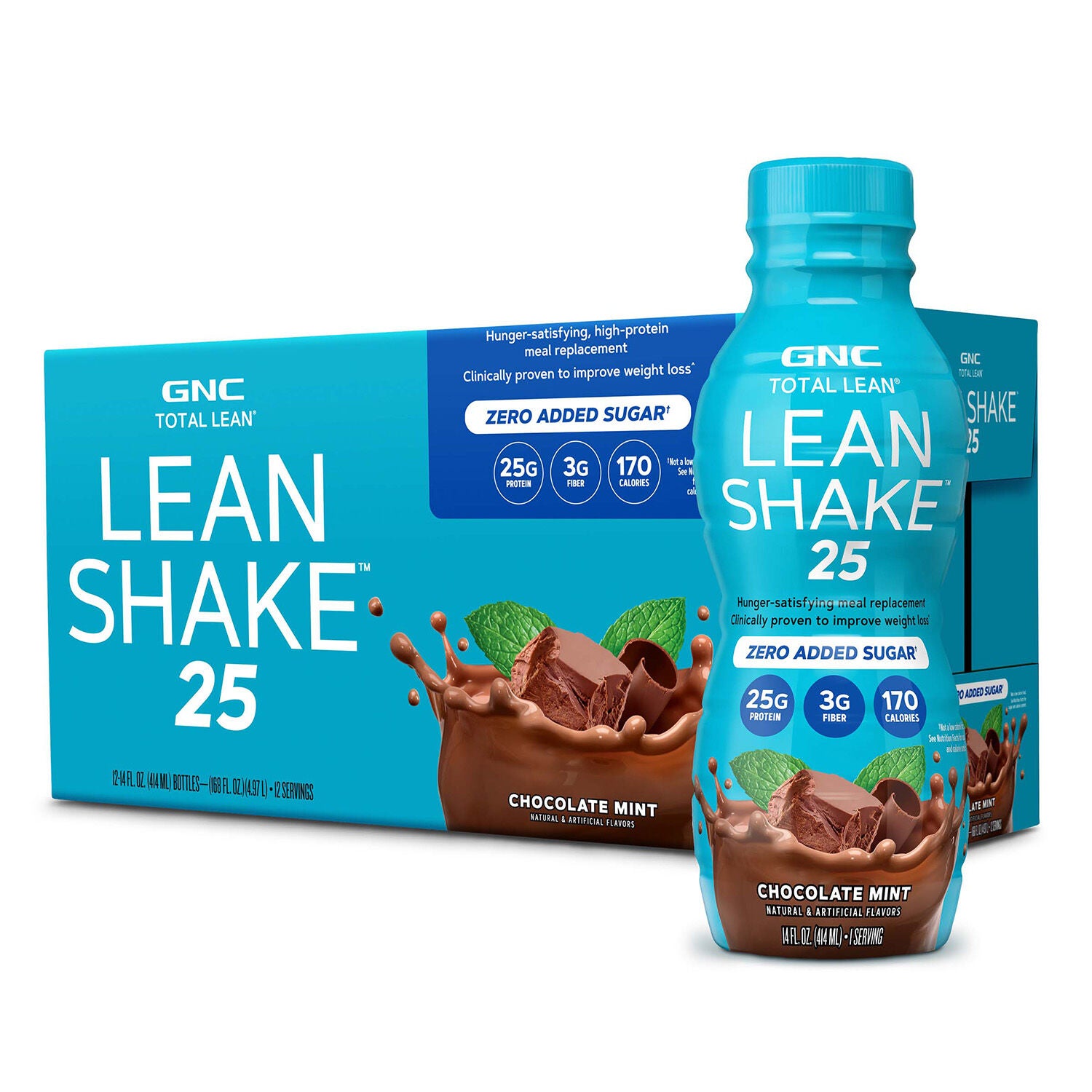
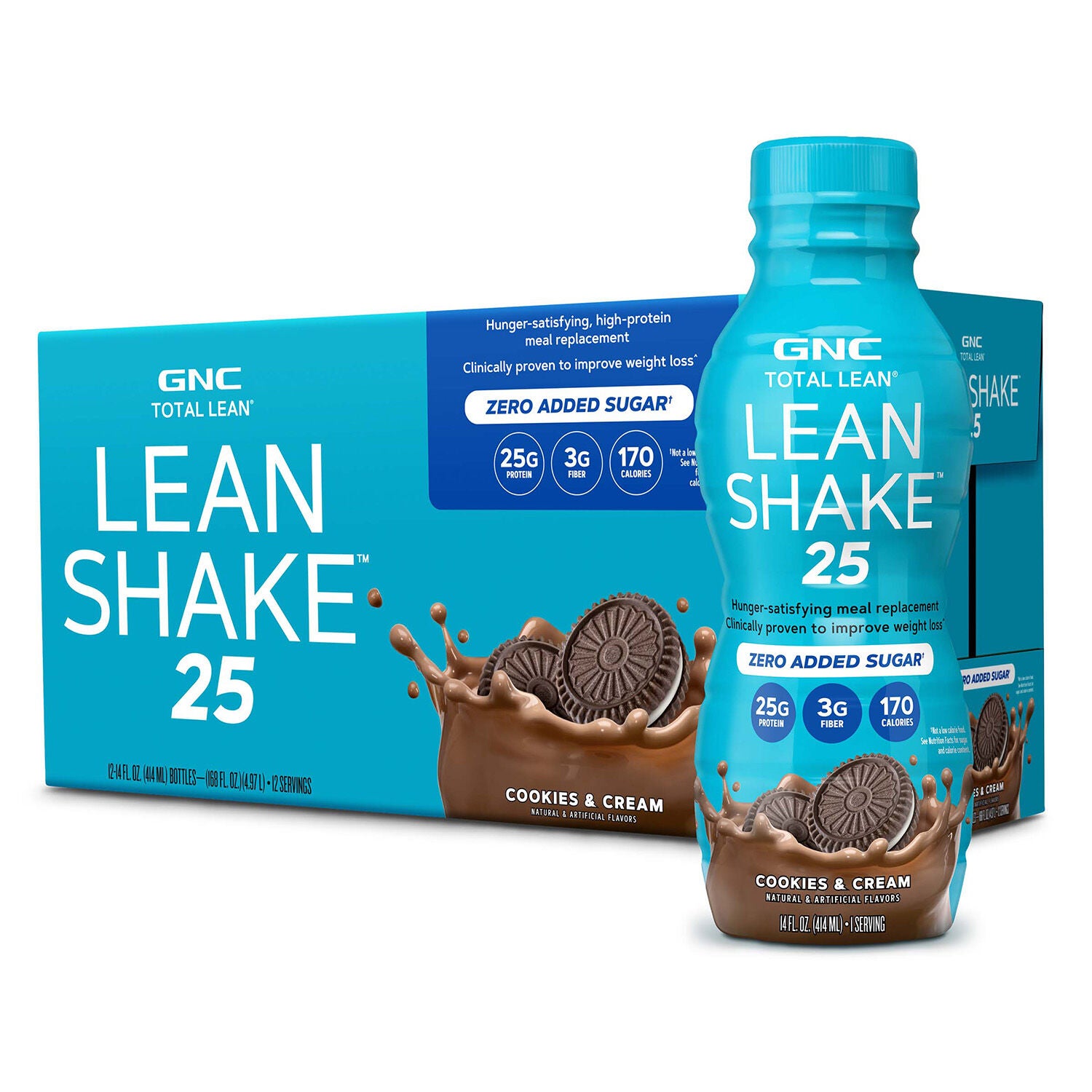
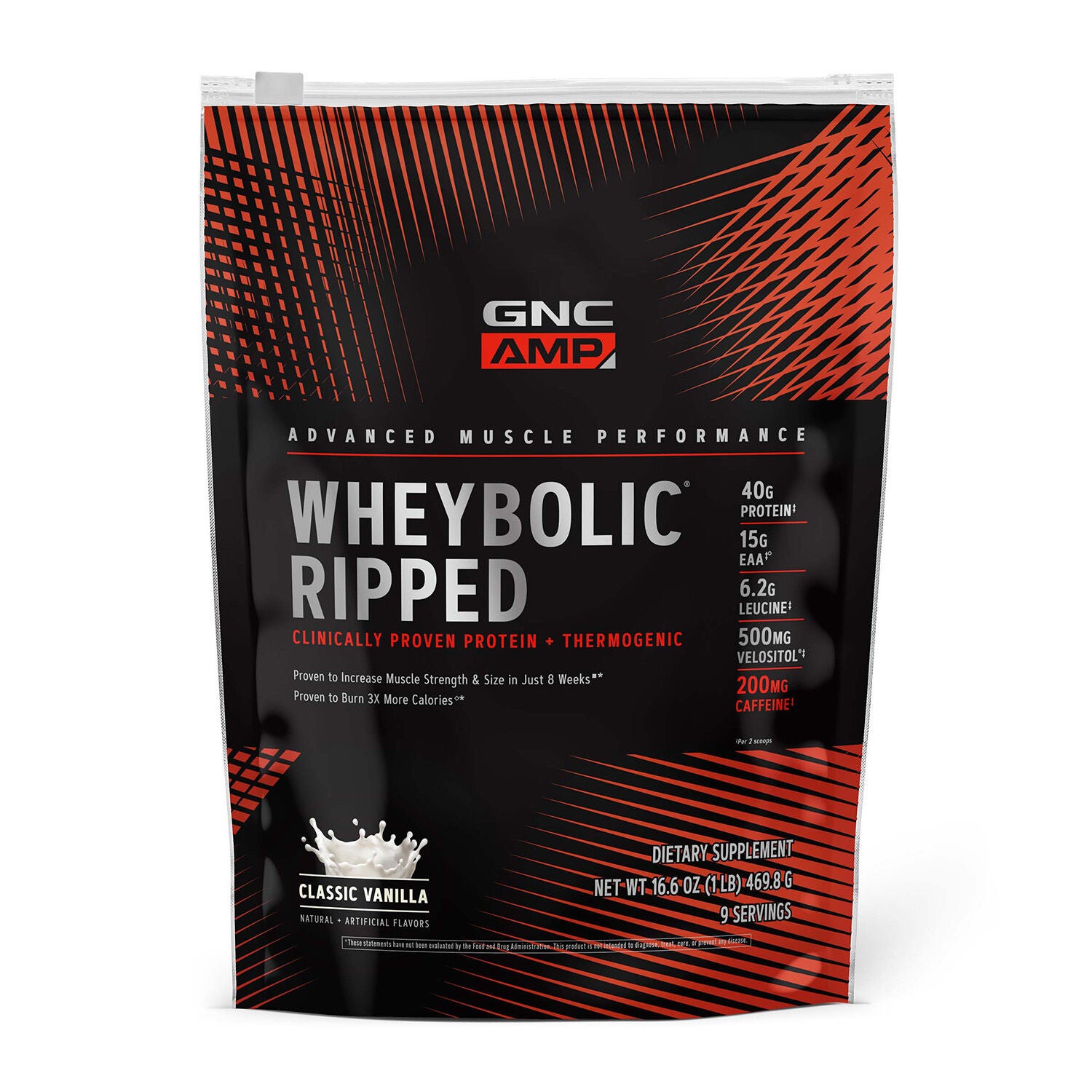


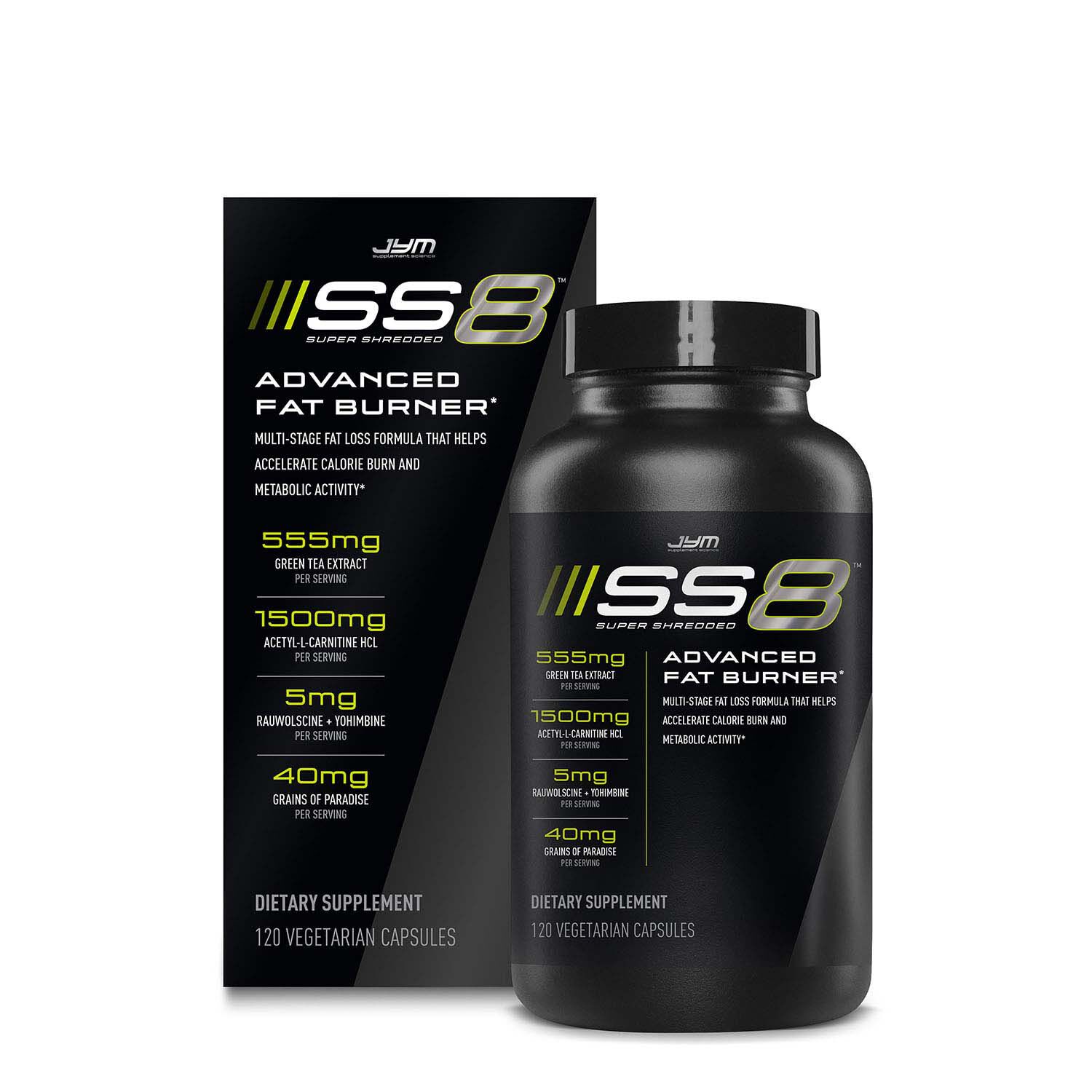




Supplements for calorie restricted diets may offer practical support when smaller portions or a narrower food selection make it more difficult to meet everyday nutrition needs. A calorie-conscious routine can look different for everyone: one person may be planning balanced meals at home, another may be choosing lighter options during a busy workday, while someone else may be adjusting portions alongside regular movement. In each case, the goal is to choose products that fit naturally into an established eating pattern rather than using supplements as a substitute for varied foods. A daily multivitamin and mineral formula may help fill certain nutritional gaps when meals do not provide a wide range of fruits, vegetables, grains, dairy or fortified alternatives, and protein sources. Formulas vary in serving size and nutrient amounts, so shoppers may wish to compare labels and consider whether a once-daily option, a tablet, capsule or gummy format fits their routine. Vitamin D supplements may be considered by people who spend much of the day indoors or have limited dietary sources, while omega-3 supplements may appeal to those who rarely include fatty fish in their meals. Magnesium and zinc are also common choices for adults paying closer attention to their dietary intake, particularly when meal plans change often. Since personal needs can vary based on age, food preferences, activity, medications and other factors, reviewing supplement choices with a qualified healthcare professional may help make the selection more appropriate.
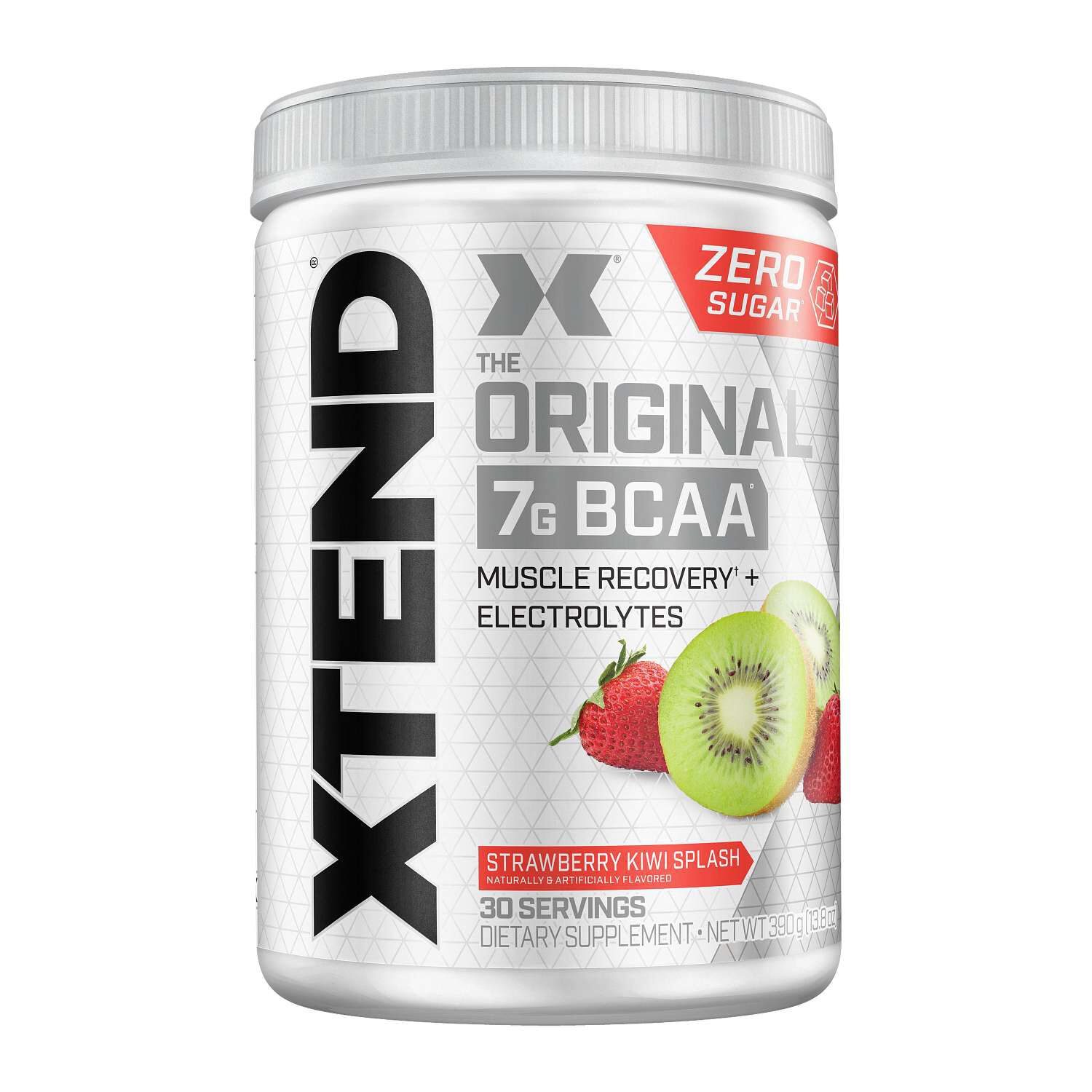
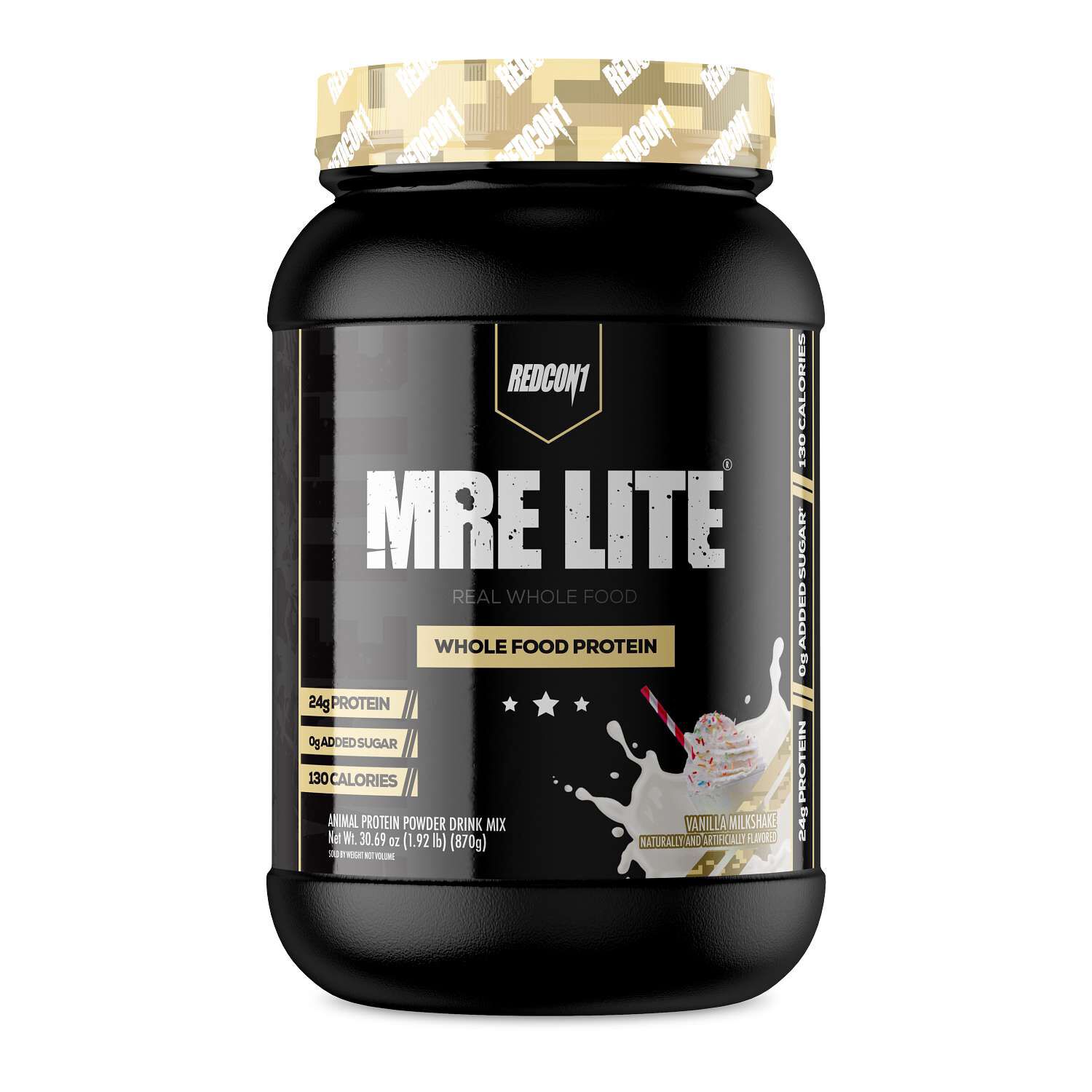
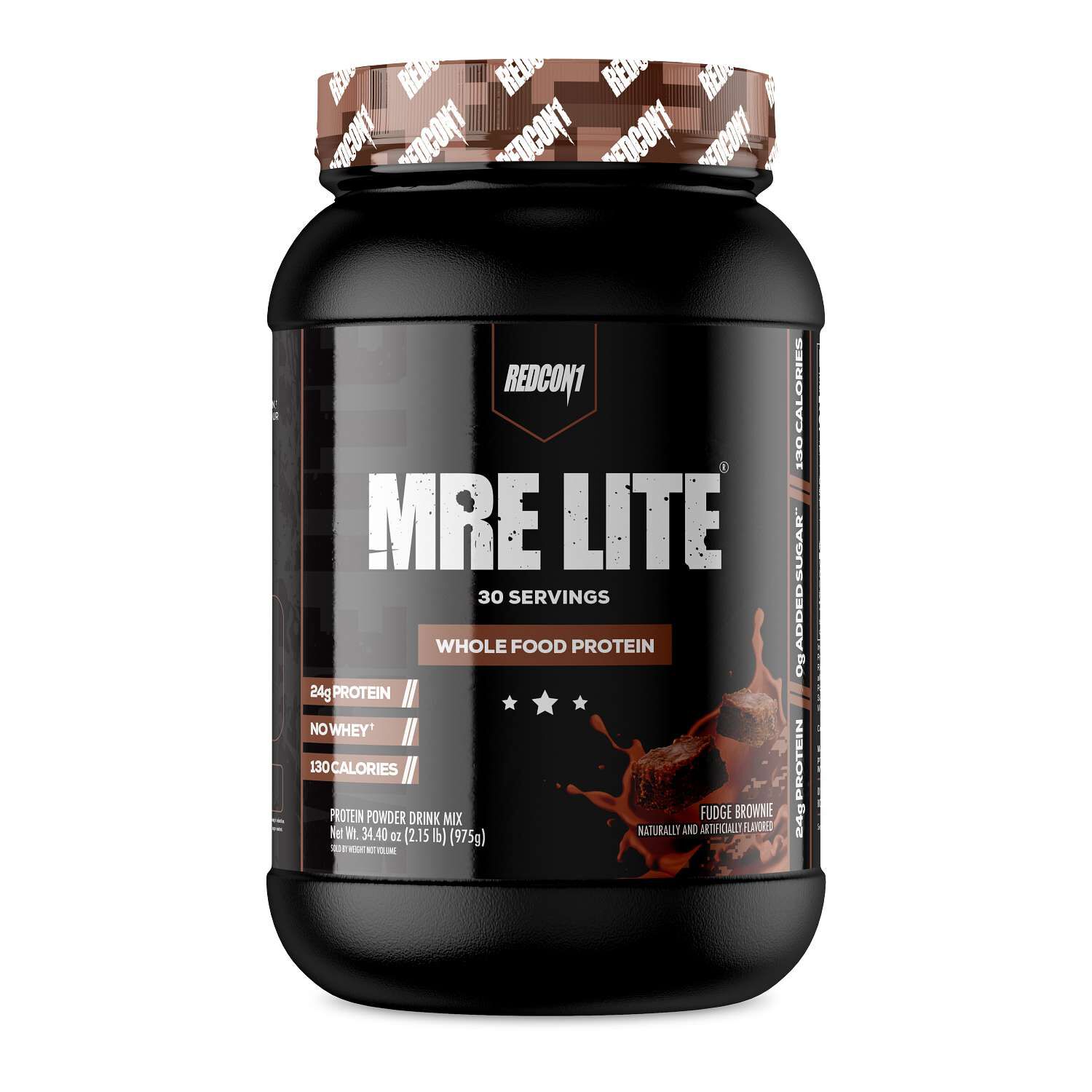
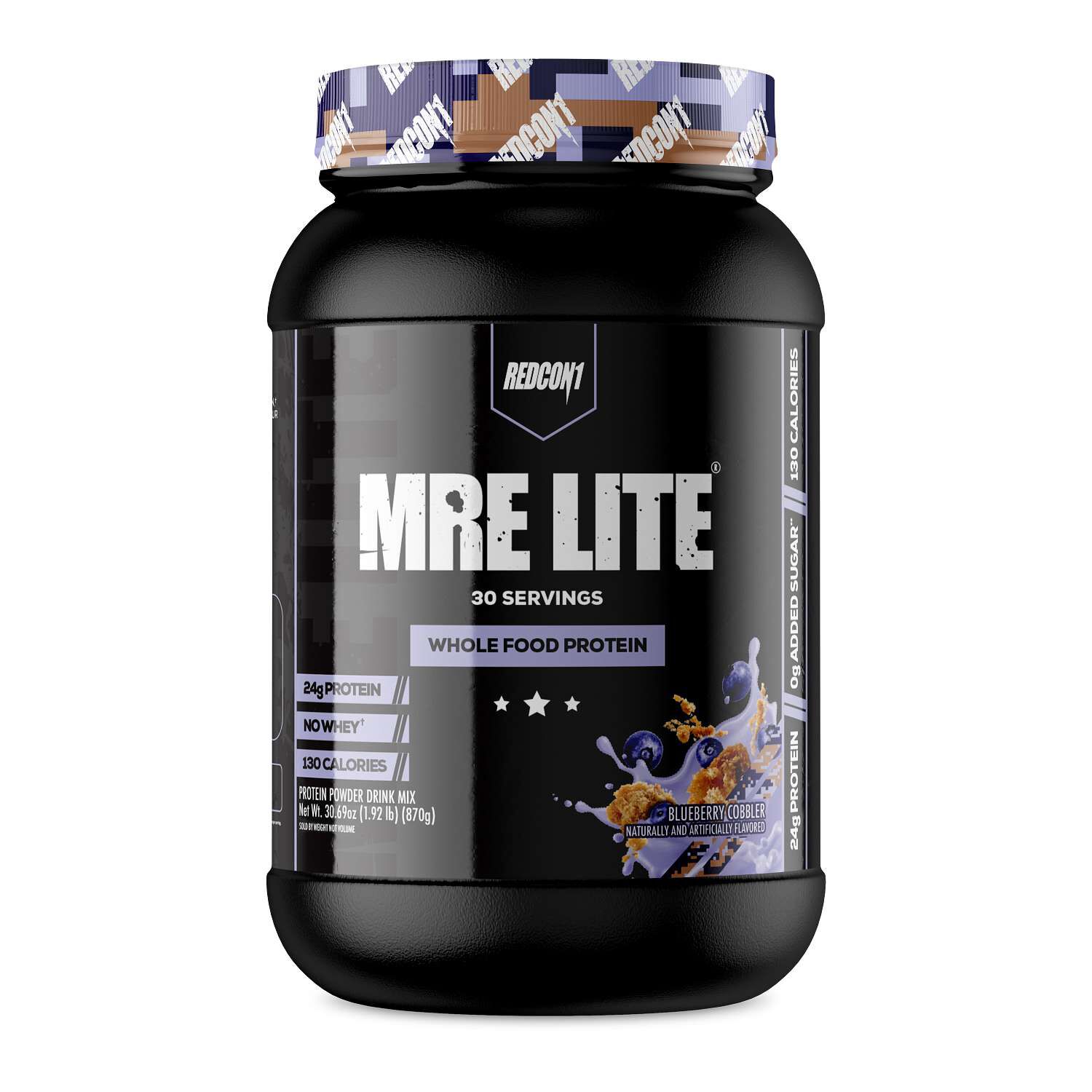
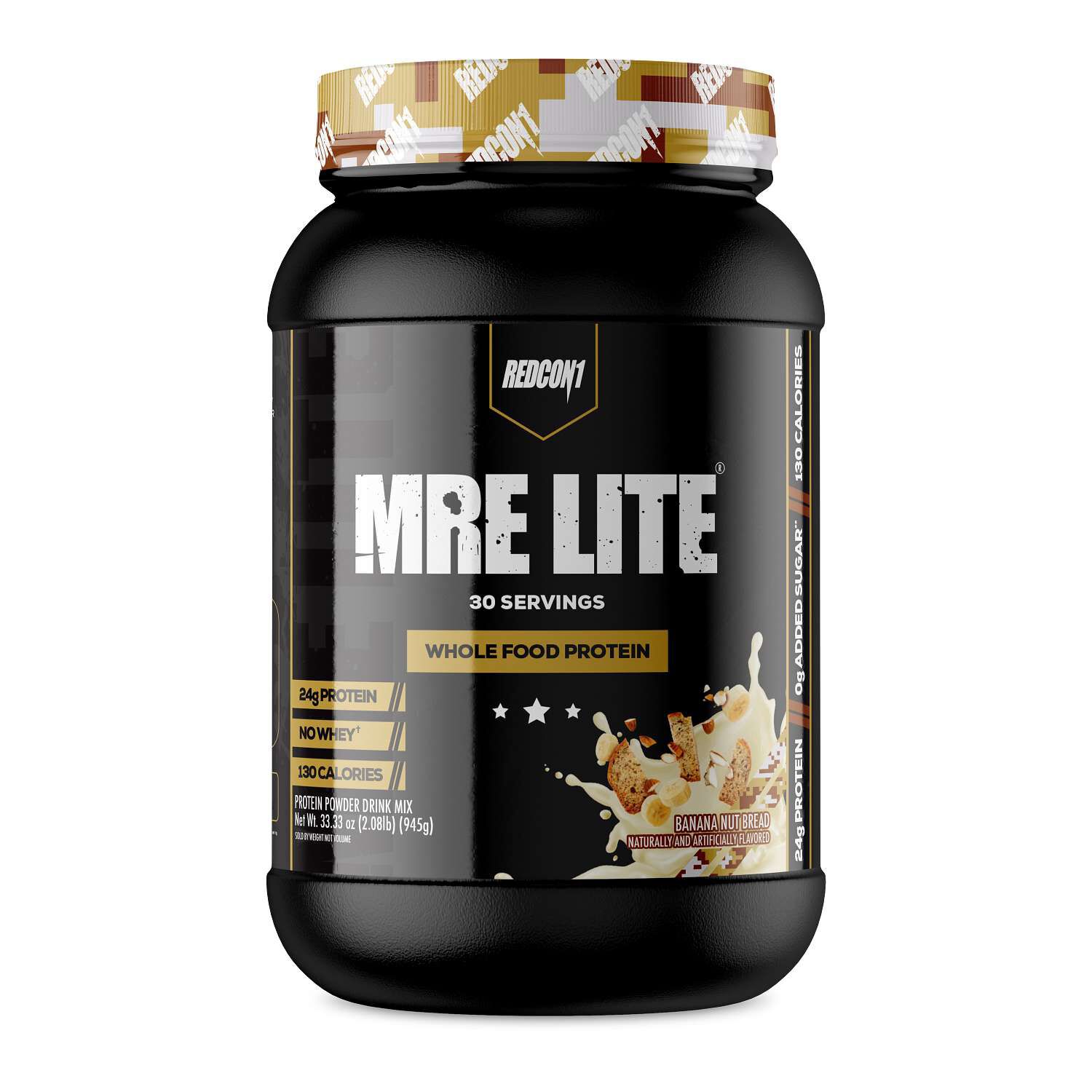
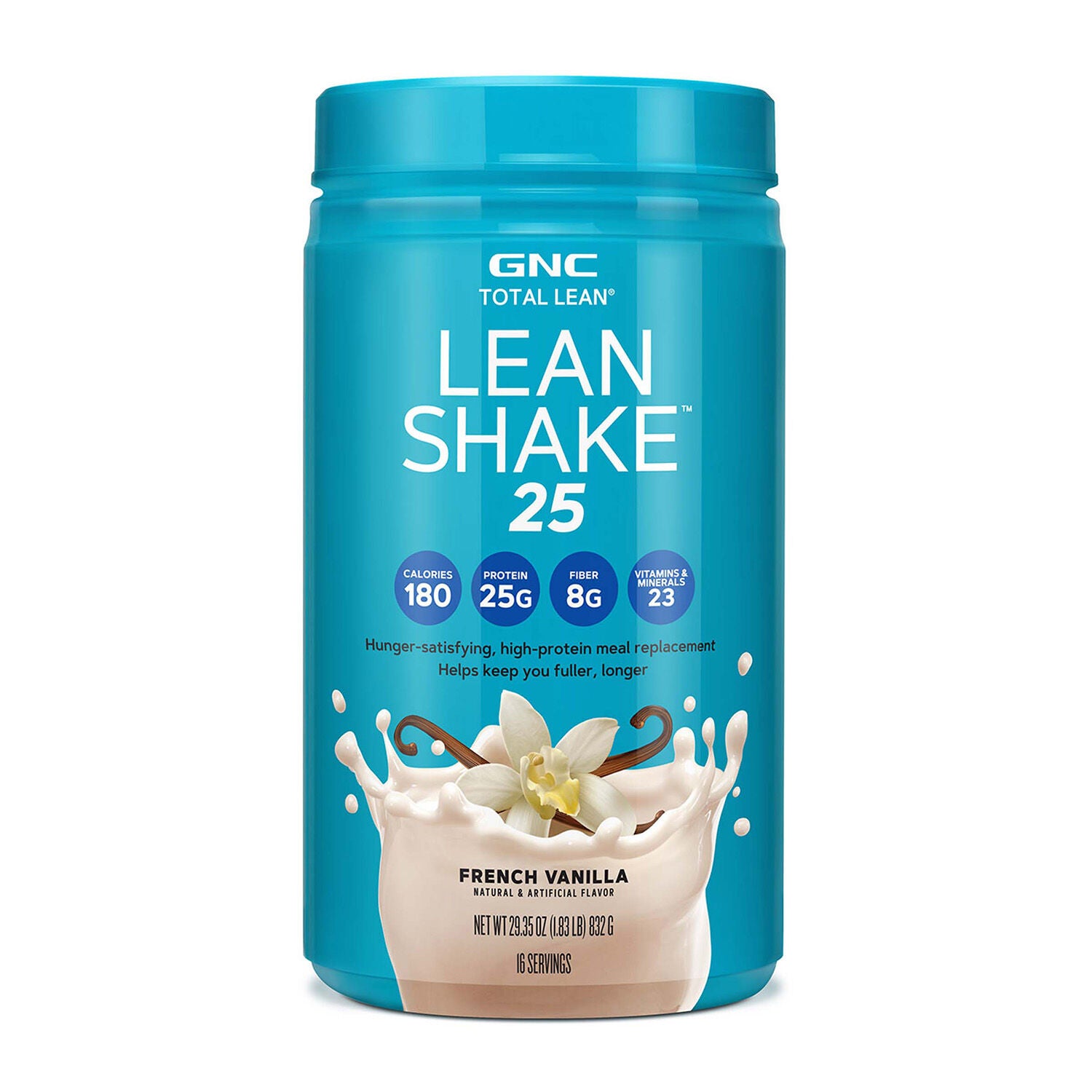
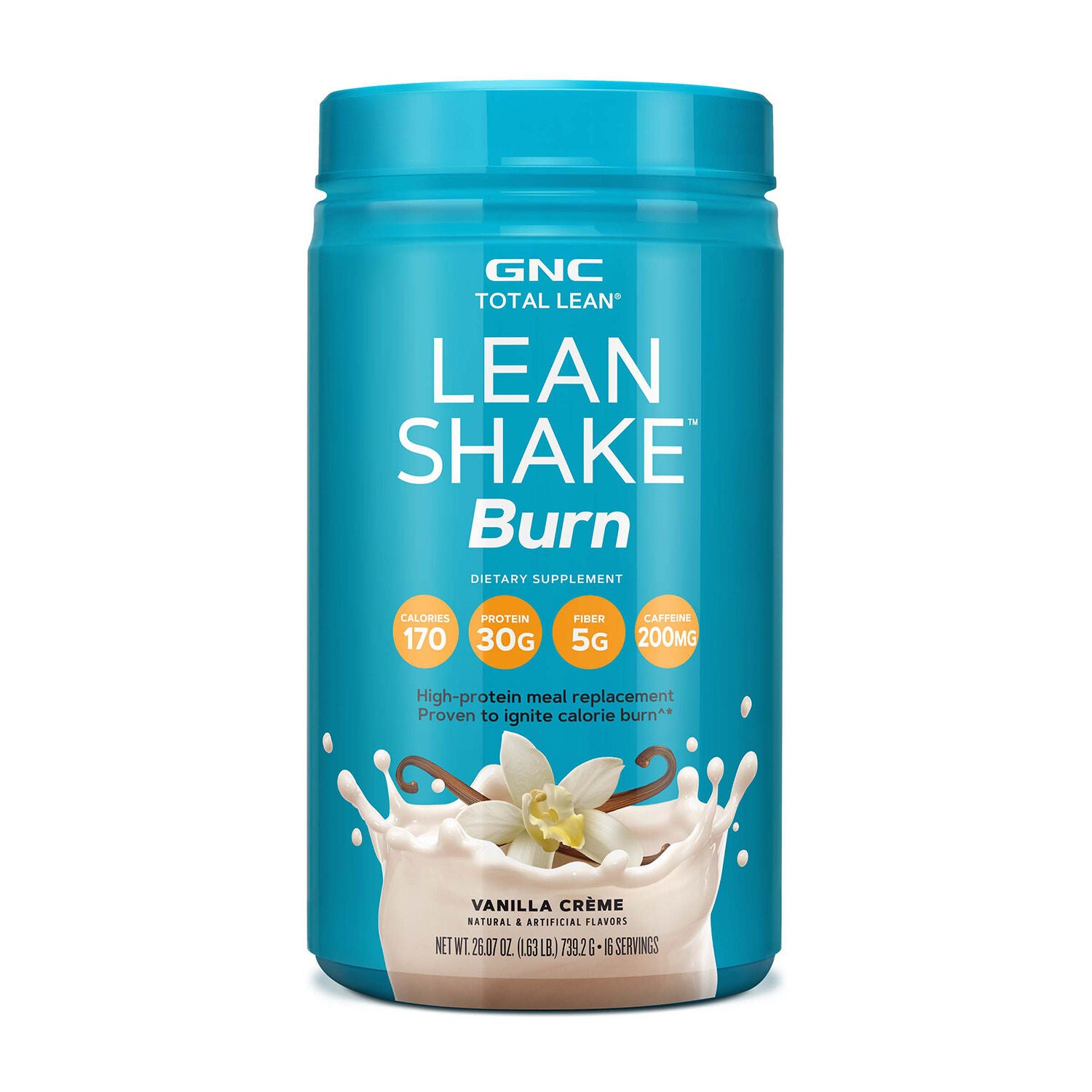
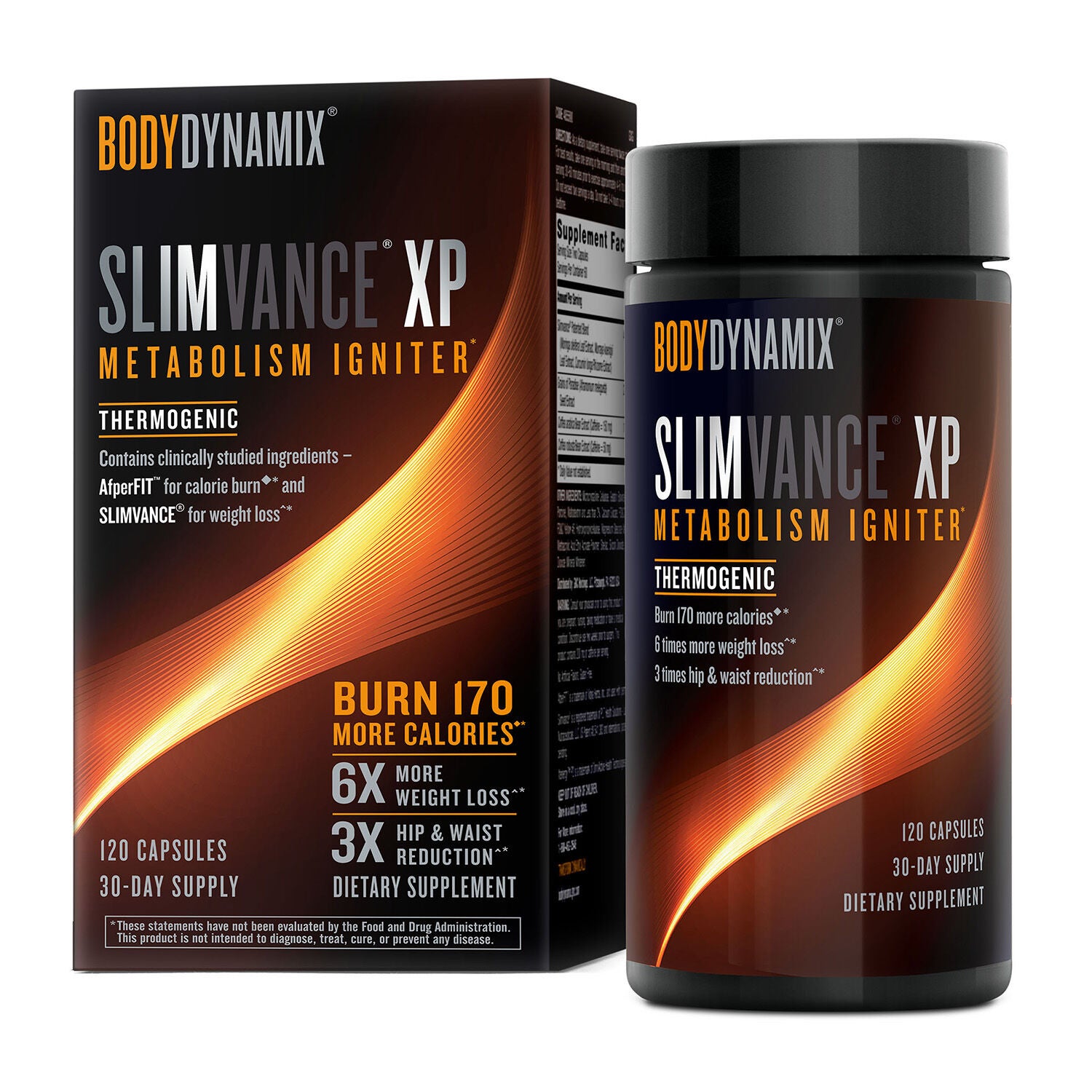
Protein powders may be useful for people who want a convenient way to include protein within a calorie-conscious meal plan. They can be blended into a morning smoothie, stirred into oats, mixed with water after a walk or workout, or used as an ingredient in recipes such as yogurt bowls and baked snacks. Whey, casein and plant-based options differ in taste, texture, allergen considerations and preparation style, so the best choice may come down to personal preference and dietary needs. Shoppers may want to look at the protein amount per serving, added sugars, flavoring, mixing instructions and portion size before purchasing. Soluble fiber products may also fit into routines focused on satisfying meals, because they may contribute to a fuller feeling when used as directed with an appropriate amount of liquid. Fiber powders can be added to drinks or soft foods, although introducing them gradually may be more comfortable for some people. Caffeine-containing products and green tea extract are another category some adults consider, yet sensitivity can vary widely, especially when coffee, tea, pre-workout beverages or other sources are already part of the day. Reading the label for serving guidance and stimulant content may help shoppers avoid adding more than intended. These products may be especially convenient for people balancing commuting, travel, family schedules or cooler-weather routines when preparing a full meal is not always simple. A thoughtfully selected supplement can also make a practical gift for someone organizing a new pantry or building a more consistent routine, provided the recipient’s preferences and dietary considerations are known.
Shopping for supplements for calorie restricted diets often comes down to simplicity, compatibility and realistic use. Look for clear serving information, recognizable ingredients, storage directions and a format that is easy to take consistently. People following vegetarian, vegan, gluten-free, dairy-free or allergen-aware eating patterns may wish to check the label for ingredient details and manufacturing information. Those who take prescription products, manage an ongoing health concern, are pregnant or nursing, or are preparing for a major change in eating habits may benefit from speaking with a healthcare professional before adding a new supplement. It may also be helpful to introduce one product at a time, allowing an individual to observe how it fits within their routine without changing several variables together. During the warmer part of the year, powders and ready-to-mix formats may suit chilled smoothies and cold beverages; during cooler months, tablets, capsules and recipe-friendly powders may pair easily with breakfast or a warm meal. Keep supplements stored according to the package directions, and remember that portion awareness, varied foods, hydration and regular movement may all contribute to a sustainable routine. For shoppers comparing products designed to complement a longer-term nutrition plan, Supplements For Supporting and Maintaining Weight Loss offers another place to explore related options.