





Healthy Diet Supplements
(0 Results)
Achieving optimal health and wellness often requires more than just a balanced diet. That's where dietary supplements come in, offering a convenient way to fill nutritional gaps and support overall well-being. Our selection of healthy diet supplements is carefully curated to provide you with a range of options to complement your lifestyle and help you reach your health goals. From vitamins and minerals to specialized formulas, each product is designed to support your body's unique needs and enhance your journey to a healthier you.
-

-
-
-
-
-
 Angry Supplements3$15.99
-

-

-
-
-
-
 209$34.99
-
-
-

-

-

-

-

-


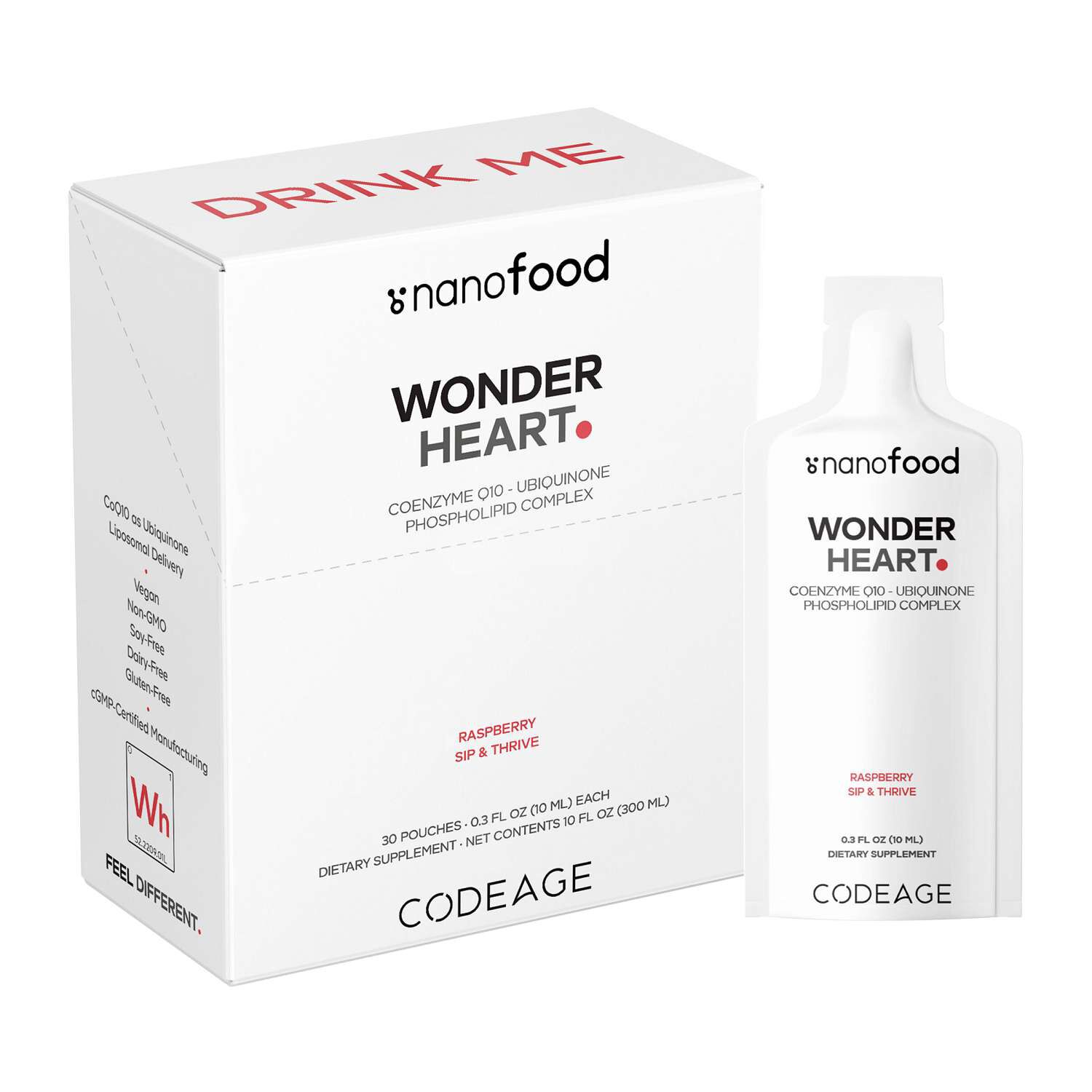
Healthy diet supplements are dietary products containing vitamins, minerals, protein, fiber, botanicals, or other ingredients. They are intended to complement a balanced diet, not replace meals or the variety of nutrients found in foods. Depending on their ingredients and format, supplements may offer a practical way to add selected nutrients to an everyday routine. The category includes multivitamins, individual nutrients, protein powders, fiber supplements, and plant-based blends, with options that differ in composition, serving size, flavor, and preparation. Those differences matter more than a similar-looking bottle or a familiar ingredient on the front label. A multivitamin contains a combination of vitamins and minerals, while an individual nutrient supplement has a narrower ingredient focus. Protein powders and fiber powders belong to different categories, even when both come in tubs with scoops. For an adult comparing options, the Supplement Facts panel offers a useful starting point: it identifies the serving size, amounts of listed dietary ingredients, and Daily Value percentages where established. The number of capsules, tablets, or scoops in one serving can vary, so a bottle containing many individual pieces does not necessarily contain the same number of servings. Measurement units also deserve attention, since grams, milligrams, and micrograms represent different quantities. The ingredient list adds another layer of detail, including flavorings, sweeteners, capsule materials, and other components outside the main dietary ingredients. A clearly described formula may be easier to compare with an existing routine than a blend described mainly through broad marketing language. For someone who already uses a fortified beverage or another supplement, overlapping ingredients are another practical comparison point. Looking at the full label, rather than only the front of the package, puts the ingredient amounts and serving information in context. These details distinguish what a supplement contains from how it is presented, whether the intended use is a measured powder alongside breakfast or a capsule format that fits an established daily schedule.
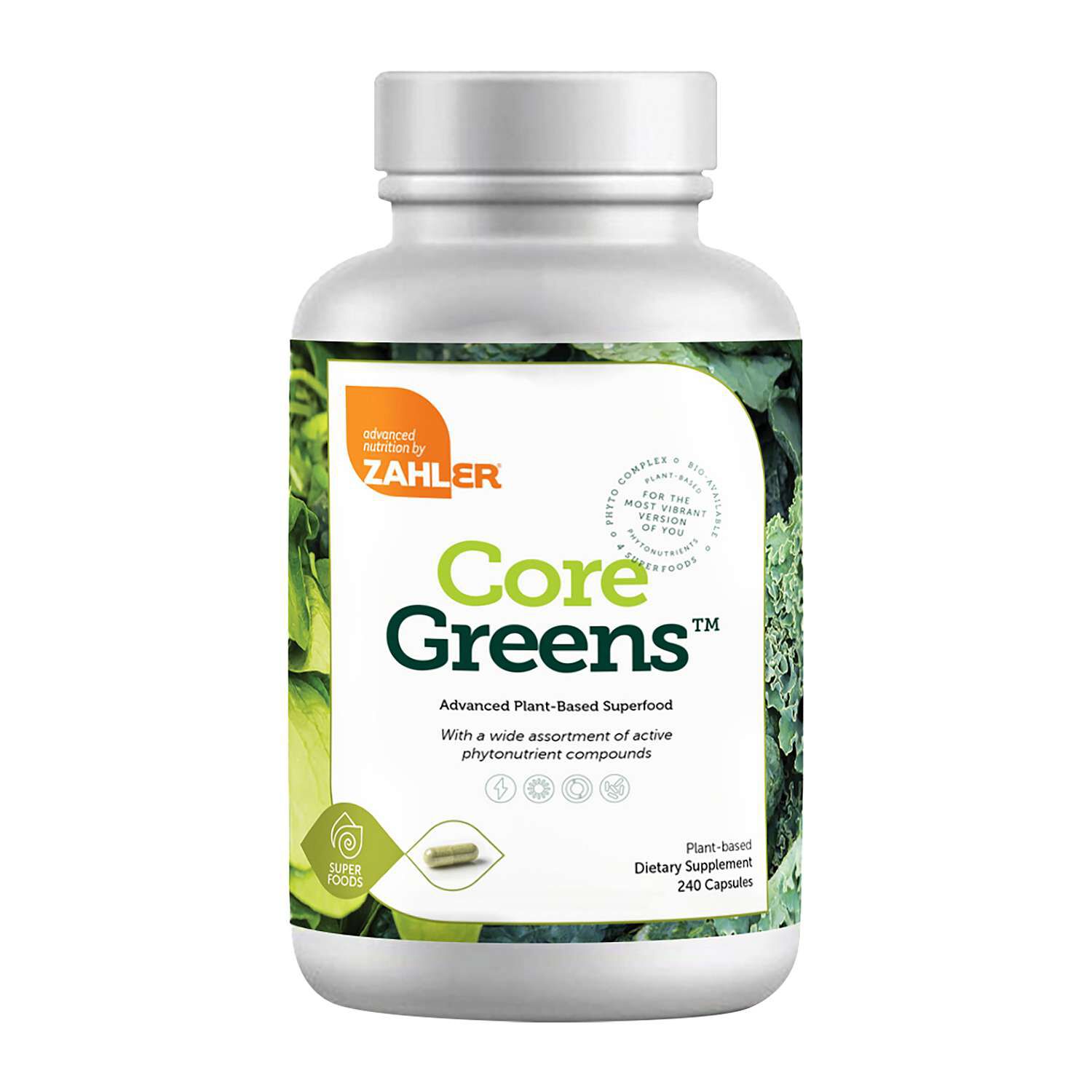
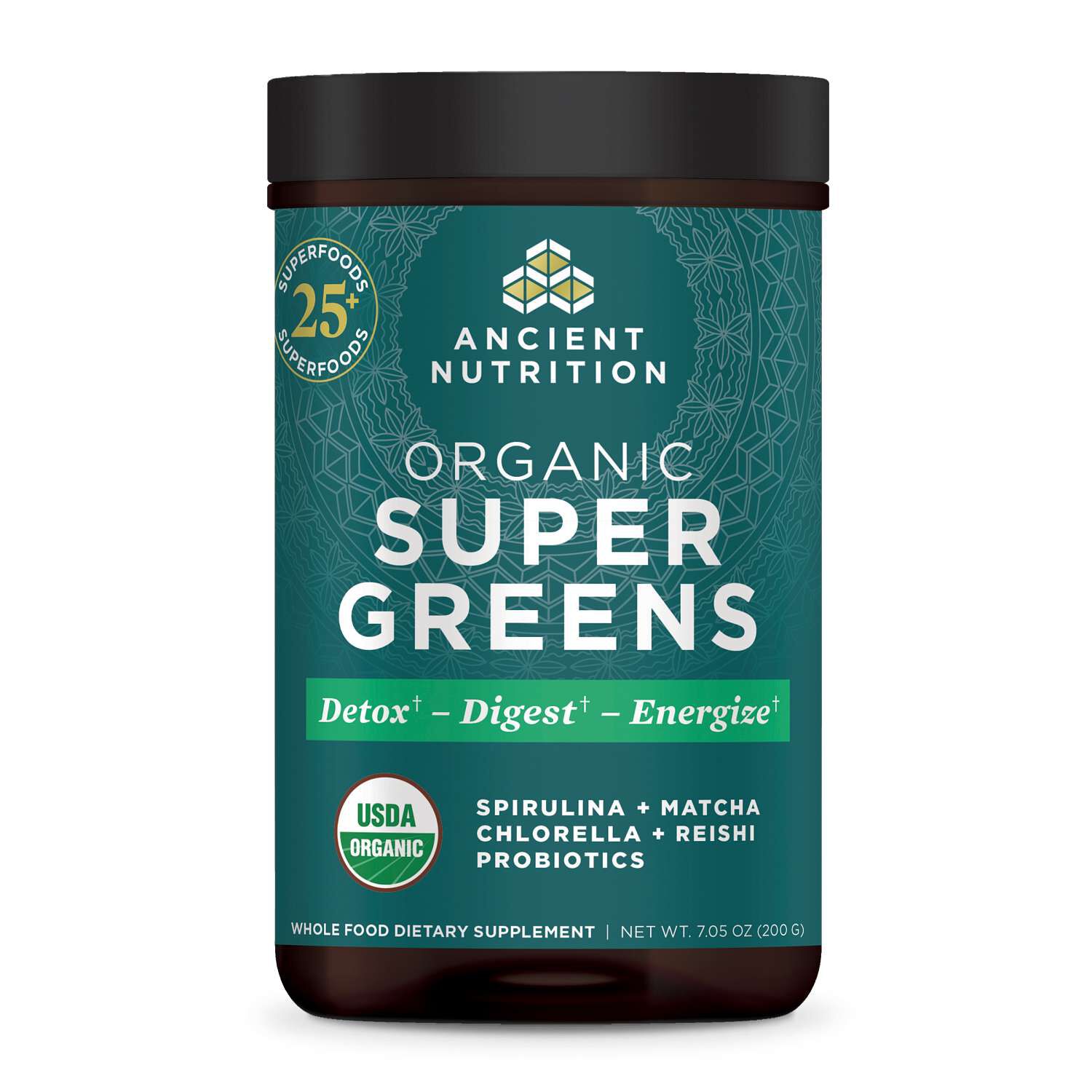
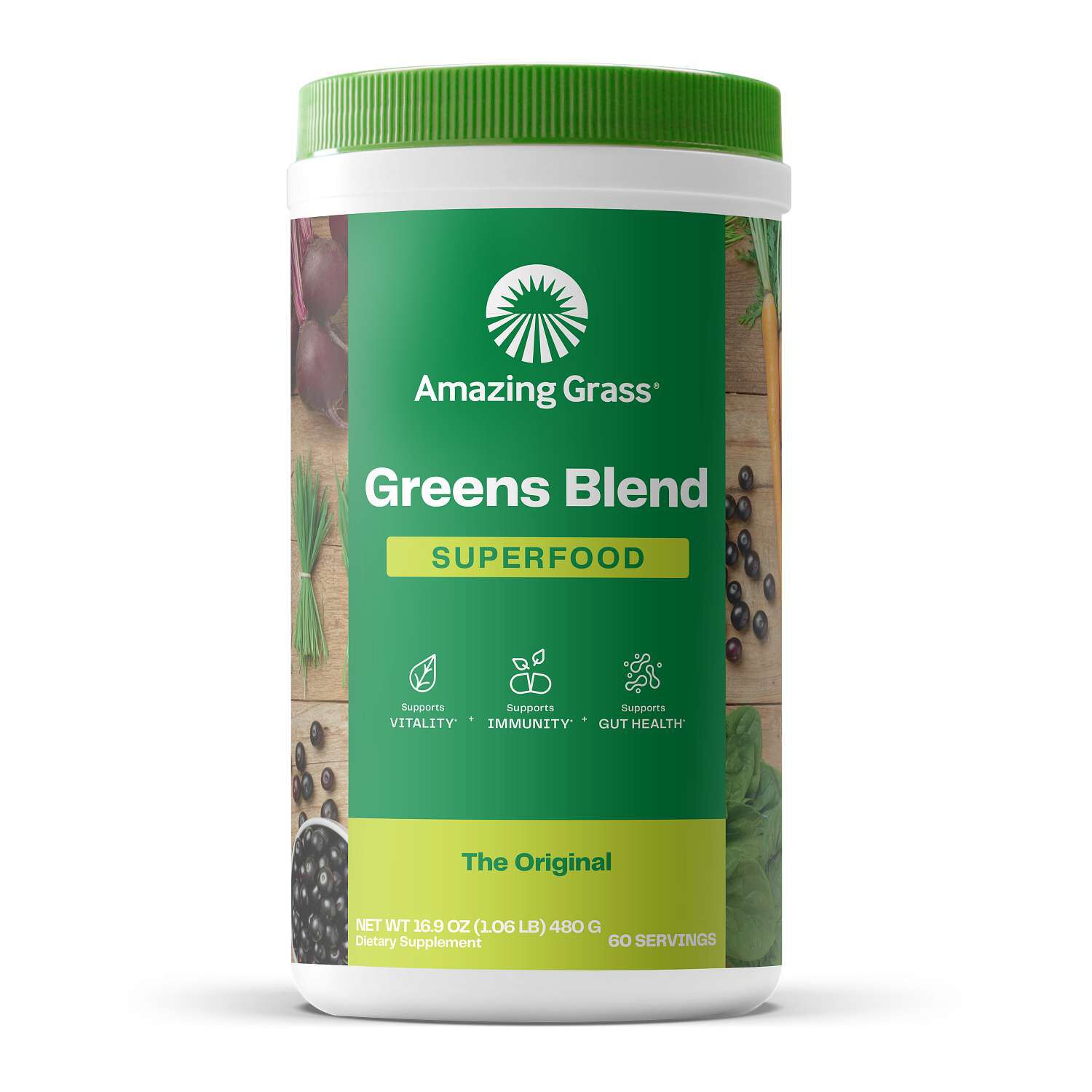
Format is often the most noticeable difference once a supplement becomes part of an ordinary day. Tablets, capsules, softgels, chewables, gummies, liquids, and powders each come with their own serving directions and handling considerations. An adult who eats breakfast at home may prefer a powder with a measured serving, while someone who carries lunch to work may favor a format with fewer preparation steps. Neither preference makes one format universally suitable; the ingredients, serving instructions, and personal preferences still matter. Powders may suit shoppers who like to adjust the amount of mixing liquid within the package directions, although flavor and texture can vary with the liquid used. A lightly flavored powder mixed with water may taste quite different from the same serving prepared with milk or a plant-based beverage. Some formulas contain added sweeteners or flavors, while others have a more noticeable ingredient taste. Protein sources can include dairy, soy, peas, rice, or combinations of plant ingredients. Capsule shells may contain gelatin or plant-derived materials, and the main ingredients may have animal or botanical origins. Vegetarian preferences, ingredient exclusions, and food allergies make those distinctions worth checking on the package, including any allergen statements. Shoppers interested in fruit, vegetable, and other botanical ingredients can also explore Superfood Supplements as a related category. These formulas may contain dried plant powders, extracts, or mixtures of several ingredients, but they are not interchangeable with servings of fresh produce. The ingredient names, listed amounts, and preparation directions provide more specific information than imagery of leafy greens or berries alone. A single plant ingredient and a multi-ingredient blend can have very different compositions, even when their packaging suggests a similar theme. For these products, clarity about what is included, how much constitutes a serving, and whether flavors or sweeteners are present makes comparison more grounded in the actual formula.
Practical fit also includes what happens between opening the package and reaching for the next serving. Containers may include screw-top lids, resealable closures, measuring scoops, or serving accessories, and the storage directions belong alongside flavor and format in a product comparison. Original packaging typically carries the ingredient list, lot information, date markings, and handling instructions, all of which remain relevant after purchase. A tub kept near a damp sink has a different storage setting from a closed cabinet, while a bag carried between home and work involves more movement and repeated handling. Storage conditions should match the package directions rather than assumptions based on another supplement. Secure closures and dry measuring utensils may help limit exposure to moisture during ordinary use. For powders, the serving measurement on the label matters more than an improvised kitchen spoon, and a scoop included with one formula should not be assumed to match another formula’s serving size. For liquids, package directions identify any shaking, measuring, or refrigeration requirements. A larger container also means more servings to use within the relevant date and storage instructions, so package size is part of everyday suitability, not simply a visual difference on the shelf. The best fit for a routine may be the option whose preparation, taste, and handling requirements match how that routine actually works. Someone with a quiet breakfast at home has different practical preferences from someone who leaves early with a packed bag and eats later. Even within the same household, ingredient preferences and preferred formats may differ. Healthy diet supplements are most useful to evaluate as distinct formulas with specific intended uses, rather than as interchangeable additions to a shopping list. Clear labeling, suitable ingredients, manageable preparation, and appropriate storage provide concrete points of comparison while keeping varied meals at the center of an everyday eating pattern.
Best Sellers
-
 Ancient Nutrition
-
 Amazing Grass


Related Pages


Top Collections
- GLP 1 Support For Adults
- Supplements For Yoga Joint Flexibility
- Joint Mobility Supplement Packs
- Supplements For Balance
- Zinc Supplements For Men
- Chronic Fatigue Supplements
- Capsule Supplements For Energy And Stamina
- Zinc Supplements | Top Brands at Great Prices | GNC
- Supplements For Anxiety Relief Support
- Adult Mobility Supplements