





Health Conscious Supplements
(0 Results)
Discover a range of health conscious supplements designed to support your wellness journey. Whether aiming to maintain a balanced diet, seeking to elevate your fitness routine, or looking to fill nutritional gaps, these supplements may provide the necessary nutrients to help you achieve your goals. Explore options that could complement your lifestyle and promote overall well-being. Prioritize your health with choices that align with your commitment to a healthier you.
-
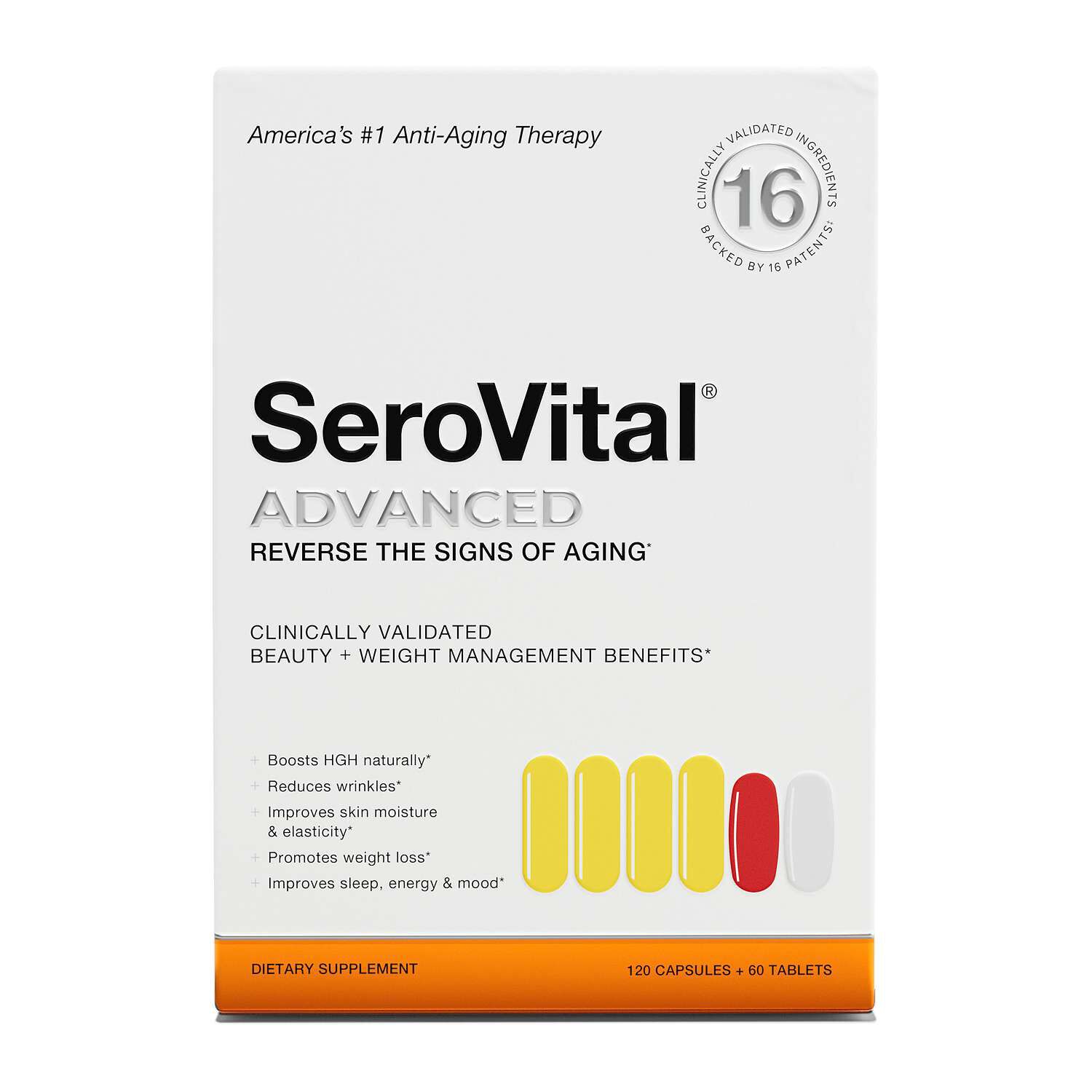 2,035$119.99
 -
-

-

-
-

-
-

-
-
-

-

-

-

-
-

-

-

-

-
-

-


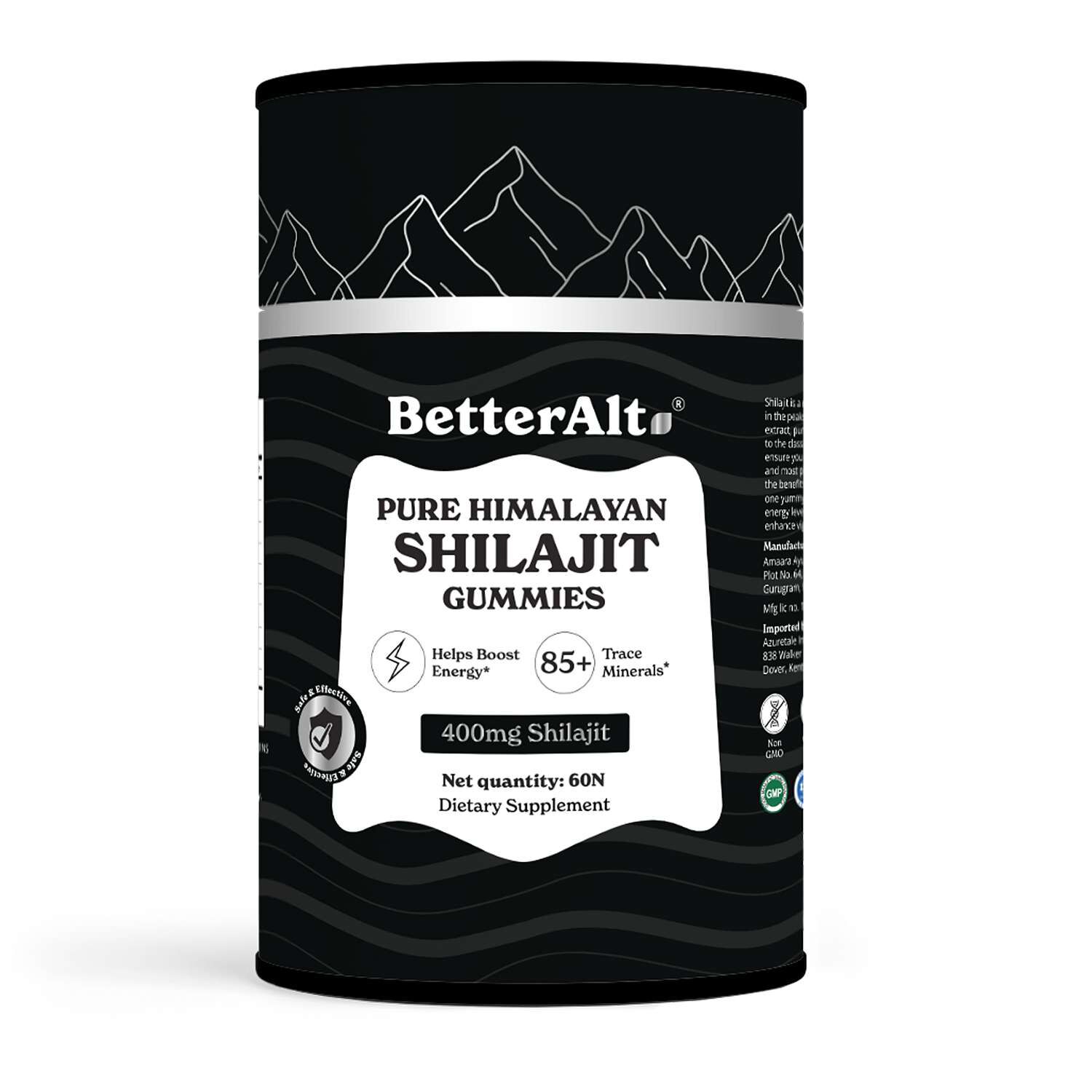
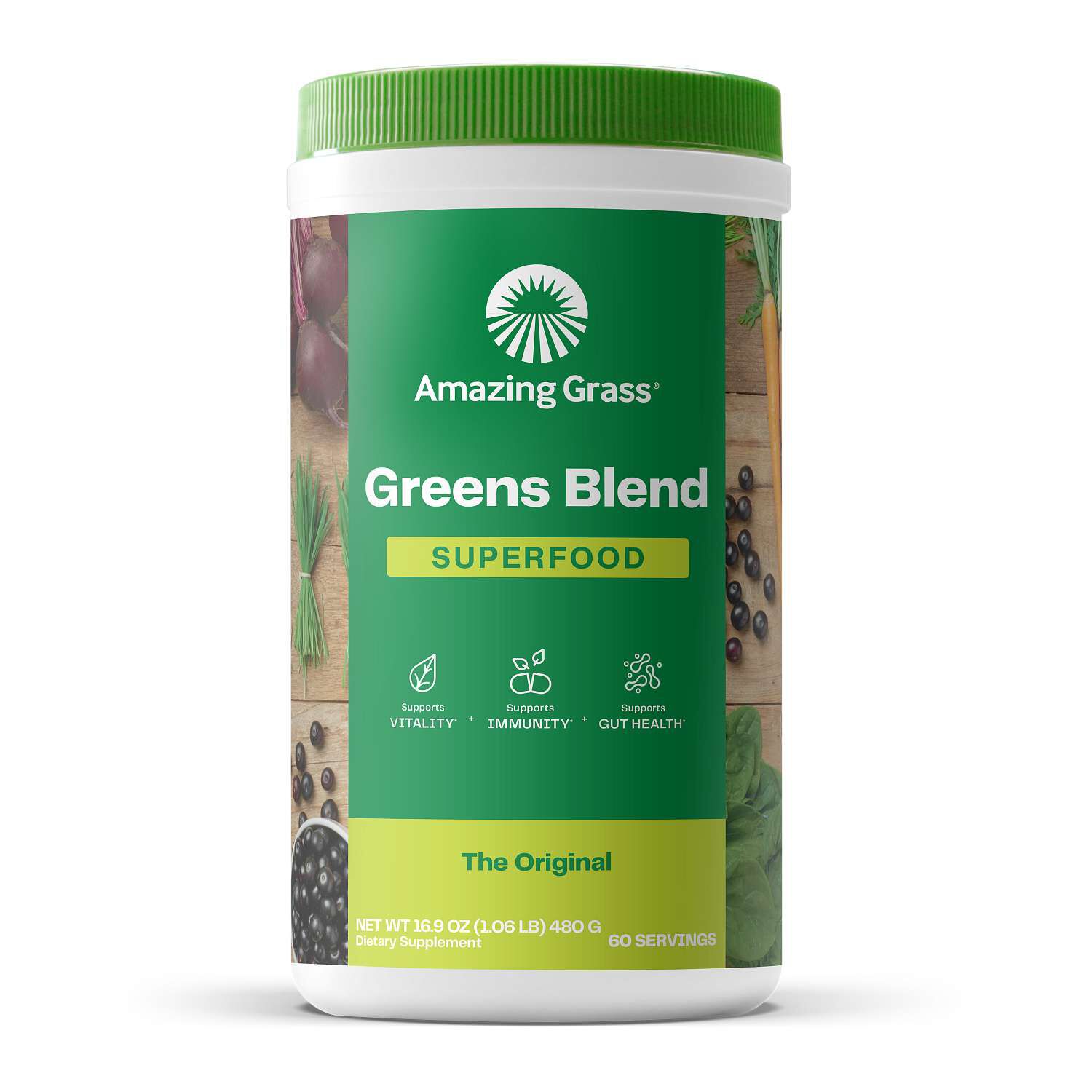
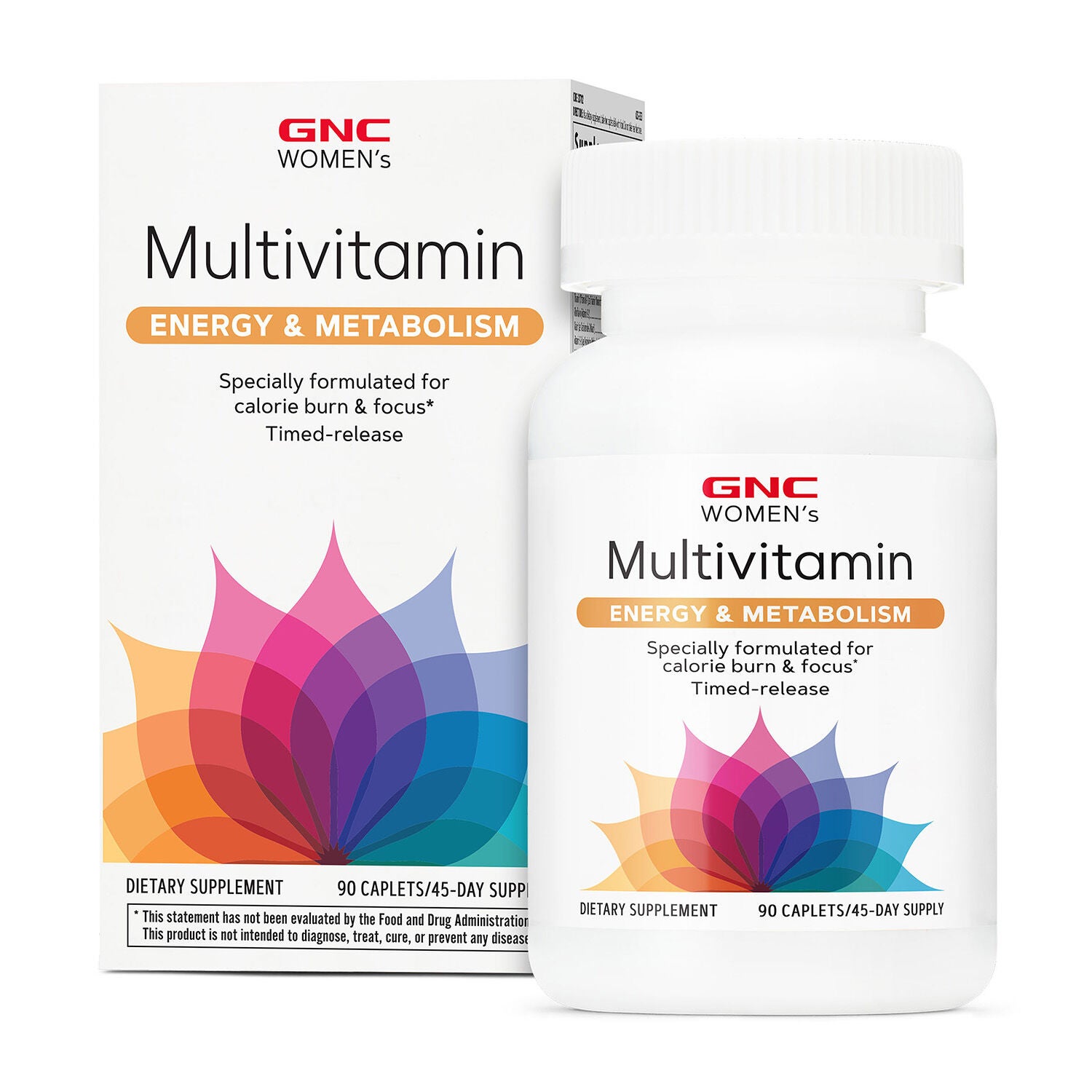
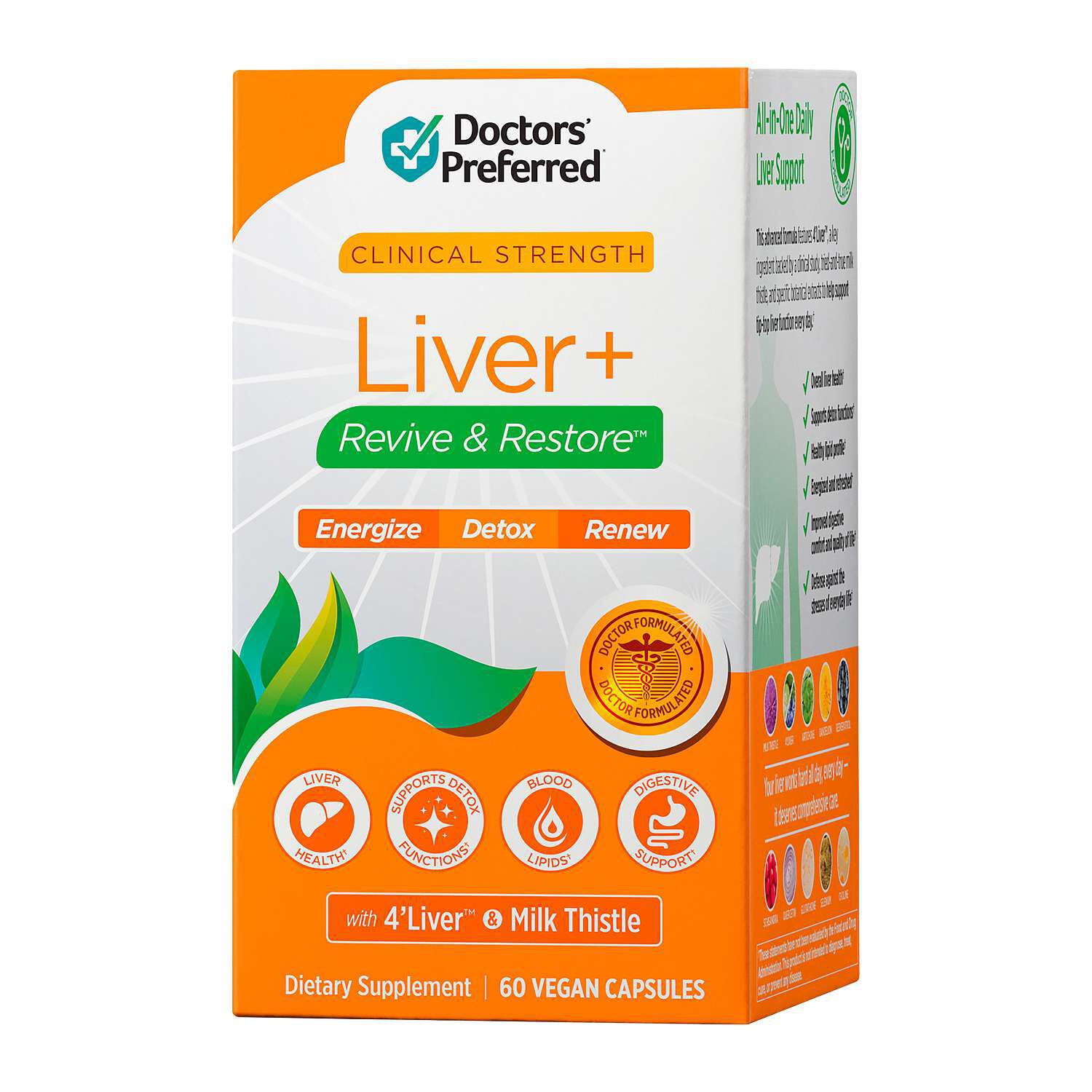
Health-conscious supplements are nutritional products chosen to complement everyday eating habits, with attention to ingredients, serving sizes, sourcing, and personal preferences. The category includes vitamins, minerals, protein powders, plant-derived ingredients, and other formulations intended for use alongside a varied diet. For many shoppers, the appeal is a more deliberate approach to the products that become part of a daily routine: knowing what a serving contains, understanding where its ingredients come from, and choosing a format that fits comfortably into the day. A capsule taken according to its label, a powder measured into a shaker, and a chewable packed with lunch offer different experiences, even when their ingredient lists overlap. Health-conscious shopping is less about finding the longest list of ingredients and more about finding clear information and a practical match for individual priorities. Some adults prefer a straightforward formula centered on one nutrient; others favor a combination that brings several nutrients together in one labeled serving. Dietary preferences also shape these choices. Someone who follows a plant-based eating pattern may pay particular attention to capsule materials and ingredient sources, while a shopper who avoids certain food ingredients may focus on allergen statements. Supplements are not substitutes for the variety and enjoyment of meals built around foods such as vegetables, fruit, beans, grains, and other sources of nourishment. They occupy a separate place in a food-centered routine, and their suitability depends on more than an appealing package or a familiar ingredient name. Shoppers exploring that relationship can also browse Healthy Diet Supplements for another view of nutrition-focused categories. Across these choices, useful product details include the amount per serving, the number of capsules or scoops in that serving, the ingredient source, and any stated dietary attributes. Those specifics give health-conscious supplements context beyond broad wellness language and make comparisons more meaningful for adults with different routines, tastes, and expectations.
The ingredients inside a supplement matter, but so do the materials and formulation details that determine how it is used. Capsules may have gelatin or plant-derived shells, and softgels have their own shell ingredients listed on the package. Tablets can contain binding and coating ingredients, while powders may include flavors, sweeteners, or ingredients added for texture and mixing. These details are part of the product, not incidental extras, especially for someone who prefers a shorter ingredient list or has established dietary restrictions. Protein powders illustrate the differences clearly: milk-derived and plant-derived sources have distinct ingredient profiles, and flavored versions can vary in sweetness, texture, and serving size. A powder mixed with water before leaving home presents a different taste experience from the same powder blended with fruit or stirred into another food, where the label allows that use. For oil-based supplements, the source and the listed amounts of individual components offer more context than a large number printed on the front of the bottle. Mineral and vitamin labels likewise identify the nutrient form and amount, which are more useful comparison points than package size alone. Supplement Facts panels, other-ingredient lists, and allergen declarations each answer a different part of the shopping decision. A stated serving may involve more than one tablet, capsule, or chewable, and a scoop measurement belongs to the formula it accompanies. Testing information adds another layer of context when the package explains who performed the testing and what was evaluated. Independent certification programs have defined criteria, so a certification is best understood through its stated scope rather than treated as evidence for every possible attribute. Ingredient identity, listed amounts, and screening for specified contaminants are separate considerations. Clear sourcing details, readable labels, and specific testing statements give shoppers tangible information to evaluate without relying on sweeping descriptions. The result is a category where careful attention to the package can reveal meaningful differences between otherwise similar formats.
Everyday fit often becomes clearest in small, ordinary moments: setting a bottle beside a breakfast place setting, measuring powder at a kitchen counter, or keeping a labeled container in a work bag. Someone with a regular at-home routine may prefer a larger container and a familiar measuring process, while a frequent traveler may value compact packaging that keeps the original label accessible. Adults who exercise may browse sports-oriented nutrition formats, while others may be looking for general nutritional additions with fewer preparation steps. Intended use should remain distinct from expectations about results; a supplement’s format, flavor, or ingredient count does not establish what any individual will experience. A routine that already includes several nutritional products also brings label overlap into focus, because the same nutrient can appear in more than one formula. Directions, serving information, and caution statements belong in that comparison rather than being treated as fine print. Beyond the formula itself, packaging plays a practical role in day-to-day use. A secure closure, readable date marking, and intact inner seal are relevant details, as are any storage instructions printed on the container. Powders and capsules can have different handling requirements, and some formulations carry specific storage directions after opening. Keeping the original packaging preserves access to the ingredient list, lot information, and use instructions throughout the life of the container. For powders, a clean, dry measuring utensil and a properly closed lid are straightforward care considerations when consistent with the label. A supplement’s usable life is tied to its date marking and storage conditions, not simply to how sturdy the bottle feels. Taste preferences deserve similar attention: a strongly flavored drink may suit one person’s routine, while an unflavored option may fit another person’s usual preparation. Texture, portion size, and the effort involved in mixing or measuring can matter just as much as the format initially chosen. Health-conscious supplements are most usefully understood through these concrete details—what they contain, how they are labeled, how they are handled, and where they fit alongside everyday meals and personal preferences.
Best Sellers
-
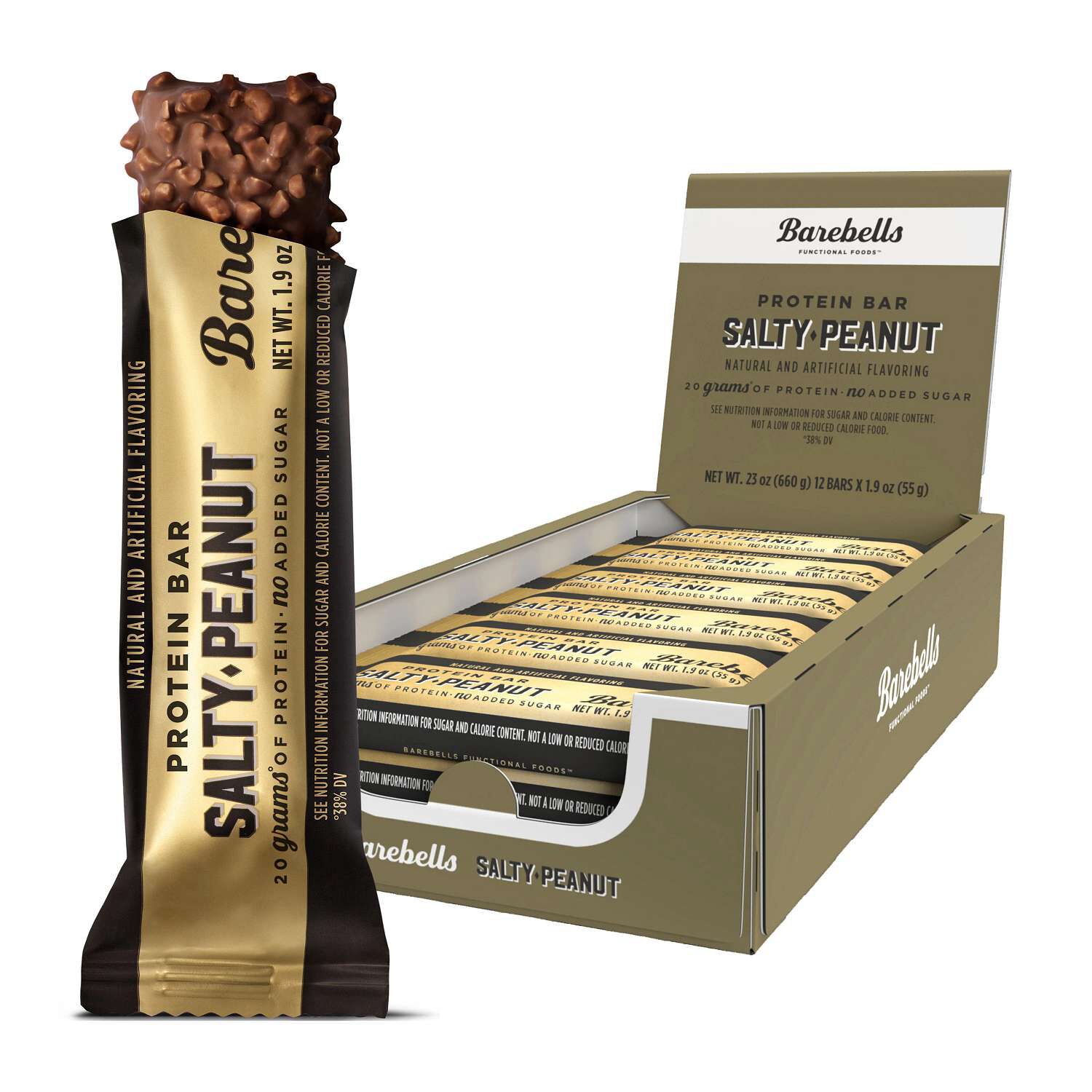
Barebells
-
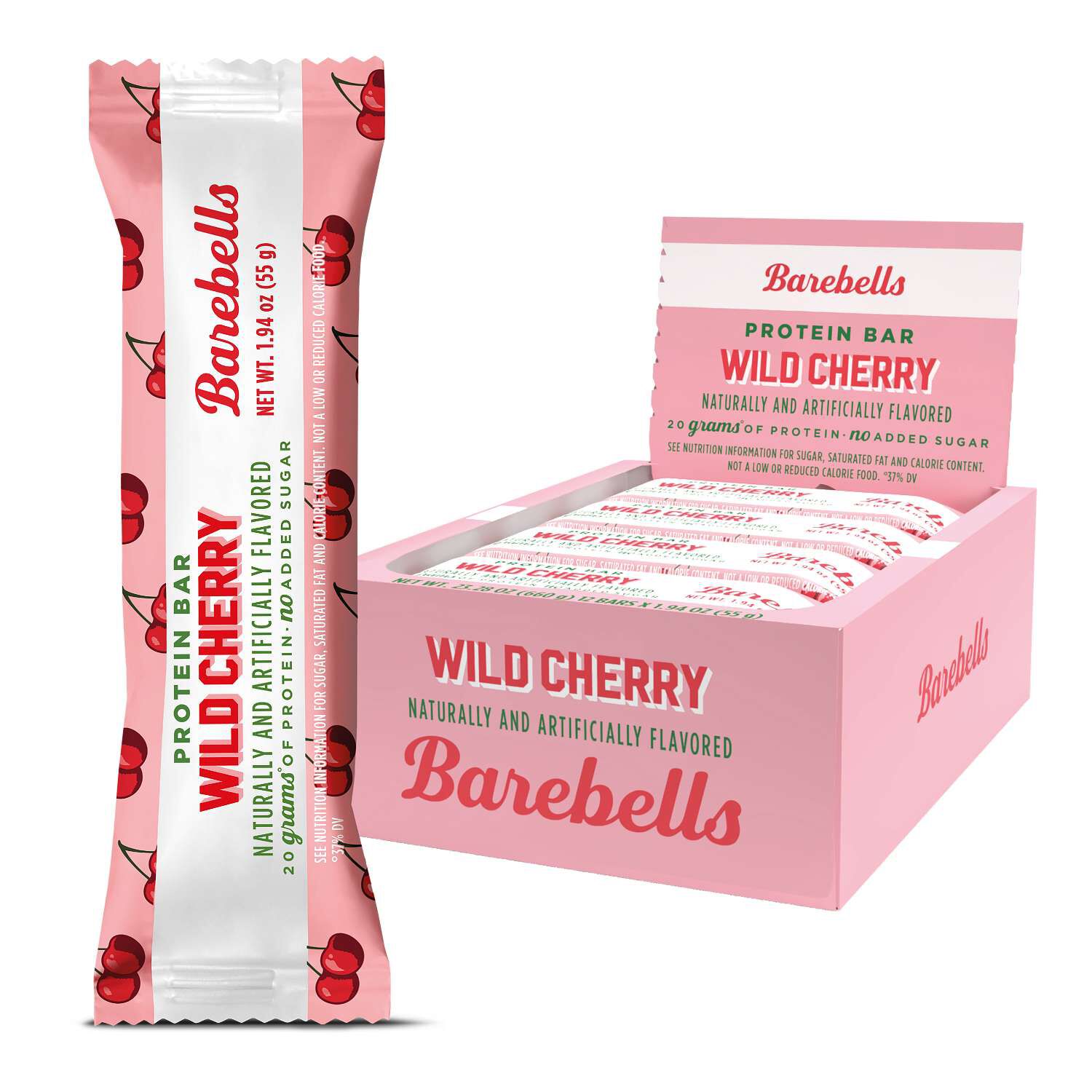
Barebells
-
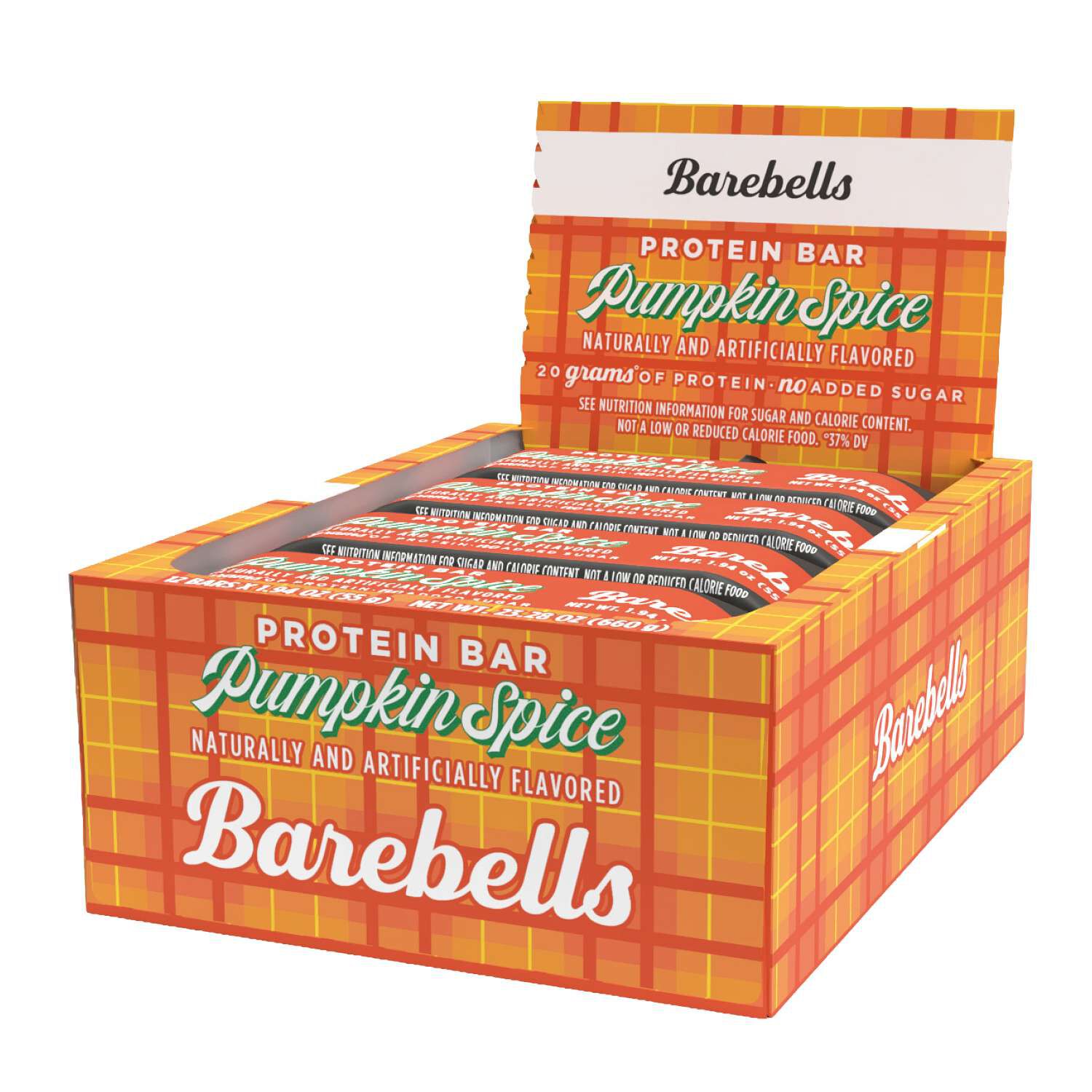
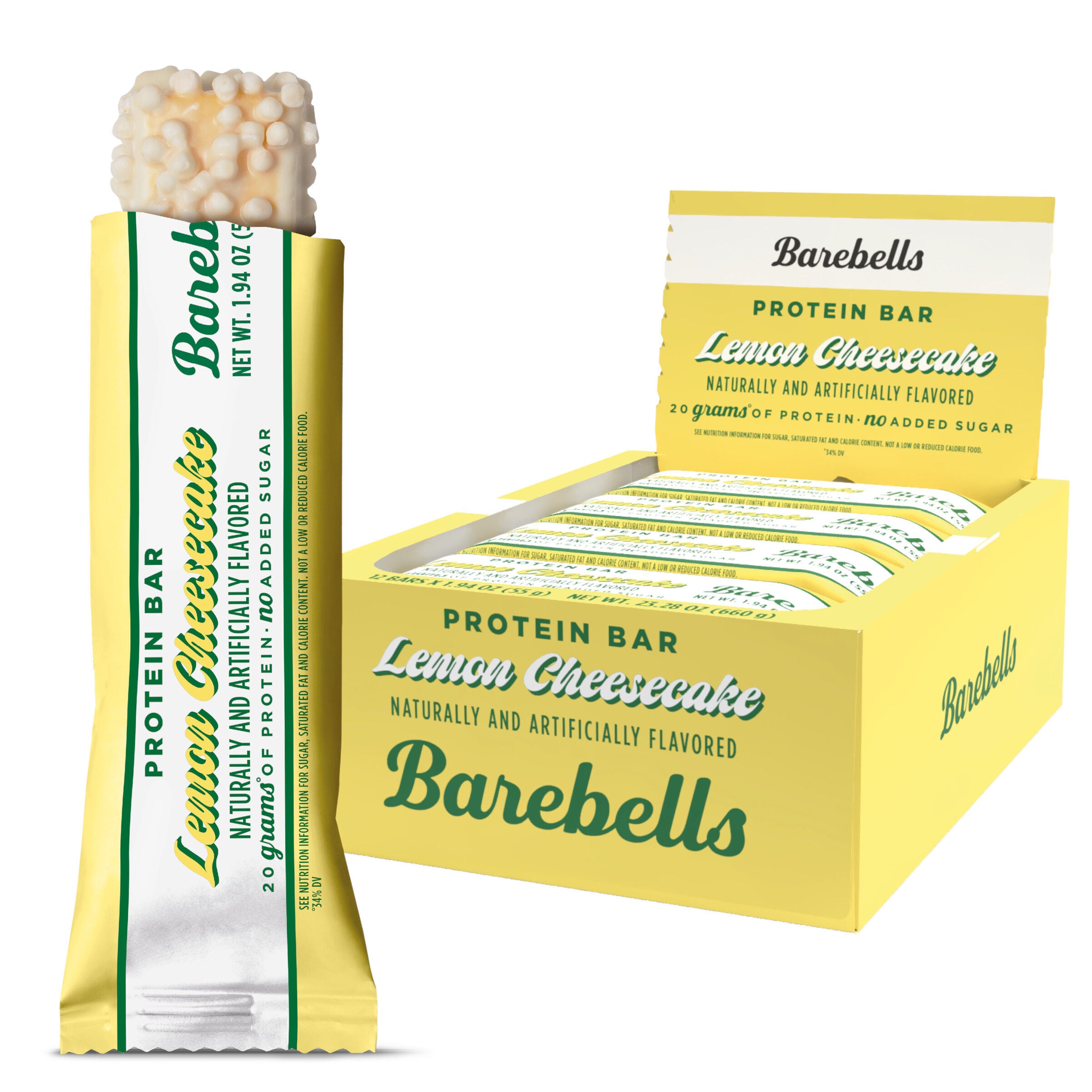 Barebells
 -
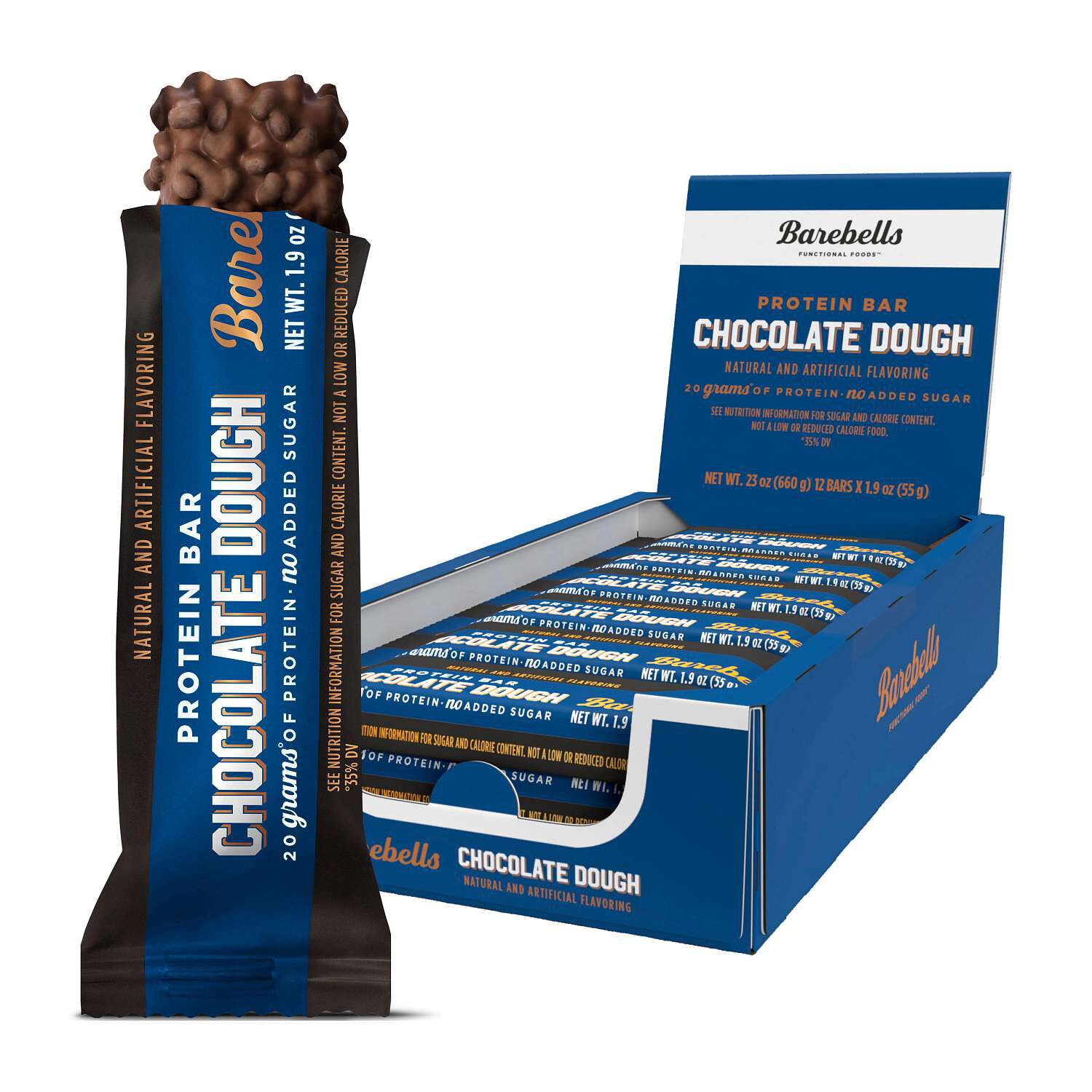 Barebells

