Superfood Supplements
(0 Results)
Discover a powerhouse of nutrition with our selection of superfood supplements. Packed with essential vitamins, minerals, and antioxidants, these supplements are designed to support your overall health and well-being. From organic greens to exotic berries, each product is carefully crafted to provide you with a convenient way to boost your daily intake of nutrients. Whether you're looking to enhance your immune system, increase energy levels, or simply add more variety to your diet, our superfood supplements offer a convenient solution to help you feel your best every day.
-

-

-
-

-
-
-

-
-

-
-
-
-
-

-
 Divine Health$44.99
-
-
 4$59.99
-
 4$59.99
-
-

-

-

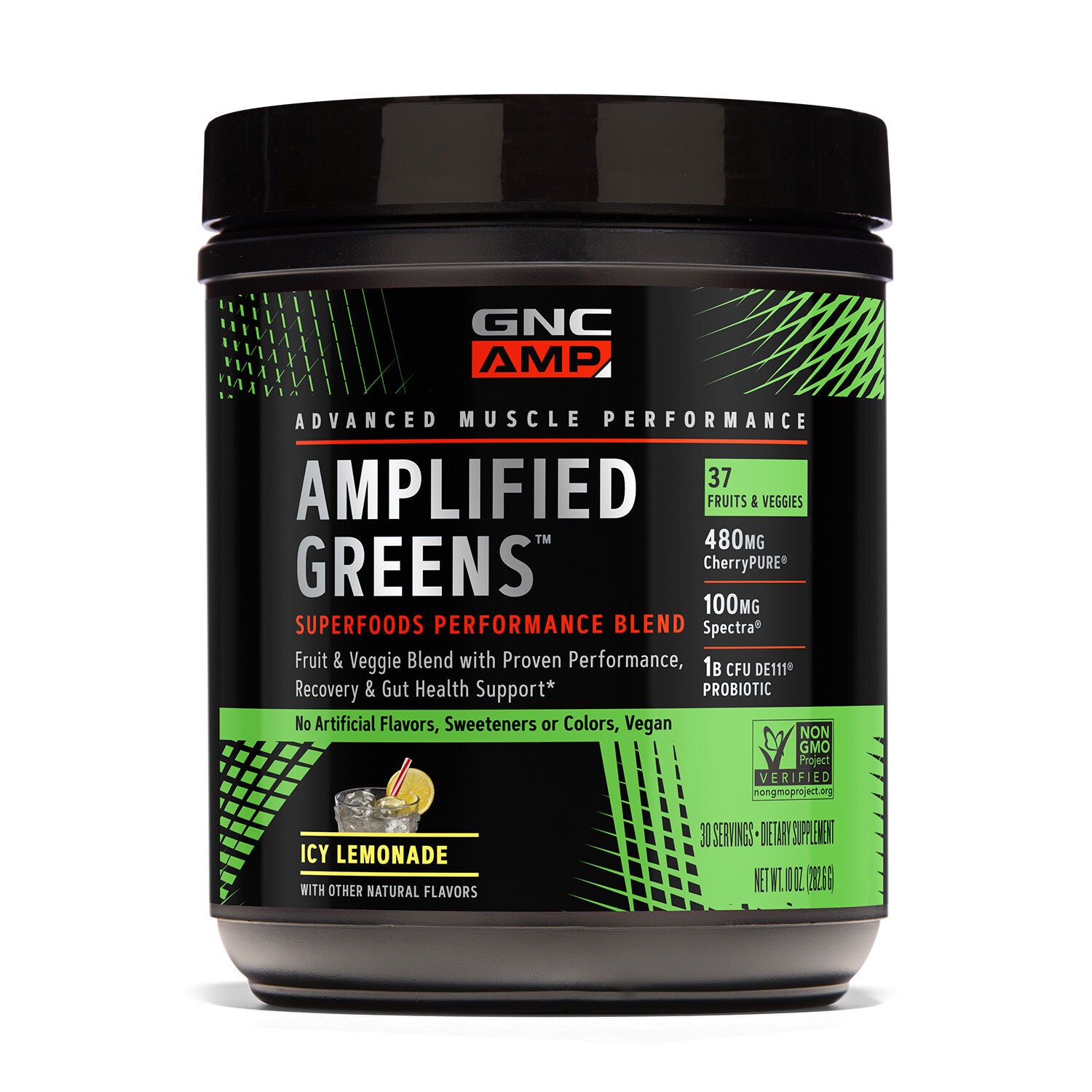

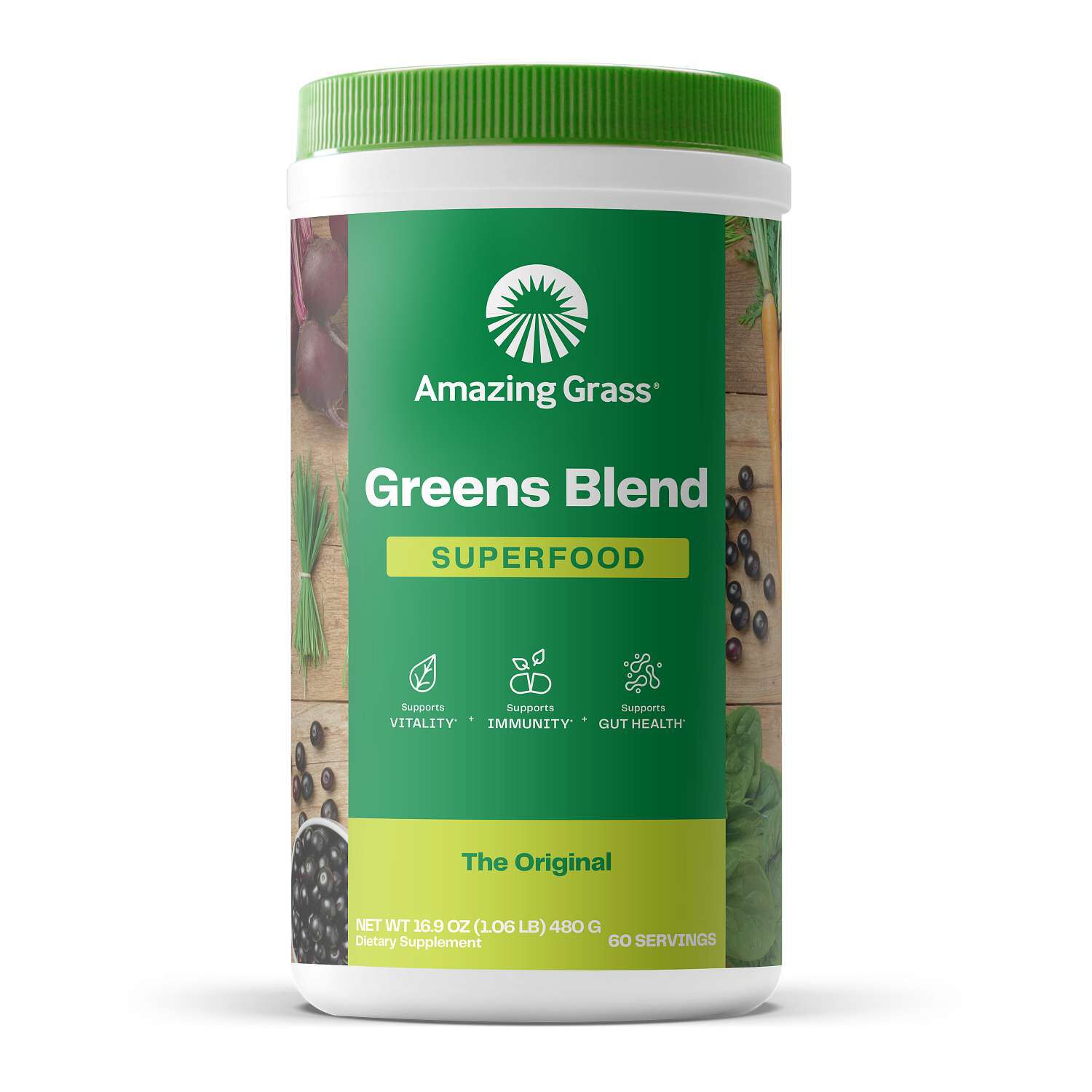
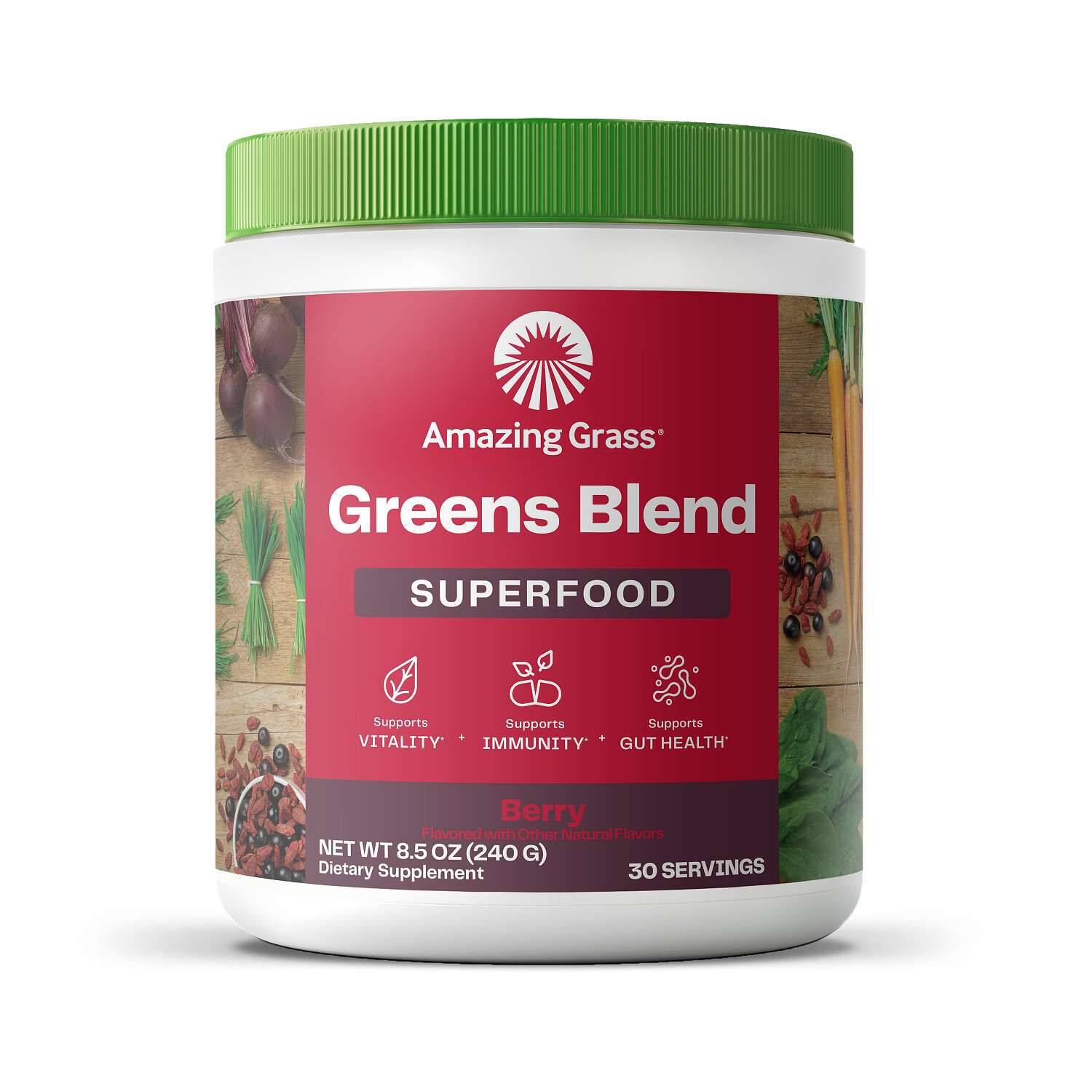
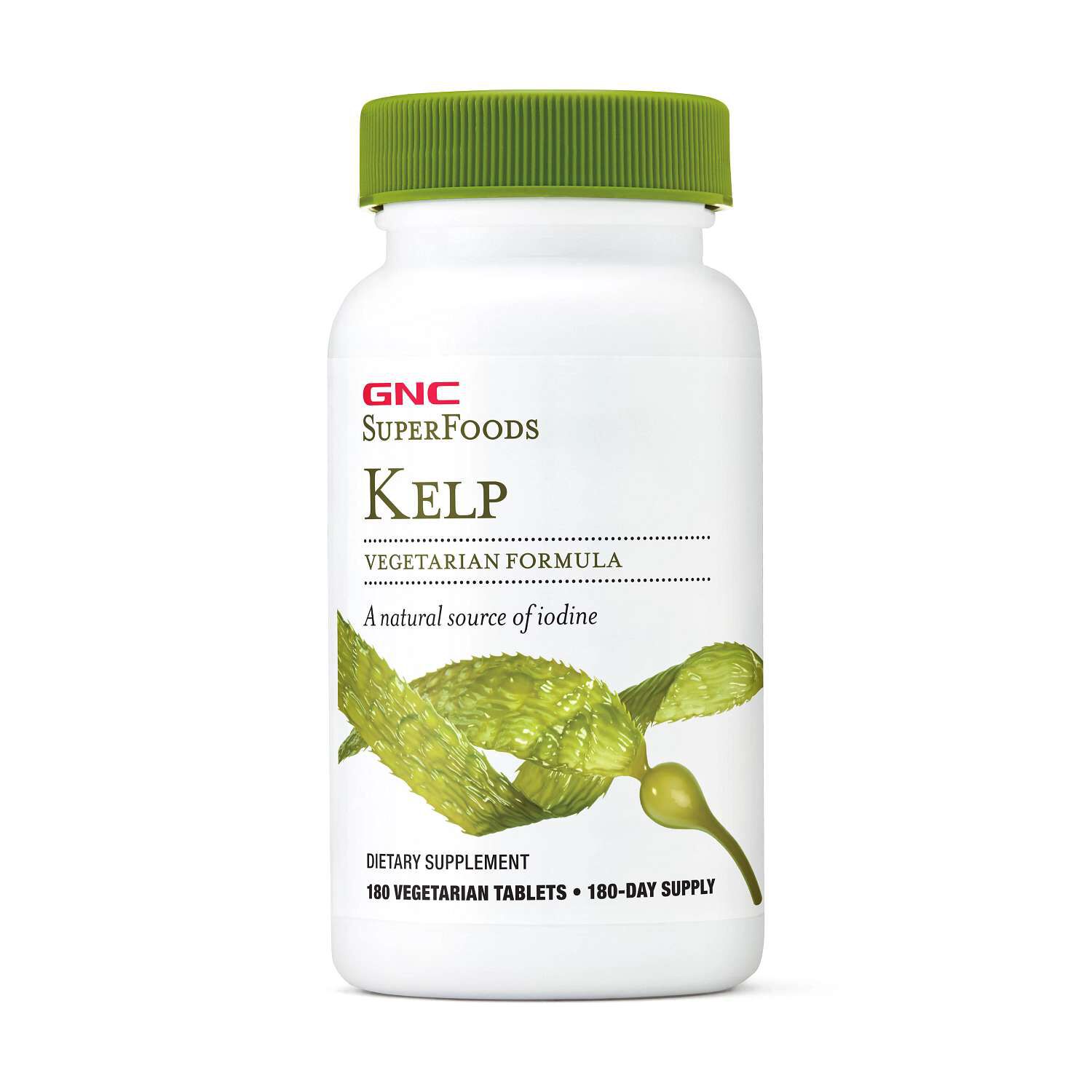
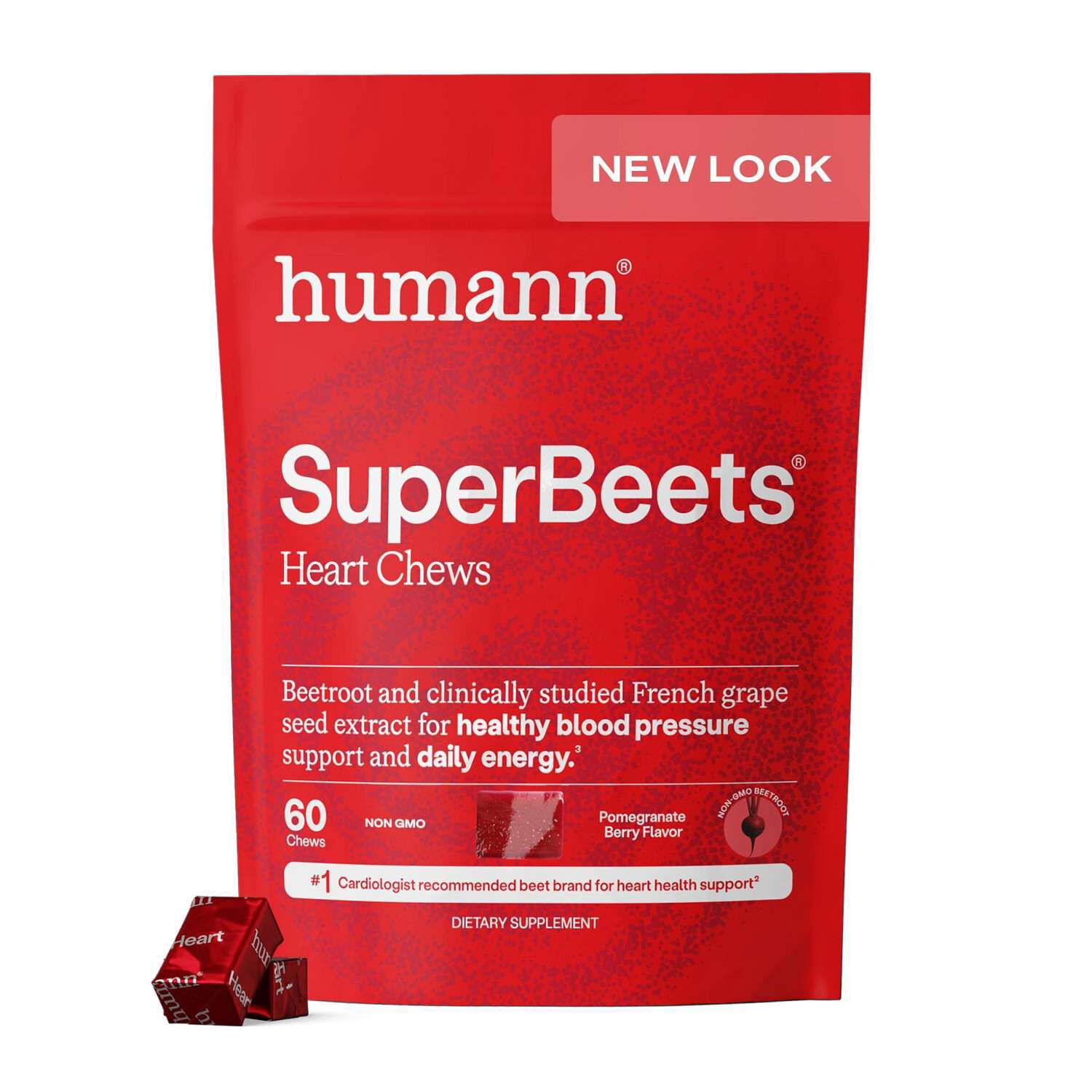
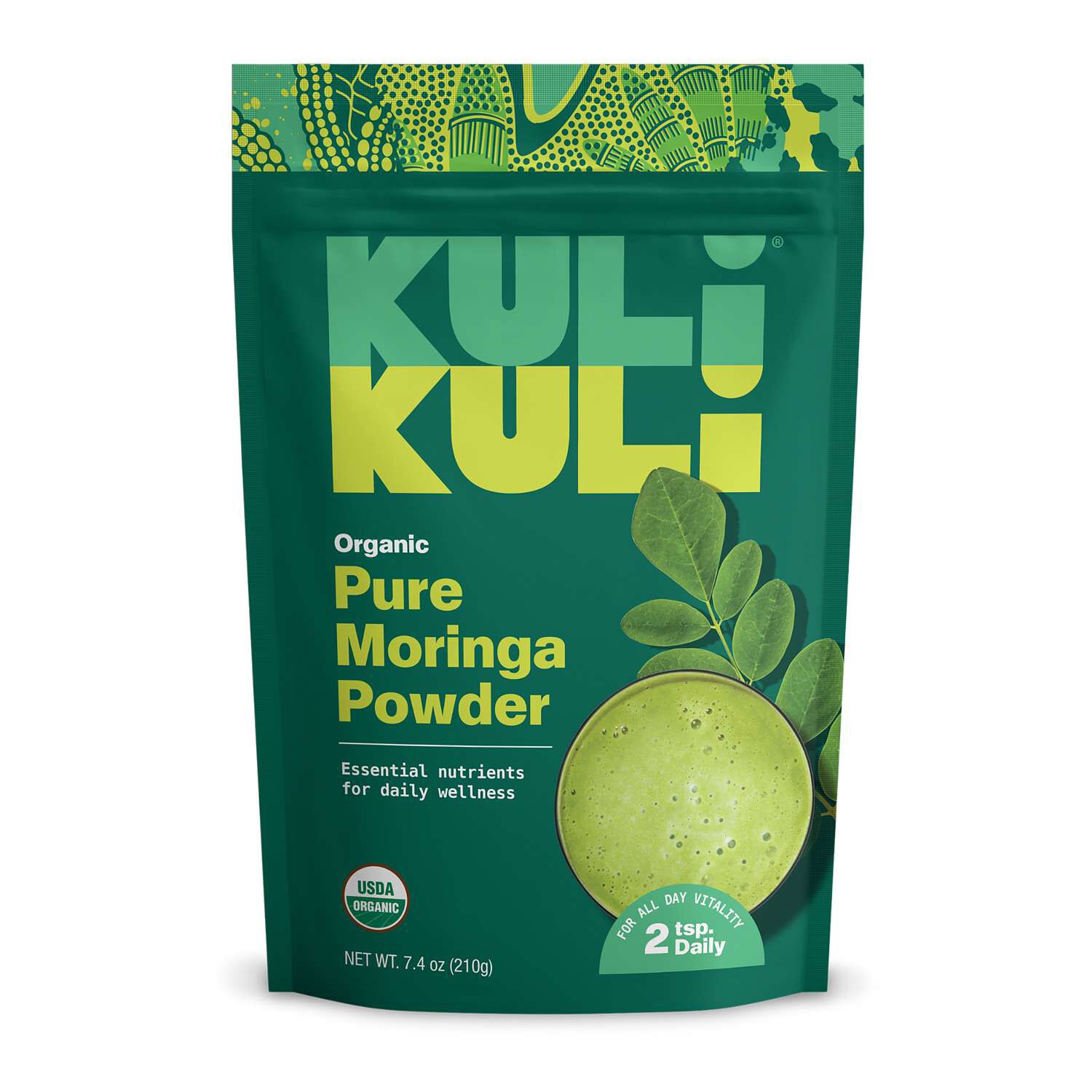
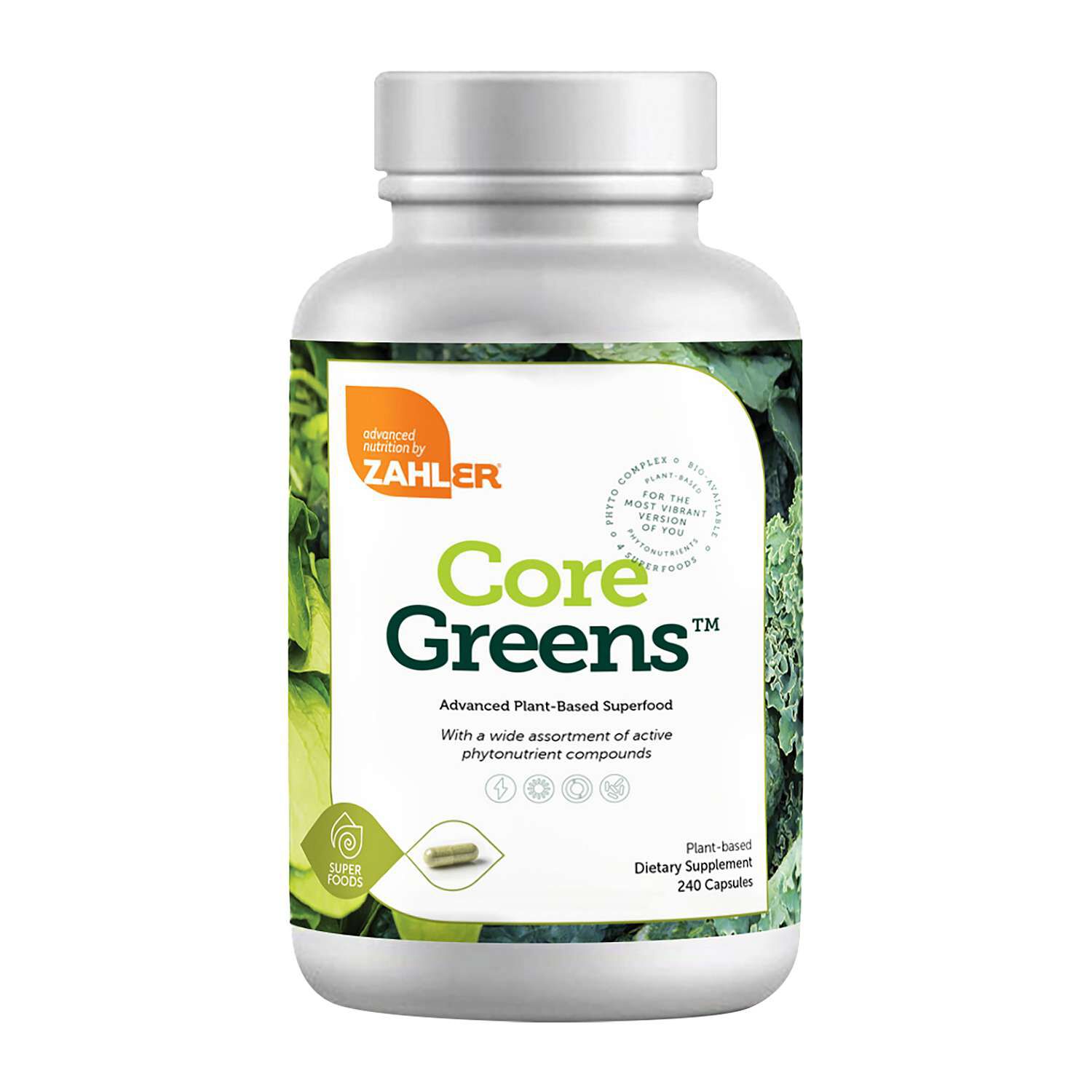
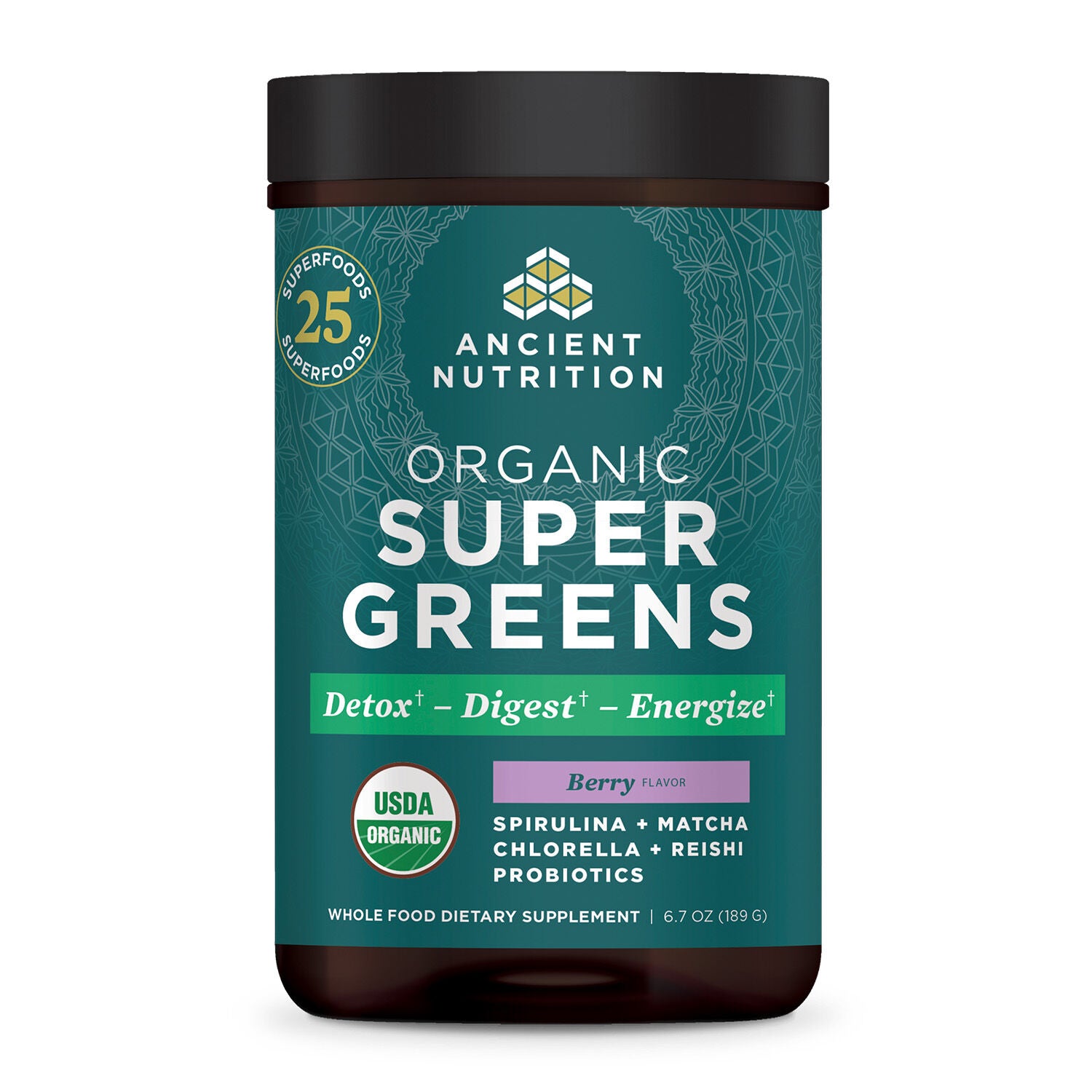
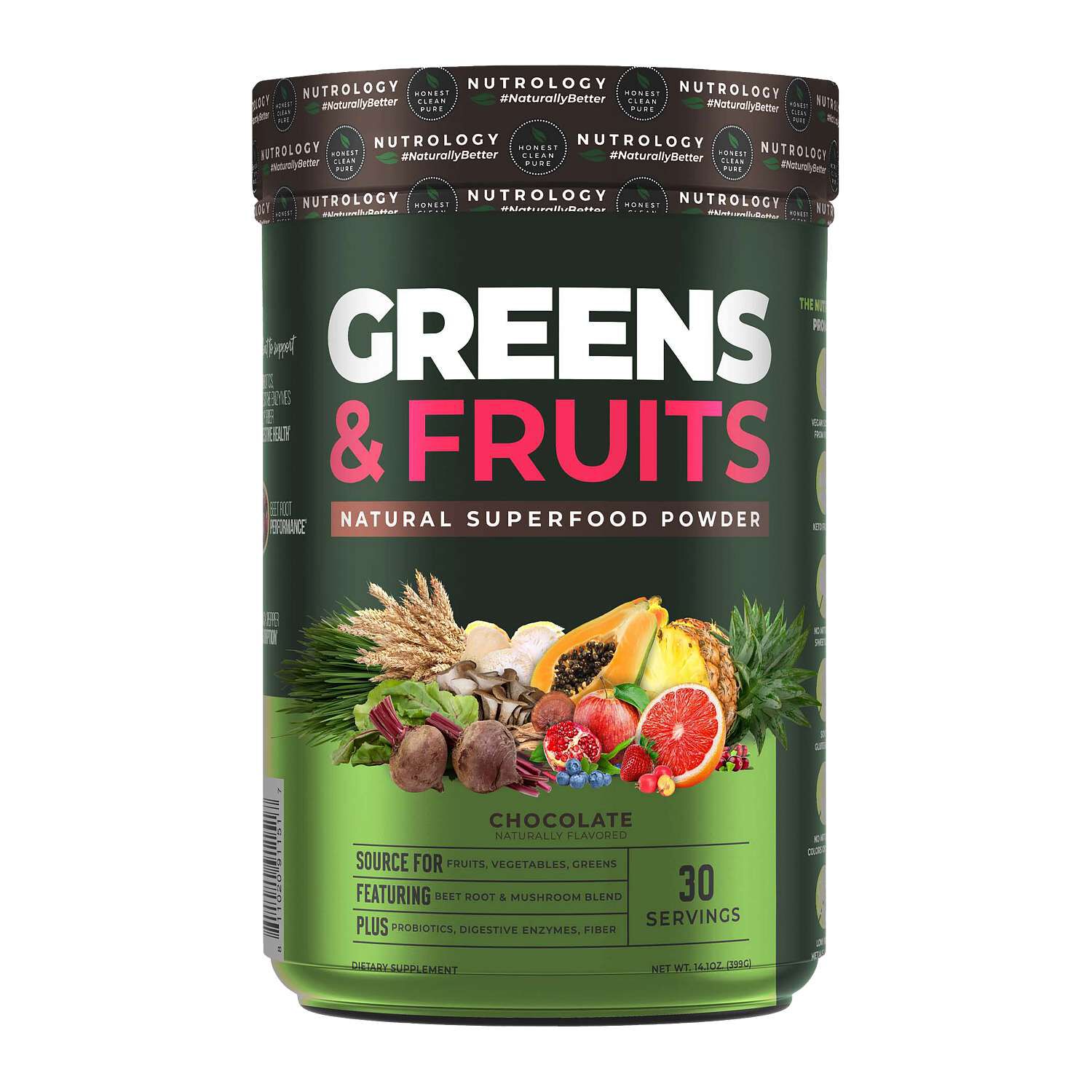
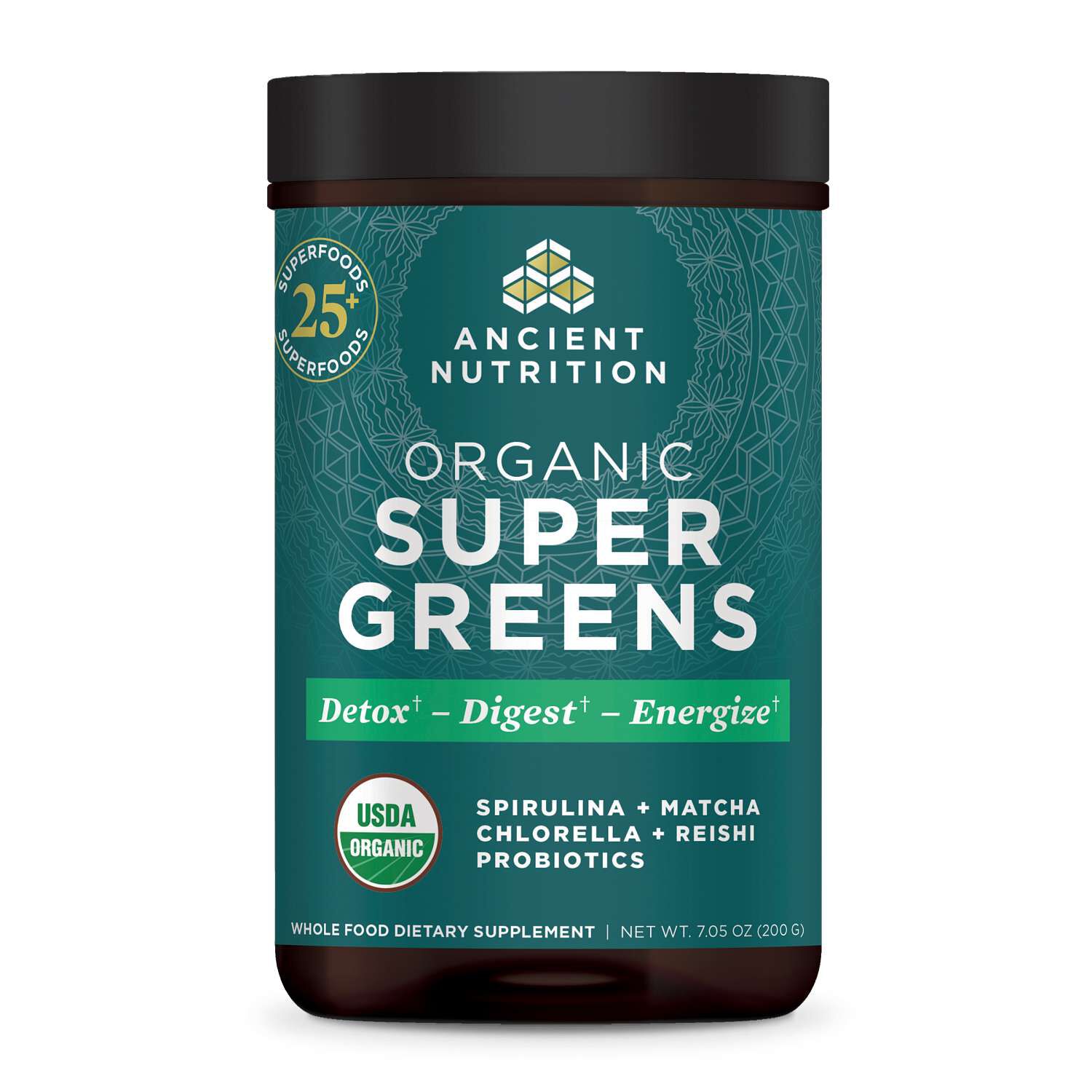
Superfood supplements are powders, capsules, tablets, and other supplement formats made with ingredients such as leafy greens, berries, algae, seeds, and roots. The term “superfood” describes a broad category rather than a standardized nutritional profile, so two blends with similar names can have very different compositions. A greens powder might contain spinach, kale, wheatgrass, spirulina, or chlorella, while a fruit-focused formula might feature acai, blueberry, pomegranate, or acerola. Other blends combine several ingredient groups with added vitamins, minerals, fiber, plant protein, or cultures. Those differences matter more than the color of the powder or the number of plants pictured on the container. A long ingredient list does not necessarily indicate a larger amount of each ingredient, and a concentrated extract is not interchangeable with a dried whole-food powder. The plant part, preparation method, and amount per serving all help explain what a formula contains. For shoppers who enjoy a smoothie with breakfast or want a portable addition to a familiar routine, superfood supplements may offer another way to include selected plant ingredients. They are not replacements for meals or the variety, texture, and nutritional contributions of whole fruits and vegetables. Fiber content varies by formula and processing method, and a serving of powder should not automatically be treated as equivalent to a serving of produce. Likewise, the presence of an ingredient associated with a particular nutrient does not establish how much of that nutrient the finished blend provides. The Supplement Facts panel is the more useful reference for declared amounts. Superfood powders suit a range of preferences, from a short list of recognizable ingredients to a mixed formula with several plant sources. Someone who already enjoys earthy greens may prefer a different blend than someone looking for a berry-forward addition to a banana smoothie. The best fit depends on the ingredient profile, labeled serving, taste preferences, and intended use rather than a universal definition of what makes a supplement “super.”
The differences between greens, fruit powders, and combination blends become especially noticeable in everyday preparation. Greens formulas often have grassy, leafy, or earthy flavor notes, while berry-based powders can bring tartness and deeper red or purple colors. Roots, seeds, and other additions can change both the flavor and the texture. An unflavored label does not mean a powder has no taste; it generally means the formula is not presented with an added flavor such as vanilla or citrus. Sweeteners and flavoring ingredients deserve attention when comparing options, particularly for anyone who prefers a less sweet drink or plans to mix a powder with already sweet fruit. A blend intended for water may taste quite different when stirred into yogurt or combined with milk, and powders vary in how smoothly they disperse. Some leave a little sediment, while others create a thicker consistency. Preparation directions provide the starting point for liquid amounts and mixing methods. A shaker bottle might suit a simple drink at a desk, whereas a blender may be more practical for a mixture that includes oats, fruit, and a thick yogurt base. For shoppers more interested in berry and fruit ingredients than leafy greens, Super Fruits Supplements offer a related category to explore. Capsules and tablets present another format for those who prefer not to mix a flavored beverage, although serving size may involve more than one capsule or tablet. Individually packaged powders may suit a work bag or travel routine, while a resealable container may fit a kitchen shelf used for daily preparation. Package format, serving count, and preparation steps can be just as relevant as the featured plants. A routine that already includes a blender calls for different practical considerations than one built around a quick breakfast away from home. These details make it possible to compare superfood supplements in the context of how they would actually be used, rather than treating every powder or capsule as the same kind of purchase.
Reading beyond the front label brings the most useful distinctions into focus. The serving size establishes the amount to which the listed nutrient quantities apply, and it may differ substantially between formulas. When individual ingredient weights are disclosed, they provide more detail about composition; when several ingredients are grouped into a proprietary blend, the amount of each component may not be listed separately. Added protein, fiber, vitamins, and minerals should be evaluated by their stated quantities rather than assumed from the presence of peas, seeds, berries, or greens. The same care applies to added cultures and enzymes: their inclusion describes the formula, but it does not establish a particular outcome. Botanical extracts may identify a plant part or an extraction ratio, details that distinguish them from simple dried plant powders without making the two directly equivalent. Dietary preferences also call for a closer look at the full ingredient list, capsule materials, allergen statements, and any relevant certifications. A plant-focused blend does not automatically mean every component is plant-derived. For shoppers interested in manufacturing transparency, clearly described independent testing can provide information about the characteristics evaluated, such as ingredient identity or selected contaminants. A testing statement is most informative when it explains its scope rather than relying on a broad quality description. Packaging and care matter after purchase, too. A secure lid, an intact seal, and a clearly marked expiration date are practical considerations for powders and capsules alike. Label storage directions, protection from moisture, and a clean, dry measuring utensil help keep handling consistent with the intended use. Powder residue around a lid or moisture introduced by a wet spoon can make a container less pleasant to use over time. For anyone comparing superfood supplements, the most meaningful picture comes from combining ingredient details with format, flavor, preparation requirements, and packaging. That approach keeps attention on what is actually in each serving and how the supplement might fit alongside an established eating routine, without expecting one blend to take the place of a varied diet.
Best Sellers
-
Ancient Nutrition
-
Amazing Grass