Supplements For End Of Summer Gut Health
(0 Results)
Supplements for end of summer gut health could be a great way to support your wellness routine as the seasons change. With shifts in diet, travel, and daily habits that often come with the end of summer, many people look for options that might help maintain digestive balance. Explore a variety of supplements for end of summer gut health designed to fit into your unique lifestyle and help you feel your best as you transition into fall.
-

-
-

-

-
 205$34.99
 -
-

-

-
-

-
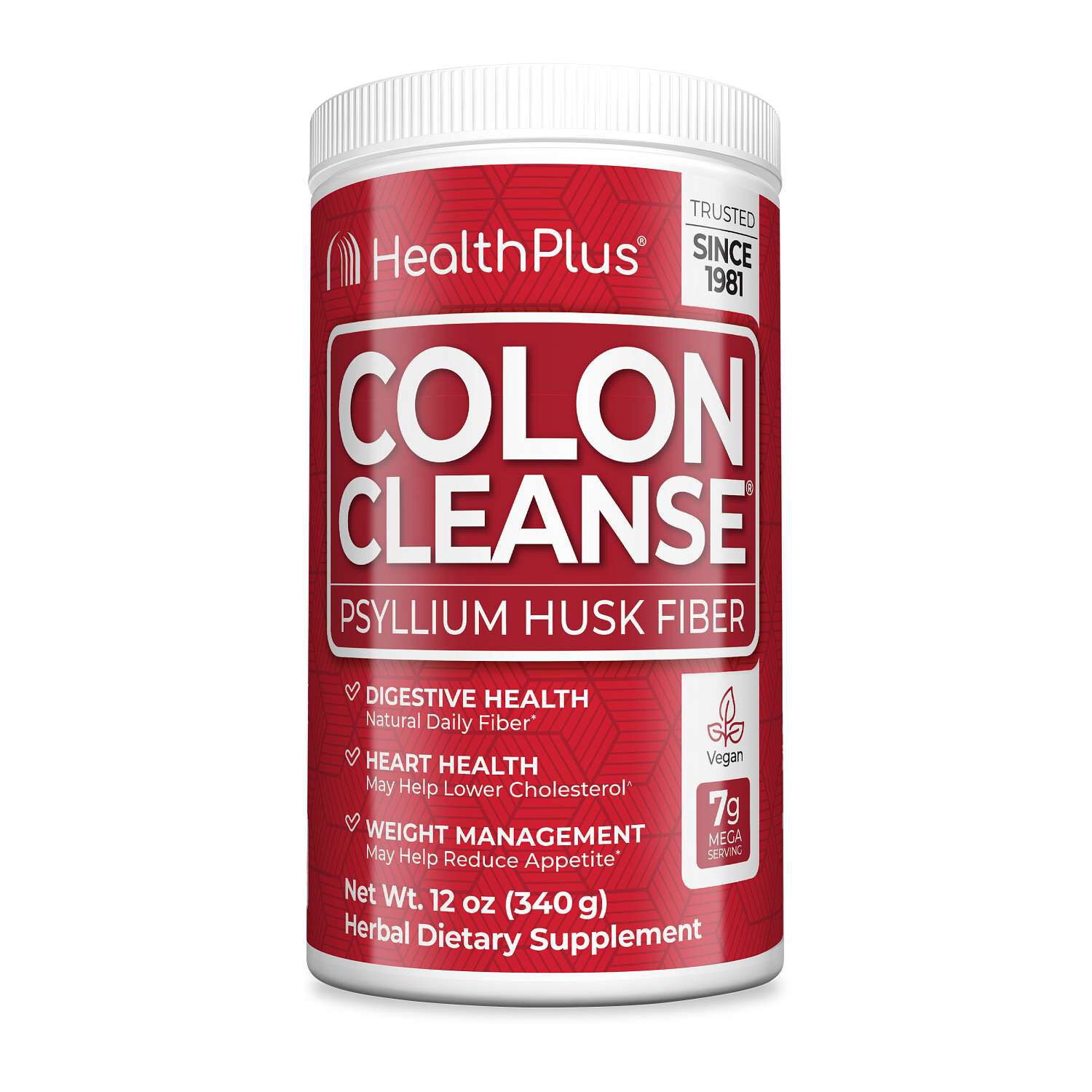




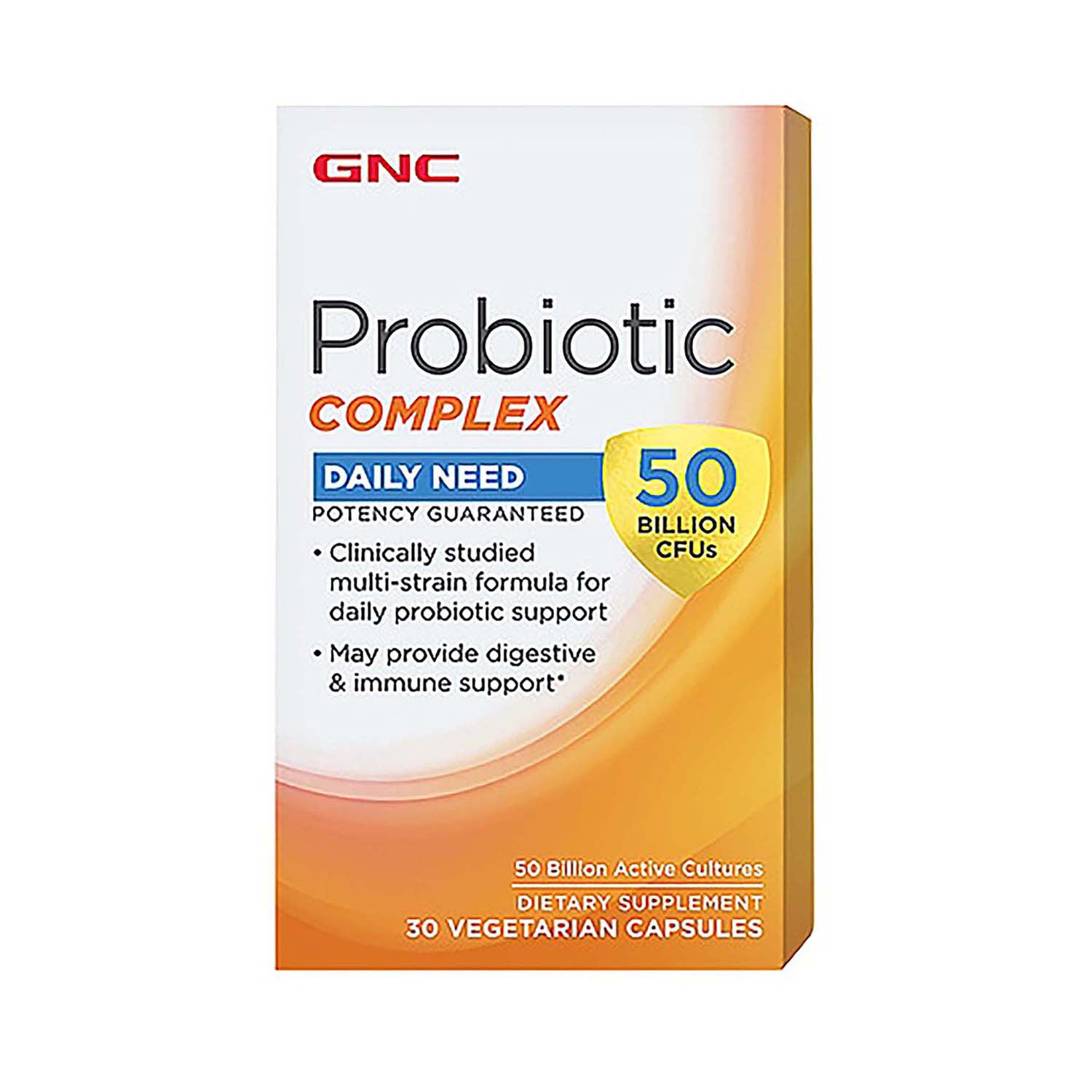







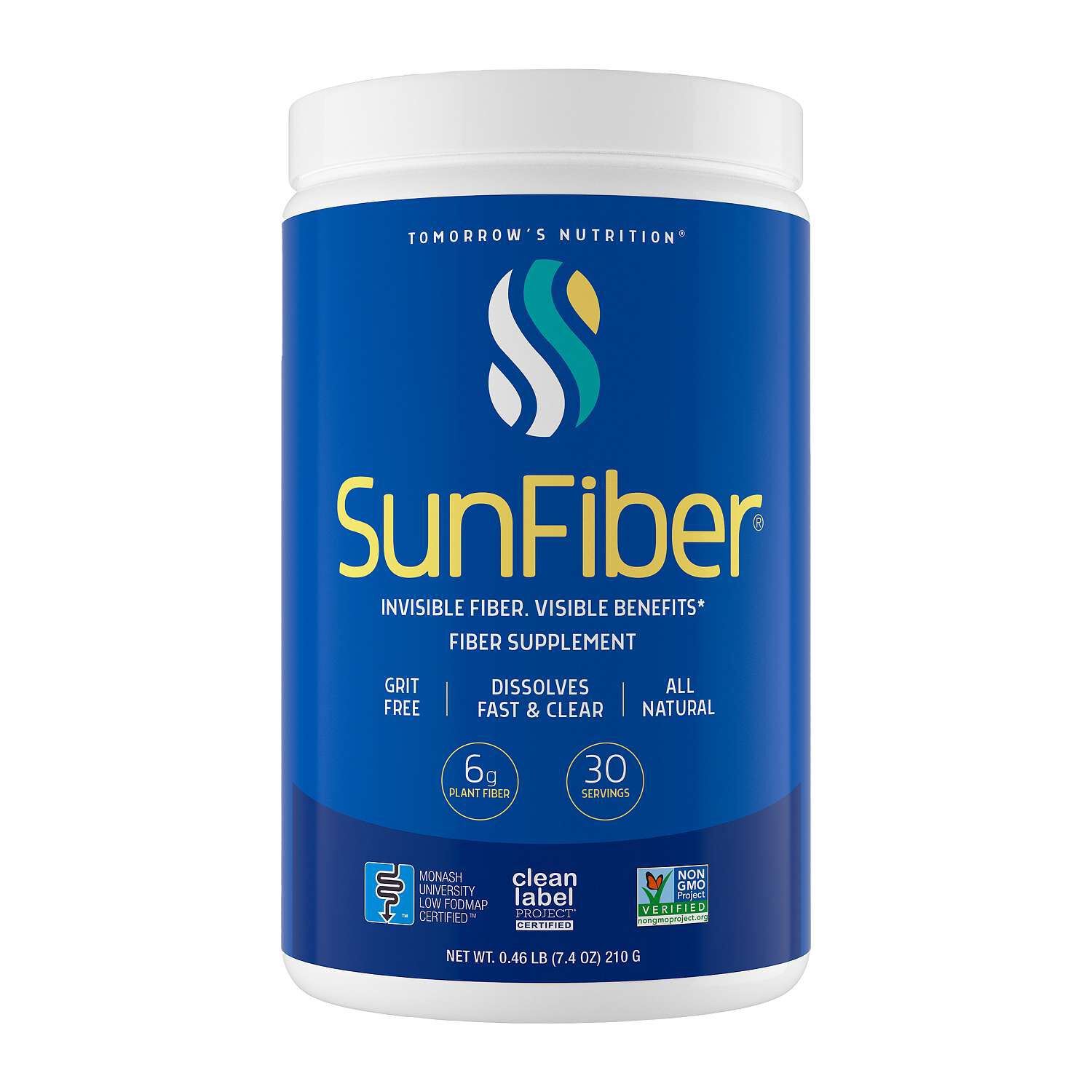
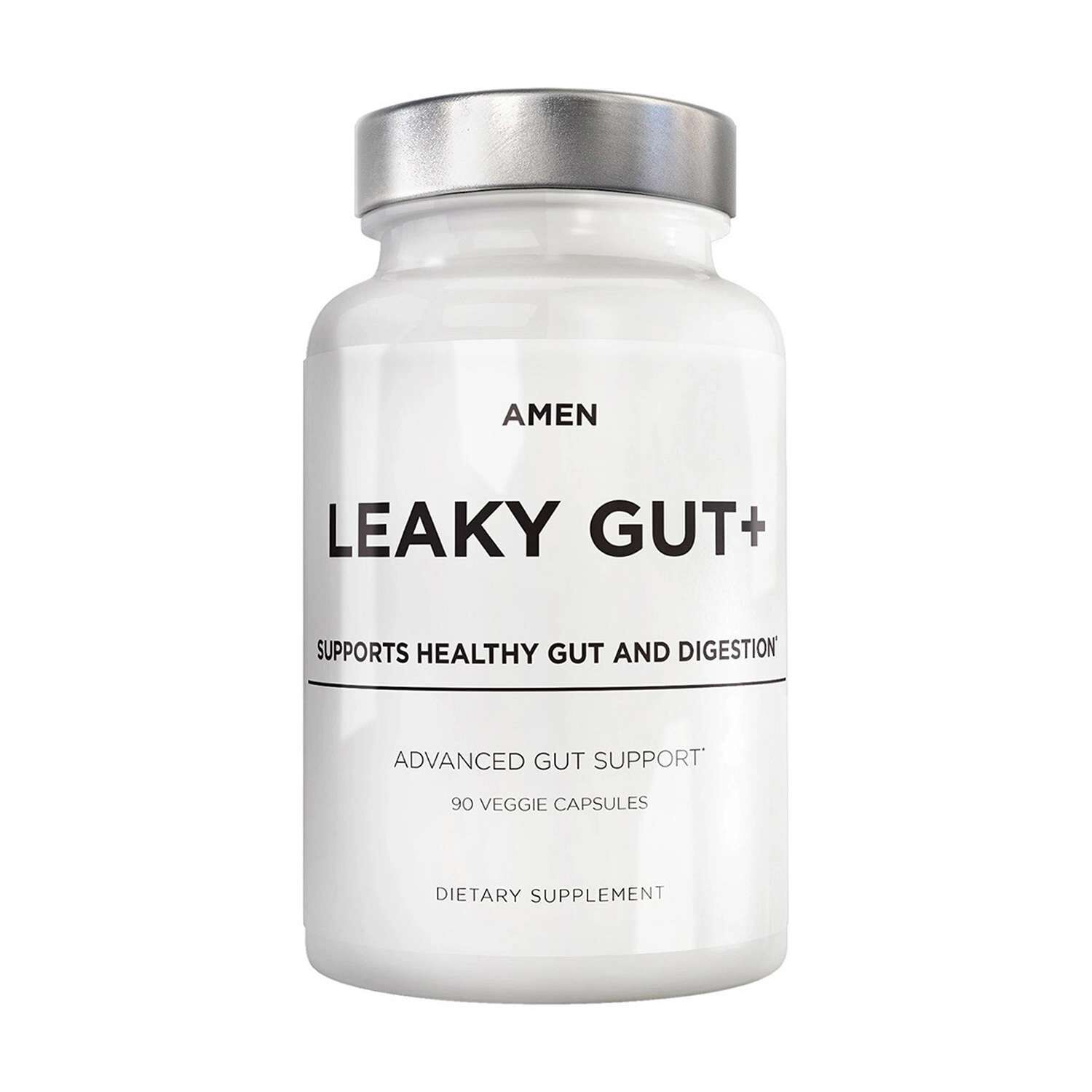
Supplements for end of summer gut health bring together options for people returning from road trips, outdoor gatherings, and less predictable meal schedules to a more familiar daily rhythm. A suitcase beside the door, a kitchen waiting for groceries, and the return of packed lunches can make a simple supplement routine more appealing than an elaborate one. This category commonly includes probiotics, prebiotic fiber, digestive enzymes, and other formulas selected with everyday digestive wellness in mind. These categories differ in their ingredients and intended use, so the most useful comparisons begin with what a formula contains rather than its seasonal positioning. Probiotic supplements contain live microorganisms and often identify them by genus, species, and strain. Prebiotic supplements feature ingredients such as inulin or other fibers, while digestive enzyme formulas may contain individual enzymes or blends. Some formulas combine probiotics and prebiotics in one serving; others keep the ingredient list focused on a single category. These distinctions matter when choosing between a capsule taken according to its label, a powder prepared in a beverage, or a chewable format. For adults who already have a steady breakfast routine, a format that belongs naturally alongside that routine may feel more manageable. Someone frequently moving between home and a weekend destination may place more value on compact packaging and clear storage instructions. End-of-summer shopping does not require a complicated seasonal regimen. Instead, it offers an occasion to compare supplement formats, serving sizes, and ingredient preferences against the habits that continue after vacation bags are unpacked. Food, beverages, movement, and everyday routines remain separate considerations; a seasonal category simply provides a focused way to browse supplements associated with gut wellness. The practical goal is a product format and label that make sense for the person using it, without assuming every traveler, busy parent, or office commuter needs the same formula.
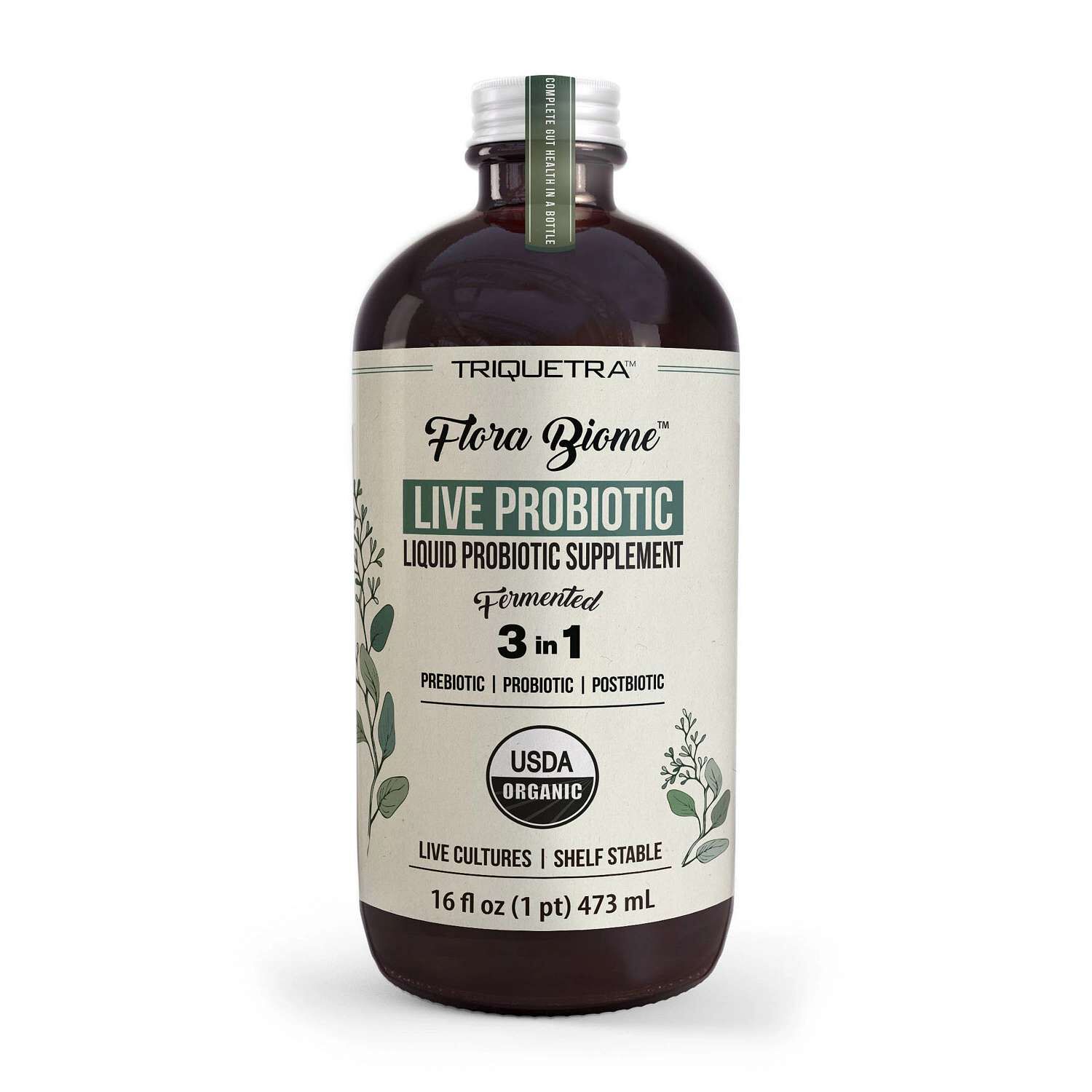
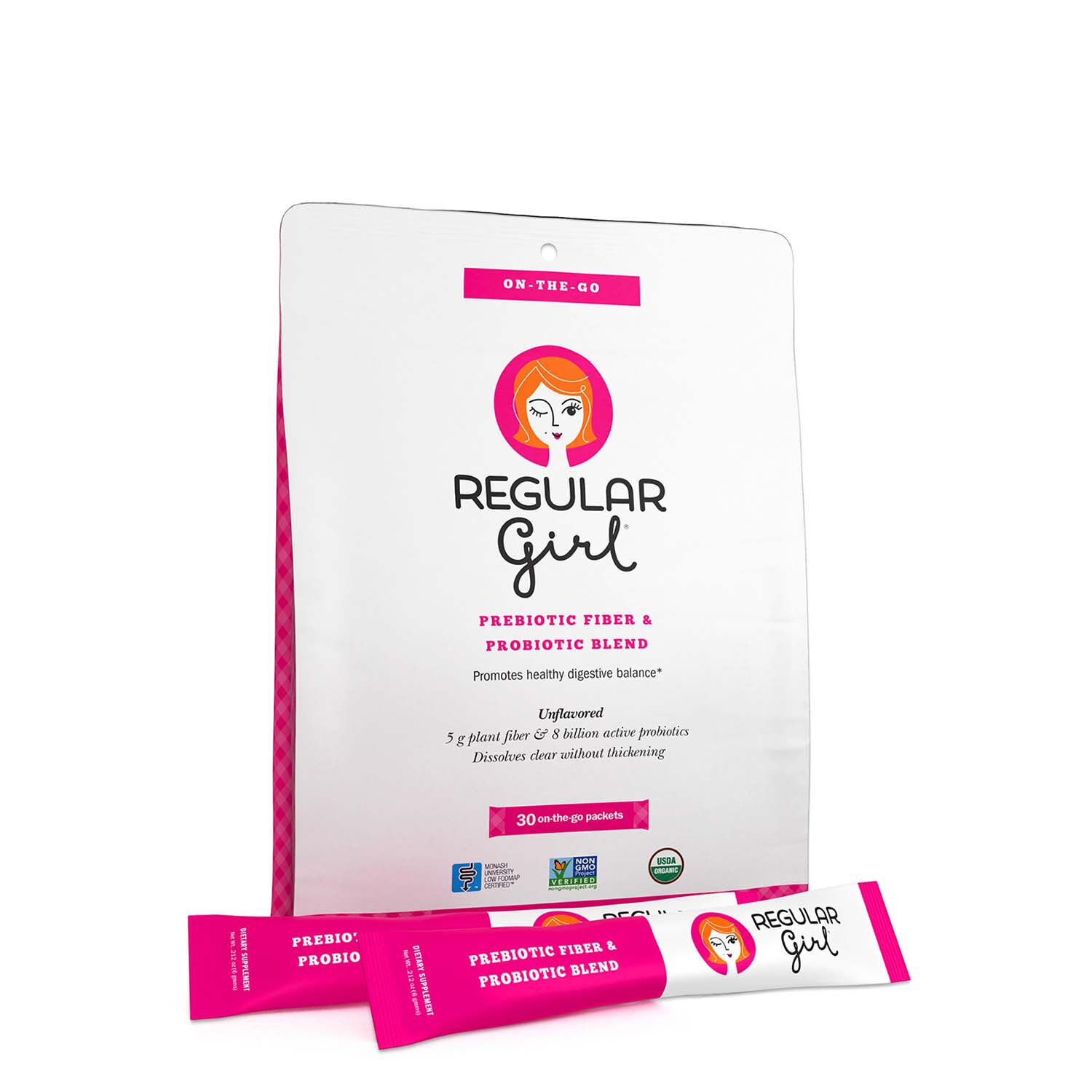
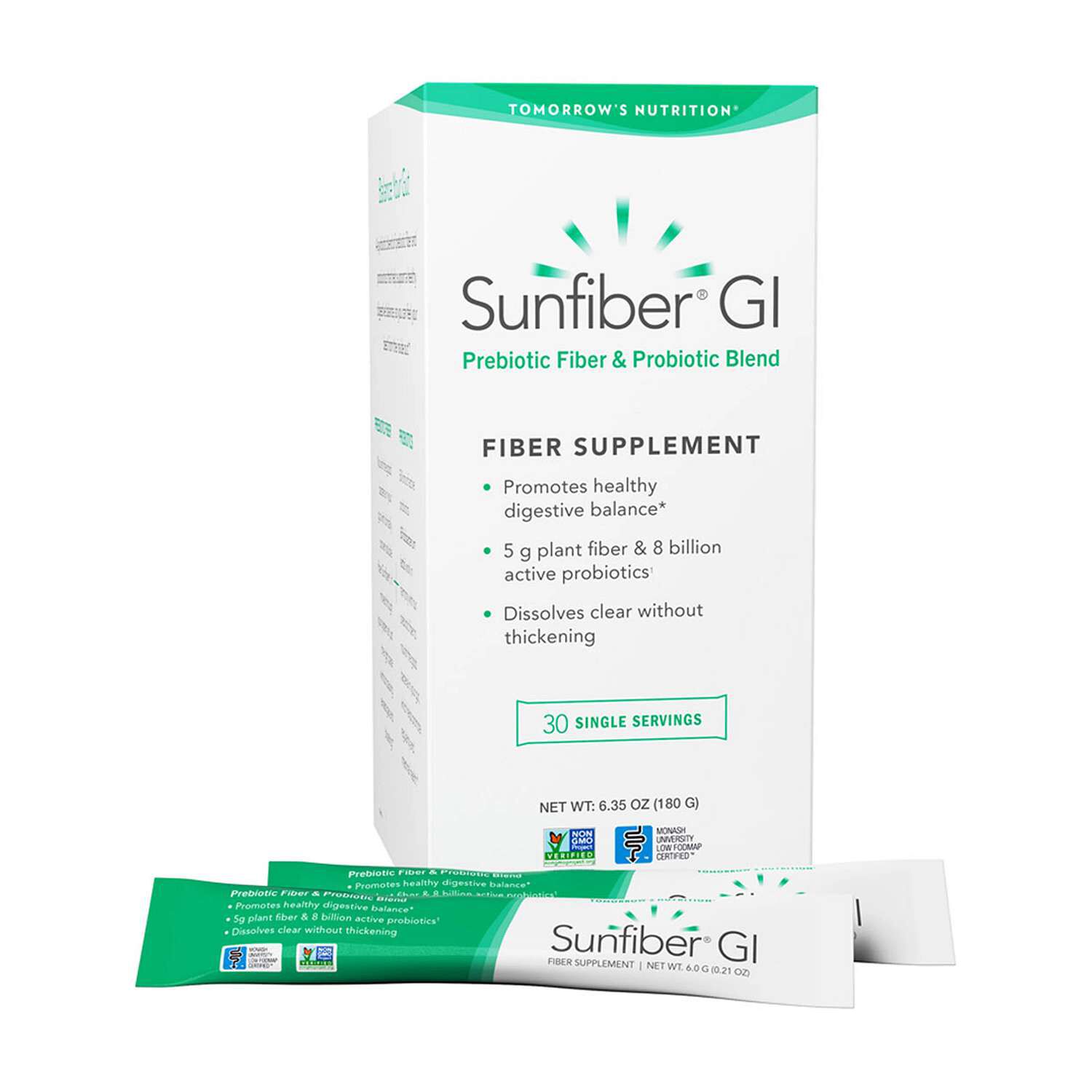
Probiotics are often a starting point when browsing this category, but the details on the package deserve more attention than a large number on the front. Labels may list a single strain or several strains, along with a count expressed in colony-forming units, commonly abbreviated as CFUs. That count describes a characteristic of the formula, not a universal ranking of which option is best suited to every shopper. Strain names, serving size, storage requirements, and the stated timing of the microorganism count all provide useful context for comparison. A bottle containing sixty capsules, for example, does not necessarily represent sixty servings; the serving information establishes how the package is intended to be used. Some probiotic supplements require refrigeration, while others carry instructions for room-temperature storage. That distinction can be especially relevant when a purchase will travel in an overnight bag or spend time away from a home refrigerator. Prebiotic fiber offers a different set of comparisons. Powders, capsules, and chewable formats vary in their ingredients, texture, flavor, and amount per serving. An unflavored powder might appeal to someone who prefers fewer competing flavors in a morning beverage, while a flavored option may better suit someone who wants a clearly defined preparation routine. Mixing directions also matter: the suggested liquid amount and preparation method influence the finished drink’s consistency. Formulas pairing probiotics with prebiotics bring both ingredient categories into one format, but the presence of a blend does not remove the value of reading each ingredient and its listed amount. For a related seasonal selection, Probiotic Supplements for Autumn Health offers another way to browse within the probiotic category. Whether considering a focused formula or a combination, comparing similar serving formats makes the differences easier to understand than comparing package size alone. Clear labeling is particularly useful for shoppers who want to keep their supplement routine familiar through the return to school schedules, commuting, and meals prepared at home.
Digestive enzyme supplements and amino acid formulas add further variety to end-of-summer gut wellness collections, though they are distinct from probiotics and fiber. Enzyme labels may name ingredients such as amylase, protease, or lipase, and some include activity units alongside the ingredient information. Those details describe the formula more precisely than a broad blend name. L-glutamine is an amino acid found in some supplements associated with this category and may appear as a powder or in capsules. Its inclusion in a seasonal collection does not make it interchangeable with a probiotic or a prebiotic fiber formula. Across these categories, intended use, directions, and ingredient transparency offer a more grounded basis for browsing than seasonal language alone. Capsule shells may be made from gelatin or plant-derived materials, an important distinction for shoppers with particular dietary preferences. Powders and chewable supplements can contain flavorings, sweeteners, colors, or other ingredients that influence taste and suitability for an individual’s preferences. Allergen statements and the full ingredient list provide additional context beyond the main ingredient featured on the package. Packaging also shapes the everyday experience. A scoop-based powder calls for a place to measure and mix it, whereas individually portioned formats have a different preparation process. A large container may suit a dedicated kitchen shelf, while a smaller package may fit more neatly into a limited cupboard. For supplements, care is less about physical durability than preserving the conditions specified on the label: closures, original packaging, storage directions, and expiration dates all matter. A container left in a sunlit vehicle after a late-summer outing may experience conditions unlike those described on its label. Keeping those practical details in view makes seasonal browsing more relevant to real life. The strongest fit is not necessarily the formula with the longest ingredient list or the most elaborate presentation. It is an option whose contents, format, preparation, and storage requirements align with the shopper’s preferences and intended routine. From the first grocery trip after a vacation to the familiar rhythm of weekday breakfasts, those everyday details give an end-of-summer supplement selection lasting relevance beyond a single occasion.
Best Sellers
-
 Physician's Choice