

Supplements For Maintaining Muscle During Travel
(0 Results)
Supplements for maintaining muscle during travel could be a convenient way to support your fitness goals while you’re on the go. Whether you’re heading out for business or adventure, keeping up with your nutrition routine may help you stay on track no matter where your journey takes you. Explore options that might fit easily into your luggage and could support your efforts to maintain muscle mass even when your schedule changes.


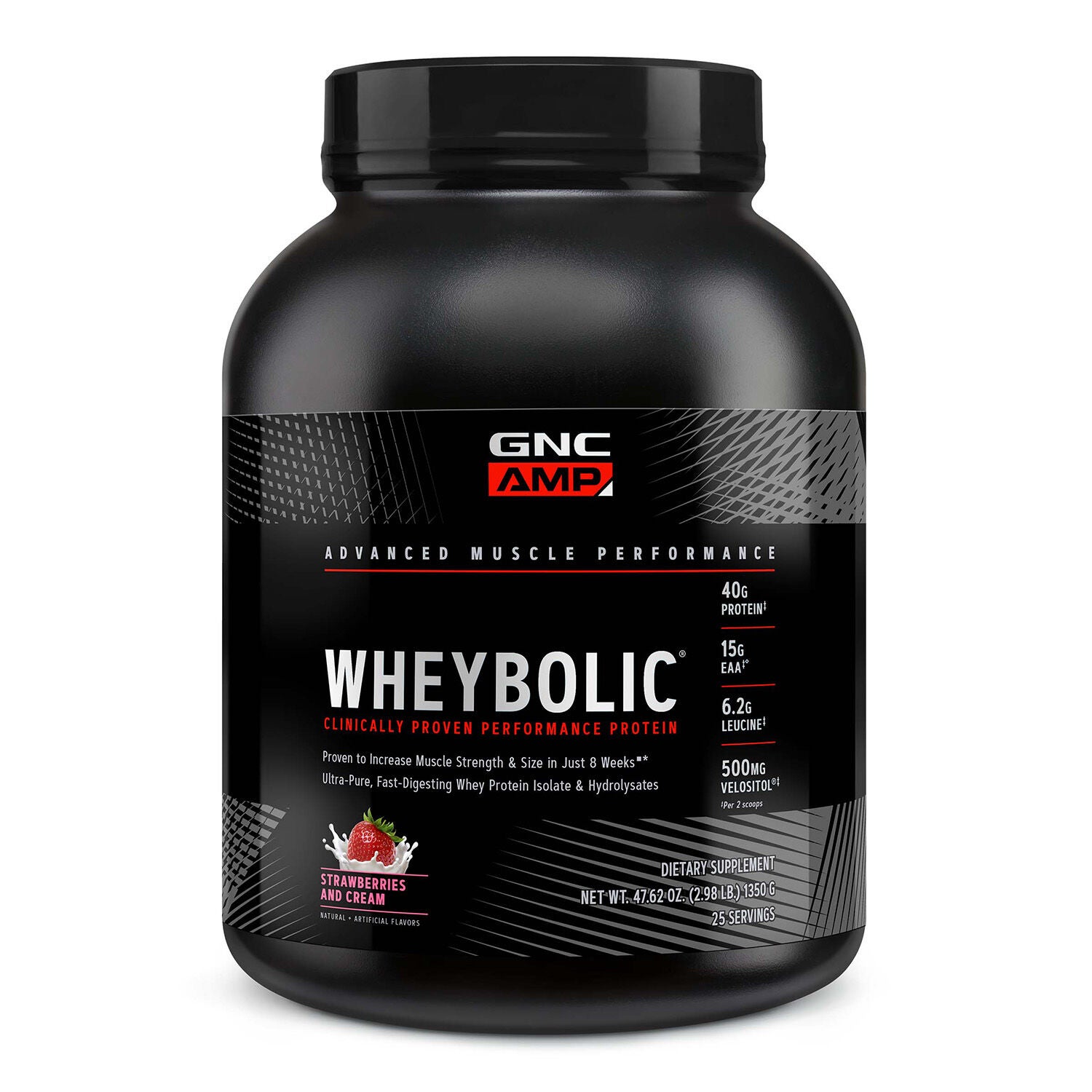


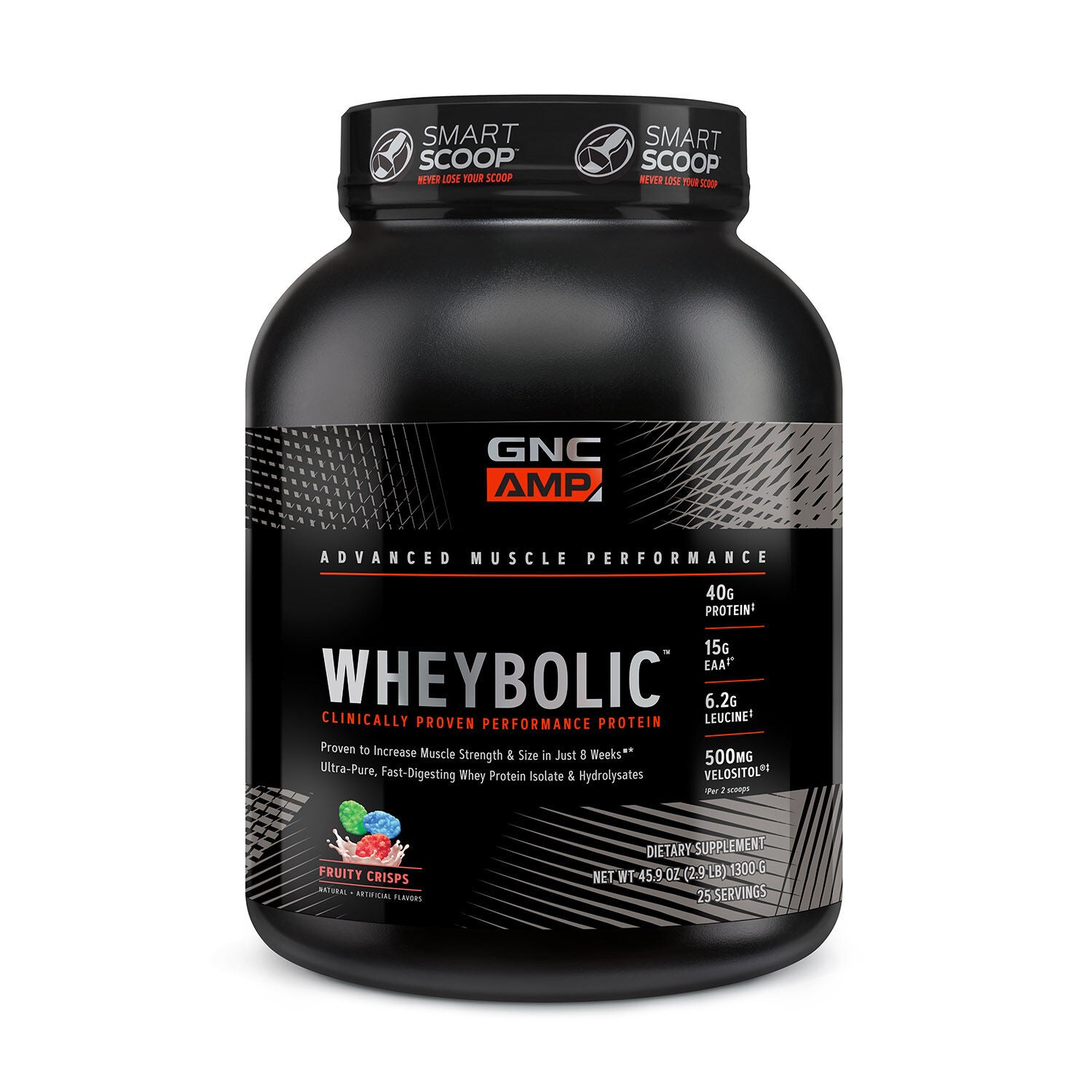

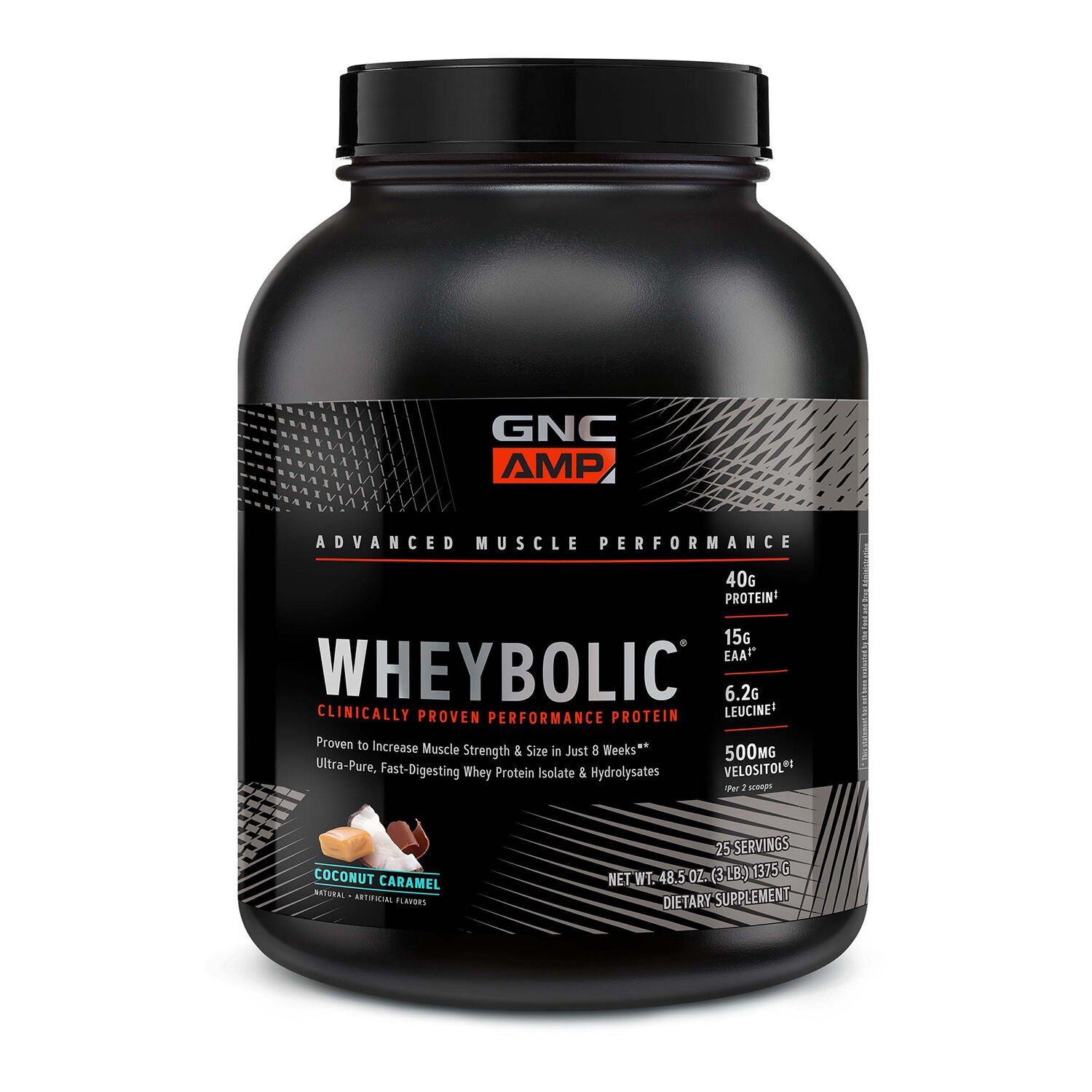


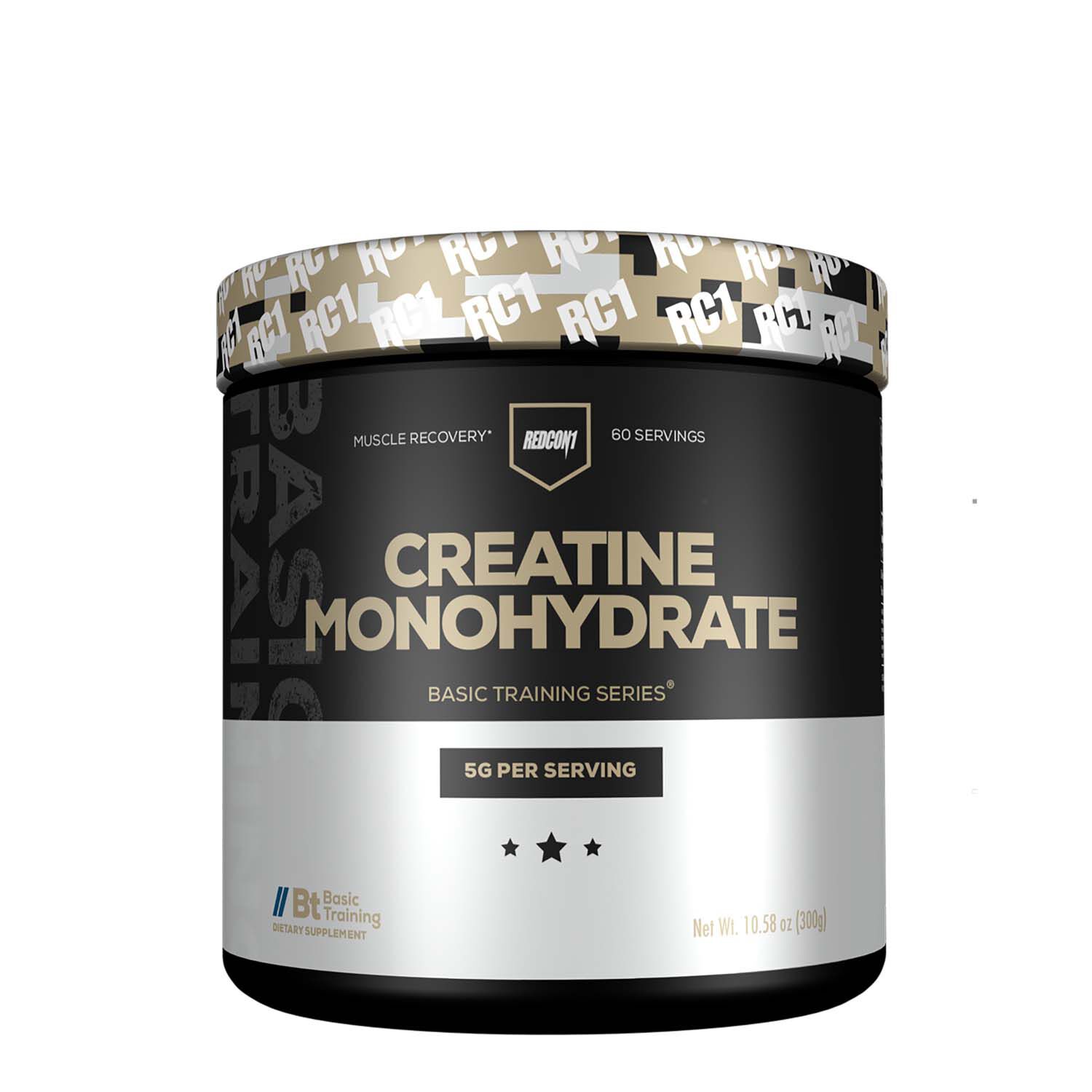


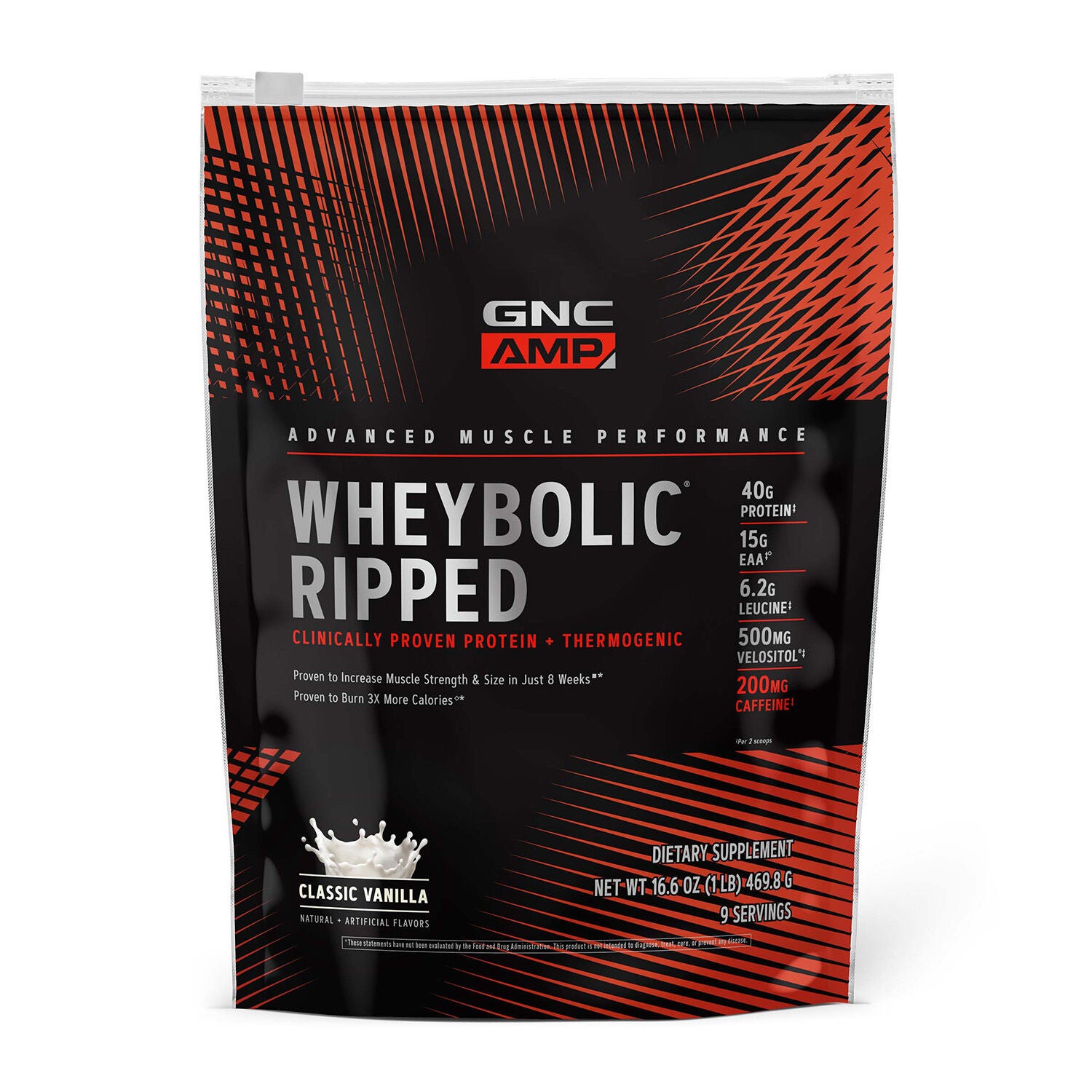

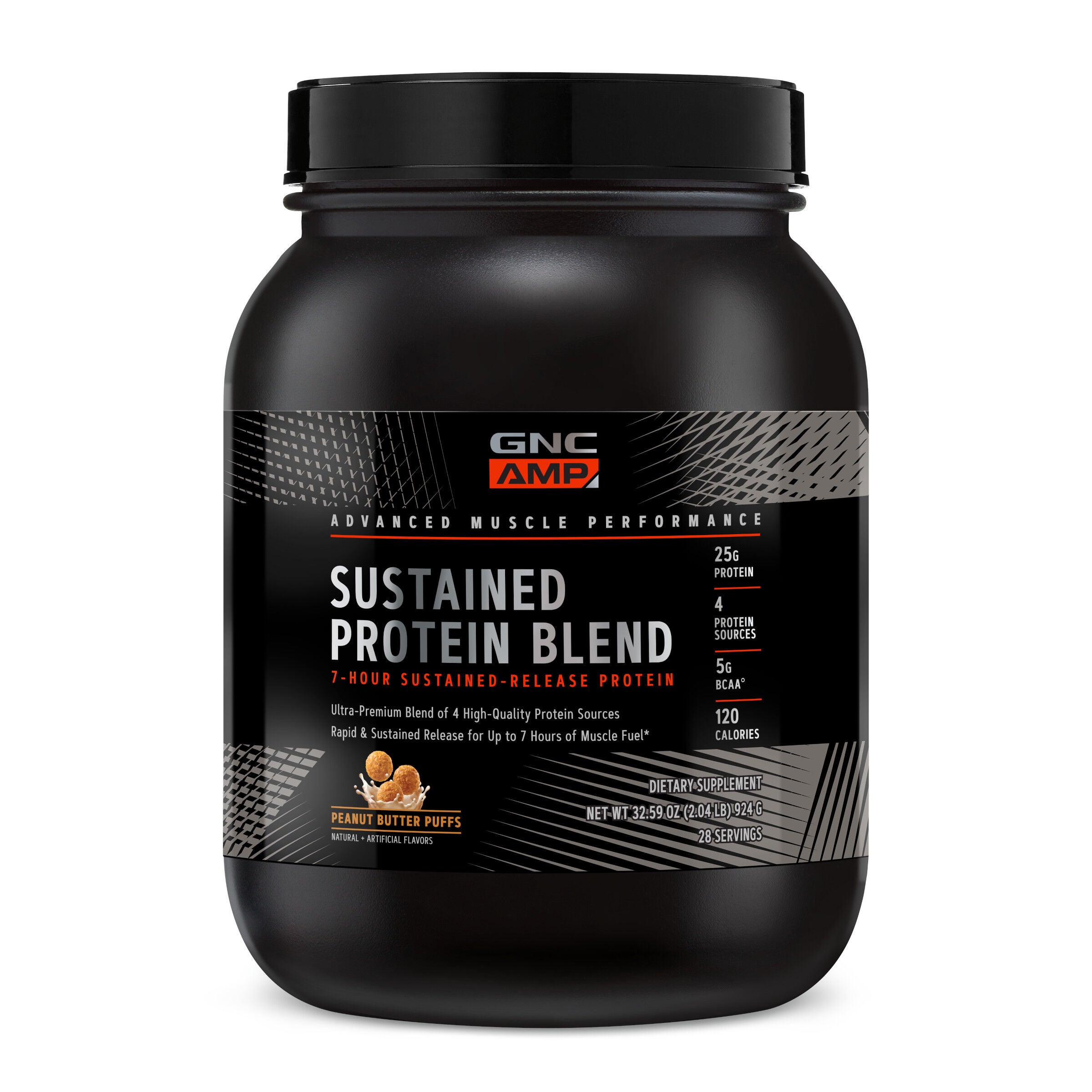


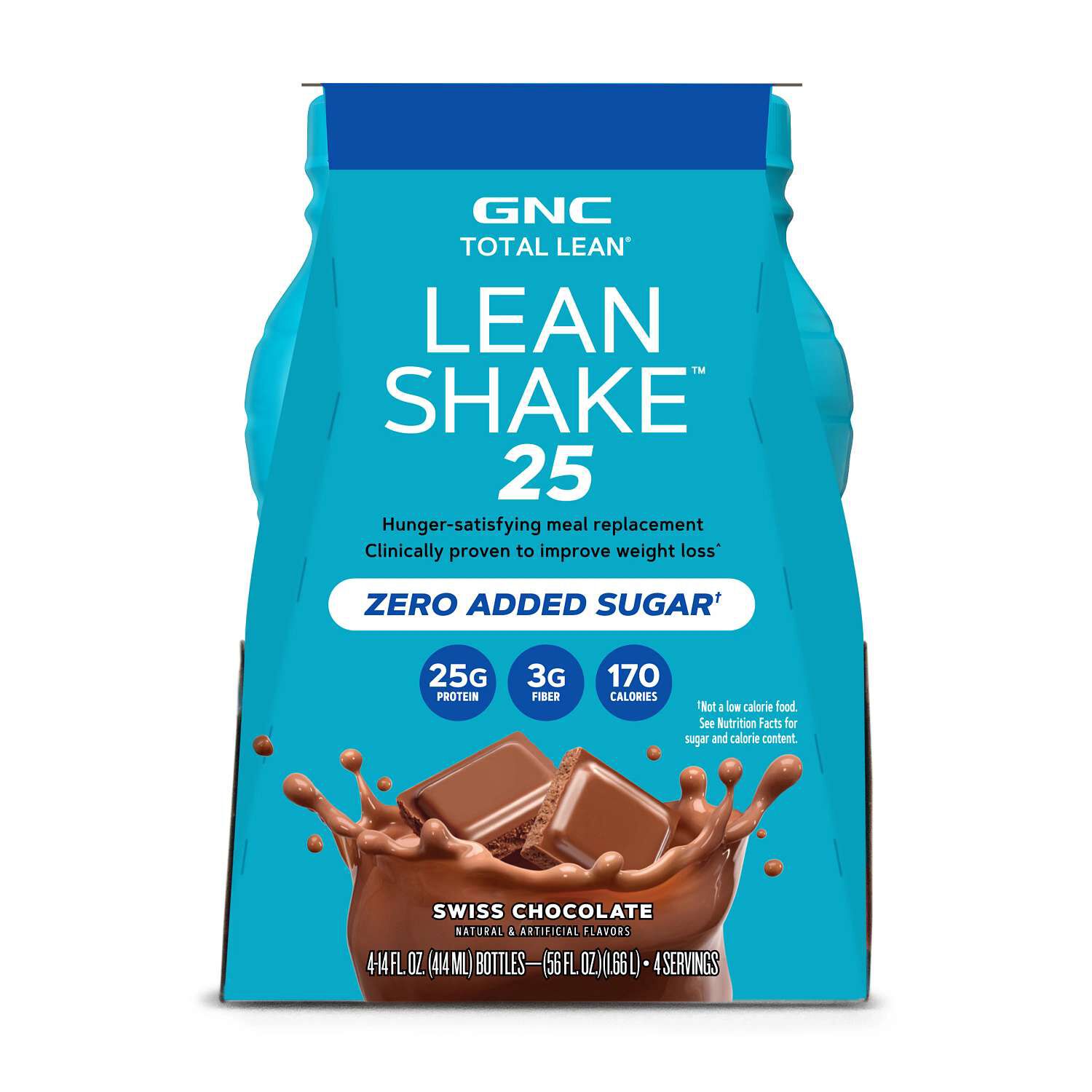
Supplements for maintaining muscle during travel may help support protein intake, exercise recovery, and familiar nutrition habits when your schedule looks different from home. A morning flight, a string of meetings, or a long drive through the mountains can leave little room for your usual meals and training sessions. Portable protein powders, creatine, and amino acid supplements are among the categories worth comparing, with each serving a different purpose rather than acting as an interchangeable solution. Protein supplements may help you meet your usual protein needs when breakfast is mostly toast or dinner arrives later than expected. Creatine may support performance during repeated, high-intensity exercise, making it relevant to travelers who plan to continue resistance training while away. Amino acid formulas may offer another option for certain nutrition routines, although their usefulness depends on what you already get from food and other supplements. None of these products replaces regular meals or resistance exercise, and a travel-size container alone cannot determine whether you maintain muscle. The practical appeal is consistency: something familiar in your bag when the rest of the day is less predictable. These products may suit recreational lifters, active business travelers, people visiting family, and anyone trying to keep an established fitness routine through the cooler months. Picture the space beside a hotel coffee maker, with a shaker bottle waiting next to your room key; that is often the setting in which packaging and preparation matter more than an elaborate formula. When shopping, consider how many servings you need, whether you will have access to water or refrigeration, and how much room you want to devote to nutrition products. A compact format that fits your eating habits is often a more practical purchase than a large assortment you rarely reach for. Familiar flavors and textures deserve attention, too, particularly if you will be mixing a drink with water instead of the milk, fruit, or other ingredients you use at home.
Travel protein supplements come in several formats, and the differences become noticeable once you are living out of a suitcase. Single-serving powder packets are convenient for counting out servings before departure, while a smaller resealable pouch may suit a longer stay. Ready-to-drink shakes require no mixing, but their weight, storage requirements, and applicable liquid restrictions can affect where they belong in your luggage. Powders usually require a bottle or cup, so consider whether you are willing to rinse a shaker between outings. Protein source is another important purchase consideration. Whey and casein are milk-derived options, while plant-based powders may contain ingredients such as pea, soy, or rice protein. Compare the protein amount per serving, serving size, ingredient list, and allergen information rather than assuming that similarly sized packages offer the same nutritional value. Flavored powders can vary considerably in sweetness, and an unflavored option may be preferable for someone who likes mixing protein into oatmeal or another familiar food. Texture matters in a travel setting: a powder you enjoy blended at home may taste different when stirred into cool water at a roadside stop. Protein may support muscle repair and maintenance alongside adequate food intake and resistance exercise, but more products do not automatically mean a better routine. Someone who regularly eats protein-rich meals while traveling may have different needs from someone navigating limited dining choices. Amino acid products warrant that same context. Branched-chain amino acid formulas contain leucine, isoleucine, and valine, while other amino acid blends contain a broader assortment. They are not nutritionally identical to protein powders, so compare the actual ingredients and amounts rather than treating the categories as direct substitutes. For a thoughtful gift, portable protein products or a sturdy shaker may suit a frequent traveler whose preferences you already know. Flavor, dietary preferences, and ingredient sensitivities make nutrition gifts personal, so a familiar format is generally a better fit than a surprise assortment chosen only for its packaging.
Creatine and hydration products add other considerations to a travel-focused selection. Creatine monohydrate is a widely studied form, and creatine supplementation may support strength and performance during repeated bouts of high-intensity exercise. It is not a substitute for training, nor should it be viewed as assurance that time away from the gym will leave muscle unchanged. For travelers who already use creatine, the shopping decision may center on serving format, clearly stated amounts, and whether the package fits an established routine. A plain powder offers different preparation options from capsules, while capsules have their own serving counts and packing requirements. Check the label instead of assuming that one scoop or one capsule represents the same amount across formulas. Electrolyte drink mixes occupy a different role: they may support hydration around activity and sweating, but they are not protein replacements or a direct shortcut to muscle maintenance. Compare sodium and other mineral amounts, added sugar, flavor intensity, and mixing directions with the kinds of activity you expect on your trip. A quiet work visit and several days of outdoor recreation present different practical demands. Keeping these distinctions clear makes it easier to choose products for their intended purpose without buying several overlapping blends. For a broader look at products beyond a muscle-focused routine, explore Supplements For Travel Wellness. Across categories, look for readable labels, transparent ingredient amounts, and storage directions that work with your itinerary. Independent testing certifications can offer another point of comparison, especially for athletes subject to sport-specific requirements. Keep products in identifiable packaging, check transportation rules before departure, and account for heat or moisture when choosing where to store them. Ultimately, a useful travel selection reflects the trip you are actually taking: a few nights with relatives, a hotel stay with a modest fitness room, or a road trip with a cooler tucked behind the seat. Supplements may help support parts of your nutrition routine along the way, with the most practical choices fitting comfortably around meals, movement, and the space available in your bag.