





Supplements For Business Travelers
(0 Results)
Supplements for business travelers could be a convenient way to help support your wellness routine while on the go. Whether you’re catching early flights or working across time zones, travel can bring unique challenges to your daily habits. With a variety of options available, supplements for business travelers may fit easily into your carry-on and could help you stay focused on your goals wherever work takes you. Explore choices designed with the busy traveler in mind and discover what might complement your on-the-road lifestyle.
-

-

-

-

-
-
-
-

-

-

-
 $34.99
 -
-
 $34.99
 -
-
 $36.99
 -
-
-

-


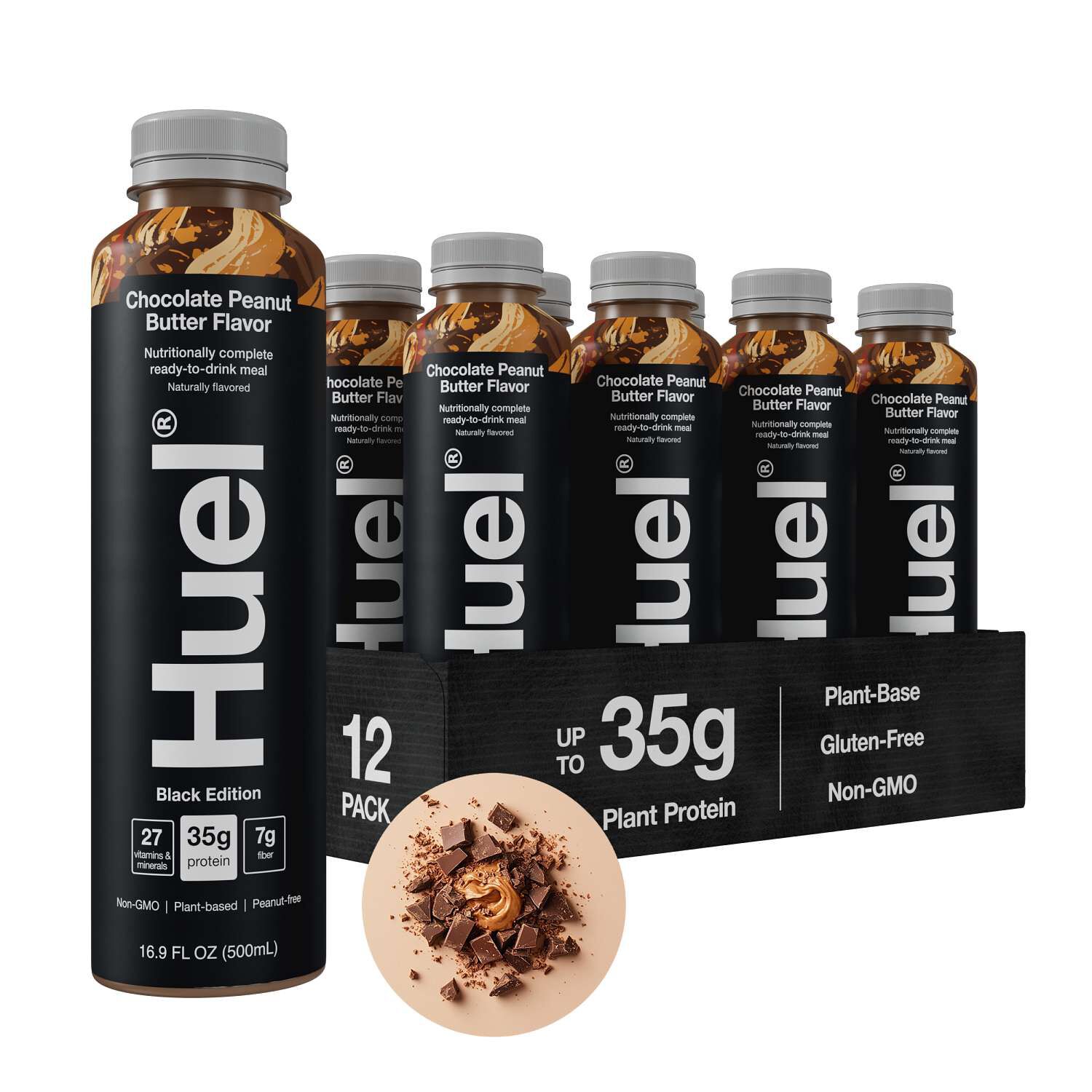
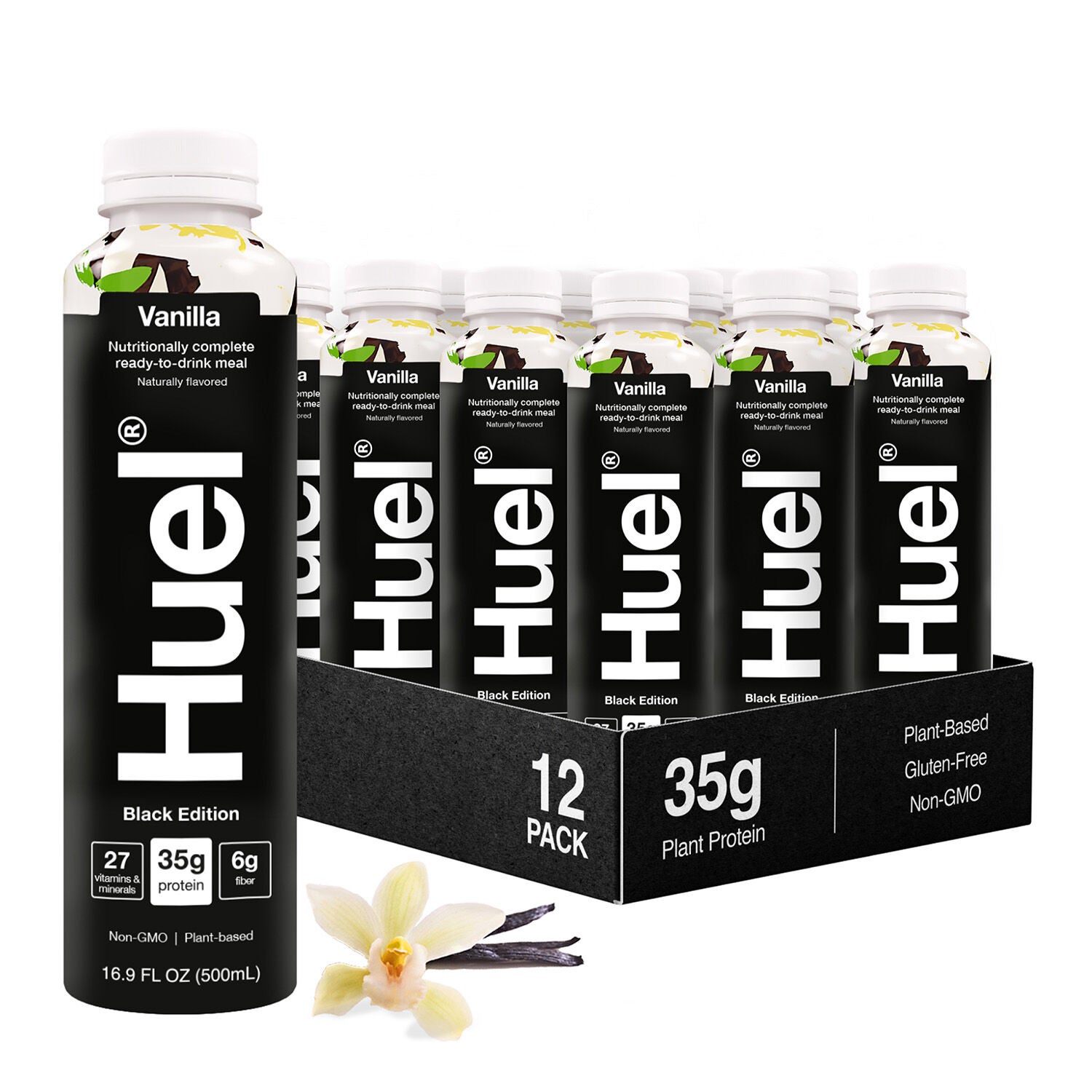

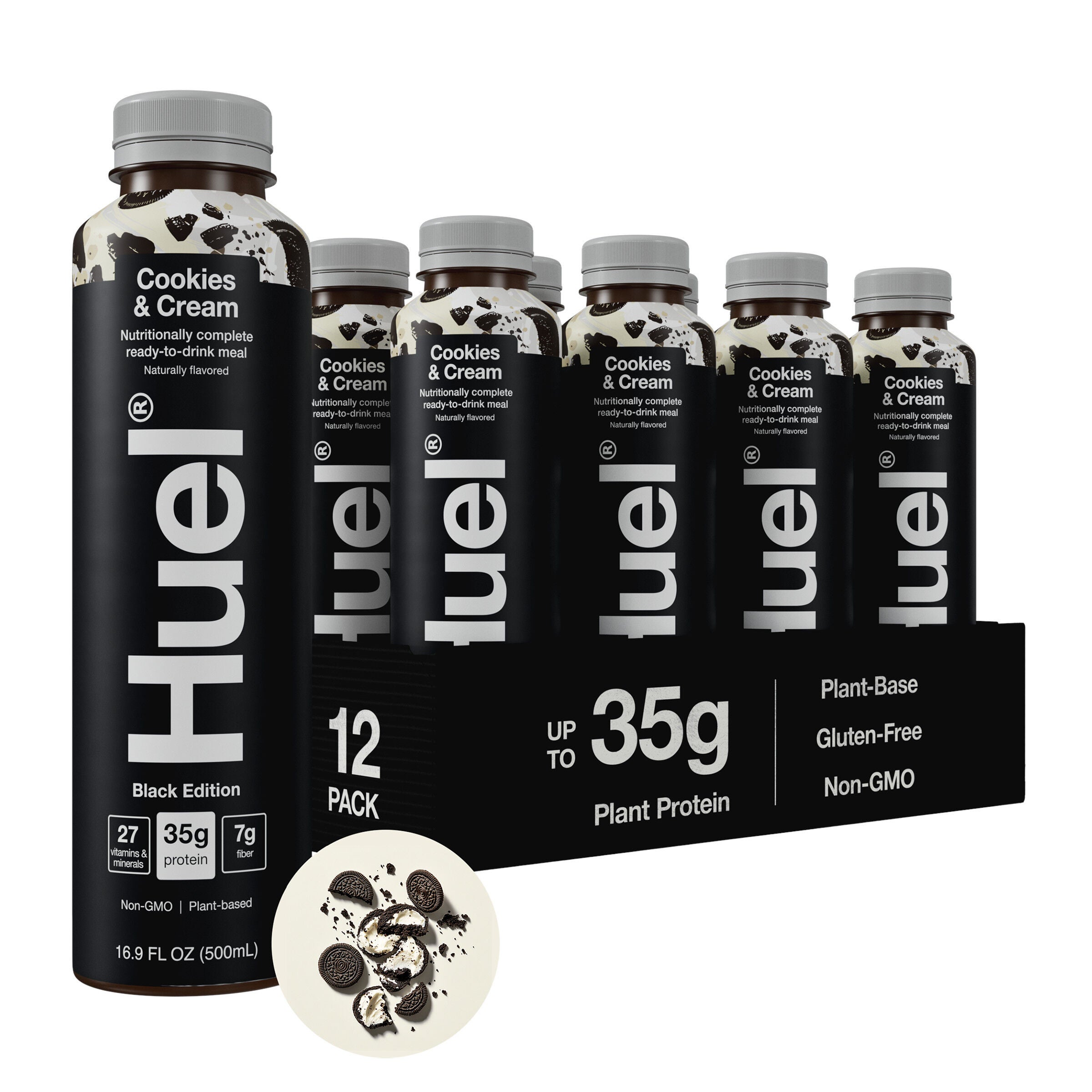
Supplements for business travelers bring familiar nutrition preferences into a schedule that may include airport departures, client lunches, conference sessions, and nights away from home. The category spans multivitamins, protein powders, electrolyte mixes, probiotics, and supplements associated with evening routines, with different formats suited to different packing habits. For someone who travels with a laptop bag and a small carry-on, the practical distinction often comes down to serving size, preparation, and how much space a container takes up. A powder that needs a shaker has different requirements from a capsule taken according to its label, while a liquid calls for particular attention to its closure and applicable baggage rules. Multivitamins combine several vitamins and minerals in one formula; individual nutrient supplements offer a narrower ingredient focus. Protein powders contain protein from sources such as milk or plants, and their labels identify serving amounts, ingredients, and preparation directions. Electrolyte mixes contain minerals such as sodium or potassium, although the amounts and additional ingredients differ among formulas. Probiotic labels may identify particular microorganisms, serving information, and storage requirements. These distinctions matter more than a travel-themed package: a supplement’s intended use, ingredient profile, and directions remain the starting point whether the destination is a nearby regional office or an overseas trade show. Business travel also varies considerably from person to person. A consultant spending four nights in a hotel has different packing needs from a sales representative driving between appointments or an executive taking an overnight flight. Supplements may fit into those routines as an addition to ordinary food and beverage choices, not as a substitute for meals, water, or rest. The most useful context for browsing is the actual shape of the trip: where meals happen, what preparation tools are within reach, and whether the traveler already has a familiar supplement routine at home. A short itinerary may call for modest package dimensions, while an extended assignment puts more emphasis on the number of labeled servings and the storage space at the destination.
Format is an important consideration for travel supplements because the same general category can come in capsules, tablets, chewables, powders, or liquids. Capsules and tablets typically require little preparation, but bottle dimensions and labeled serving counts vary. Chewable formats have their own textures, flavors, and ingredient considerations, including sweeteners and ingredients derived from animal sources. Powders involve a few more practical details: the amount of liquid specified on the label, whether stirring or shaking is recommended, and whether the traveler will have a suitable container. A narrow bottle opening can make pouring awkward at an airport table, while a wider mixing container takes up more room in a briefcase. Individually sealed portions may simplify portion planning, though their serving information still needs to match the intended routine. Larger containers require enough room for both the package and any included measuring utensil. Packaging materials and closure design deserve attention as well. A rigid container and a flexible pouch behave differently when packed beside a charger, dress shoes, and presentation materials. Secure closures, intact seals, and readable labels are practical details for repeated unpacking between hotels. Original packaging keeps ingredient lists, expiration dates, lot information, and directions connected with the contents. Storage instructions are especially relevant for formulas with particular handling requirements; a hotel room or shared office refrigerator should not be assumed to suit every supplement. For powders, keeping the closure secure and using a clean, dry utensil may help limit exposure to moisture during normal handling. Reusable mixing containers have separate care requirements, including washing and drying as directed by their manufacturer. Air travel adds another layer of logistics, since liquid restrictions and international entry requirements depend on the route and destination. A compact package is not automatically suitable for every itinerary. Label clarity, packaging condition, and destination rules all belong in the comparison alongside flavor, texture, and serving format, particularly for travelers crossing borders or moving through several airports on one trip.
Ingredient preferences also shape the selection of supplements for business travelers. Someone who follows a plant-based eating pattern may look closely at protein sources, capsule materials, and other animal-derived ingredients. Travelers who avoid particular food ingredients can compare the full ingredient list and allergen statements rather than relying on a front-label description. Flavored powders may contain sweeteners, colors, or other ingredients that affect taste and texture, which can be especially noticeable when mixed with plain water instead of a familiar beverage from home. Serving amounts matter when comparing formulas, too: one tablet, one scoop, and one packet are not interchangeable measures across the category. Several supplements may contain overlapping vitamins, minerals, or caffeine, making the individual labels relevant to the broader routine. Energy-oriented supplements represent another area of interest for travelers with early departures or long meeting agendas. The Energy Supplements For Travelers collection offers a related category to browse, with ingredient lists and labeled caffeine amounts providing useful points of comparison. An energy-oriented format is distinct from a general multivitamin or protein powder, even when their packaging looks equally portable. Evening-oriented supplements, including formulas containing melatonin or magnesium, likewise have different ingredients and intended uses; they are not interchangeable simply because they appear in the same travel category. The details of the setting often clarify which formats are practical. A hotel with a kitchenette offers a different preparation space from a room with only a desk and a bathroom sink. A road trip allows different packing arrangements from a flight with a single personal bag. Someone attending a convention may spend nearly the entire day away from the hotel, while a traveler working from one office may have a consistent place to keep a container. Familiar flavors, manageable packaging, and straightforward preparation may make an established nutrition routine easier to carry between those settings. Viewed this way, travel supplements are less about building a separate routine for every destination and more about finding formats and ingredient profiles that fit the realities of time away from home.
Best Sellers

Related Pages


Top Collections
- Daily Collagen Supplements | Top Brands & Deals | GNC
- Cortisol Supplements
- Top Rated Collagen | Shop Customer Favorites | GNC
- Vitamins For Hair Loss
- NAD+ Supplement Tablets
- Peptide Supplements
- Best Brand of Magnesium Glycinate
- Protein Powders For Muscle Growth Support
- Vitamins That Help Support Weight Gain
- Peptide Supplements for Muscle Growth