





Energy Supplements For Travelers
(0 Results)
Energy supplements for travelers could be the perfect companion for those on-the-go. Whether navigating through bustling airports, exploring new destinations, or simply adjusting to different time zones, maintaining energy and vitality is crucial. These supplements might help support sustained energy, allowing travelers to make the most of their adventures without feeling drained. Discover a variety of options that may fit seamlessly into your travel routine and keep you energized throughout your journey.
-
 $29.99
-
 $29.99
-
 Raw Nutrition$44.99
-

-
 Raw Nutrition$44.99
-

-

-

-

-
-

-

-
-
-

-

-
 185$24.99
-

-

-
 Portions Master$24.99
-
-
 461$24.99
-

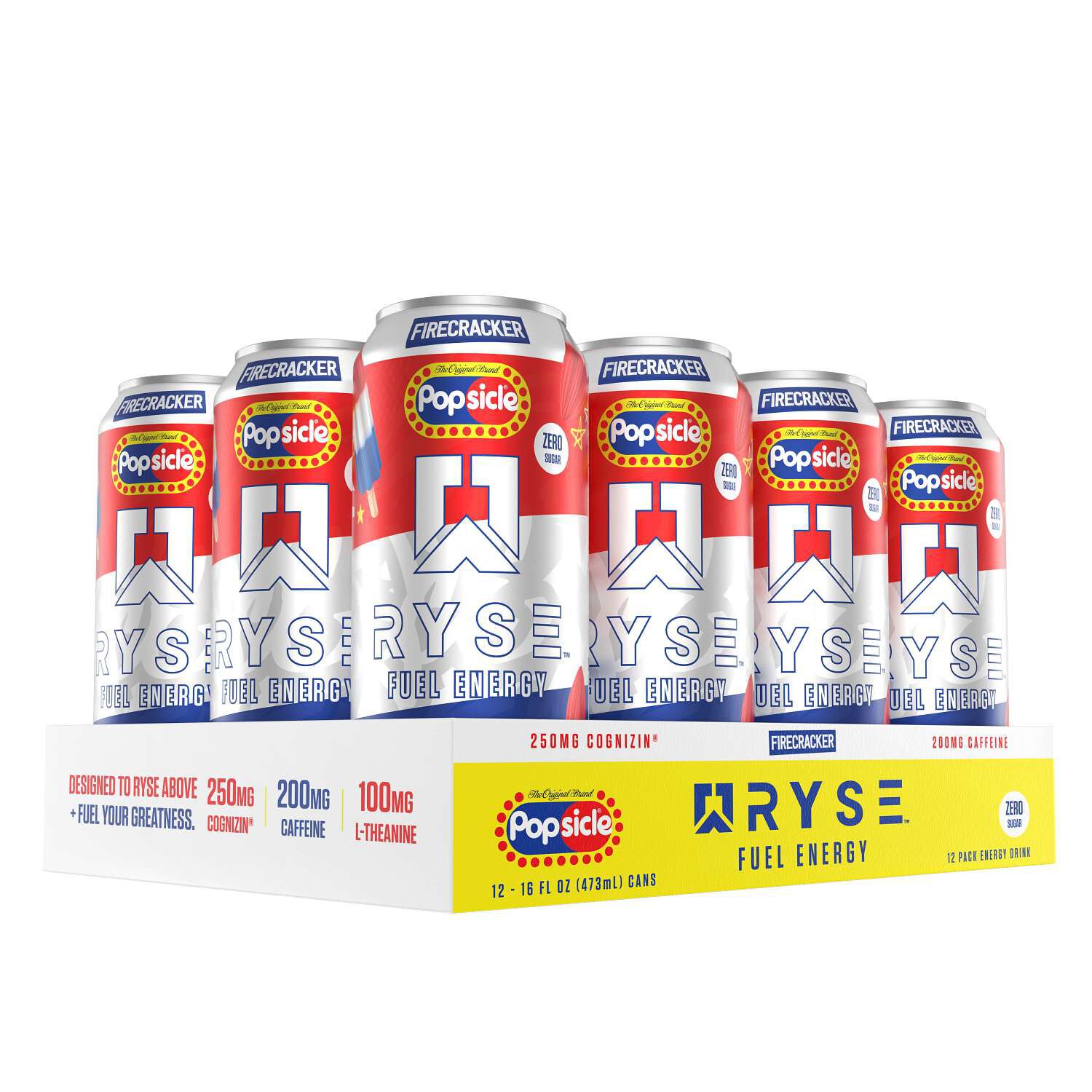
Energy supplements for travelers are dietary supplements intended to complement everyday routines during time away from home. They come in formats such as capsules, tablets, gummies, powders, and ready-to-drink liquids, with ingredient profiles that can differ considerably. Some contain caffeine, while others center on vitamins or a combination of nutrients and botanical ingredients. Depending on the formula, an energy supplement may support alertness or everyday energy, but the category includes more than one approach. A caffeine-containing option and a vitamin-focused formula are not interchangeable simply because both carry an energy description. For travelers, that distinction matters when comparing something for an early departure with something intended to fit an established daily supplement routine. A morning flight, a long train connection, and an afternoon of walking between meeting venues all create different practical considerations, from access to water to the amount of space in a shoulder bag. Energy supplements for travelers are best understood as an addition to those routines, rather than a substitute for sleep, meals, water, or time to rest. The Supplement Facts panel provides a useful basis for comparison, including serving size, ingredient amounts, and directions for use. Caffeine content deserves particular attention when coffee, tea, or other caffeinated beverages are also part of the day. Coffee and tea extracts can appear in supplement formulas, so an ingredient’s familiar name does not tell the whole story about the amount in a serving. Vitamin-focused options likewise vary in their nutrient combinations and serving instructions. Descriptions such as fruit flavored, unflavored, chewable, or drink mix say something about the experience of taking a supplement, but not whether two formulas have comparable ingredients. Looking at format and composition together creates a more meaningful comparison than choosing by a broad energy label alone. For someone moving between terminals, hotel rooms, and workspaces, the most relevant differences often come down to what the formula contains and how comfortably it fits an existing routine.
Portability involves more than choosing the smallest container. Capsules and tablets generally require little room, but bottle dimensions, closure design, and the labeled serving size can change how much luggage space a trip requires. A compact bottle containing several servings may suit a personal bag, while individually wrapped powder portions offer a different packing arrangement. Powders also bring mixing considerations: some are intended for a particular amount of water, and a narrow water bottle opening can make preparation less convenient than a wider mixing container. Flavor, sweetness, texture, and the need for stirring or shaking are worth comparing, especially when the likely setting is a gate-area seat rather than a kitchen counter. Ready-to-drink formats remove the mixing step, although container weight and liquid restrictions become part of the travel equation. Gummies and chewable tablets have their own texture and storage considerations, including any handling directions printed on the package. Packaging materials matter here as well. Flexible pouches occupy space differently from rigid bottles, while a resealable closure serves a different purpose from a single-use wrapper. A container that can sit securely in an upright bag pocket has different practical requirements from one packed beside shoes in a suitcase. Clear labeling, intact packaging, and a closure that fastens properly are useful details to assess before departure. Storage instructions remain relevant throughout a trip, including time spent in transit, and a bathroom counter may not match the storage conditions listed on a label. Keeping the original packaging also preserves access to ingredients, directions, serving information, and the expiration date. For international itineraries, destination requirements may affect which supplement ingredients and formats are suitable to bring. These details are particularly relevant for travelers who change accommodations frequently or carry only a small overnight bag. Durable packaging, readable instructions, and a manageable serving format can make the difference between a supplement that fits neatly into a routine and one that becomes awkward to transport or prepare.
Intended use gives the comparison another dimension. Someone traveling for a two-day conference may prioritize a familiar format that fits beside a laptop charger, while a person taking a longer rail journey may care more about portion size and access to drinking water. A traveler who already carries a reusable bottle may find a powder format convenient, whereas someone moving through several short connections may prefer a format without a mixing step. Neither choice establishes how a formula will feel or whether it suits a particular person. Individual responses vary, and a new destination does not change the importance of the product’s directions, cautions, or serving information. Caffeine-containing supplements may support alertness, but timing is relevant when a journey ends near a planned bedtime. A supplement labeled for daily use also has a different role from one described for occasional use; the package directions provide the distinction, not the length of the itinerary. Dietary preferences can further narrow the comparison, including capsule materials, sweeteners, flavor ingredients, and clearly stated allergen information. Those details matter just as much in a hotel room as they do at home. Beyond energy-focused formulas, Supplements For Travel Wellness offers a broader category to explore when considering other parts of a travel routine. Each supplement still warrants its own label review, particularly when several formulas contain overlapping ingredients. Familiarity can also be valuable: a flavor already enjoyed at home or a serving format already used regularly leaves fewer practical surprises on a travel day. For frequent business travelers, weekend visitors, and people taking an extended trip, the strongest comparison is grounded in ingredients, serving directions, packaging, and intended use. A thoughtfully chosen format may fit more comfortably alongside ordinary travel habits, whether that means breakfast before departure, water within reach, or a planned pause between connections. The goal is a manageable addition to the journey, with clear expectations about what the formula contains and the role it may play.
Best Sellers
-
 Gorilla Mind
-
 Gorilla Mind
-
 Gorilla Mind
Related Pages

Top Collections
- Chronic Fatigue Supplements
- Vitamins For Hair Loss
- Zinc Supplements For Men
- Active Supplements
- Supplements For Yoga Joint Flexibility
- Capsule Supplements For Energy And Stamina
- Adult Vitamins
- Joint Mobility Supplement Packs
- Zinc Supplements | Top Brands at Great Prices | GNC
- Magnesium Bisglycinate Supplements