

Supplements For Men Over 30
(0 Results)
Navigating the world of wellness can be a transformative journey, especially for men over 30 who are looking to support their health and vitality. As the body evolves, nutritional needs may change, making it important to consider supplements that could help fill dietary gaps and promote overall well-being. From supporting energy levels to potentially enhancing muscle recovery, the right supplements might make a significant difference in maintaining an active lifestyle. Explore options that could aid in optimizing health goals and fostering resilience as you embrace this vibrant stage of life.


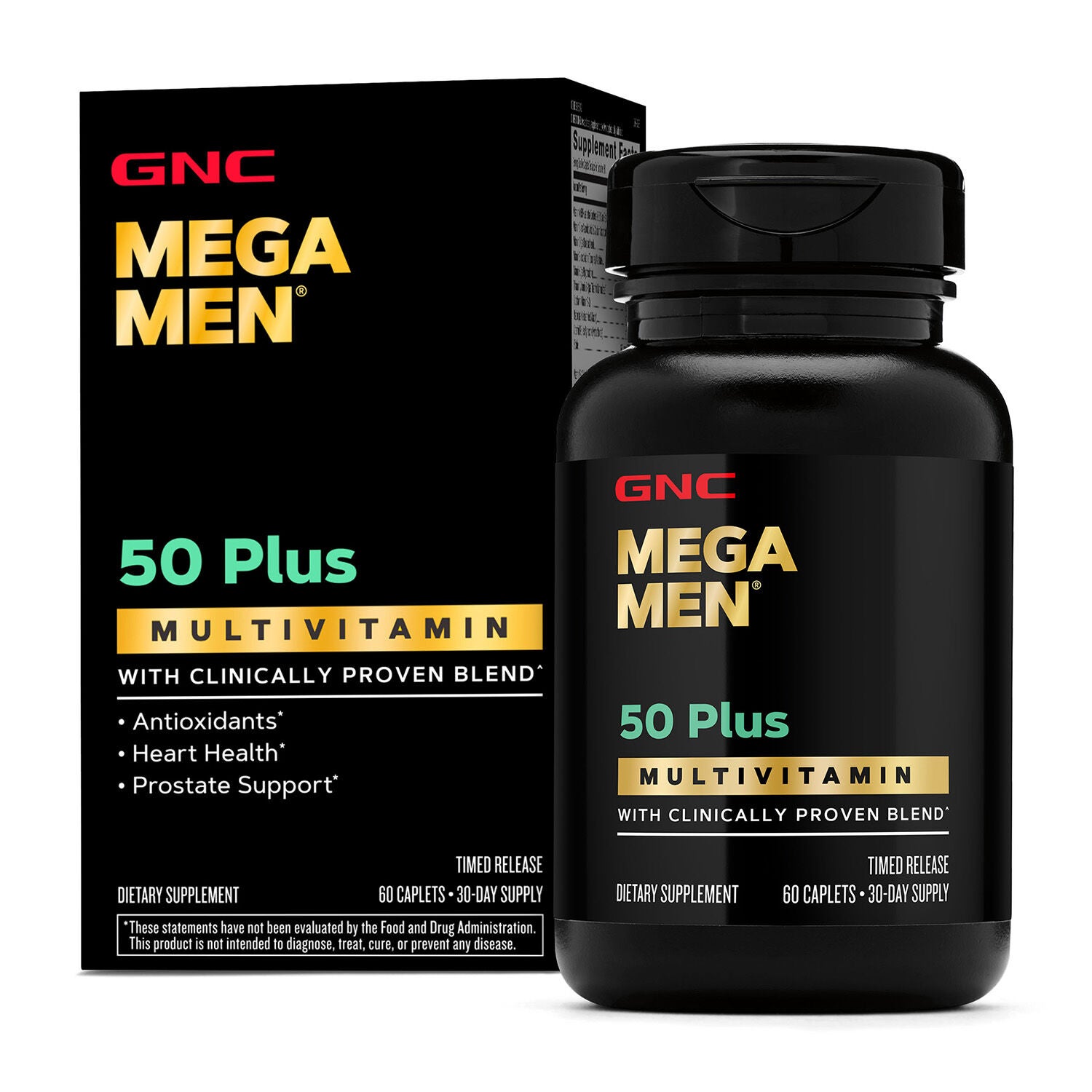

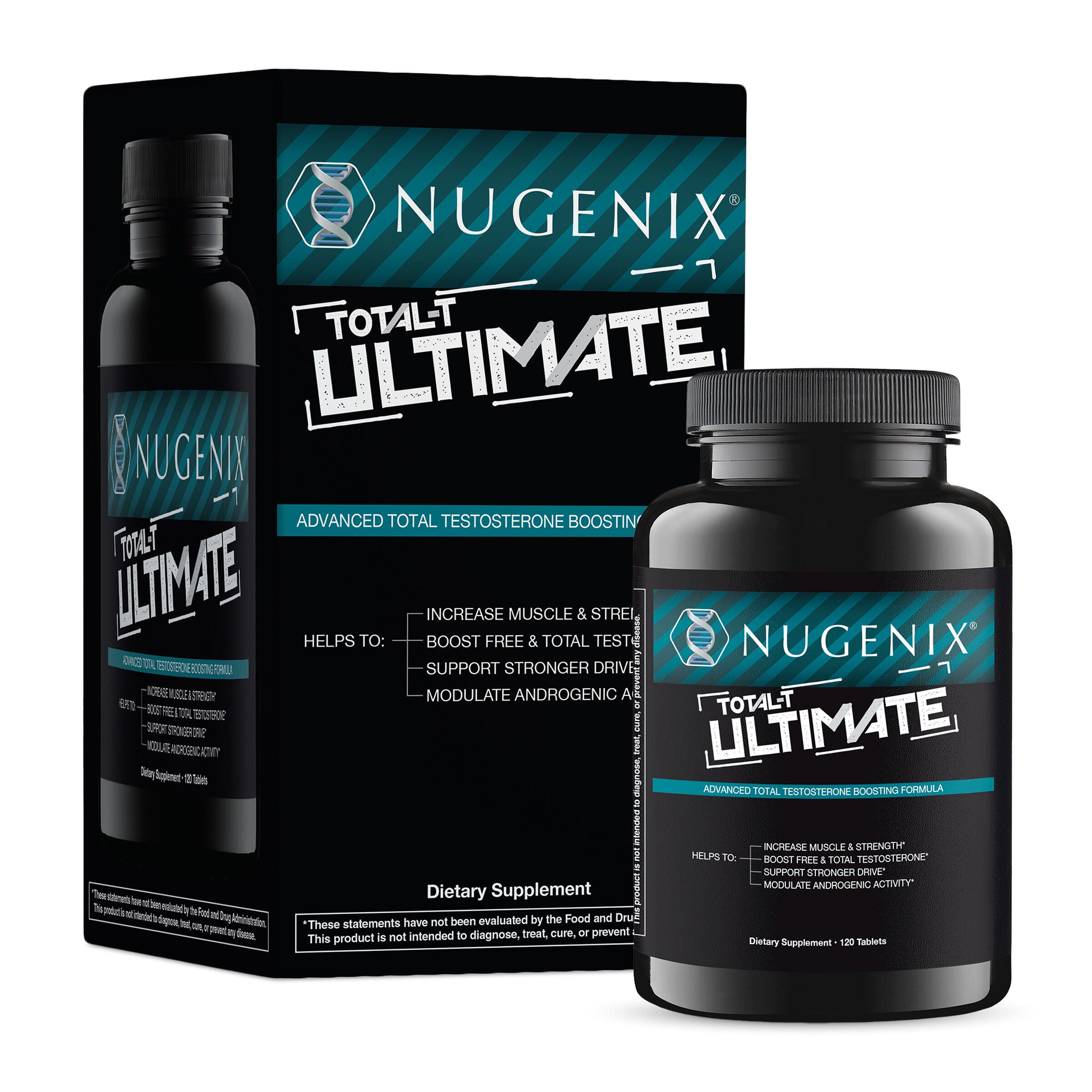


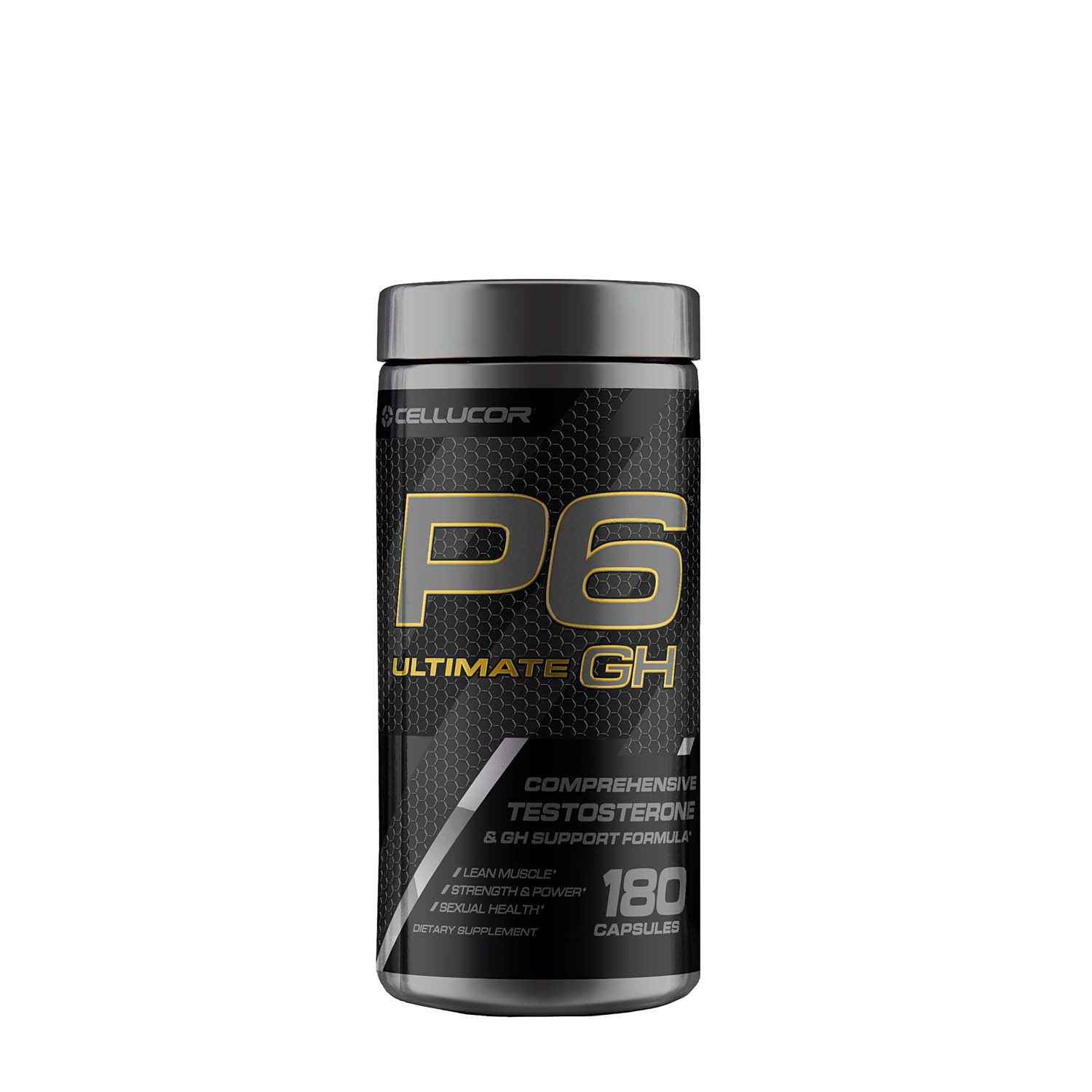

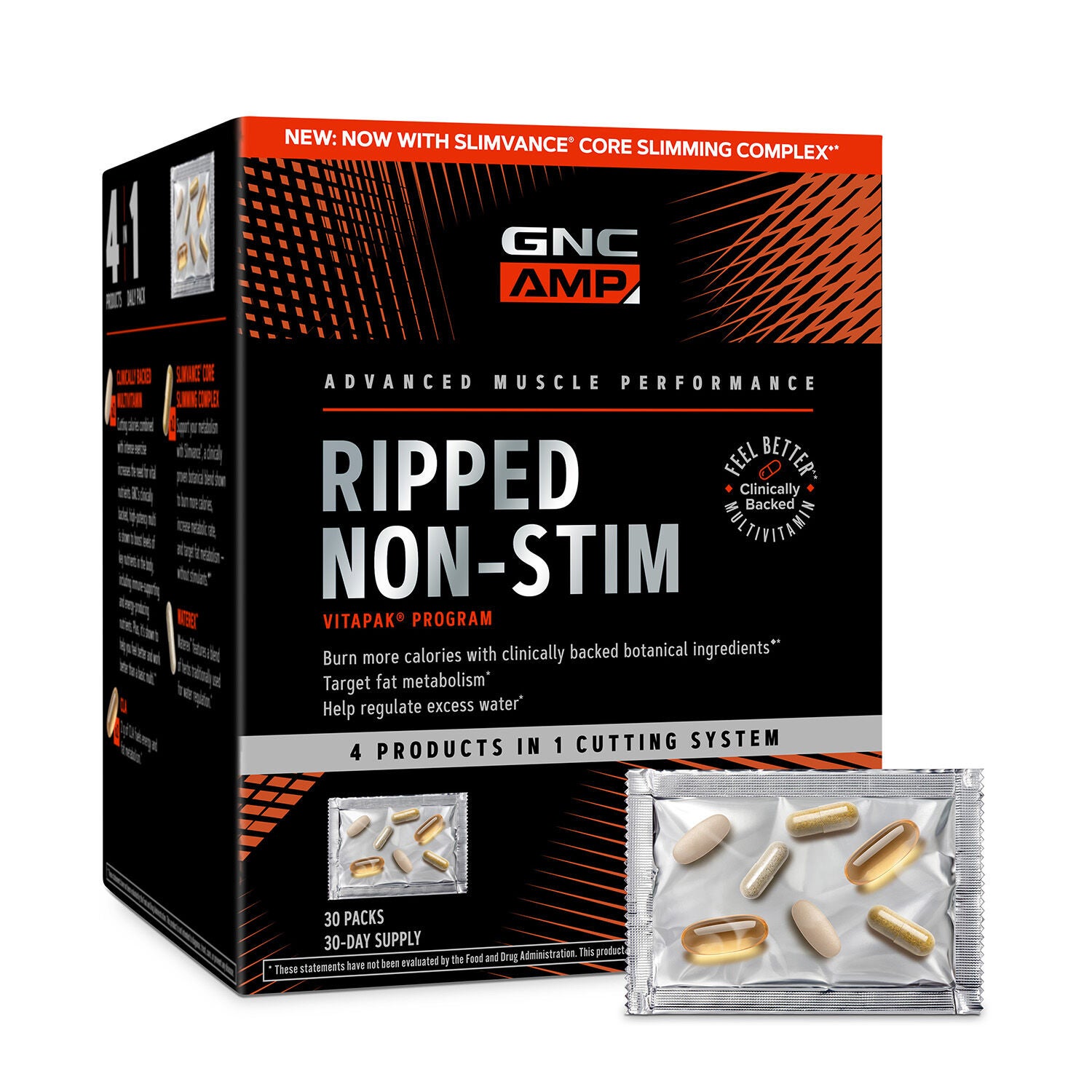


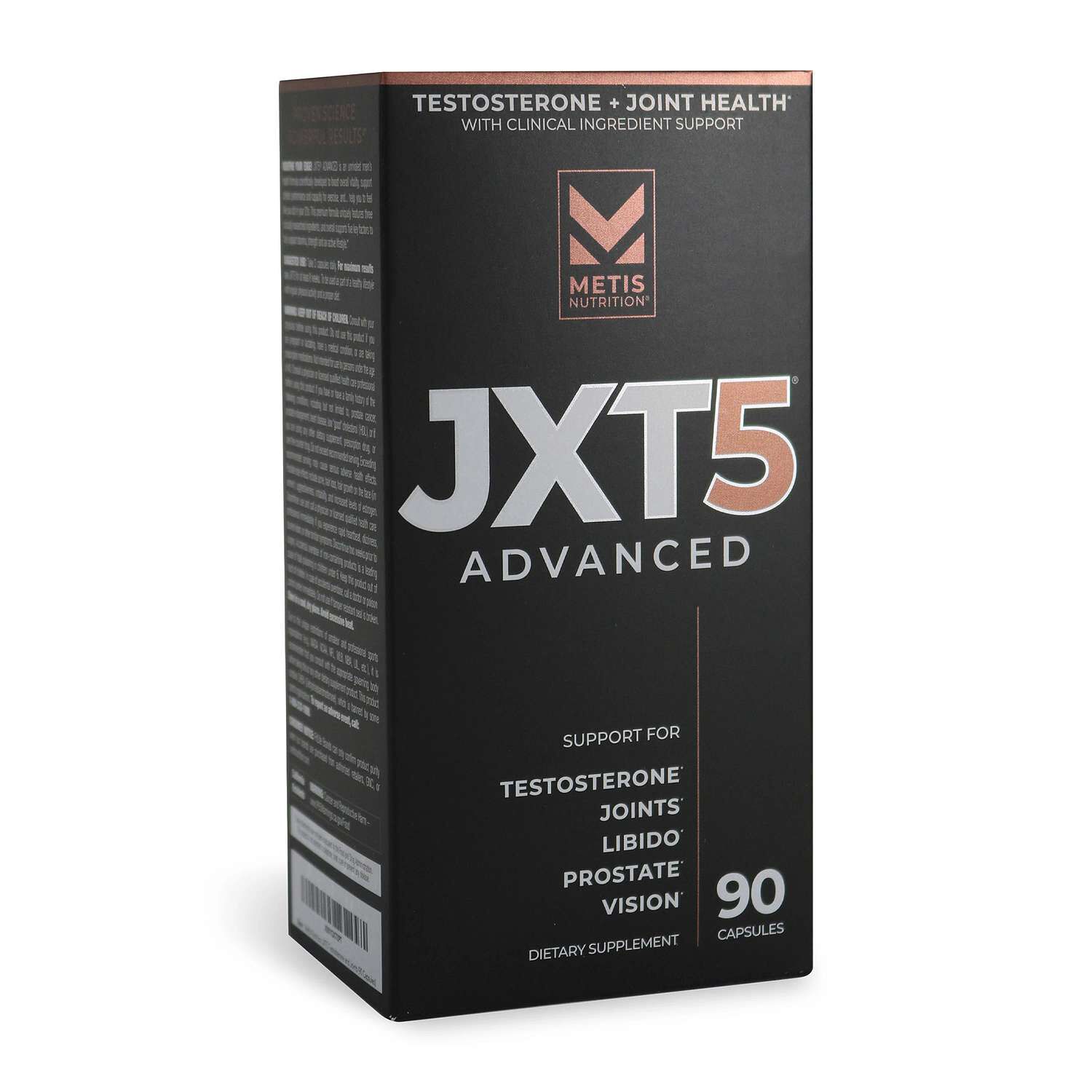

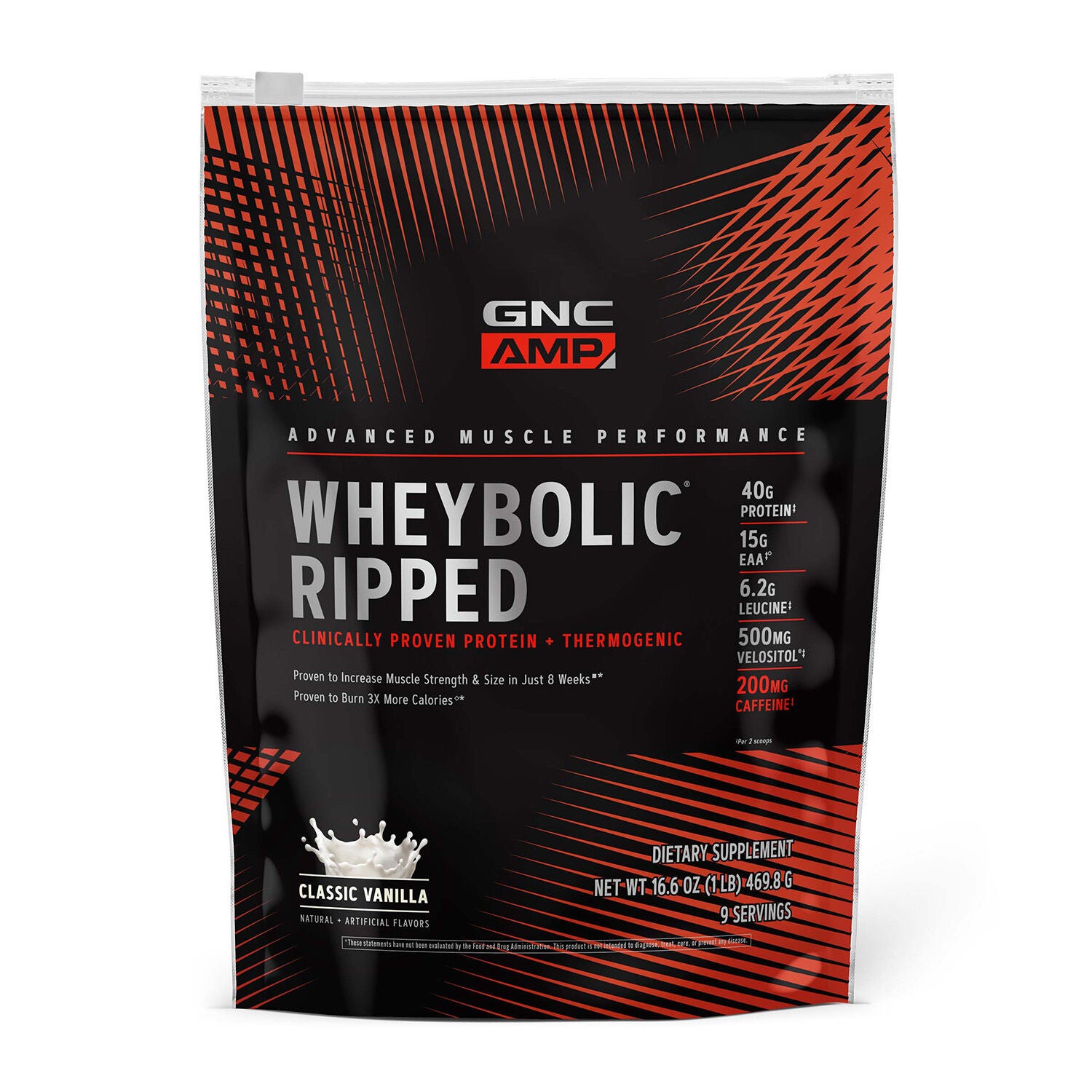


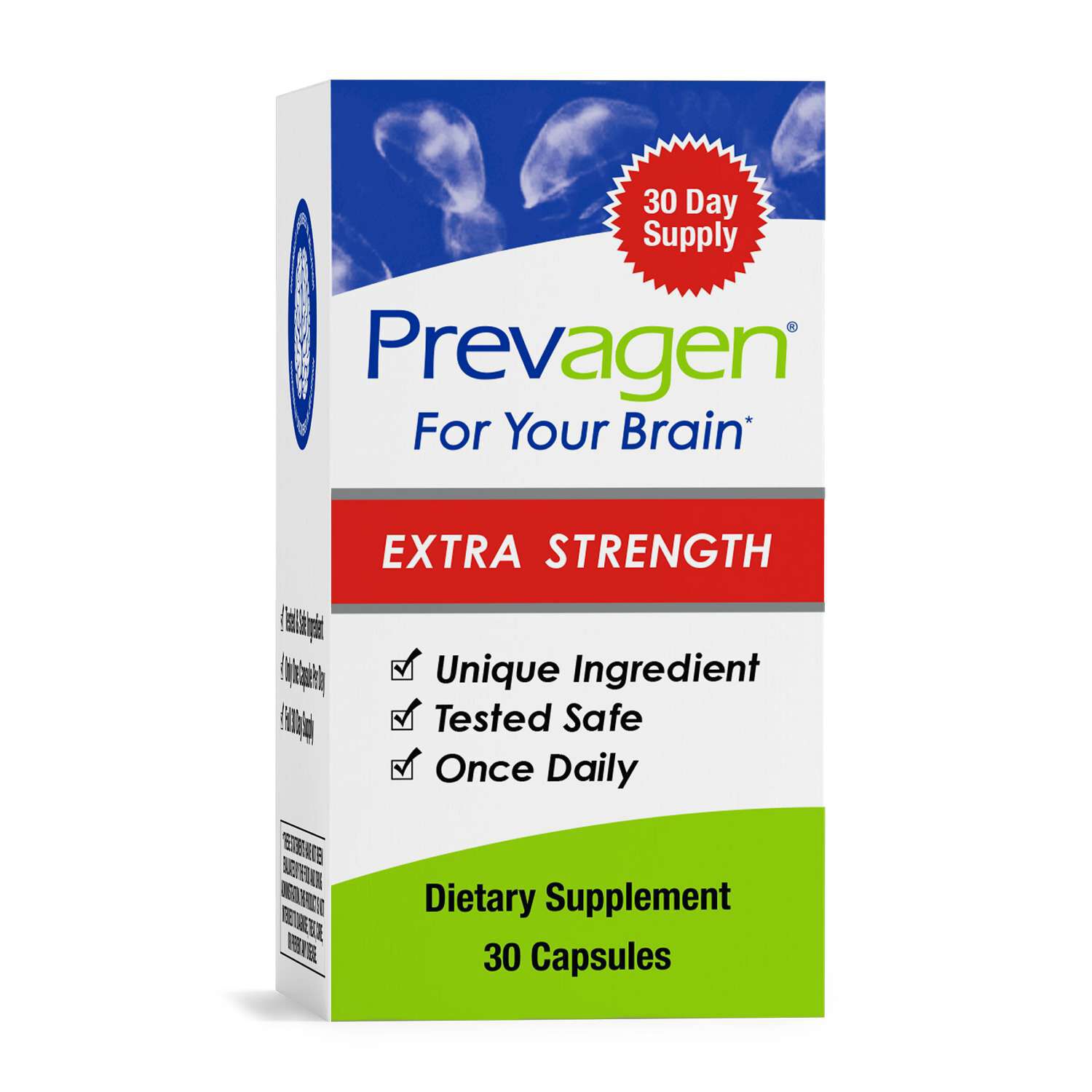
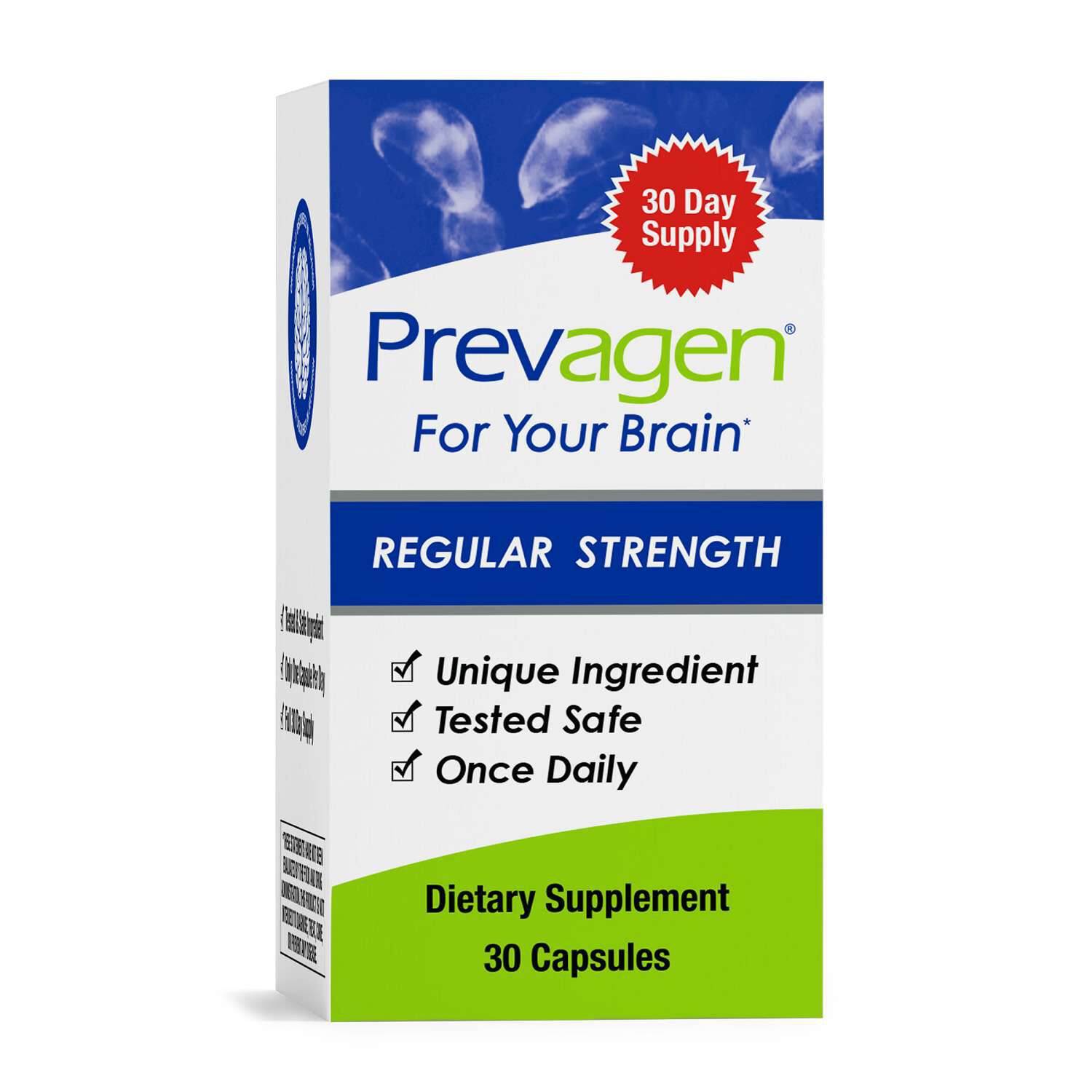
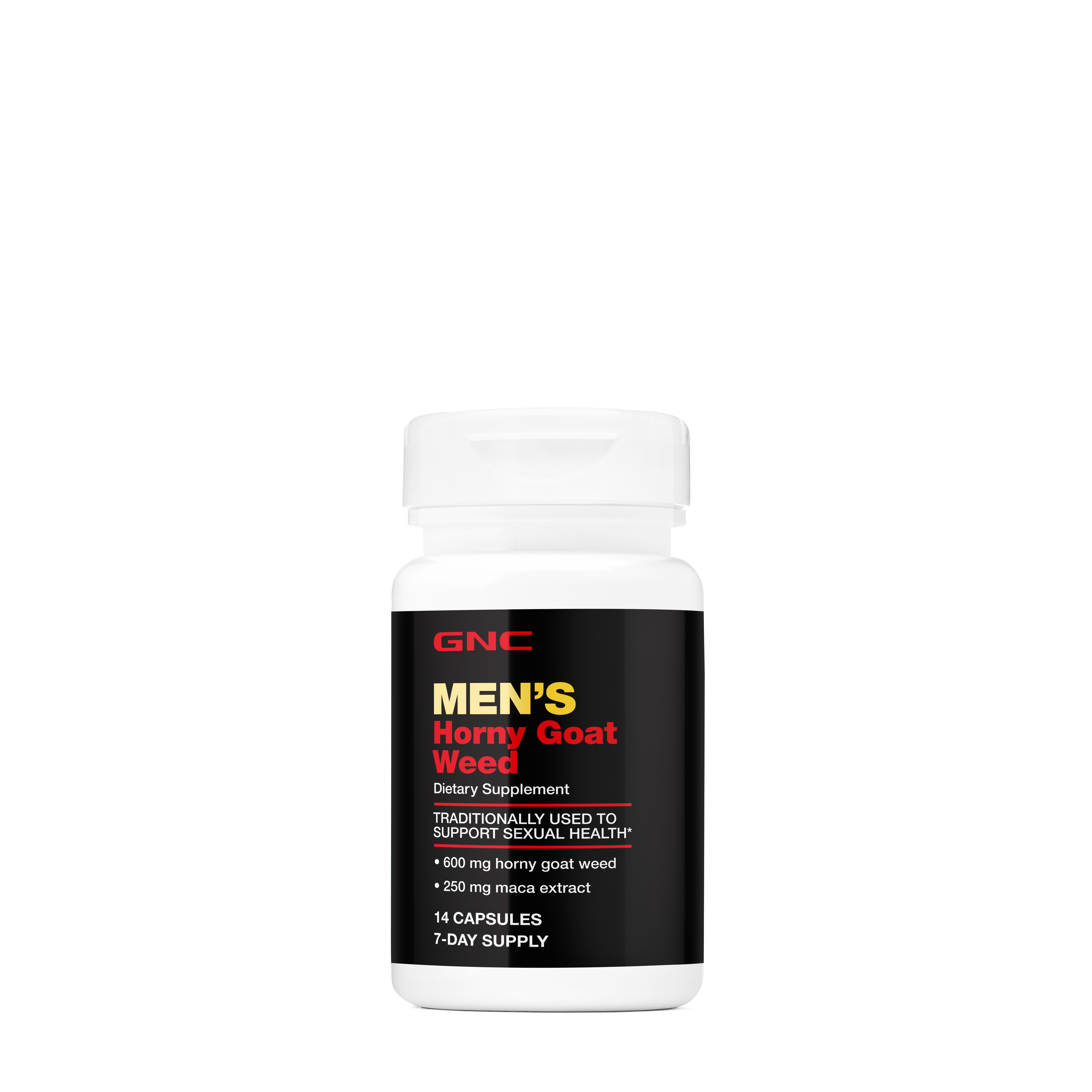
Supplements for men over 30 span everyday nutrition, protein, and workout-focused options, with formats designed for different schedules and preferences. The category includes multivitamins, individual vitamins and minerals, omega-3 supplements, protein powders, and creatine. Turning 30 does not create one universal shopping list: eating patterns, activity, personal preferences, and the supplements already in a routine provide more useful context than age alone. A man who lifts weights before work may be interested in protein powder or creatine, while someone looking for a straightforward daily format might compare multivitamin tablets with capsules or individual serving packs. These products have different intended uses, so it helps to distinguish broad nutrient formulas from options centered on a single ingredient. Men’s multivitamins typically combine several vitamins and minerals, whereas individual nutrient supplements offer a narrower focus. Vitamin D, vitamin B12, magnesium, and zinc are familiar ingredients in this category, but the amounts and combinations vary by formula. Omega-3 options may come from fish or algae, and their labels distinguish the amounts of EPA and DHA from the amount of oil in a serving. Protein powders can contain dairy-derived or plant-based ingredients, while creatine comes in powders and other formats. None of these categories needs to become part of every man’s routine simply because of an age milestone. For everyday shopping, the most meaningful distinctions are often visible in the Supplement Facts panel, ingredient list, serving directions, and packaging. A bottle labeled for men can contain a different nutrient mix from another bottle with similar wording, and one serving can mean more than one capsule or tablet. Reading those details gives the collection practical context beyond the front label. Supplements may complement an established eating routine, but a broader ingredient list does not automatically make a formula a better match. The relevant choice depends on what the product contains, how it is intended to be used, and whether its format fits comfortably into an ordinary day.
For men comparing daily supplements, ingredient sources and serving sizes deserve as much attention as the category name. A multivitamin might include vitamin D alongside B vitamins and minerals, while a separate vitamin D supplement focuses on that nutrient alone. Comparing labels side by side makes overlapping ingredients easier to spot without assuming that more is preferable. Magnesium supplements can identify forms such as citrate or glycinate, and vitamin B12 may appear in tablets, capsules, or lozenges. Those differences describe the formulation; they are not a reason to assume that one format suits everyone. Capsule shells, sweeteners, flavorings, and other ingredients also matter when matching a product to dietary preferences. Someone who avoids animal-derived ingredients might look closely at capsule materials and nutrient sources, while a shopper with food allergies can review the allergen statement rather than relying on broad front-label wording. Fish-derived omega-3 supplements and algae-derived alternatives illustrate why the source matters as well as the featured ingredient. Gummies and chewables offer another texture, but their serving sizes and added ingredients can differ from tablet or capsule versions. Daily packs group portions together, which may be convenient for someone who prefers a single packet over several bottles; the contents still warrant the same ingredient-by-ingredient comparison. For shoppers exploring a more focused category, Immune Support Supplements For Men 30 Plus offers a related selection to consider alongside broader daily nutrition options. Category labels describe a shopping focus, not an outcome, and the formula details remain the clearest basis for comparison. A useful distinction is whether a supplement contains many nutrients in one serving or concentrates on a smaller set. That difference can matter for someone already using a multivitamin, a fortified drink, or another supplement. It also keeps the shopping process grounded in the actual contents rather than the number of ingredients featured on the package. Clear serving information, identifiable ingredient sources, and a format suited to personal preferences provide concrete points of comparison across the category.
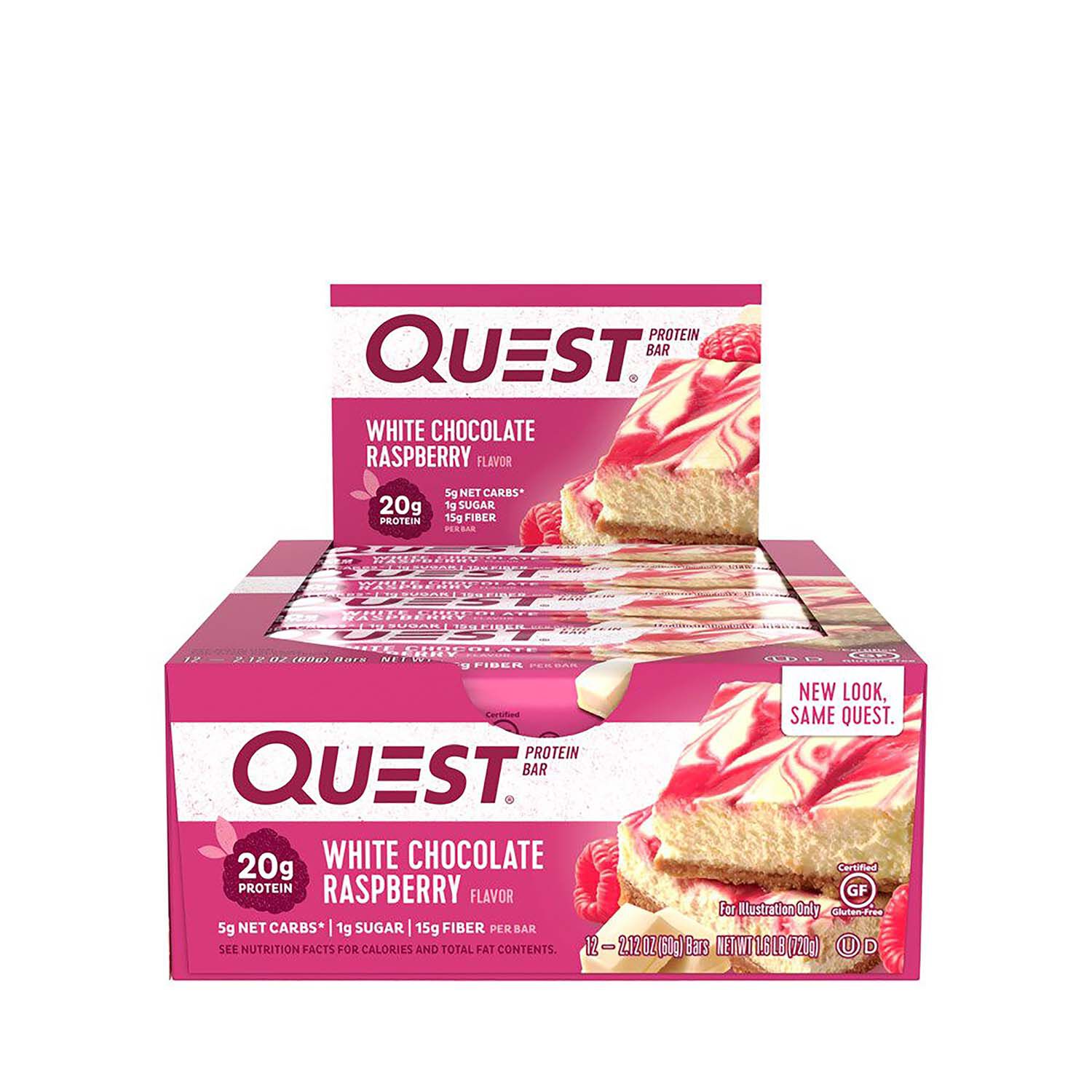
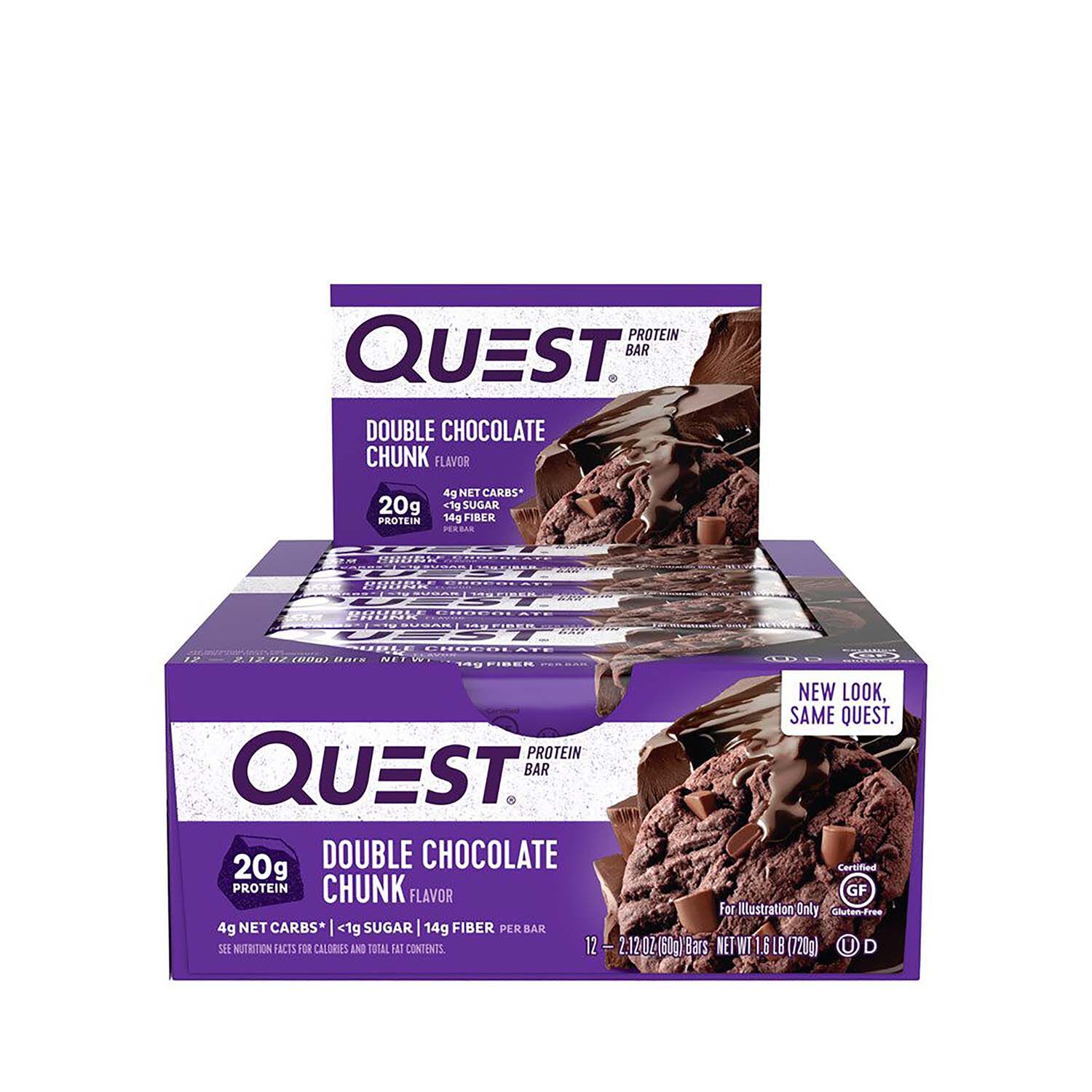
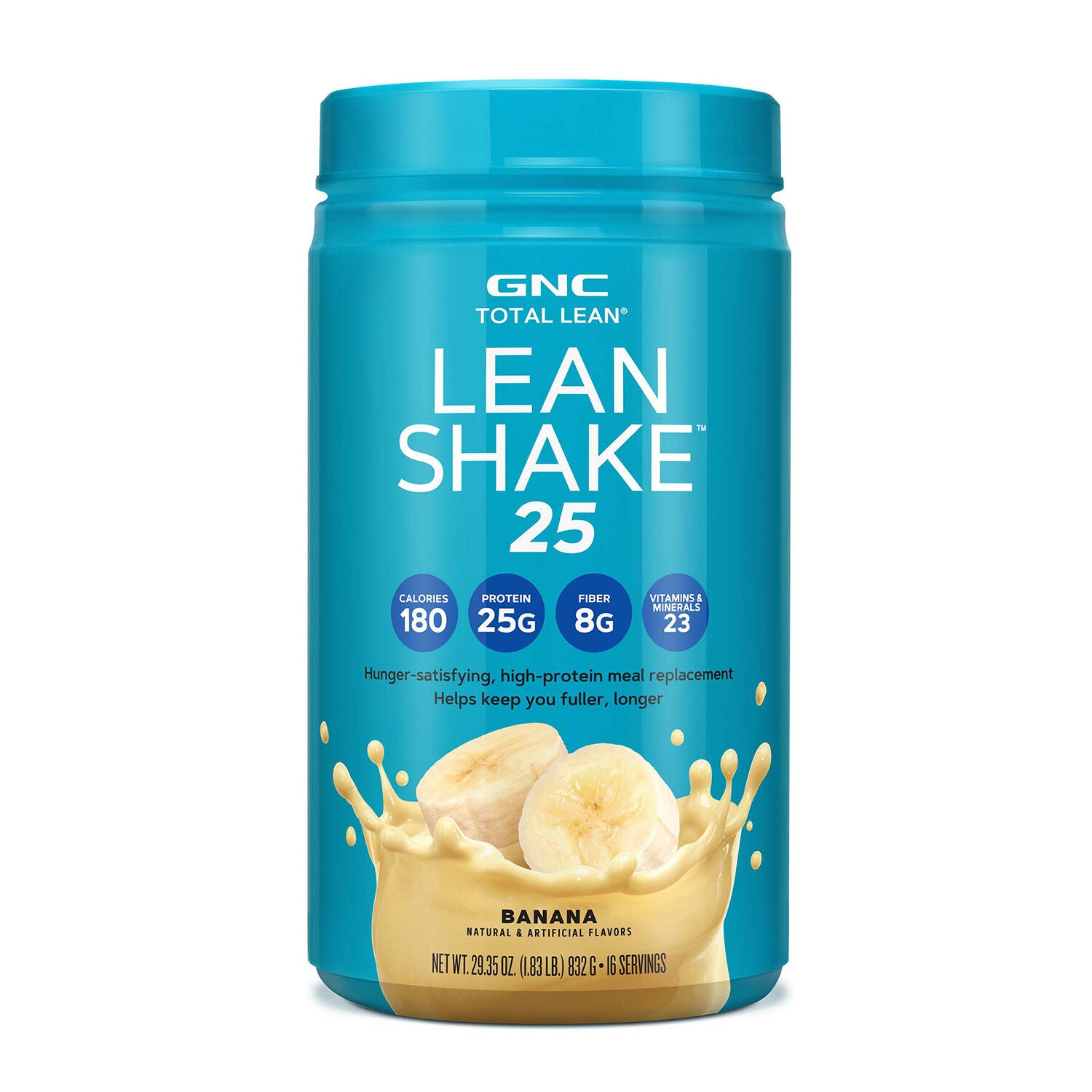
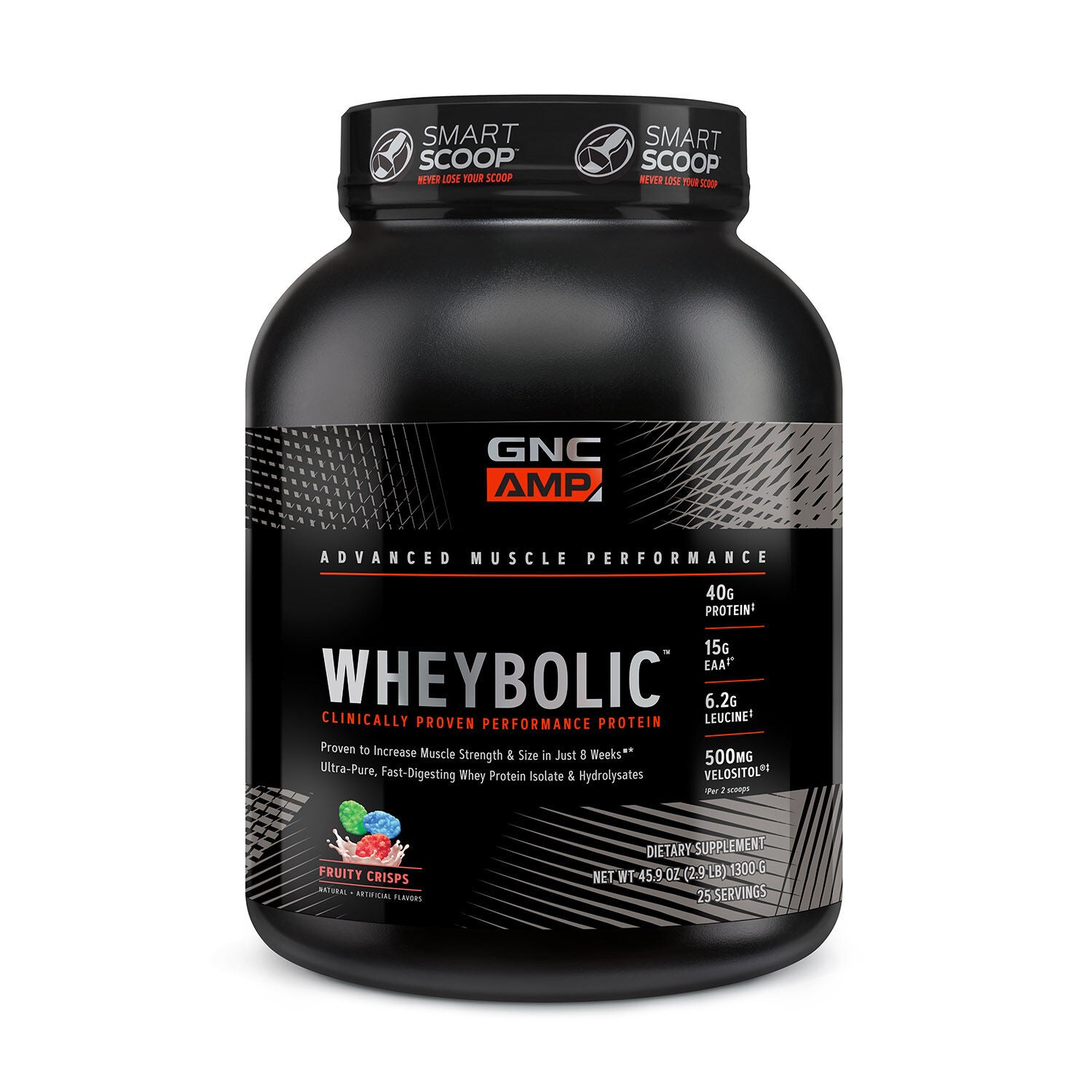
Protein and workout supplements bring another set of considerations to supplements for men over 30, especially when the routine includes strength training, recreational sports, or regular gym sessions. Protein powder may offer a convenient way to add protein to a shake or meal, with choices that include whey, casein, soy, pea, and blended plant proteins. The protein source, grams per serving, flavor, and ingredient list help distinguish one formula from another. A powder intended for mixing with water may have a different taste and texture from one blended with milk, yogurt, or fruit. For a man carrying a shaker from the kitchen to the office, ease of mixing and a flavor he enjoys can be more relevant than elaborate packaging. Someone who prefers adding powder to oatmeal might favor a subtler flavor over a dessert-style option. Creatine is a separate category rather than another name for protein, and creatine monohydrate is a commonly labeled form. Comparisons can focus on the amount per serving, whether the formula contains additional ingredients, and whether it comes as a powder or another format. Workout blends require a closer look at the full ingredient list, including caffeine content when present, rather than attention to only the most prominent ingredient. Practical fit extends beyond the formula itself. Container size, closure style, scoop storage, and the number of servings all influence how a supplement fits into a kitchen cabinet or gym bag. A securely closed container and storage consistent with package directions may help preserve product quality; moisture, damaged seals, and unreadable labels are worth noticing. The printed date and care instructions are more useful than assumptions about how long a powder or capsule will keep. Individually portioned formats may suit travel, while a larger container might be easier to manage at home. Whether the priority is everyday nutrition or a workout-related routine, the strongest comparisons remain specific: ingredient source, serving amount, dietary compatibility, preparation, and storage. Those details make this category easier to navigate without treating every man over 30 as though he has the same schedule, preferences, or goals.