Supplements For Muscle Cell Contraction Support
(0 Results)
Supplements for muscle cell contraction support may play a supportive role in your fitness routine, especially if you’re focused on strength and performance. These supplements are often chosen by individuals who want to help their bodies function at their best during workouts or daily activities. Explore a range of options that could complement your training and wellness goals as you look for ways to support healthy muscle activity. Whether you’re an athlete or simply seeking to enhance your active lifestyle, supplements for muscle cell contraction might be a valuable addition to your regimen.










 _Front.jpg?sw=305&sh=305&sm=fit "Magnesium: Bioactive Magensium Citrate - 120 Capsules (120 Servings) | GNC")
 _Front.jpg?sw=305&sh=305&sm=fit "Magnesium: Bioactive Magensium Citrate - 60 Capsules (60 Servings) | GNC")
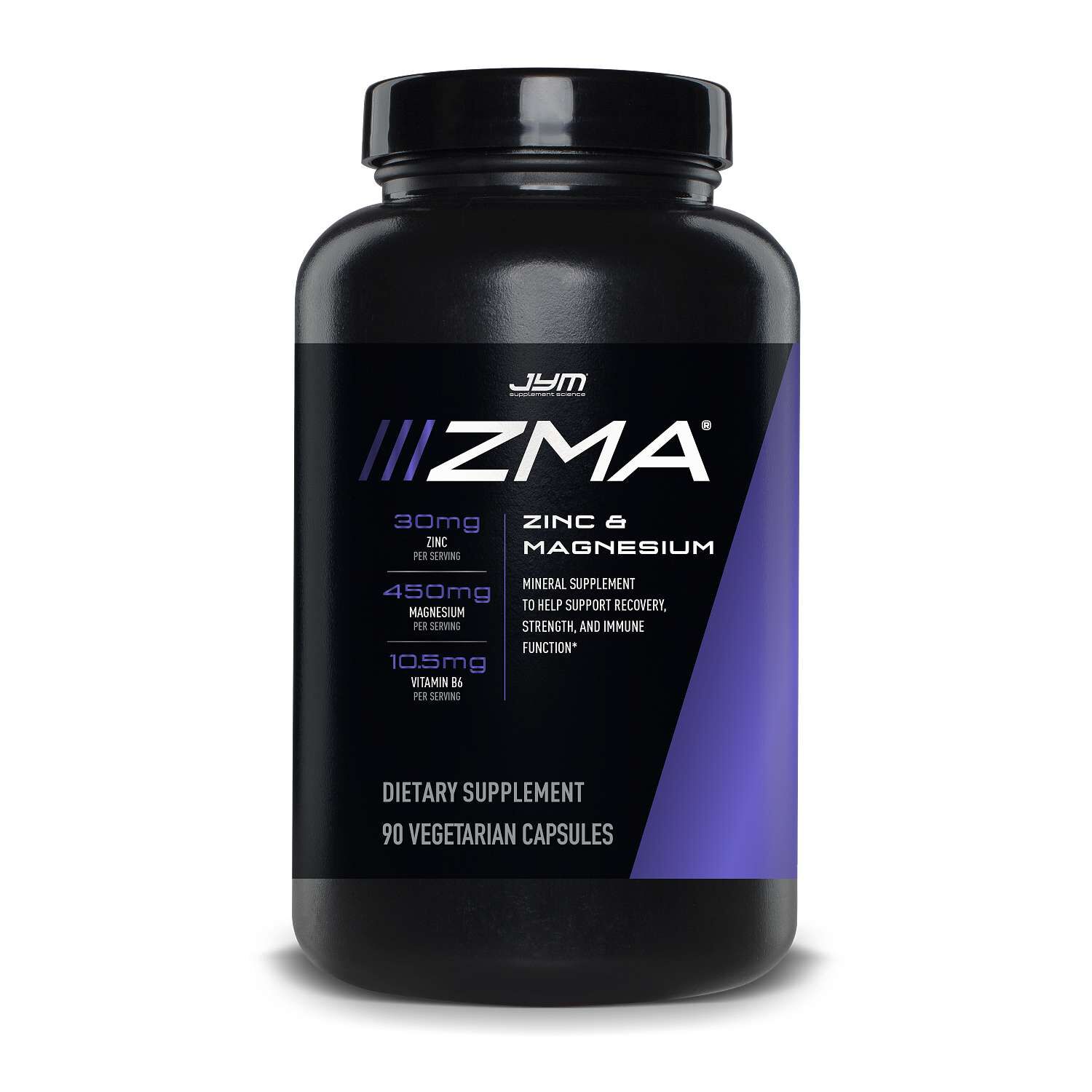
Supplements for muscle cell contraction support bring together several nutrient categories associated with normal muscle function, including magnesium, calcium, potassium, sodium, vitamin D, and creatine. Muscle contraction is the coordinated process that allows muscle fibers to generate force, whether the movement is a controlled squat, a steady pedal stroke, or carrying a bag of groceries upstairs. That process involves mineral signaling and cellular energy, which explains why products in this category can have very different ingredient profiles. Magnesium may support normal muscle contraction and relaxation, while calcium may support the signaling involved in muscle contraction. Potassium and sodium may support normal electrolyte balance and communication between nerves and muscles. Creatine may support the replenishment of ATP, the energy source used during muscular effort, particularly in repeated, short-duration activity. Vitamin D may support normal muscle function and calcium absorption. These ingredients are related by their connection to movement, but they are not interchangeable, and a longer ingredient list does not necessarily make a formula a better match for a particular routine. A mineral-focused supplement serves a different purpose from a creatine powder, while an electrolyte blend brings several minerals together in a drinkable format. Understanding those distinctions gives this collection context beyond the broad phrase “muscle support.” Someone who enjoys strength training might be interested in creatine alongside a balanced eating routine, while a recreational cyclist might prefer the convenience of a measured electrolyte drink. A shopper focused on a particular mineral may favor a straightforward formula with clearly stated amounts. The most useful comparison starts with what each formula contains, how much is provided per serving, and how the format fits its intended use. Supplements belong within the broader context of everyday nutrition, movement, and rest rather than serving as a substitute for those habits. This category is about nutritional support for normal function, not a single formula that suits every activity or every person.
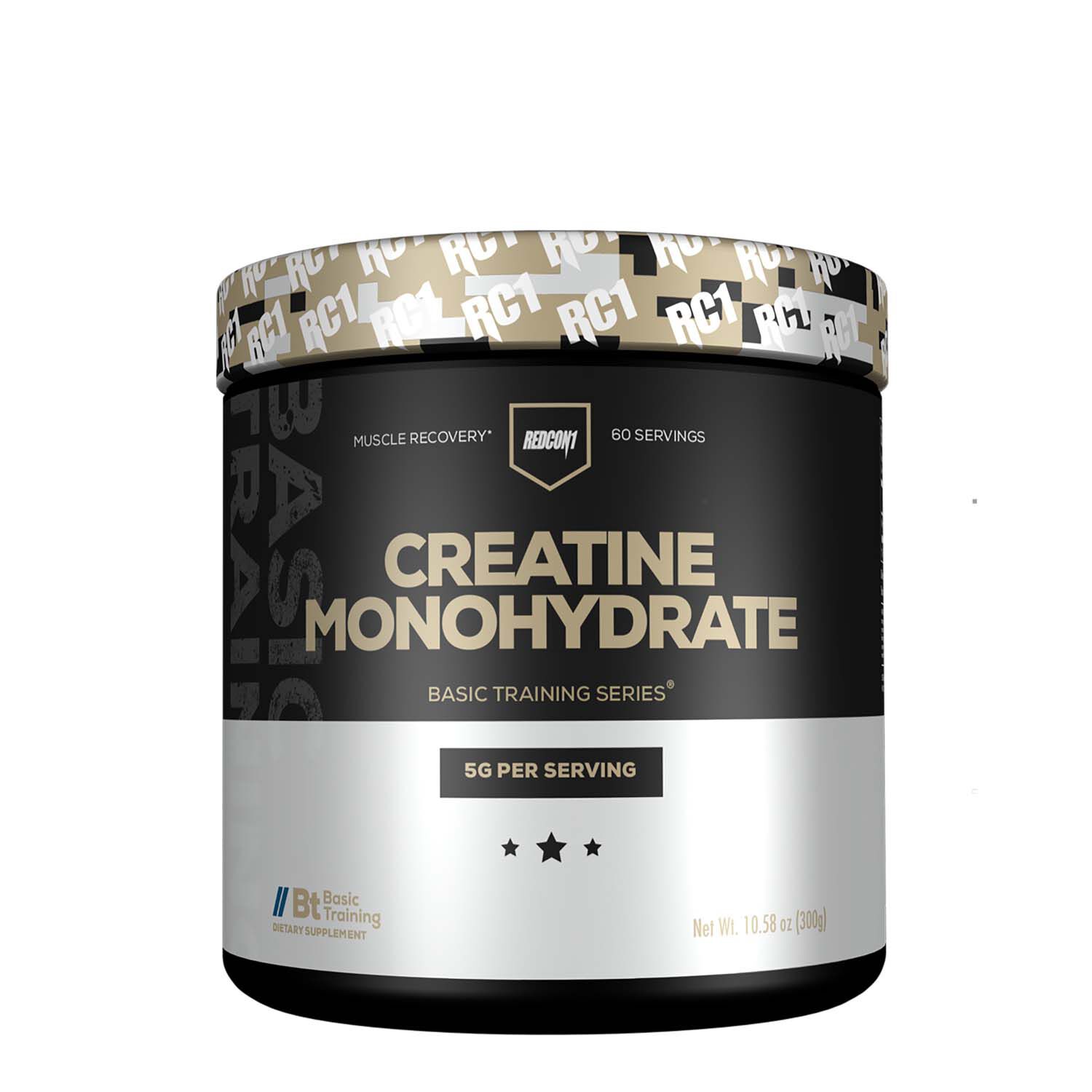
Mineral forms and label details deserve attention when comparing supplements for muscle cell contraction support. Magnesium supplements, for example, may use citrate, glycinate, or other forms, and the amount of magnesium listed in the Supplement Facts panel matters more than the weight of the entire magnesium-containing compound. Two containers with similar front-label wording can provide different serving amounts or require a different number of capsules. For a closer look at this mineral-focused category, Magnesium Supplements For Muscle Support offers a related place to compare formats and ingredient information. Calcium formulas likewise vary in form and serving size, and some combine calcium with vitamin D. Electrolyte powders may contain sodium, potassium, and magnesium in different proportions, so the word “electrolyte” alone does not describe the contents of a serving. Some drink mixes also include carbohydrates, flavoring ingredients, or sweeteners, which can matter to someone choosing a beverage for a long practice session or a short visit to the gym. Creatine formulas take another approach: rather than supplying an assortment of minerals, they center on an ingredient associated with cellular energy. Creatine monohydrate is a common form, and straightforward powders make the ingredient amount easy to identify. Blended formulas require a closer look at the full label to understand what accompanies the creatine. Across these categories, serving size, servings per container, and clearly disclosed ingredient amounts provide a practical basis for comparison. Dietary preferences also shape the choice. Capsule shells may be made with gelatin or plant-derived materials, chewable formats can contain added sugars, and flavored powders may include ingredients that do not suit every eating pattern. Allergen statements and ingredient lists offer more useful detail than broad descriptions on the front of a package. When several supplements are part of the same routine, overlapping ingredients are another important label detail; a multivitamin, mineral capsule, and electrolyte drink may each contribute some of the same nutrients. Comparing those amounts keeps the focus on the actual formula rather than the category name alone.
Format often determines how naturally a supplement fits into an ordinary day. Capsules and tablets offer a compact option for someone who prefers a drink without added flavor, though capsule count and tablet dimensions can affect personal preference. Powders allow a measured serving to be mixed into a beverage, with the tradeoff of needing the specified amount of liquid and a suitable cup or bottle. A flavored electrolyte powder might fit into a gym bag routine, while an unflavored creatine powder may suit someone who prefers to keep the taste of an existing beverage. Texture matters as much as flavor: some powders disperse readily, while others require more stirring or leave a little sediment. Mixing directions provide the best reference for the intended preparation. Individually portioned packets offer portability for commutes, travel, and workouts away from home; tubs offer a familiar scoop-and-mix format for a kitchen counter or home training space. Neither format changes the importance of reading the serving instructions. Packaging and care are also part of the comparison, especially for products opened frequently. A secure closure, legible label, and intact container help make everyday handling more straightforward. Following the storage directions, keeping scoops dry, and closing containers after use may help preserve product quality through the labeled date. A supplement left loose in the bottom of a training bag is less practical than one kept in its original, labeled packaging. For adults who lift weights, attend fitness classes, play recreational sports, or simply maintain an active routine, the right product format is often the one that matches established preferences without adding unnecessary complexity. Supplements are also highly personal purchases, so a gift is most thoughtful when the recipient has already expressed a preference for a particular nutrient category and format. Whether the priority is a single mineral, a combination of electrolytes, or creatine for a strength-training routine, clear labeling and an appropriate format make meaningful points of comparison. A well-matched selection starts with understanding the ingredients, their intended role, and the practical details of using and storing the product as directed.