Universal Muscle Supplements
(0 Results)
Achieving peak performance and reaching fitness goals may become easier with the right support. Universal muscle supplements could provide the necessary nutrients to help you maximize your workout potential. Whether you're looking to build strength, increase endurance, or support recovery, these supplements might be just what you need. Explore a range of options designed to complement your training regimen and lifestyle, and discover how universal muscle supplements might help you achieve your fitness aspirations.
-
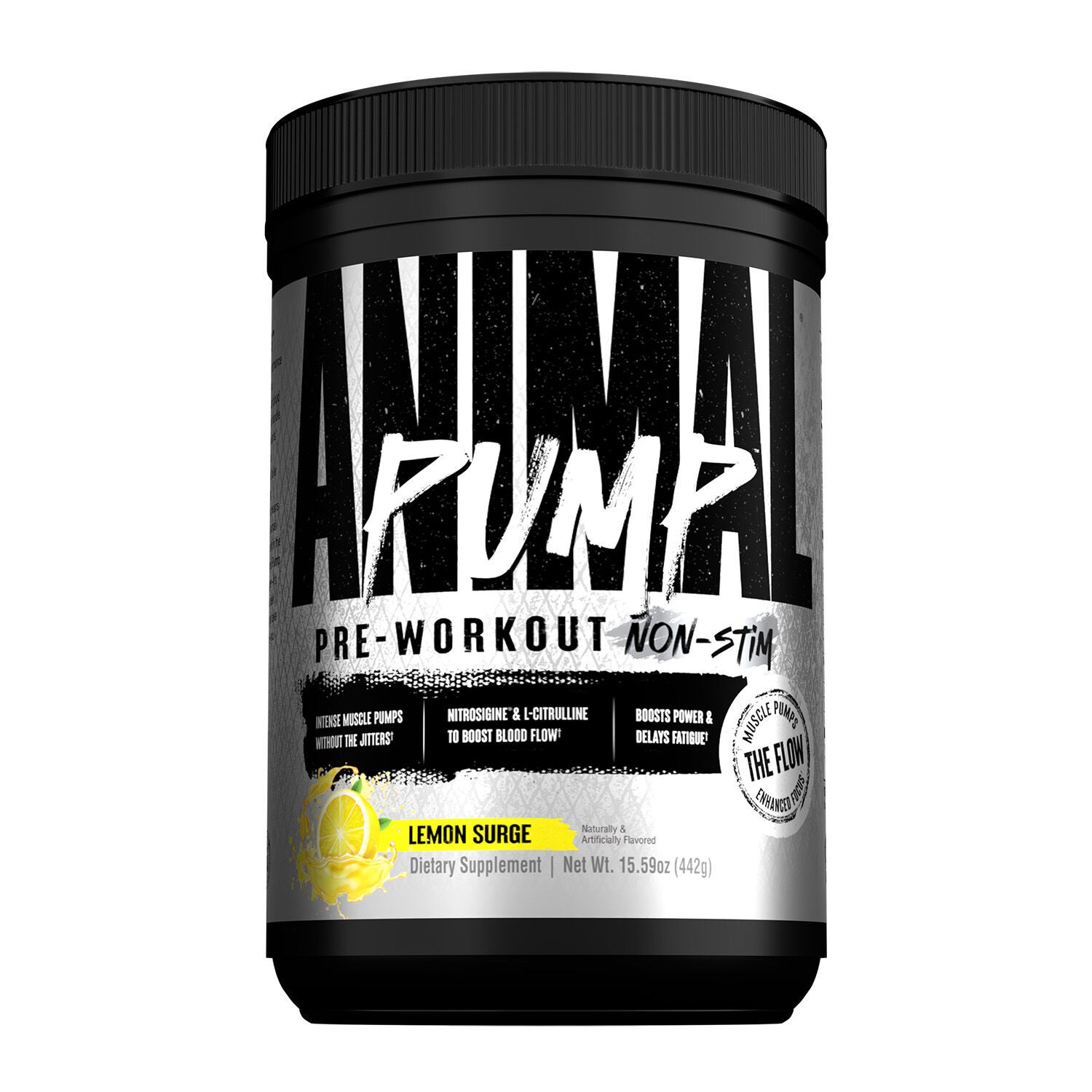
-
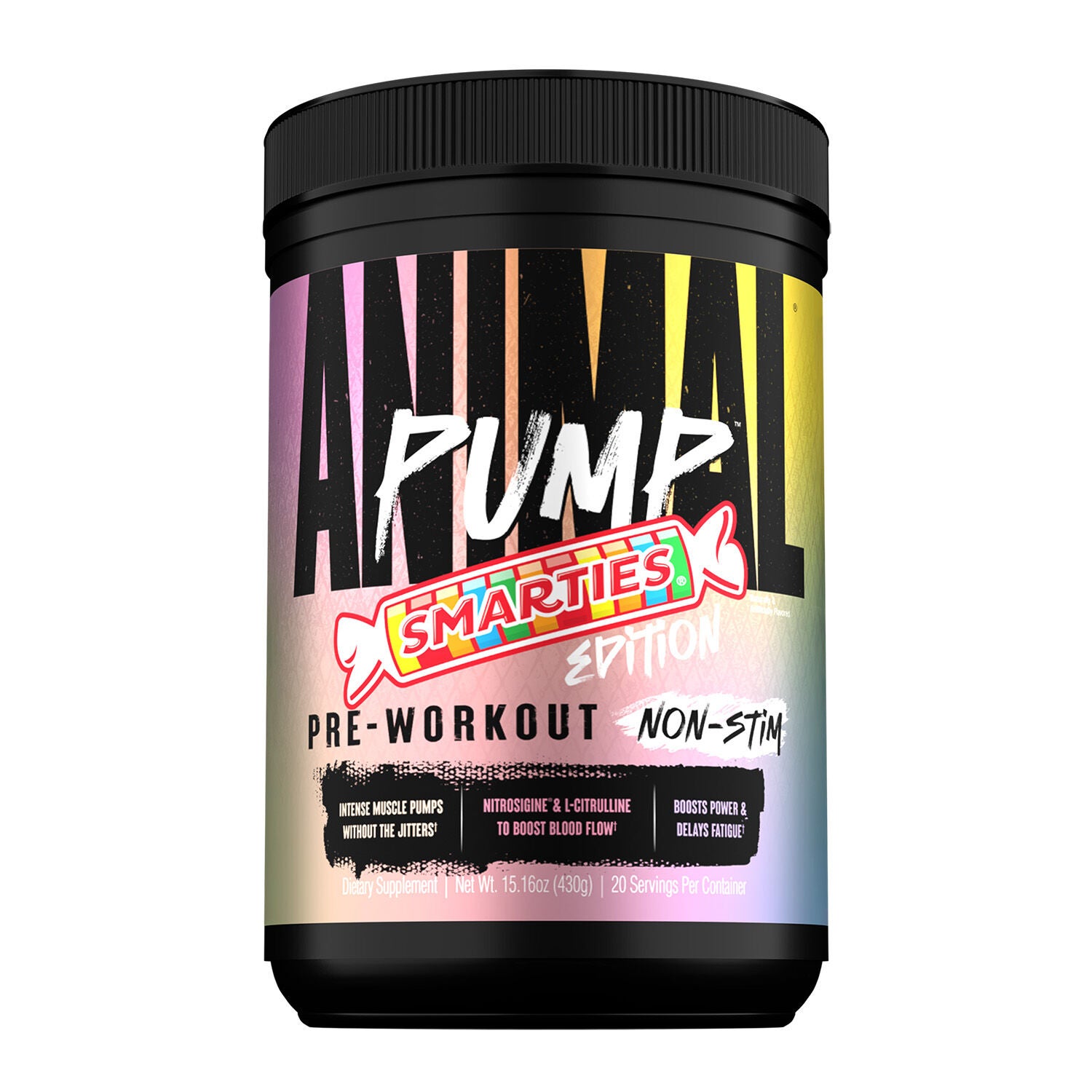
-

-
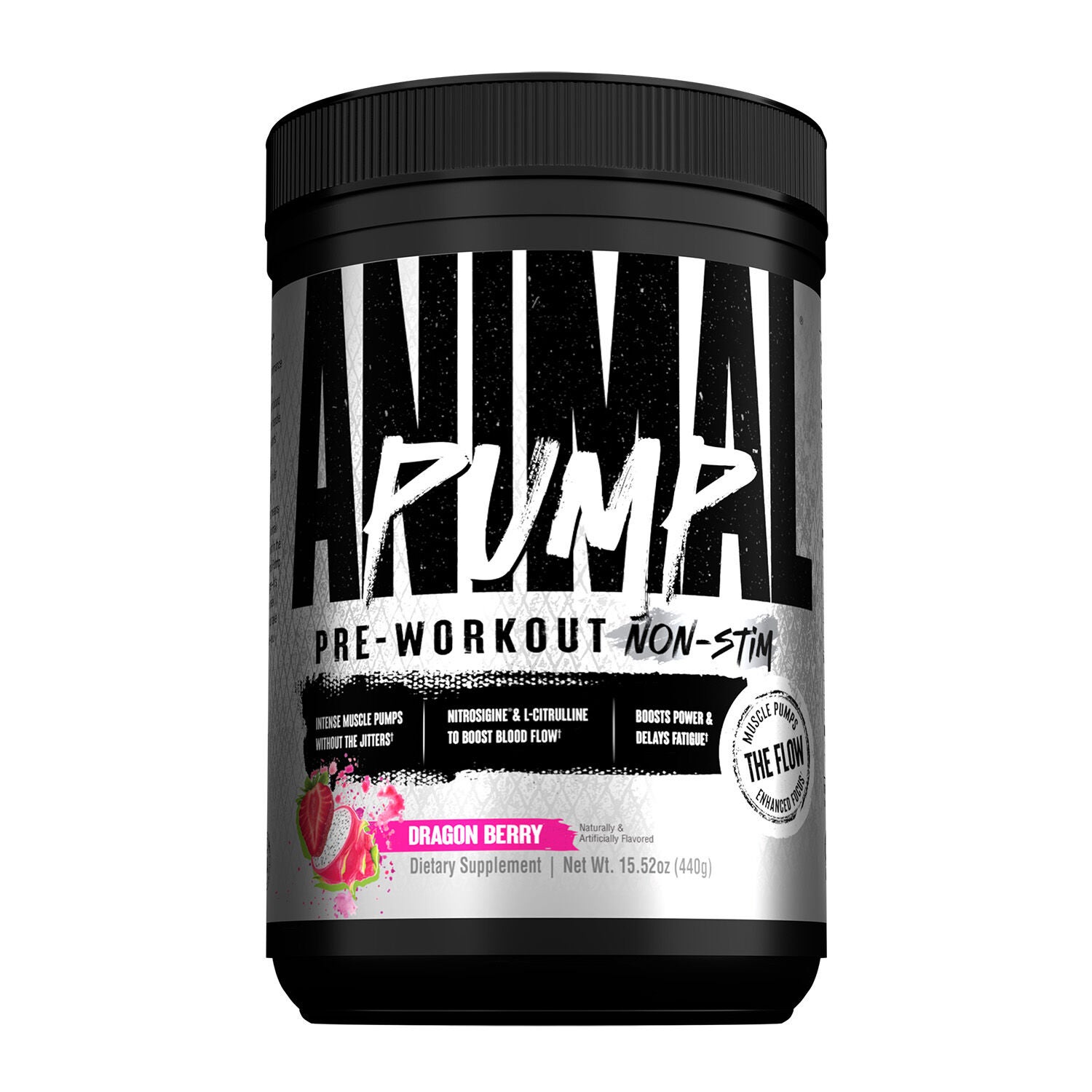
-
 Universal Nutrition238$36.99
-
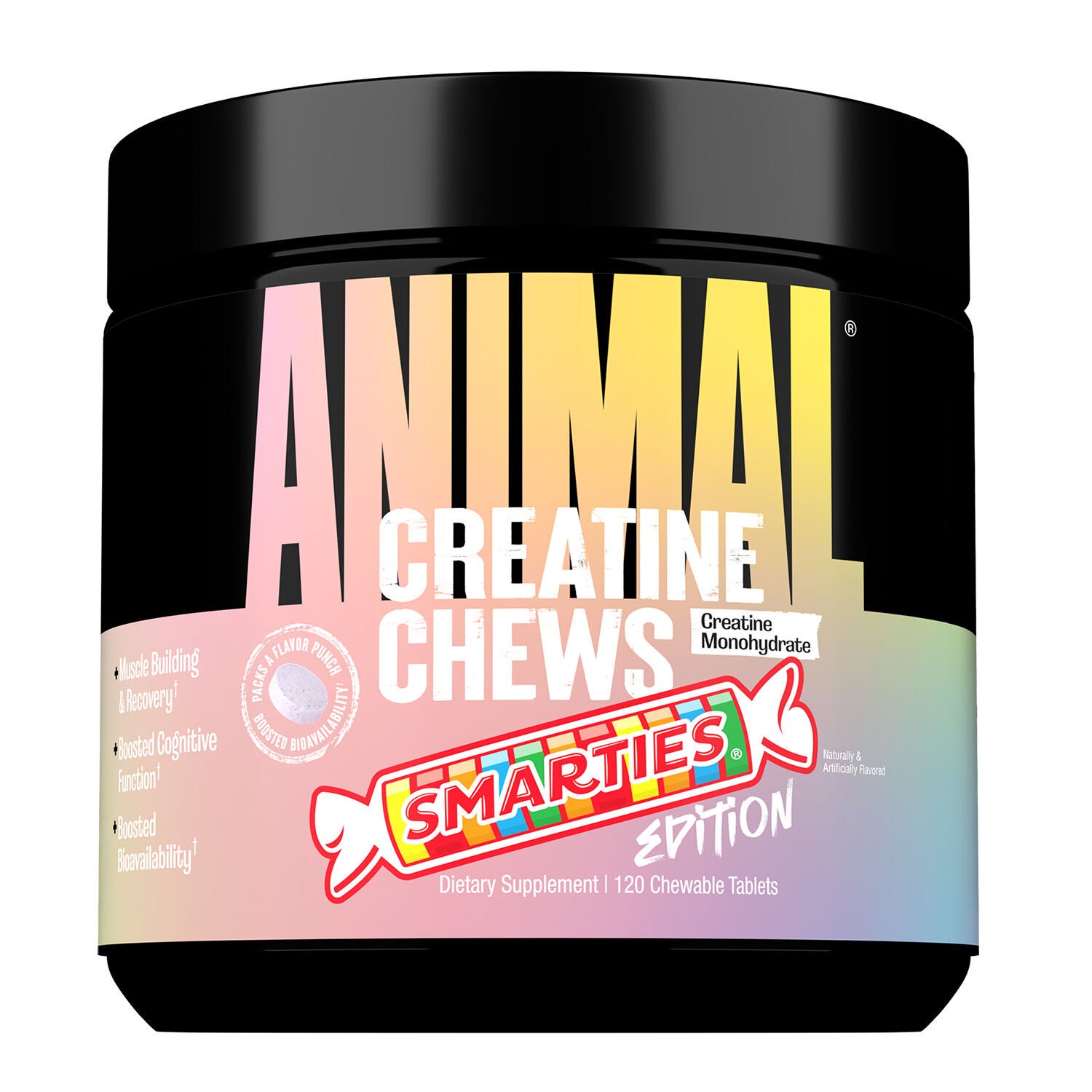 Universal Nutrition238$36.99
-
-
 Universal Nutrition238$36.99
-
-
-
-

-

-

-
-
 $59.99
-

-

-

-

-
 42$49.99
-

-

-

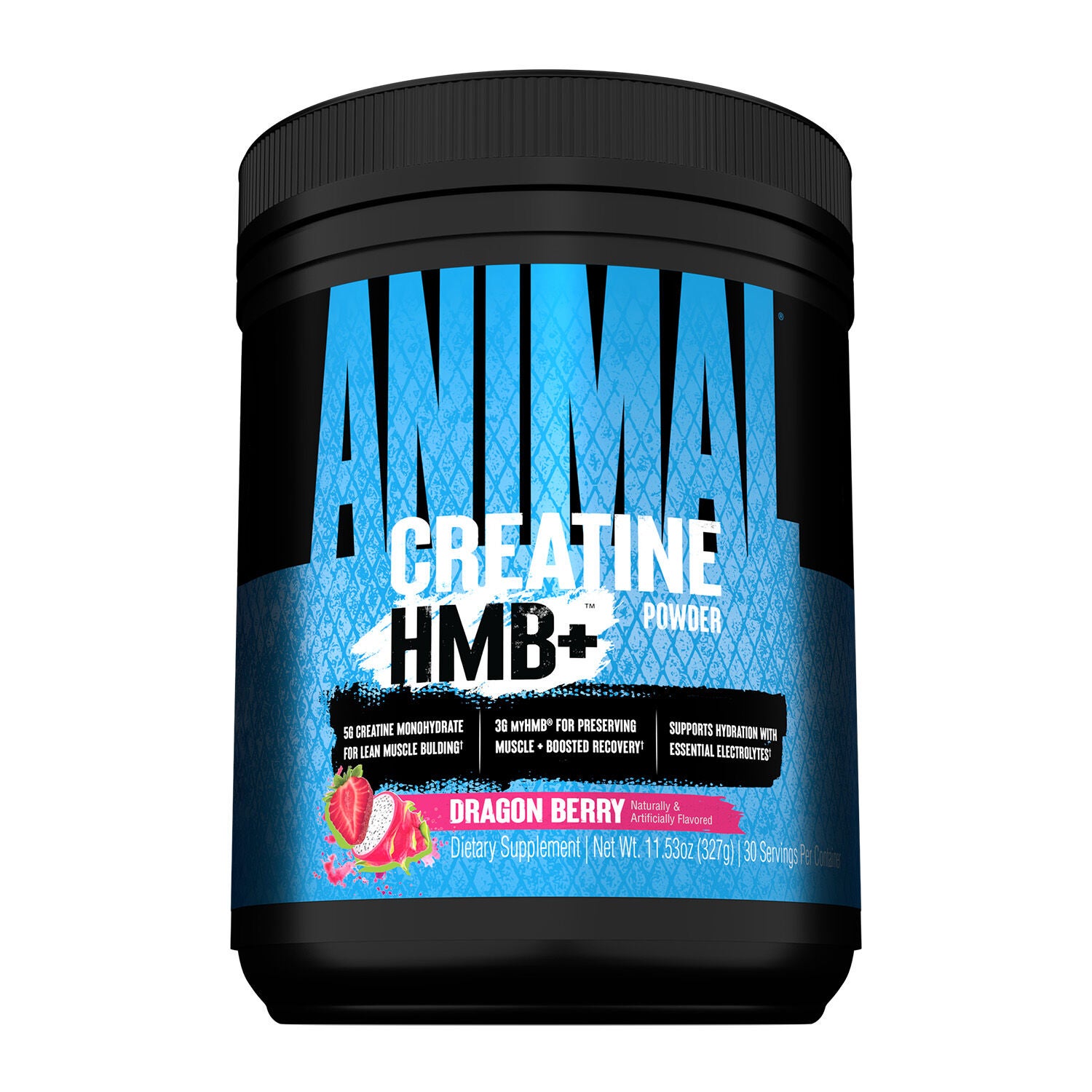
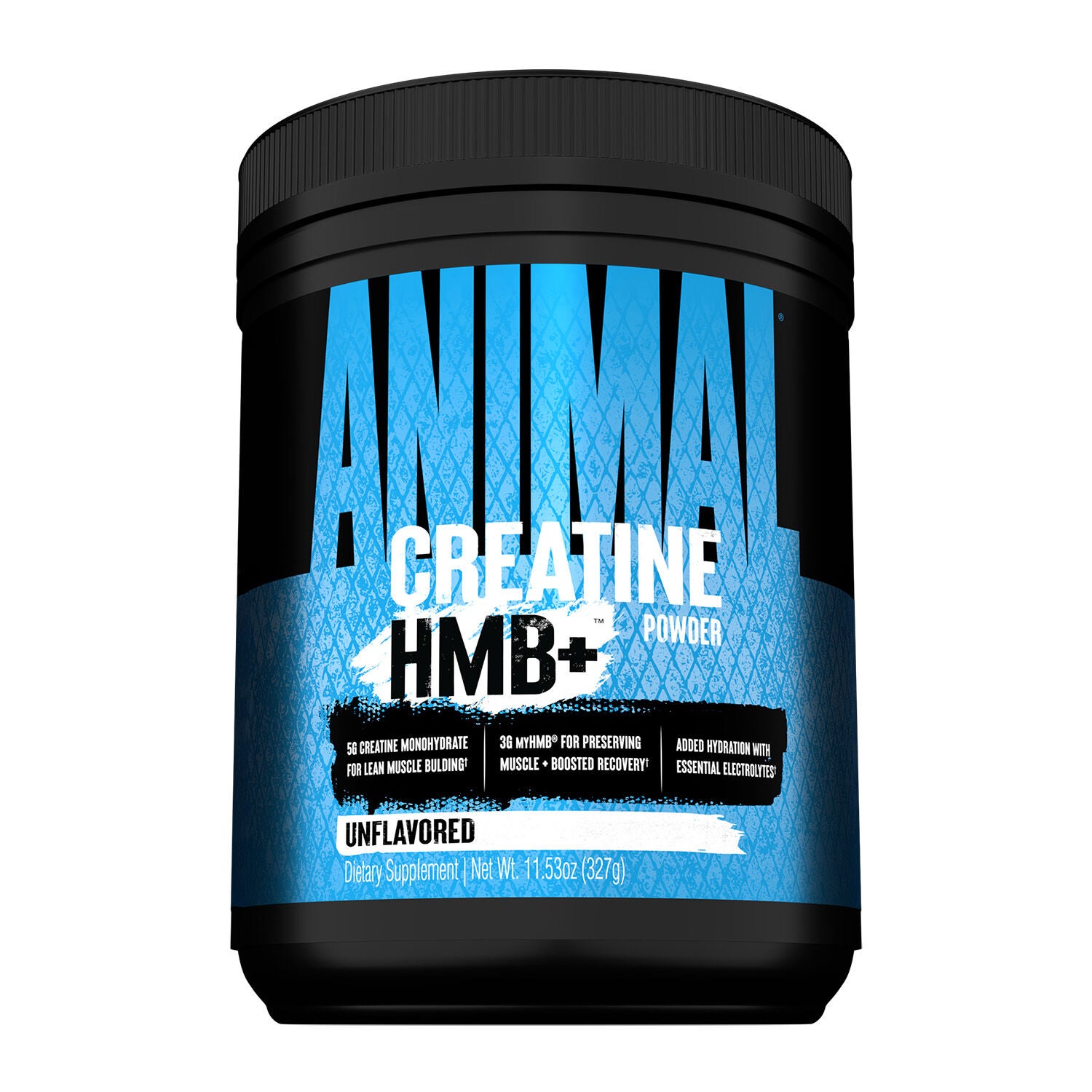
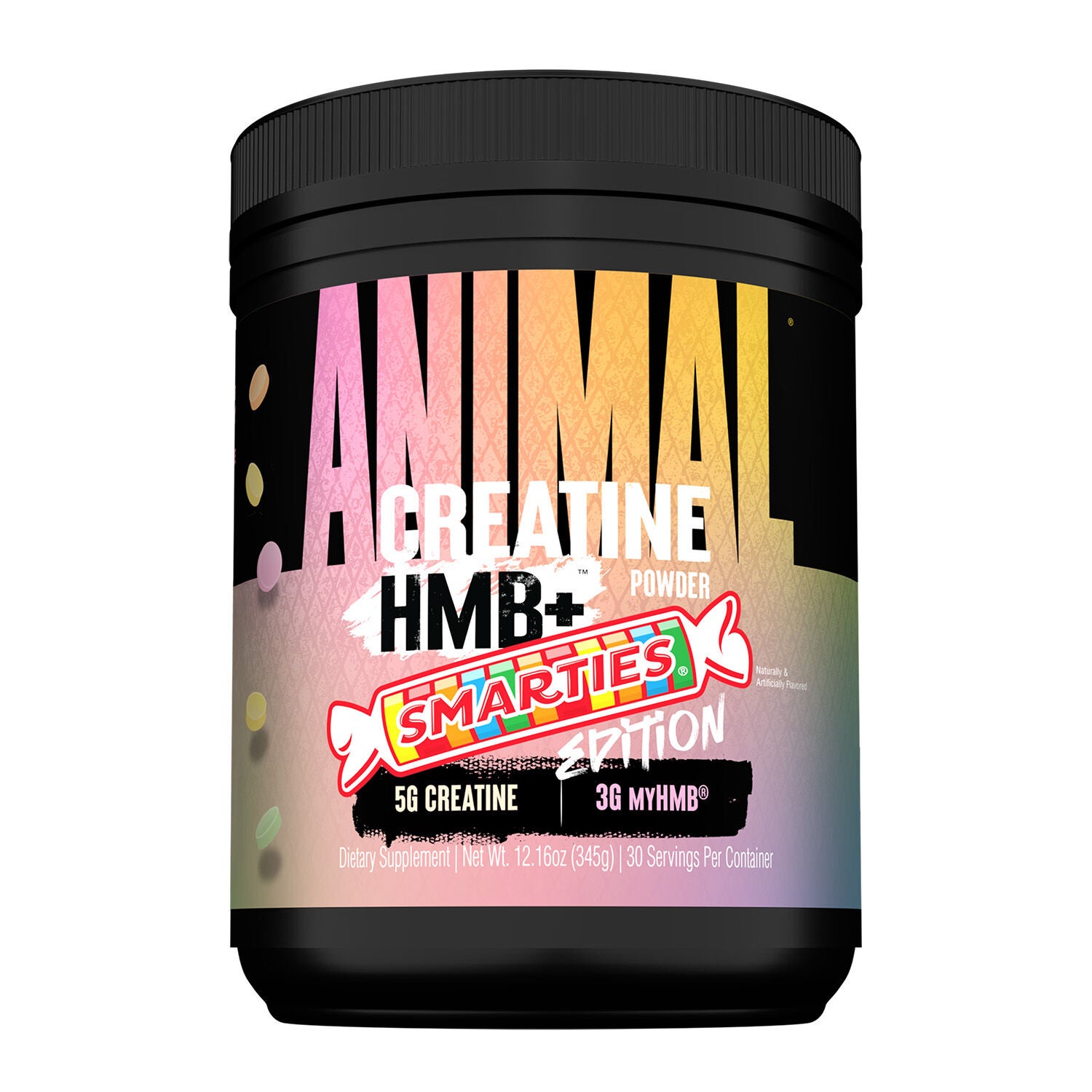
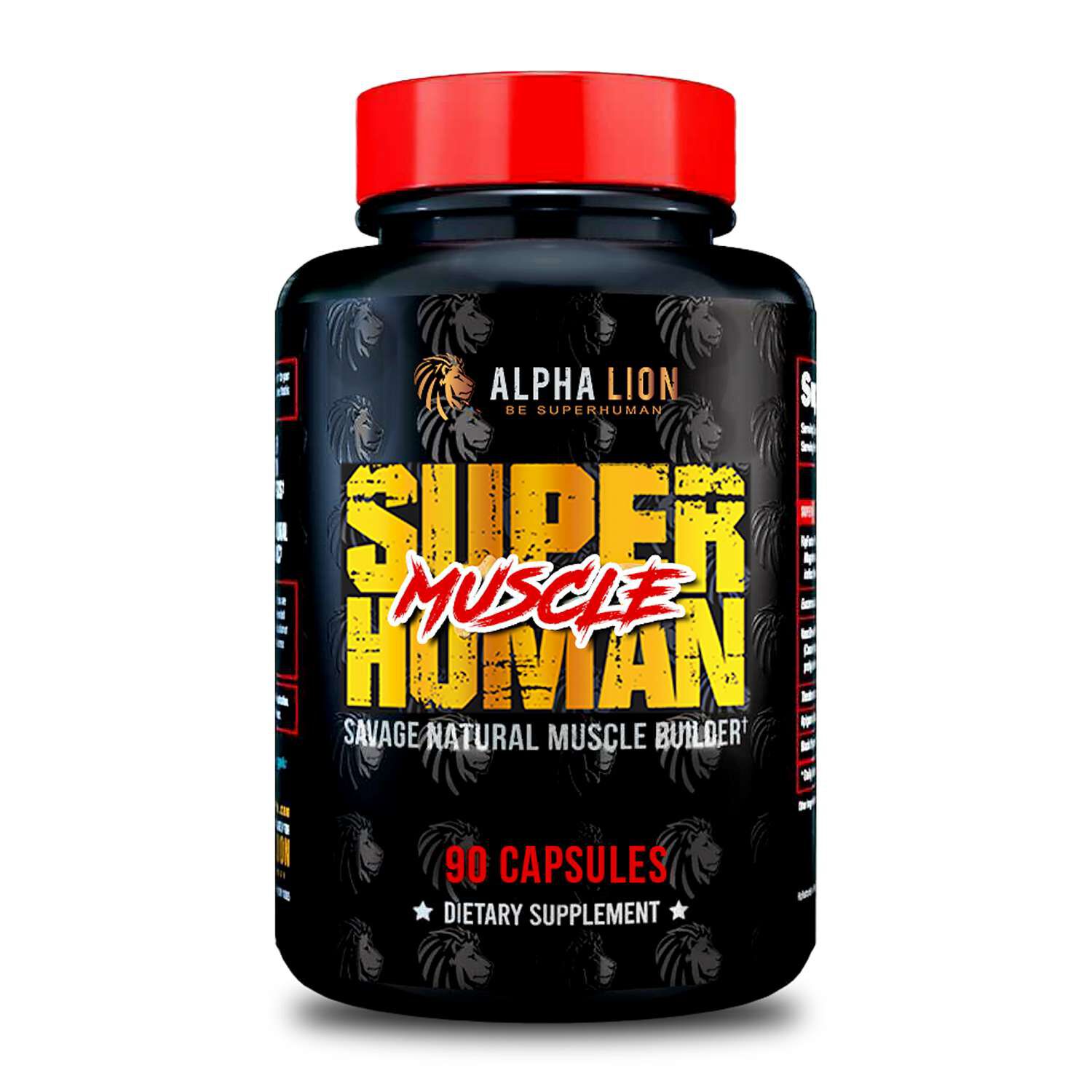
Muscle supplements are a broad sports nutrition category that includes protein powders, creatine, amino acid formulas, and other blends intended for use alongside resistance training and everyday meals. Their differences go beyond flavor: ingredient sources, serving sizes, preparation methods, and the amount of protein or other ingredients per serving all shape how a formula fits into a routine. Adults who lift weights at a gym, train with resistance bands at home, or follow a structured strength program may consider these supplements for different reasons. Protein powders may offer a convenient way to add dietary protein when a packed schedule makes meal preparation less practical. Creatine may support performance during repeated, short bouts of high-intensity exercise. These are distinct purposes, so muscle supplements are not interchangeable simply because they appear in the same category. Protein options commonly include whey, casein, soy, pea, rice, or combinations of sources. Whey and casein are derived from milk, while plant-based formulas use ingredients from sources such as legumes and grains. Source selection often reflects eating preferences, ingredient restrictions, and the texture a shopper enjoys. Milk-derived powders may have a creamy character, while plant-based powders can vary in earthiness, thickness, and mouthfeel. The finished texture also depends on the formula, the liquid used, and how it is mixed. A powder shaken with water between work and an evening workout creates a different experience from one blended into a thick breakfast smoothie. Flavor matters in those everyday settings: chocolate may suit a shake made with banana, while an unflavored powder may be more adaptable to different recipes. Packaging and labeled preparation directions add useful context, especially when comparing a powder intended for a shaker bottle with one that calls for more thorough blending. The most relevant choice is often the one whose ingredients, format, and intended use fit the shopper’s actual habits rather than an imagined training schedule.
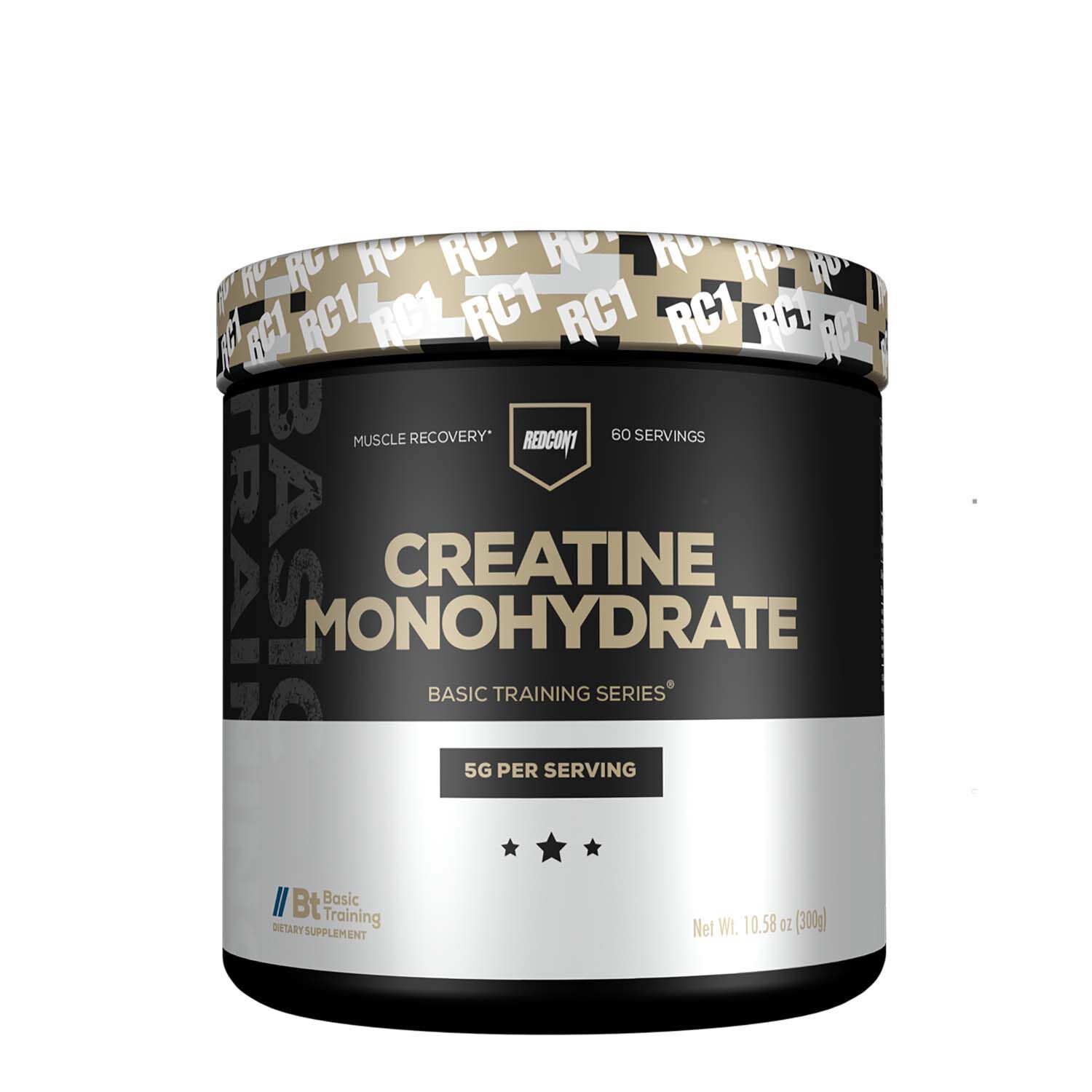
Ingredient details bring another dimension to muscle supplements, particularly when comparing single-ingredient powders with formulas that combine several components. Creatine monohydrate is a commonly used form of creatine, a compound naturally present in muscle tissue and found in foods such as meat and fish. A creatine formula differs from a protein powder in both composition and intended use; its serving amount should not be interpreted as grams of protein. Protein powders, meanwhile, vary in their protein content, carbohydrate content, fat content, and calories per labeled serving. Some formulas focus primarily on protein, while others include a larger proportion of carbohydrates and are intended for shoppers seeking additional dietary energy. A substantial shake blended with milk, oats, and fruit is also nutritionally different from the same powder mixed with water. Those additions change the finished drink, even though the powder’s label remains the same. Amino acid formulas represent another part of this category, with ingredient lists that may feature individual amino acids or combinations. Because protein-containing foods and powders also contain amino acids, the overlap between formulas deserves attention when comparing several supplements for the same routine. Clear ingredient names and amounts make those distinctions easier to understand. Serving size is equally important: a scoop is a measuring tool, while the label states the serving’s weight and the corresponding ingredient amounts. Two containers with similarly sized scoops can have different serving information. Flavor systems, sweeteners, colors, and ingredients used for texture also contribute to the experience. A short ingredient list may appeal to someone who wants a straightforward formula, while another shopper may prefer a flavored blend with a smoother consistency. Neither preference alone establishes how a supplement will suit a particular person. For shoppers considering a broader category of related nutrition, Supplements For Muscle Health provides another relevant place to explore formats and intended uses.
The practical details of using and storing muscle supplements deserve as much attention as the ingredients. A large powder container may suit a kitchen counter or designated cupboard, while individually portioned formats may be more convenient for a work bag or gym locker. Capsules and tablets involve different serving counts and handling considerations than powders, and ready-to-drink formats have their own storage directions. Packaging size, container shape, closure design, and readable labeling all matter when a supplement becomes part of an everyday routine. A wide opening may make a powder easier to measure without scattering it across the counter, while a secure closure is a useful detail for a container that travels. A dry measuring scoop and a firmly closed lid are practical considerations for powders; the package’s storage instructions remain the reference for the particular formula. Mixed beverages also require attention to the directions for the ingredients used, especially when prepared with milk or other perishable foods. Keeping the original container preserves access to the ingredient statement, serving information, storage directions, and date markings. That information is particularly useful when a household has several similar-looking powders or when a supplement is used less frequently than expected. Daily logistics can influence format preferences as much as taste. Someone leaving directly from a workout for the office may prefer minimal preparation and a bottle that is easy to wash. A home-based lifter may have space for a blender and time to combine a powder with familiar foods. Someone who already eats protein-rich meals may be interested in a different type of supplement than a person seeking a convenient protein option between appointments. These situations illustrate why there is no single format suited to every training routine. Muscle supplements may complement dietary habits and exercise, but they do not replace varied meals, consistent training, or adequate rest. A thoughtful comparison centers on clearly identified ingredients, understandable serving information, suitable preparation, and a format that makes sense for the person using it.
Best Sellers
-
 Create Wellness