Muscle Supplements For Beginners
(0 Results)
Muscle supplements for beginners could offer support as you start your fitness journey and work toward your goals. Whether you’re looking to complement your workout routine or simply want to explore new options, there are a variety of products available that may fit your lifestyle. Discover convenient choices designed with those new to supplementation in mind, and find options that might suit your preferences as you build confidence in the gym.
-

-

-

-
-
-

-
-

-
-

-

-
-

-

-
-
-
 $59.99
-

-
 Basic Supplements$24.99
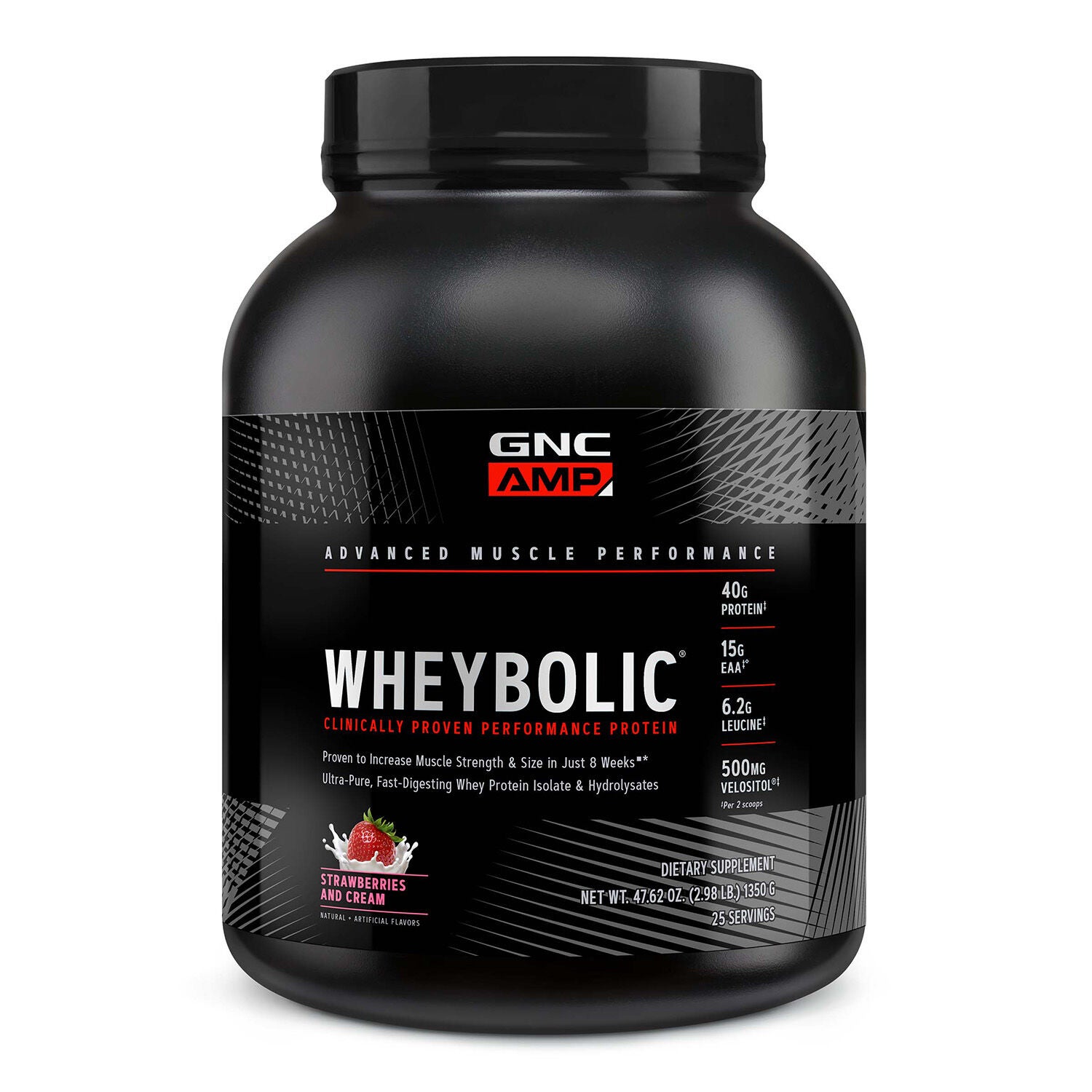
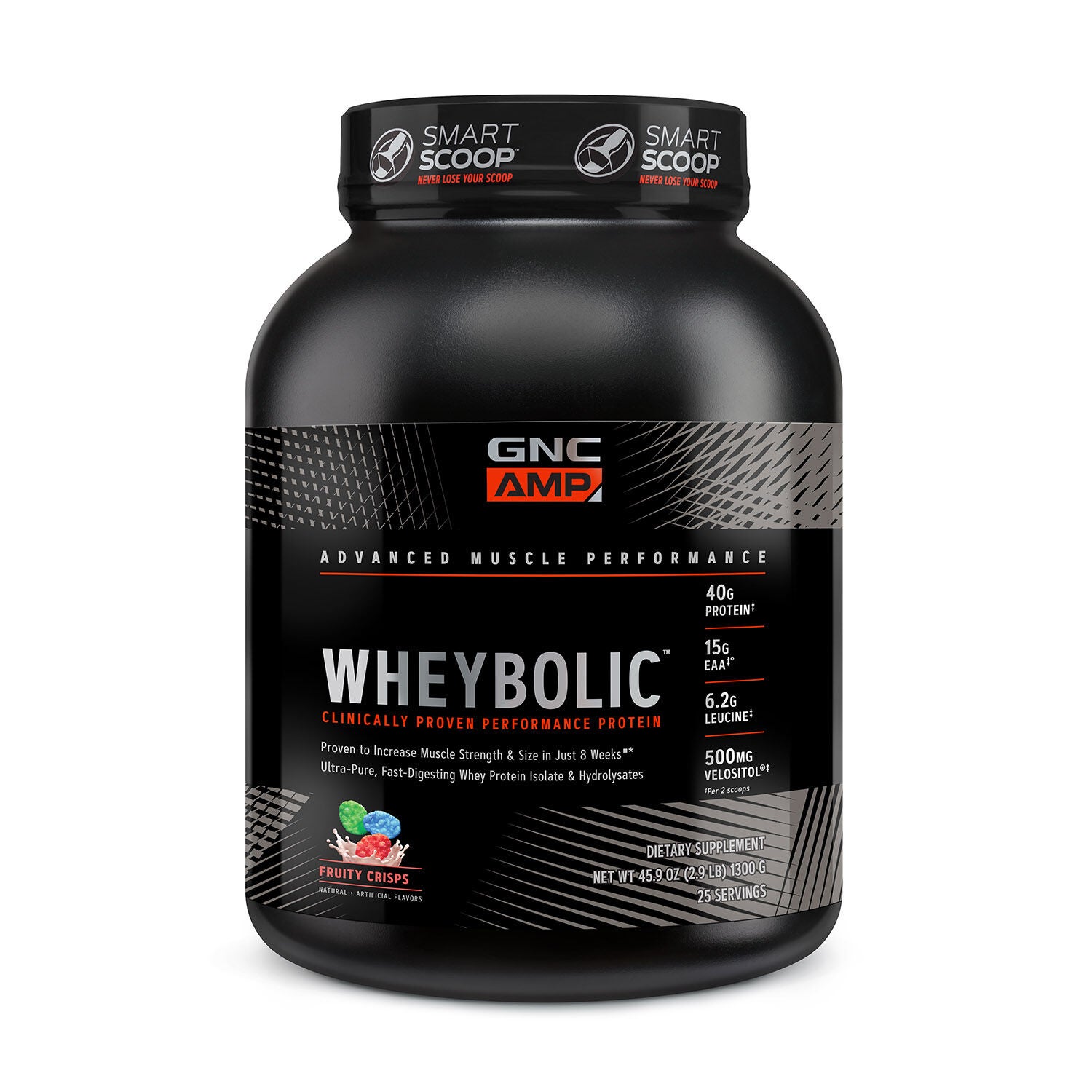
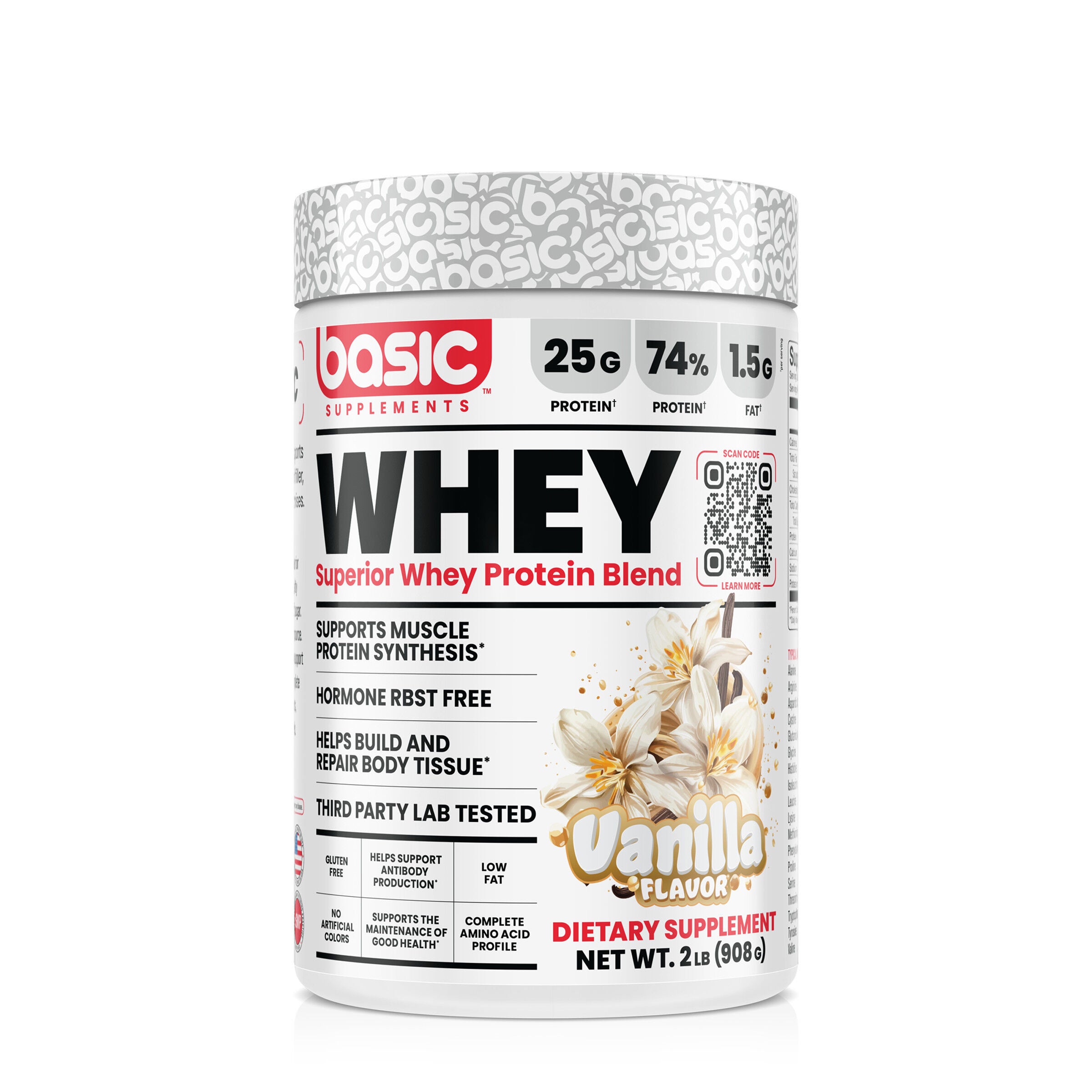
Muscle supplements for beginners commonly center on protein powder and creatine monohydrate, two categories with different intended uses. Protein powder may help supplement dietary protein and support muscle growth alongside consistent resistance training, while creatine monohydrate may support performance during repeated, short bursts of high-intensity exercise. Neither is a substitute for balanced meals, regular training, or adequate sleep, and neither belongs on every beginner’s shopping list by default. The most relevant choice depends on what someone eats, how they train, and which format fits their everyday routine. For an adult beginning a strength-training program, protein powder may be a convenient option when a regular meal is not practical, such as between an early workout and the commute to work. Someone whose meals already include ample protein may have a different reason for browsing than someone whose breakfast is usually coffee and toast. Within the protein category, ingredient sources offer a useful starting point for comparison. Whey and casein come from milk, while plant-based powders may contain soy, pea, rice, or a combination of sources. Whey concentrate and whey isolate are distinct forms with different compositions, so the nutrition panel and ingredient list matter more than the word “whey” alone. Protein grams per serving, serving size, milk ingredients, sweeteners, and added ingredients all shape how a powder fits a person’s preferences. A closer look at Protein Powders For Beginners offers a focused way to explore this part of a beginner’s routine. Flavor and preparation matter, too: a powder intended for a simple shaker bottle has a different practical role from one chosen for a blender with fruit, oats, and milk. Vanilla, chocolate, and unflavored options offer different mixing possibilities, while texture may vary with the protein source and the liquid used. The useful comparison is not simply which container has the largest scoop, but what each labeled serving contains and how it fits alongside ordinary meals.
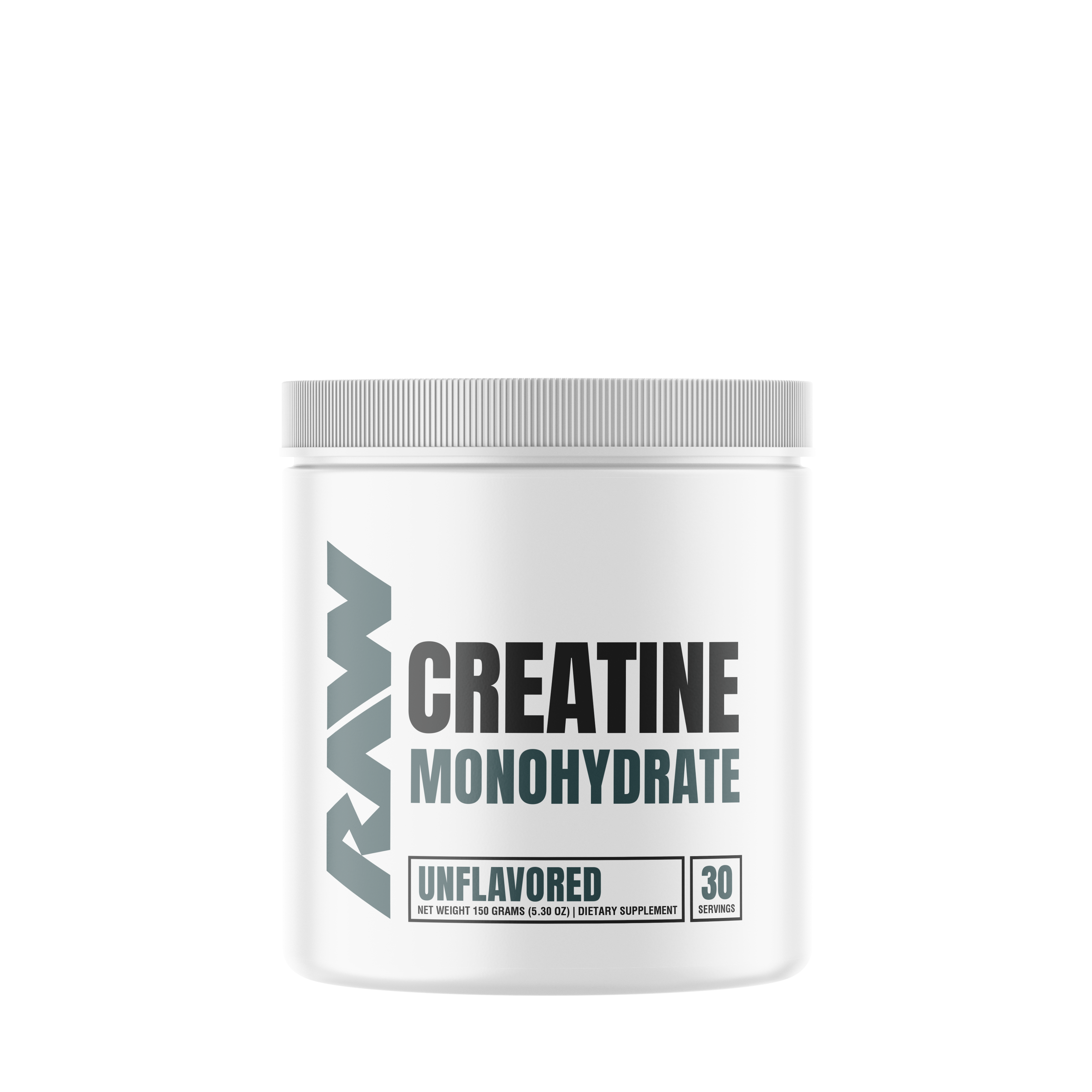
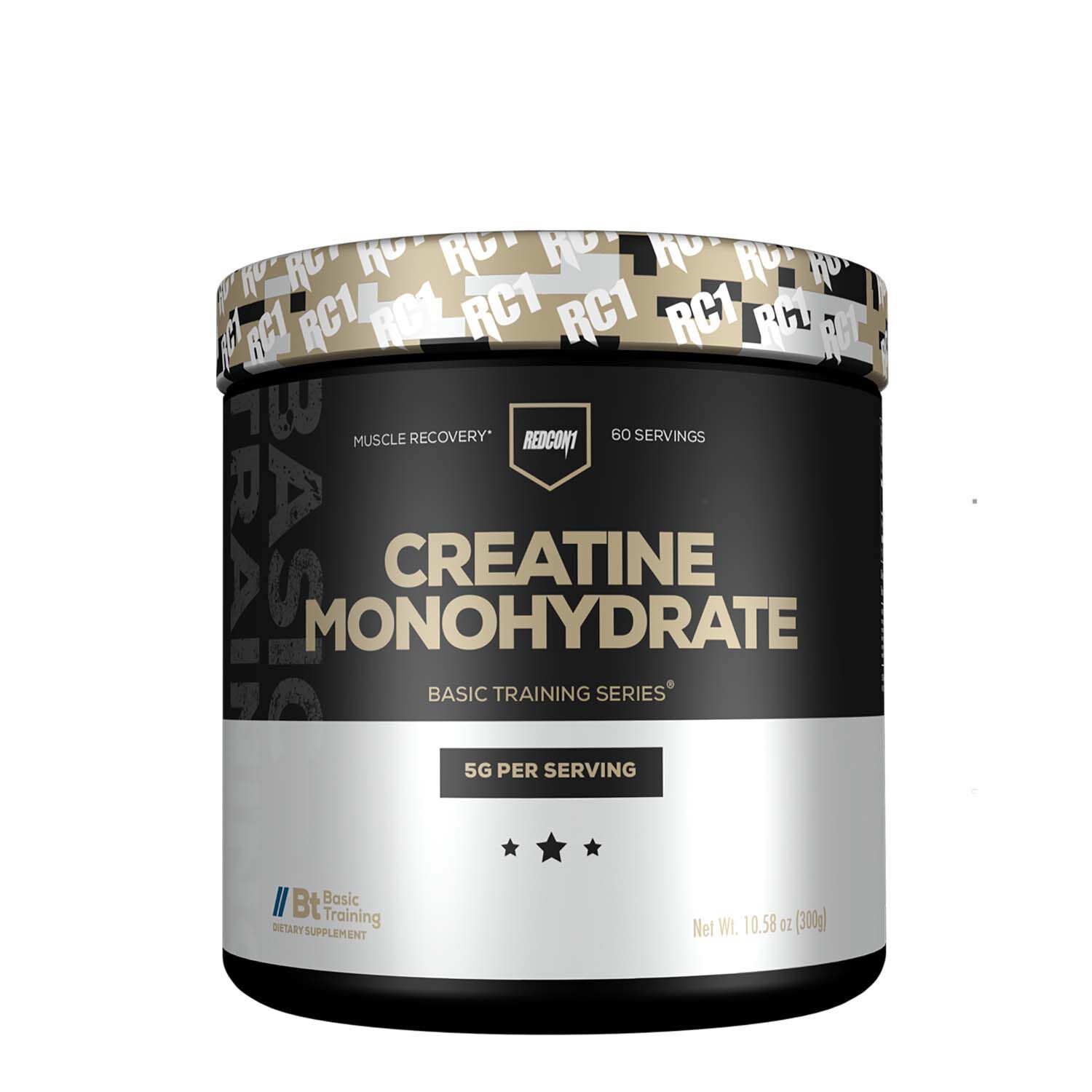
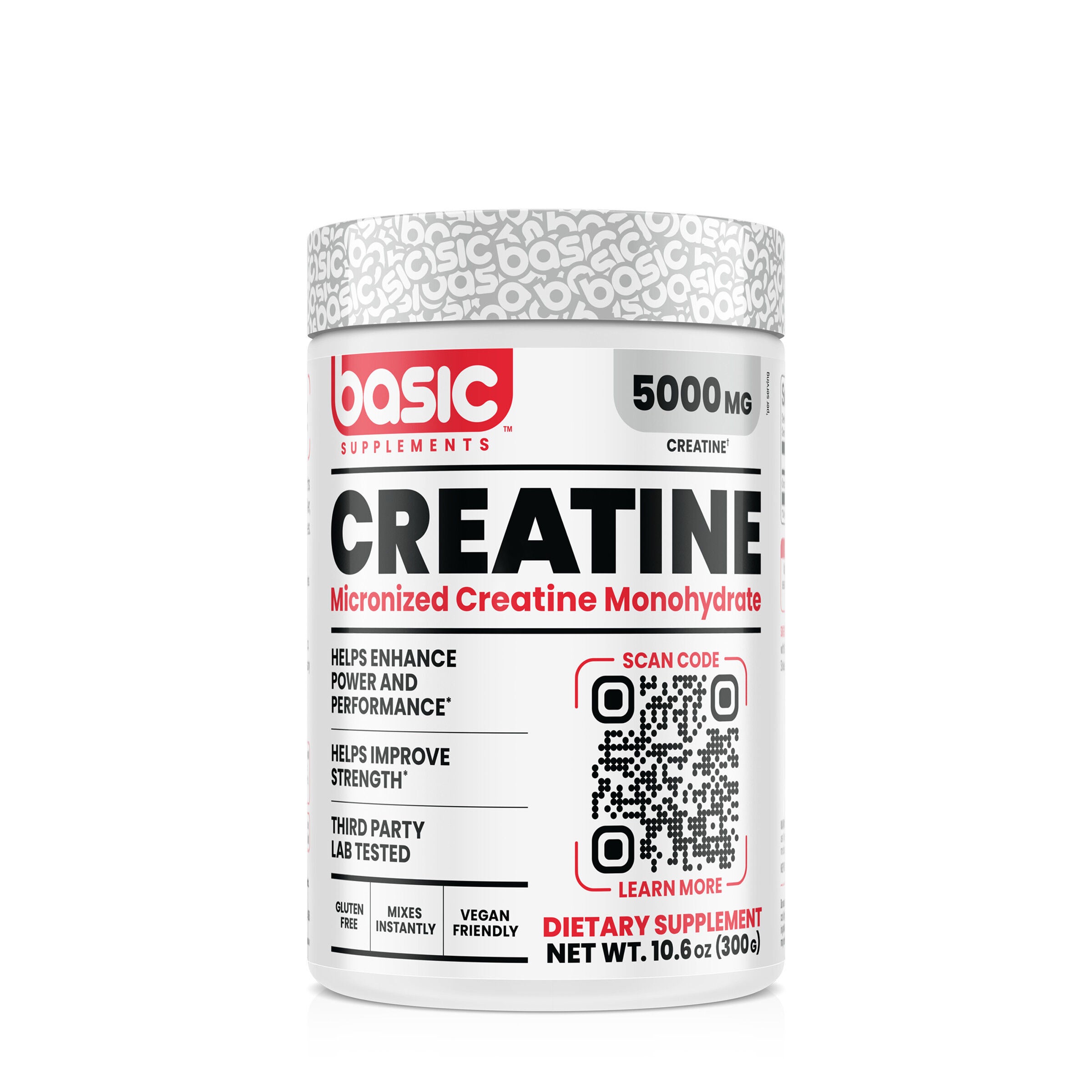
Creatine monohydrate occupies a different place among beginner muscle supplements because it is not a protein source and does not serve the same purpose as a protein shake. It may support strength and exercise performance when paired with repeated resistance training, but it should not be framed as a shortcut to a particular physique or a replacement for practicing good lifting technique. For beginners, the distinction between a straightforward creatine formula and a blend with several added ingredients is worth understanding. A single-ingredient powder has a shorter ingredient list, while a flavored blend may include sweeteners, flavorings, and other components that deserve their own consideration. Powder and capsule formats also create different everyday experiences. Powder involves measuring and mixing; capsules involve checking how many capsules make up the labeled serving. The amount listed per serving is more informative than the apparent size of a scoop or capsule, and serving directions vary by formulation. Creatine powders may be unflavored or flavored, which matters when choosing between a separate drink and preparation alongside another part of a routine. An unflavored label does not necessarily describe the texture of the finished drink, and powders differ in how they disperse. The mixing directions offer context for the amount of liquid and preparation method intended for that formula. Protein and creatine can appear in the same blend, but their amounts remain separate label details; the presence of both does not make every blend equivalent. A beginner comparing these categories may prefer the flexibility of separate formulas or the preparation format of a combined powder. Neither format alone establishes suitability. Clear ingredient information, readable serving directions, and a practical match with existing habits are more useful points of comparison than elaborate names or a long list of ingredients. A container kept beside a breakfast shaker has a different place in daily life from capsules packed for a workday, even when both formats belong to the same supplement category.
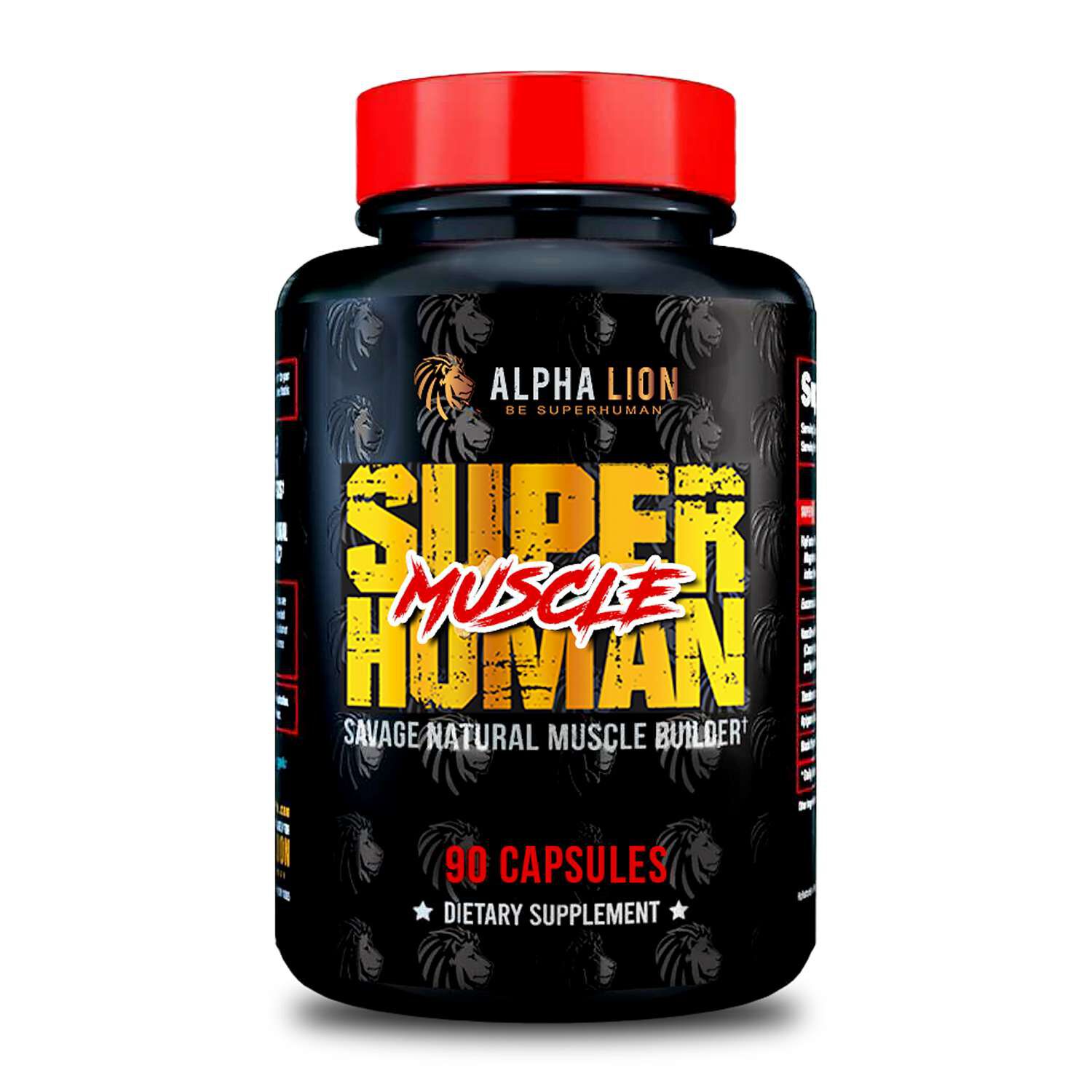
The broader selection of muscle supplements for beginners can include ready-to-drink protein beverages, powdered blends, and formulas containing amino acids or additional workout ingredients. A longer ingredient list is not, by itself, a reason to choose one formula over another. Each category has its own composition and intended use, and a clear purpose is especially valuable for someone still getting comfortable with a training schedule. A ready-to-drink beverage involves no scoop or shaker, while a powder allows preparation with different liquids according to its directions. Packaging size, resealability, portability, and storage requirements can matter just as much as flavor. A large tub belongs comfortably in a home kitchen, whereas individually packaged portions involve less measuring when packed in a gym bag. Storage and handling deserve attention because these are consumable products, not equipment that can simply be left in a locker indefinitely. Label instructions provide the relevant storage conditions, and a dry scoop, securely closed lid, and clean mixing container are practical considerations for powders. Prepared drinks and opened beverages may have different storage requirements from unopened powder, so those directions should not be treated as interchangeable. Dietary preferences are another part of product fit: milk, soy, and other declared allergens, along with animal-derived ingredients and sweetener choices, may influence which formulas someone considers. For flavored workout blends, caffeine content is a separate comparison point rather than a measure of protein or creatine content. Everyday preparation also affects the experience. A narrow shaker opening, an awkward scoop handle, or a flavor that dominates every smoothie may matter more over repeated use than an elaborate package design. For adults taking their first steps into strength training, the most relevant muscle supplements are those with a clear role, understandable labels, and a format that fits ordinary life. Protein powder and creatine monohydrate provide distinct starting points for that comparison, with meals, training practice, and rest remaining the foundation of the routine.
- Q: What are muscle supplements and how do they support beginners?
A: Muscle supplements are products designed to help support muscle growth, recovery, and overall performance. For beginners, these supplements can provide important nutrients like protein, amino acids, and creatine that may be harder to get through diet alone, helping to fuel workouts and promote progress. - Q: Which types of muscle supplements are most popular for those new to fitness?
A: Popular muscle supplements for beginners include protein powders, branched-chain amino acids (BCAAs), creatine monohydrate, and pre-workout formulas. These options are widely used because they are easy to incorporate into a daily routine and support foundational fitness goals. - Q: How should a beginner choose the right muscle supplement?
A: Beginners should consider their fitness goals, dietary preferences, and any potential allergies when choosing a muscle supplement. It's helpful to start with basic options like whey protein or plant-based protein powders and gradually explore other supplements as needed. - Q: Can muscle supplements be combined with a regular workout routine?
A: Yes, muscle supplements are often used alongside regular exercise routines. They can help provide the nutrients needed for energy, endurance, and recovery, making it easier for beginners to stick with their fitness plans and see results over time. - Q: Are there plant-based or vegan-friendly options for muscle supplements?
A: Absolutely! Many brands offer plant-based or vegan-friendly muscle supplements such as pea protein, brown rice protein, and vegan BCAA blends. These options cater to individuals who prefer to avoid animal-derived ingredients while still supporting their fitness journey.