Protein Powders For Beginners
(0 Results)
Exploring protein powders can be an exciting first step on your fitness journey, offering a convenient way to support your nutritional goals. Whether you're looking to build muscle, recover faster after workouts, or simply supplement your daily protein intake, these versatile powders could be a great addition to your routine. With a variety of flavors and formulations available, finding a protein powder that aligns with your dietary preferences and lifestyle might be easier than you think. Perfect for smoothies, shakes, or even baking, protein powders provide flexibility for incorporating more protein into your diet in a delicious way.
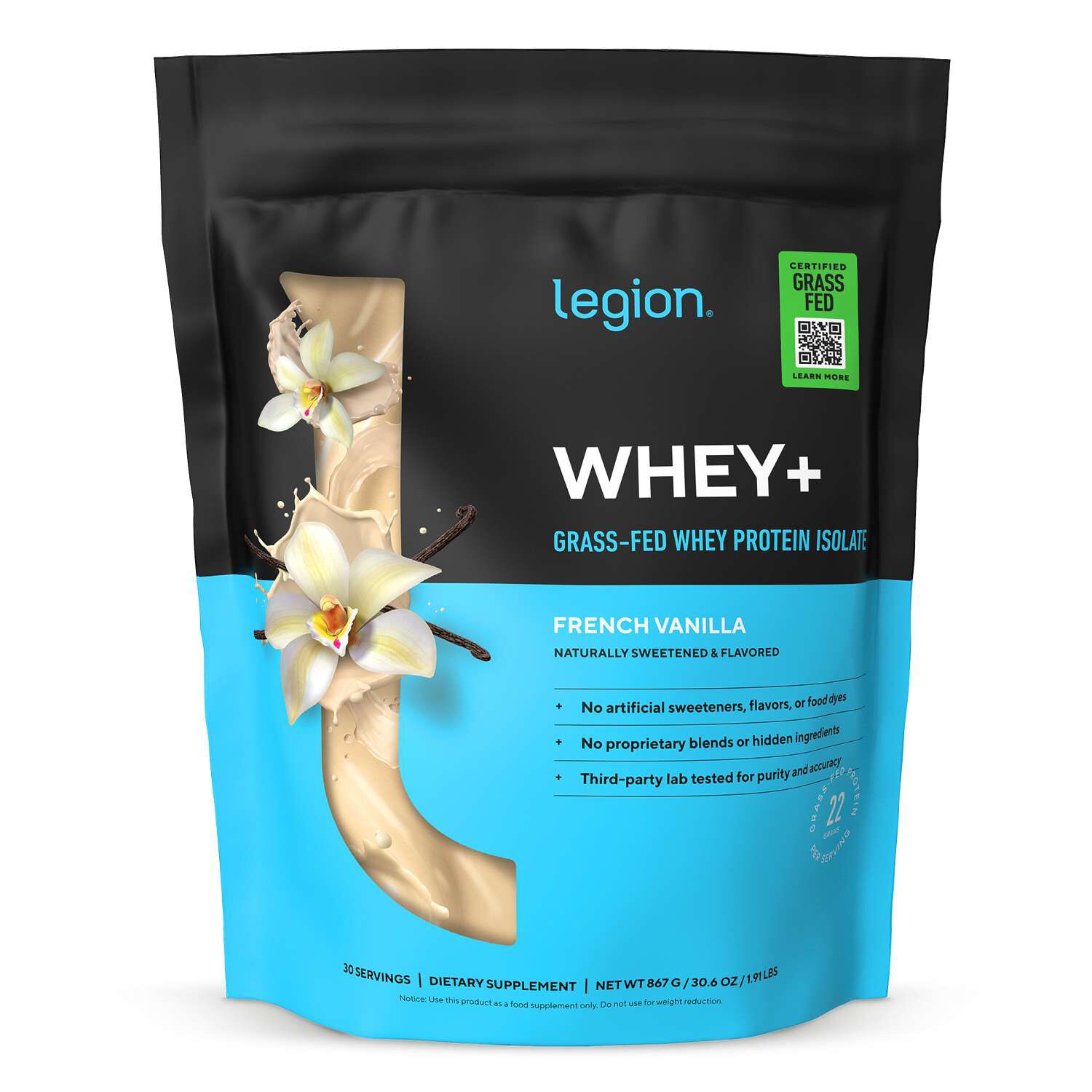
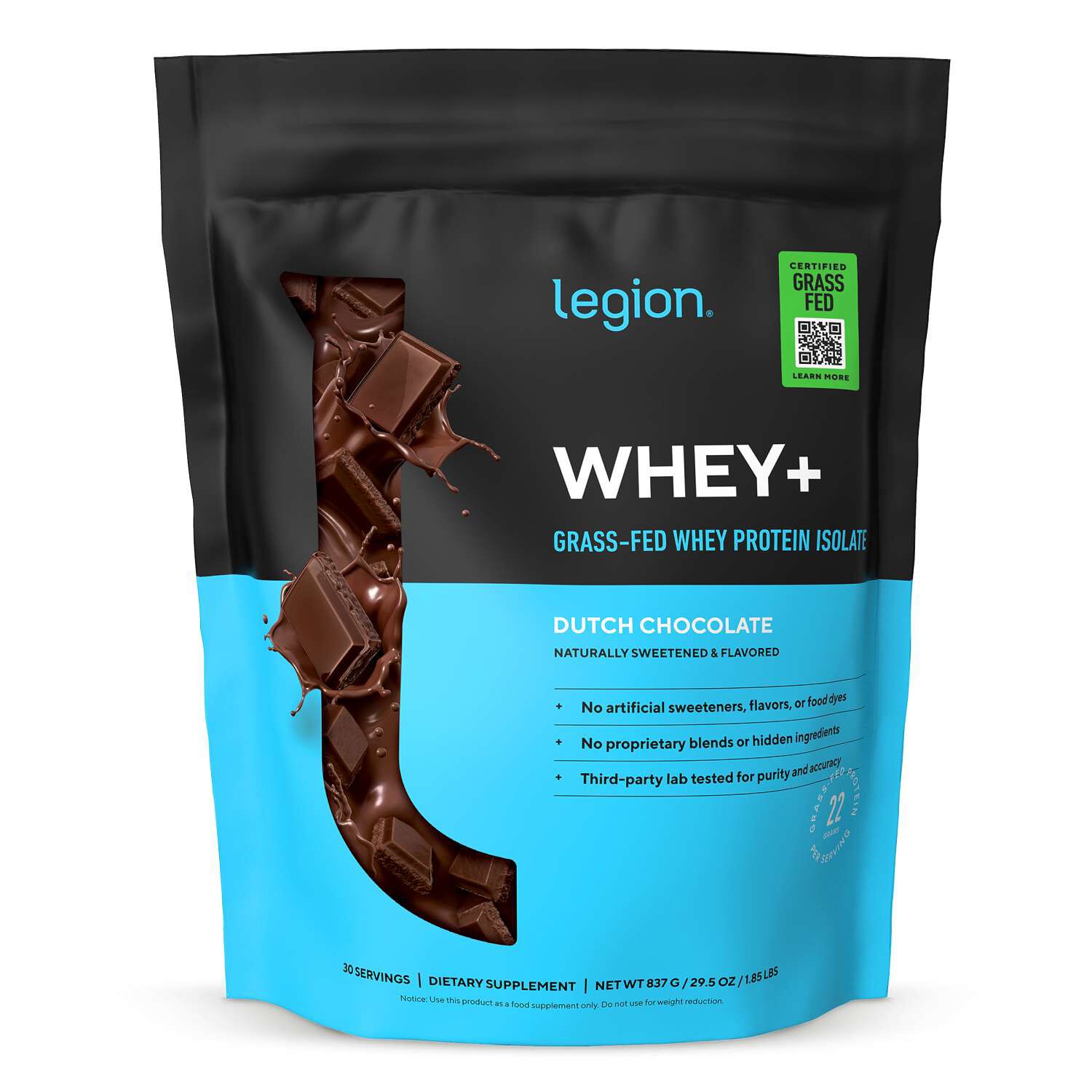
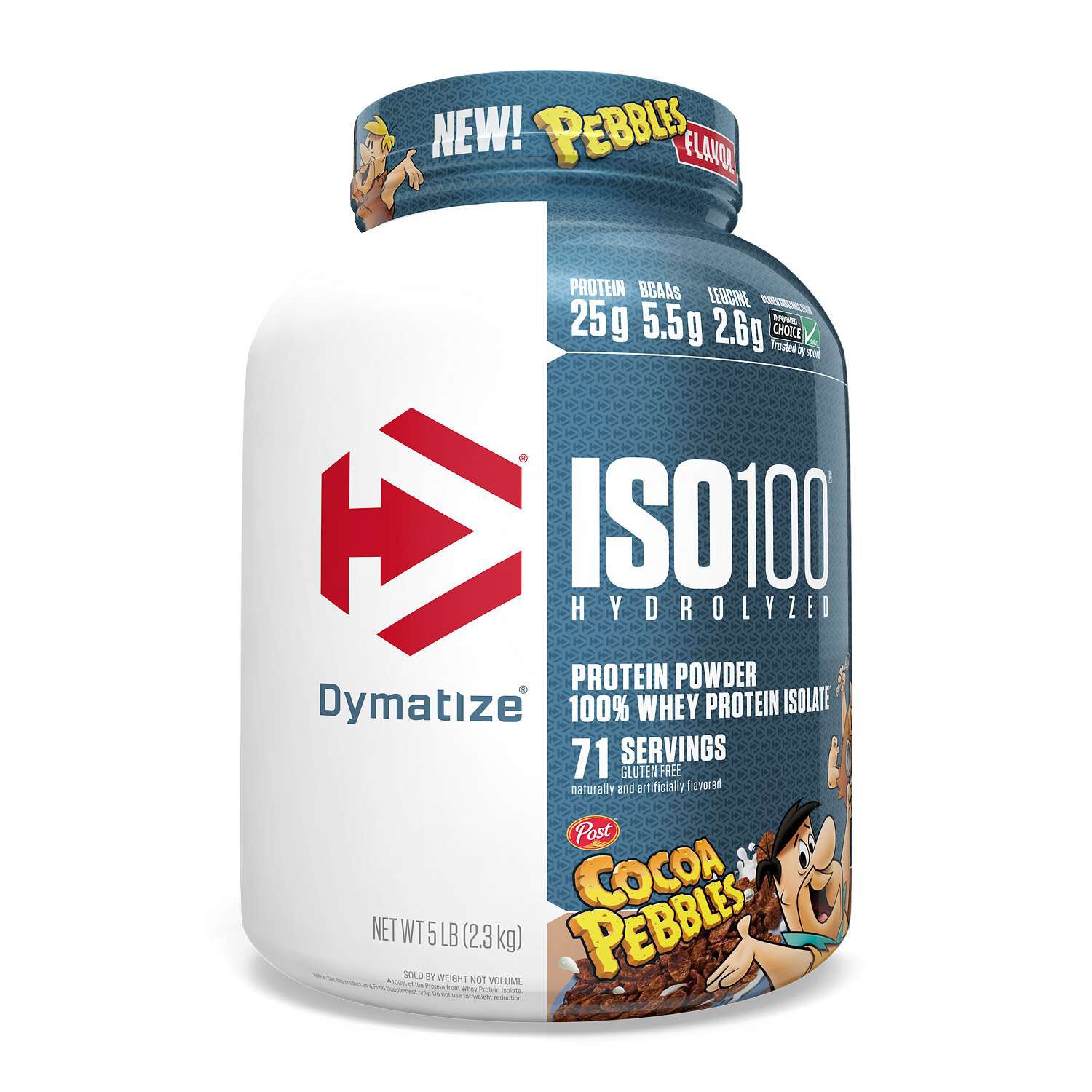

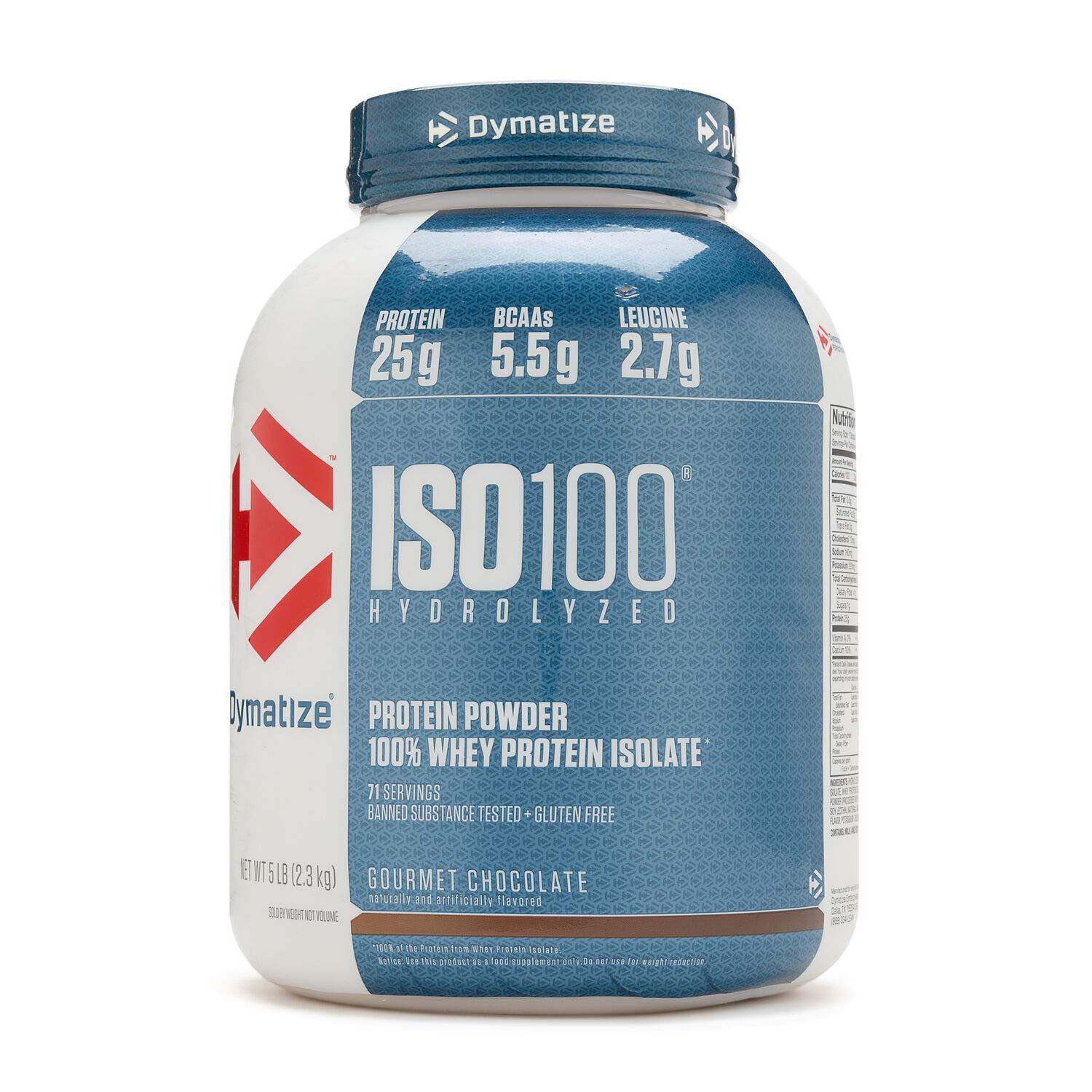

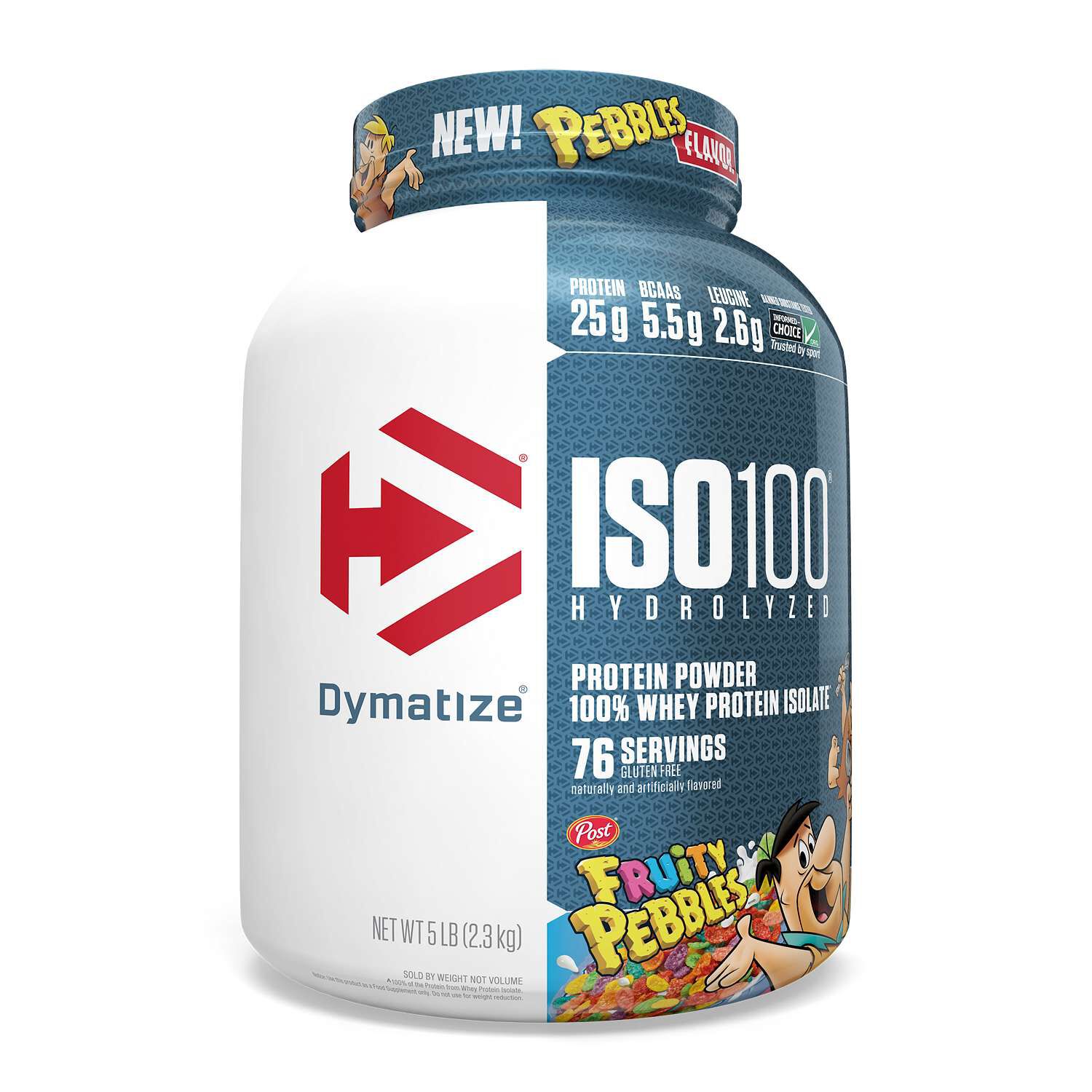


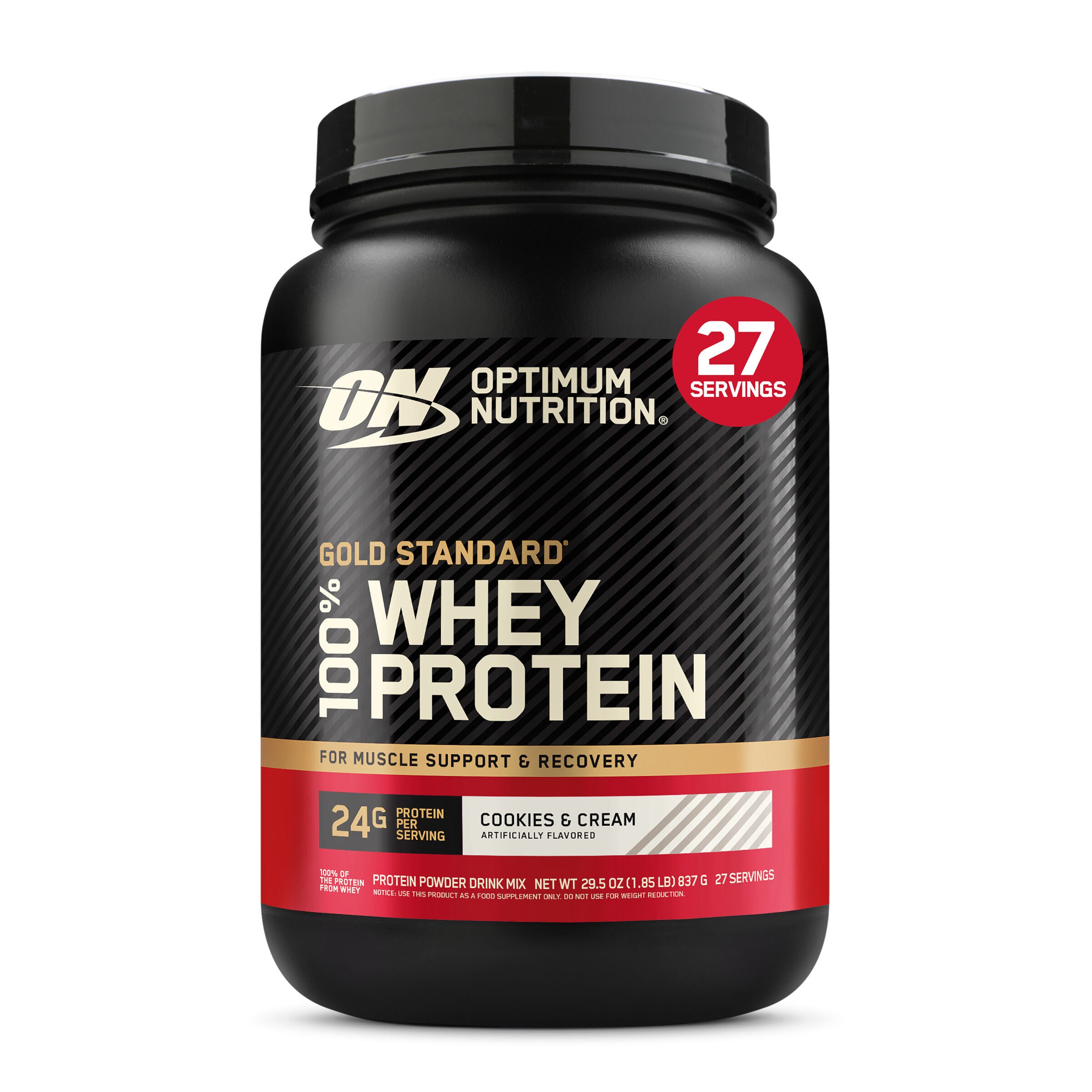

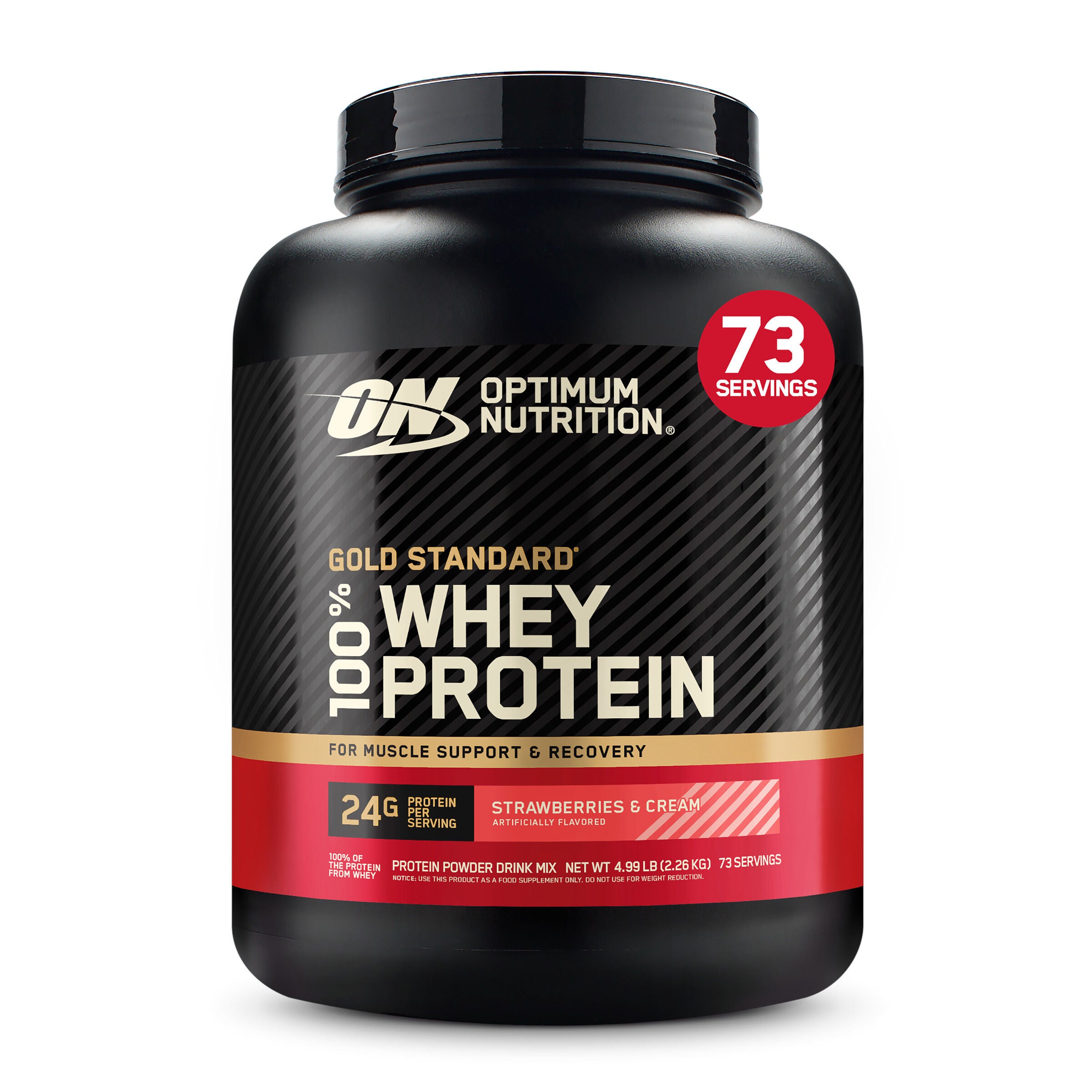


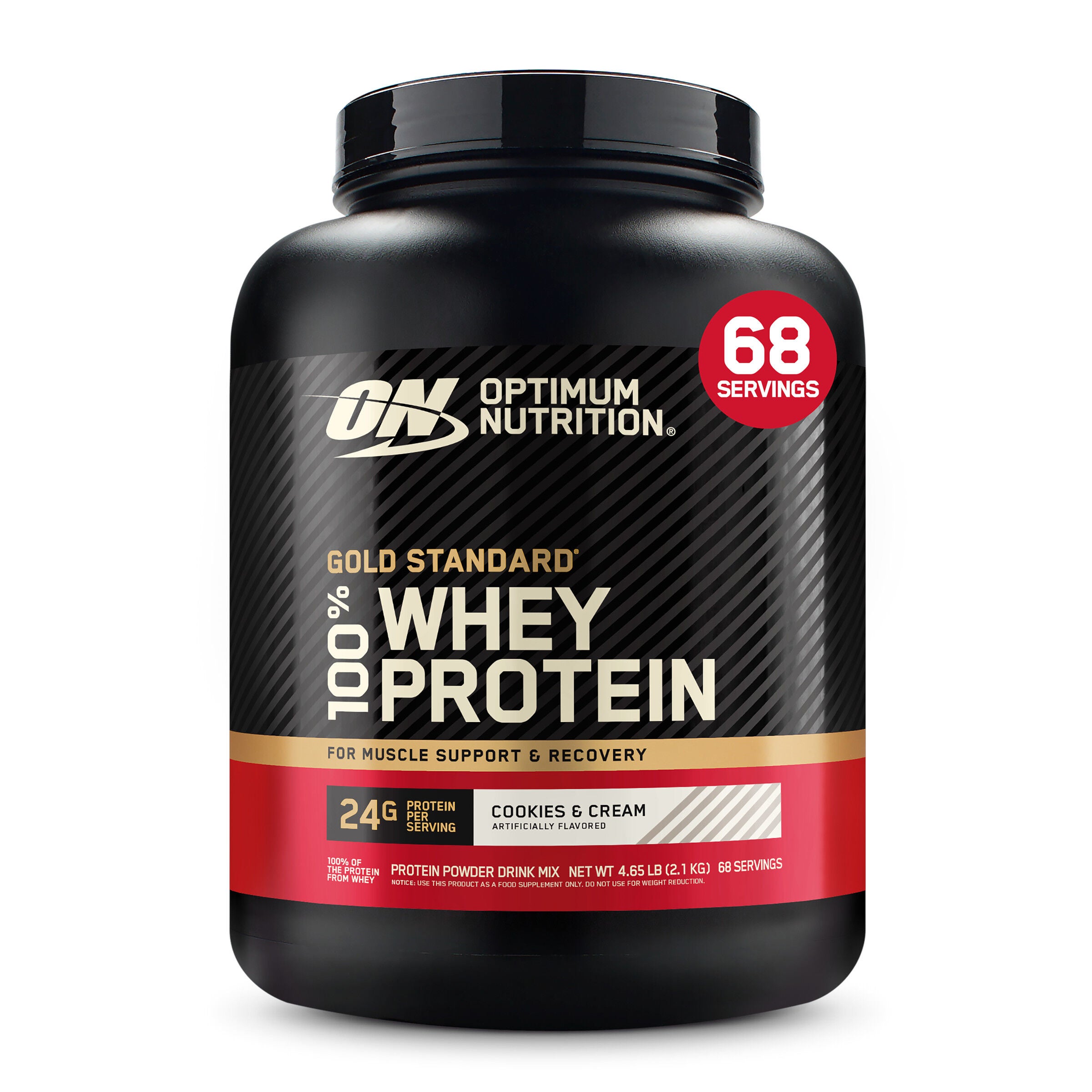


Protein powders for beginners are concentrated sources of dietary protein designed to mix into drinks or foods, offering a practical option for adults who want another way to include protein in everyday eating. The main differences are the protein source, grams of protein per serving, ingredient list, flavor, and texture. Whey concentrate, whey isolate, casein, and plant-based powders each have characteristics worth comparing before choosing a first container. Whey concentrate comes from milk and typically contains some lactose and fat, with a creamy texture that works well in familiar flavors such as chocolate and vanilla. Whey isolate undergoes additional filtration and generally contains less lactose and fat than concentrate, although it remains a milk-derived ingredient. The exact amounts depend on the formula, so the package matters more than broad descriptions. Casein also comes from milk and often produces a thicker mixture, making texture an important consideration for anyone who prefers a light drink over a spoonable shake. Plant-based protein powders use ingredients such as pea, rice, soy, or combinations of plant sources. A blend brings together protein from different ingredients, while a single-source powder keeps the main protein ingredient straightforward. Neither format is automatically the right starting point for everyone. Someone blending a shake with oats and a banana may enjoy a thicker powder, while someone carrying a shaker to an afternoon workout may prefer a formula that mixes readily with water. Many powders provide around 20 to 25 grams of protein per serving, but serving sizes vary, and a serving is not always one scoop. Comparing the labeled serving weight alongside the protein amount gives a clearer picture than comparing scoop size alone. For a first purchase, a familiar flavor, a suitable protein source, and directions that fit the intended use are sensible starting points. Protein powder may help supplement protein intake alongside varied meals; it is not a substitute for the range of foods that make up everyday eating.
Reading the label closely makes comparisons between beginner protein powders more meaningful. Start with the protein source and the ingredient list, then compare protein per serving, added sugars, fat, carbohydrate content, and the preparation directions. A short ingredient list can be easier to navigate, but length alone does not establish quality. Cocoa contributes chocolate flavor, lecithin is commonly included for mixing, and gums can change the thickness of a prepared shake. Sweeteners also shape the experience: some powders taste closer to a dessert drink, while others leave more room for the flavor of coffee, fruit, or yogurt. An unflavored powder is not necessarily tasteless; its source may still contribute a milky, earthy, or grain-like note. Milk and soy ingredients deserve particular attention when comparing powders against personal dietary requirements, and allergen statements provide information that a front label may not. A plant-based description does not explain every ingredient or manufacturing detail, so checking the full package is worthwhile. Likewise, whey isolate should not be assumed to contain no lactose simply because it has undergone more filtration. Independent testing information can add another point of comparison. Look for a clearly described testing program and what it evaluates rather than treating a general quality statement as an explanation of the testing performed. For adults participating in organized sports, testing that addresses substances restricted by their sport may be a relevant selection factor. Beyond the label, consider how often the flavor will suit the planned routine. A rich chocolate powder might appeal as a cold shake, but a milder vanilla option may be more versatile in a fruit smoothie or oatmeal. A smaller container can be a practical first choice when taste and texture preferences are still taking shape. Choosing protein powder as a gift calls for the same attention to detail: a known flavor preference, an established dietary pattern, and the recipient’s preferred way of preparing drinks matter more than an adventurous flavor name.
Everyday preparation often determines whether a protein powder fits comfortably into a routine. Follow the package directions for the serving amount and liquid volume, since different formulas behave differently. Water keeps the preparation simple, while milk or a plant-based beverage changes the flavor, texture, and nutritional content of the finished drink. Adding liquid to the shaker before the powder gives the mixture room to move and can reduce dry pockets at the bottom. A shaker with a mixing insert is convenient for a smooth, drinkable formula; a blender is better suited to combinations with frozen fruit, oats, or nut butter. Those additions also change the finished serving, so a powder mixed with water is a different preparation from a large smoothie with several ingredients. For a thicker shake, begin with the package directions and adjust the liquid gradually to suit personal taste. Some powders thicken as they stand, making a freshly mixed drink noticeably different from one left in the refrigerator. Stirring powder into oatmeal or yogurt is another intended use for formulas whose labels allow it, and adding it gradually makes the texture easier to manage. During cooler months, a familiar vanilla or cocoa flavor can also suit a warm breakfast, though high heat may change how the powder blends. Storage and cleanup deserve attention, too. Keep the container closed in a cool, dry place, use a dry scoop, and follow the package’s storage and date information. For days away from home, carrying a measured portion in a clean, dry container keeps preparation separate until a drink is wanted. Wash shakers, lids, and mixing inserts after use, and let each part dry before reassembling. Adults exploring strength-training routines can also browse Muscle Supplements for Beginners for related options. A useful first protein powder is one whose ingredients, flavor, mixing method, and serving directions match the way it will actually be used, whether that means a kitchen-counter smoothie or a simple shake packed for a busy day.