Whey Protein For Beginners
(0 Results)
Exploring whey protein for beginners could be a great way to support your wellness journey and help you reach your fitness goals. Whether you’re just starting to build healthy habits or looking to add extra protein to your daily routine, whey protein options designed for beginners may offer an easy and convenient solution. Discover a variety of choices that could fit seamlessly into your lifestyle and make it simple to prioritize your nutrition every day.

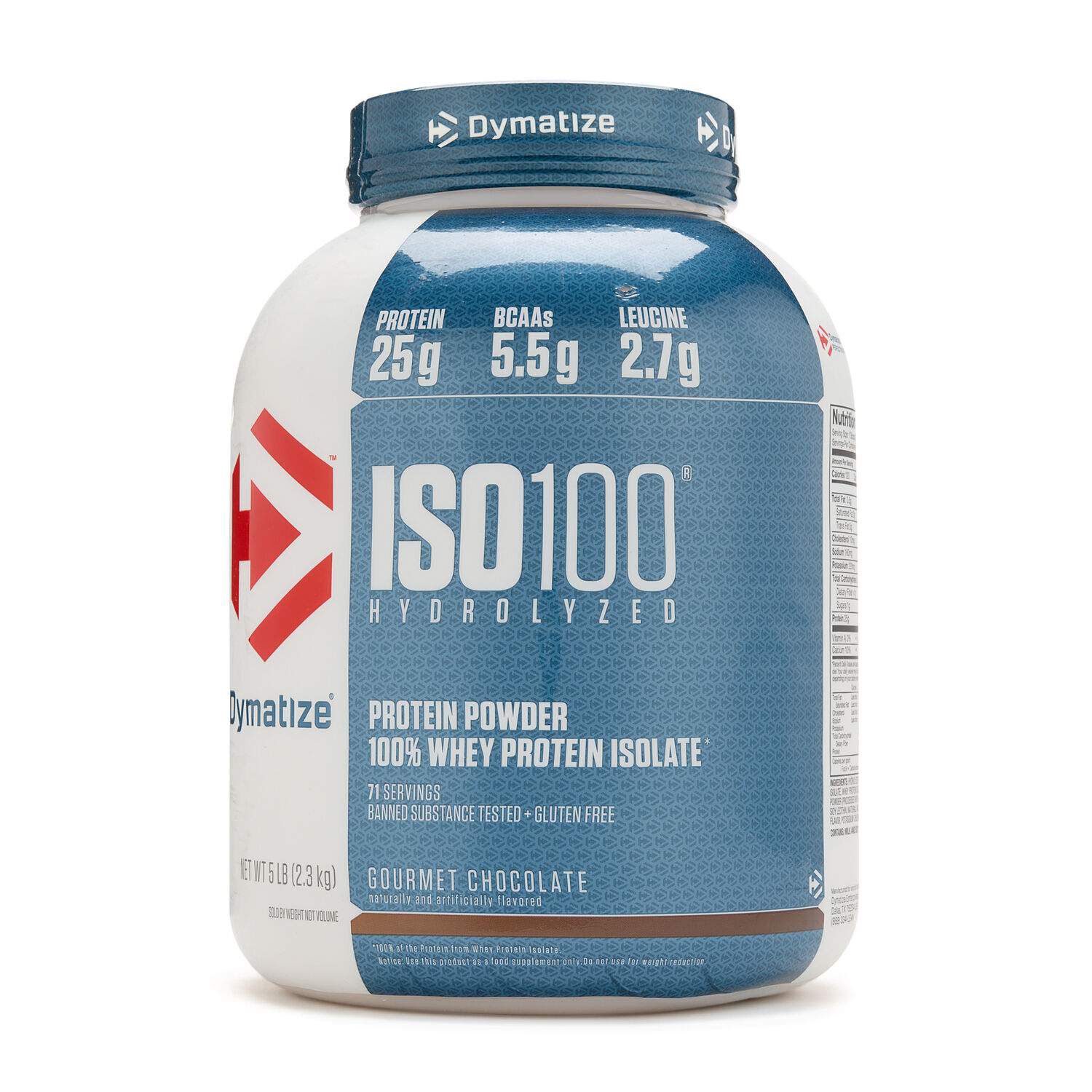

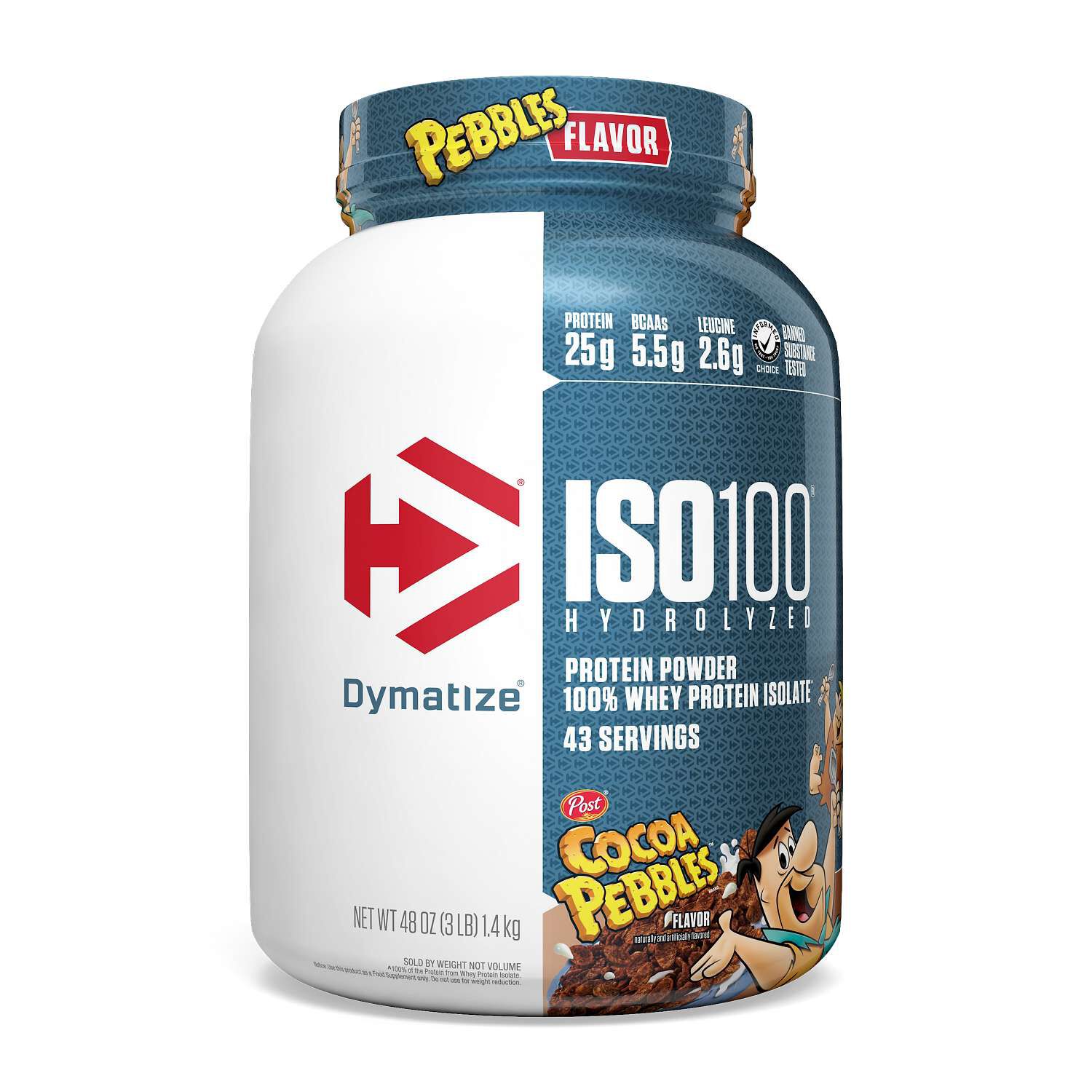
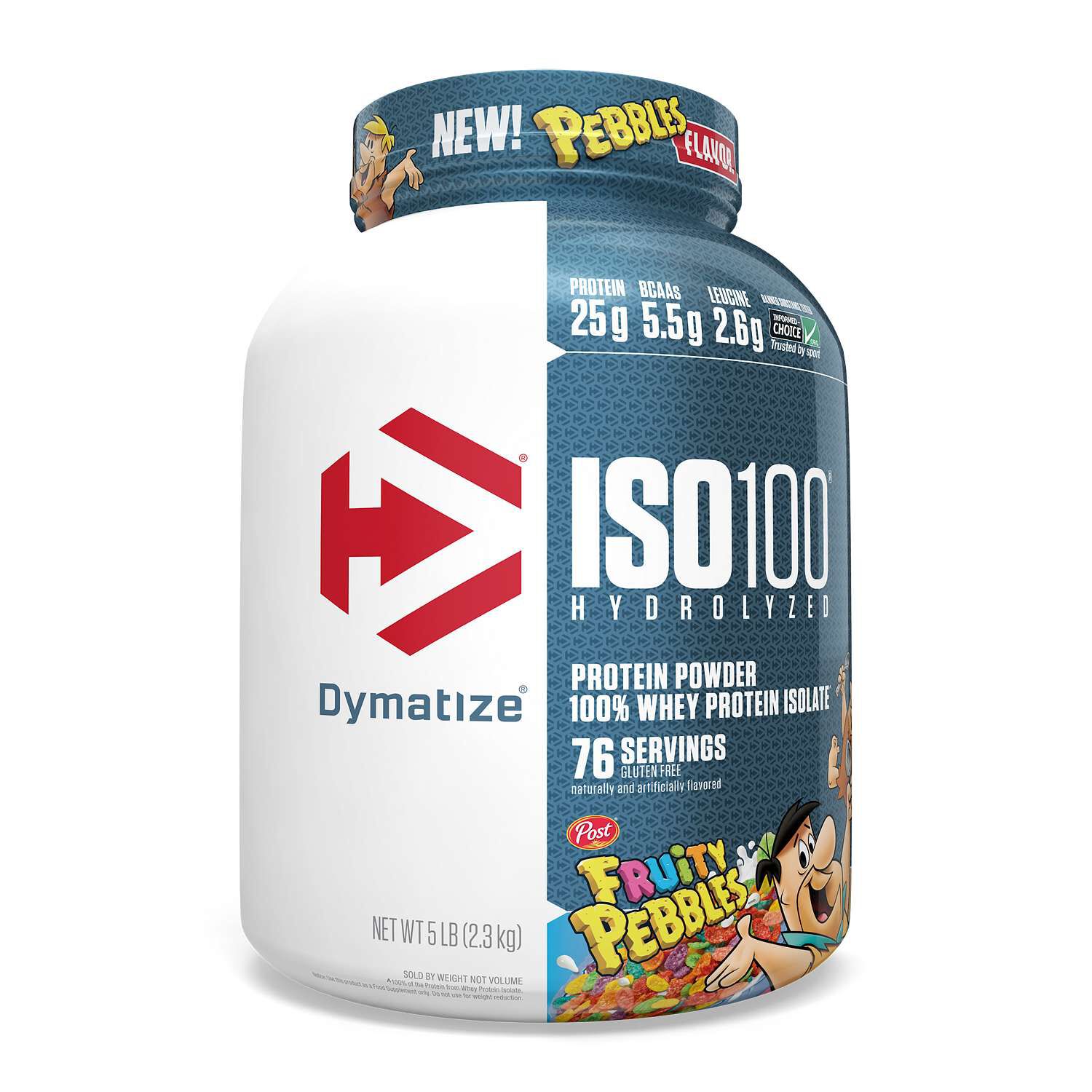


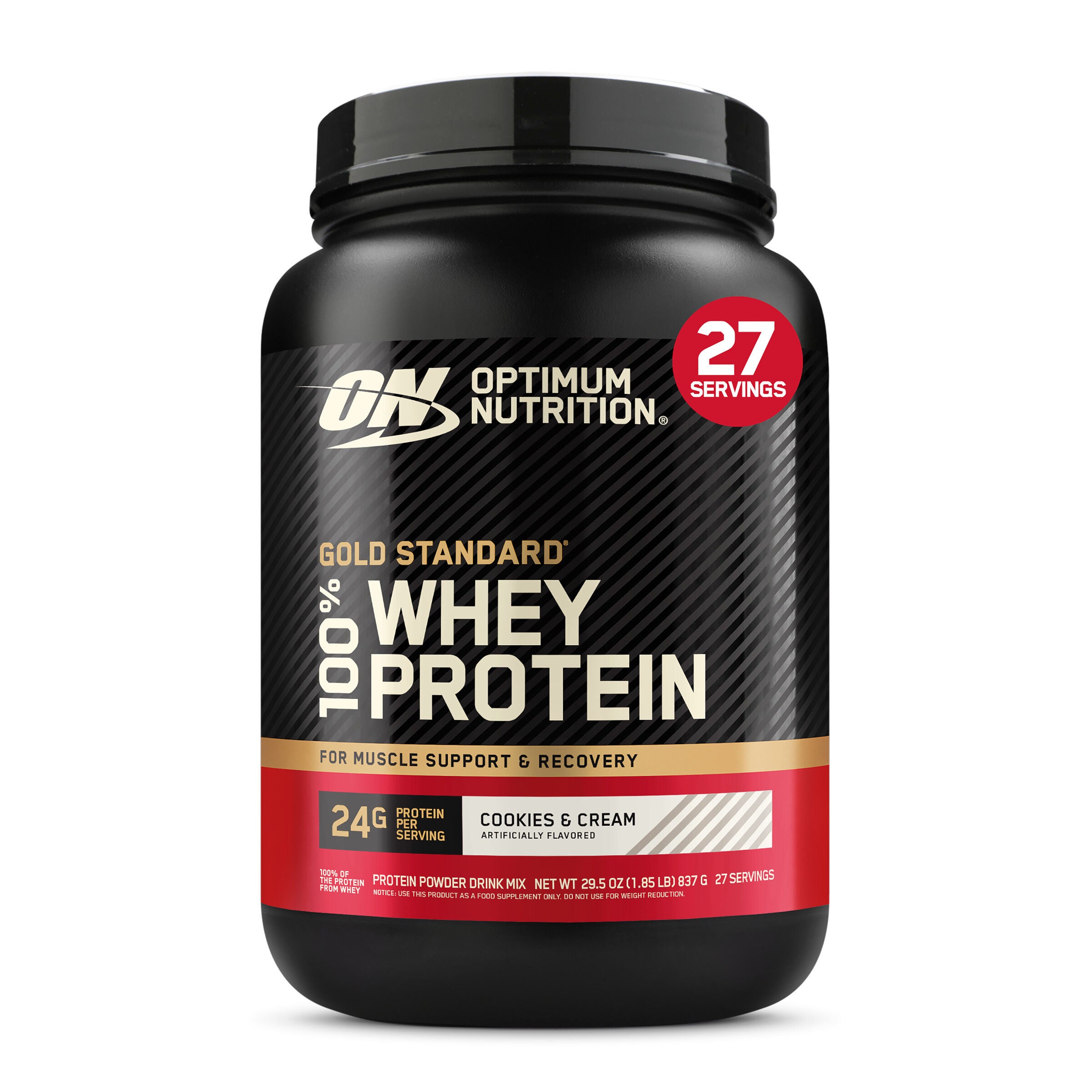


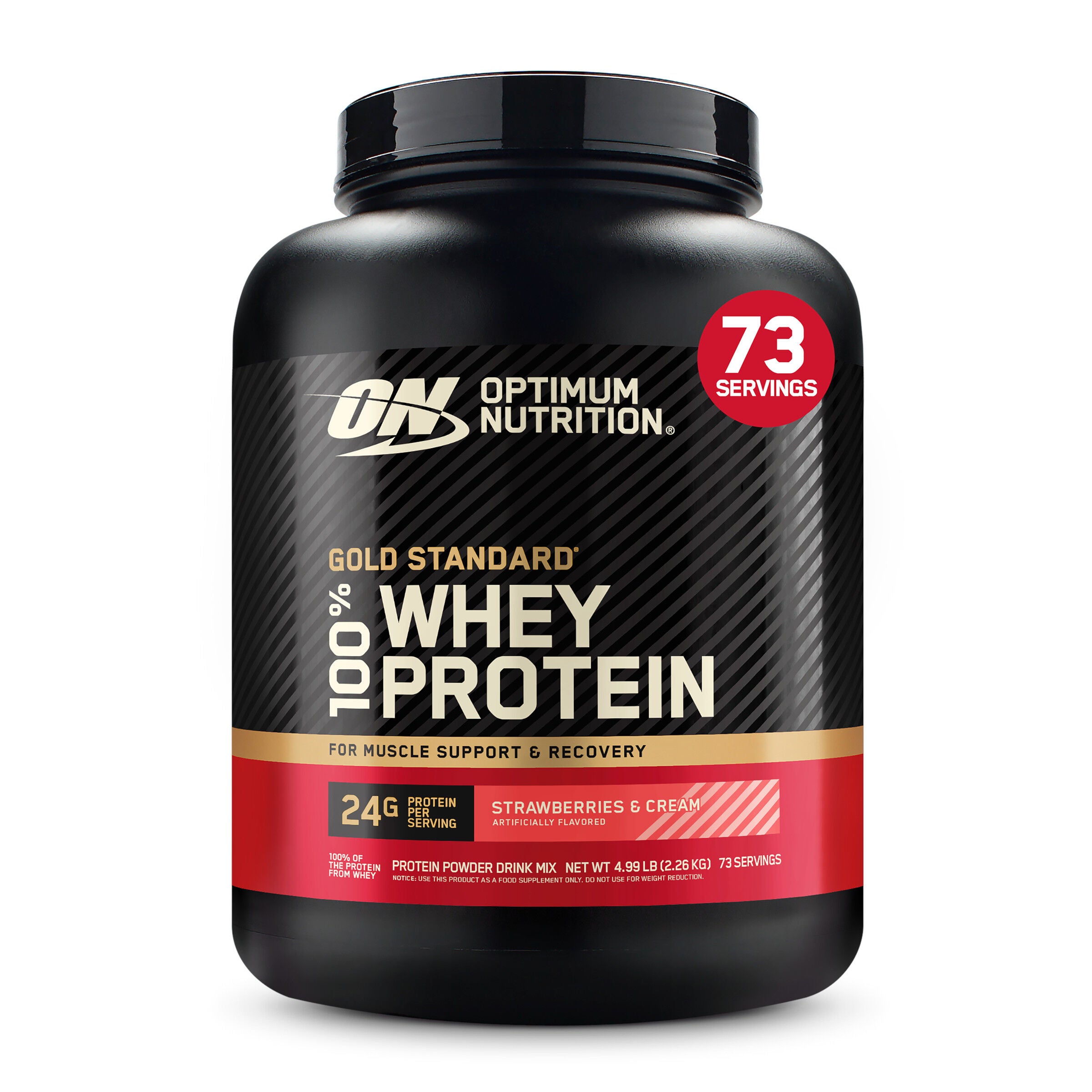


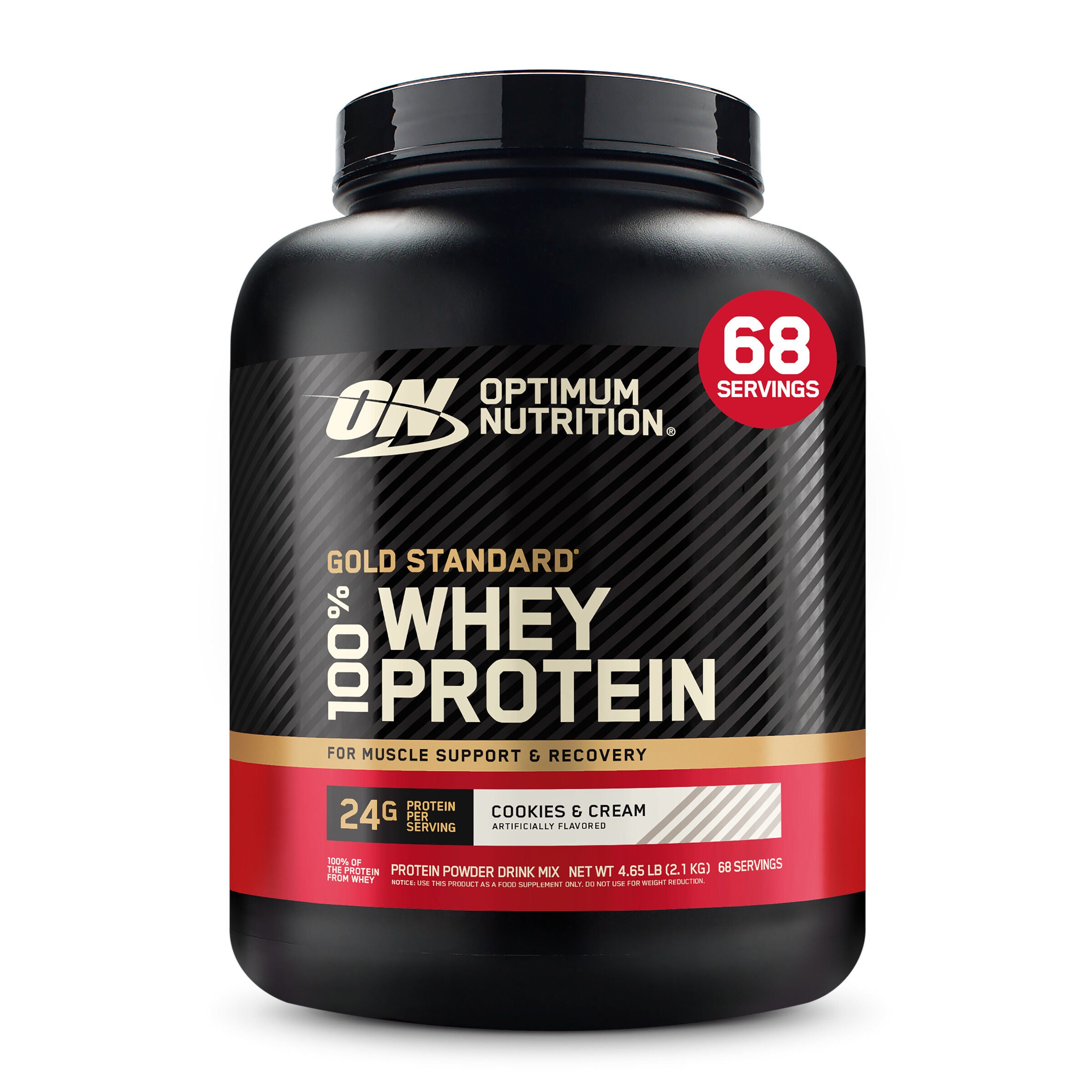


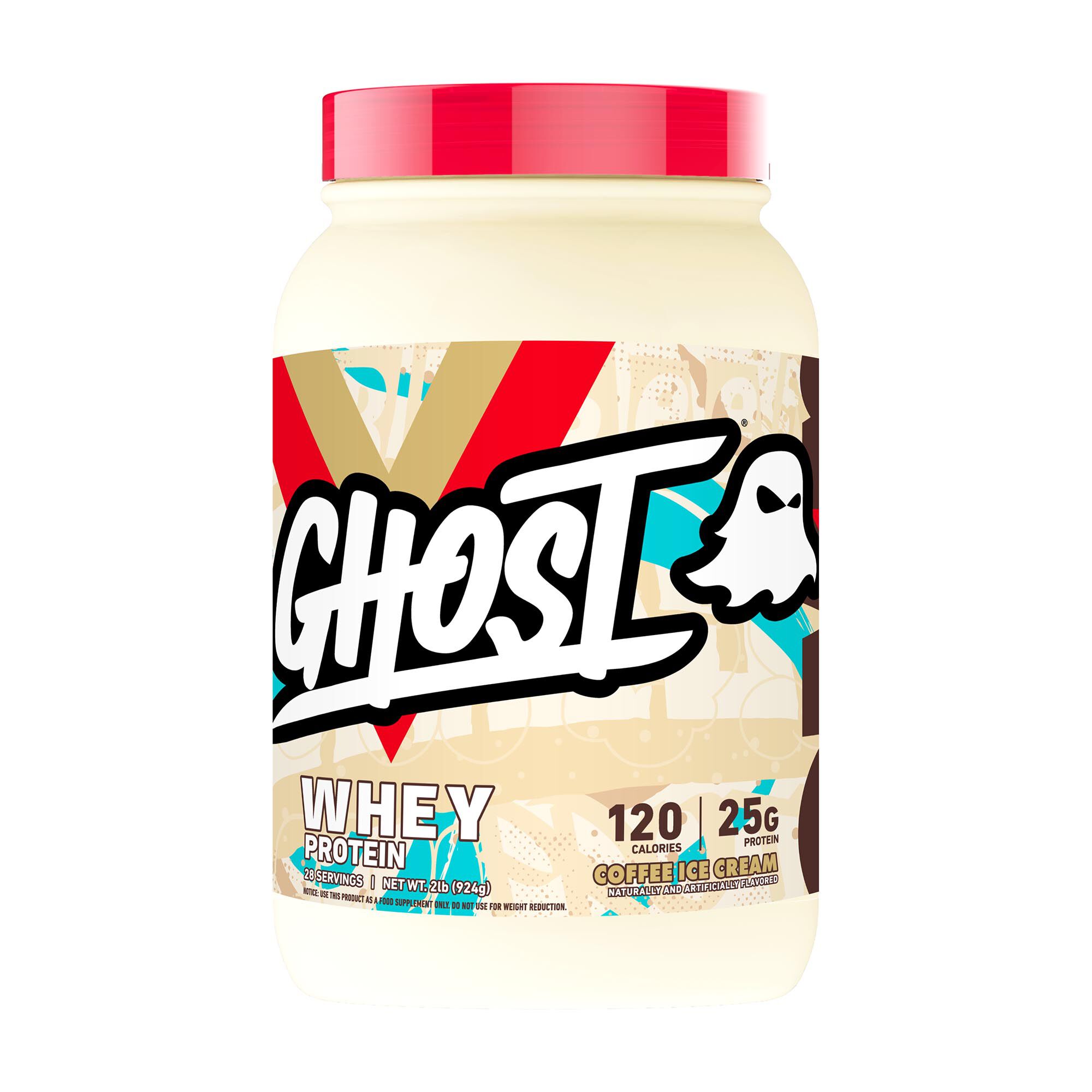


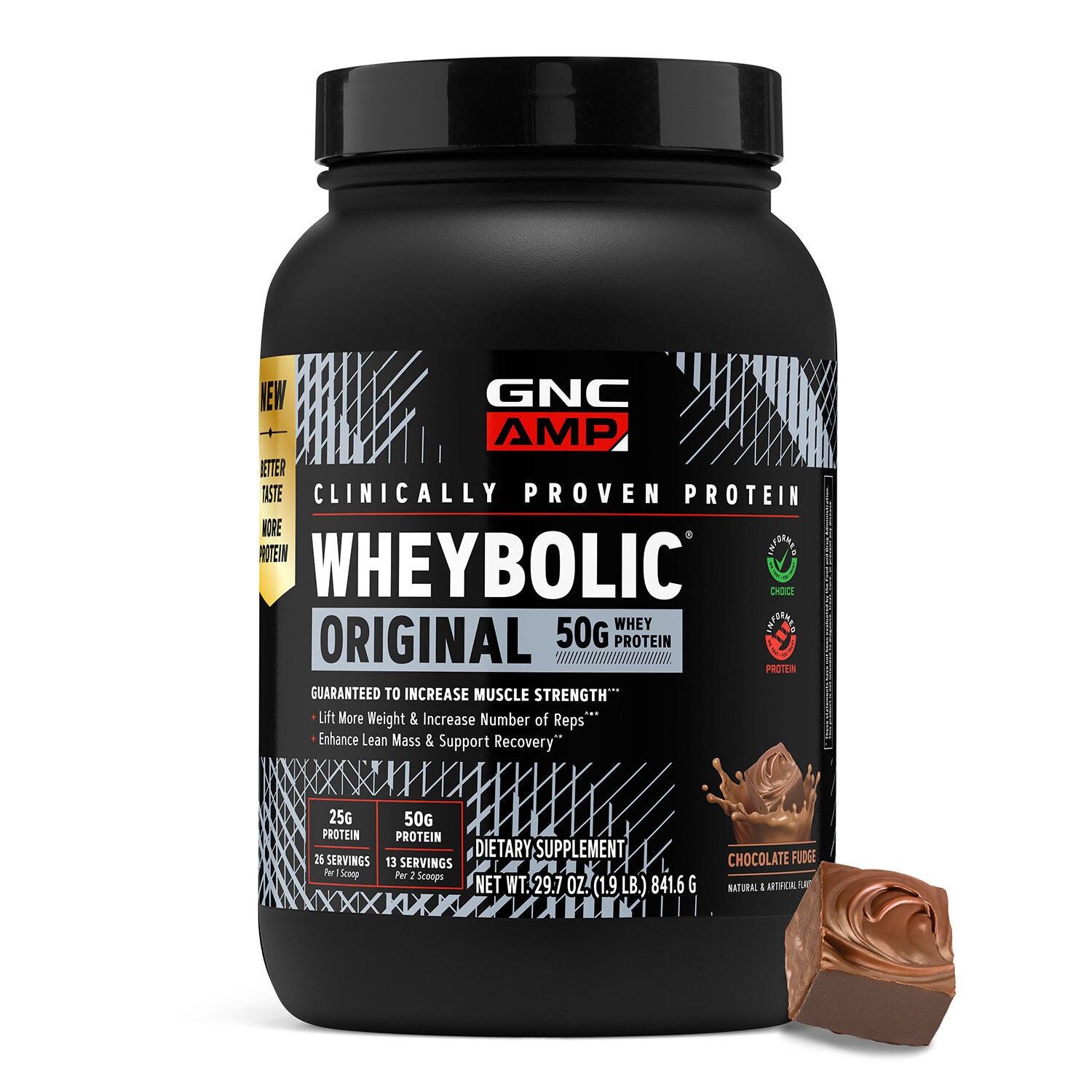
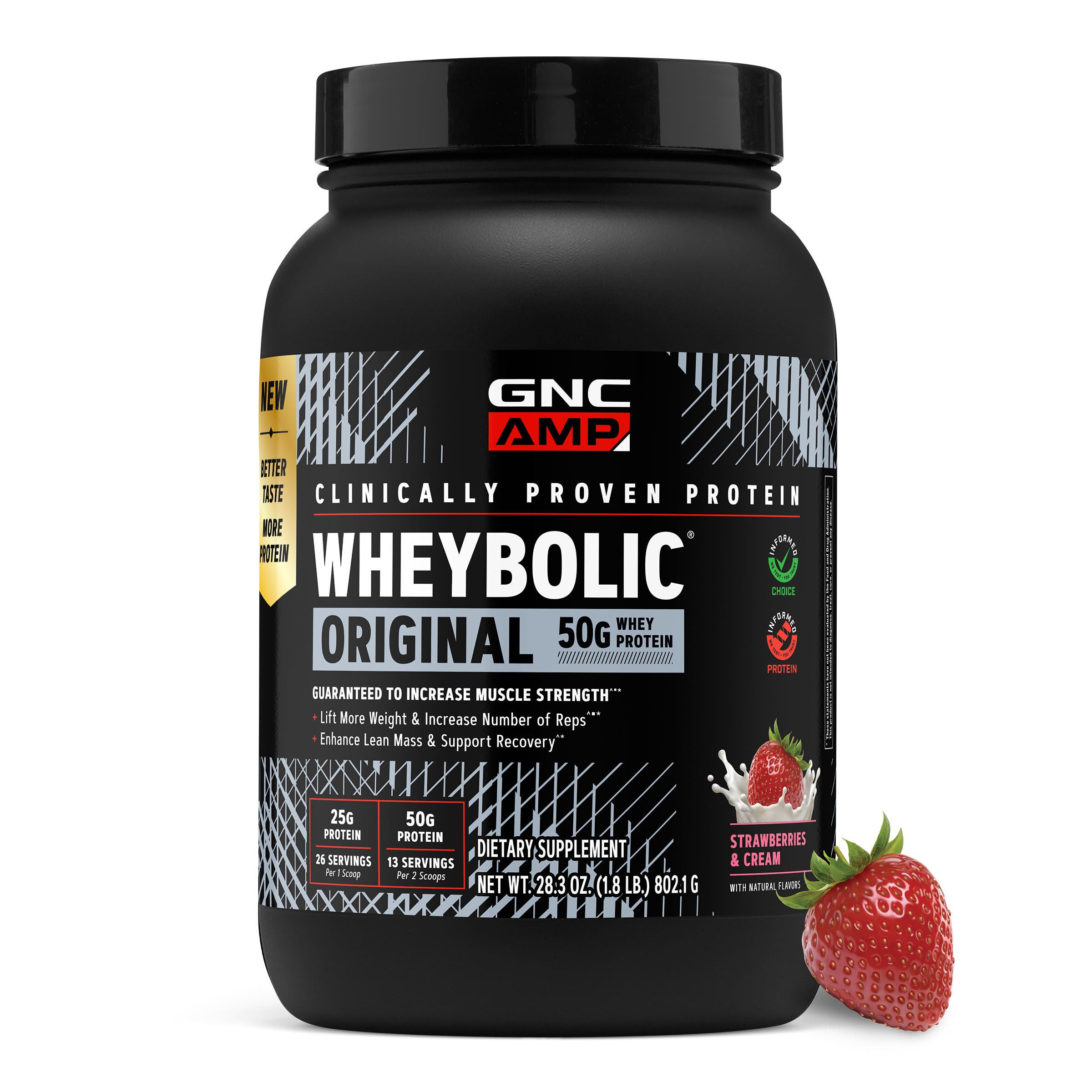
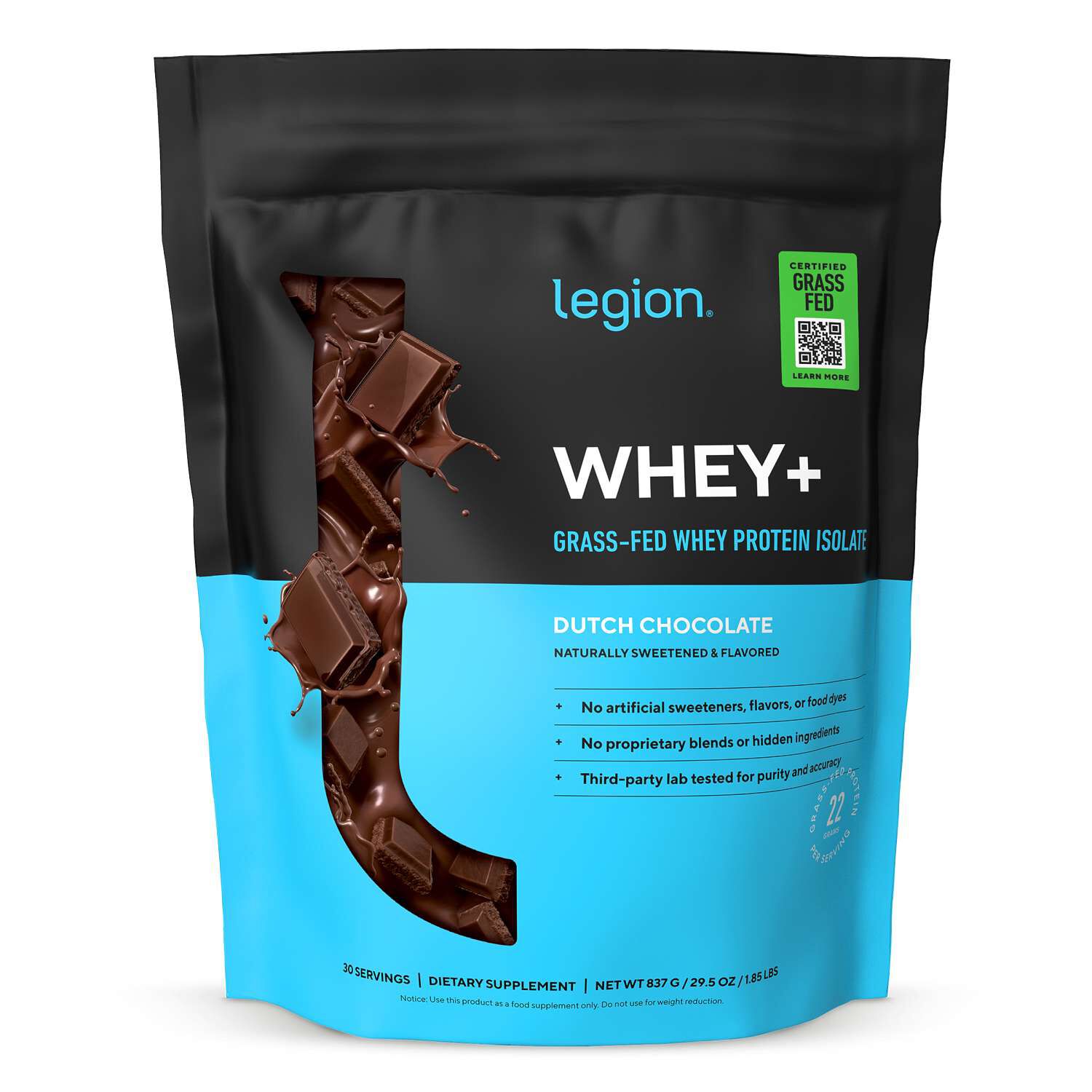
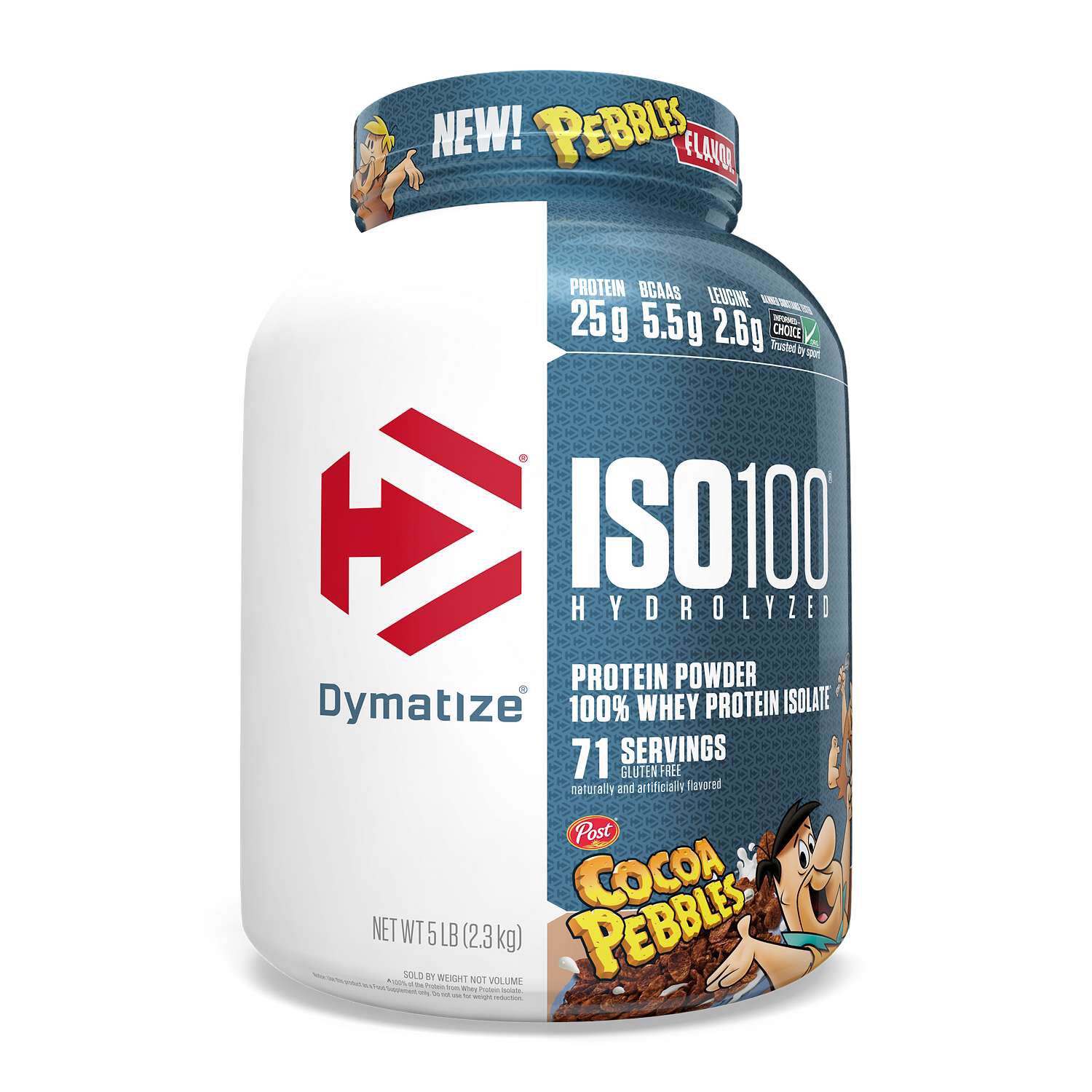
Whey protein for beginners centers on a familiar format: a milk-derived protein powder that can be mixed into a drink or incorporated into everyday foods. Whey is the liquid portion separated from milk during cheese production; further processing concentrates the protein and turns it into a powder. It contains all nine amino acids that the body cannot make on its own, making its amino acid composition a useful part of the background when comparing protein sources. For someone new to protein powders, the main differences usually involve the type of whey, protein per serving, ingredients, flavor, and texture. Whey concentrate typically contains about 70–80% protein by dry weight, along with varying amounts of lactose and fat. Whey isolate undergoes additional filtration and often contains about 90% or more protein by dry weight, with smaller amounts of lactose and fat. Those percentages describe the underlying whey ingredient, not necessarily the finished flavored powder, which may also contain cocoa, sweeteners, or other ingredients. Whey hydrolysate undergoes processing that divides some of the protein into smaller peptides. Blends combine two or more whey types, so the ingredient list provides a clearer picture than a large word on the front of the container. None of these formats automatically makes a powder the right choice for every beginner. A straightforward concentrate, an isolate, or a blend could each fit a different preference for ingredients and preparation. Many whey powders contain roughly 20–30 grams of protein per labeled serving, but serving weights and scoop sizes vary. A scoop is a measuring tool, not a universal daily amount, and the Nutrition Facts panel identifies what a particular serving contains. Comparing protein, carbohydrate, fat, and added sugar per serving gives first-time shoppers a more useful starting point than comparing scoop size alone. Whey remains a milk-derived ingredient even after filtration, and isolate should not be assumed to contain no lactose. Milk ingredients and allergen statements are important details for anyone deciding whether a powder belongs in their kitchen.
Flavor and preparation often determine how comfortably a whey powder fits into an ordinary day. A chocolate shake mixed in a shaker bottle after an evening workout is a different experience from an unflavored powder stirred into breakfast oats or a vanilla powder blended with fruit. Water may create a lighter drink, while milk or a plant-based beverage could produce a creamier texture and change the finished drink’s nutritional content. Cocoa, fruit, yogurt, nut butter, and oats also contribute their own flavors and nutrients, so the powder is only one part of the recipe. For beginners who prefer a simple routine, a shaker bottle with a mixing ball or insert is a practical companion to powders intended for shaking. A blender offers another preparation option for recipes containing fruit, ice, or thicker ingredients. The amount of liquid listed on the package provides a reference for the intended consistency; personal preferences may lean toward a thinner drink or a thicker smoothie. Fine powders can still form small clumps, and adding liquid before powder may make mixing easier. Sweetness deserves attention, too. Some powders contain sugar, others use alternative sweeteners, and some have little added flavoring. A vanilla powder may work across several recipes, while a pronounced dessert flavor could suit someone who wants a shake to taste much the same each time. Unflavored does not necessarily mean tasteless, since whey has its own mild dairy character. Ingredient lists can also identify emulsifiers used for mixing, thickeners, and flavoring ingredients. For oatmeal or similar foods, incorporating powder into an already prepared portion rather than cooking it for an extended period may help maintain a smoother texture. Intended use matters more than an elaborate recipe: a drink packed for the office, a smoothie made before class, or a shake after a strength-training session each calls for a format that suits the setting. Timing does not need to revolve around a narrow post-workout window; a whey shake could fit wherever a convenient protein-containing snack or meal addition belongs in the day.
Container size, packaging, and storage are less noticeable than flavor names, but they matter when choosing a first whey protein powder. A smaller container means fewer servings of the same flavor, while a larger container calls for more pantry space and a longer commitment to that choice. Single-serving packets offer a measured format for a gym bag or travel kit, although the amount of protein still depends on the packet’s label. Tubs typically have a broad opening for scooping, while pouches need a secure closure after each use. A clean, dry scoop and a firmly closed lid or seal are practical considerations for keeping the powder away from moisture. Storage directions and the date printed on the package provide the relevant reference for shelf life; appearance alone does not establish how long a powder should be kept. A dry cabinet away from direct sunlight and steam is generally a more suitable location than a counter beside a kettle. Prepared drinks require different handling from dry powder, especially when mixed with milk, yogurt, or other perishable ingredients, so package directions remain important. For beginners, fit is about habits rather than athletic experience: students, commuters, recreational exercisers, and people with busy schedules may find a powder convenient when a portable protein option suits their meals. Whey is not a substitute for a varied eating pattern, and a powder does not have to accompany every workout. Shoppers browsing by audience can also explore Whey Protein for Men, while continuing to compare serving information, milk ingredients, flavor, and preparation preferences rather than relying on the category name alone. As a gift, protein powder is most suitable when the recipient’s preferred flavors and ingredient preferences are already known; a familiar shaker bottle may be a useful companion. The most practical first purchase is one with clear labeling, a manageable serving format, and a taste that suits the foods and drinks already part of the recipient’s routine.