





Creatine Monohydrate Supplements For Gym Beginners
(0 Results)
Creatine monohydrate supplements for gym beginners could be a popular choice for those looking to support their fitness journey from day one. Designed with newcomers in mind, these supplements may fit seamlessly into a beginner’s workout routine. Whether you’re aiming to enhance your training sessions or simply seeking additional nutritional support, creatine monohydrate supplements for gym beginners might offer an accessible starting point as you work toward your fitness goals.
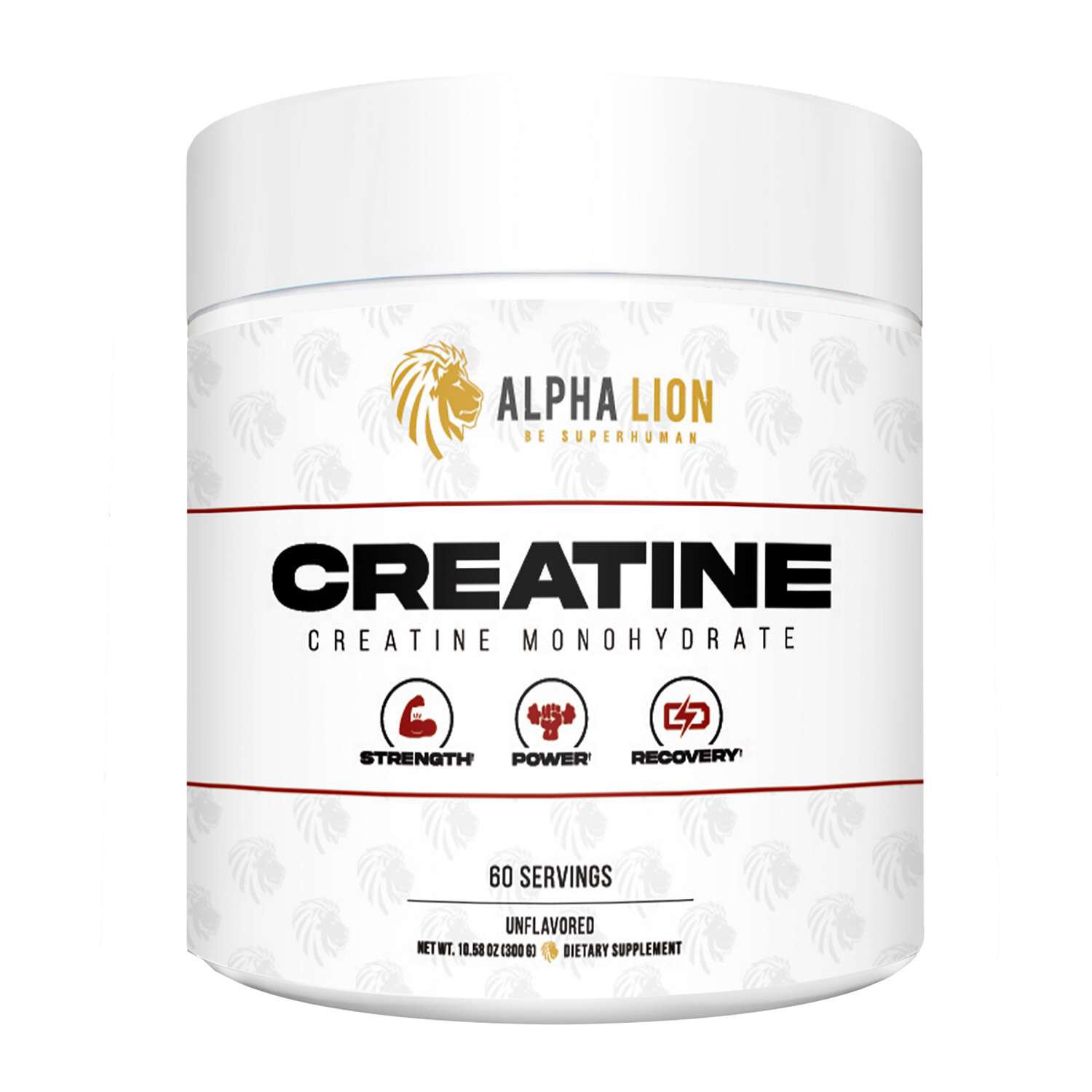
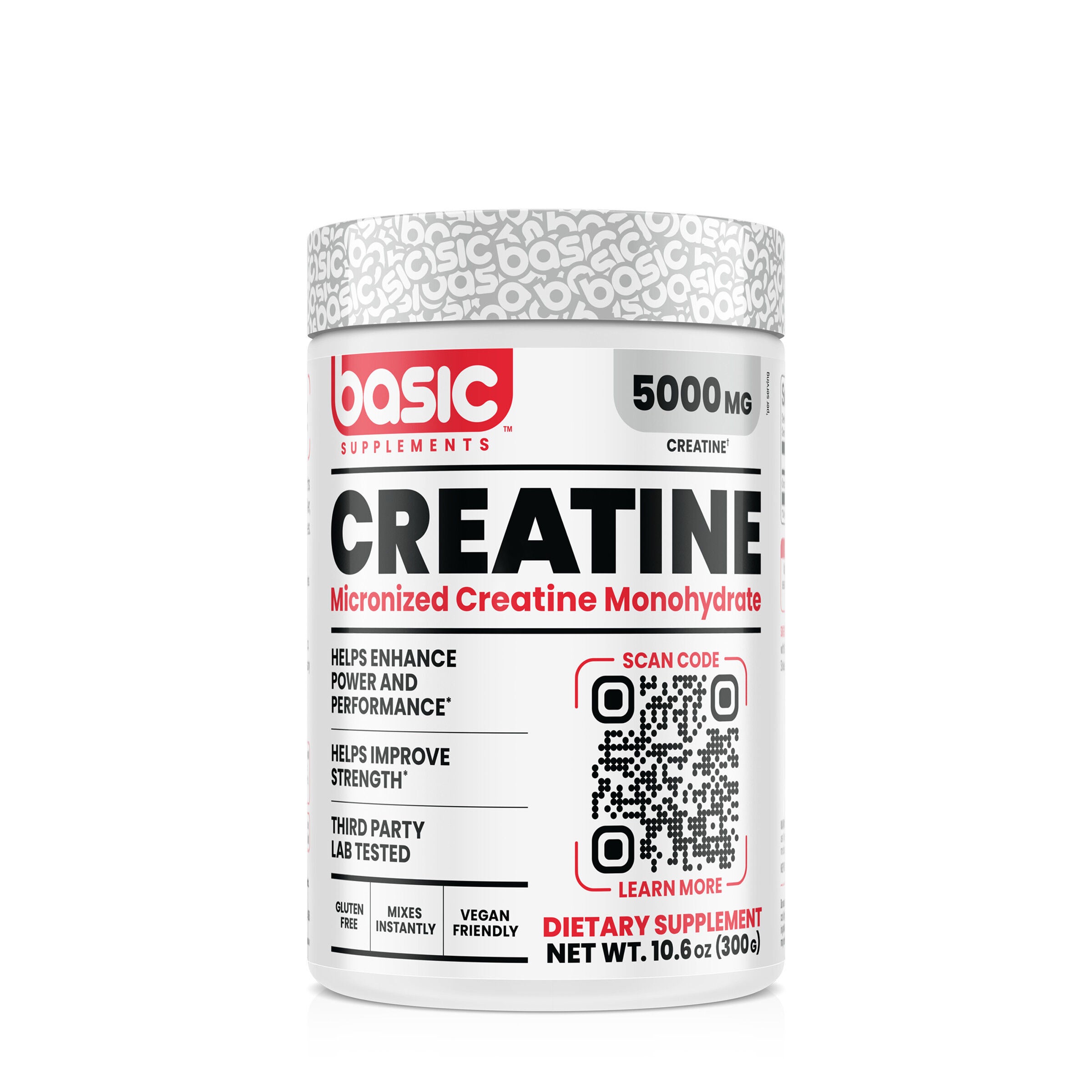
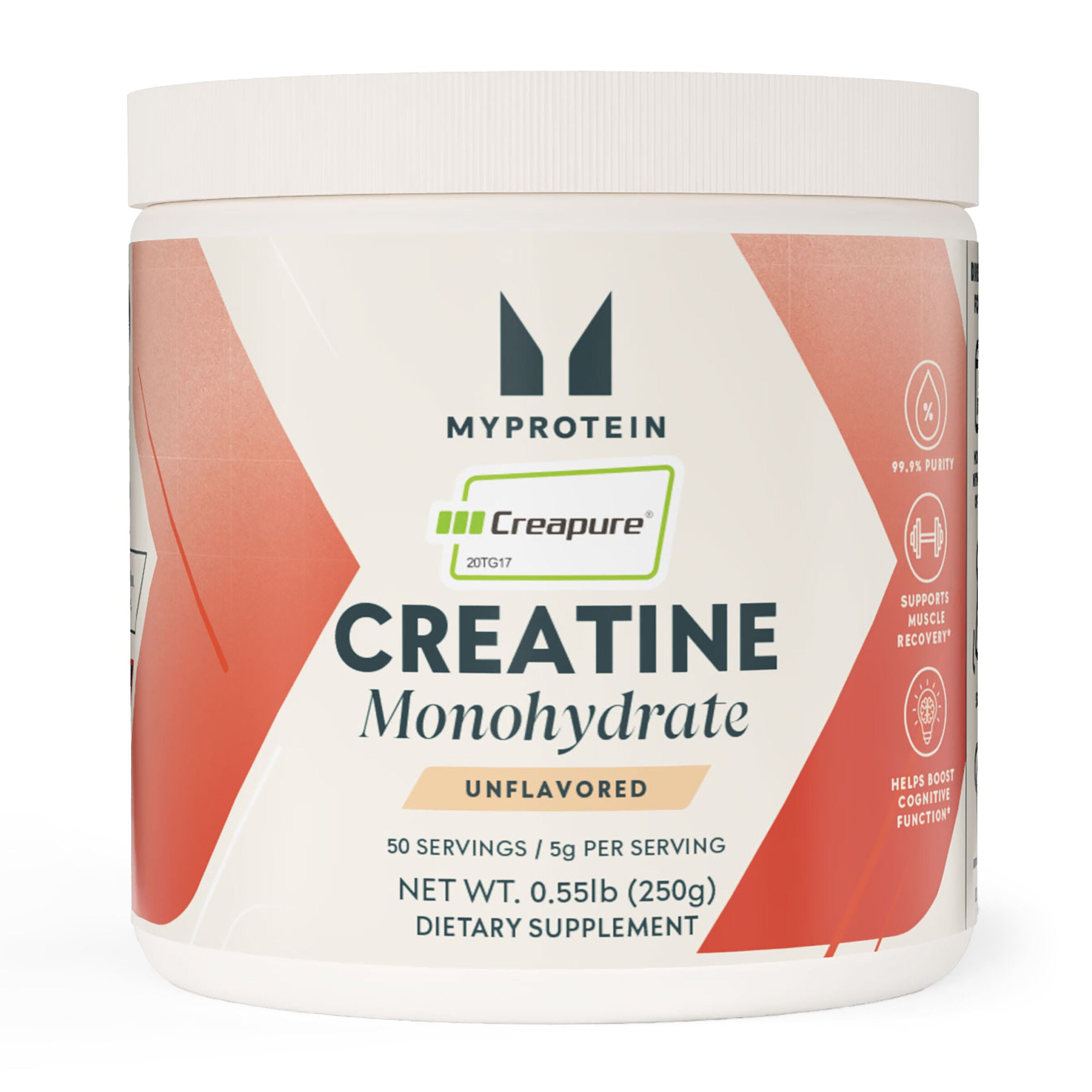
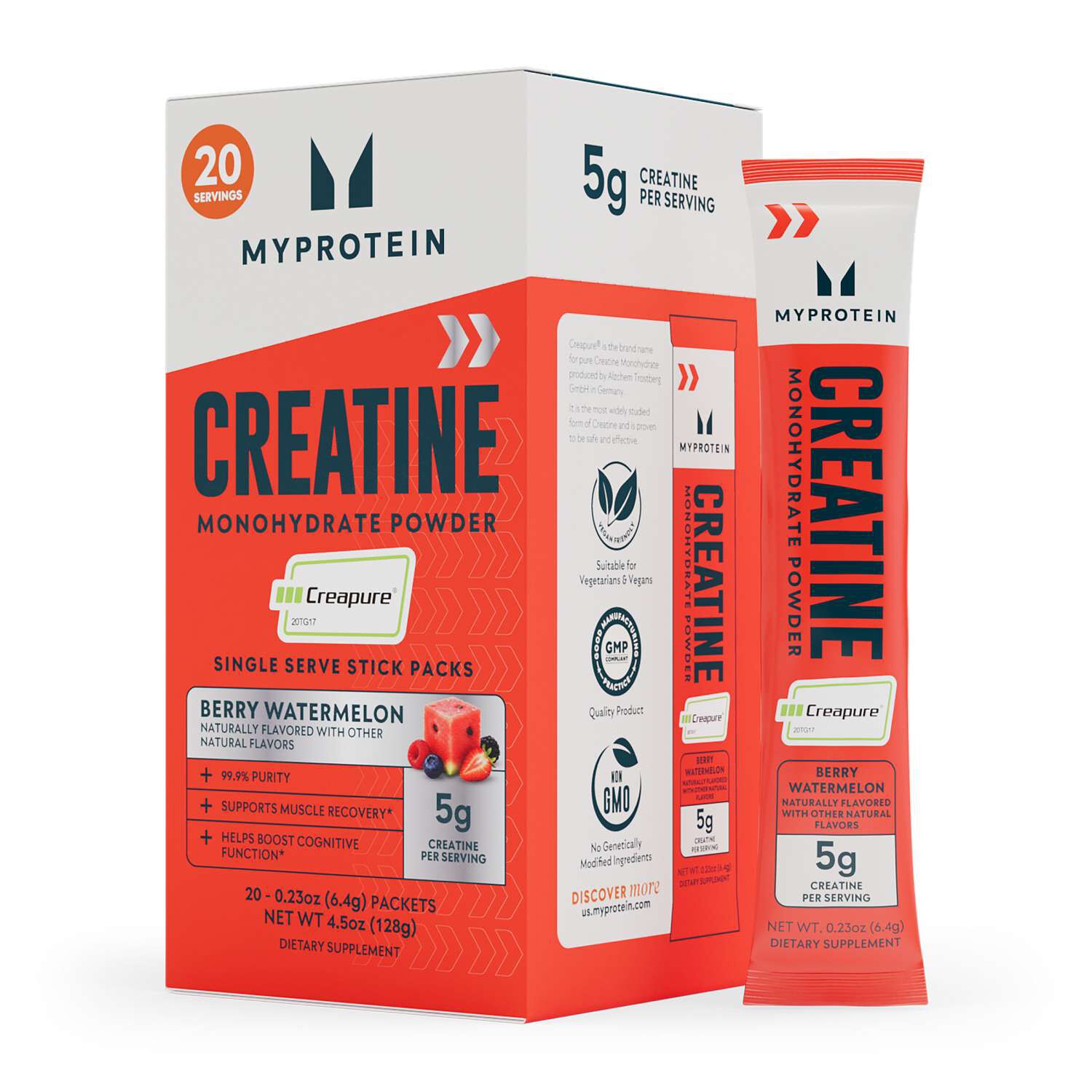
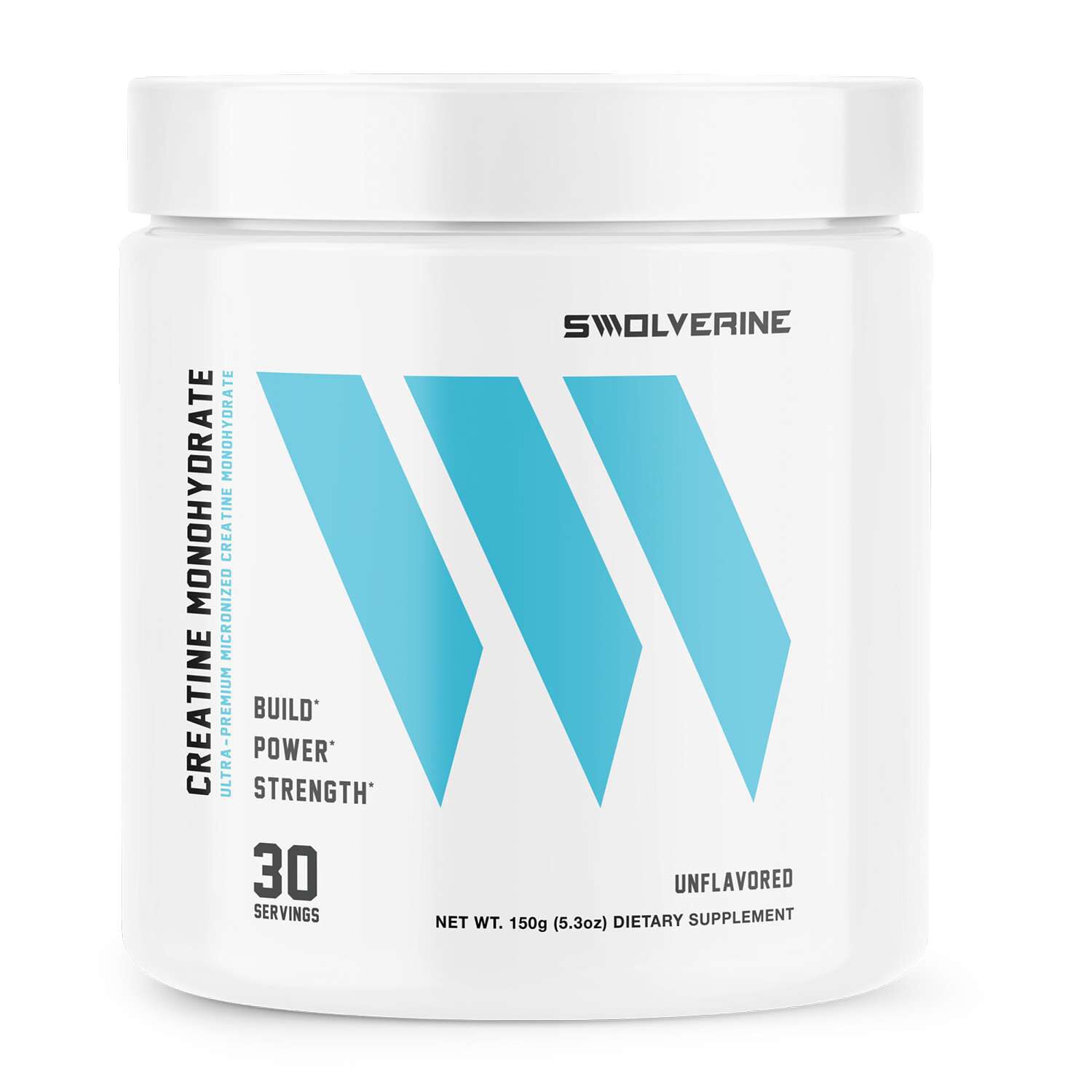
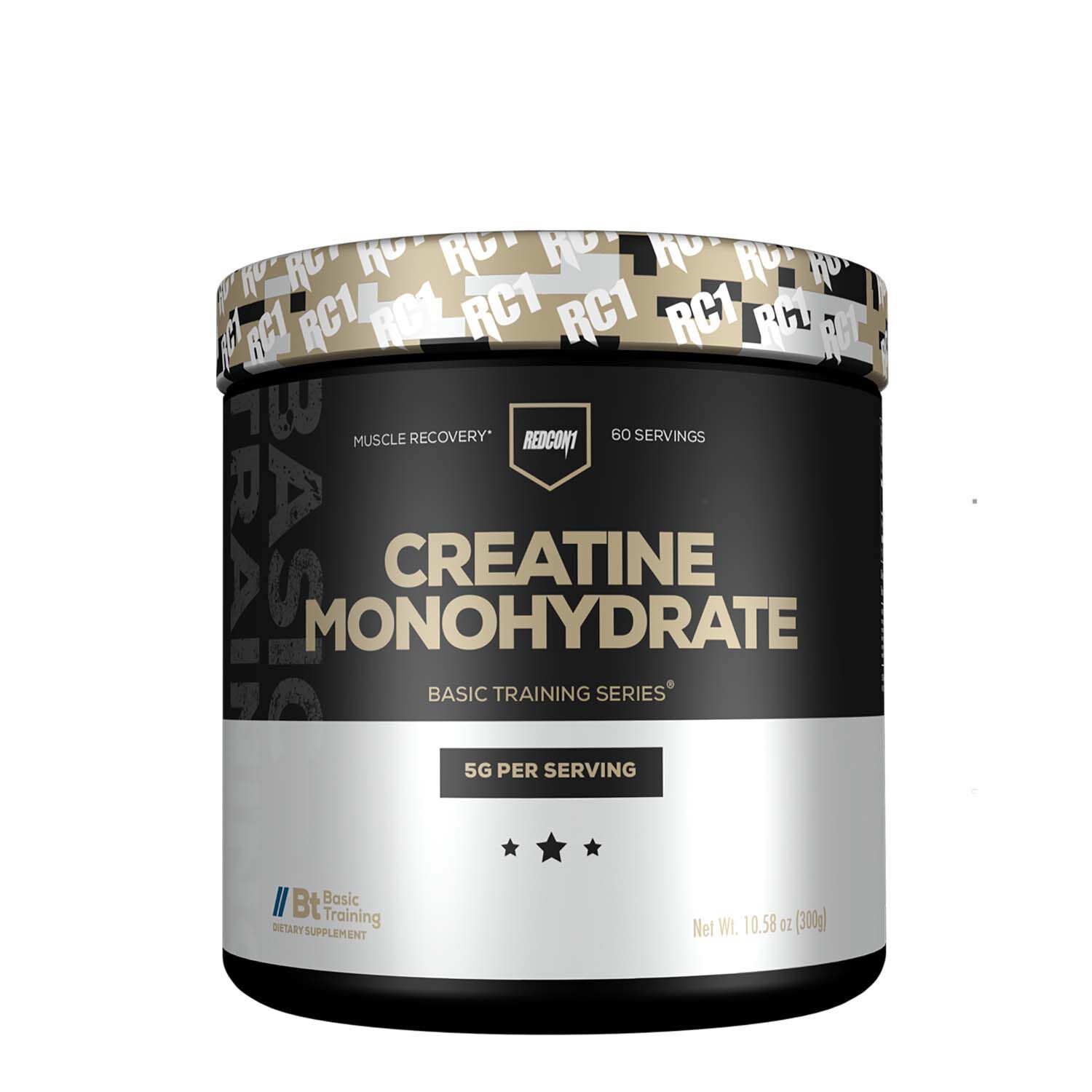


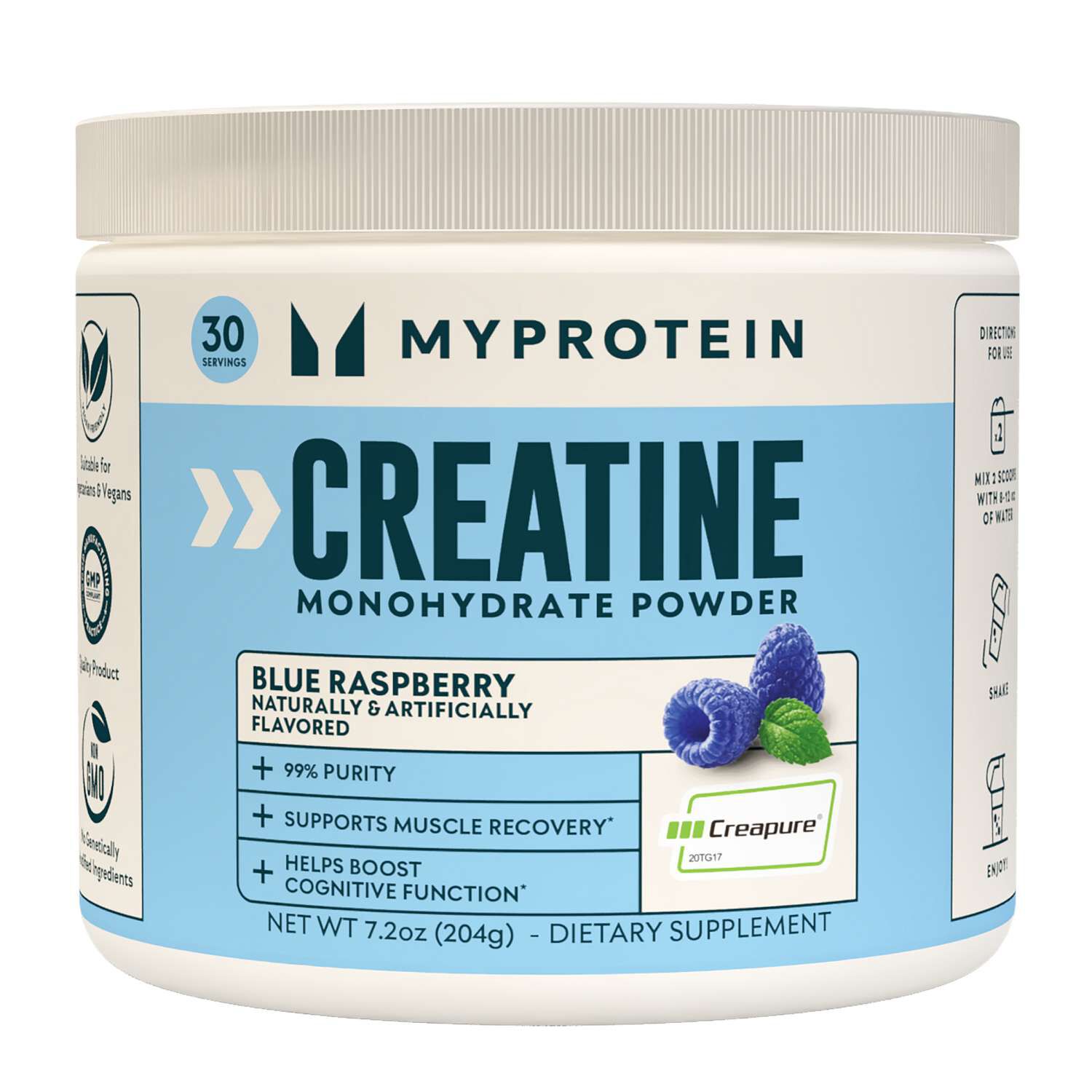
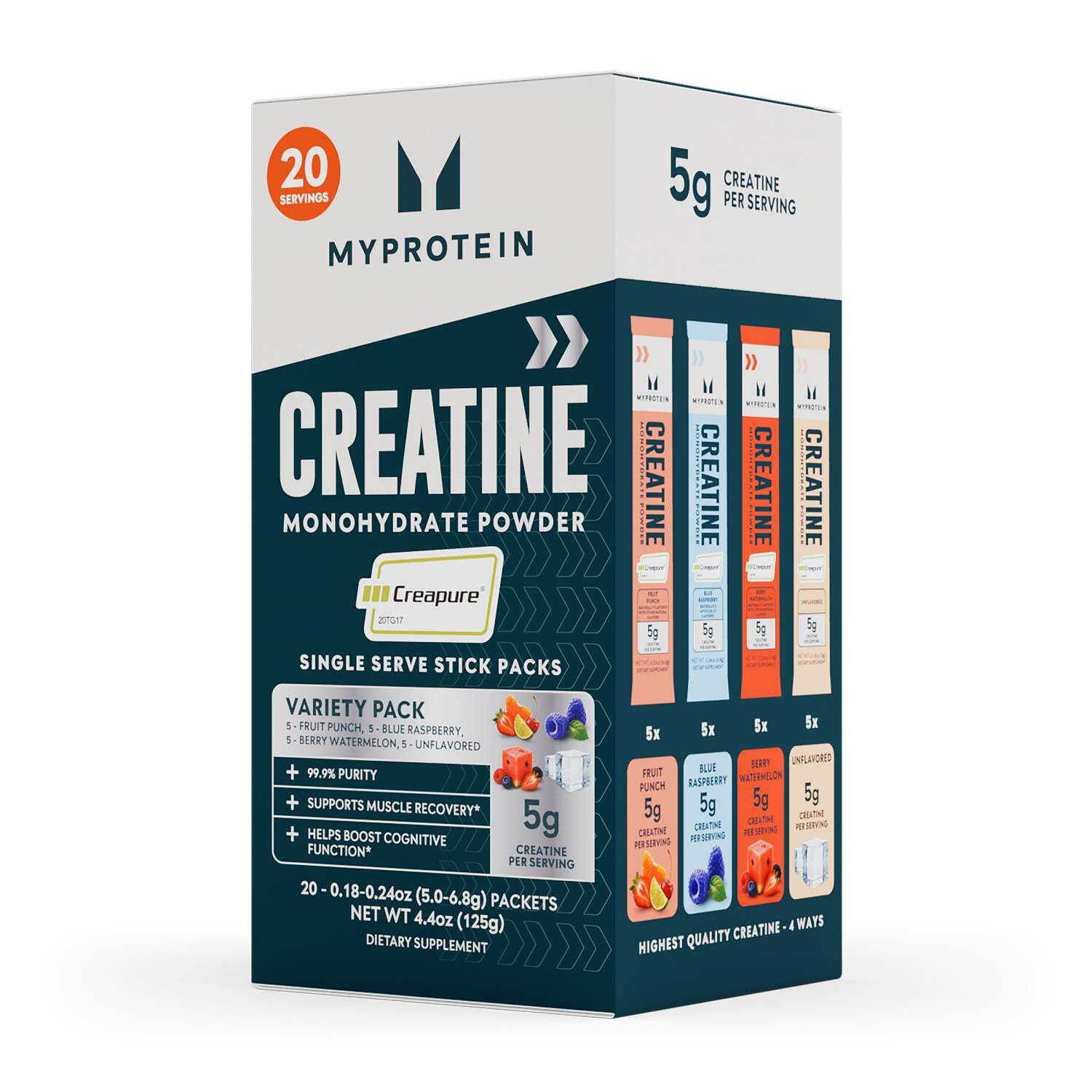
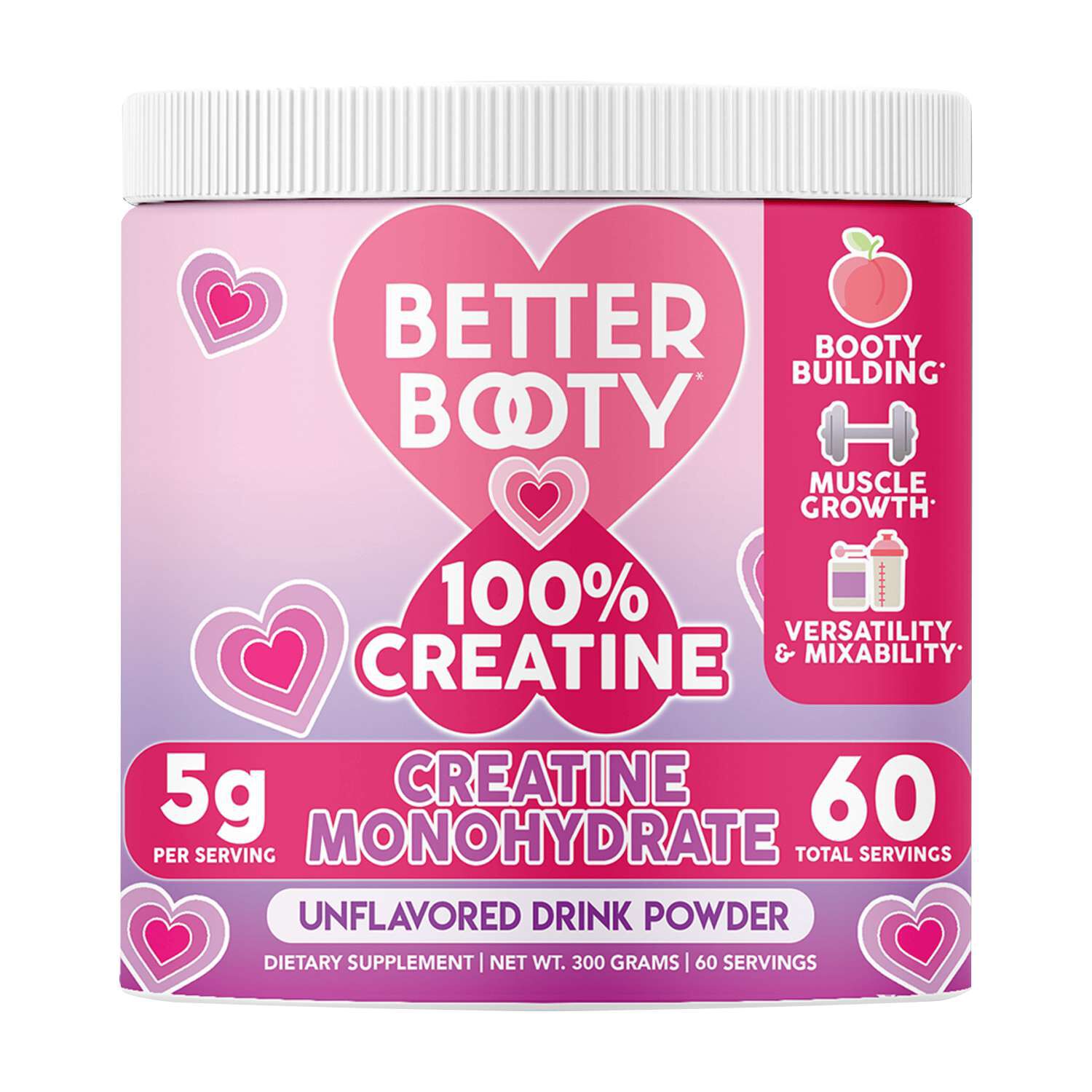

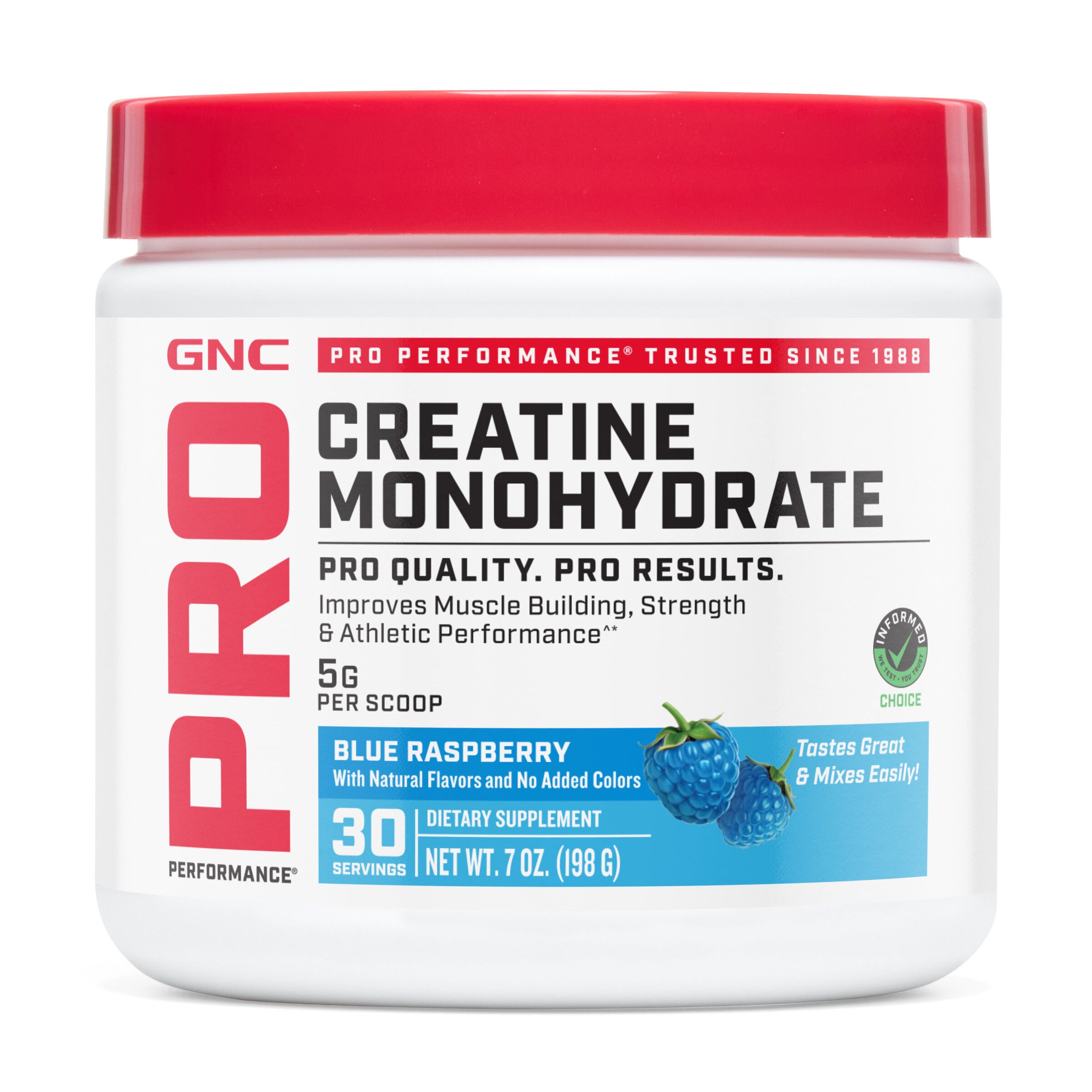

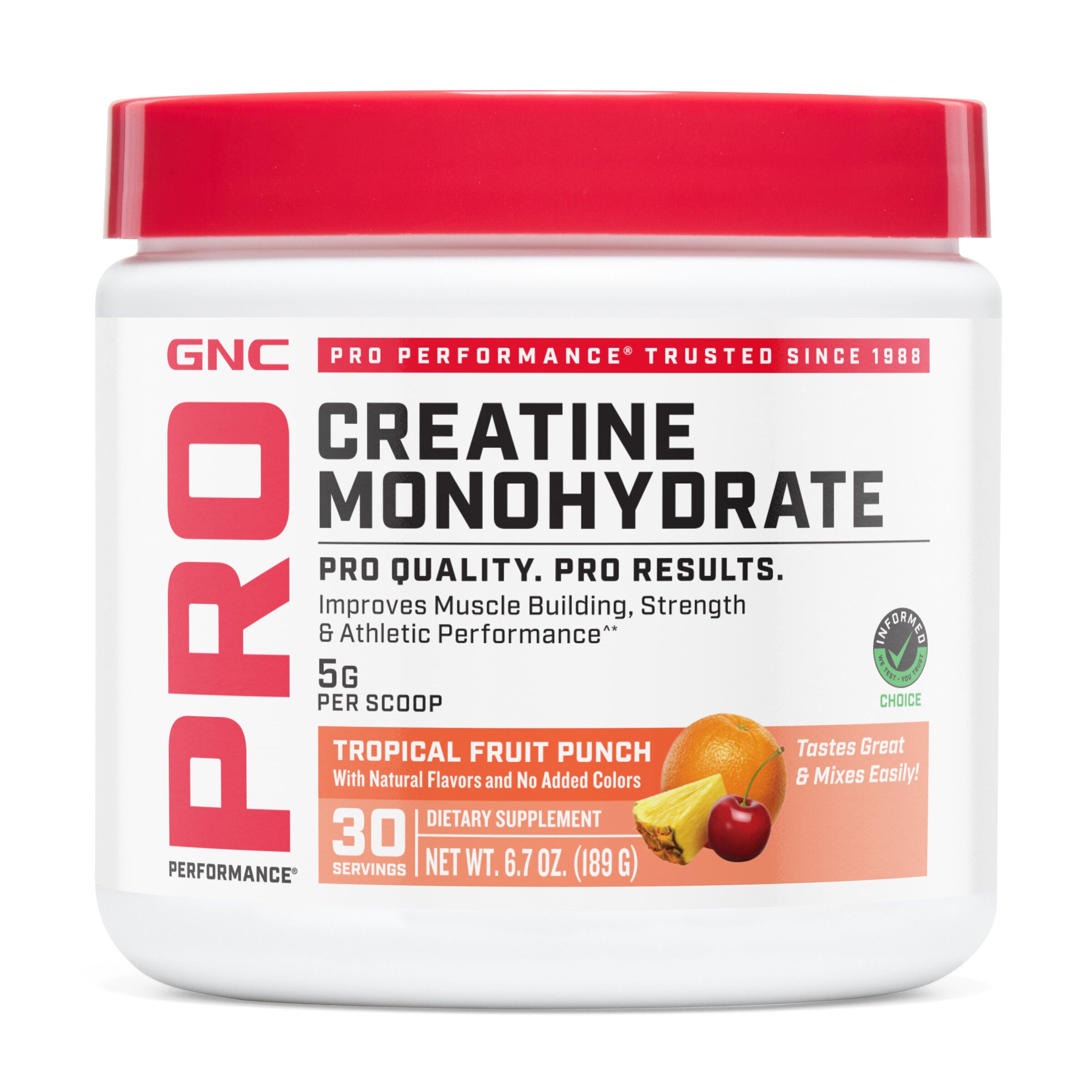

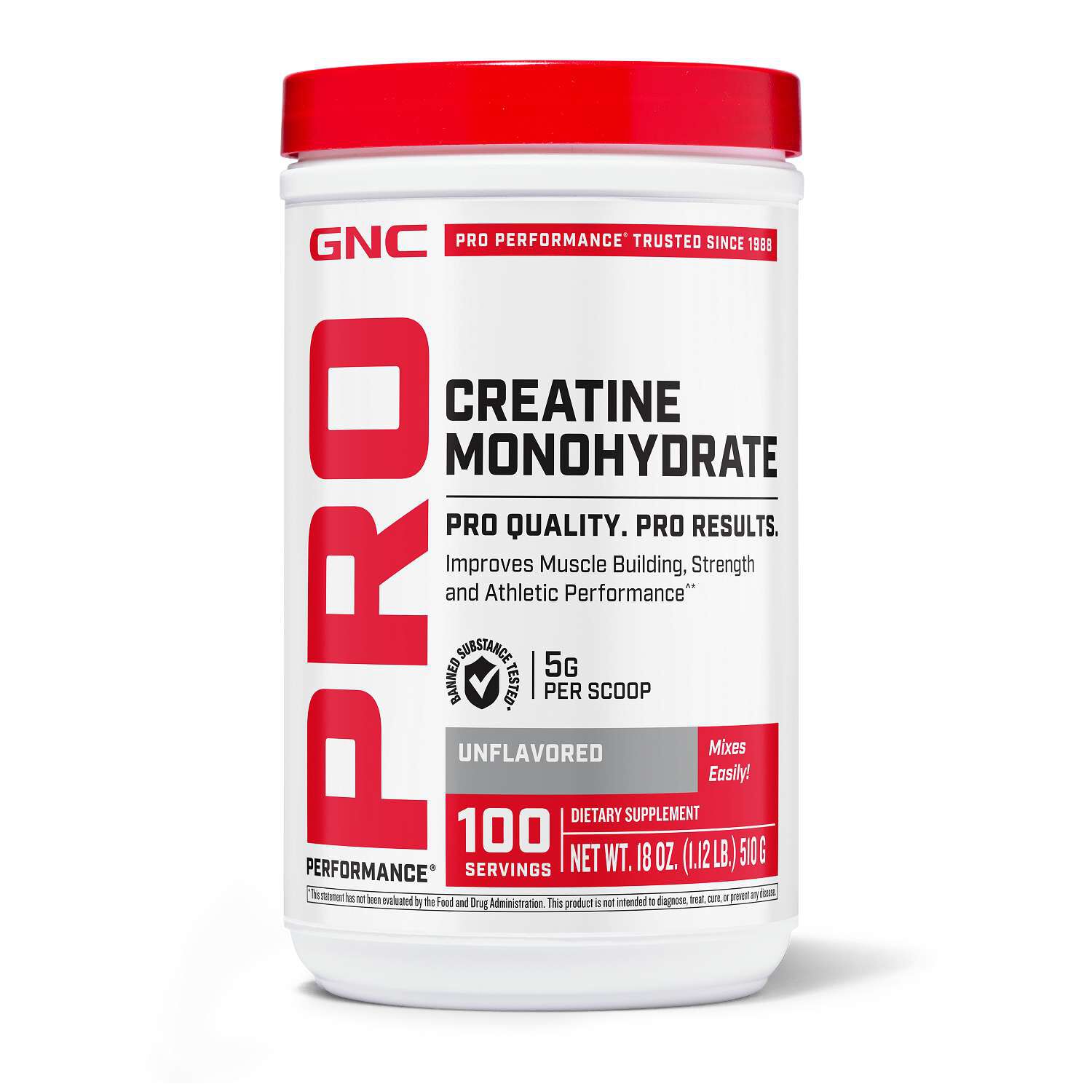
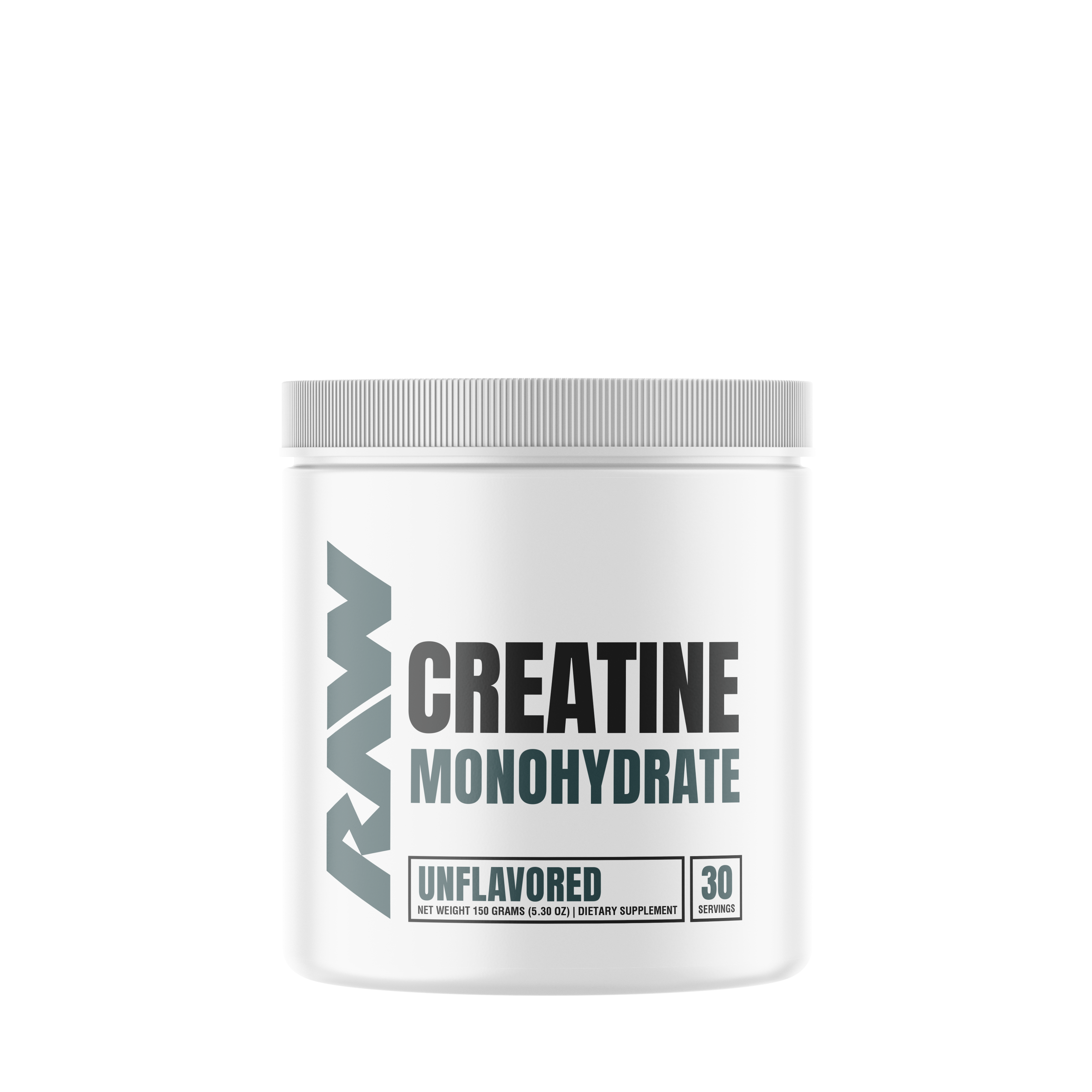

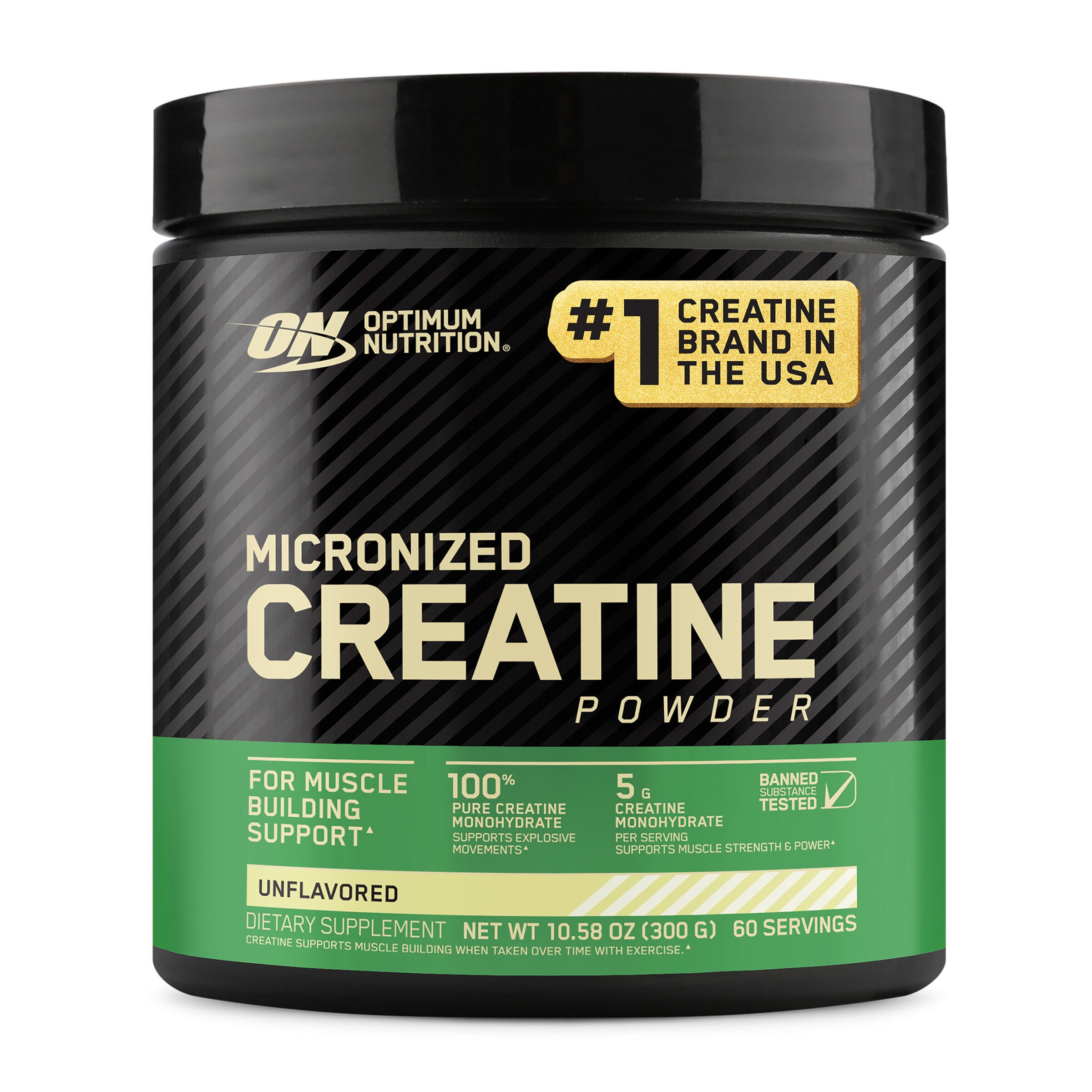
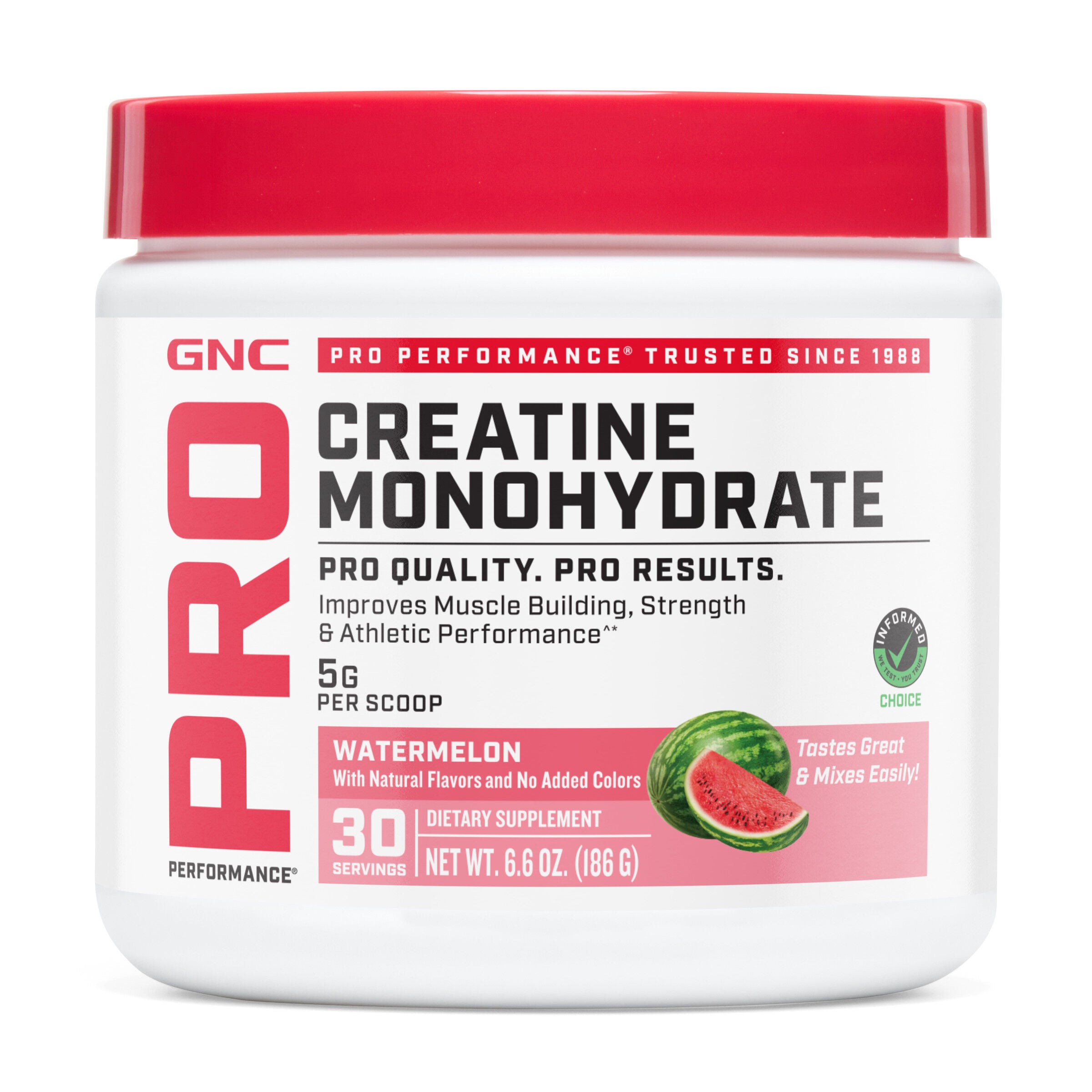


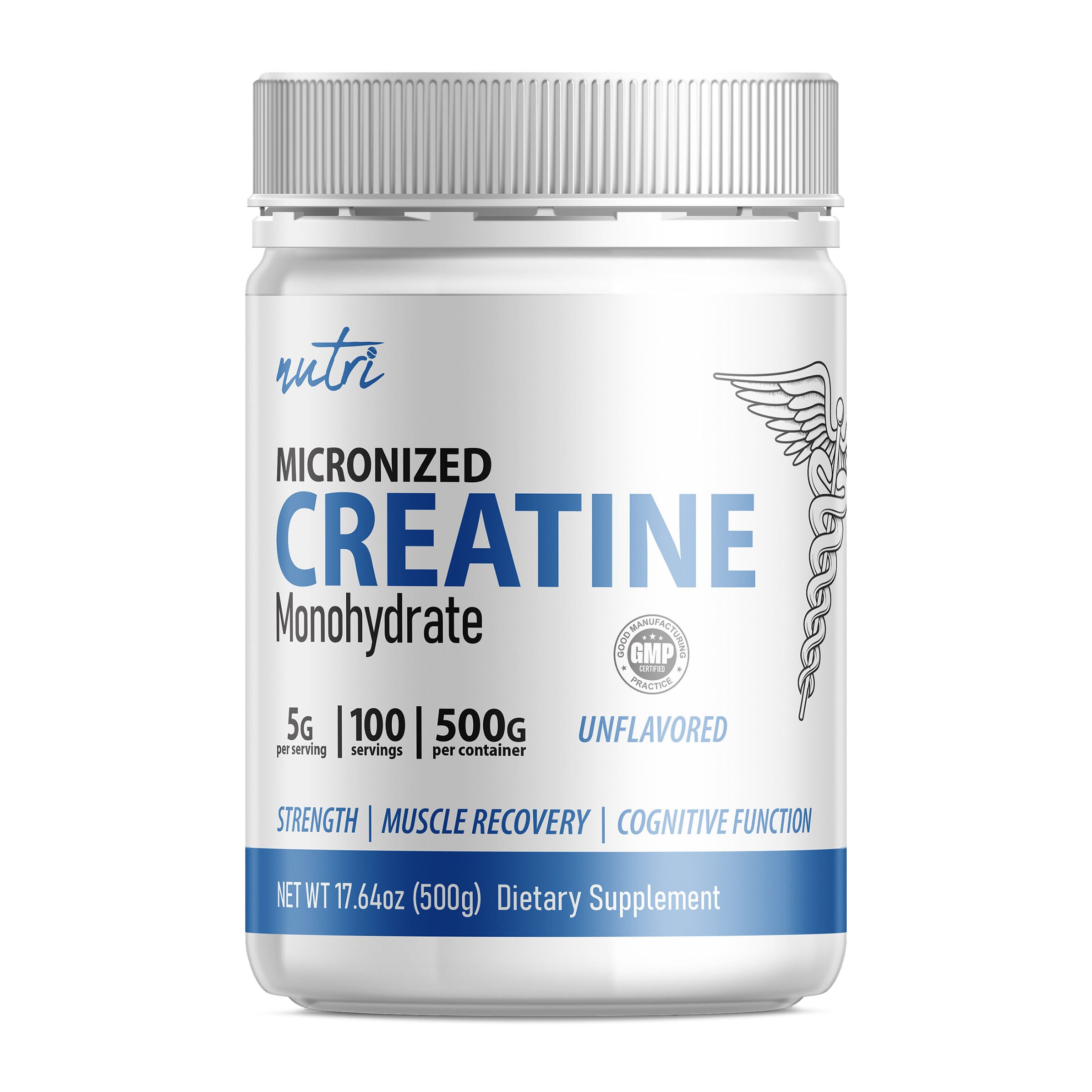
Creatine monohydrate supplements for gym beginners offer a straightforward way to explore a widely studied sports nutrition ingredient. Creatine is a compound the body makes naturally and also obtains from foods such as meat and fish. In muscle, it participates in the system that supplies energy for brief, intense effort. Supplemental creatine monohydrate may support performance during repeated bouts of high-intensity exercise, including resistance training. That intended use makes this category relevant to adults becoming familiar with dumbbells, weight machines, and other strength-training equipment. A beginner practicing controlled repetitions on a leg press has different priorities from an experienced competitor, but both might consider creatine as one part of a broader training routine. Creatine is not protein, and a creatine supplement is not a meal replacement. Protein supplies amino acids, while creatine has a different role in sports nutrition, so the two categories are not interchangeable. Plain creatine monohydrate is also distinct from a caffeinated pre-workout formula; the ingredient itself is not a stimulant. For someone sorting through unfamiliar supplement labels, these distinctions provide useful context without turning a simple purchase into a complicated stack of ingredients. A single-ingredient formula keeps the ingredient list focused, while a blend requires a closer look at each component and its stated amount. Many adult creatine monohydrate powders list 3 to 5 grams per serving, although serving sizes and directions vary by formula and format. The grams of creatine in a serving, the weight of the powder serving, and the number of servings in a container are separate details, particularly when other ingredients are present. Research on creatine monohydrate provides background for the category, but it does not establish that every blend or format performs identically. Individual experiences may differ, and a supplement is only one part of a routine that also includes exercise practice, food, and rest.
Format is often the most practical distinction among beginner creatine supplements. Powder offers flexibility for someone who already prepares a drink at home or carries a mixing bottle to the gym. Unflavored varieties generally have a simpler flavor profile than flavored blends, though unflavored does not necessarily mean undetectable in every beverage. Texture, the drink used for mixing, and the amount of liquid can all affect the experience. A powder stirred into water may leave some sediment, and the package’s mixing directions provide a more useful reference than expecting every formula to behave like a ready-to-drink beverage. Micronized creatine monohydrate has smaller particles, a physical characteristic that may make mixing easier; that description alone does not establish better training results. Capsules offer another format for adults who prefer not to measure or mix powder. With capsules, the serving size deserves particular attention because one capsule and one serving are not necessarily the same amount. A serving may include several capsules, so the capsule count on the front of a container does not by itself describe how many servings it contains. Chewable formats introduce additional considerations, including flavor, texture, sweeteners, and the amount of creatine provided per serving. Across formats, the Supplement Facts panel and ingredient list are more informative than the style of the container. They distinguish creatine content from flavoring ingredients, colors, sweeteners, and other components that shape the finished formula. Dietary preferences also matter: capsule materials, allergen statements, and ingredient sourcing information can help distinguish otherwise similar options. For someone who dislikes strongly flavored drinks, a plain powder may fit more comfortably into an existing routine. For someone who would rather leave the mixing bottle at home, a capsule format may be more convenient. Neither preference makes a format universally better. Clearly described testing or certification information can provide another comparison point when the package identifies what was assessed, rather than relying on a general quality statement.
The best fit for a beginner’s routine often comes down to ordinary details: where the container will sit, how the serving is measured, and whether the format suits the trip between home, work, and the gym. A larger tub has a different footprint from a compact container, and a broad opening offers a different handling experience from a narrow bottle. Someone mixing a drink beside the kitchen sink might prioritize an easy-to-read label and a scoop that is simple to locate. Someone changing clothes in a locker room might care more about secure closures and packaging that stays tidy alongside shoes, clothing, and a water bottle. For a closer look at formats suited to carrying between places, Creatine Monohydrate Supplements For Gym Bags offers a related selection. Packaging durability matters most in that everyday handling context: a lid needs to close properly, and the container should remain intact during normal transport. Storage directions on the label remain the reference for keeping a supplement between uses. Dry handling is particularly relevant for powders, since moisture introduced by a damp scoop or an incompletely closed container can contribute to clumping. Mixing bottles have their own care needs, including washing the lid, drinking opening, and any removable mixing pieces, then allowing them to dry before storage. Keeping the original label accessible preserves serving directions, ingredient information, and date markings that can be lost when powder is moved into another container. These practical details are especially relevant when a gym routine is still taking shape and the contents of a bag change from one visit to the next. A clear ingredient list, understandable serving information, a manageable format, and suitable packaging provide concrete ways to compare creatine monohydrate supplements without relying on dramatic claims. For beginners, a suitable choice is one that aligns with the label’s intended use and fits comfortably into the routine already being built.
Best Sellers
-
 Create Wellness

Related Pages


Top Collections
- GLP 1 Support For Adults
- Supplements For Yoga Joint Flexibility
- Supplements For Balance
- Joint Mobility Supplement Packs
- Zinc Supplements | Top Brands at Great Prices | GNC
- Capsule Supplements For Energy And Stamina
- Supplements For Anxiety Relief Support
- Chronic Fatigue Supplements
- Zinc Supplements For Men
- Iron Supplements