Creatine HCl Powders For Beginners
(0 Results)
Creatine HCl powders for beginners offer a convenient way to support your fitness journey, whether you’re just starting out or looking to enhance your routine. Designed with newcomers in mind, these powders may be an easy addition to your daily regimen. Explore a range of options that could fit seamlessly into your active lifestyle and help you work toward your personal wellness goals.


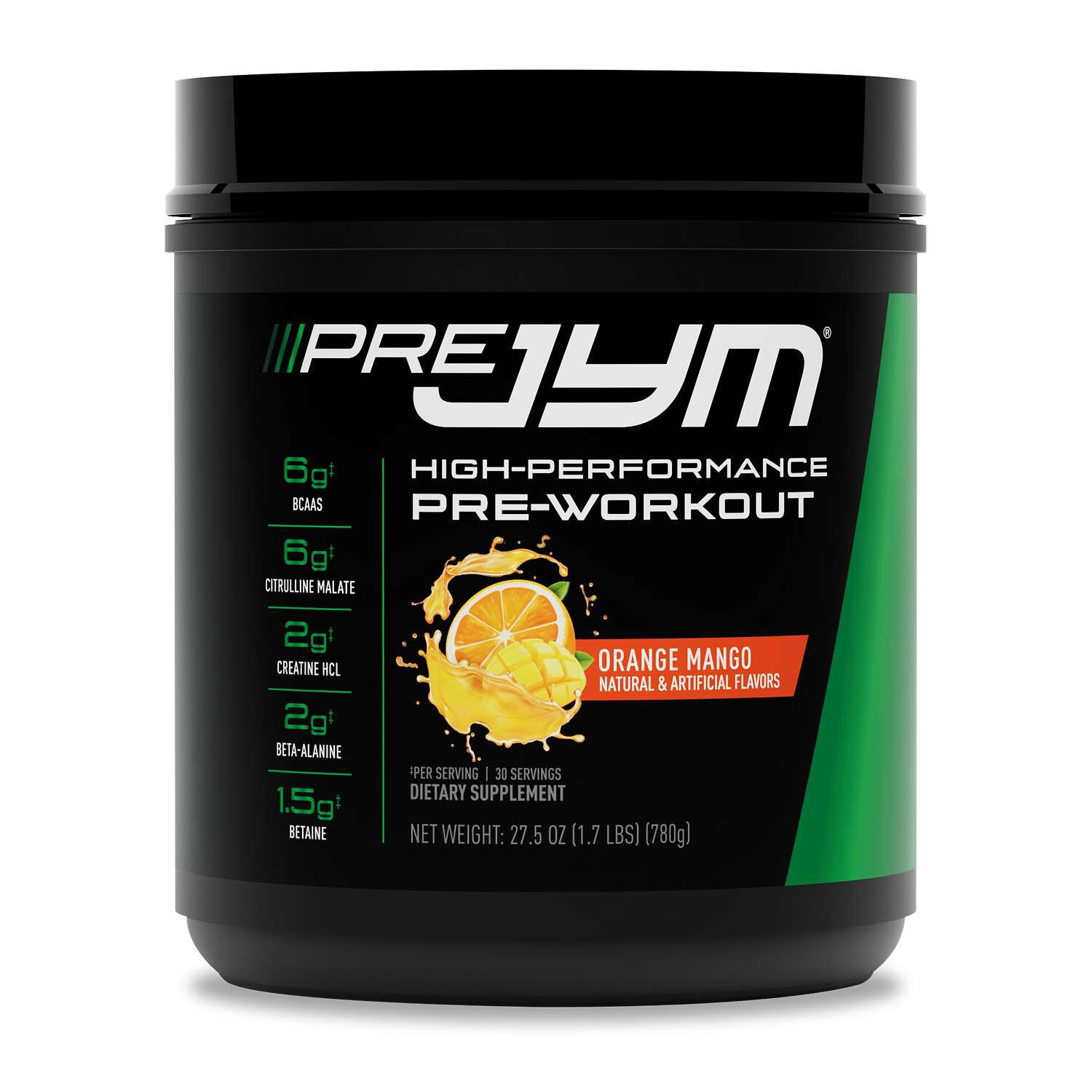
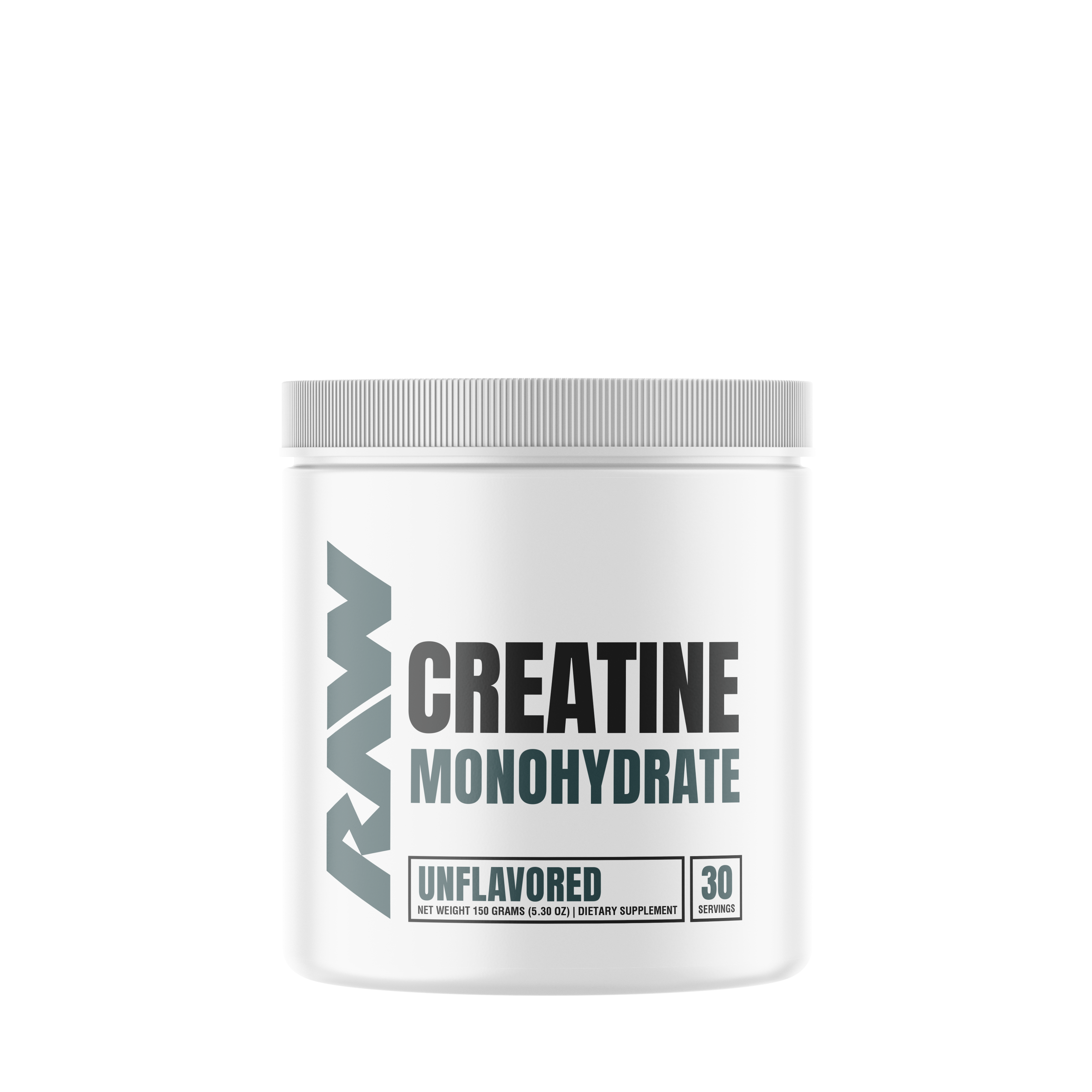

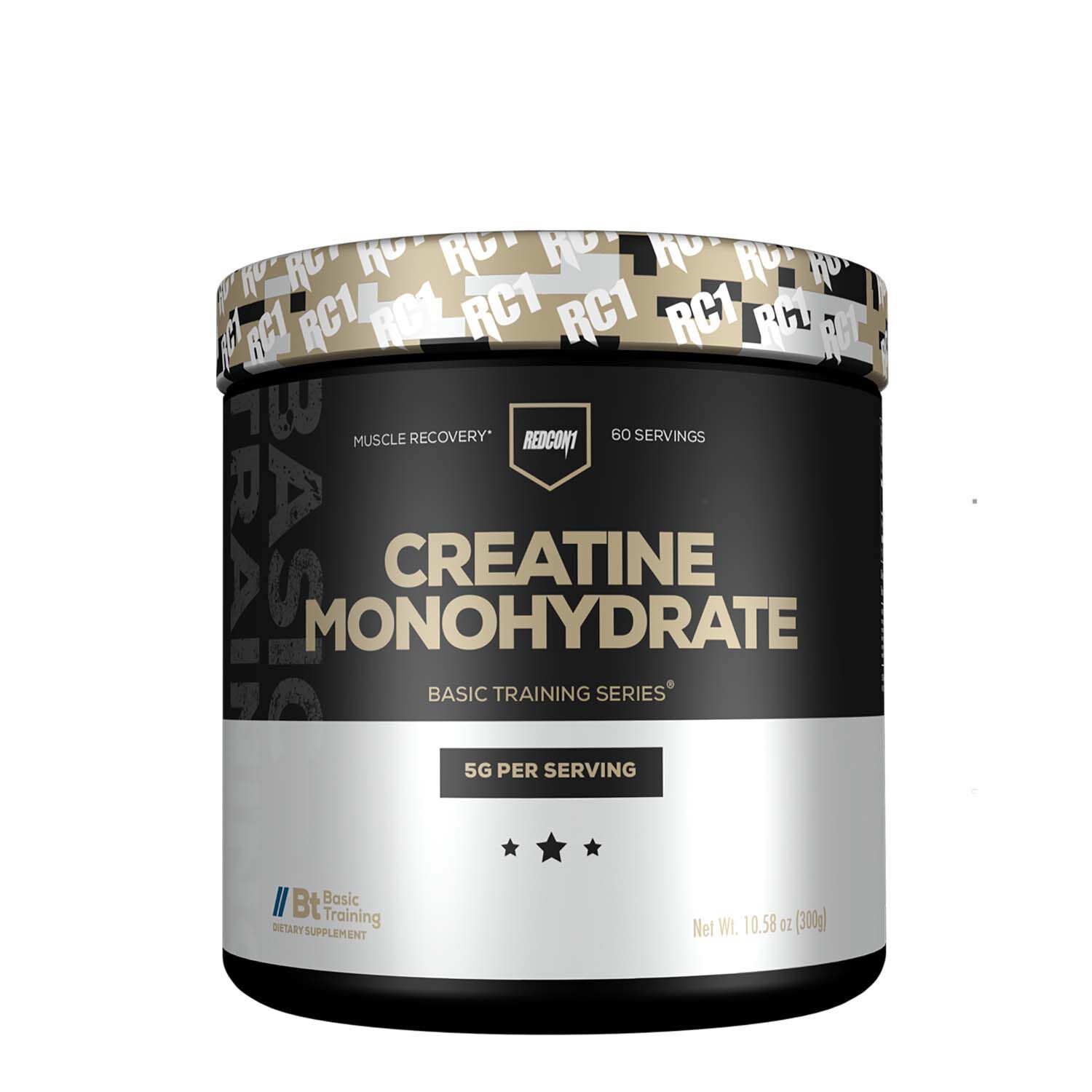


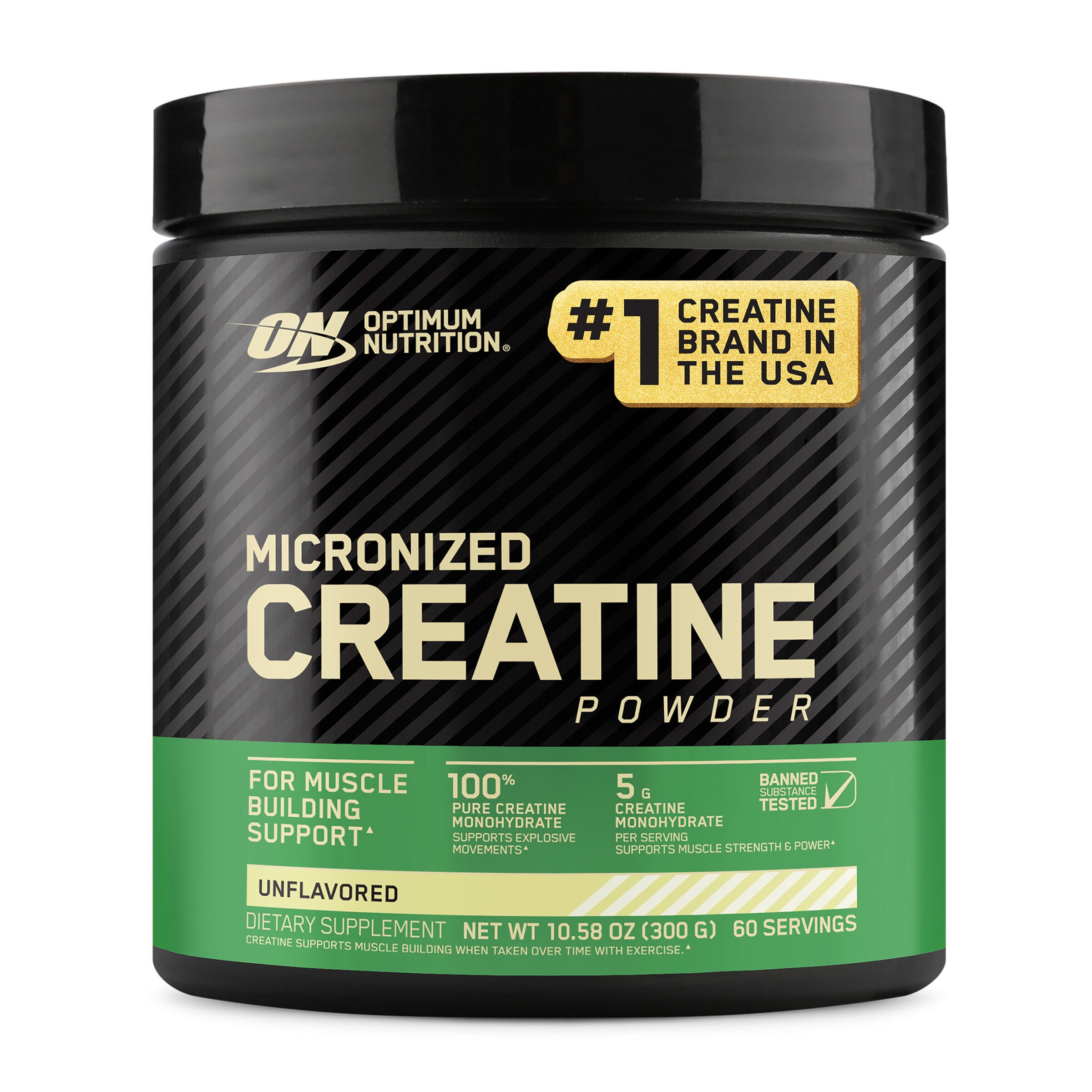
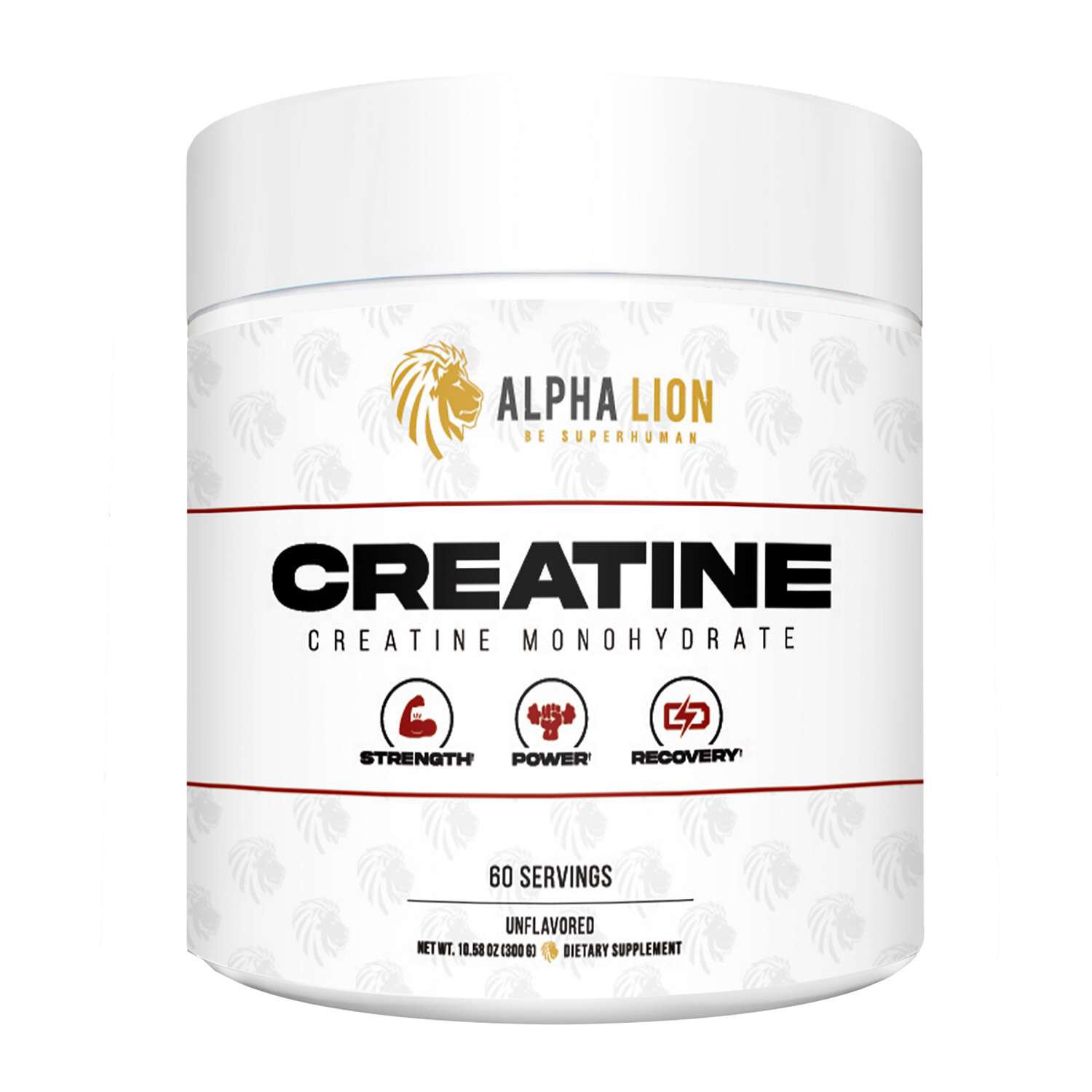
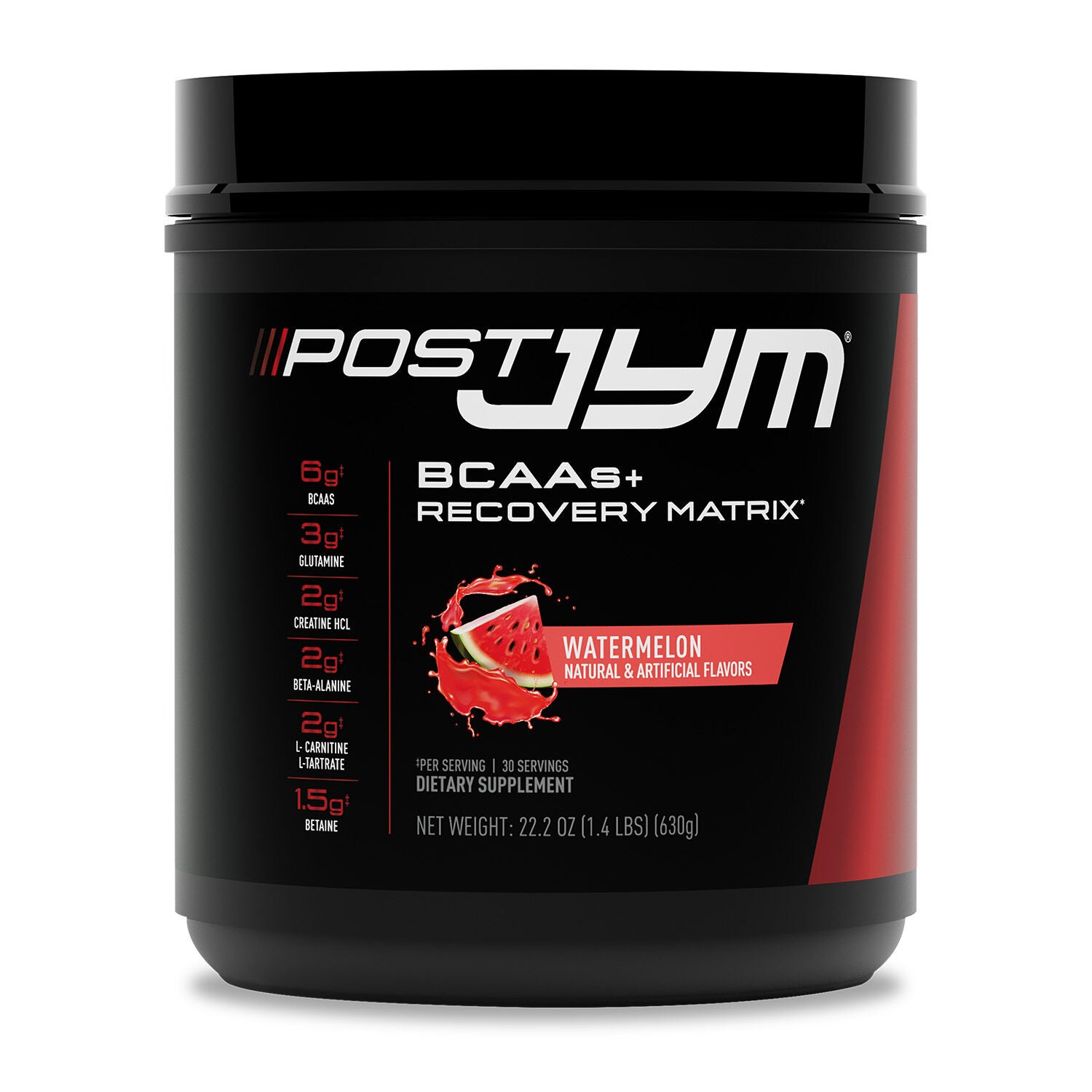
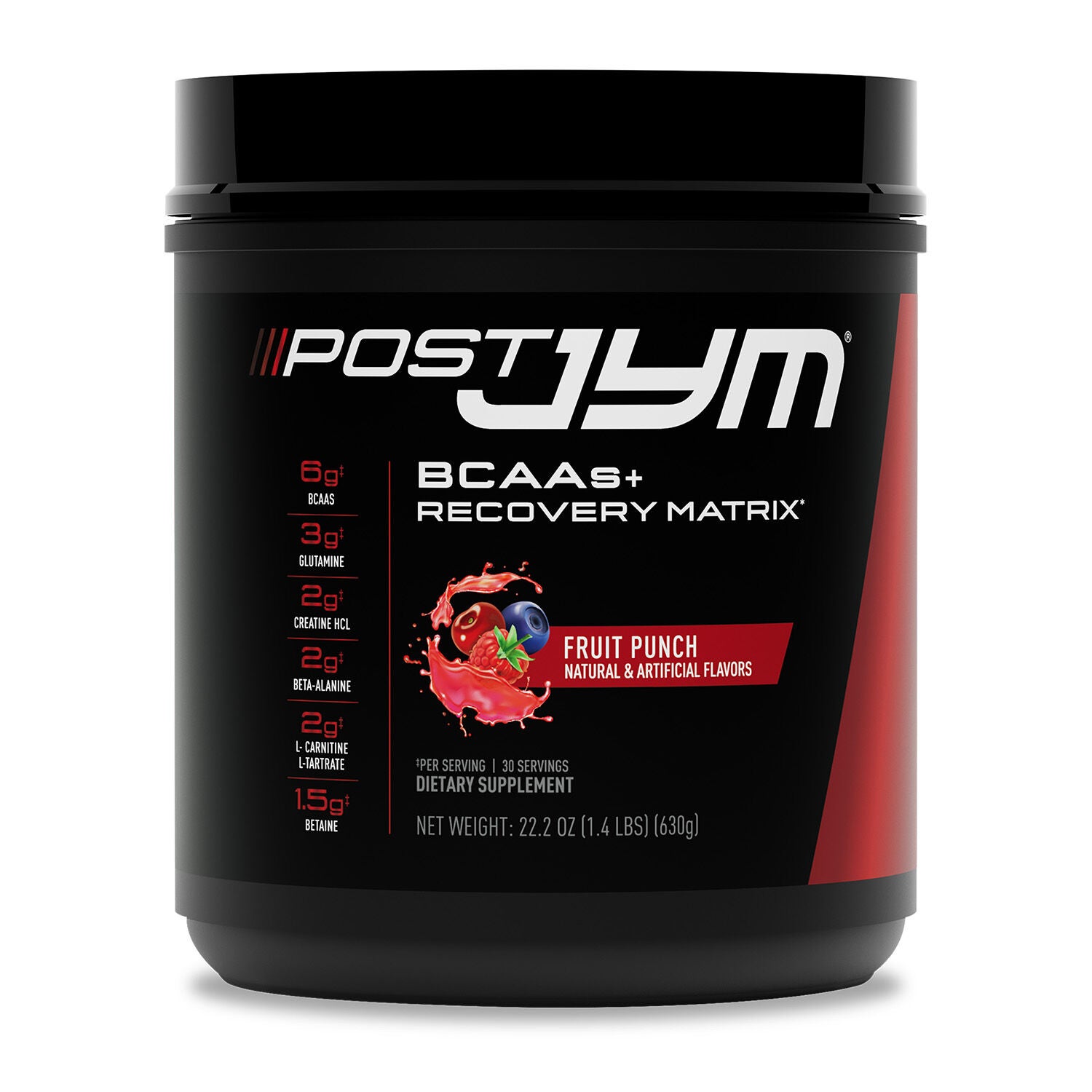


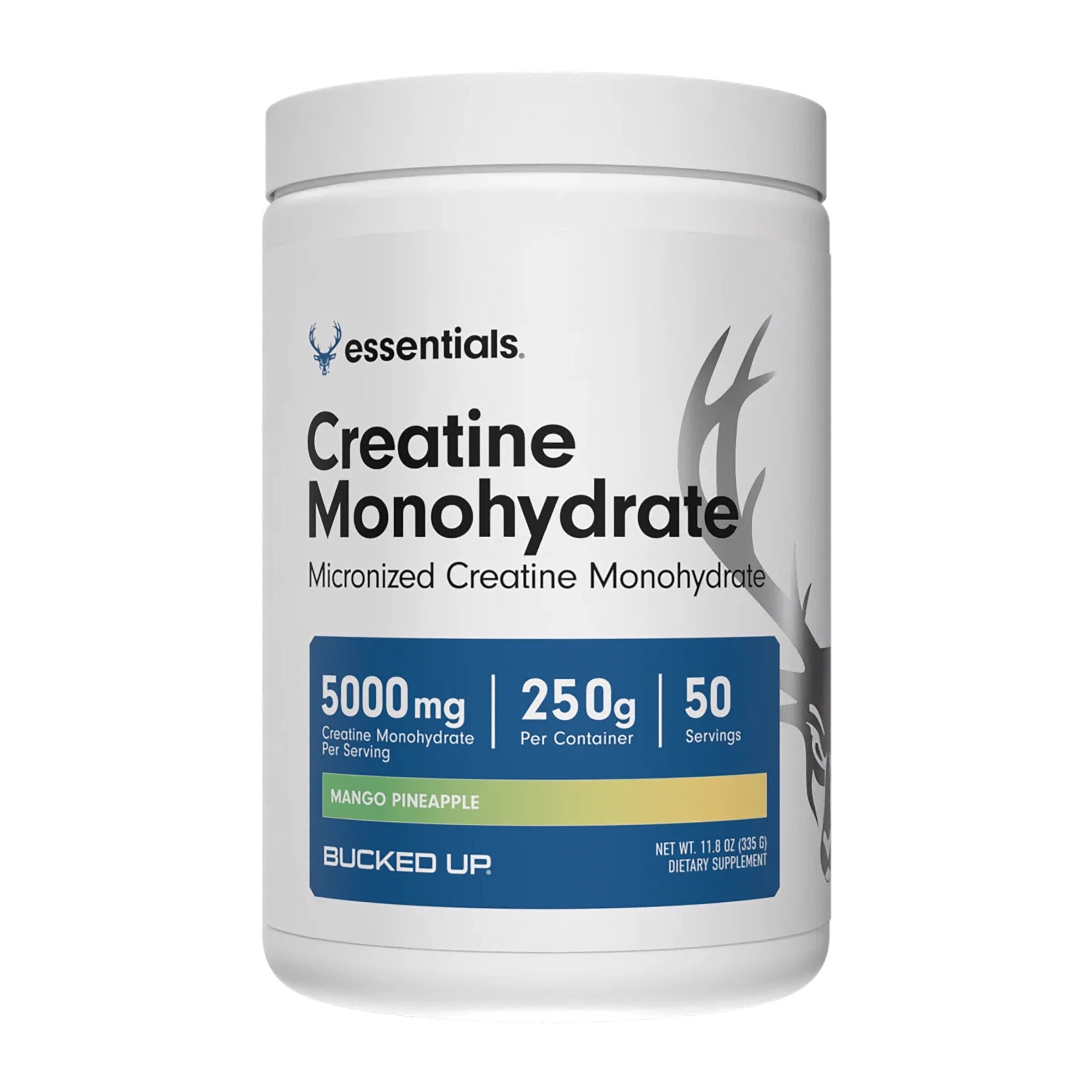


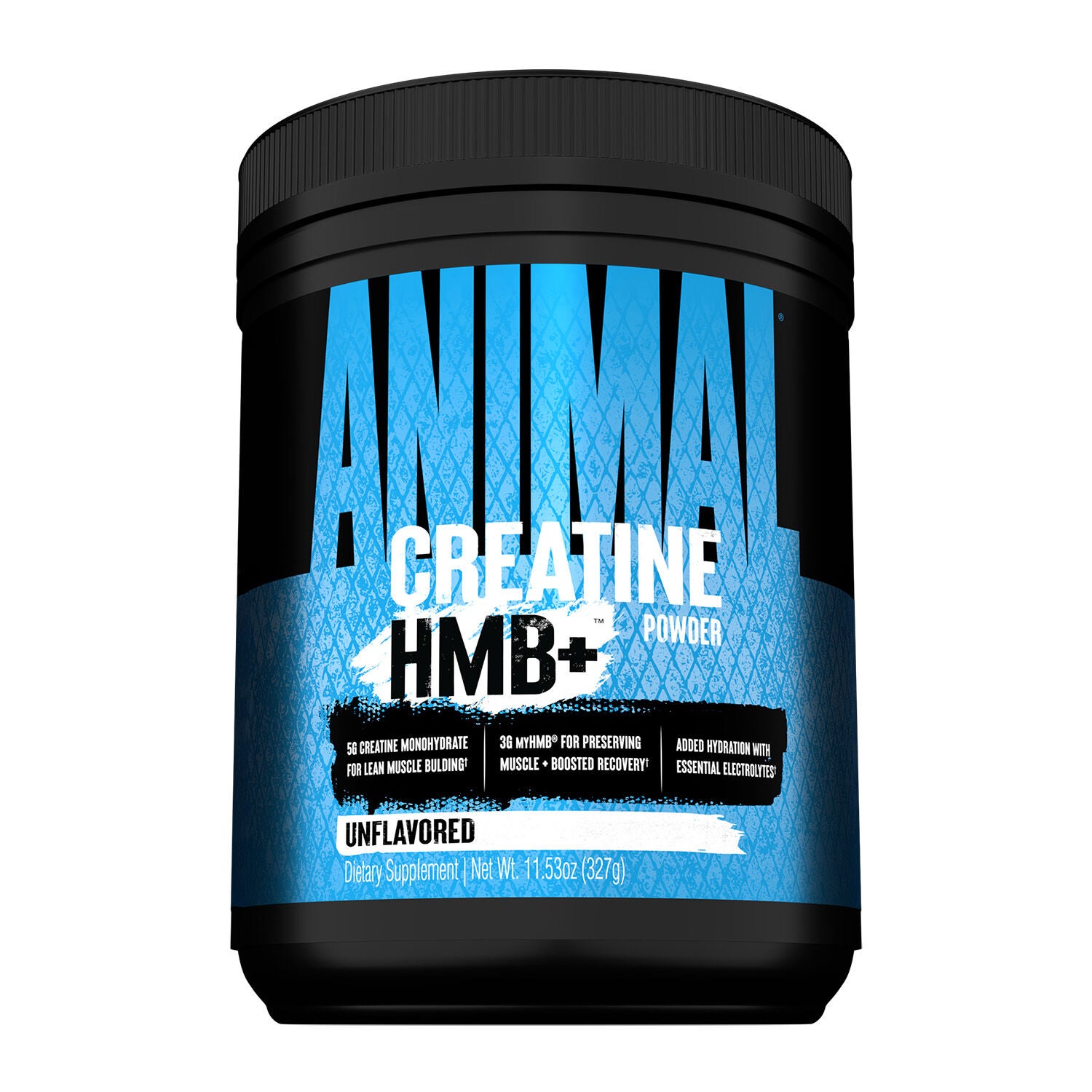
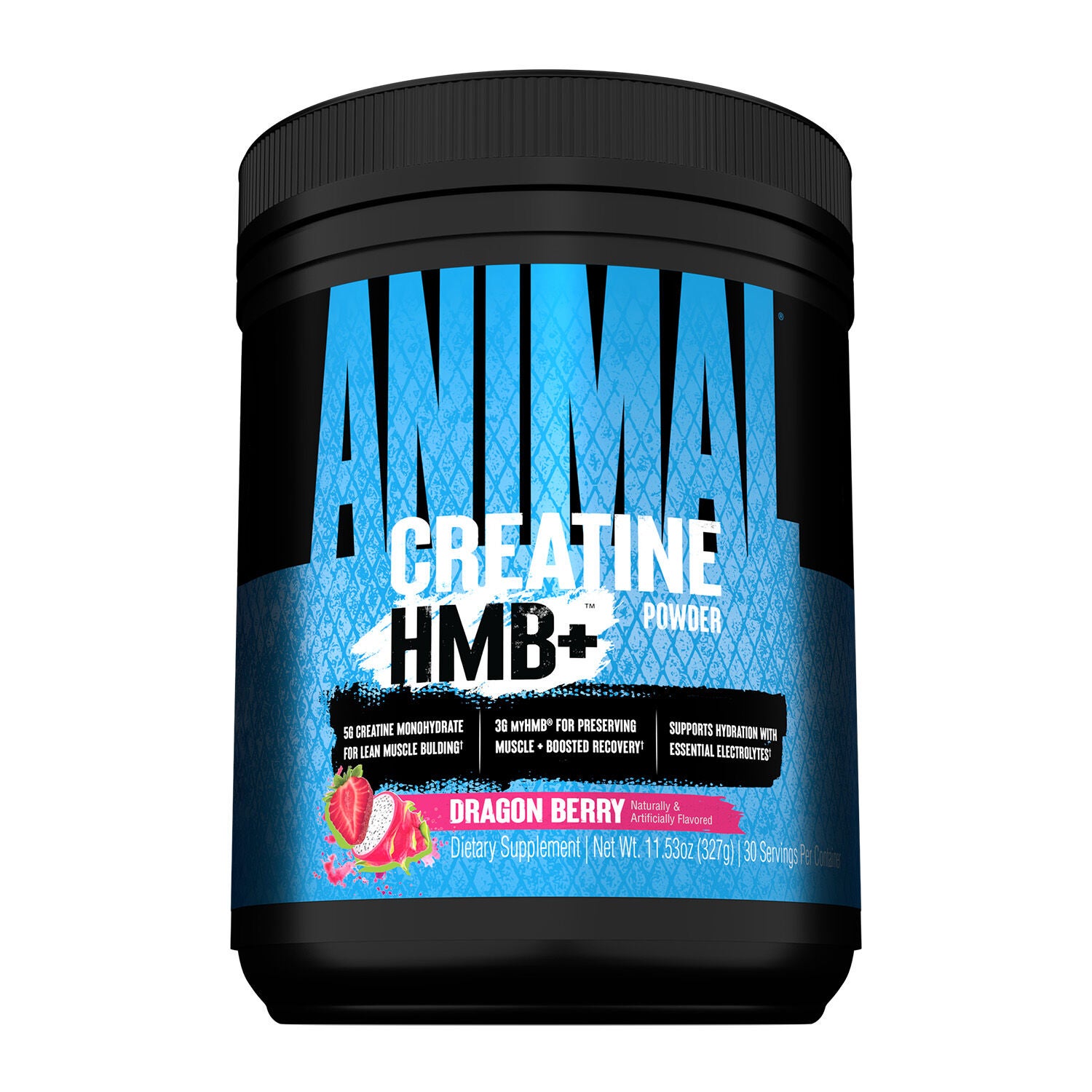
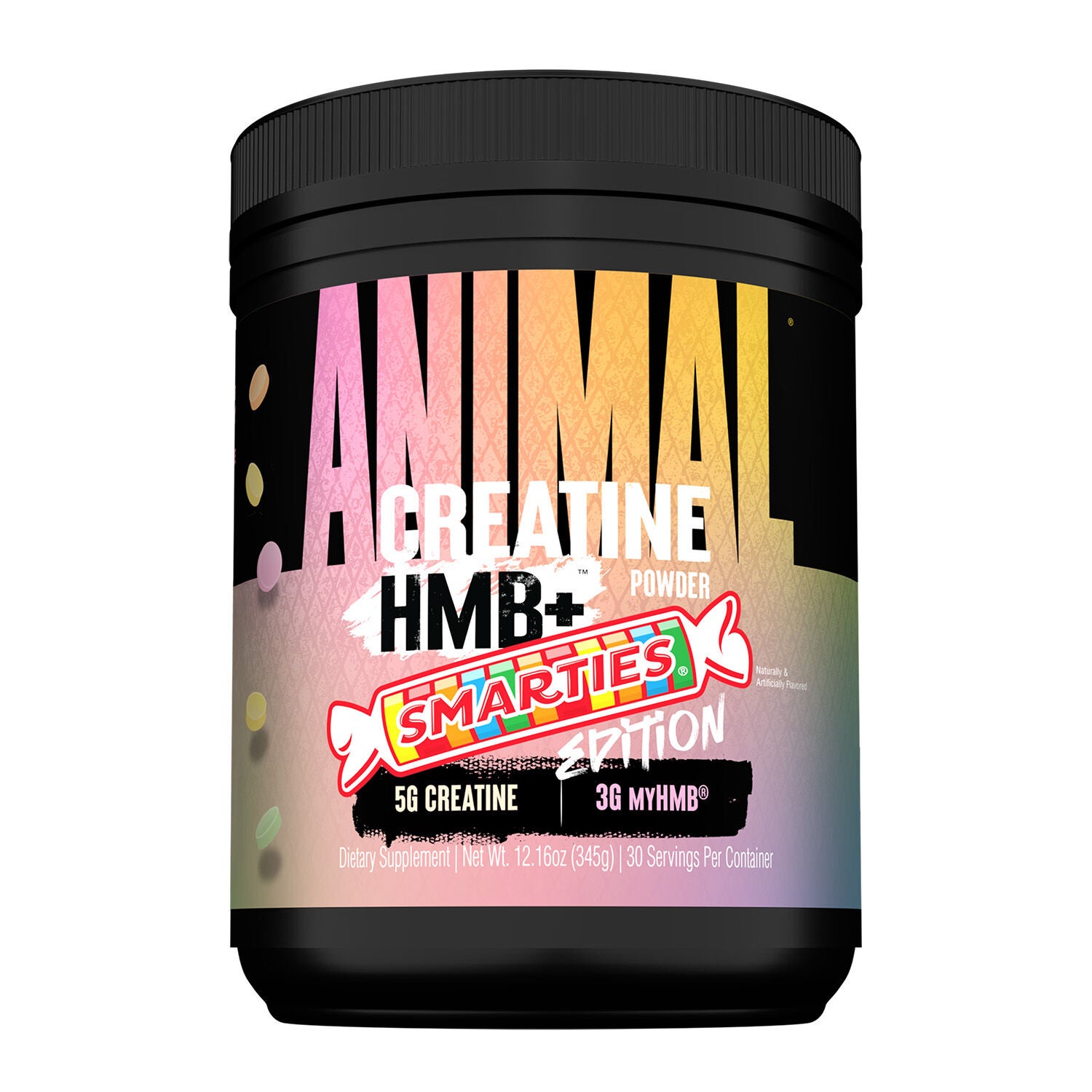
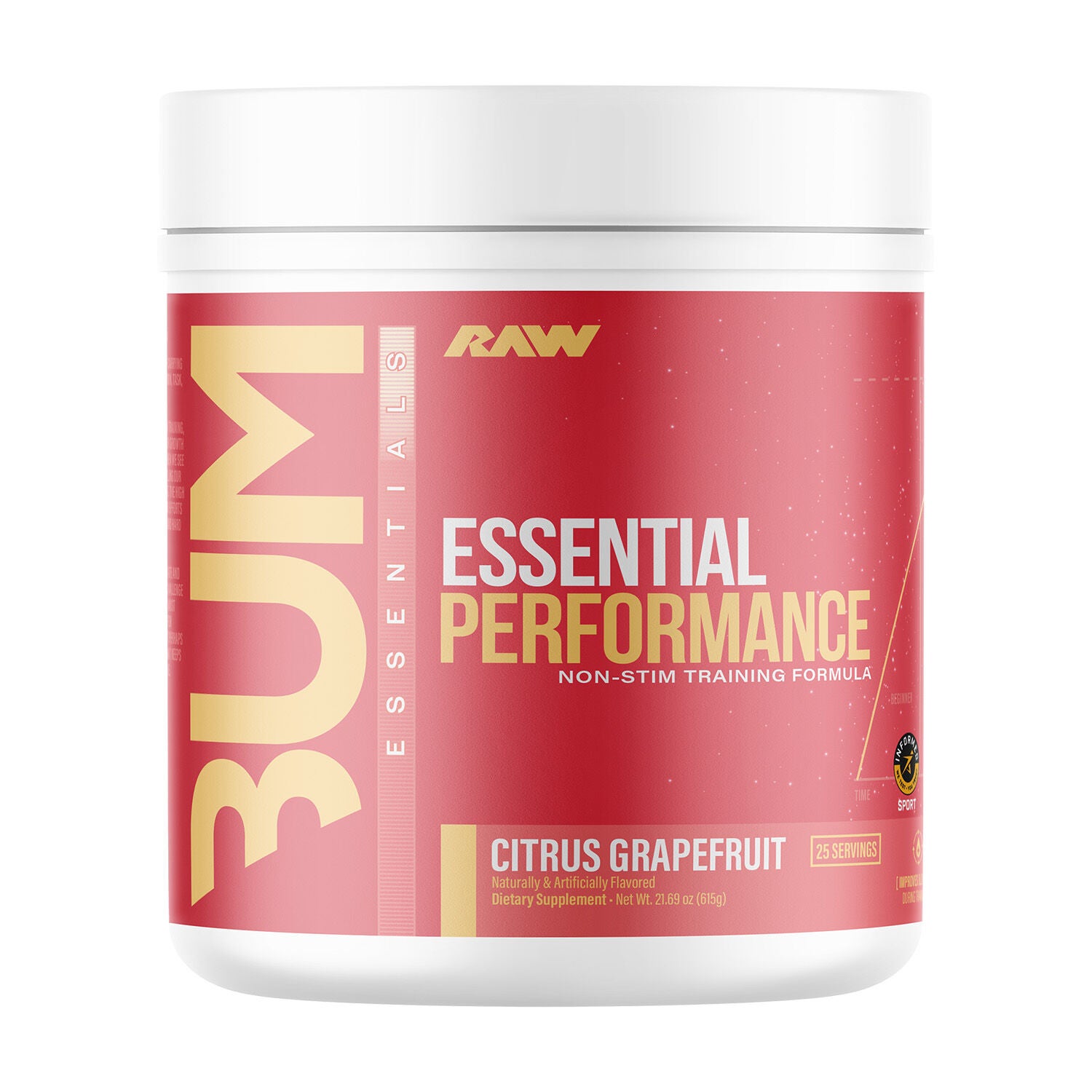
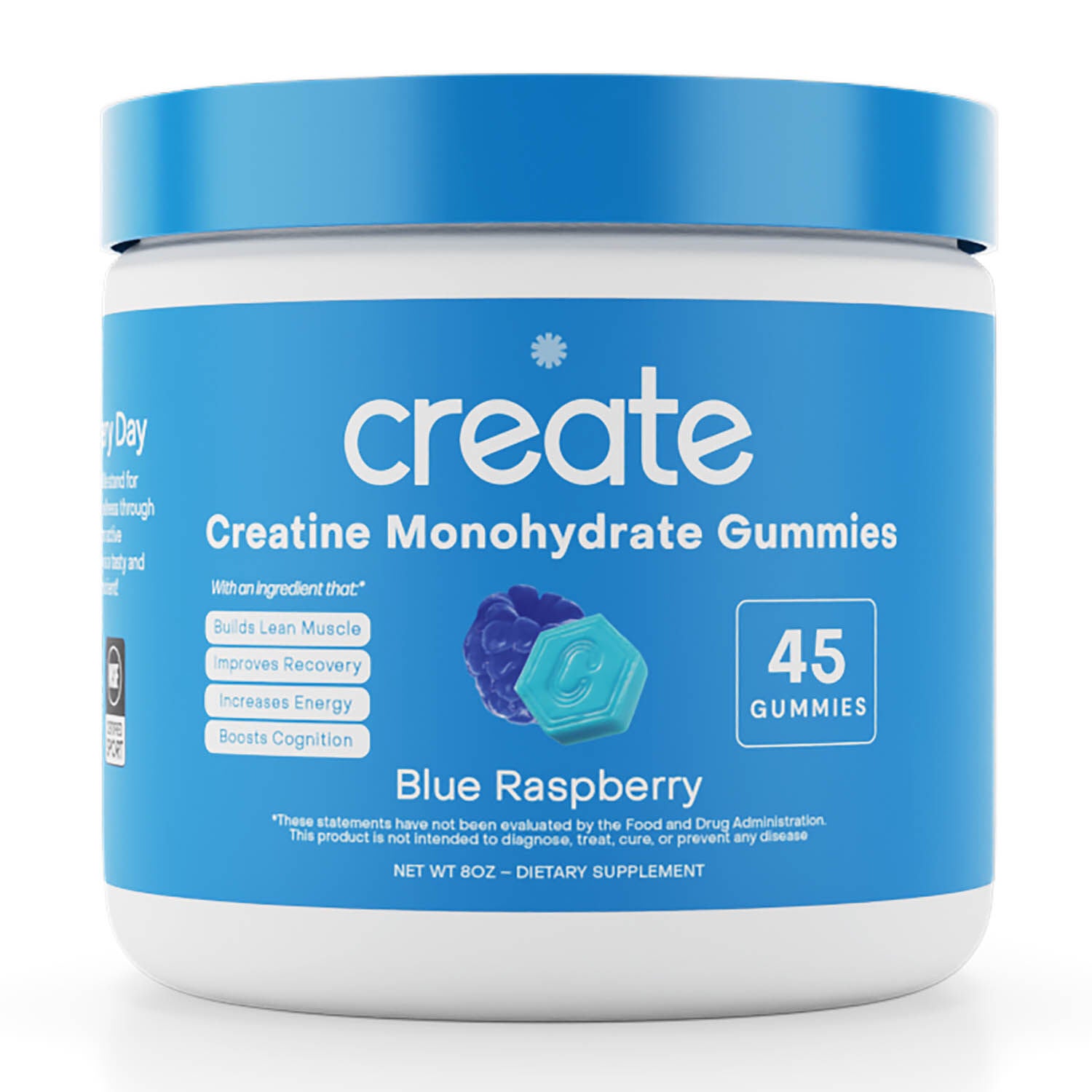
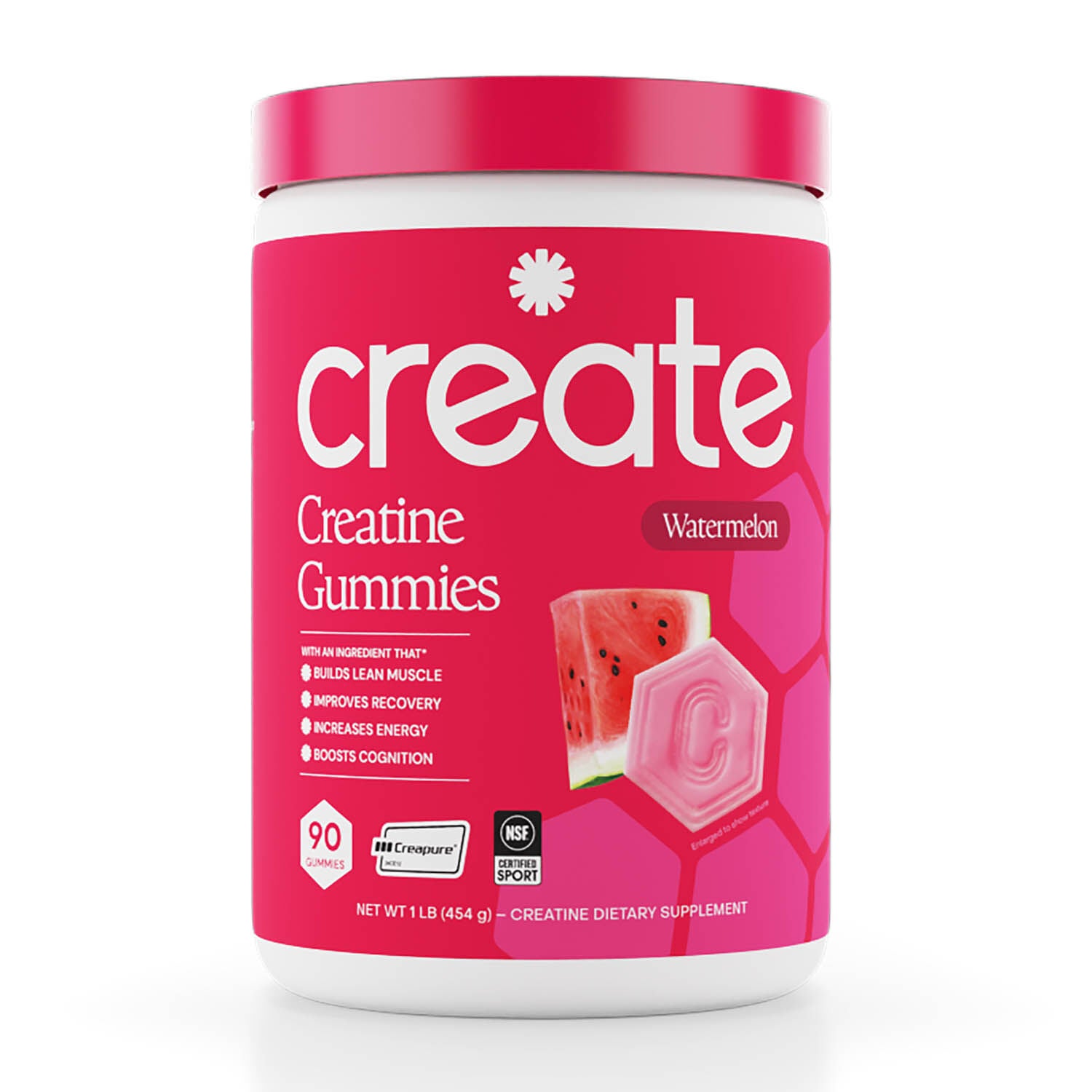
Creatine HCl powders for beginners are a way to explore creatine in a scoopable format rather than capsules or tablets. HCl stands for hydrochloride, a form in which creatine is combined with hydrochloric acid. This distinguishes it from creatine monohydrate, another common form found in sports nutrition powders. Creatine supplements may support performance during repeated, short bursts of high-intensity exercise, such as lifting sets or short sprints. For someone building a consistent strength-training routine, that intended use provides more useful context than broad claims about fitness or dramatic physical changes. The HCl form is often discussed for its water solubility, and it may dissolve readily in a beverage, depending on the formula and mixing conditions. Dissolving in a glass, however, is not the same as demonstrating a particular exercise benefit. Creatine monohydrate has a larger body of exercise research than creatine HCl, so findings about one form should not automatically be treated as findings about the other. Serving sizes also vary by formula. Some HCl powders have smaller labeled servings than common monohydrate powders, but a smaller scoop alone does not establish equivalent results. The amount of creatine HCl per serving, the number of servings in a container, and the other ingredients are separate details that help make comparisons more meaningful. A powder’s serving weight can include flavoring and other ingredients, so the weight of the scoop is not necessarily the amount of creatine HCl it contains. For a beginner, a clearly presented label can make these distinctions easier to understand without relying on an unfamiliar name or a concentrated-looking scoop. The category is especially relevant to adults who prefer a mixable supplement and want to consider how flavor, ingredients, and serving directions fit their established exercise habits. It is not necessary to choose the most elaborate formula to find one that suits a straightforward routine.
Flavor and ingredient preferences often shape the everyday experience of using creatine HCl powder as much as the format itself. Unflavored powders may appeal to shoppers who already have a preferred shake or beverage, while flavored formulas provide a separate option for mixing with water. Unflavored does not always mean tasteless; the underlying ingredients may still contribute a noticeable taste, including tartness. A citrus-style flavor might fit naturally into a water-based drink, whereas a strongly flavored powder could change the taste of a chocolate or vanilla shake. Someone who enjoys drinking a protein shake after lifting may prefer a subtle addition, while someone who keeps supplements separate from meals may favor a distinct fruit flavor. These are matters of personal preference rather than signs that one option will perform better. Mixing directions are also relevant to the finished drink. The suggested liquid amount provides context for the intended concentration, and using less liquid may create a stronger taste. Texture, foam, and visible sediment can vary with the ingredients, the beverage, and the mixing method. A spoon and glass may suit one formula, while another may call for a shaker bottle. Beyond flavor, ingredient lists can include sweeteners, colors, acids, or ingredients intended to influence texture. Shoppers with dietary preferences or ingredient restrictions have more to compare than the words on the front of the container. Allergen statements and clearly identified ingredients provide useful detail, particularly when several powders are already part of a routine. A creatine-only formula and a multi-ingredient workout blend are different shopping choices: the blend may contain caffeine or other components that are not part of creatine HCl itself. Separate ingredient amounts are more informative than an unexplained blend name. For participants in organized sports, independent testing or certification is another relevant consideration, with the meaning of a certification depending on the program behind it. Clear labeling, a suitable flavor, and an understandable formula can make the choice less complicated.
The most practical creatine HCl powder for a beginner is one whose format and directions suit the way that person already organizes exercise and meals. A container kept beside a shaker bottle presents a different experience from capsules stored in a travel pouch, and the powder format involves measuring and mixing each serving. The included scoop and the label’s stated measurement belong together; a scoop from another supplement is not an interchangeable measuring tool. Likewise, an introductory schedule described for another form of creatine should not be assumed to apply to every HCl formula. Label directions provide the reference for serving size, preparation, and intended use, including any distinction between exercise days and days without training. Packaging and storage deserve attention as well. A secure lid, a dry measuring scoop, and storage according to the container’s instructions may help limit moisture exposure and preserve the powder’s intended texture. Leaving a damp scoop inside the container or storing an open tub beside a sink introduces avoidable moisture. The date and storage information on the package remain relevant even when the powder looks unchanged. These details matter to a beginner assembling a gym bag, a recreational lifter setting up a small home workout space, or an experienced exerciser considering creatine HCl for the first time. A person who alternates lifting with running may also find Creatine HCl Powders For Runners relevant when browsing by activity. That connection is most useful when the exercise context stays clear: creatine may support repeated high-intensity efforts, but it should not be presented as a shortcut to every running or strength goal. Training experience, food choices, recovery habits, and personal preferences remain part of the broader picture. For beginner shoppers, comparing the creatine form, labeled amount, additional ingredients, flavor, mixing directions, and container design provides a grounded way to distinguish powders without treating an unfamiliar formula as automatically better.
Best Sellers
-
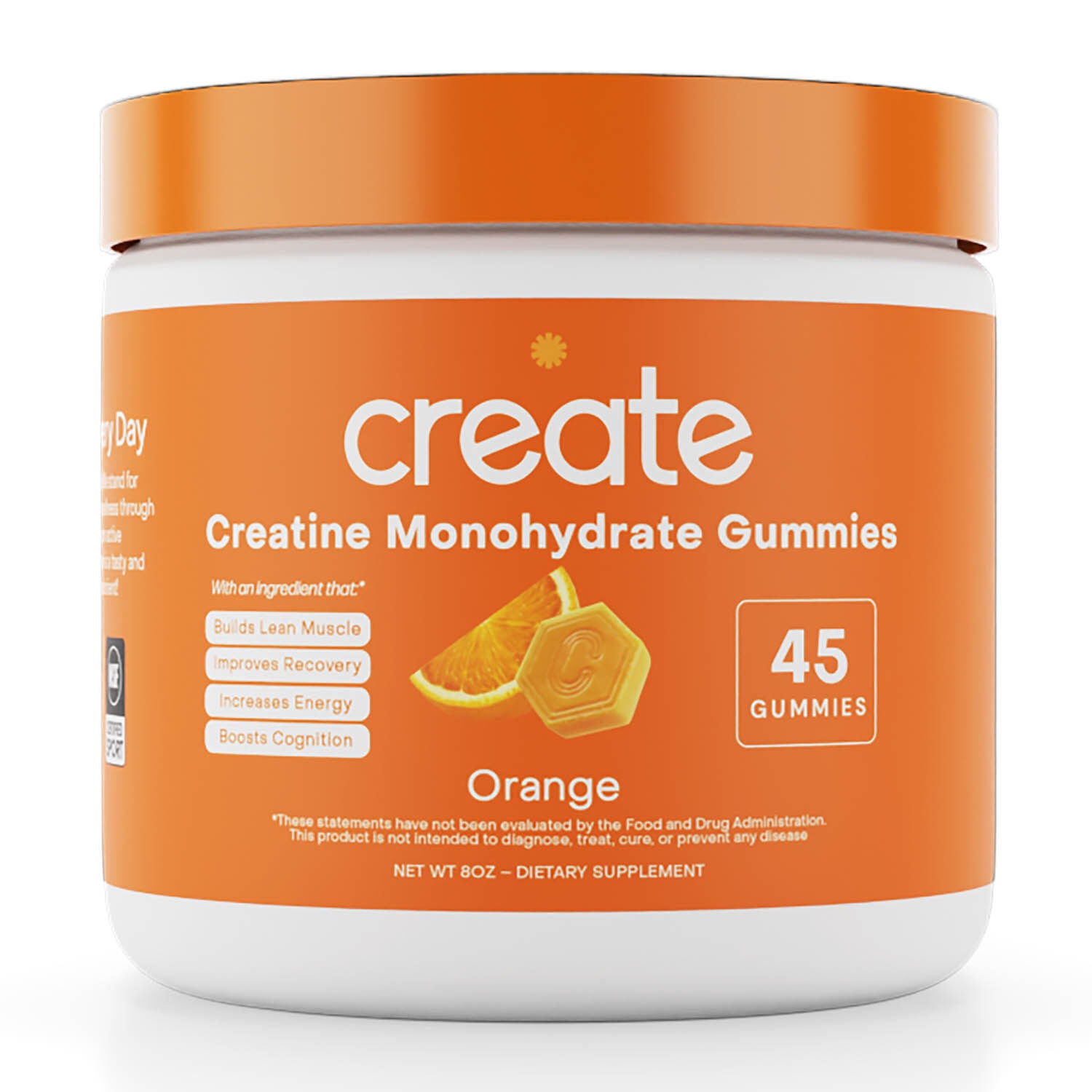 Create Wellness