Exercise Supplements For Beginners
(0 Results)
Embarking on a new fitness journey can be both exciting and challenging, and exercise supplements for beginners might offer valuable support along this path. These supplements could provide essential nutrients that may help optimize workouts, promote recovery, and support overall wellness. Whether you're looking to potentially increase energy levels, improve endurance, or assist muscle growth, choosing supplements tailored for beginners might make your fitness goals more attainable. Explore options that may complement your routine and help you unlock your full potential as you start this empowering journey towards a healthier lifestyle.
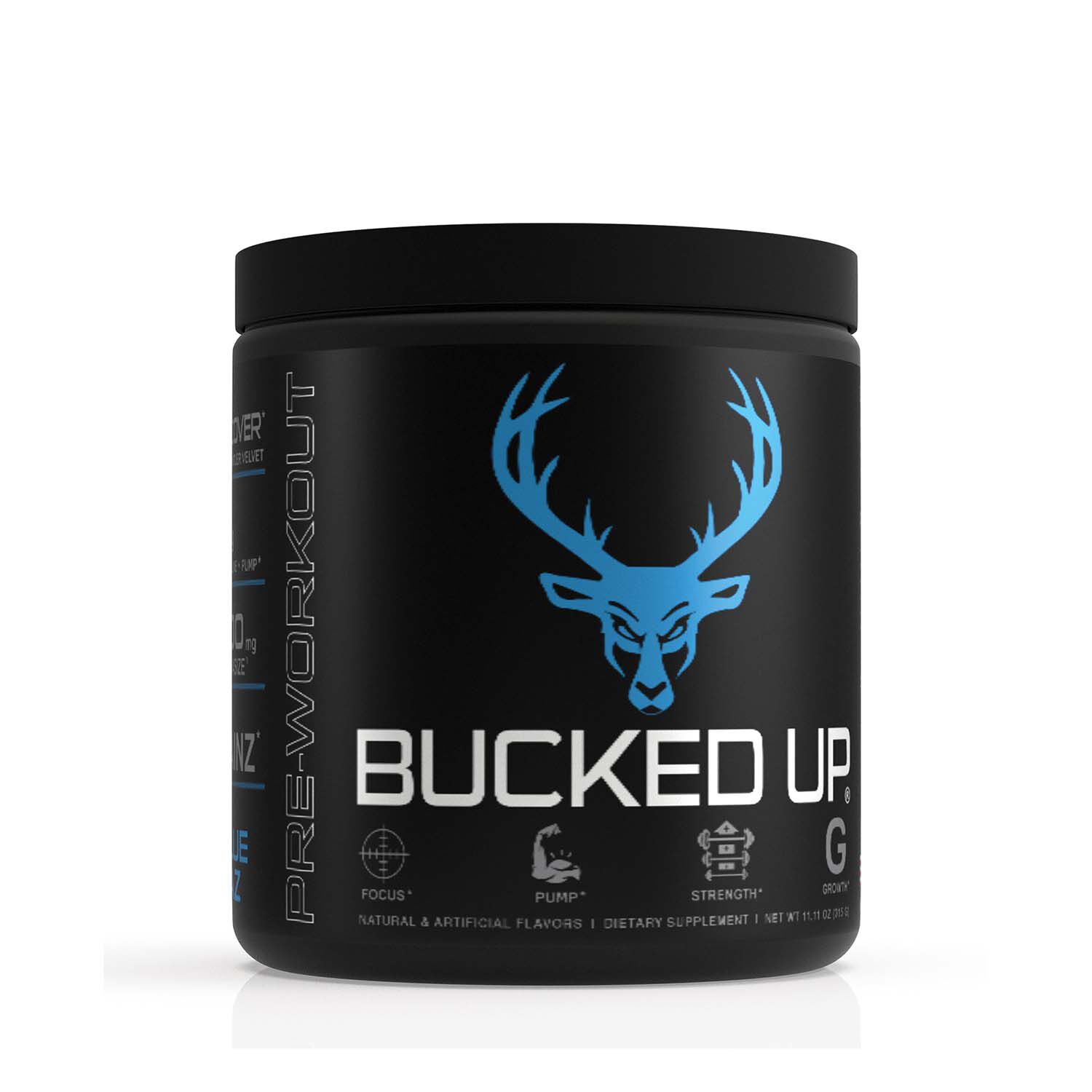
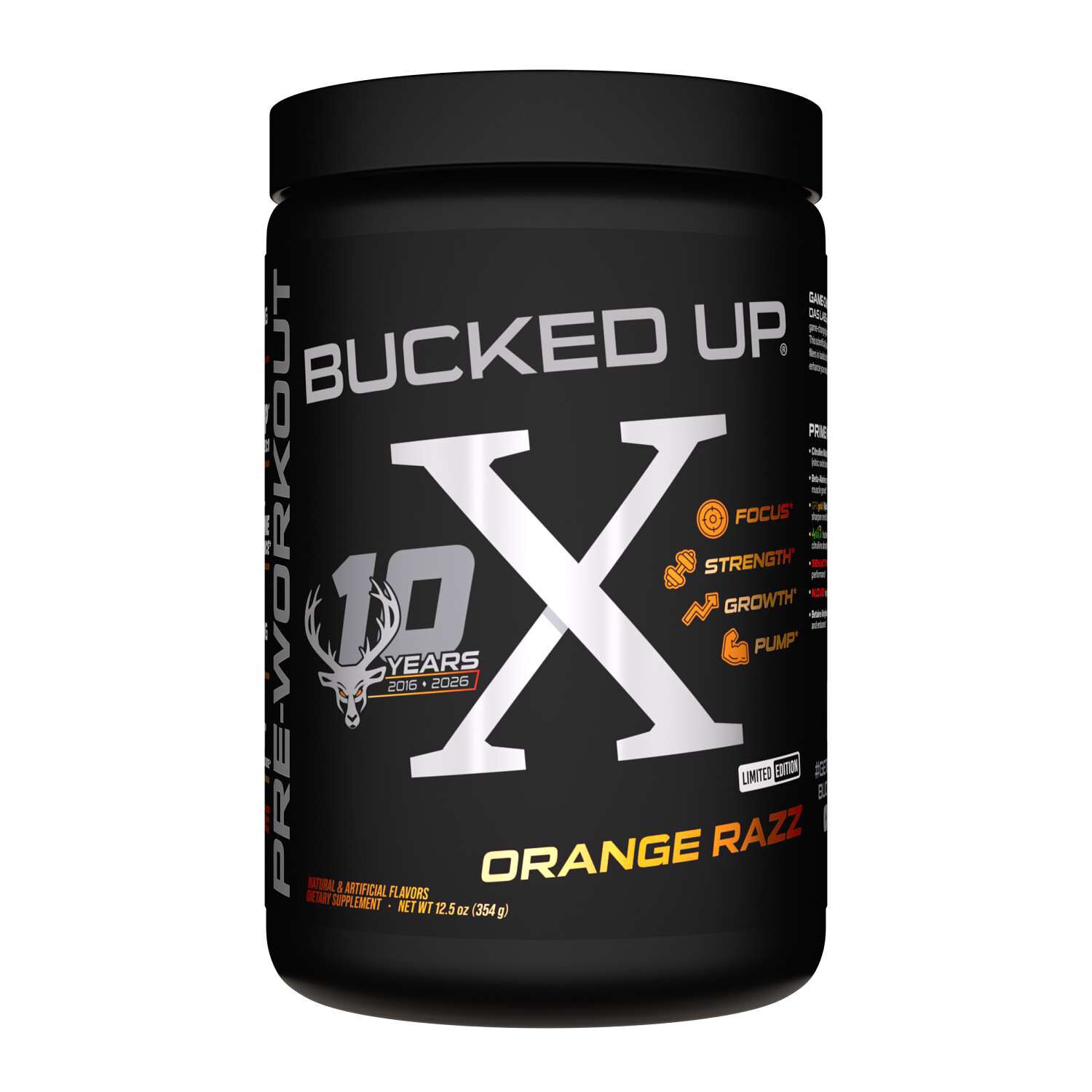


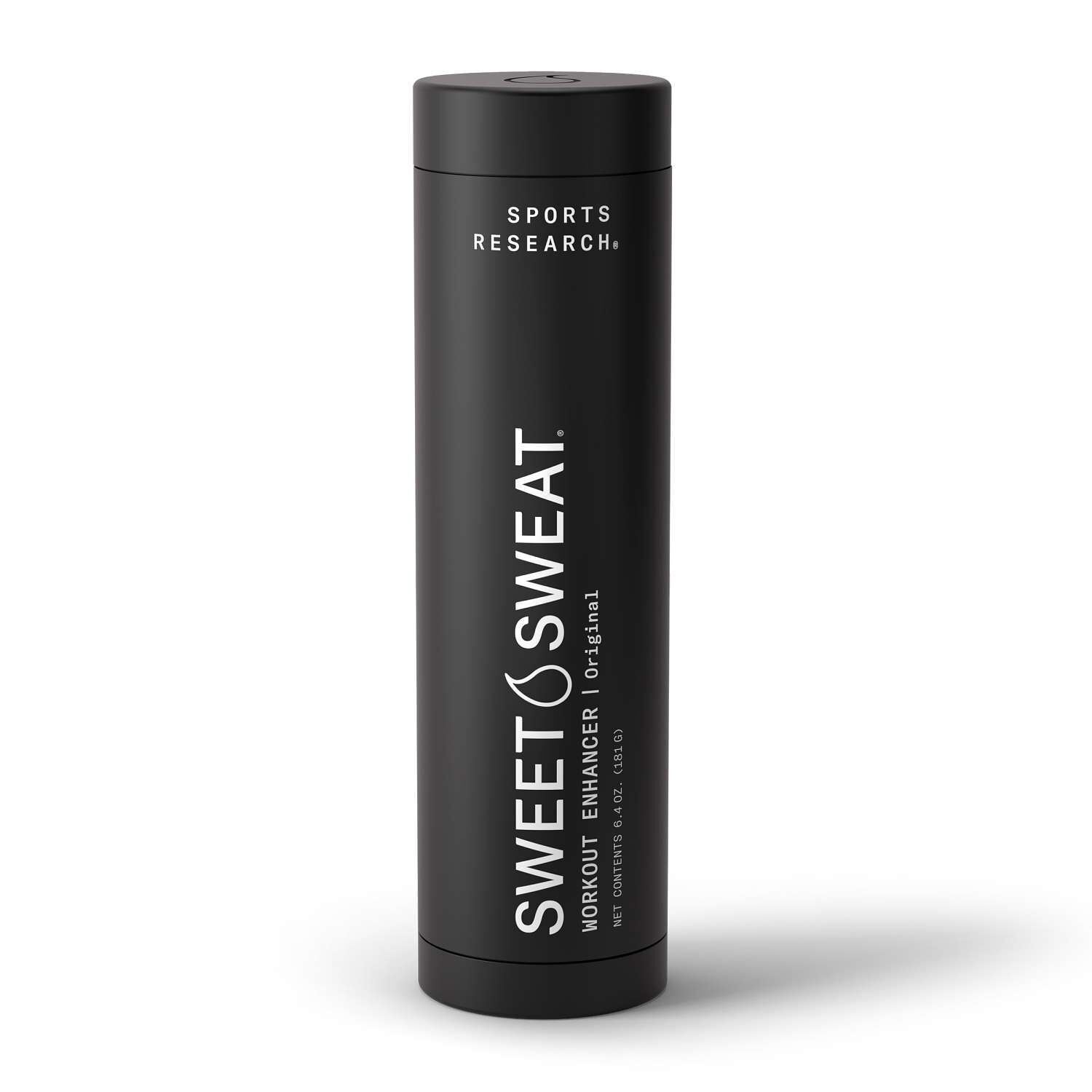
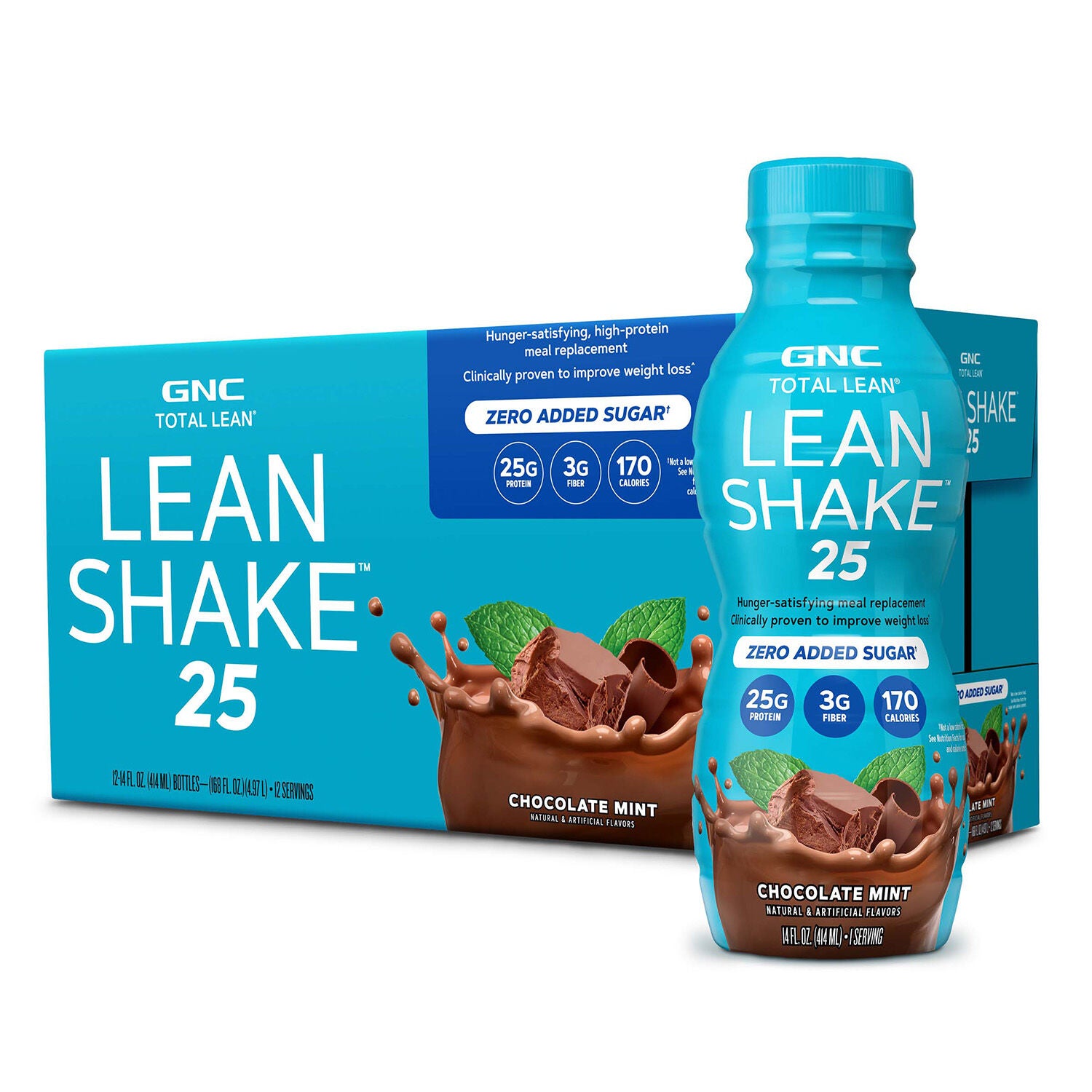
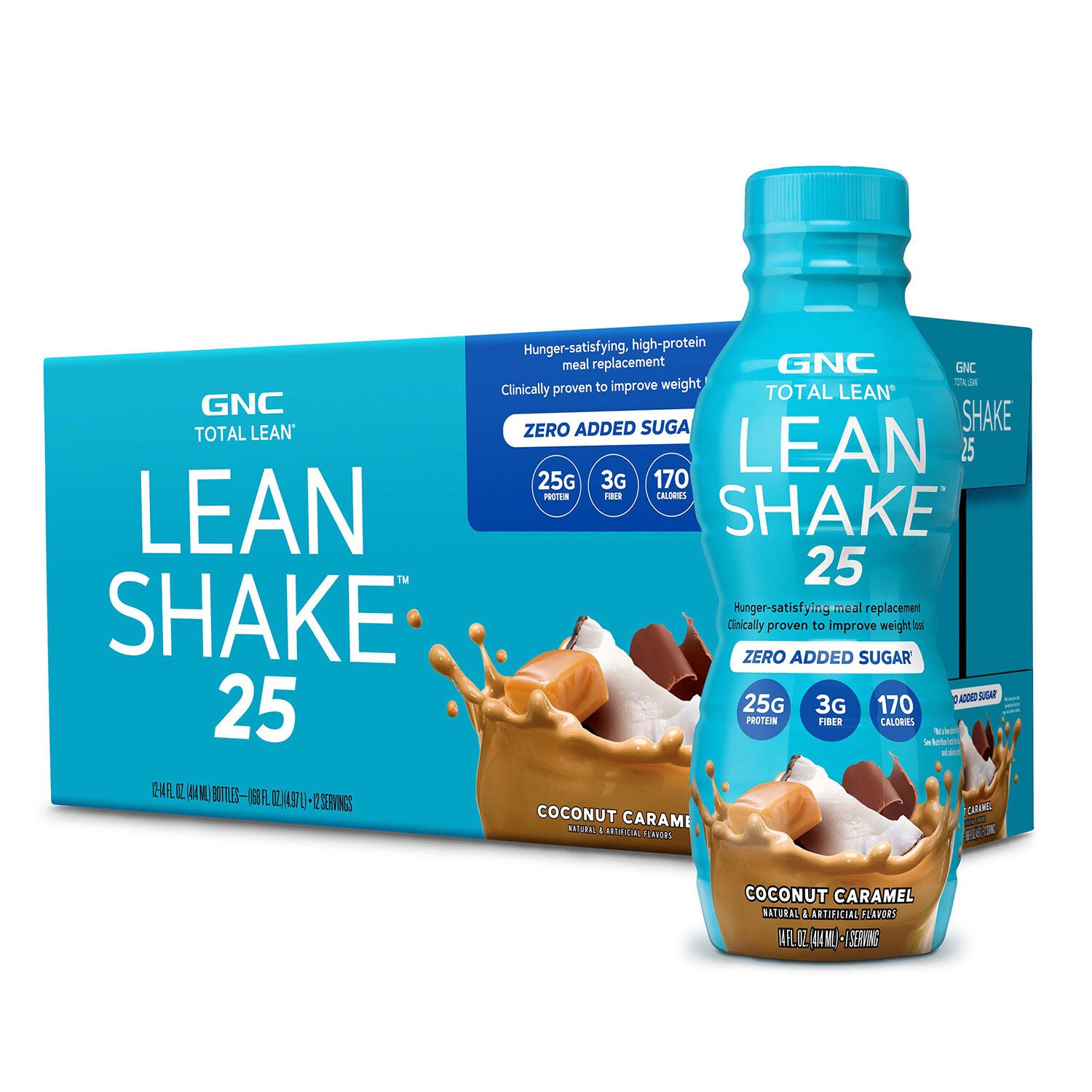
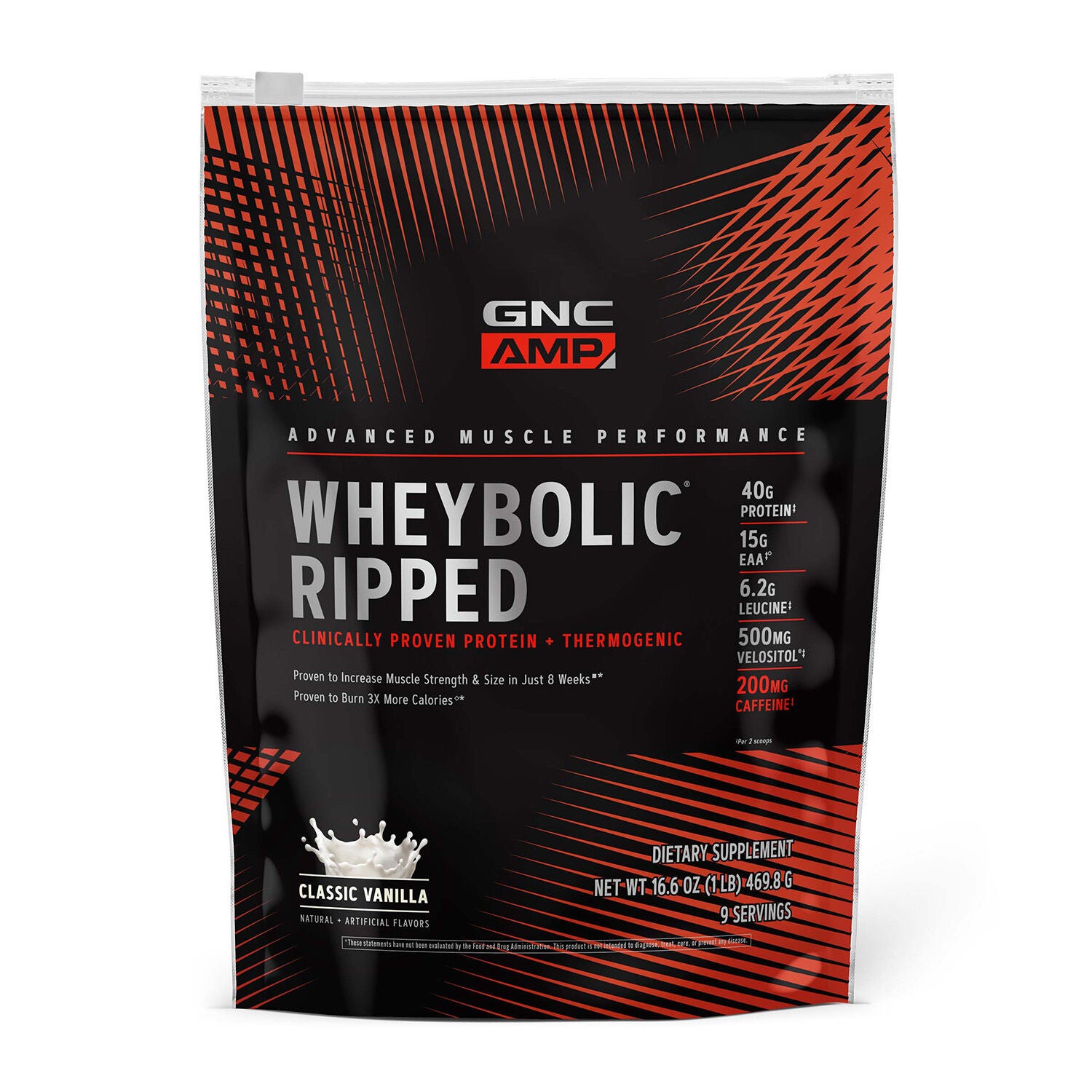

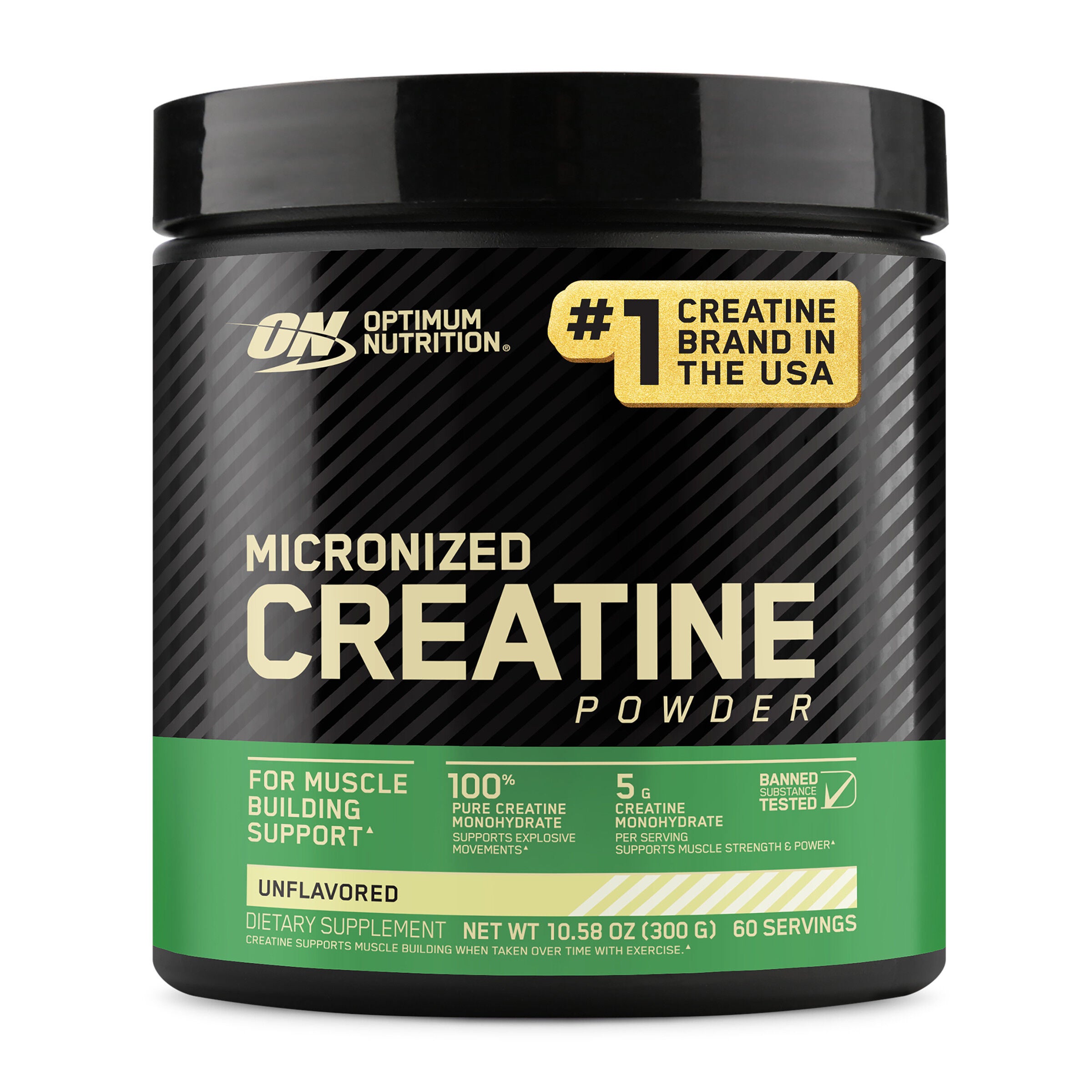
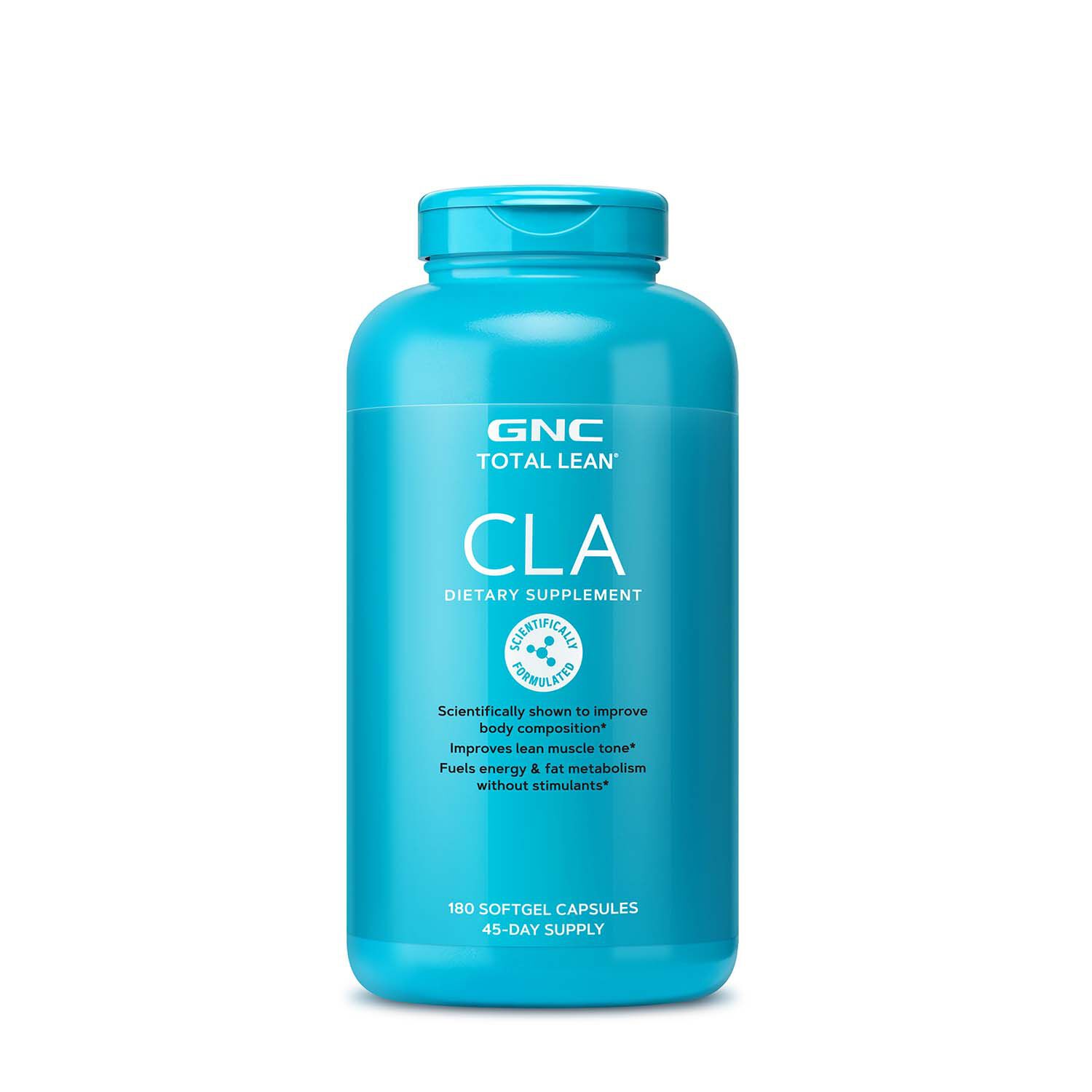

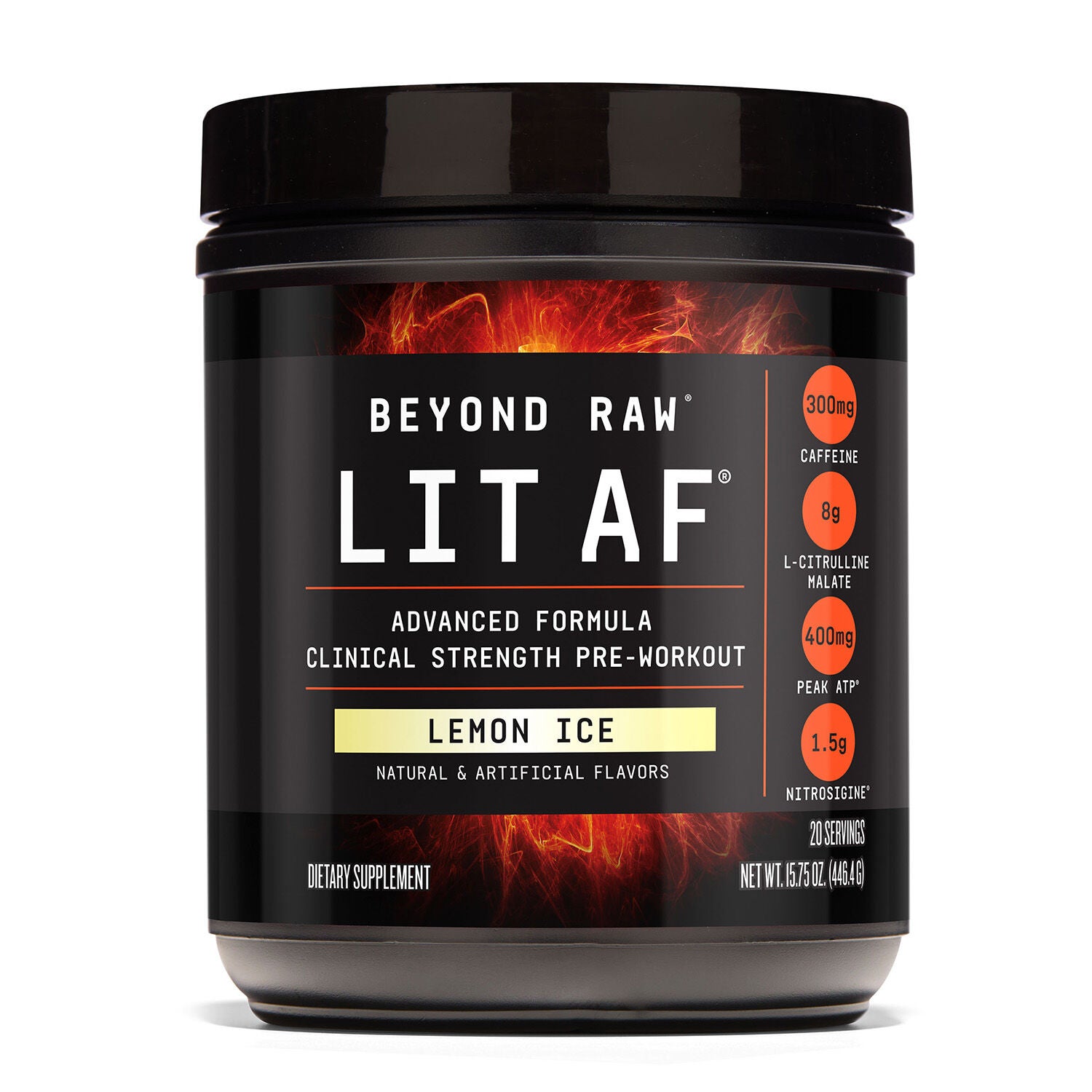

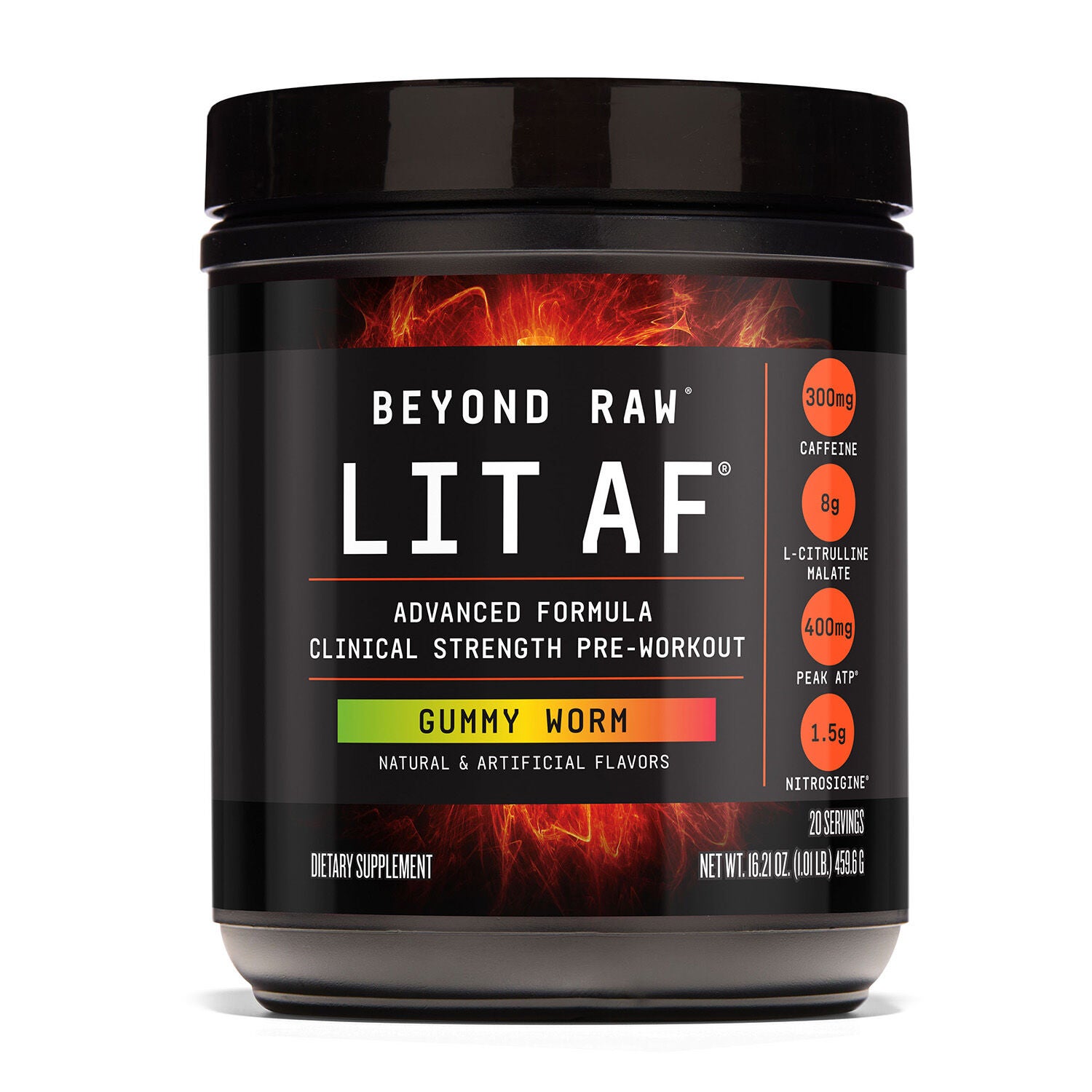
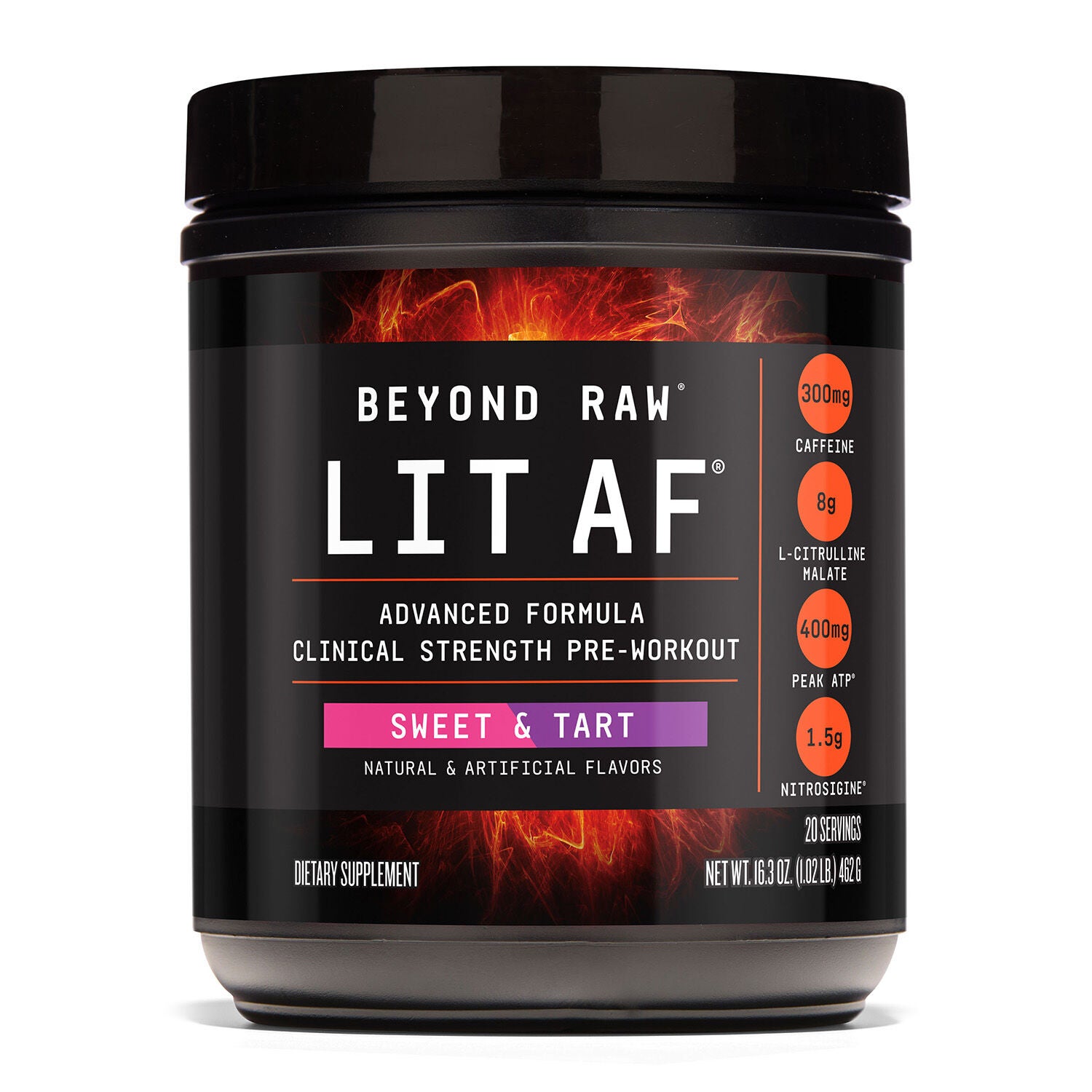


Exercise supplements for beginners include protein powders, creatine, electrolyte mixes, and pre-workout formulas, with each category serving a different purpose in a workout routine. Protein powder may help supplement dietary protein, creatine may support performance during repeated short bursts of intense exercise, and electrolyte mixes provide minerals such as sodium and potassium. These categories are not interchangeable, and a beginner’s collection does not have to include all of them. Someone starting strength training twice a week may be interested in a protein powder that fits breakfast, while someone attending warm indoor cycling sessions may prefer a drink mix with clearly listed mineral amounts. The most relevant differences often come down to intended use, ingredients, serving format, and how comfortably a supplement fits alongside regular meals and exercise. Protein powders commonly use whey, casein, soy, pea, or blends of plant proteins. Whey and casein come from milk, while plant-based options offer alternatives for people who prefer to avoid dairy ingredients. Flavor and texture matter in everyday use: a creamy vanilla powder mixed into oatmeal creates a different experience from a fruit-flavored drink shaken with cold water. Some powders mix best in a blender, while others are designed for a shaker bottle, so preparation directions can be as important as the flavor description. Protein grams per serving, ingredient lists, and allergen statements offer more useful comparisons than the size of the container alone. A serving measured by one scoop in one formula may differ from a scoop in another. For a beginner heading from the gym to work, portable packaging and straightforward mixing directions may matter more than an elaborate ingredient blend. For someone exercising at home, a larger container stored near the breakfast ingredients may fit the routine better. Exercise supplements are additions to a food and training routine, not substitutes for meals, practice, or rest, and there is no single category that belongs in every beginner’s gym bag.
Protein supplements and creatine frequently appear together in conversations about beginner workout supplements, but they have distinct roles. Protein supplies amino acids and may support muscle recovery after exercise as part of an eating pattern that provides enough food and protein. Creatine monohydrate may support strength and performance during repeated, high-intensity efforts, such as lifting weights or performing short cycling intervals. It is not the same as protein, and it does not necessarily come with caffeine or the other ingredients found in pre-workout blends. A single-ingredient creatine powder has a different composition from a flavored workout formula containing several ingredients, making the label an important point of comparison. Shoppers exploring this part of a training routine can also browse Muscle Supplements for Beginners for a more focused look at the category. Beyond the main ingredient, the details that shape daily use include serving size, mixing instructions, added flavors, sweeteners, and whether a formula contains ingredients already present in another supplement. An unflavored powder is not always without texture or taste, and adding it to a thick smoothie produces a different result from stirring it into a glass of water. Powder formats also call for measuring and mixing, while capsules involve a stated number per serving. Neither format is automatically a better match for every shopper. The practical fit depends on preferences and the directions for that formula. Clearly stated ingredient amounts and third-party certification information, when shown on the packaging, provide additional context for comparing options without relying on bold front-label language. Someone learning basic barbell movements may prefer a short ingredient list that is easy to understand, while a recreational runner adding strength sessions may be more interested in a protein option that works with familiar snacks. In both settings, modest expectations belong alongside the product details: possible results vary with the individual, the exercise routine, food intake, and consistent practice. A supplement label describes what is in the container; it cannot establish how any particular beginner will respond.
Electrolyte and pre-workout supplements bring another set of considerations to a beginner’s exercise routine. Electrolyte powders and tablets contain minerals in differing amounts, and some also include carbohydrates, flavors, and sweeteners. They may support hydration during prolonged or sweaty exercise, but a brief stretching session and a long, perspiration-heavy workout represent different intended uses. The amount of water specified on the label affects the finished drink’s concentration and taste, so serving directions are a meaningful part of comparing these formats. A lightly flavored mix may suit someone who enjoys sipping from a bottle during a session, while another person may prefer plain water and find little reason to add a flavored drink to a short workout. Pre-workout formulas vary substantially: some contain caffeine, while others are made without it. Caffeine-containing formulas may support alertness for exercise, but caffeine content deserves attention alongside coffee, tea, and other beverages consumed throughout the day. An evening workout also presents a different setting from an early morning gym visit. There is no reason to treat pre-workout as a required starting point simply because it appears alongside protein and creatine. Across all these categories, packaging, storage, and preparation influence the everyday experience. Single-serving packets offer a compact format for a gym bag, while tubs generally call for a dry scoop and secure closure after use. Storage directions and best-by dates matter, especially when a container moves between a kitchen shelf, a locker, and a car. Keeping powders away from moisture and washing mixing bottles after use are practical parts of product care. Container construction matters most for carrying and storing the contents; a sturdy lid and readable label are more relevant here than the durability considerations associated with workout equipment. For adult beginners building a routine during the cooler months, the right fit may be something that works just as naturally after an indoor class as it does beside breakfast before work. Familiar flavors, clear labeling, and a format that suits the setting can make the category easier to navigate without turning a new exercise habit into a complicated supplement routine.
Best Sellers
-
 GNC Total Lean
 -
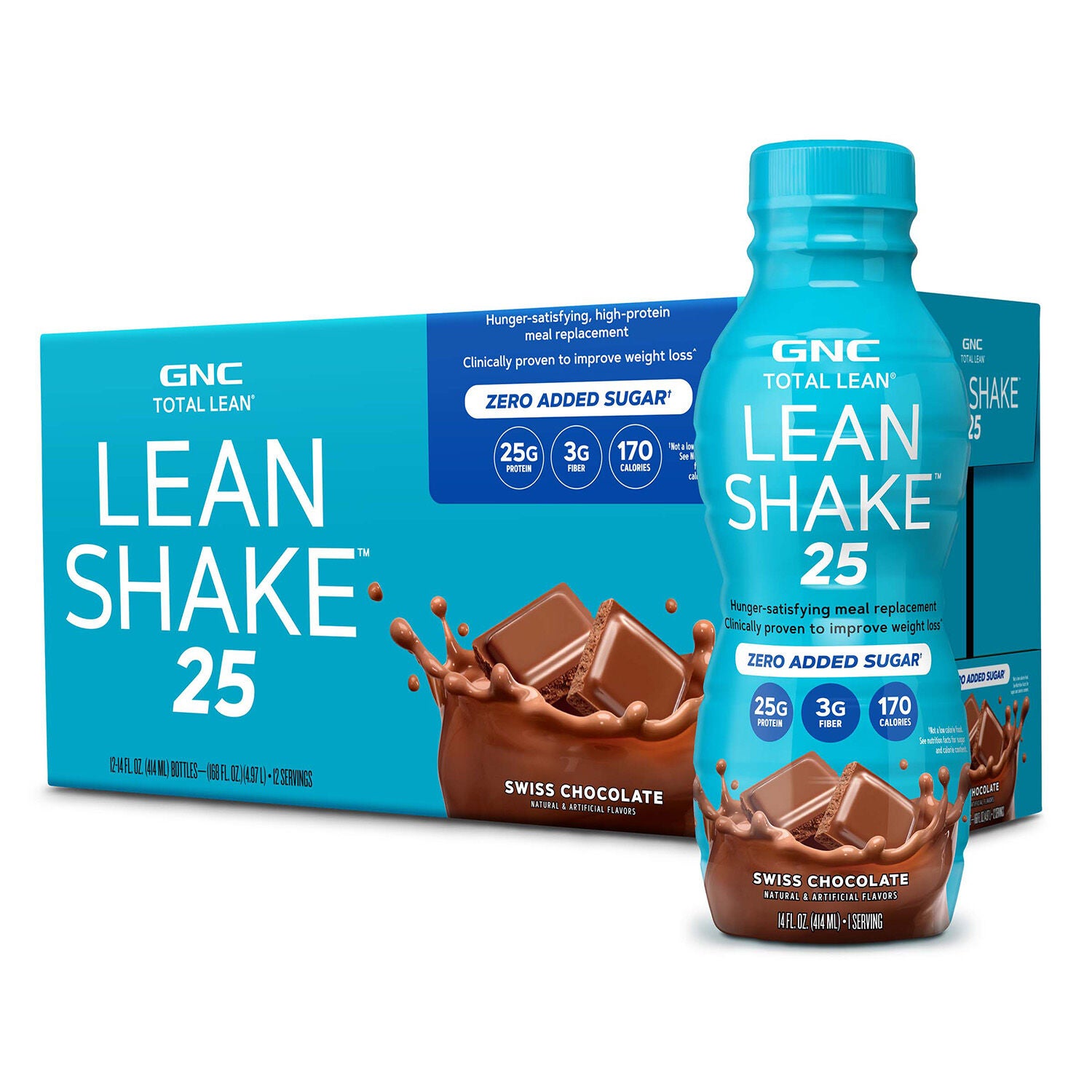 GNC Total Lean
 -
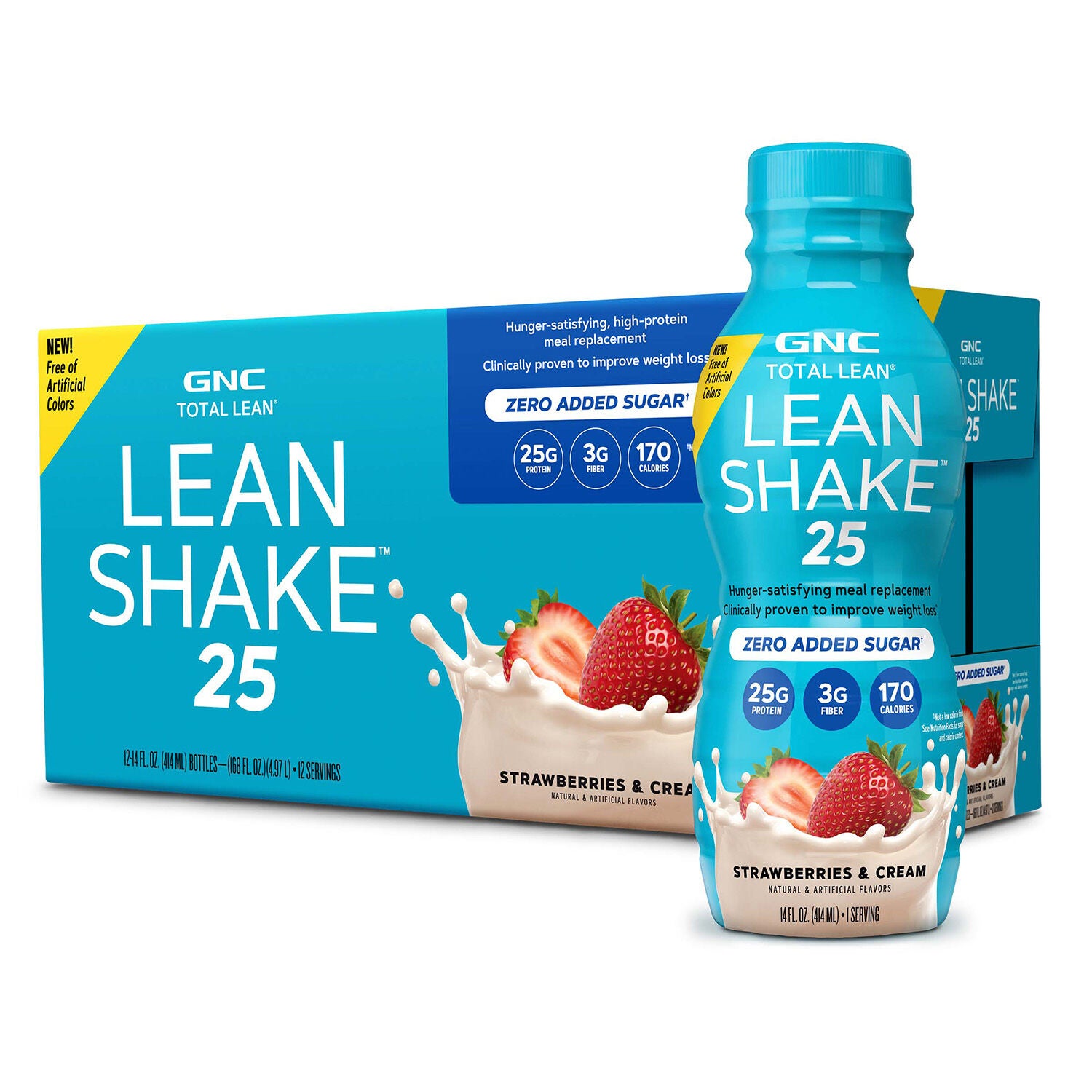 GNC Total Lean
 -
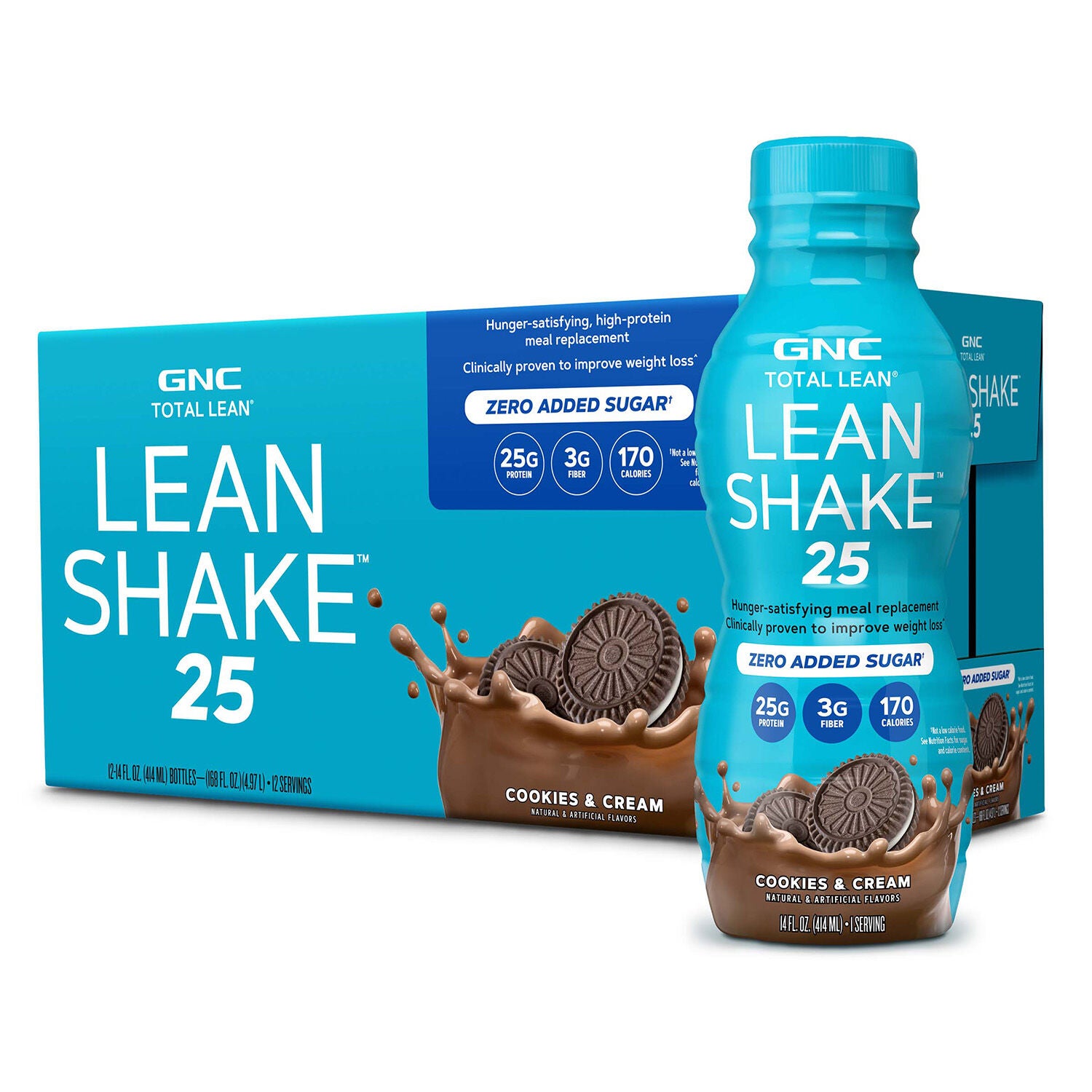 GNC Total Lean