





Supplements For Building Exercise Habits
(0 Results)
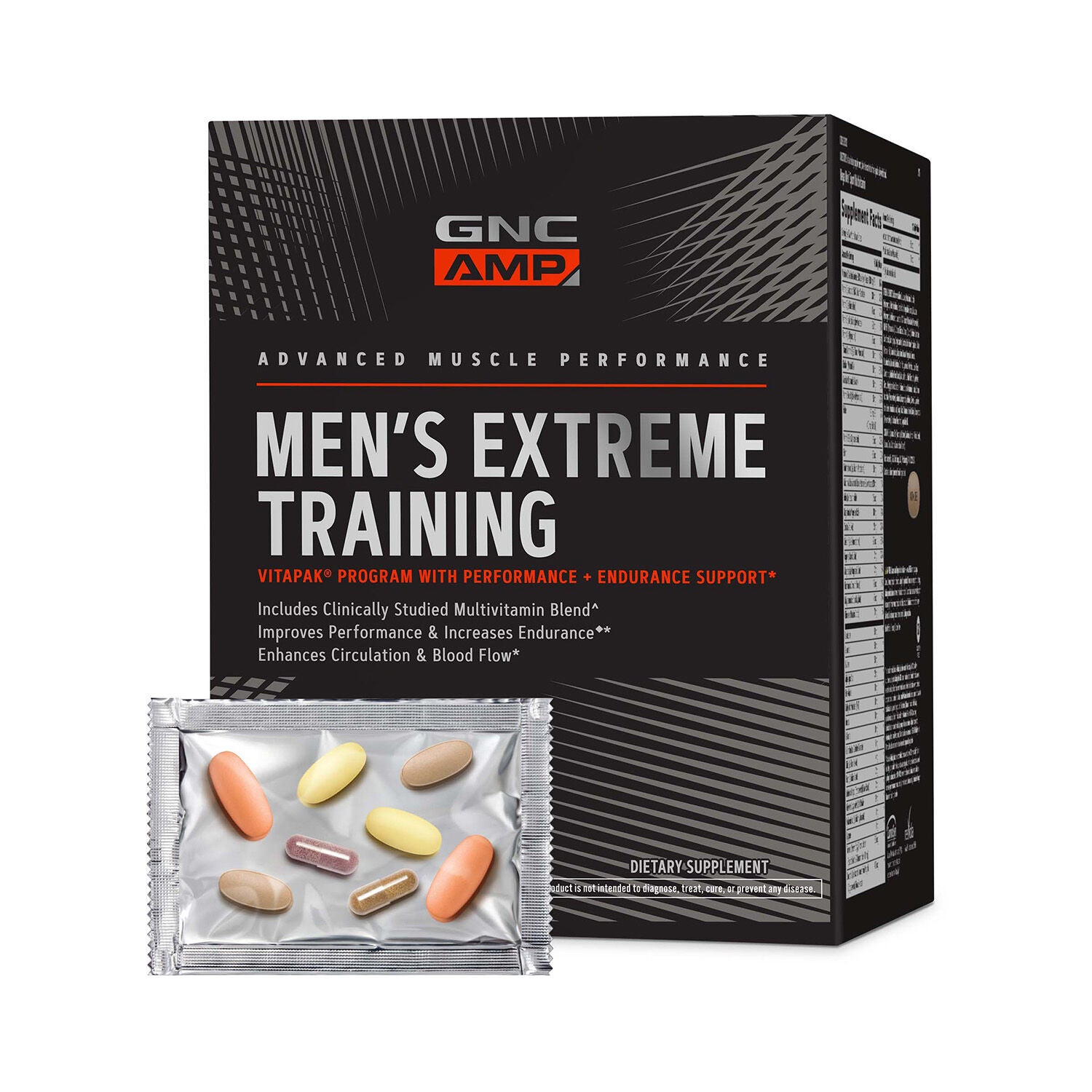
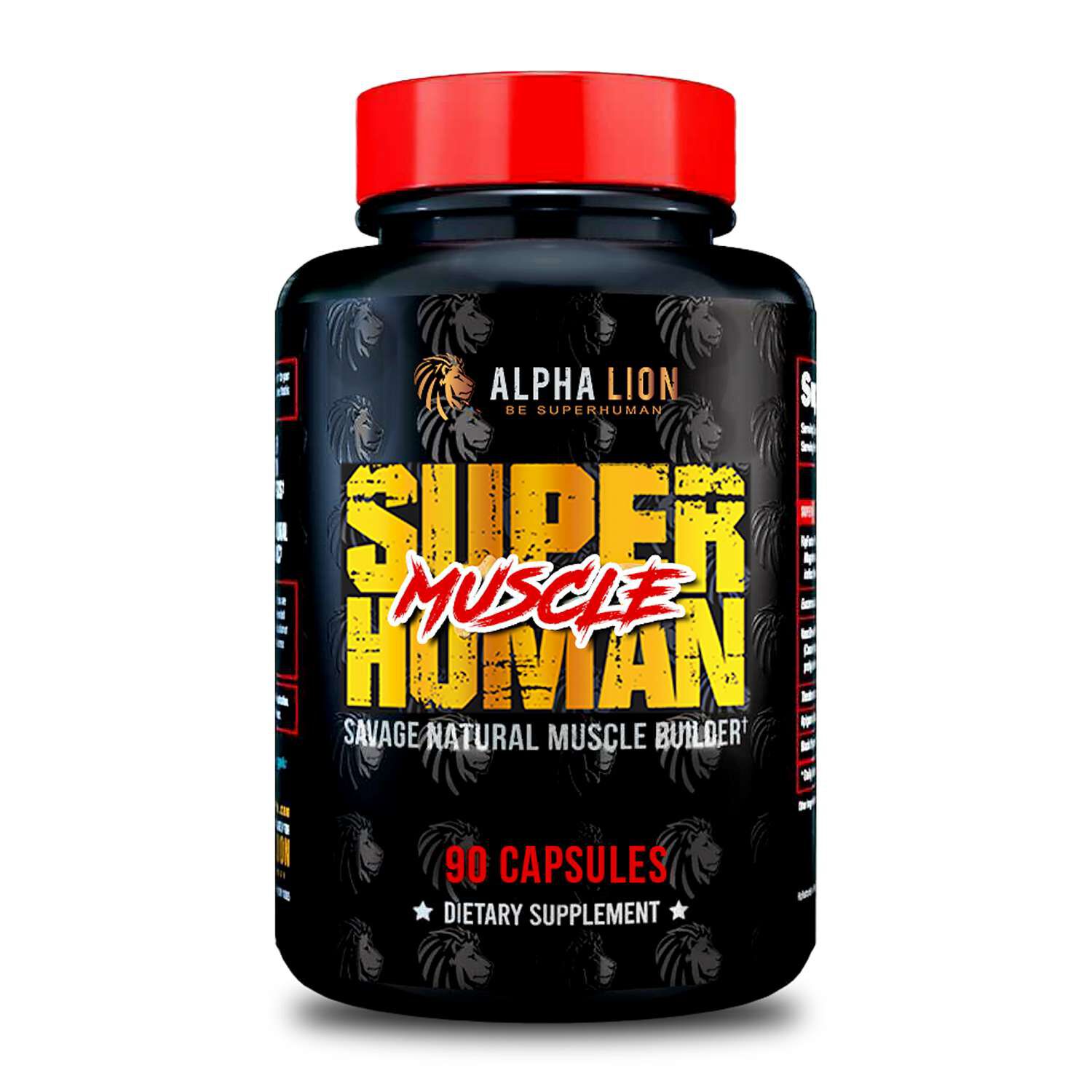
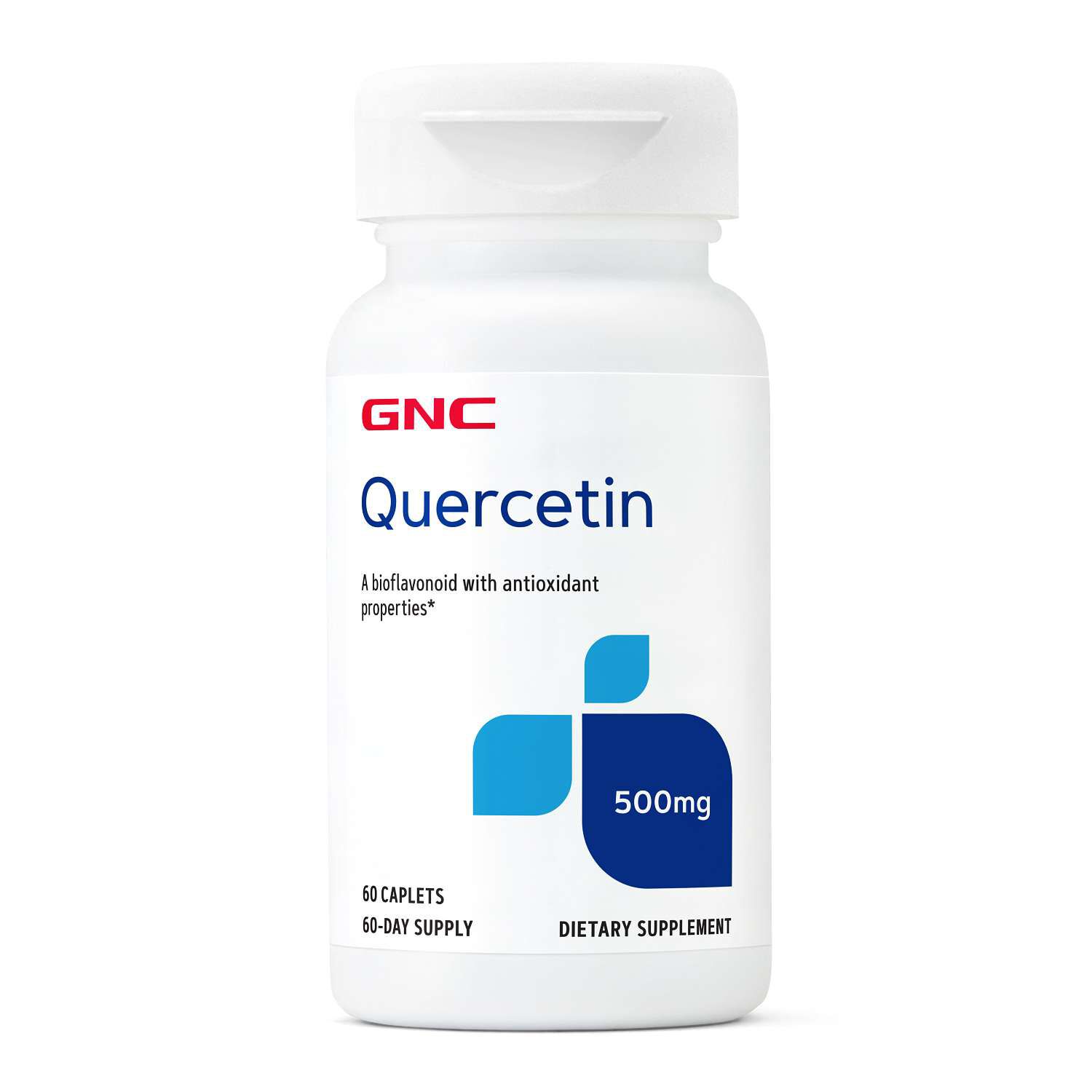
Supplements for building exercise habits may offer support as you work toward a more active lifestyle. Whether you are just starting your fitness journey or looking to maintain consistency in your routine, the right supplements could help you stay motivated and energized. Explore options that might fit seamlessly into your daily regimen and discover new ways to support your commitment to regular physical activity. With supplements for building exercise habits, you may find extra encouragement to keep moving toward your goals.
-
-

-

-
-
-

-

-
-
-

-

-

-

-
-

-

-
 $24.99

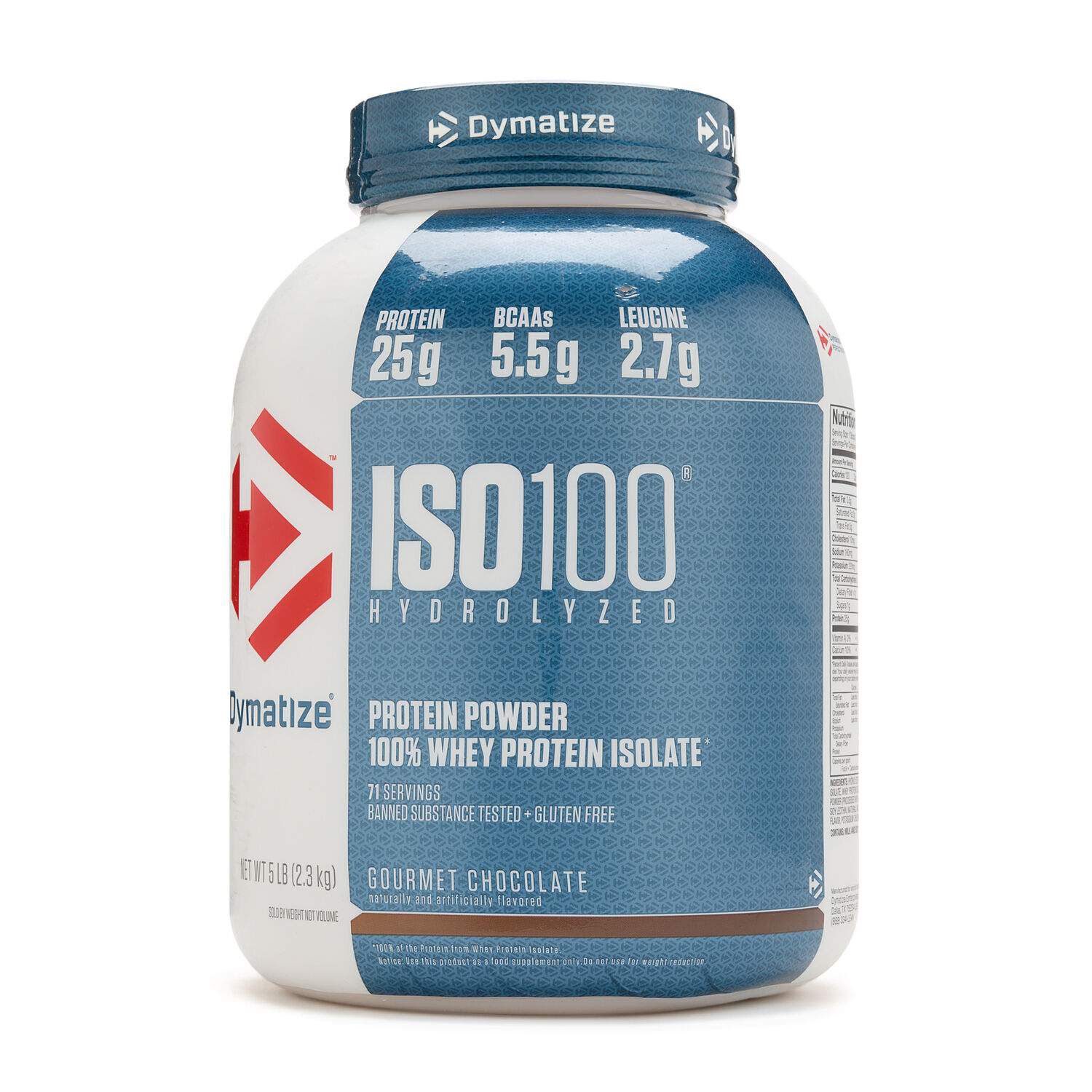
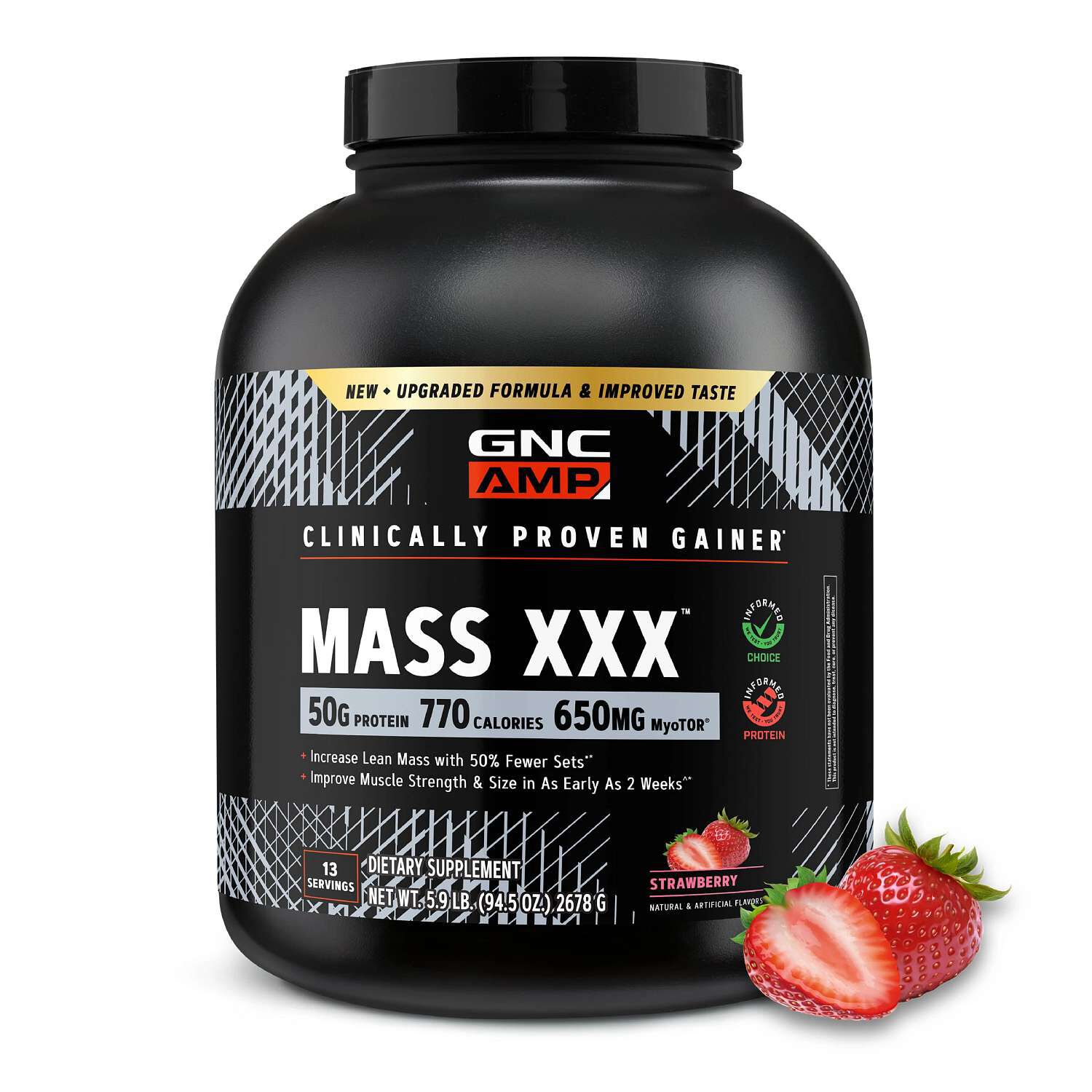
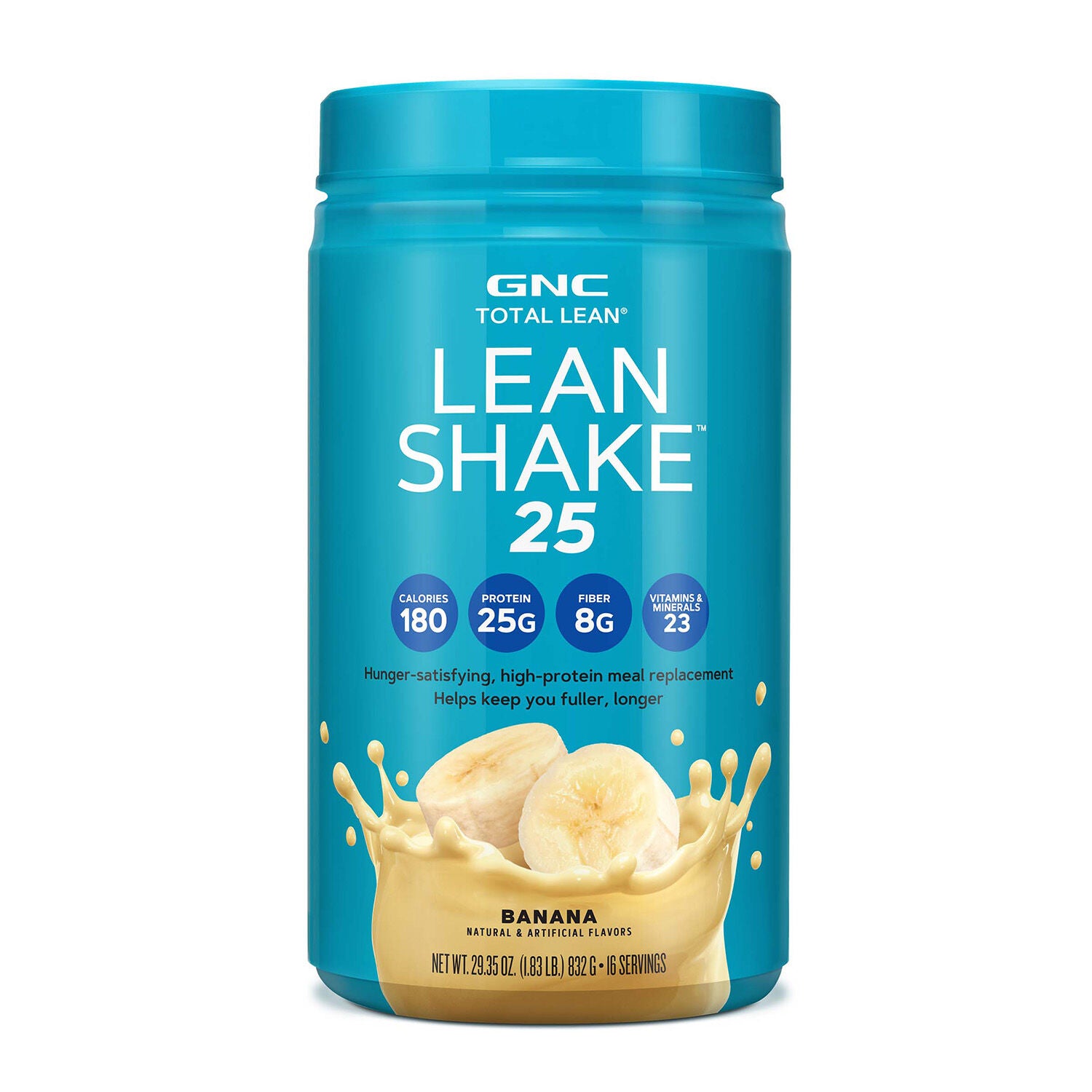
Supplements for building exercise habits may complement the nutrition side of an active routine, while consistency comes from repeatable choices: setting aside time, choosing enjoyable movement, and returning to a manageable schedule. Supplements are not a substitute for training, varied meals, water, or rest. Their place in an exercise routine is often practical. Someone heading from work to a strength session may prefer a protein powder that mixes in a shaker bottle, while someone exercising at home may prefer a drink prepared in the kitchen. Protein supplements may help meet daily protein needs alongside foods such as eggs, beans, yogurt, fish, and poultry. Common powder sources include whey, casein, pea, soy, and rice, with differences in ingredients, texture, and preparation. Dairy-based and plant-based options offer distinct starting points for comparing dietary preferences, and a blend may contain more than one protein source. The amount of protein per serving, serving size, ingredient list, and allergen information provide more useful context than the size of the container alone. Flavor matters in an everyday routine, too: a rich chocolate powder mixed with milk offers a different drinking experience from a fruit-flavored powder prepared with water. Some powders have a thicker consistency, while others are intended for a lighter drink. Capsules, tablets, and chewable formats occupy a different place in the category, particularly for people who prefer not to prepare a beverage. For a beginner establishing two gym visits a week or someone returning to regular walks and resistance training, a modest supplement routine may fit more naturally than several unfamiliar formulas at once. Exercise habits do not require an elaborate collection of containers on the counter. A format that matches an existing breakfast, lunch break, or gym-bag routine may be a more practical choice than one that requires extra preparation, equipment, or cleanup every day. Directions also vary, so the preparation method and suggested serving belong in the comparison alongside flavor and format. A familiar taste and straightforward preparation may matter more for everyday use than an extensive ingredient list.
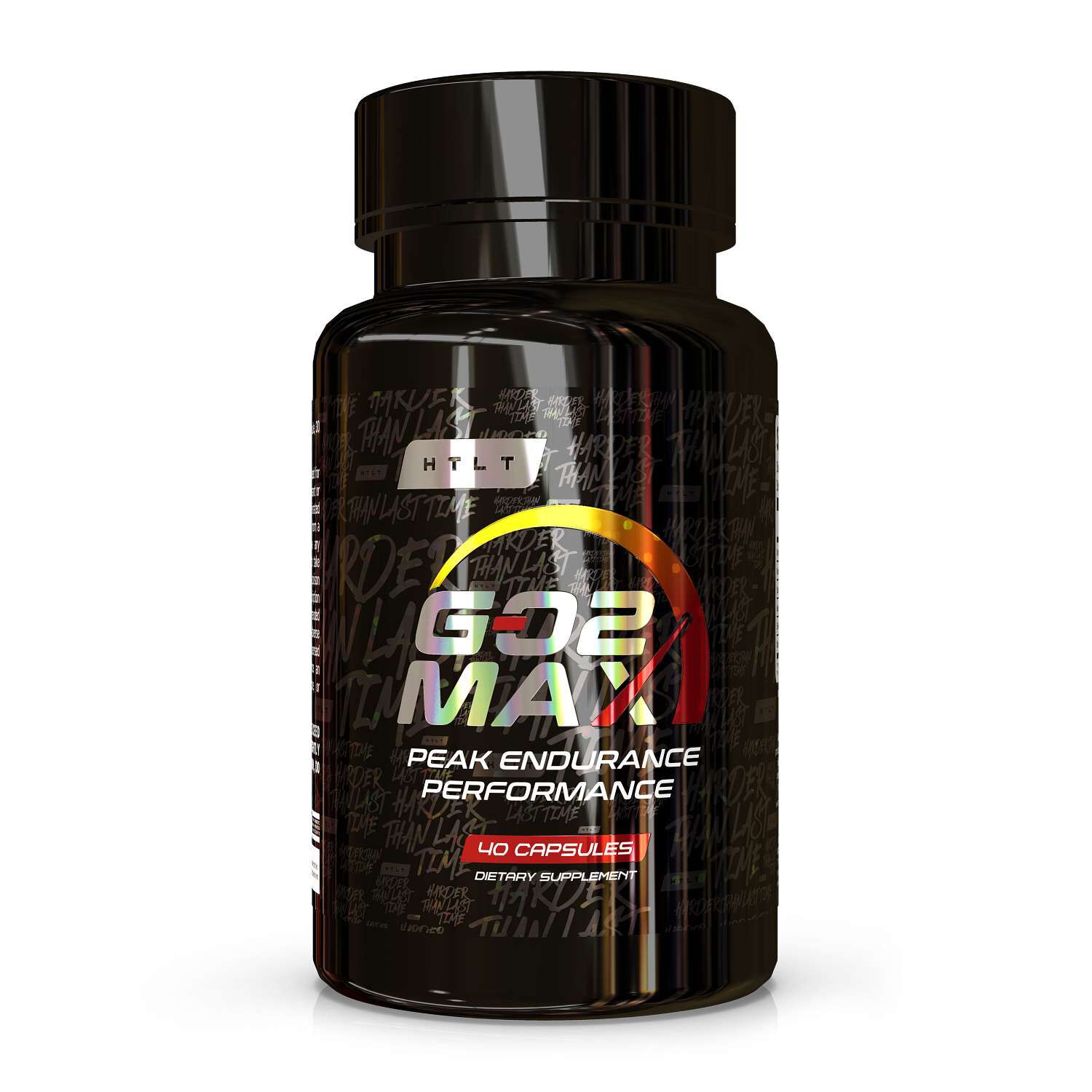
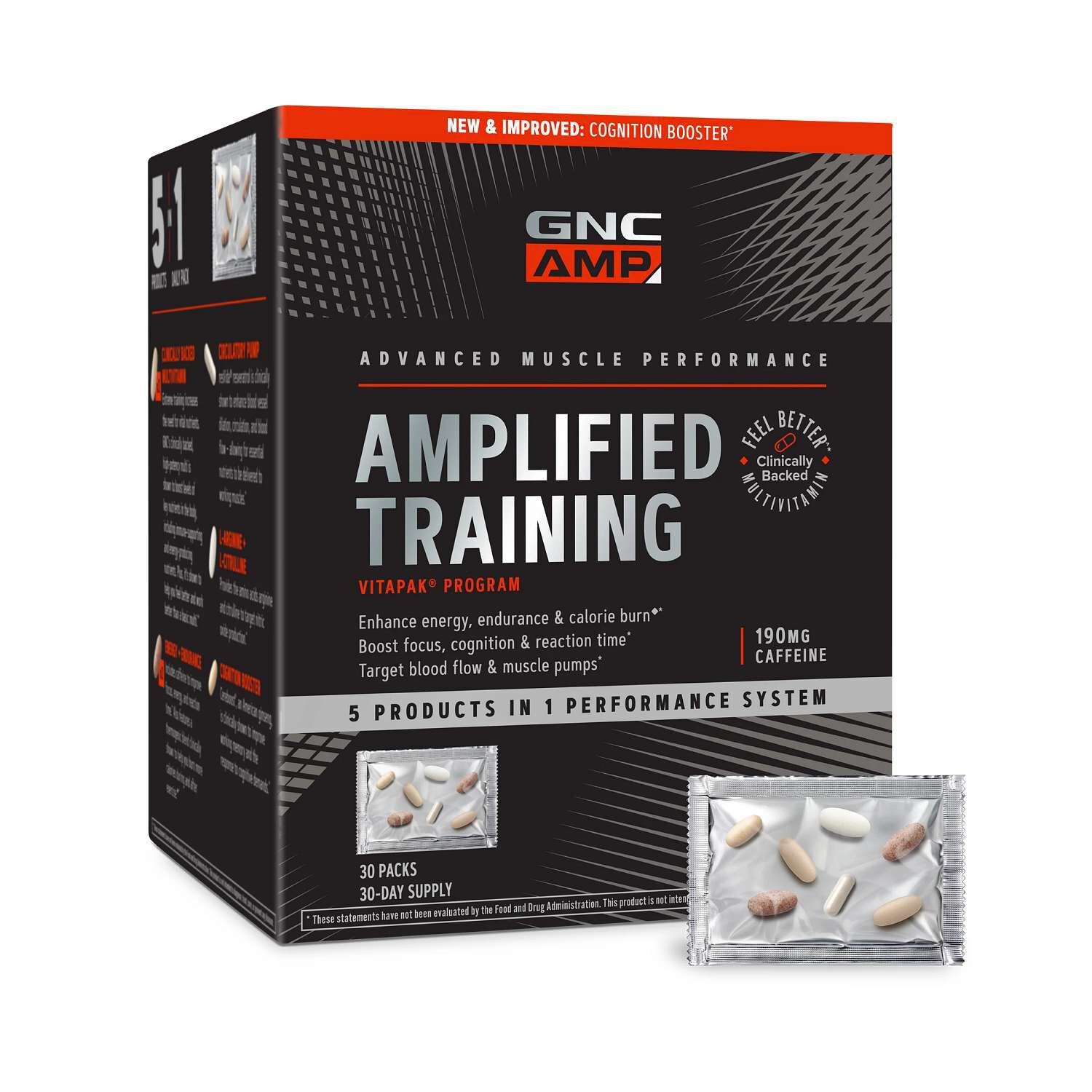
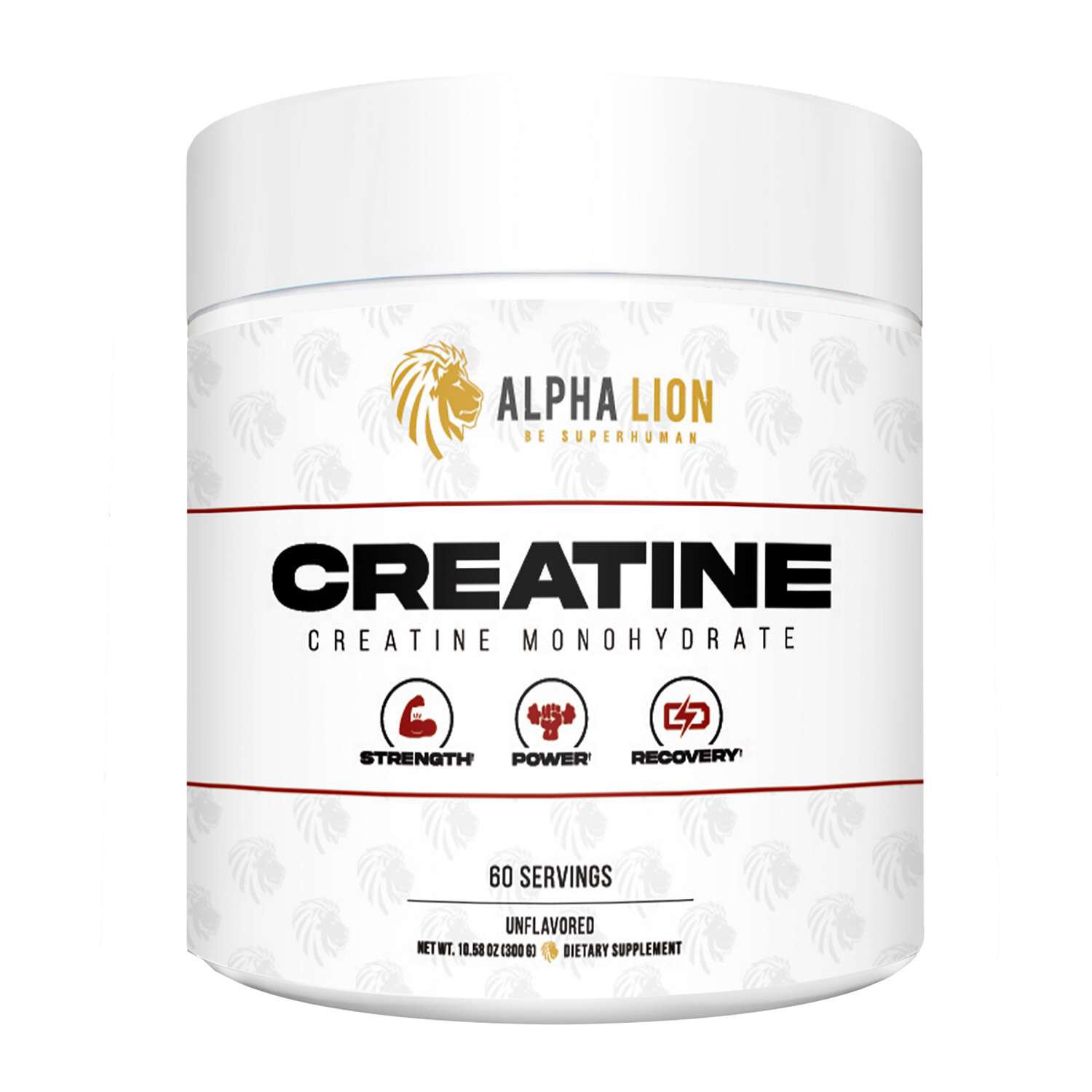
Different kinds of activity also give context to the supplements in this category. Hydration mixes commonly contain electrolytes such as sodium and potassium, sometimes alongside carbohydrates, flavorings, or other ingredients. These formulas may support hydration during exercise, particularly when activity involves substantial sweating, but not every walk or short workout calls for a specialized drink. Session length, exercise intensity, fluid intake, and personal preferences all belong in that comparison. A powder intended for a large bottle has different preparation instructions from one intended for a smaller serving, making the listed mixing ratio a useful detail. Creatine is another common sports nutrition ingredient and may support performance during repeated, short bouts of high-intensity exercise, such as resistance training. It is not a shortcut to establishing a schedule, learning exercise technique, or making time for rest between sessions. Some formulas contain a single ingredient, while others combine several ingredients in one serving; those differences matter when comparing supplements that may already share ingredients. Pre-workout powders also vary considerably. Some contain caffeine, while others are formulated without it, and caffeine may support alertness during exercise. The amount per serving is an important distinction for someone whose day already includes coffee or tea, especially when workouts take place later in the day. A multivitamin may complement daily nutrient intake, but it does not replace the variety found in regular meals. Across these categories, the purpose of the formula should be clear without assuming that every exerciser needs every type of supplement. A person focused on a lunchtime walk may have different priorities from someone practicing several strength-training sessions each week. The most relevant comparison is between a formula’s intended use and the actual routine, rather than between the number of ingredients on competing labels. Straightforward nutrition information, clearly stated serving directions, and a format suited to the occasion offer a grounded basis for browsing. Products designed for different purposes are not interchangeable simply because their packaging features similar exercise imagery.
Practical details become especially noticeable when a supplement becomes part of an ordinary day. Powder texture, scoop size, mixing instructions, and the number of servings listed on the package all affect preparation and storage. A resealable pouch occupies space differently from a rigid tub, while individually packaged portions may suit a commute or a gym bag. Capsules and tablets have their own serving sizes, which may involve more than one piece per serving. Chewable formats have ingredient and serving information worth comparing just as carefully as powders. Packaging directions provide the appropriate storage conditions, including any instructions about moisture, sunlight, or refrigeration. A tightly closed container and a clean, dry measuring scoop may help preserve the product’s intended condition between uses; the labeled date remains part of that assessment. Reusable mixing bottles also have care instructions, including whether particular components are dishwasher safe, and lids, seals, and drinking openings need regular cleaning. These everyday considerations may be more relevant to a lasting routine than elaborate preparation rituals. For someone who exercises before work, a compact format may fit beside packed clothes and a water bottle. For a household with several dietary preferences, clearly labeled ingredients and a designated storage spot may make organization simpler. Supplements can also be a personal gift for an adult who already enjoys exercise, though familiar flavors, dietary preferences, and an expressed interest are better starting points than assumptions about someone’s fitness goals. The related selection of Supplements For Starting New Routines offers another way to browse options around everyday routines. Whether the setting is a neighborhood gym, a home workout space, or a recreation center, supplements may have a supporting role beside regular meals and a realistic exercise schedule. The most useful fit may be an uncomplicated choice with a clear purpose, understandable directions, and a preparation method that belongs comfortably in the day. Consistency remains rooted in the activity itself, with supplements considered alongside the broader routine rather than treated as the reason it works.
- Q: How can supplements support my efforts to build consistent exercise habits?
A: Supplements may support your exercise routine by providing nutrients that may play a role in energy production, muscle recovery, and overall wellness. This might make it easier to stay motivated and maintain a regular workout schedule. - Q: Which types of supplements are commonly used to complement a new fitness routine?
A: Common supplements for those starting a fitness routine include protein powders, pre-workout formulas, amino acids, and multivitamins. These products may support energy, endurance, and post-exercise recovery as part of an active routine. - Q: Can supplements support my energy during workouts?
A: Certain supplements, such as those containing B vitamins or electrolytes, may support energy metabolism and hydration, which might help you feel more prepared during exercise. - Q: Are there supplements that can assist with muscle recovery after exercising?
A: Supplements like branched-chain amino acids (BCAAs), protein powders, and omega-3 fatty acids may be used to support muscle recovery after exercise. - Q: How should I incorporate supplements into my daily exercise routine?
A: It is best to follow the usage instructions provided on each supplement's label. Many people take pre-workout supplements before exercising and use protein or recovery formulas afterward to support their routine.
Best Sellers
-
 Universal Nutrition
-
 GNC Mega Men
-
 GNC Mega Men
Related Pages
Top Collections
- GLP 1 Support For Adults
- Supplements For Yoga Joint Flexibility
- Supplements For Balance
- Joint Mobility Supplement Packs
- Zinc Supplements | Top Brands at Great Prices | GNC
- Capsule Supplements For Energy And Stamina
- Supplements For Anxiety Relief Support
- Chronic Fatigue Supplements
- Zinc Supplements For Men
- Iron Supplements