Supplements For Overall Health
(0 Results)
Discover a wide selection of high-quality supplements designed to support your overall health and well-being. From essential vitamins and minerals to specialized blends for immune support, energy, and more, our range of supplements is carefully curated to help you achieve your wellness goals. Whether you're looking to fill nutritional gaps, boost your immunity, or enhance your daily performance, we have a variety of options to help you live your best, healthiest life. Browse through our collection and find exactly what you need to support your journey to optimal health.
-
-
-
-

-

-

-
 $23.99
 -
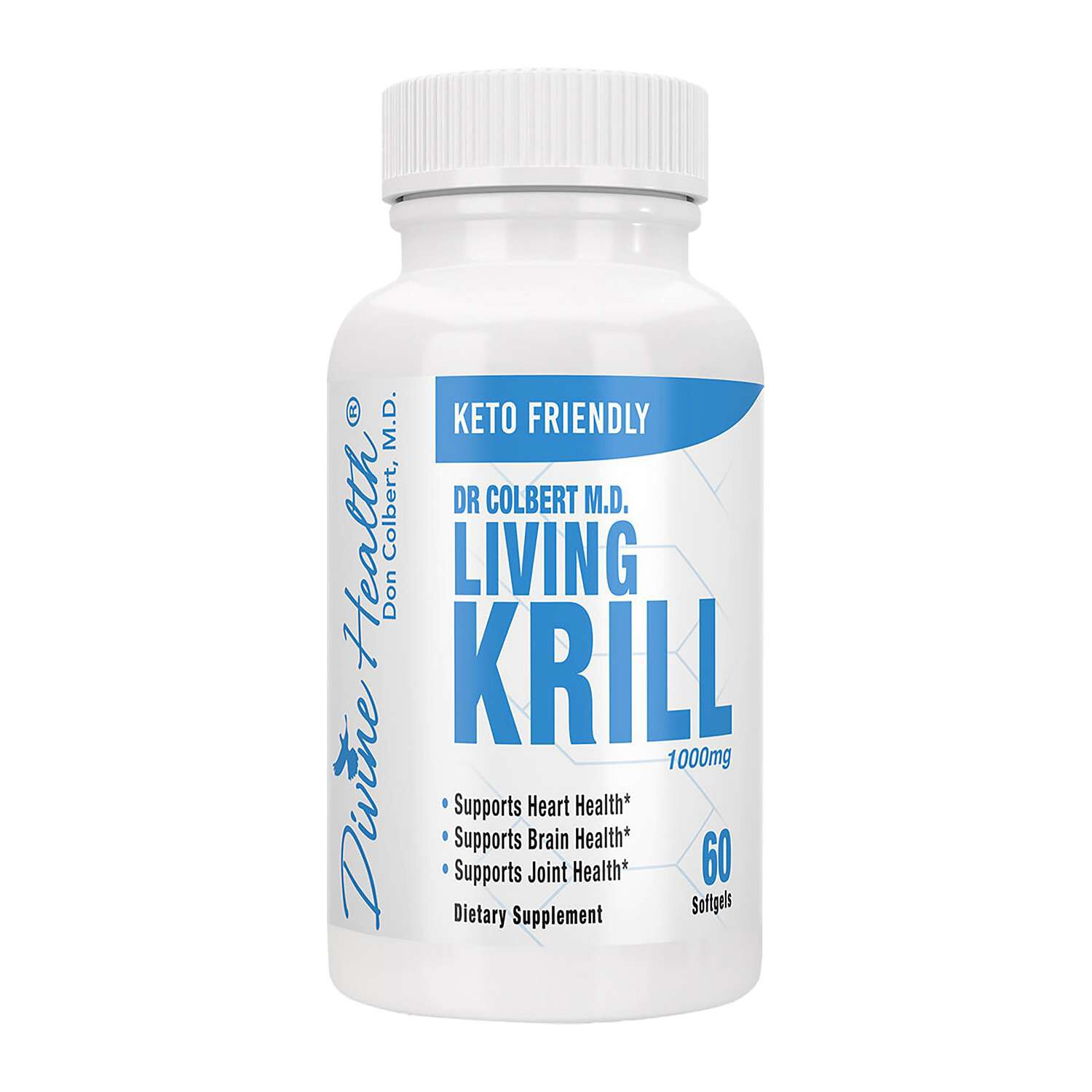 Divine Health$34.99
 -
 Divine Health$34.99
 -
 Portions Master$24.99
 -
-

-

-

-
 Portions Master$29.99


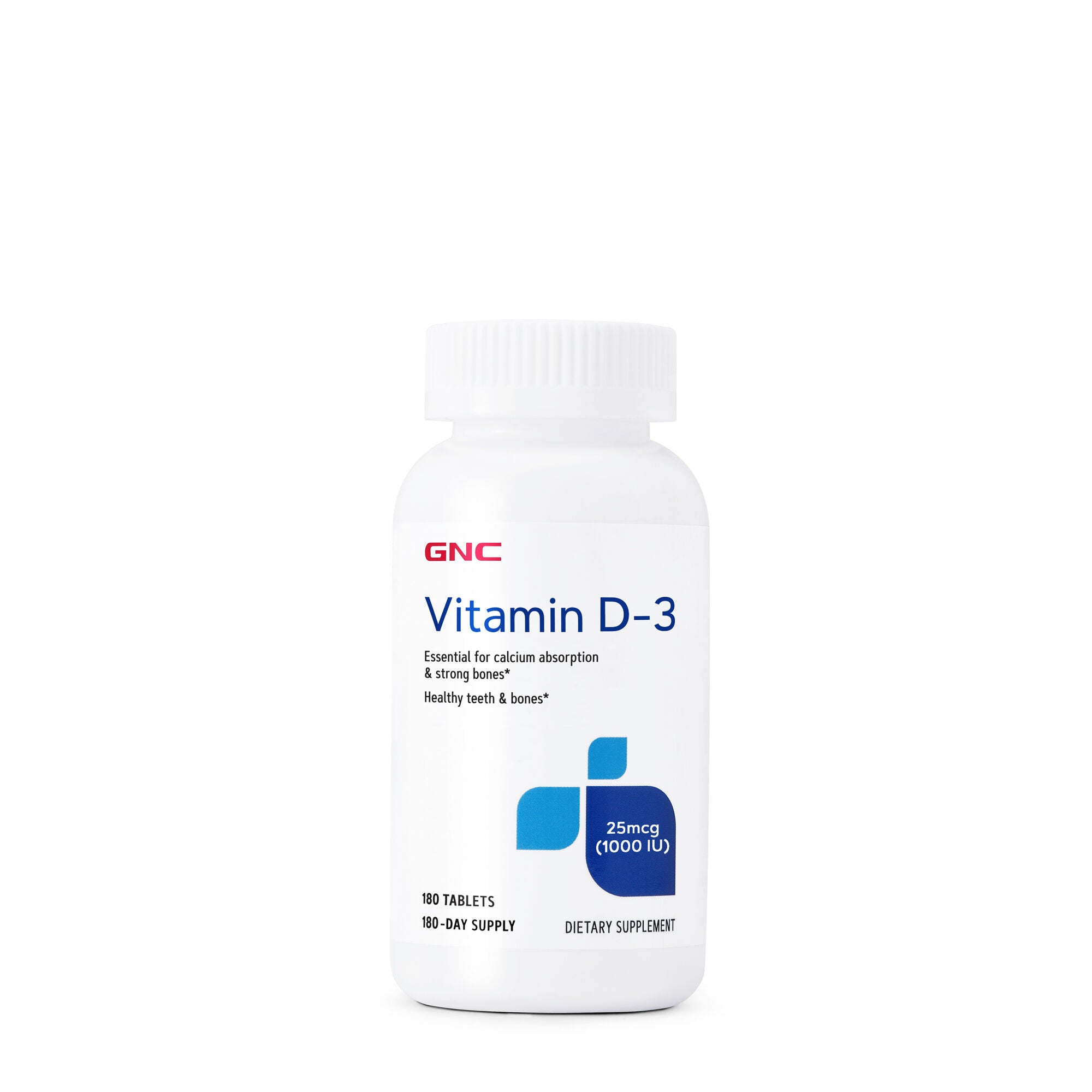

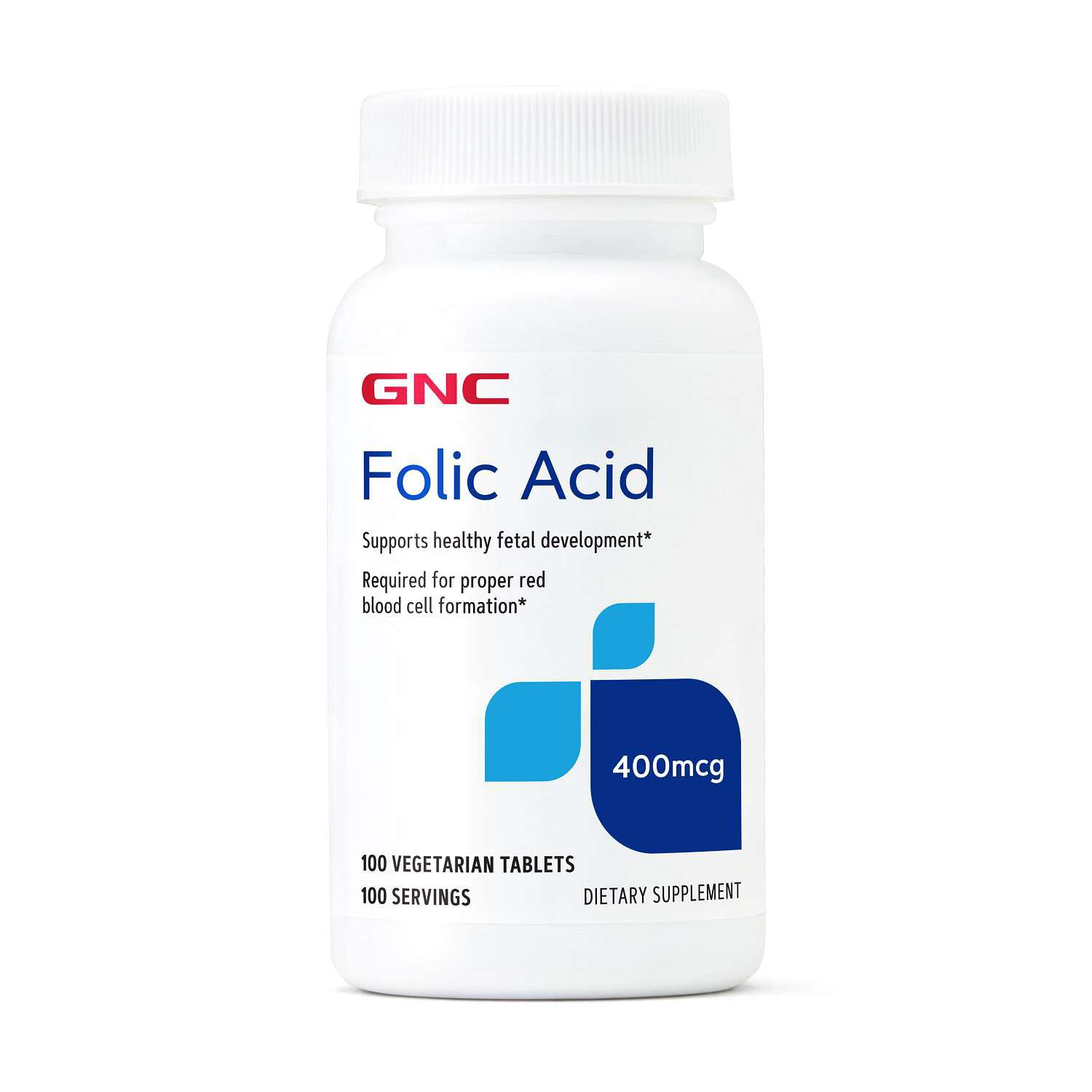
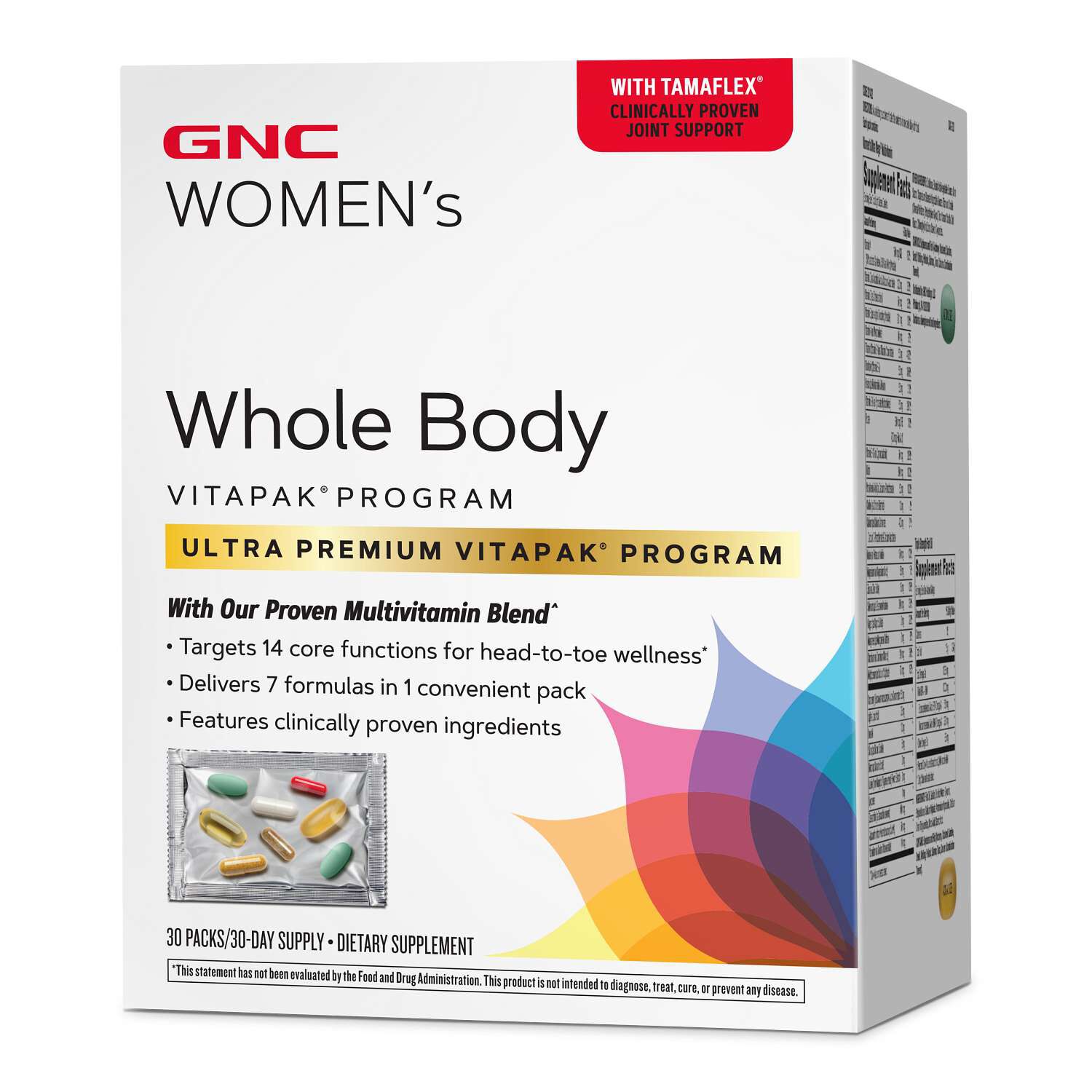
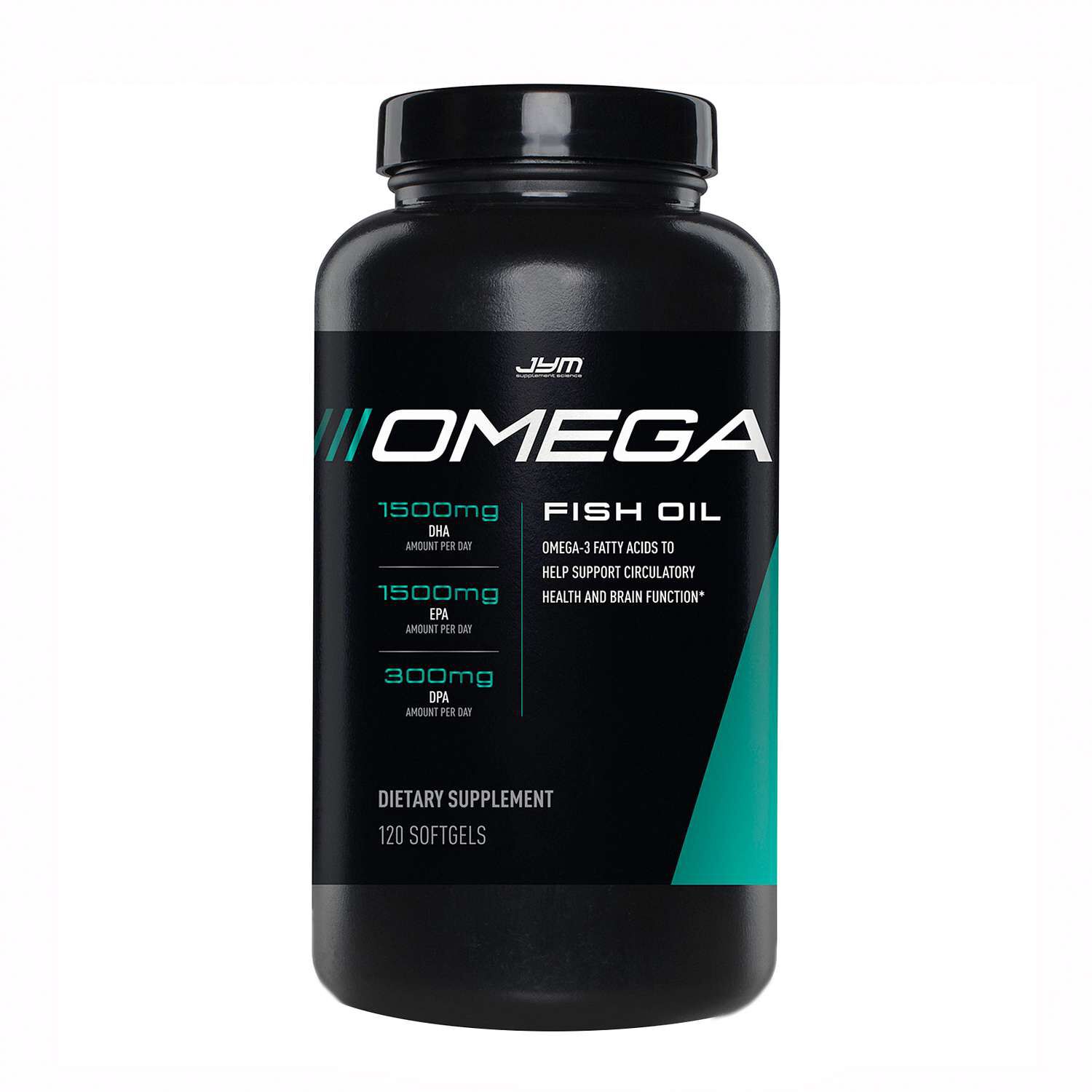
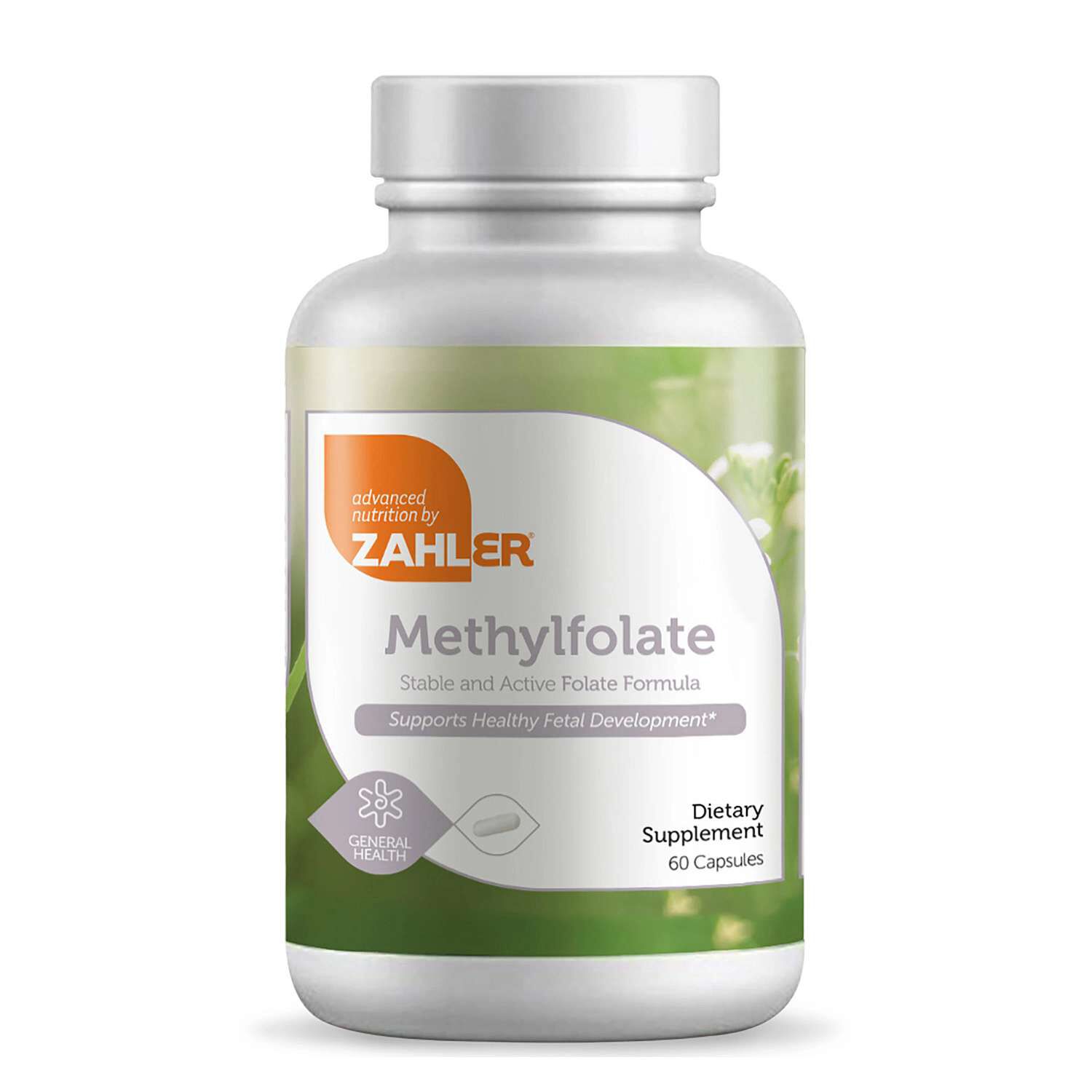
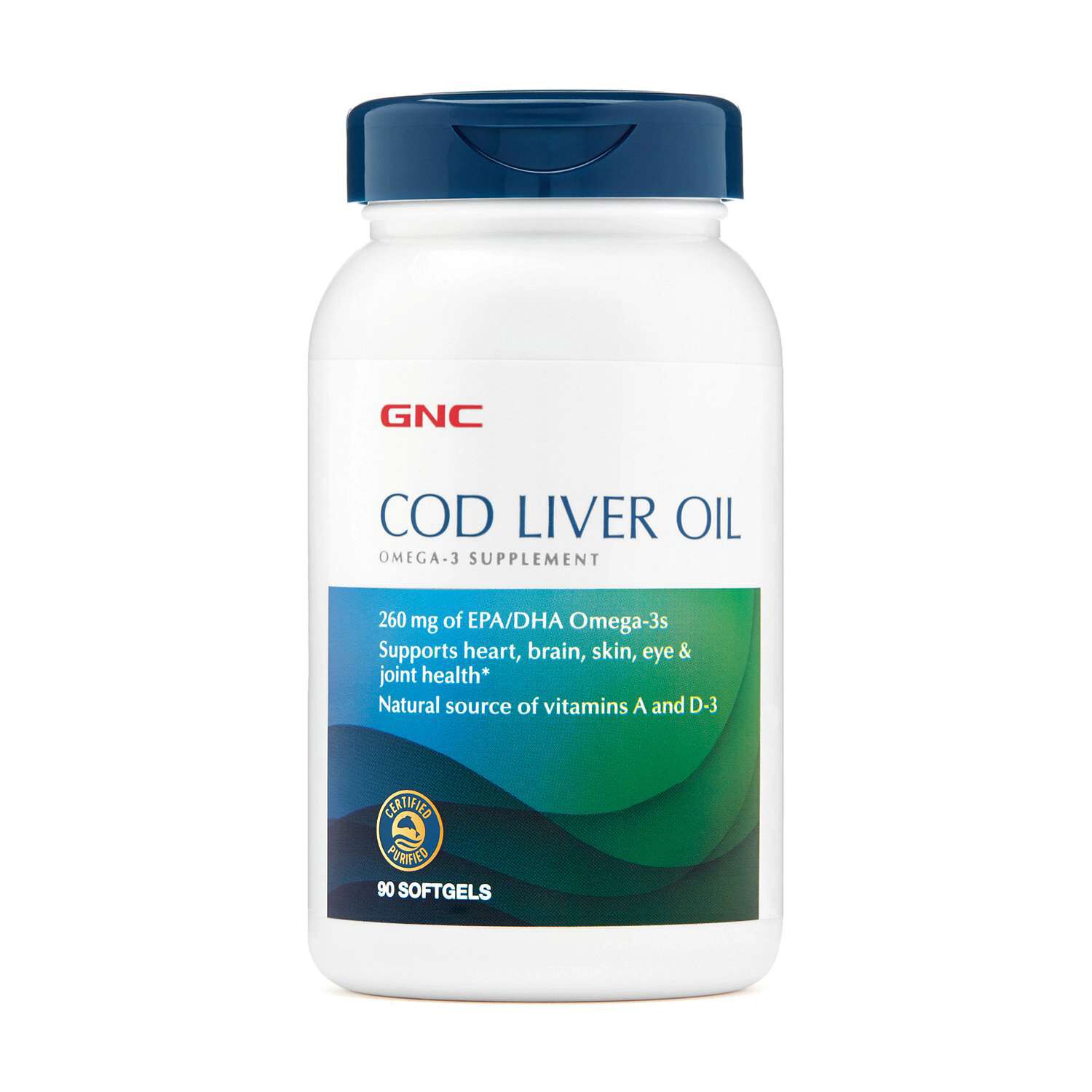
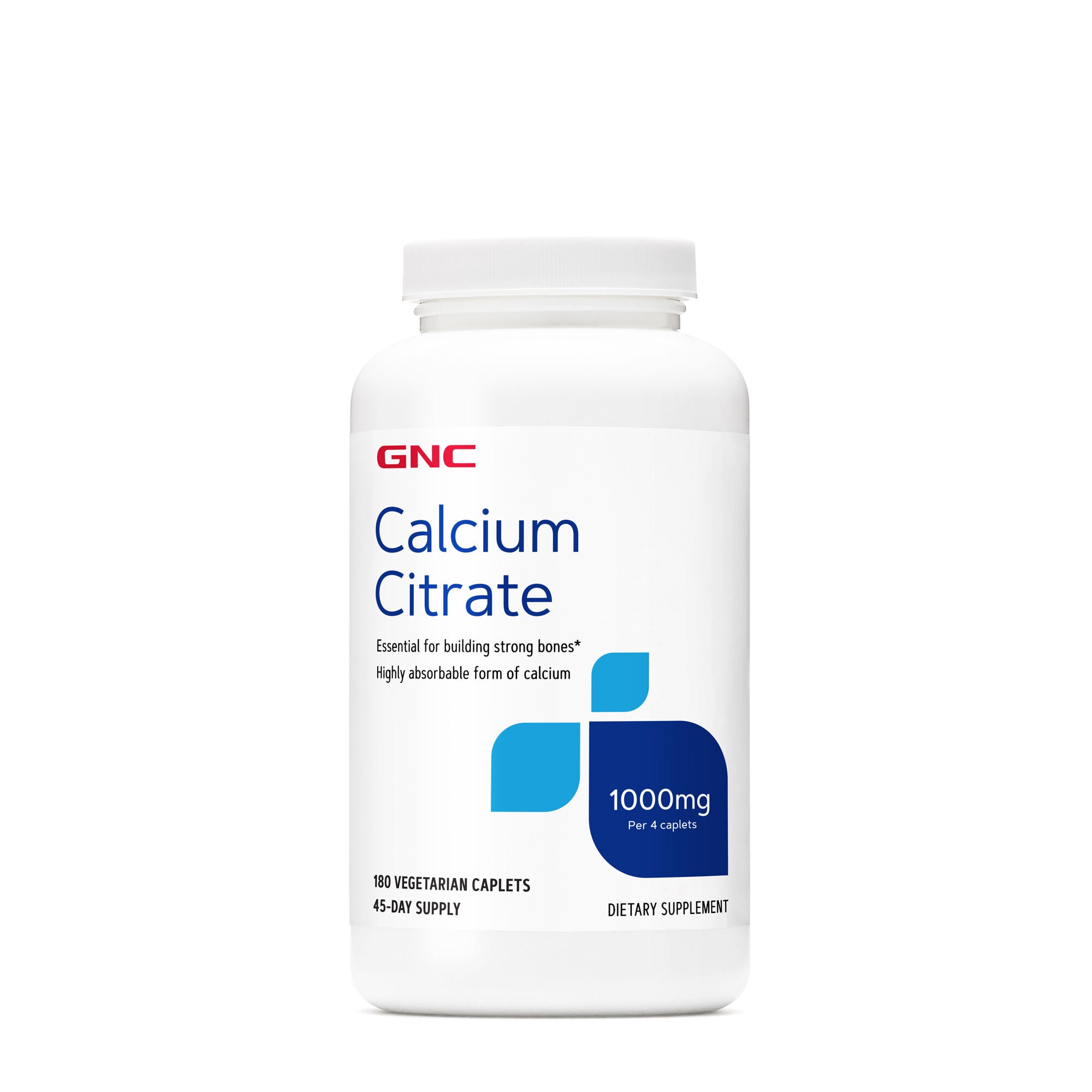
Supplements for overall health may offer a practical way to complement a varied eating pattern, especially when busy schedules, dietary preferences, seasonal routines or limited food choices make consistency difficult. Food may remain the foundation of everyday nutrition because meals provide a broad mix of nutrients, fiber and other naturally occurring compounds that a single capsule or powder cannot replicate. A colorful plate with vegetables, fruit, beans, whole grains, nuts, seeds, dairy or fortified alternatives, eggs, fish and other protein sources may provide useful variety, while a thoughtfully selected supplement may help fill a known or suspected gap. Shoppers often begin with familiar categories such as multivitamins, vitamin D, magnesium, omega-3 fatty acids and vitamin B12. Vitamin D may support calcium absorption, bones and normal immune function, while omega-3 fatty acids may support heart and brain health, particularly for people who rarely include oily fish in meals. Magnesium may support normal nerve and muscle function and may fit into an evening wellness routine for some adults. Vitamin B12 may support red blood cell formation and nerve function, and it may be especially relevant for people who follow a plant-based eating pattern, since naturally occurring B12 is found mainly in animal-based foods unless fortified foods or supplements are included. A multivitamin may appeal to someone who wants a broad daily format, while a single-nutrient supplement may make more sense when a health professional has identified a particular dietary consideration. Those exploring Preventative Health Supplements may also find it useful to consider their complete routine rather than choosing products by popularity alone. Serving size, nutrient forms, ingredient amounts, dietary preferences and directions for use all deserve a close look. People who take prescriptions, manage an ongoing health concern, are pregnant or nursing, or expect to have a procedure may wish to speak with a qualified healthcare professional before adding a supplement. Recent laboratory work may offer helpful context when a deficiency is a concern, although test results and personal guidance are best reviewed with a healthcare professional rather than interpreted from a product label alone.
The best choice may depend on the person, the purpose and the routine surrounding it. Someone who often skips breakfast may prefer a simple format that can be taken with a later meal, while a person who dislikes swallowing tablets may look for gummies, powders, liquids or other formats that suit their preferences and directions. A supplement intended for everyday use may be easier to remember when kept near a familiar part of the routine, such as a breakfast setting or evening tea, provided storage instructions are followed and the product remains out of reach of children. During warmer weather, travel, outdoor activities and changing schedules may make portability a consideration; during cooler months, a straightforward pantry routine may feel more natural as time spent at home increases. These products may also make thoughtful gifts for a loved one who enjoys cooking, follows a plant-based diet, spends time outdoors or is building a more consistent wellness routine, though personal preferences and professional guidance matter more than presentation. For a gift, a general option may be appropriate only when the recipient’s routine and dietary needs are familiar, while a targeted nutrient may be better chosen together. Shoppers may wish to compare labels for allergens, added sweeteners, flavorings, artificial colors, serving size and dietary certifications. Third-party testing marks, such as USP or NSF, may provide additional information about manufacturing and label accuracy, but shoppers may still want to review the full Supplement Facts panel and select products from a retailer with clear product information. It can also help to introduce one new supplement at a time, follow the serving directions, and keep a simple record of what is being used. That approach may make it easier to notice how a product fits into meals, travel, exercise or sleep routines without turning wellness into a complicated project. Overall health supplements may be most useful as one small part of a sustainable pattern that includes nourishing food, regular movement suited to personal ability, restful sleep, hydration and routine conversations with qualified healthcare professionals.