

Supplements For Whole Food Diets
(0 Results)
Supplements for whole food diets may offer support for those looking to optimize their nutrition while focusing on natural, minimally processed foods. Whether you’re seeking plant-based options, whole food-sourced nutrients, or ways to complement your daily routine, these supplements could help fill nutritional gaps and align with your wellness goals. Explore a variety of choices that may fit seamlessly into a balanced, whole food lifestyle.
-

-
-

-
-

-
-

-
-

-

-

-
-
-
 229$44.99
 -

-

-

-

-

-

-

-
-
-
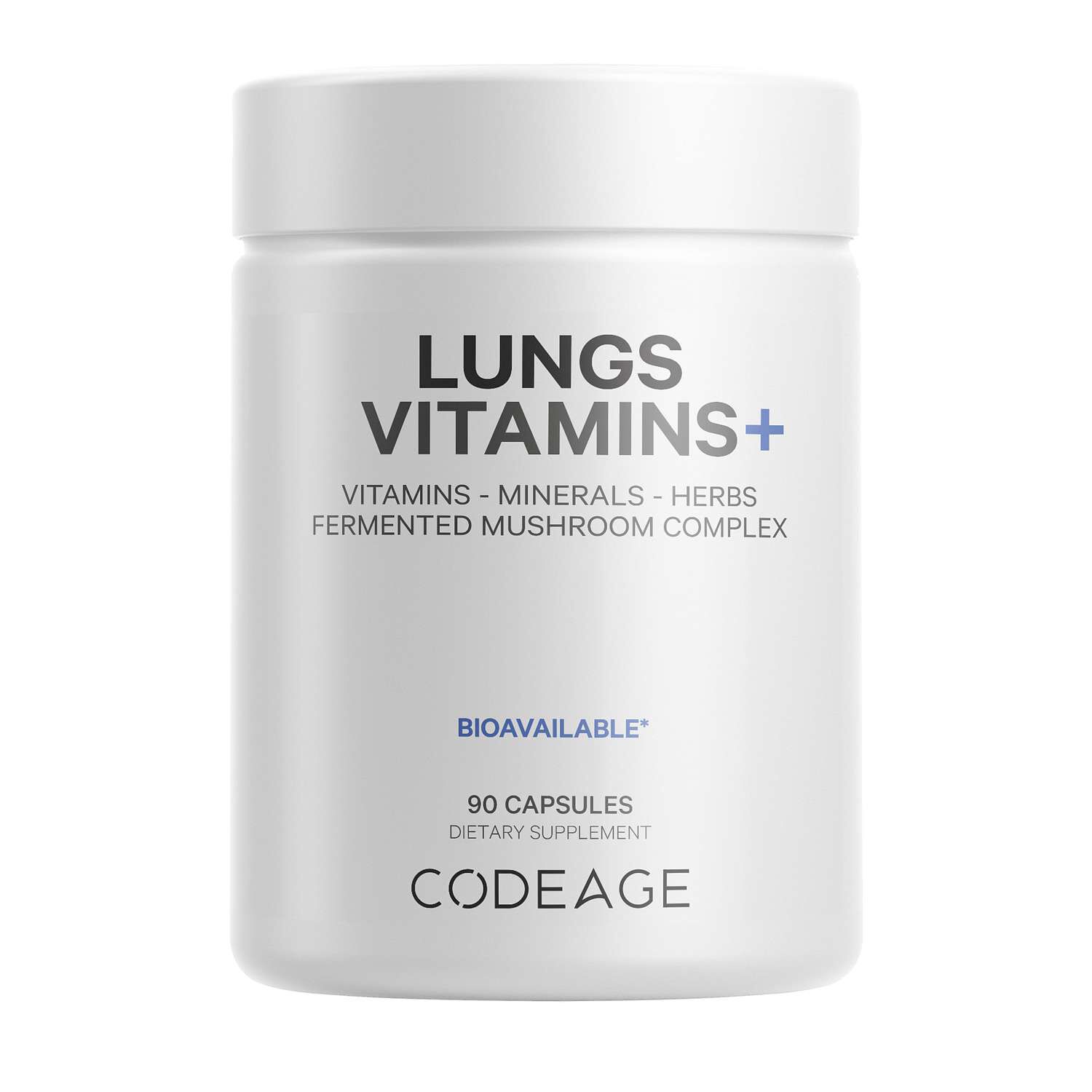
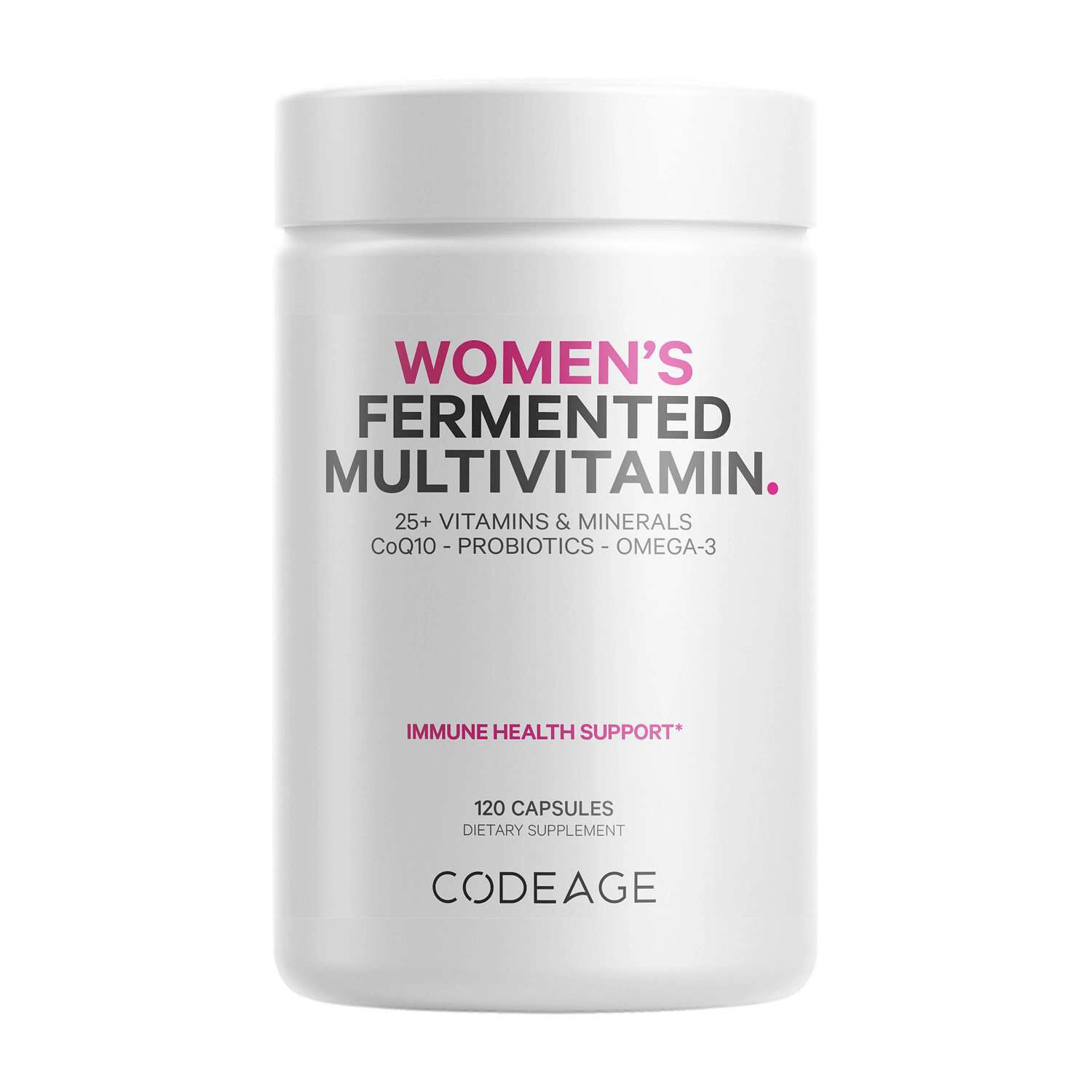
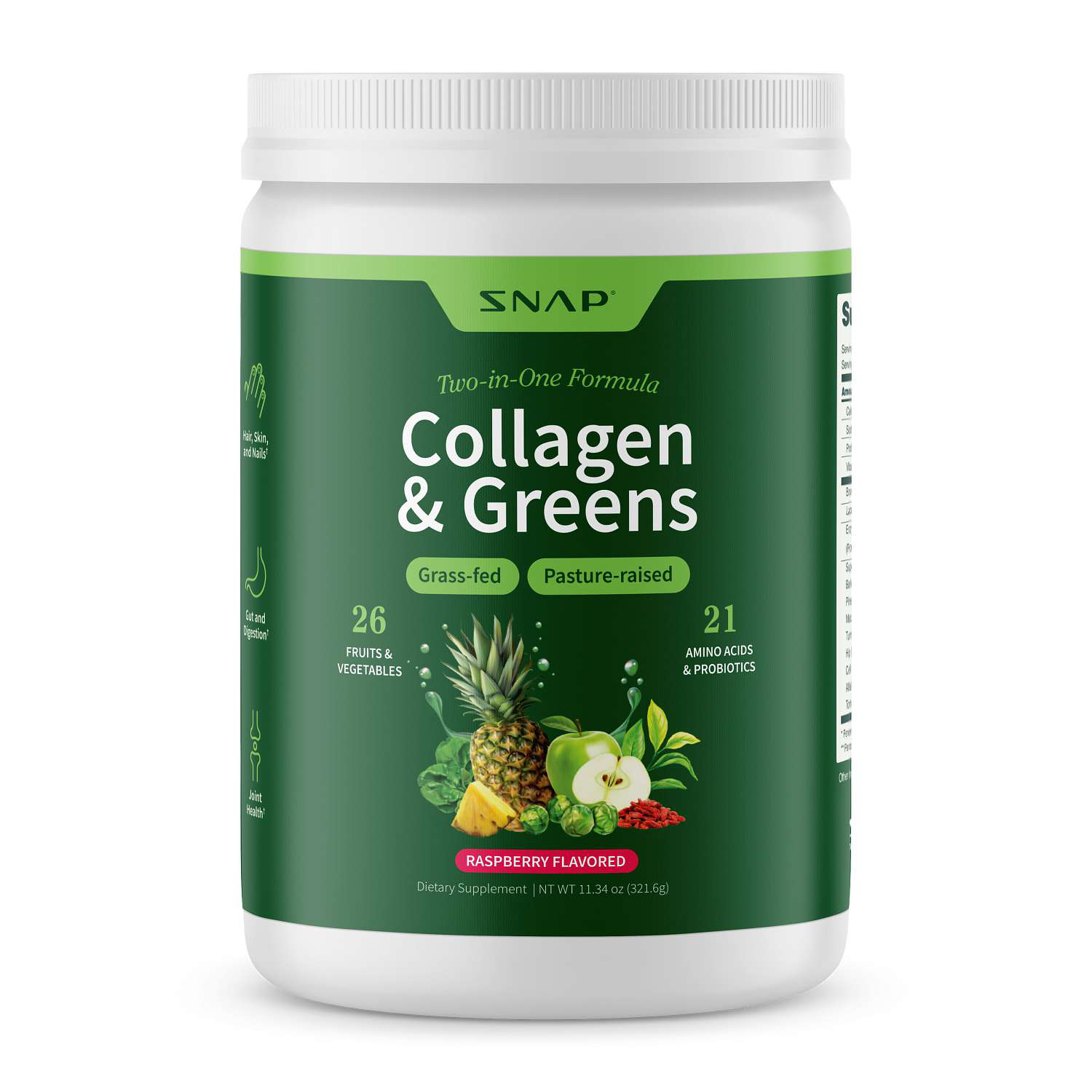
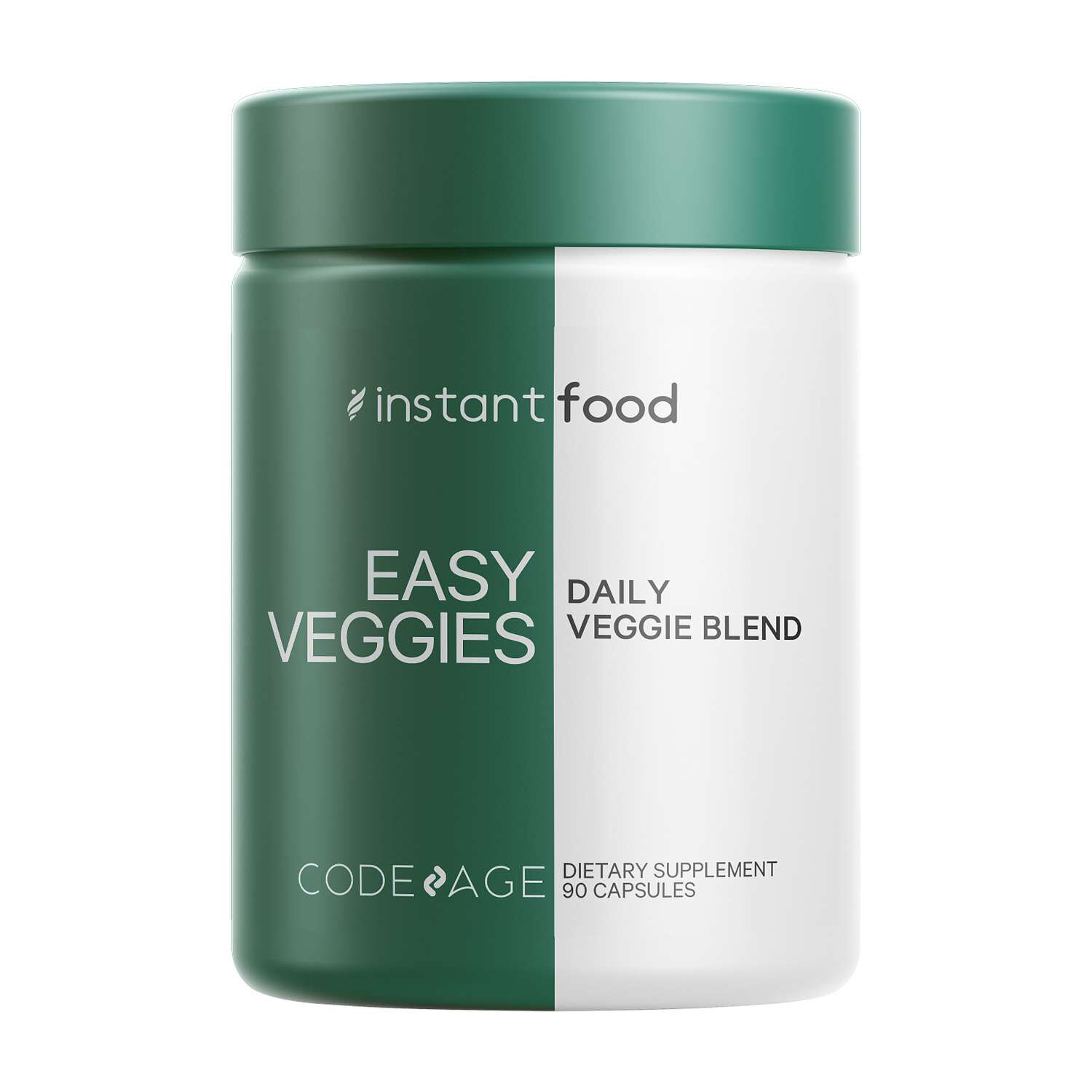
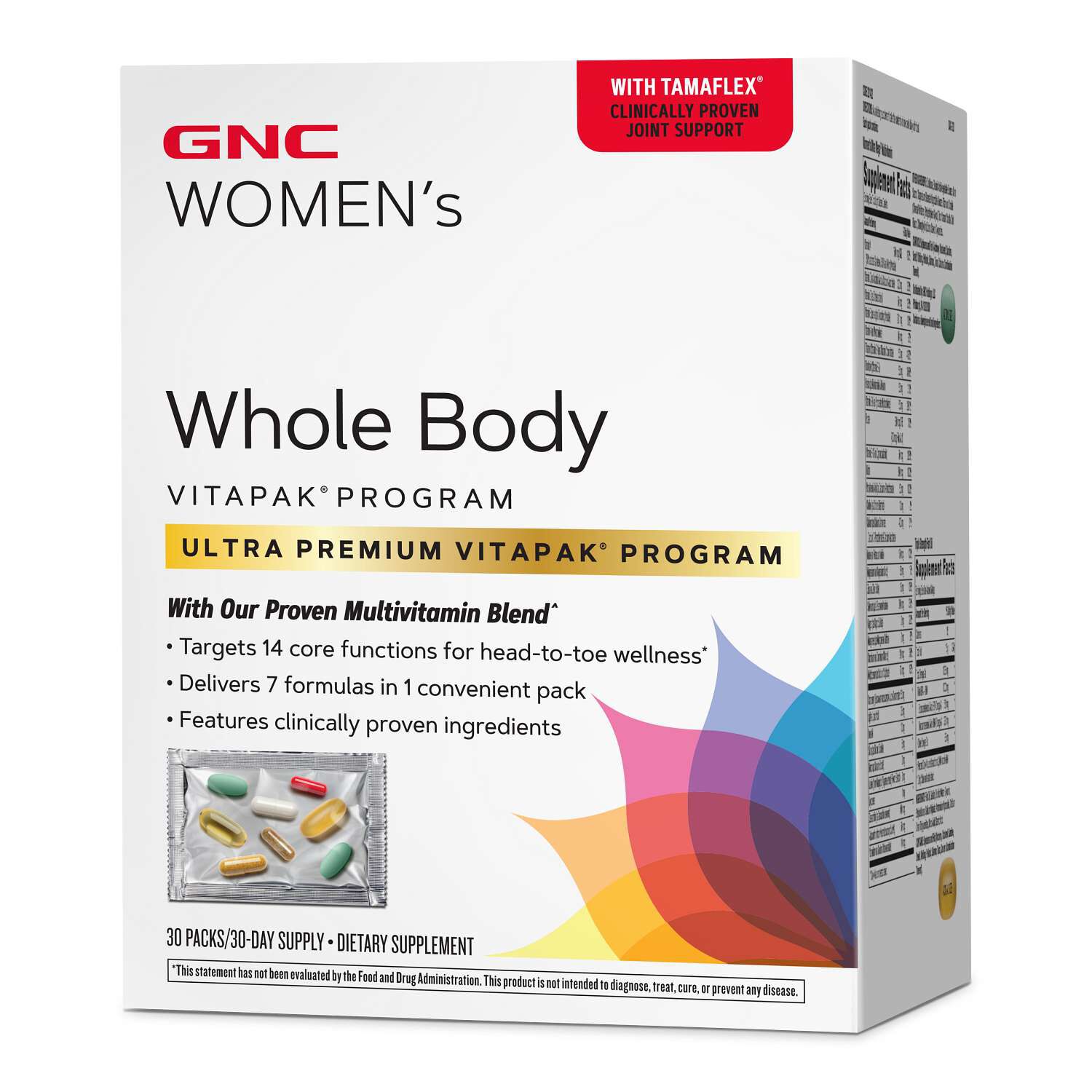
Supplements for whole food diets can complement a thoughtful eating pattern built around vegetables, fruits, beans, lentils, whole grains, nuts, seeds, eggs, dairy, seafood, or other minimally processed foods. A varied whole-food menu may provide many nutrients through everyday meals, yet the amount and variety available can differ according to dietary preferences, appetite, travel, cooking habits, budget, and access to certain foods. Someone who follows a fully plant-based routine may look for B12 because natural food sources are limited in that style of eating, while someone who spends much of the day indoors or eats few fortified foods may consider vitamin D3. Omega-3 supplements may appeal to people who rarely serve fatty fish, and iodine or selenium may be worth reviewing when the diet contains few recognized sources. These considerations do not make one eating pattern better than another; they simply reflect the practical details of building meals around a particular group of foods. A label can offer useful context by showing the nutrient form, serving size, amount per serving, ingredient list, allergen information, and whether the formula includes blends of fruits, vegetables, sprouts, algae, grasses, or other recognizable food ingredients. “Food-based” can describe several types of formulas, so reading the full label remains worthwhile. Some shoppers prefer a once-daily multivitamin made with concentrated food ingredients, while others choose a single-nutrient formula for a specific dietary gap identified with help from a qualified healthcare professional. A person who enjoys a colorful plate of roasted vegetables, chickpeas, brown rice, berries, and seeds may appreciate a supplement that fits neatly beside that routine rather than replacing any part of it. During warmer weather, portable powders, softgels, and easy-to-pack servings can suit hikes, road trips, and long afternoons away from home; as cooler months arrive, pantry-friendly formats can make it simpler to maintain familiar routines around soups, grain bowls, baked vegetables, and other nourishing meals. Storage instructions matter, particularly for products that may be affected by heat, moisture, or sunlight. Serving directions also deserve attention, since some formulas are intended to be taken with food, while others may fit better at a different point in the day. Anyone who is pregnant, nursing, managing a health condition, following a medically directed eating plan, or taking prescription products can speak with a qualified healthcare professional before adding a new supplement.
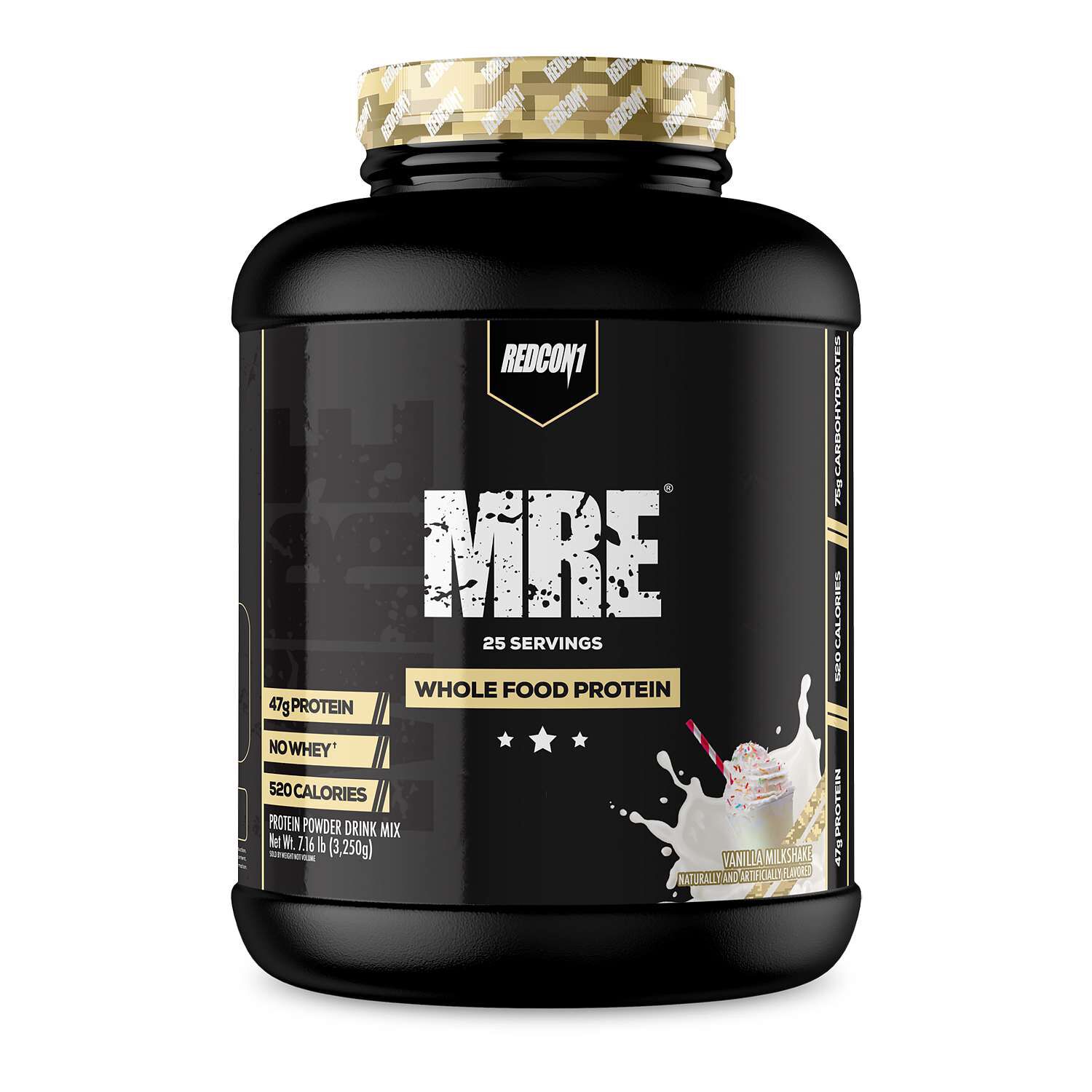
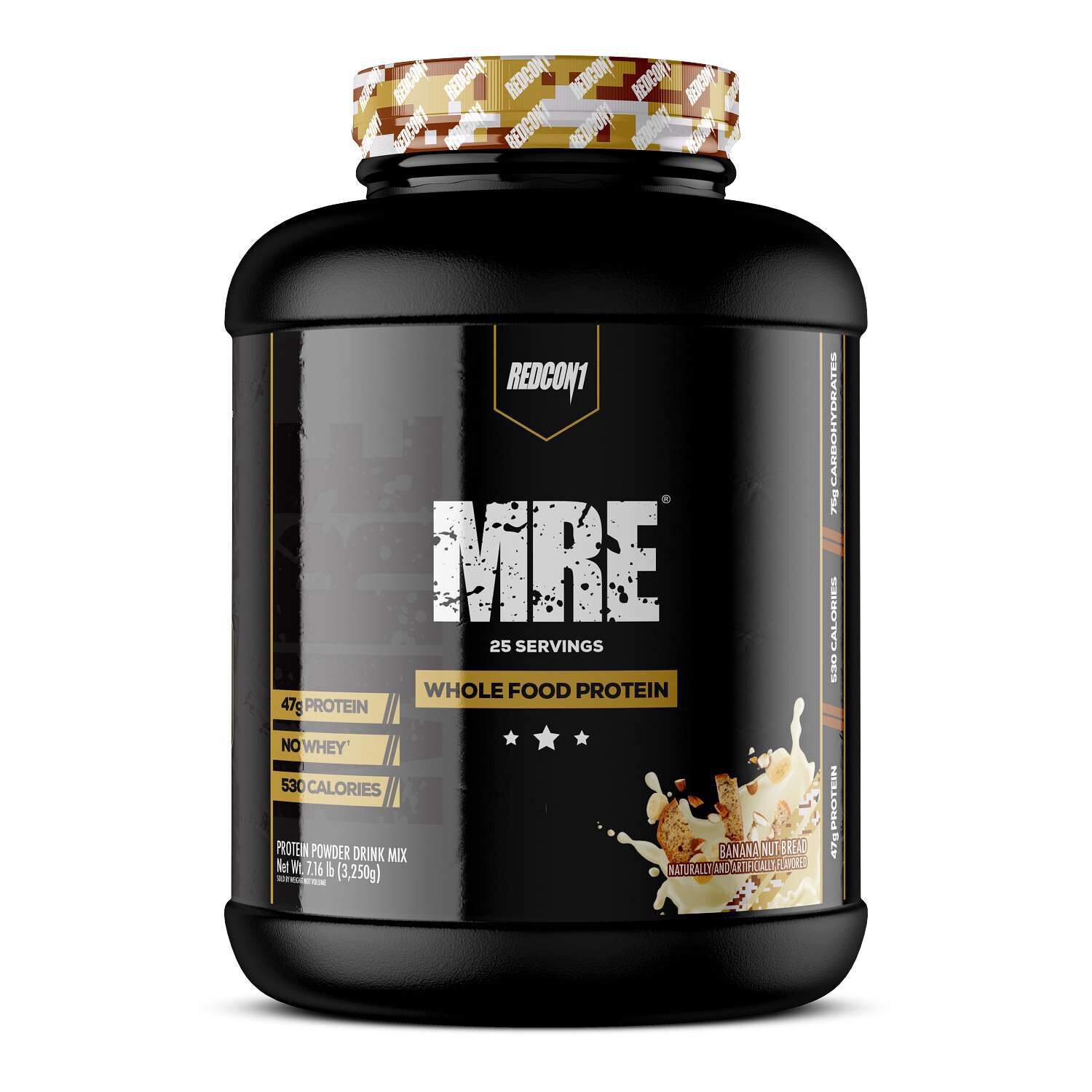
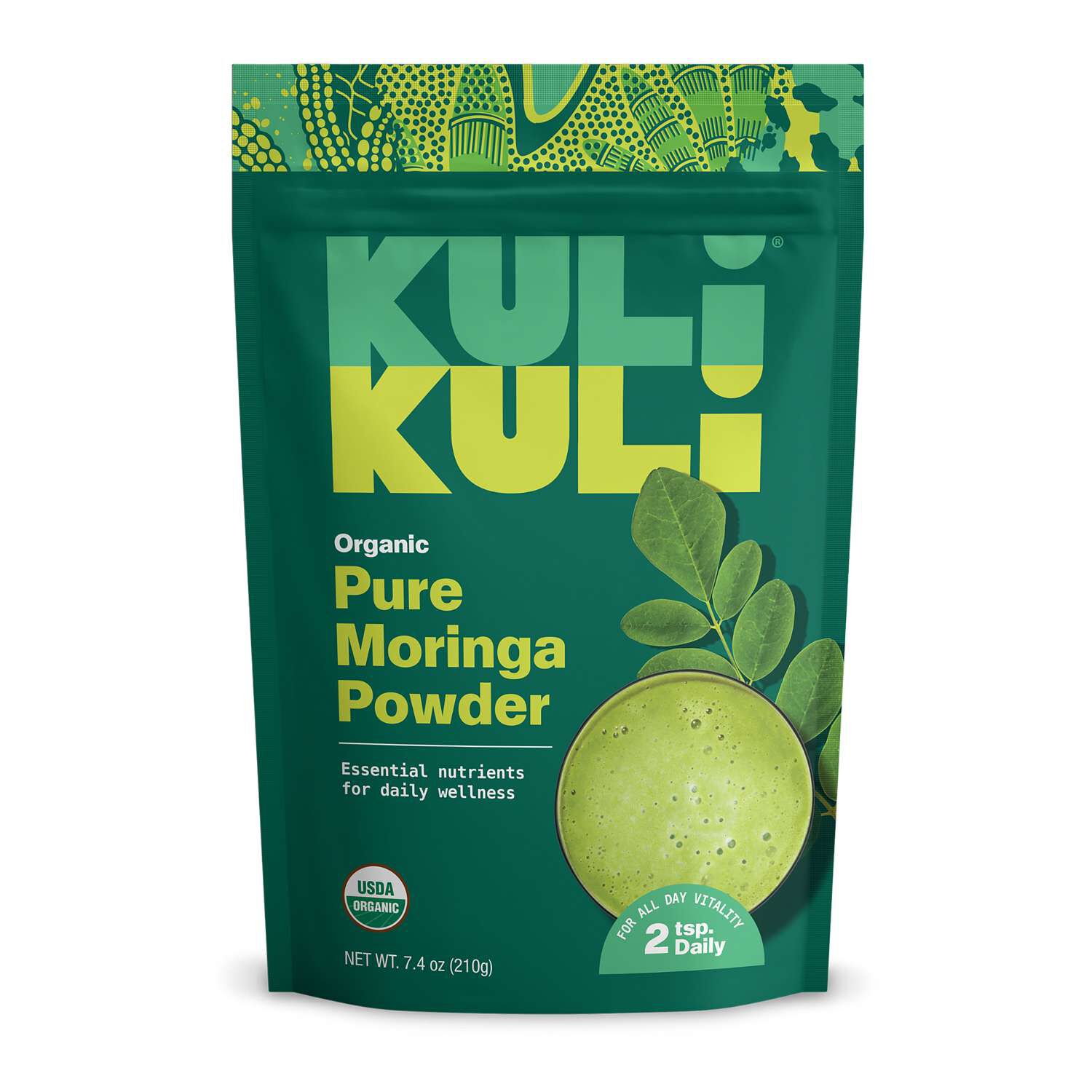
The products collected under Supplements for Whole Food Diets can serve a range of everyday routines, from a busy parent adding a convenient nutrient option to a plant-based shopper reviewing B12, to an active adult looking for a straightforward protein source that works with meals and snacks. Whole food multivitamins may offer a broad selection of vitamins and minerals in a single serving, while targeted formulas can focus on nutrients that may be harder to obtain from a particular food pattern. Green superfood powders may blend ingredients such as leafy greens, grasses, algae, spirulina, and other plant sources into a format that can be stirred into water, blended with fruit, or mixed into oatmeal; their flavor and texture can vary, so checking serving suggestions and ingredient details helps set realistic expectations. Probiotic products may complement a fiber-rich menu, although the strains, serving information, and storage requirements differ from one formula to another. Omega-3 options may come from fish or plant sources, making the source especially relevant for shoppers who follow vegetarian or vegan preferences. A protein powder or ready-to-mix protein option could fit breakfast smoothies, post-workout snacks, afternoon oatmeal, or a simple evening recipe, and shoppers seeking more information can explore Whole Food Protein Supplements For Adults. For gifting, a well-chosen food-based supplement may suit a friend who enjoys meal preparation, a family member settling into a plant-forward routine, or a coworker who likes practical additions to a travel bag or kitchen shelf. The most considerate gift usually reflects the recipient’s dietary preferences, flavor choices, ingredient sensitivities, and preferred format rather than assuming that one formula suits everyone. When comparing options, consider whether the product fits the foods already enjoyed, how often it can realistically be used, and whether the serving size feels manageable alongside a normal meal plan. A supplement can be part of a consistent routine without taking the place of colorful meals, adequate fluids, satisfying portions, or the pleasure of cooking and sharing food. Keeping a short record of current supplements and checking labels for overlapping nutrients may make conversations with a healthcare professional more productive and help shoppers choose with greater confidence as routines shift from outdoor summer meals toward the comforting flavors of the cooler season.