





Supplements To Balance Hormones And Lose Weight
(0 Results)
Supplements to balance hormones and lose weight are designed for those seeking support on their wellness journey. Exploring options that may help maintain a sense of balance and promote healthy weight management could be a valuable addition to your daily routine. With a focus on supporting overall well-being, these supplements may offer targeted nutrients that align with your personal health goals. Discover a variety of choices that might complement your efforts toward feeling your best every day.
-
-

-
-

-
-
-
-

-

-
 2,035$119.99
 -
-
-
-

-
-
-
-
-
-
-

-
-
-
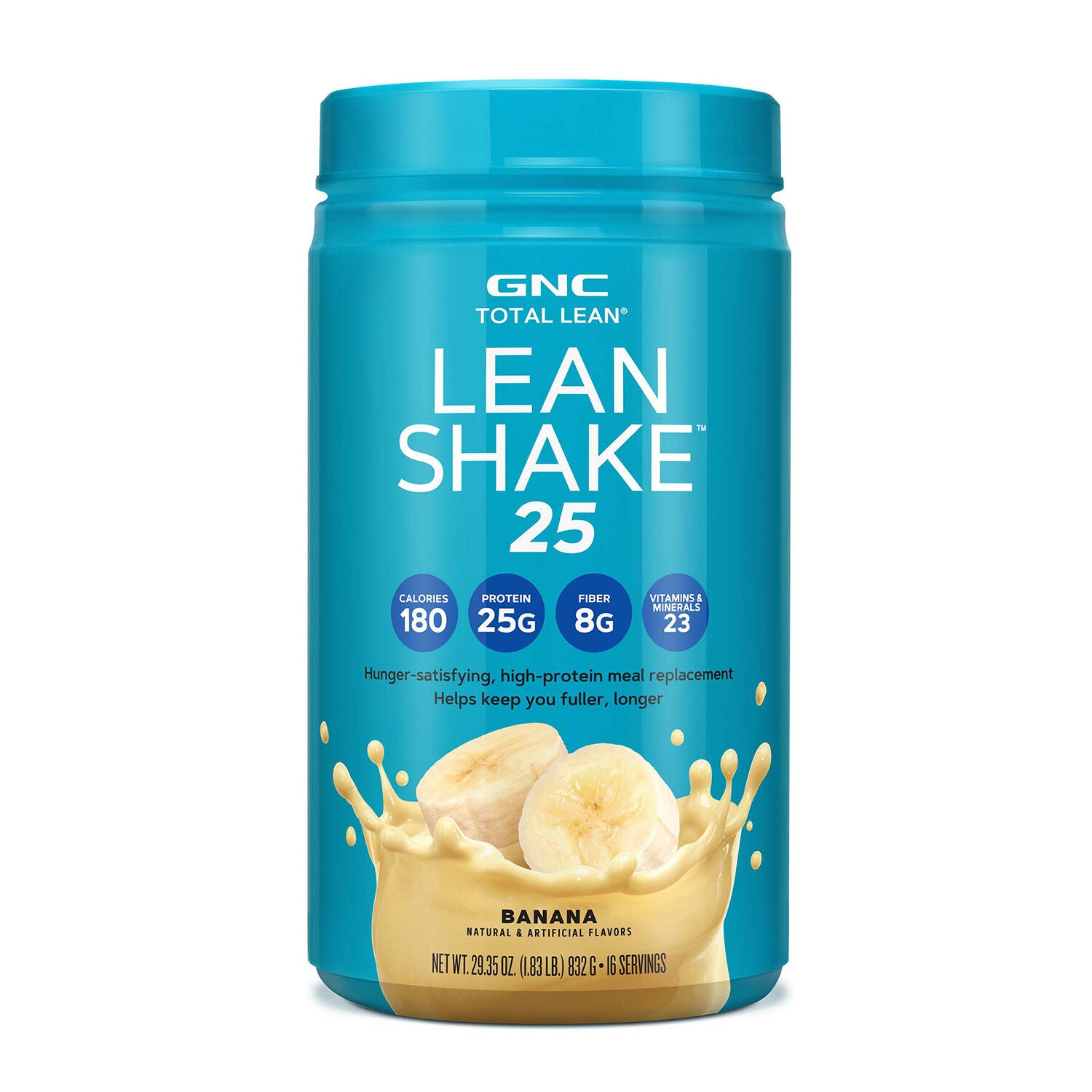
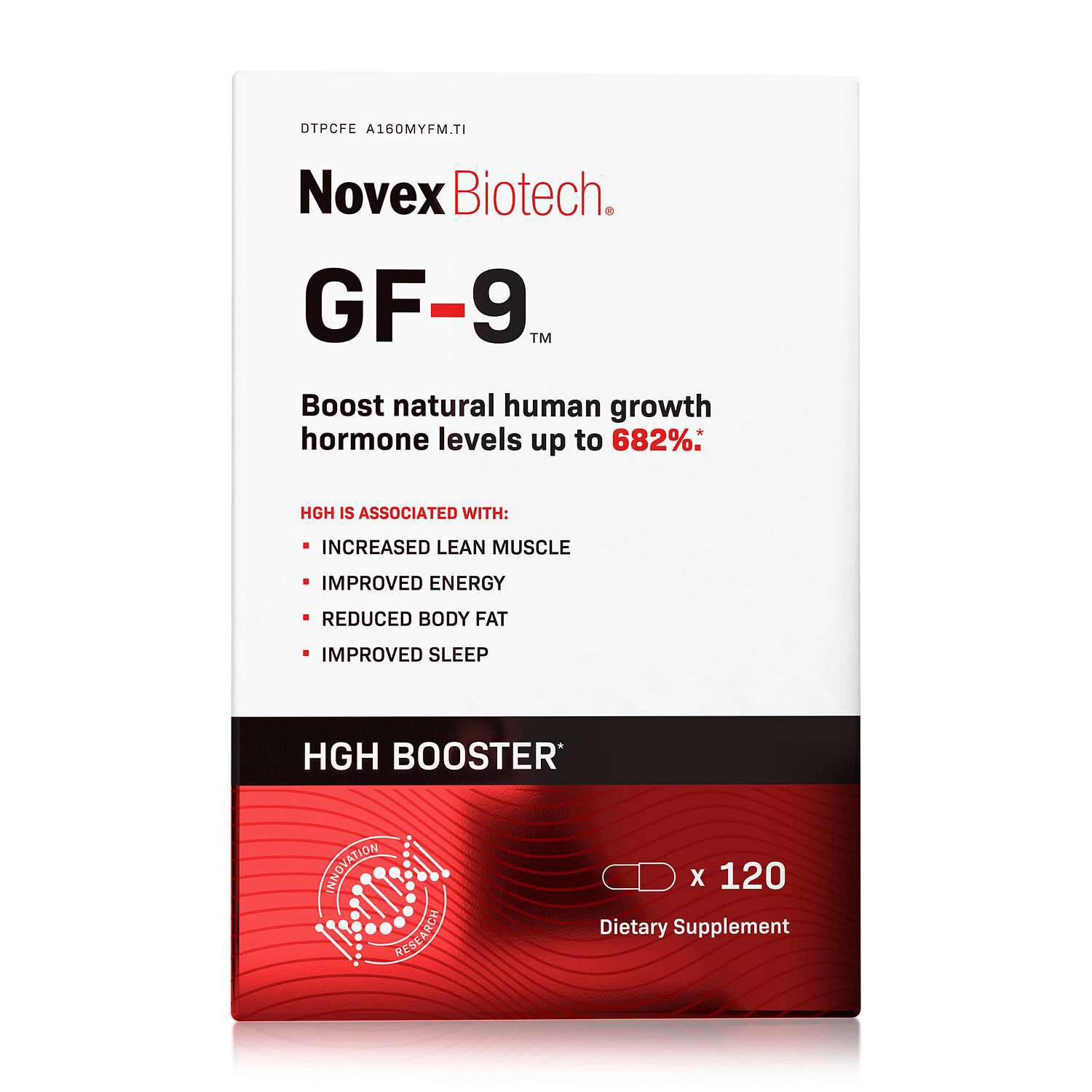
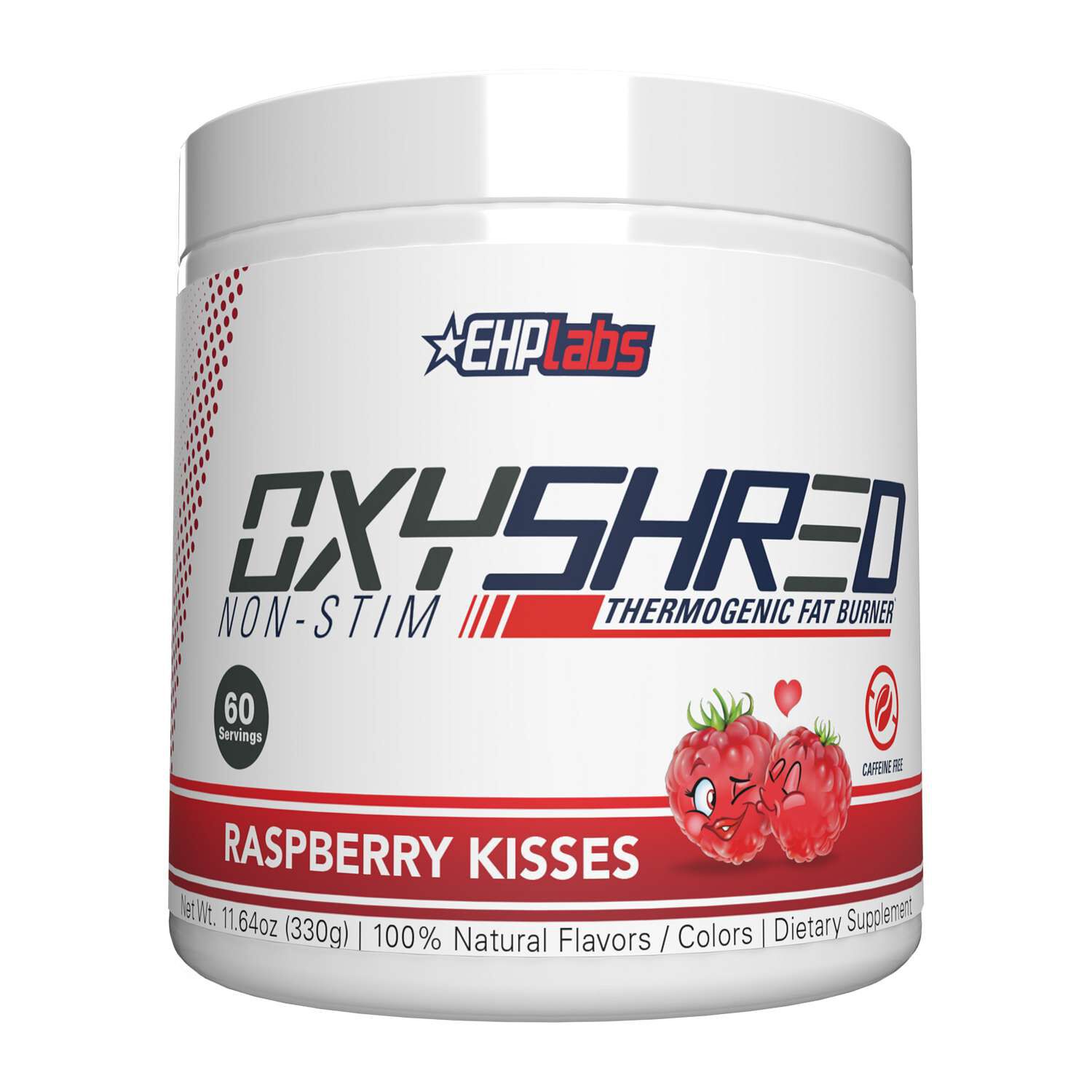
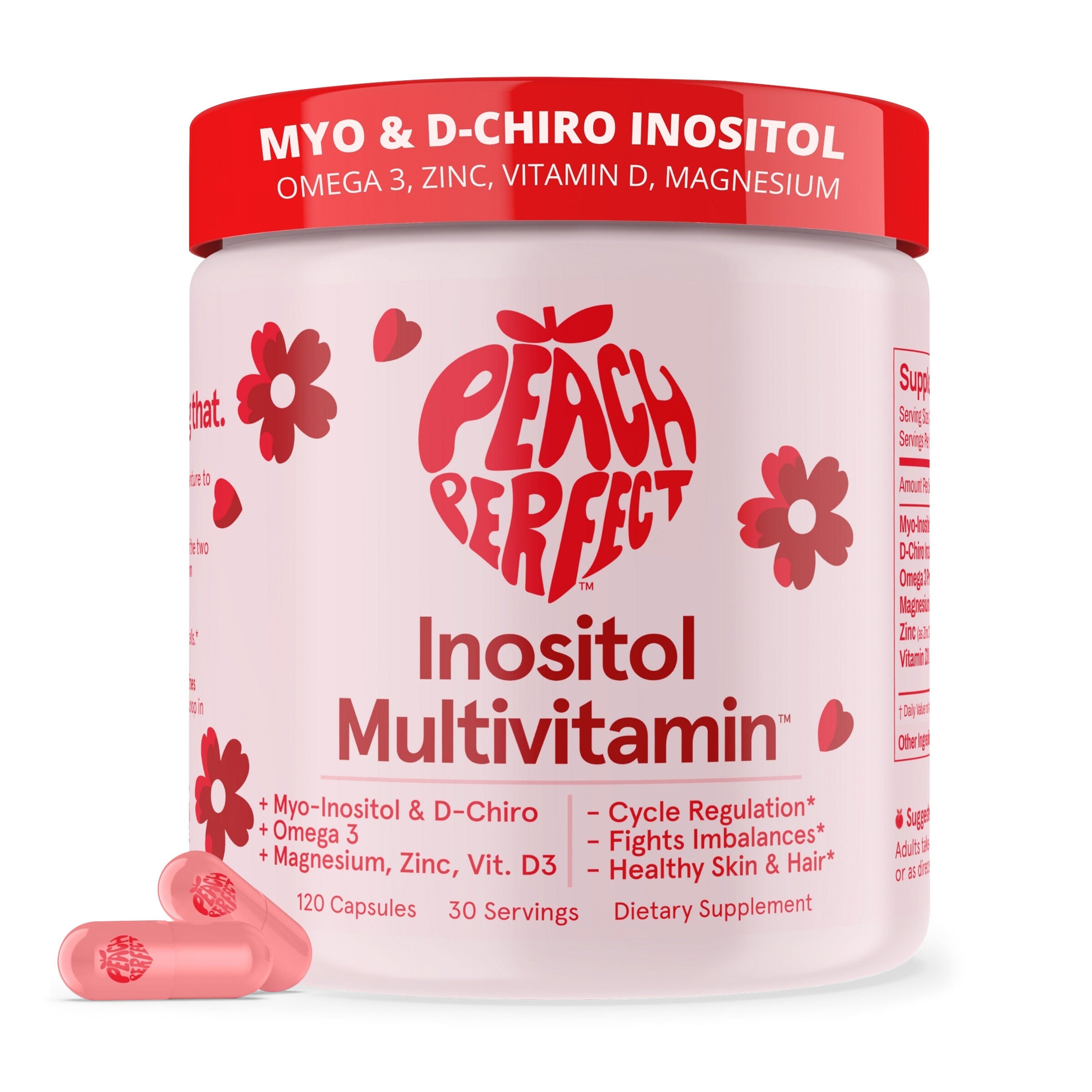
Shopping for supplements to balance hormones and lose weight often starts with a broader interest in nutrition, daily routines, and personal wellness goals. This category brings together supplements with different ingredients, formats, and intended uses, rather than a single formula suited to every shopper. Hormone-focused interests and weight-management goals are distinct considerations, so a product’s name alone is not enough to explain its purpose. Vitamins, minerals, fatty acids, botanical ingredients, and protein each belong to different nutritional categories, and their presence in an assortment does not make them interchangeable. Common ingredients shoppers may encounter include magnesium, vitamin D, omega-3 fatty acids, inositol, and ashwagandha. Magnesium is a mineral, vitamin D is a fat-soluble vitamin, omega-3s are a family of fatty acids, inositol is a naturally occurring compound, and ashwagandha is a botanical ingredient. Those distinctions provide useful context without suggesting that any one ingredient will change hormones or produce weight loss. Supplements may complement an eating and activity routine, but a category label does not establish an individual outcome. A more meaningful comparison starts with the Supplement Facts panel, the ingredient list, and the stated serving size. A capsule containing one nutrient serves a different shopping preference from a blend containing several ingredients, even when both appear within the same wellness category. Adults browsing for themselves may value a simple formula that is easy to compare with their existing routine, while others may prefer a blend with clearly disclosed ingredient amounts. For shoppers interested in a related assortment, Women Hormone Supplements offers another way to explore this area of personal wellness. Across these categories, the most useful product details are concrete: what the formula contains, how much appears in a serving, what form it comes in, and how its labeled use fits everyday life. These details make comparisons more grounded than broad front-label language about transformation or a particular body shape.
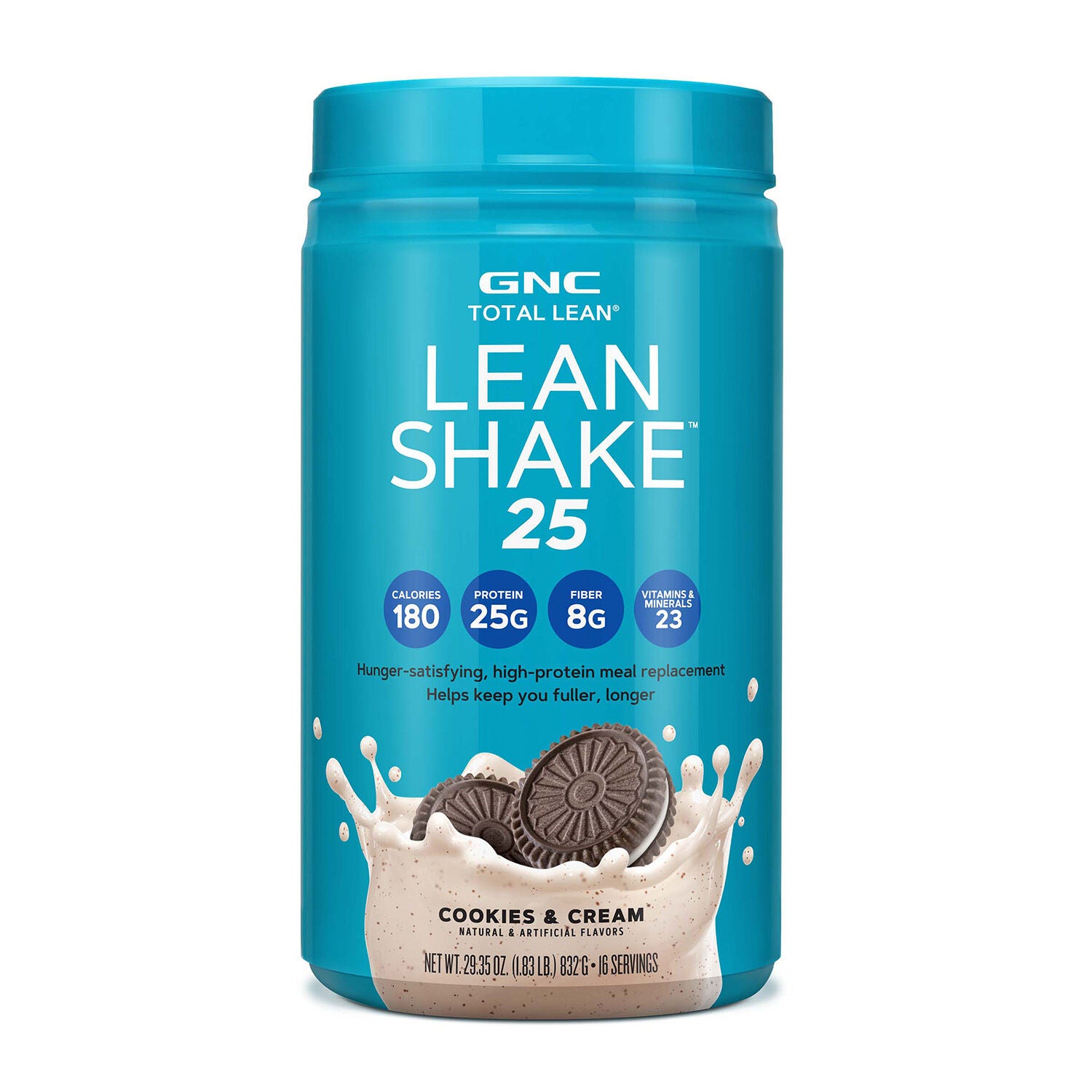
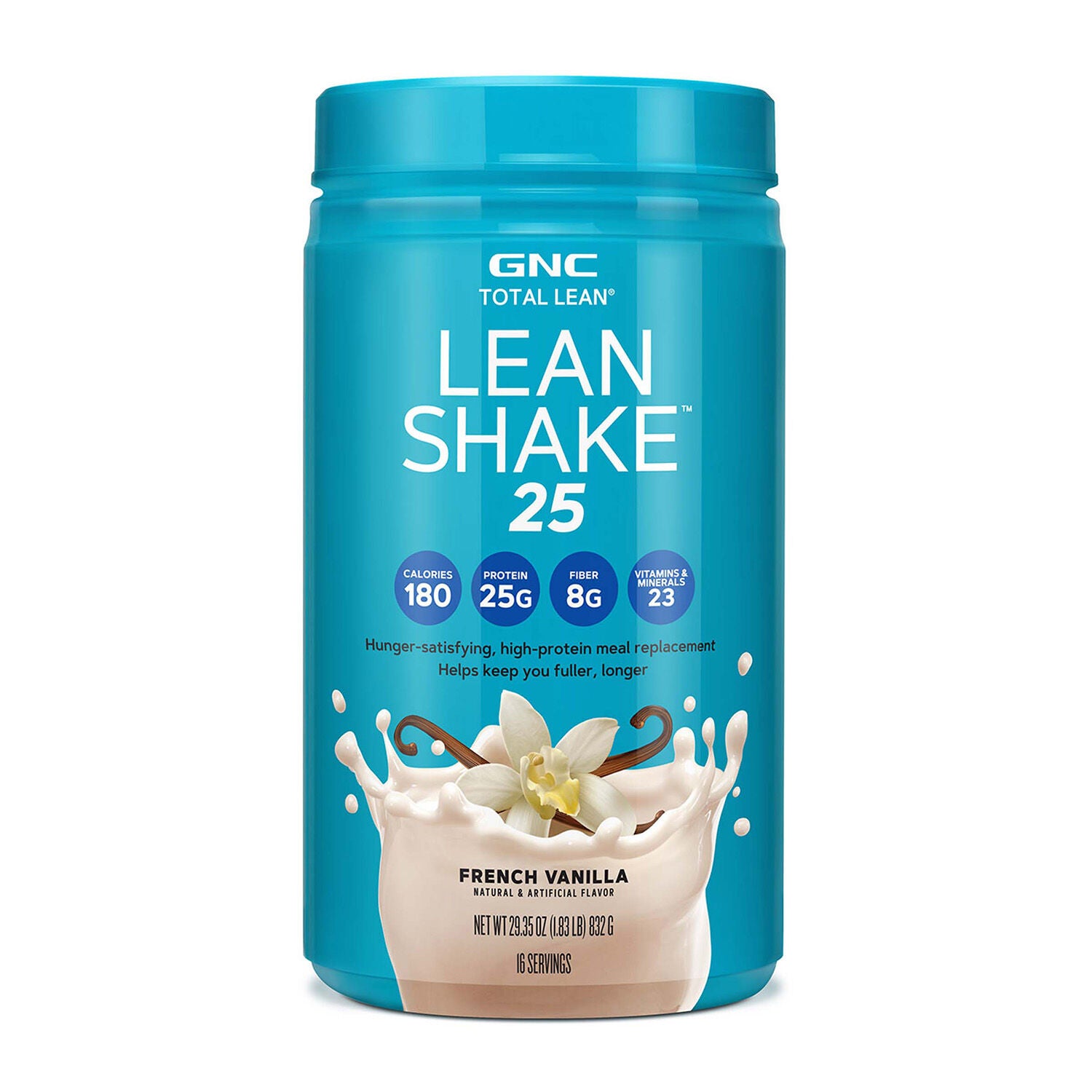
Ingredient sources and formula design deserve close attention because similar-looking labels can describe quite different supplements. Omega-3 formulas, for example, may use fish-derived or algae-derived ingredients, and labels can identify the amounts of individual fatty acids such as EPA and DHA. The amount of oil listed on the front of a package is not necessarily the same as the amount of each fatty acid shown in the Supplement Facts panel. Magnesium labels can identify different forms of the mineral, while vitamin D products can differ in source, amount, and delivery format. Inositol may appear on its own or within a blend, making the ingredient breakdown especially relevant when comparing labels. For botanical formulas, useful details include the plant name, the plant part used, and whether the ingredient is supplied as a powder or an extract. An extract ratio and a listed ingredient weight describe different characteristics; neither detail, by itself, establishes how a formula will fit someone’s goals. When a blend groups several ingredients under one listed amount, there is less information about the amount of each component than when every ingredient is listed separately. The other-ingredients section adds another layer of context, identifying capsule materials, flavorings, sweeteners, colors, and ingredients used to create texture or consistency. Gelatin and cellulose capsules differ in their source materials, which may matter to shoppers with vegetarian preferences. Gummies and flavored powders may contain added sugars or sugar alcohols, so their Nutrition Facts or Supplement Facts information can be part of the comparison as well. Allergen statements are another relevant detail for shoppers with established dietary requirements. Protein powders, when included in a weight-management assortment, have a different intended use from a vitamin or botanical capsule and may offer a convenient way to add protein to a snack or meal. Whey, casein, soy, and pea protein also differ in source and texture. An unflavored powder stirred into oatmeal presents a different everyday experience from a sweetened shake mixed with water, even before serving size and ingredient preferences enter the decision.
The practical fit of a supplement often comes down to ordinary moments: reading a label at the kitchen counter, mixing a powder before leaving home, or finding a place for a bottle alongside other daily necessities. Capsules, tablets, softgels, gummies, liquids, and powders each have distinct handling and storage considerations. A capsule format involves little preparation, while a powder requires measuring and mixing according to its directions. One labeled serving may mean several capsules rather than one, and a scoop size can vary between formulas. Those details affect how a container fits a routine and make serving count more informative than package size alone. For someone who spends much of the day away from home, a securely closed container and clearly readable directions may matter more than an elaborate flavor selection. A shopper who already enjoys making smoothies may find a powder format more familiar, while someone who dislikes flavored supplements may prefer an unflavored option or a capsule. Texture matters, too: some powders mix into a thin drink, while others create a thicker consistency depending on the ingredients and preparation method. Care is less about long-term wear than about maintaining the condition of the contents and packaging. Labeled storage directions, date markings, intact seals, and secure closures are useful considerations for any supplement purchase. A tightly closed lid and a clean, dry scoop are practical details for powder handling, and the original container keeps ingredient information and directions close at hand. Because these products are highly personal, a gift purchase is most appropriate when the recipient has already expressed a preference for a particular supplement type or format. For personal shopping, reviewing an existing routine can reveal repeated ingredients across a multivitamin, a mineral formula, and a broader wellness blend. More ingredients do not automatically make a formula more suitable. Clear labeling, a manageable preparation method, and an intended use that matches the shopper’s purpose provide a thoughtful basis for choosing among supplements associated with hormone-focused wellness interests and weight management, without turning a product category into an expectation of a specific result.
Best Sellers
Related Pages

Top Collections
- Daily Collagen Supplements | Top Brands & Deals | GNC
- Natural Collagen Supplements | Top Brands & Deals | GNC
- Top Rated Collagen | Shop Customer Favorites | GNC
- Cortisol Supplements
- Vitamins For Hair Loss
- Spirulina Tablets
- NAD+ Supplement Tablets
- Peptide Supplements
- Best Brand of Magnesium Glycinate
- Vitamins That Help Support Weight Gain