





Support For Women's Daily Nutrition
(0 Results)
Support for women’s daily nutrition starts with making mindful choices to help meet unique wellness goals. Whether maintaining energy for a busy lifestyle or seeking balance through every stage of life, finding the right nutritional support could make a difference. Explore options designed to complement daily routines and help address nutritional gaps, so you can feel empowered on your wellness journey. Discover how support for women’s daily nutrition might fit into your healthy habits today.


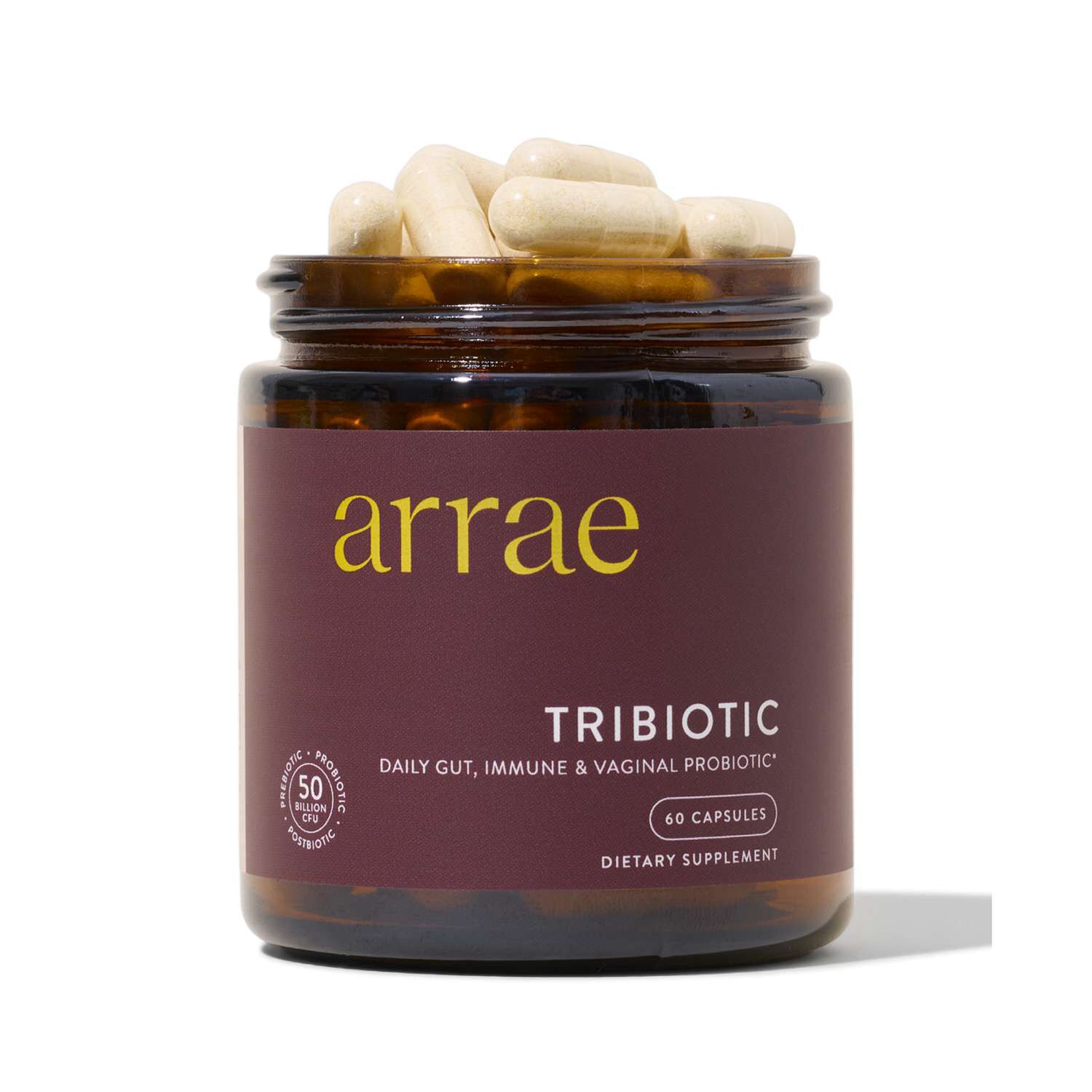
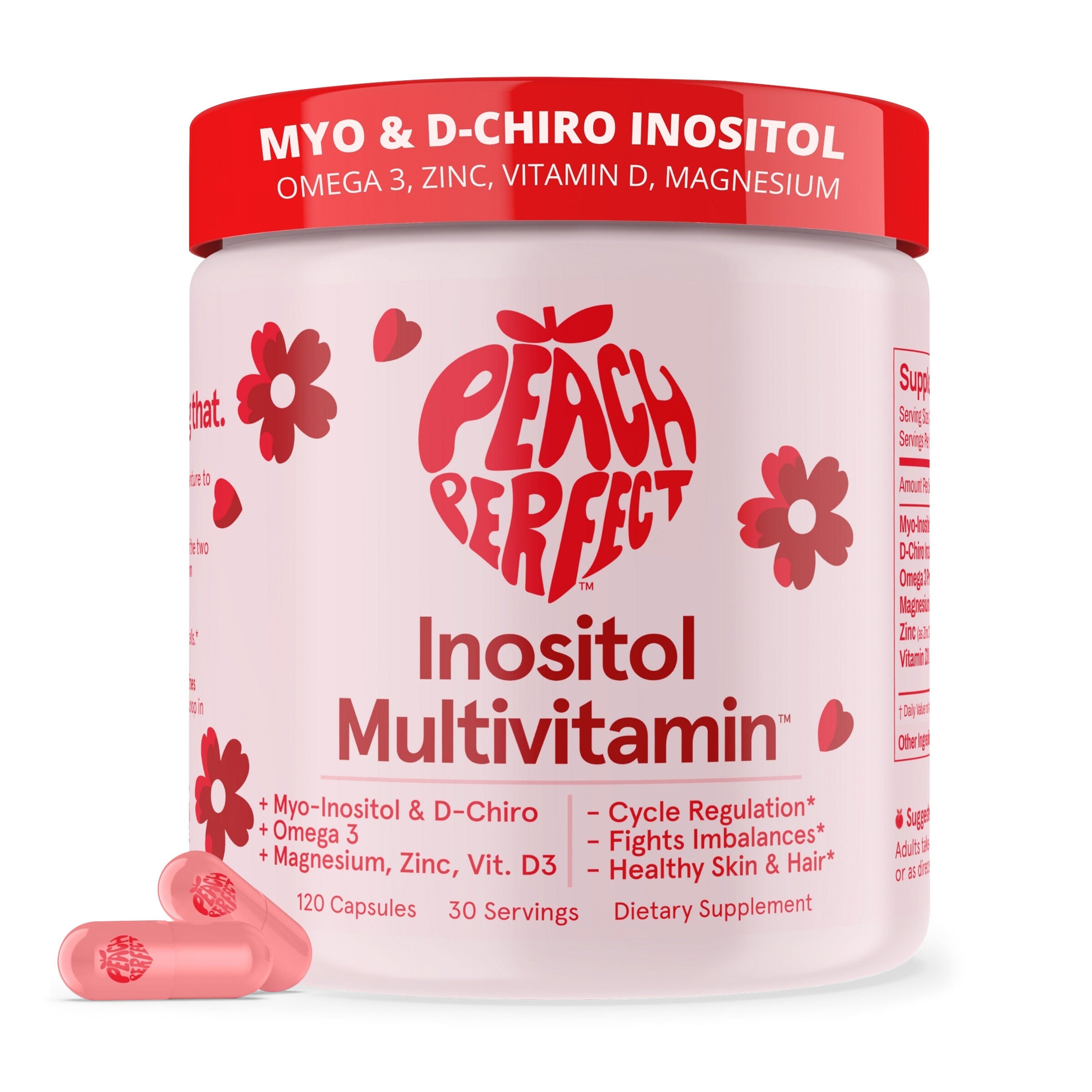
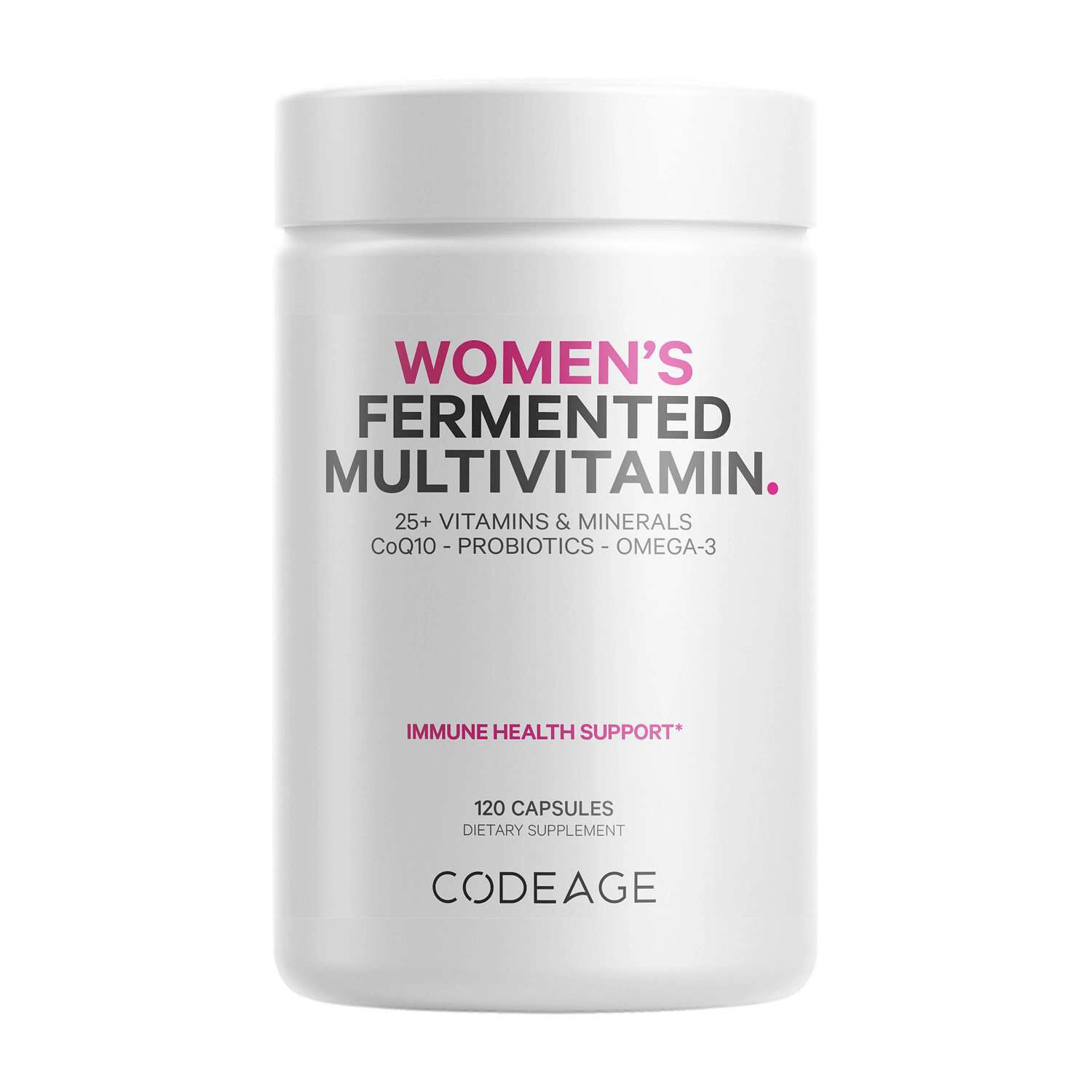
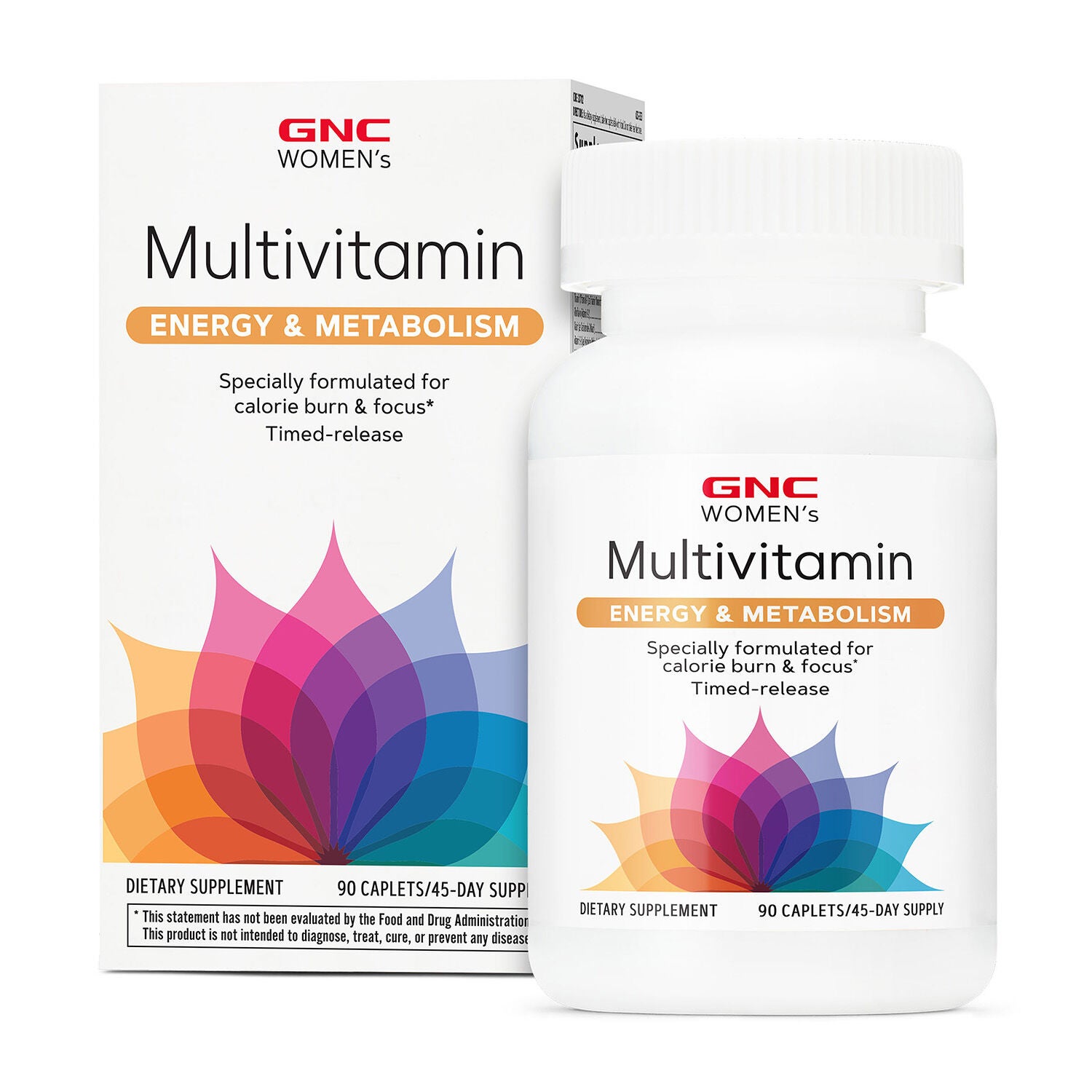

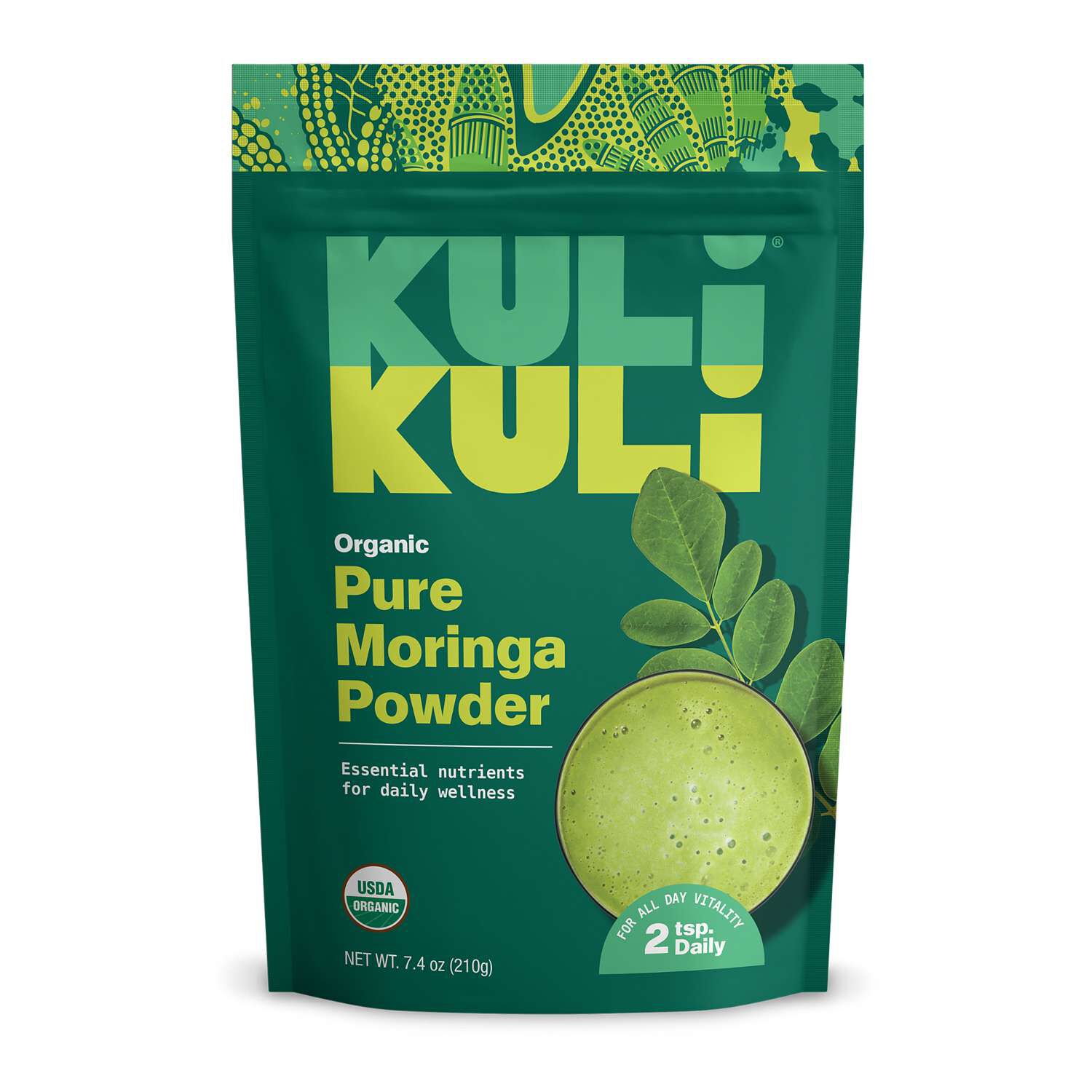

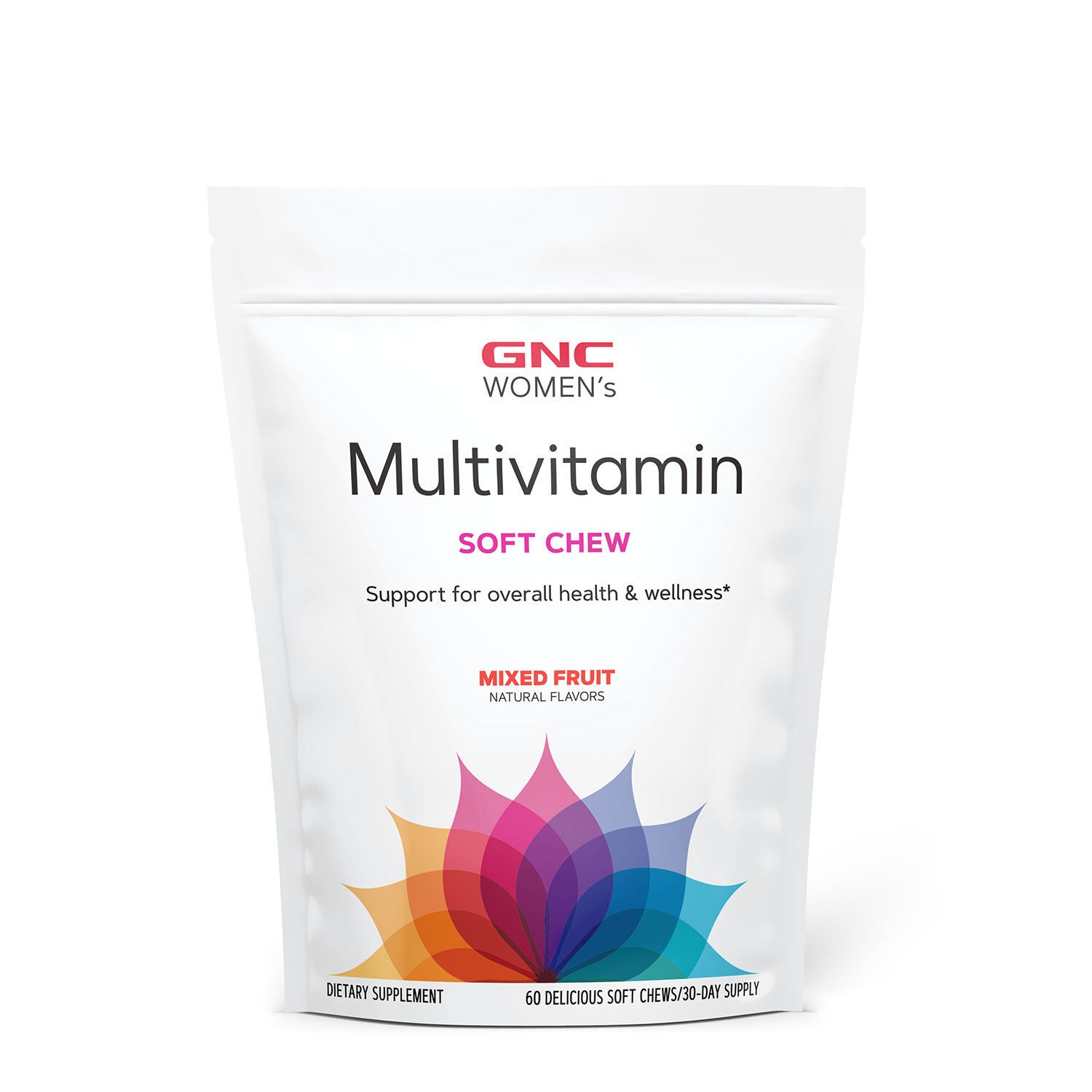


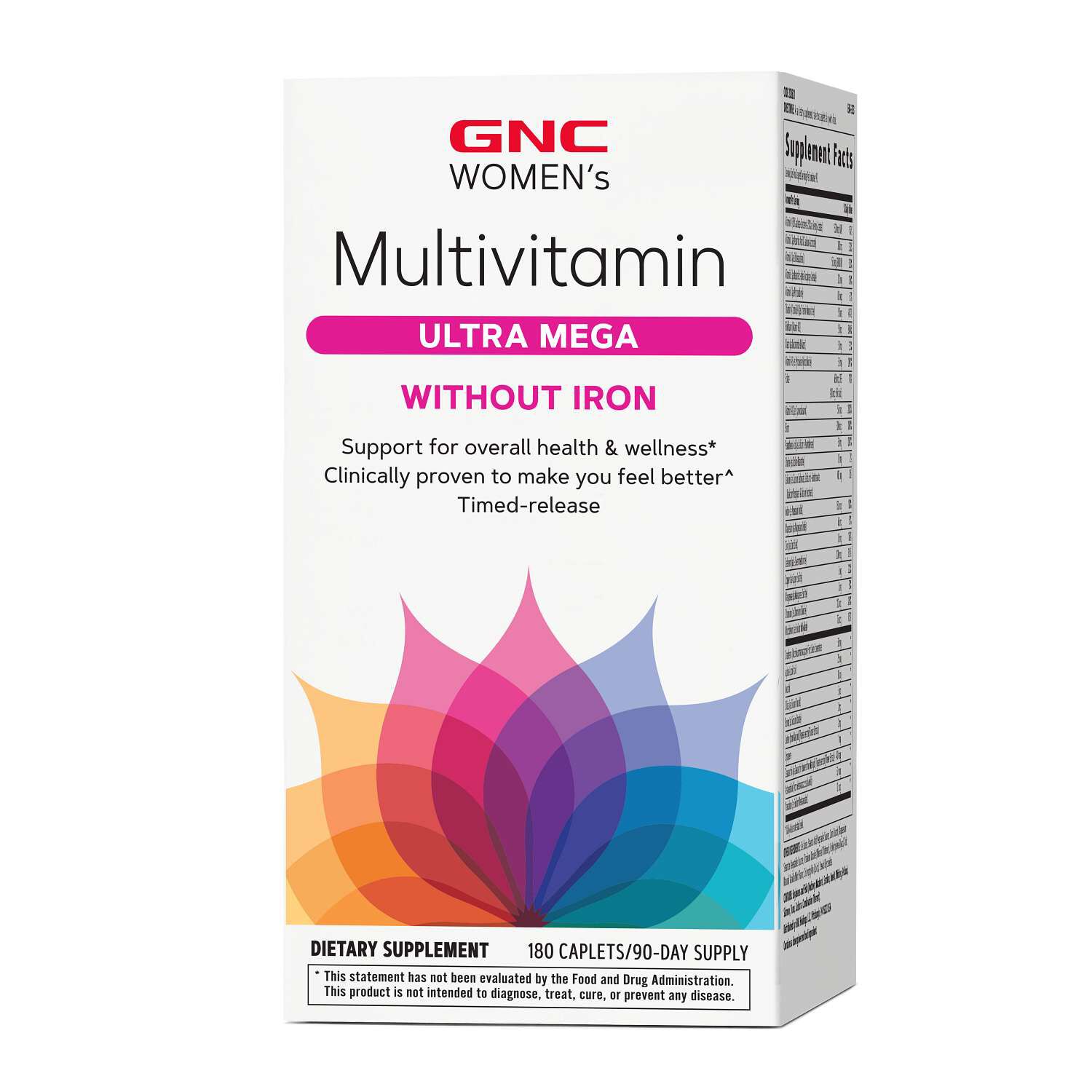

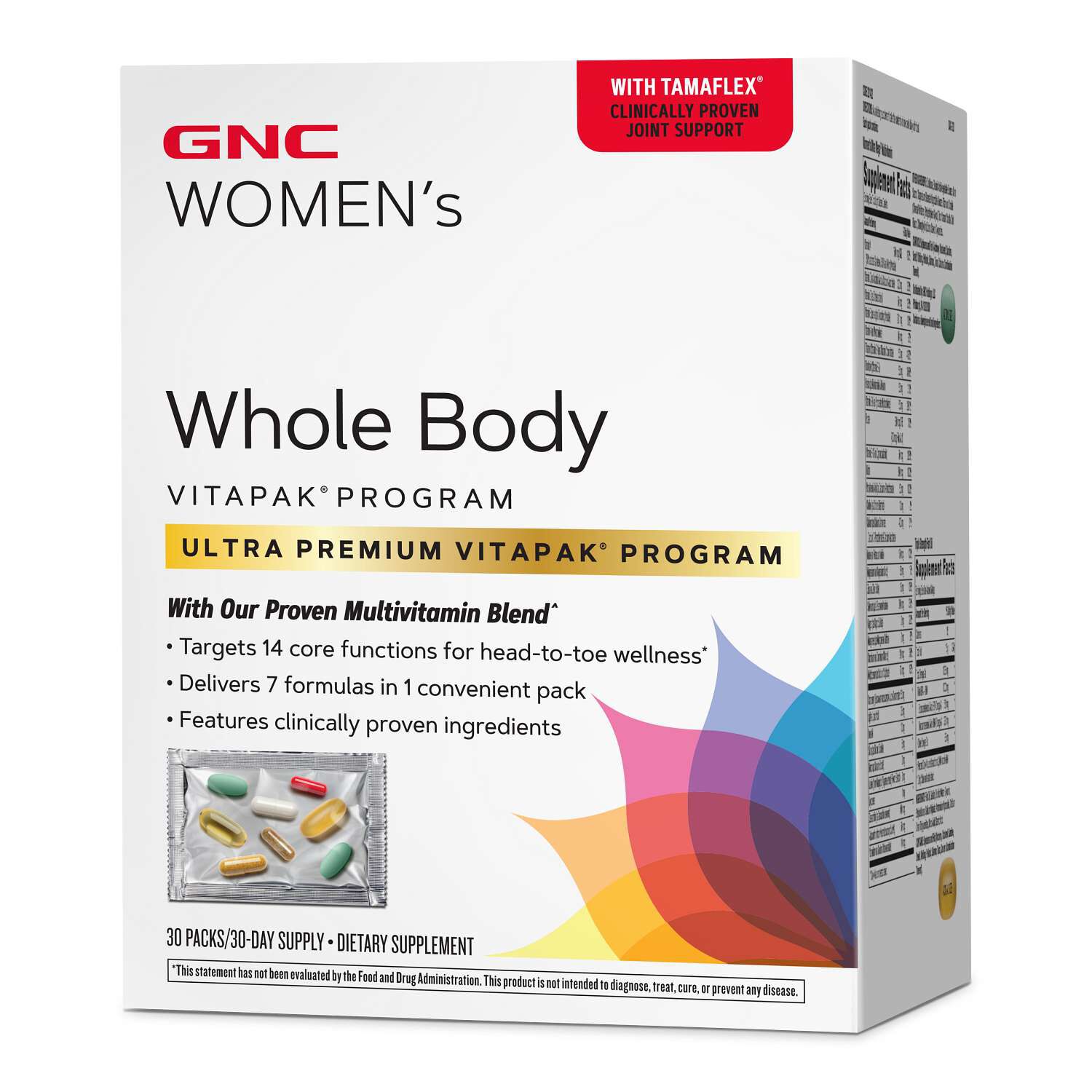
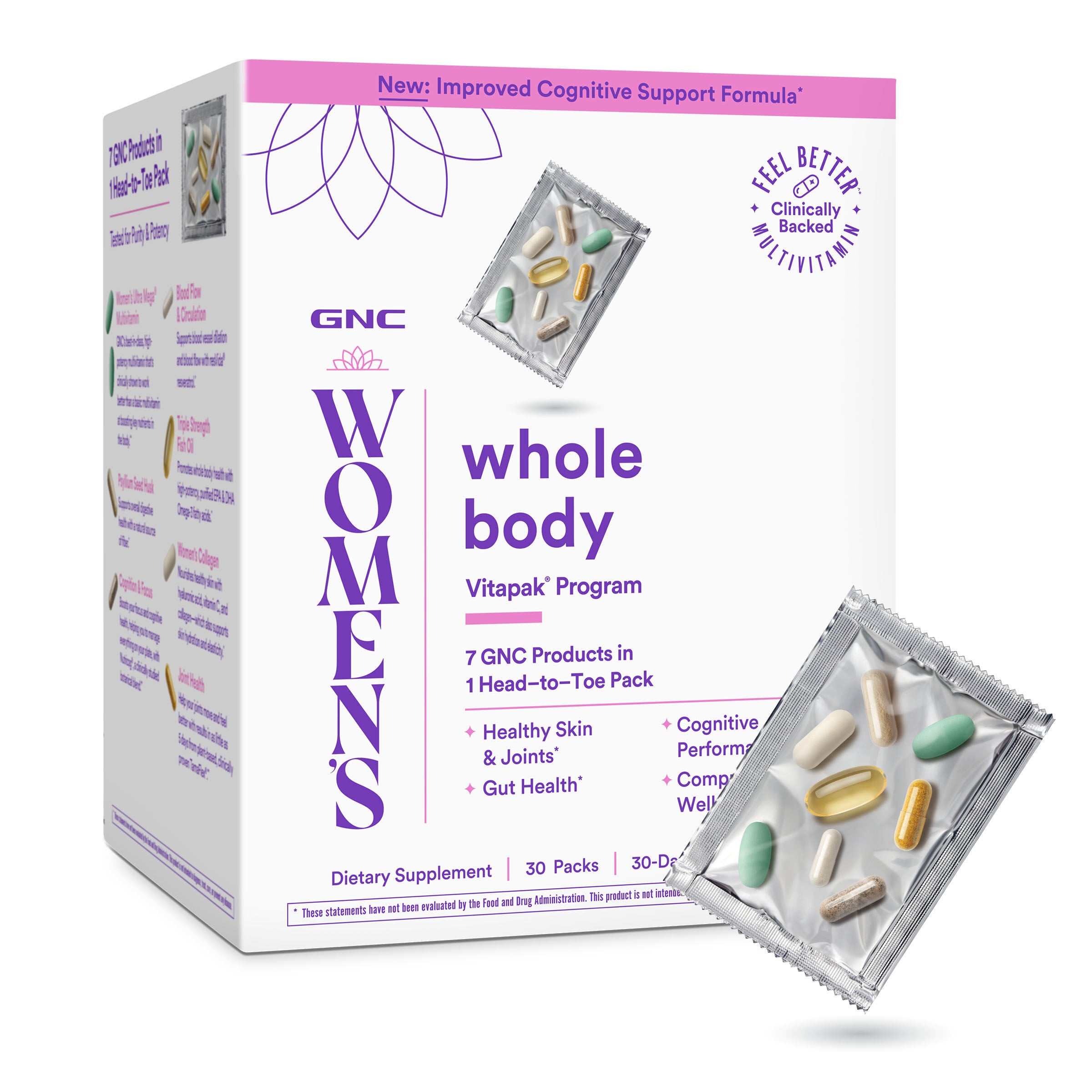
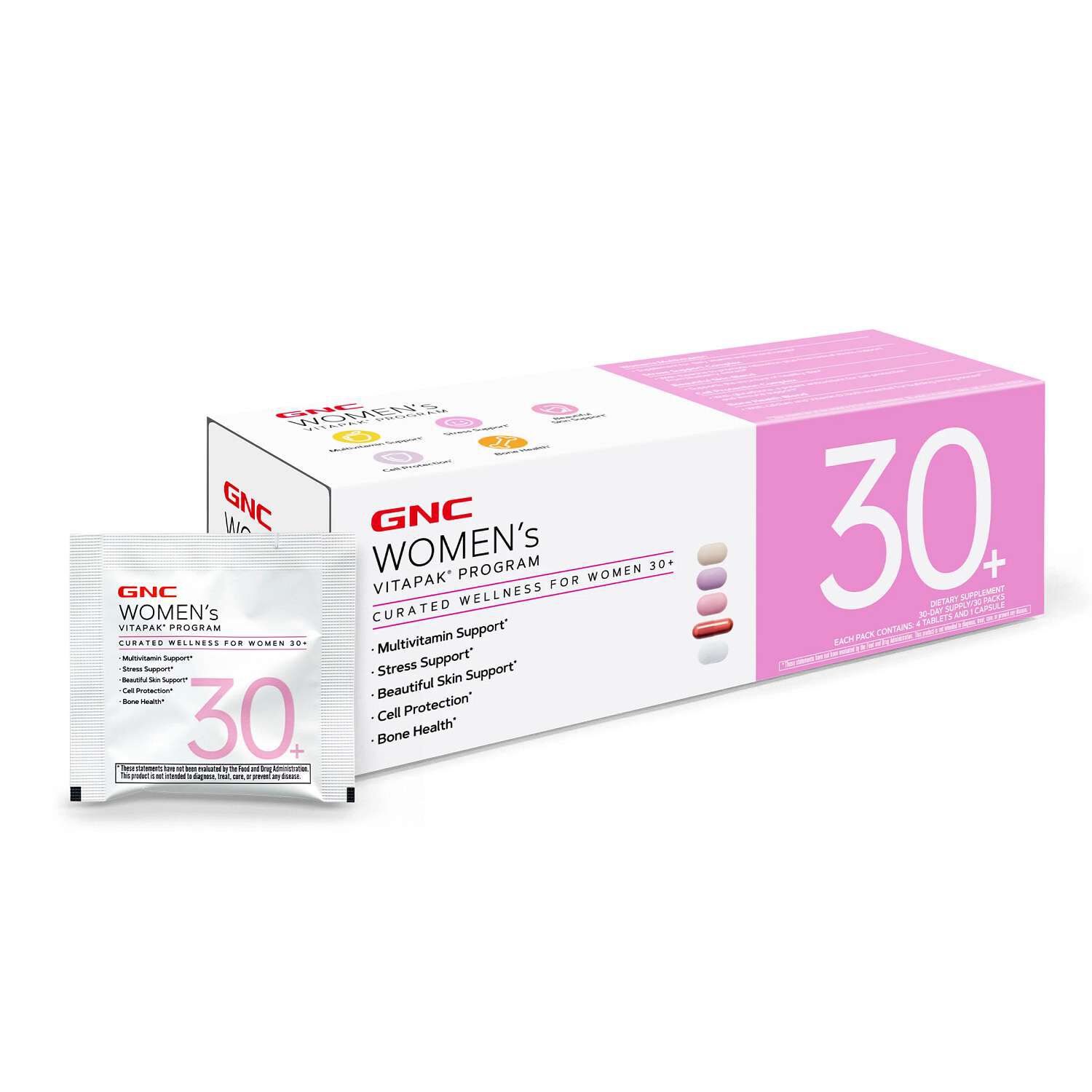


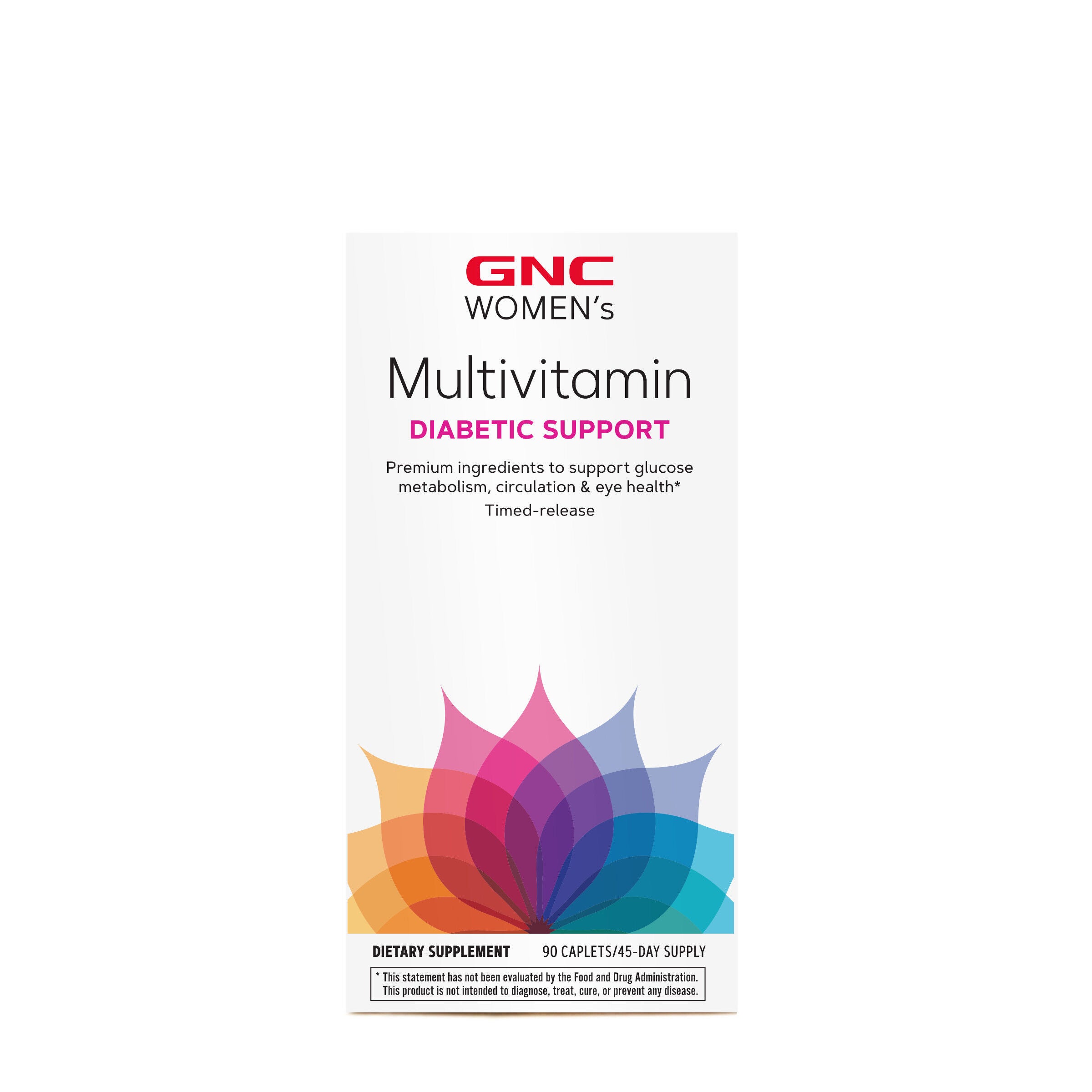
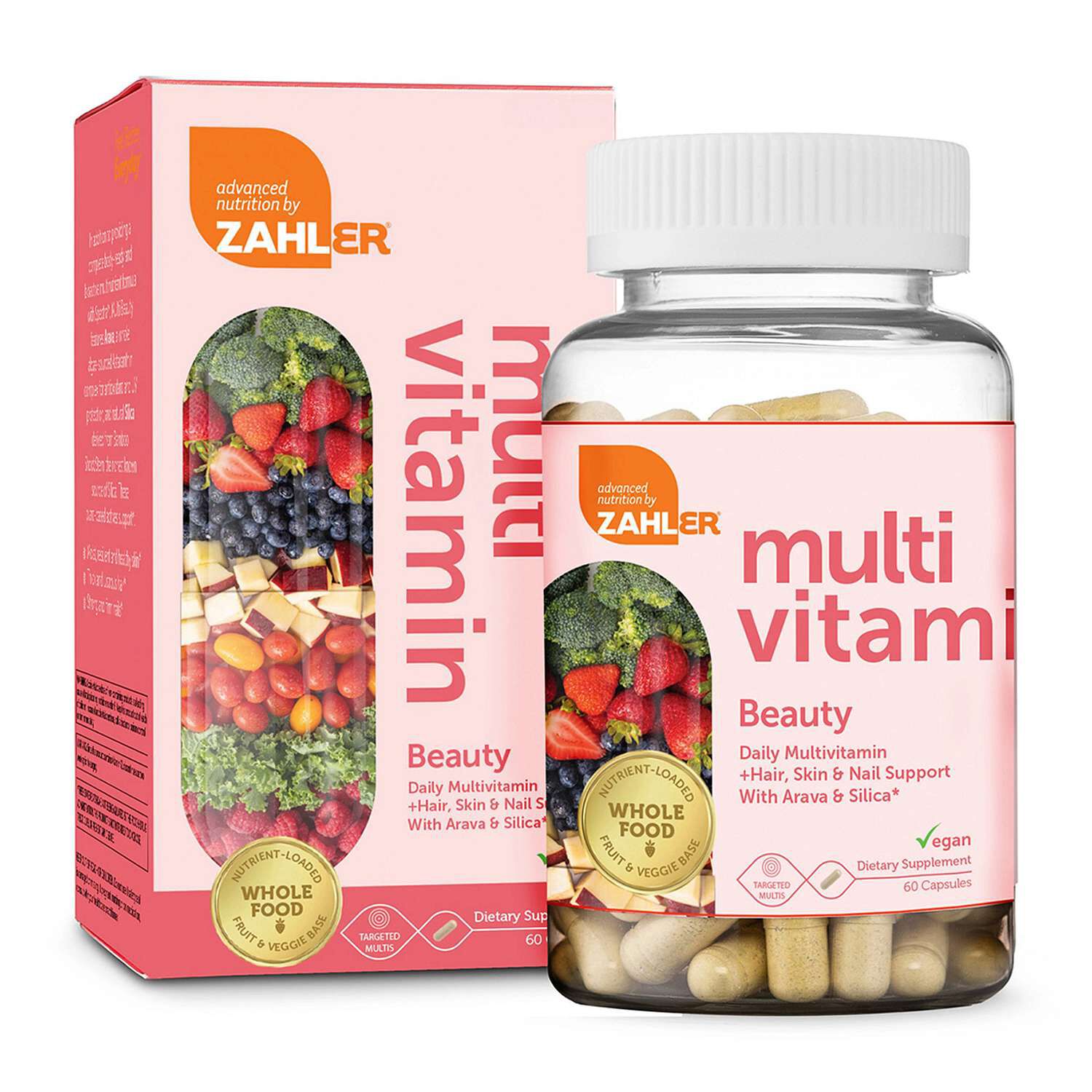
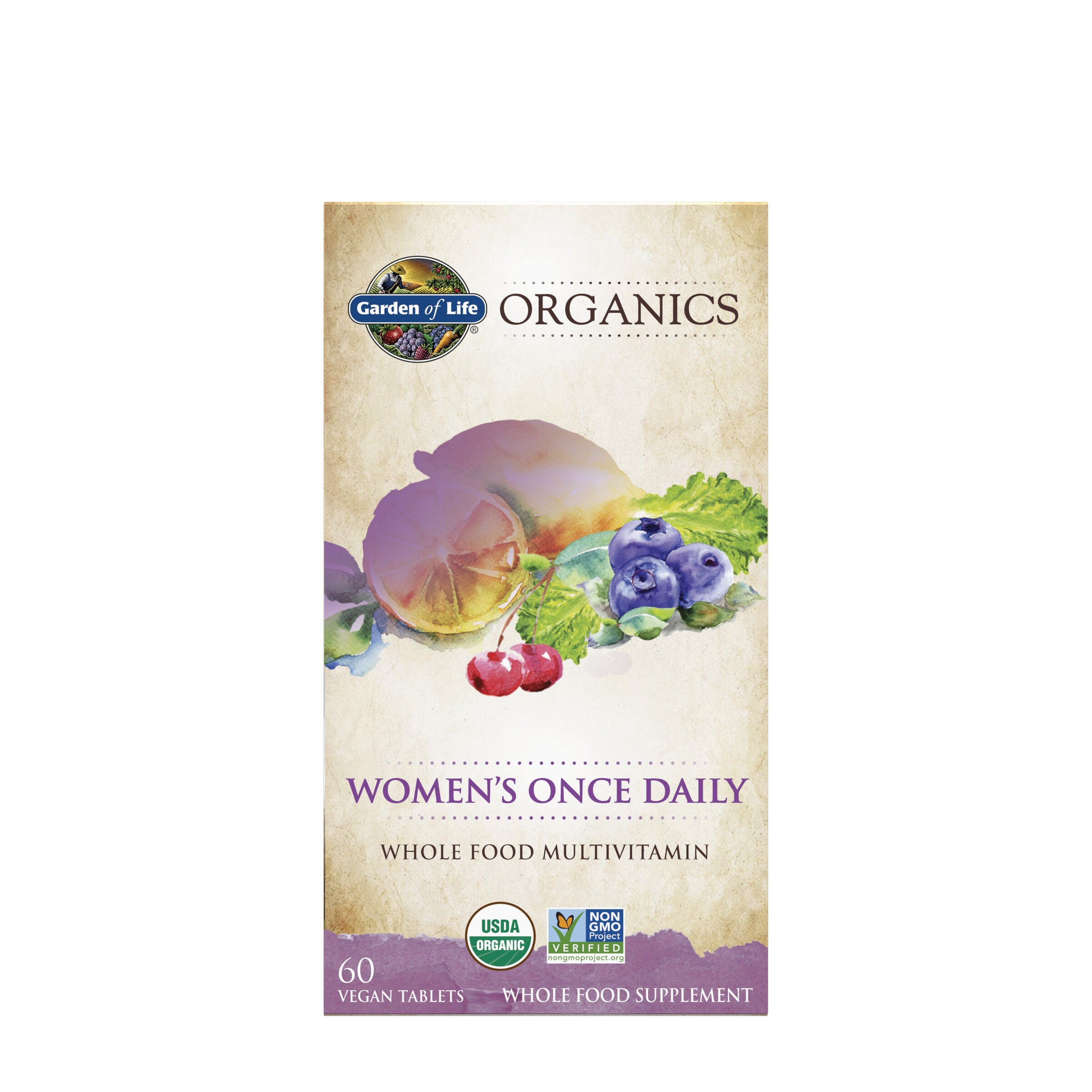
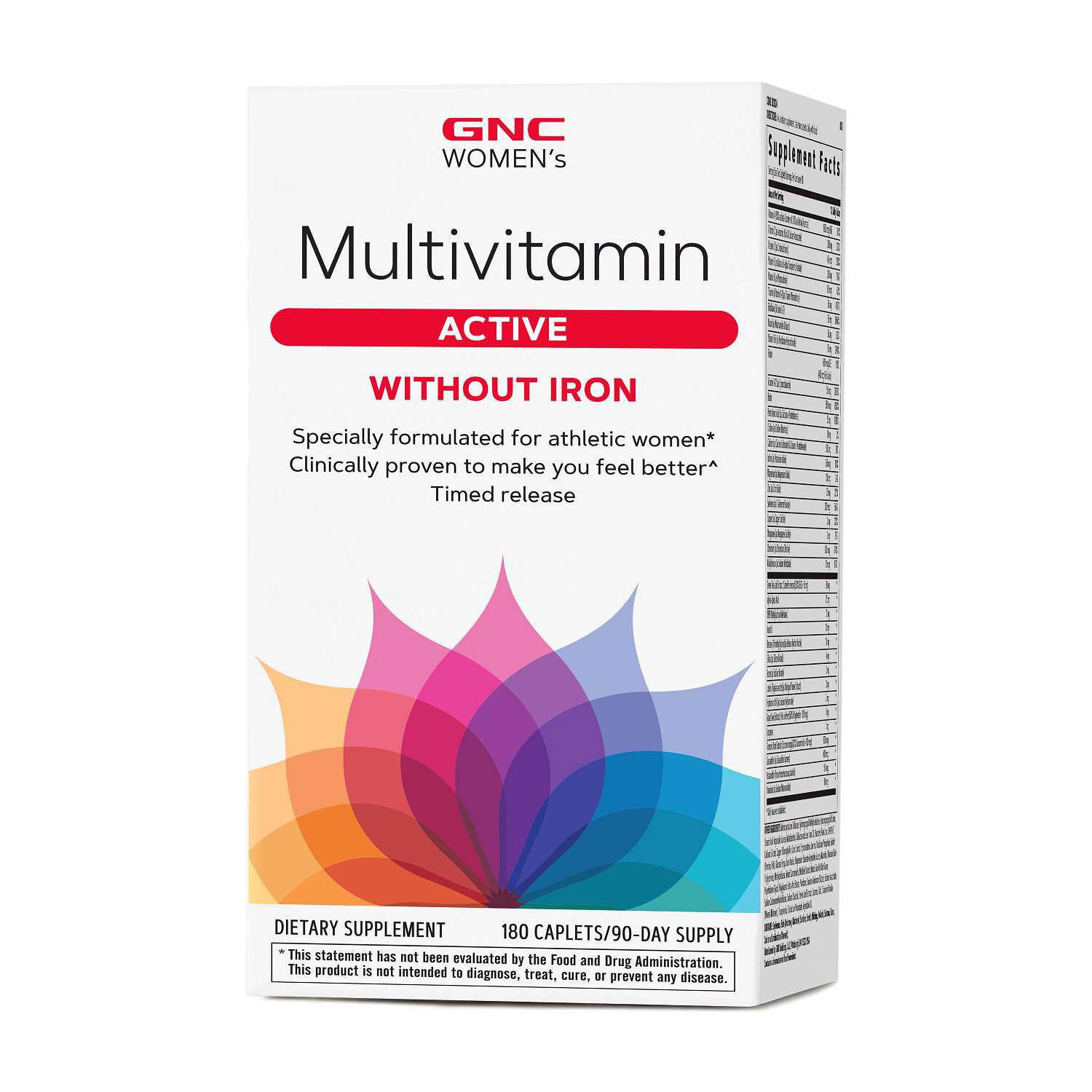
Supporting women’s daily nutrition often starts with a practical look at the nutrients that appear in a varied eating pattern. Women may seek multivitamins and other nutritional supplements as a convenient way to complement meals, especially during busy stretches when breakfast becomes a piece of toast, lunch happens between appointments, or dinner comes together from whatever is already in the kitchen. Iron, calcium, vitamin D, folic acid, and omega-3 fatty acids are among the nutrients commonly considered when choosing products for women’s nutrition. Iron may support normal energy metabolism and the formation of red blood cells, while calcium and vitamin D may support bones and normal muscle function. Folic acid may support normal cell division, making it a nutrient many people consider during their childbearing years. Omega-3 fatty acids may support brain and heart health, and they can be found in foods such as salmon, sardines, walnuts, chia seeds, and flaxseeds. A multivitamin may suit someone who wants a simple daily routine, while a targeted supplement may appeal to a person whose food preferences, schedule, or life stage shapes the way they plan meals. The right choice may depend on age, dietary pattern, activity level, personal preferences, and guidance from a qualified health professional. Reading the Supplement Facts panel can help shoppers compare serving sizes, nutrient amounts, forms, and directions before making a purchase. Those who prefer plant-based foods may look for formulas that fit a vegetarian or vegan routine, while shoppers with food sensitivities may review ingredient lists carefully. Anyone taking prescription products, managing a health concern, pregnant, nursing, or preparing for pregnancy may wish to speak with a qualified health professional before adding a new supplement to a daily routine.
Food remains a useful foundation for everyday nutrition, and supplements may fit alongside familiar choices rather than replace them. A colorful plate could include leafy greens, beans, lentils, citrus fruit, berries, carrots, peppers, and other produce throughout the day. Whole grains such as oats, brown rice, quinoa, whole-wheat bread, and barley may add variety to meals, while lean protein options can include eggs, poultry, seafood, tofu, tempeh, beans, and lentils. Many nutrition references describe a daily pattern built around several servings of fruits and vegetables, at least three servings of whole grains, and a range of protein foods. Calcium may come from yogurt, milk, cheese, fortified plant beverages, tofu prepared with calcium, and leafy greens. Iron may be found in lean meats, seafood, beans, lentils, spinach, fortified grains, and pumpkin seeds. Vitamin D occurs in select foods, including fatty fish, egg yolks, and fortified beverages, while folic acid may be found in beans, leafy greens, asparagus, citrus fruits, and fortified grain products. Omega-3 fats may come from fatty fish as well as flaxseeds, chia seeds, walnuts, and algae-based ingredients. Building meals around these foods can be as simple as oatmeal with berries and walnuts in the morning, a lentil and spinach bowl at midday, or salmon with brown rice and roasted vegetables in the evening. During the cooler months, soups made with beans, greens, whole grains, and vegetables can make a nourishing routine feel especially inviting. On busy mornings, a supplement placed beside a water glass or coffee mug may serve as a quiet reminder, provided the product directions fit the shopper’s routine. People comparing options may also consider capsule, tablet, gummy, powder, or liquid formats, along with flavor, portability, storage needs, and the number of servings in each container.
These products may be suitable for adults looking to organize a more consistent nutrition routine, students balancing classes and work, parents managing full calendars, travelers who want a compact option, or active women who prefer to keep selected nutrients on hand. They may also make a thoughtful gift for a sister, friend, partner, daughter, or colleague who enjoys wellness-focused routines, meal planning, or a neatly arranged morning ritual. A gift basket could pair a women’s multivitamin with a reusable water bottle, herbal tea, shelf-stable snacks, or a small journal for tracking meals and daily habits, without assuming a particular health goal. For shoppers beginning their search, Women's Multivitamins for Organic Nutrition may provide a starting point for comparing options designed with women’s daily nutrition in mind. Product labels can help identify whether a formula includes iron, calcium, vitamin D, folic acid, or other nutrients of interest, while serving instructions can help establish a routine that feels natural. Some people prefer taking a product with breakfast; others keep it with lunch or an evening meal. Consistency may be easier when the habit is connected to something already happening, such as brushing teeth, packing a work bag, or preparing the first cup of tea. A thoughtful selection does not need to be complicated: consider the nutrients that matter to the individual, the foods already included in the day, the format that feels easiest to use, and the label details that match personal preferences. During changing seasons, that steady approach may help keep daily nutrition on the household radar while leaving room for fresh produce, comforting meals, social gatherings, and the natural rhythm of everyday life.
