





Tablets For Energy
(0 Results)
Feeling sluggish or in need of an energy boost? Discover a range of tablets that may help invigorate your daily routine and support your active lifestyle. These energy-enhancing supplements could assist in maintaining vitality throughout the day, offering potential benefits for both physical and mental performance. Whether you're looking to power through a workout or simply make it through a busy workday, these tablets might provide the extra lift you need. Explore options designed to align with your wellness goals and find the perfect addition to your health regimen.
-

-

-

-
-

-
 Purity Products$24.99
-
 Angry Supplements$24.99
-

-
-

-

-
 Purity Products$19.99
-
 185$24.99
-
-
-
 NDS Nutrition$49.99
-

-

-
-

-

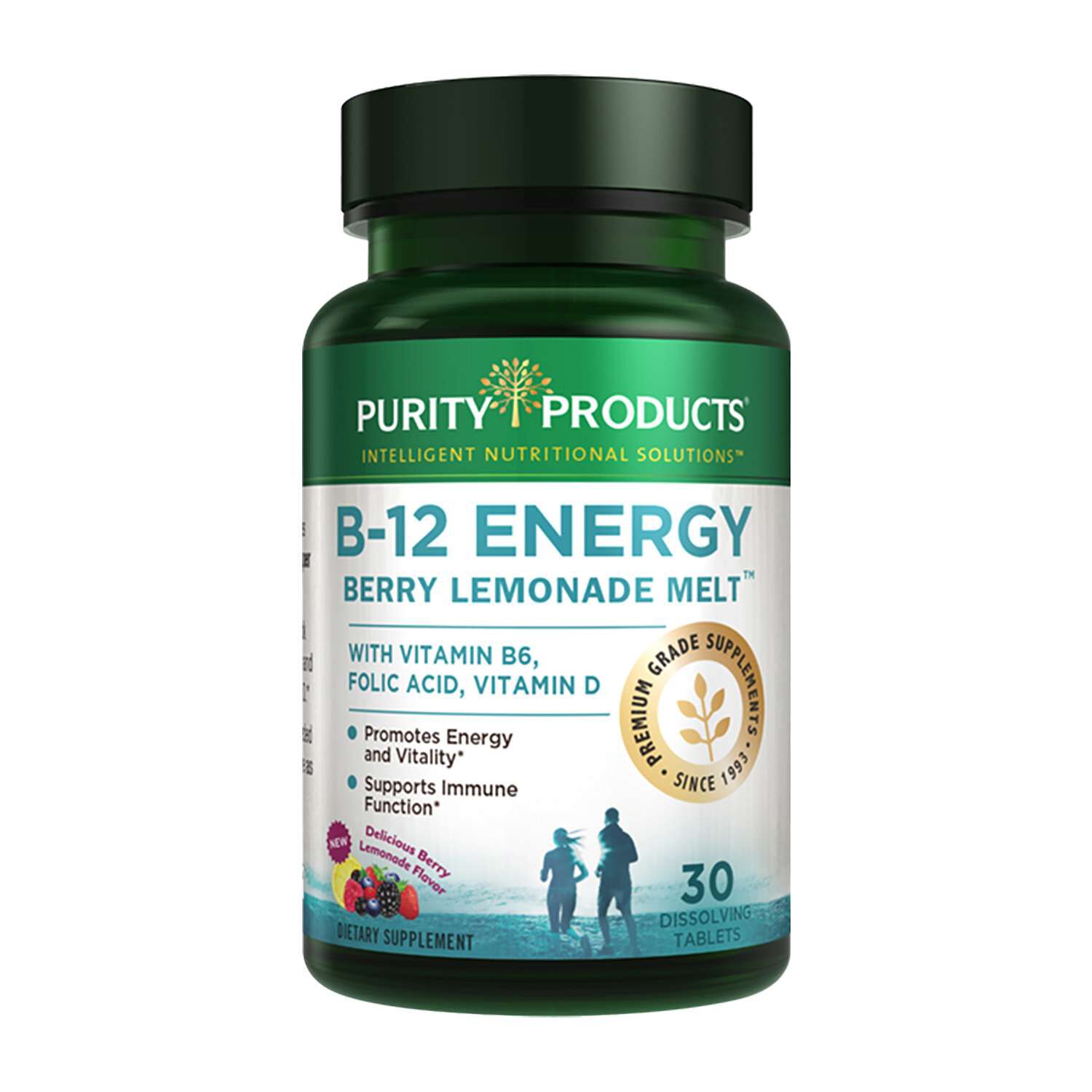
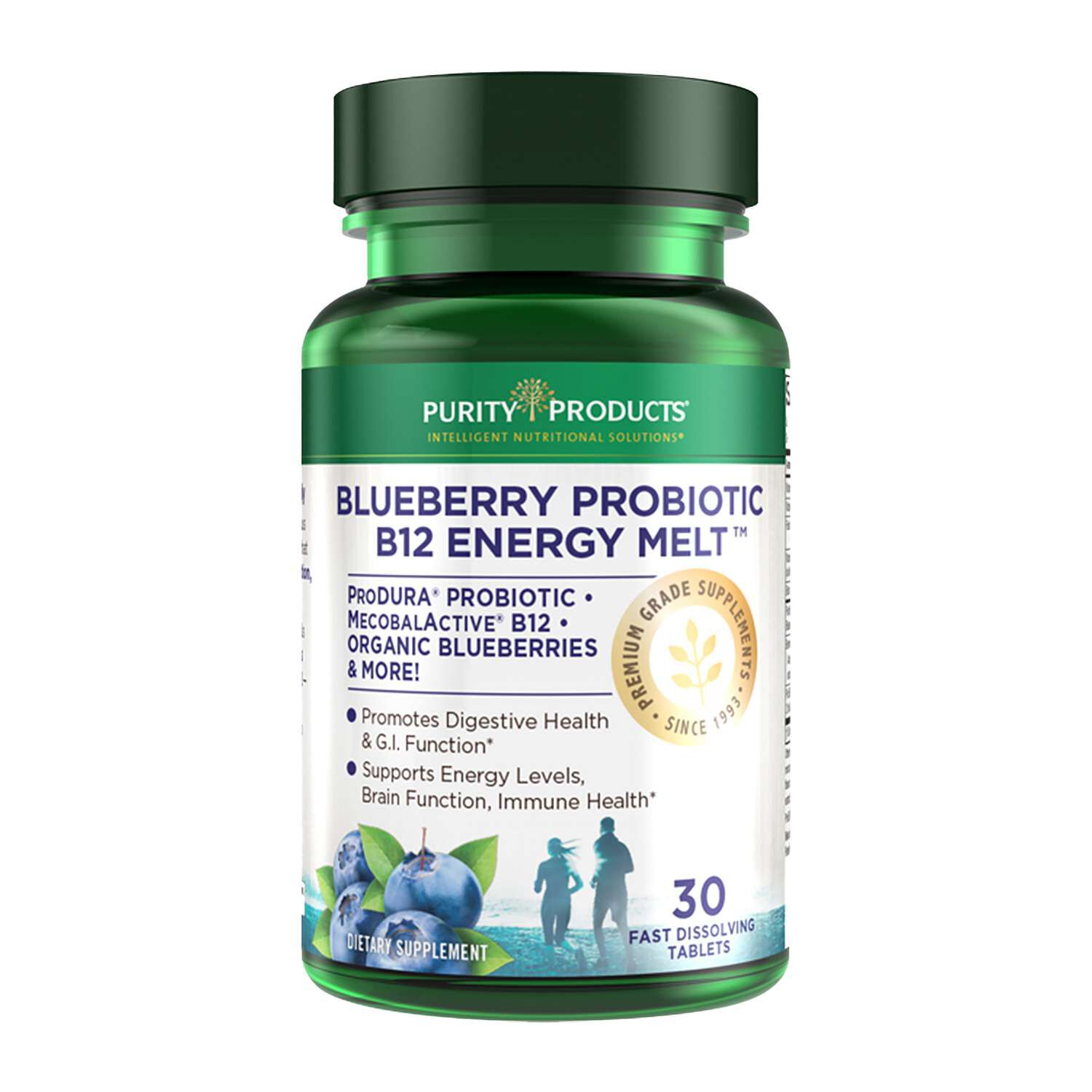
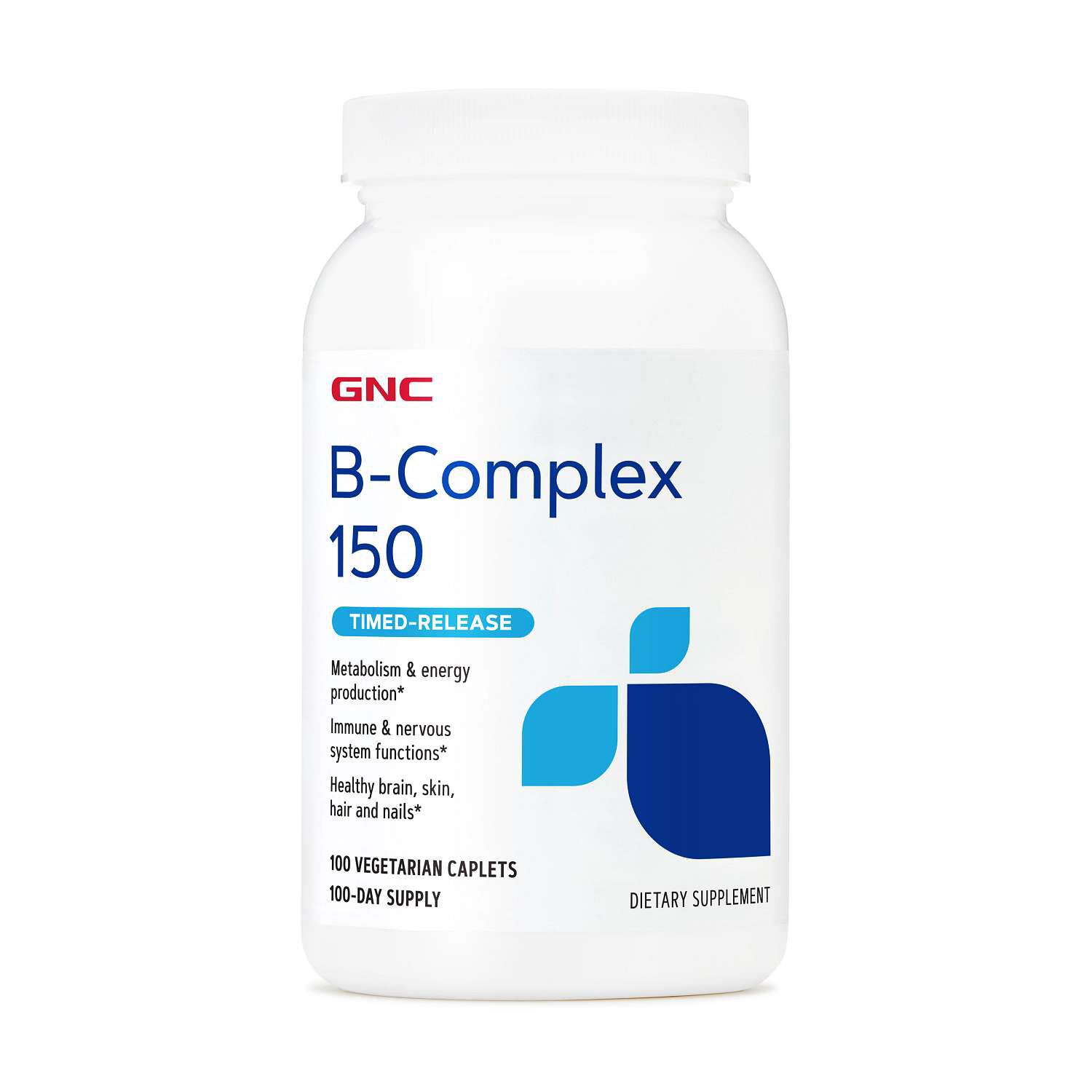
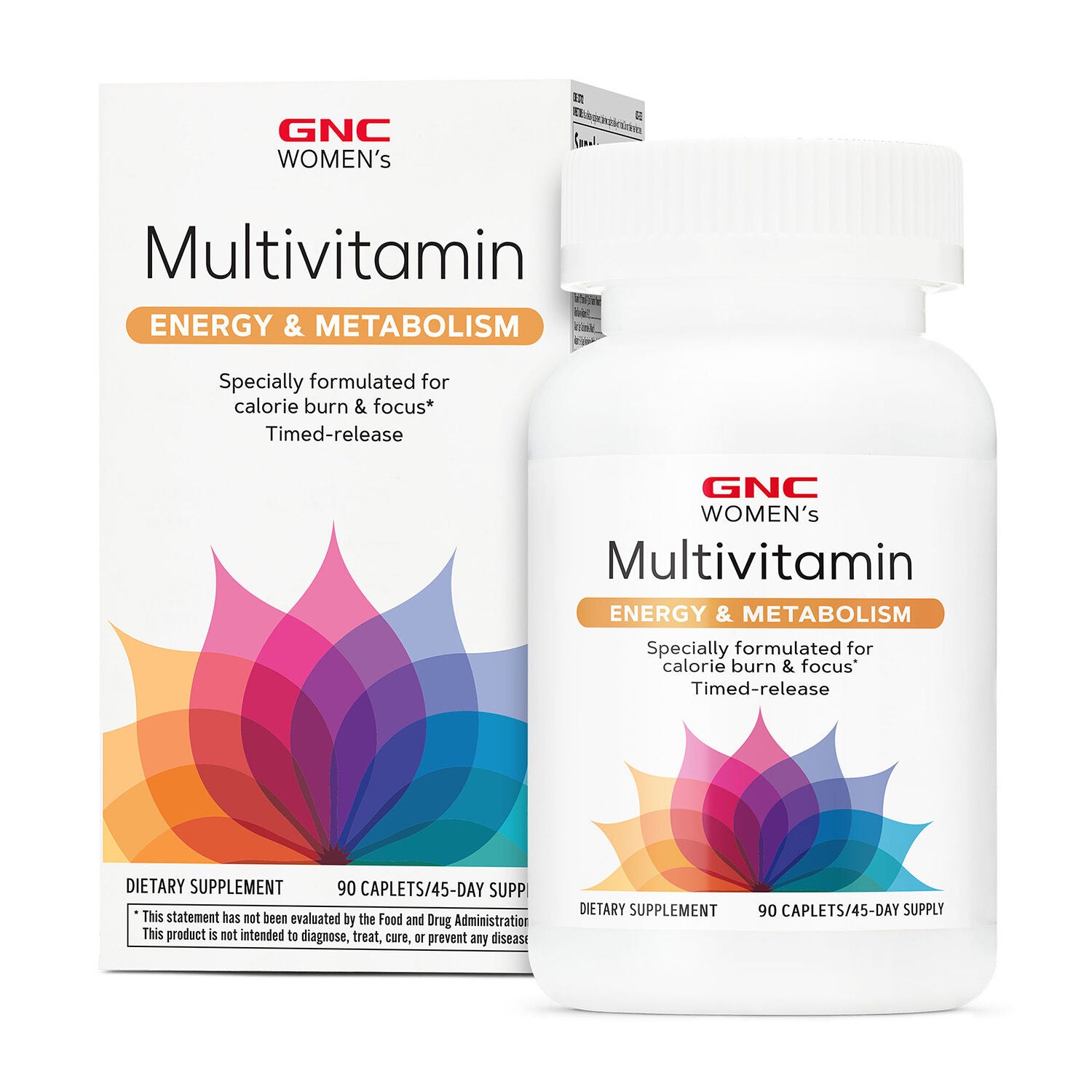
Tablets for energy are dietary supplements in a compact, solid format, typically intended for adults who want a convenient addition to an everyday nutrition routine. The category includes caffeine-containing formulas, vitamin-based options, and blends with botanical ingredients, so the word “energy” does not describe one uniform type of supplement. Caffeine-containing tablets may support short-term alertness, while formulas featuring B vitamins may support normal energy metabolism. Those are different purposes, and the ingredient panel helps distinguish them. Vitamin B12, thiamin, riboflavin, niacin, and vitamin B6 are among the nutrients that may appear in energy-oriented formulas. Some blends also include ingredients such as L-theanine, ginseng, or coenzyme Q10, each with its own label information and intended use. Their presence alone does not establish how a finished formula might feel or whether it suits a particular routine. A tablet with caffeine is not interchangeable with a vitamin tablet simply because both sit within the same category. Likewise, a botanical ingredient’s name does not reveal its amount, preparation, or relationship to the other ingredients in a blend. The Supplement Facts panel provides a more useful basis for comparison than a large number on the front of the bottle. Serving size matters here: the listed amount may refer to one tablet or several tablets, depending on the formula. Caffeine content also deserves attention alongside coffee, tea, and other caffeinated beverages already woven into the day. For someone who prefers a routine without caffeine, formulas labeled as containing no caffeine offer a distinct category to consider rather than a different version of the same experience. Tablets also differ from ready-to-drink beverages in practical ways. They require no beverage preparation and generally occupy little space, but they have their own serving directions and ingredient profiles. These differences make tablets for energy a varied supplement category rather than a single answer to every busy schedule.
The physical format can be just as relevant as the featured ingredients when comparing energy tablets. Tablet dimensions, shape, surface coating, and serving size all contribute to how a product fits into a daily routine. A small, smooth tablet and a larger, uncoated tablet can present noticeably different handling experiences, even when their labels feature similar nutrients. Conventional tablets, chewable tablets, and tablets intended to dissolve in water also have different directions; the word “tablet” alone does not establish how a supplement is meant to be taken. Formula construction matters, too. Alongside the featured nutrients or botanical ingredients, the other-ingredients list may identify binders, coatings, colors, sweeteners, or flavoring components. These details are particularly relevant to shoppers with dietary preferences or ingredient exclusions. Vegetarian suitability, the source of certain ingredients, and allergen statements are matters for the individual label rather than assumptions about the category. Packaging can add another point of distinction. A bottle may suit a cabinet at home, while individually sealed packaging may fit a travel bag more neatly. Neither format changes the importance of serving directions or proper storage. In an everyday setting, the appeal is often straightforward: a compact container beside a breakfast place setting, a labeled bottle in a desk drawer, or a supplement packed with the rest of a travel routine. Adults with office schedules, study commitments, active hobbies, or frequent trips may value that portability, although convenience does not establish suitability. Someone comparing tablets with other solid supplement formats can also explore Pure Energy Pills for a related category. Across these formats, a clearly stated serving size, readable ingredient information, and directions that fit the intended use provide meaningful points of comparison. A routine involving several supplements also makes overlapping ingredients relevant, since similar nutrients or caffeine sources may appear in more than one formula. The useful distinction is not simply which tablet sounds most energetic, but what each formula actually contains and how its labeled use aligns with the shopper’s preferences.
Intended use gives energy tablets their context. A caffeine-containing formula considered for an occasional early start is different from a vitamin-based supplement considered as part of an ongoing nutrition routine. Neither purpose should be confused with an expectation of uninterrupted energy throughout the day. Product effects may vary, and a tablet’s ingredient list cannot describe every aspect of an individual’s experience. Everyday energy also exists within a broader setting of meals, sleep, hydration, and the demands of a particular schedule; supplements are an addition to that setting, not a substitute for it. For shoppers who exercise, tablets marketed around energy remain distinct from protein powders, electrolyte mixes, and other sports-nutrition categories with different intended uses. For someone spending long stretches at a desk, the relevant comparison may center on caffeine content, tablet size, and serving directions rather than athletic imagery on a package. Clear labeling helps keep these distinctions visible. The stated age group, directions, caution statements, and storage instructions belong to the individual formula and should not be inferred from similar-looking packaging. Care and durability are practical considerations as well. Tablets are not designed for indefinite storage, and the date printed on the package provides an important reference. Moisture exposure, a loose closure, or time spent in an unsuitable location may affect their condition. The original packaging keeps the ingredient panel, serving information, and storage directions together, which is especially useful when a bottle moves between home and a travel bag. A bathroom shelf, a kitchen cabinet near cooking steam, and a parked car can present different storage conditions; the package instructions establish the intended conditions for that formula. Keeping tablets identifiable also matters when several bottles share a cabinet. Differences in appearance are not a reliable way to distinguish ingredients or serving sizes. The strongest basis for choosing among tablets for energy is a combination of transparent labeling, a manageable format, and an intended use that matches the shopper’s routine. That approach leaves room for individual preferences without treating every energy-oriented supplement as equivalent.
Best Sellers
-
 Gorilla Mind
-
 Beyond Raw
Related Pages

Top Collections
- Daily Collagen Supplements | Top Brands & Deals | GNC
- Natural Collagen Supplements | Top Brands & Deals | GNC
- Top Rated Collagen | Shop Customer Favorites | GNC
- Cortisol Supplements
- Vitamins For Hair Loss
- Spirulina Tablets
- NAD+ Supplement Tablets
- Peptide Supplements
- Best Brand of Magnesium Glycinate
- Vitamins That Help Support Weight Gain