Testosterone Complex Tablets
(0 Results)
Testosterone complex tablets could be an option for those seeking to support their wellness goals and overall vitality. These supplements may be formulated with a blend of ingredients that are designed to complement an active lifestyle. Whether looking to enhance your fitness routine or simply add to your daily regimen, testosterone complex tablets might offer a convenient addition to your supplement lineup. Explore options that could align with your unique needs and wellness journey.
-

-
-

-
-
-
-

-

-
-
-
 $79.99
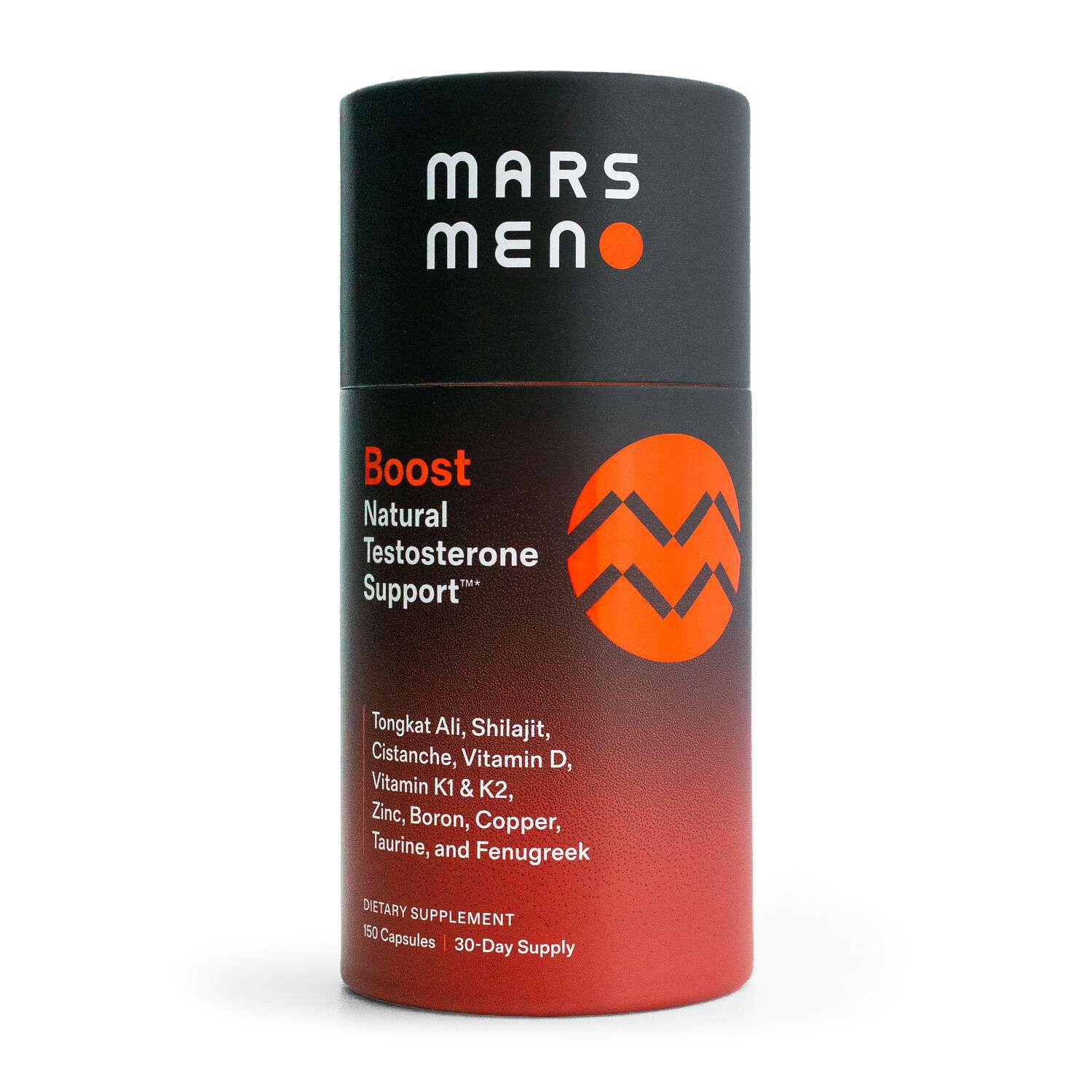
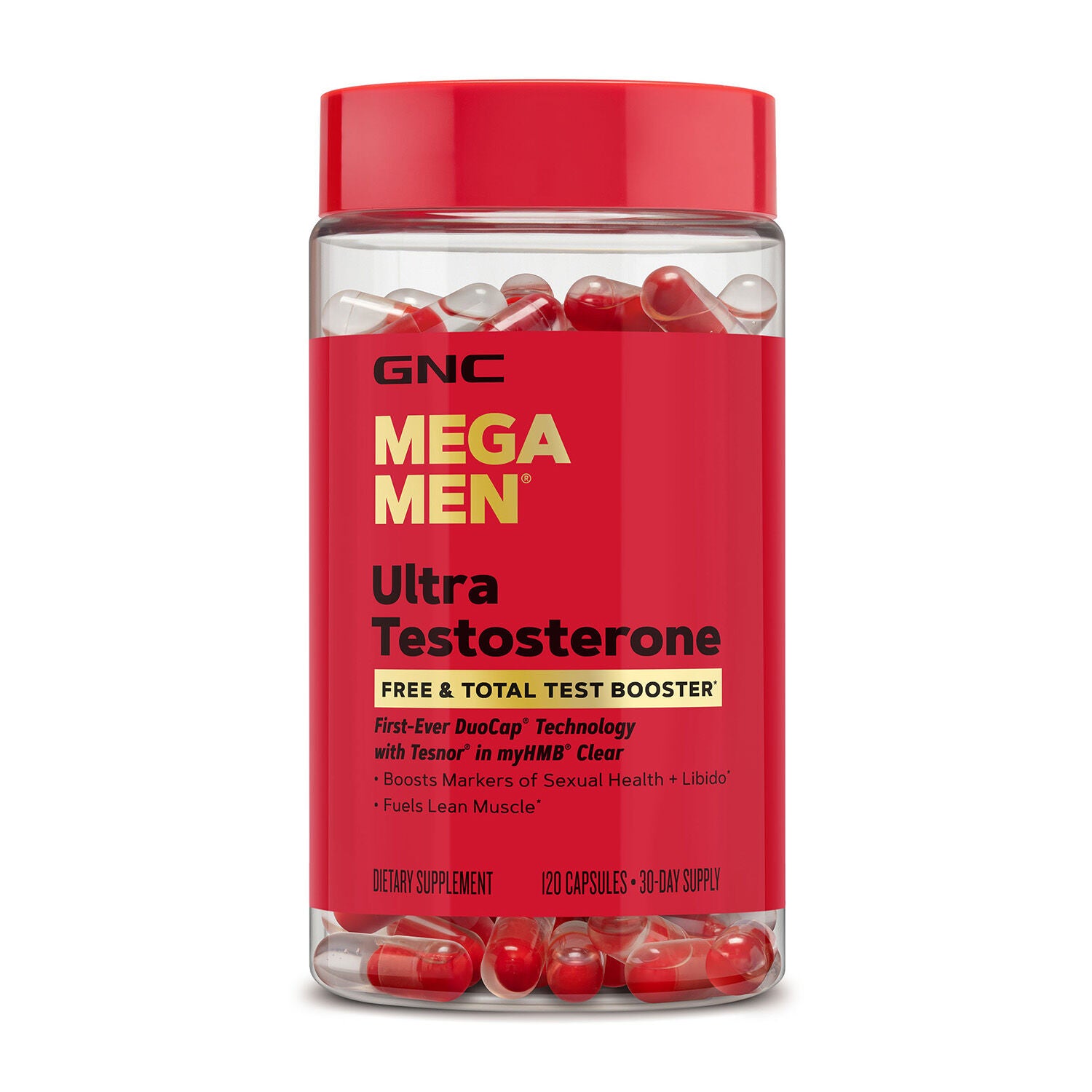
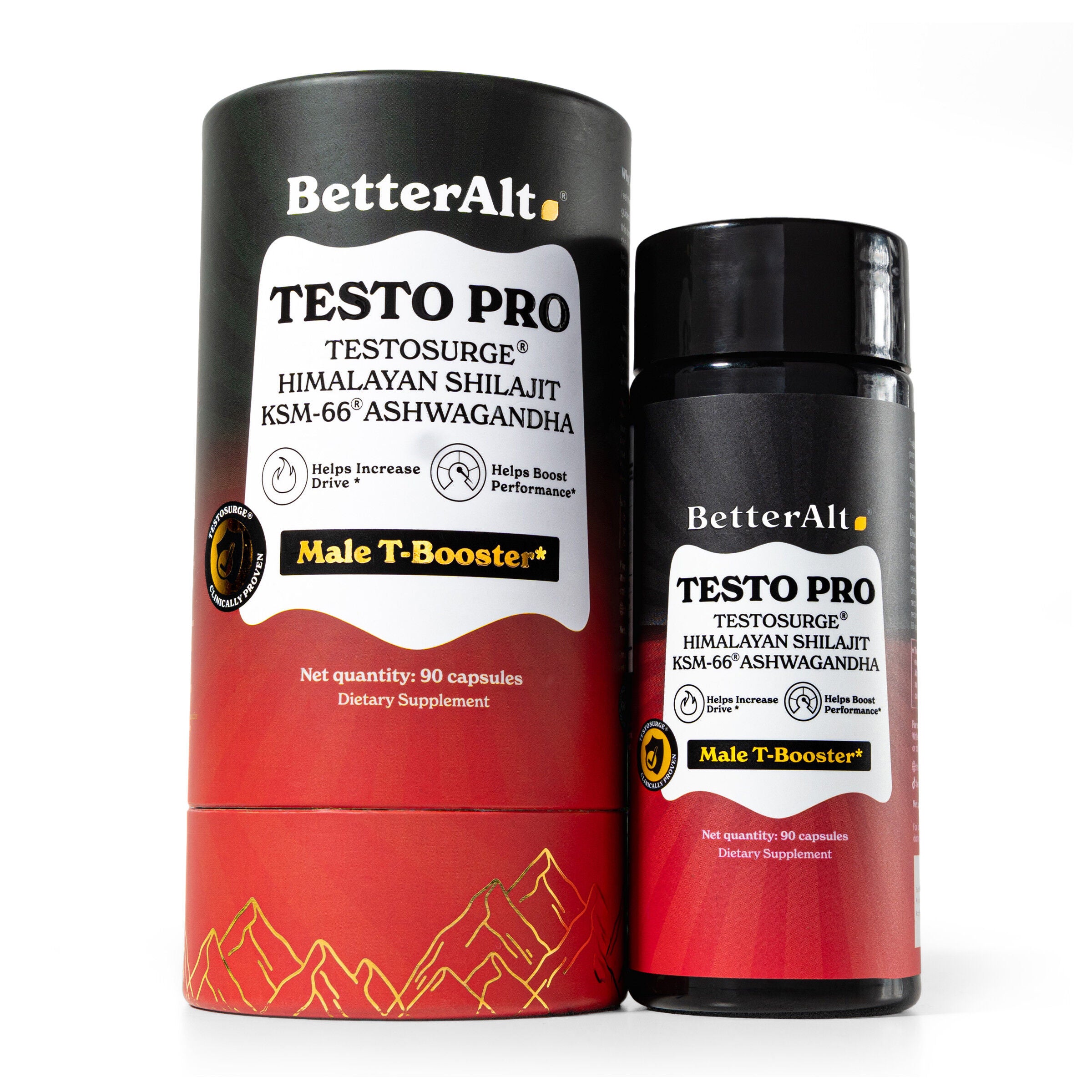
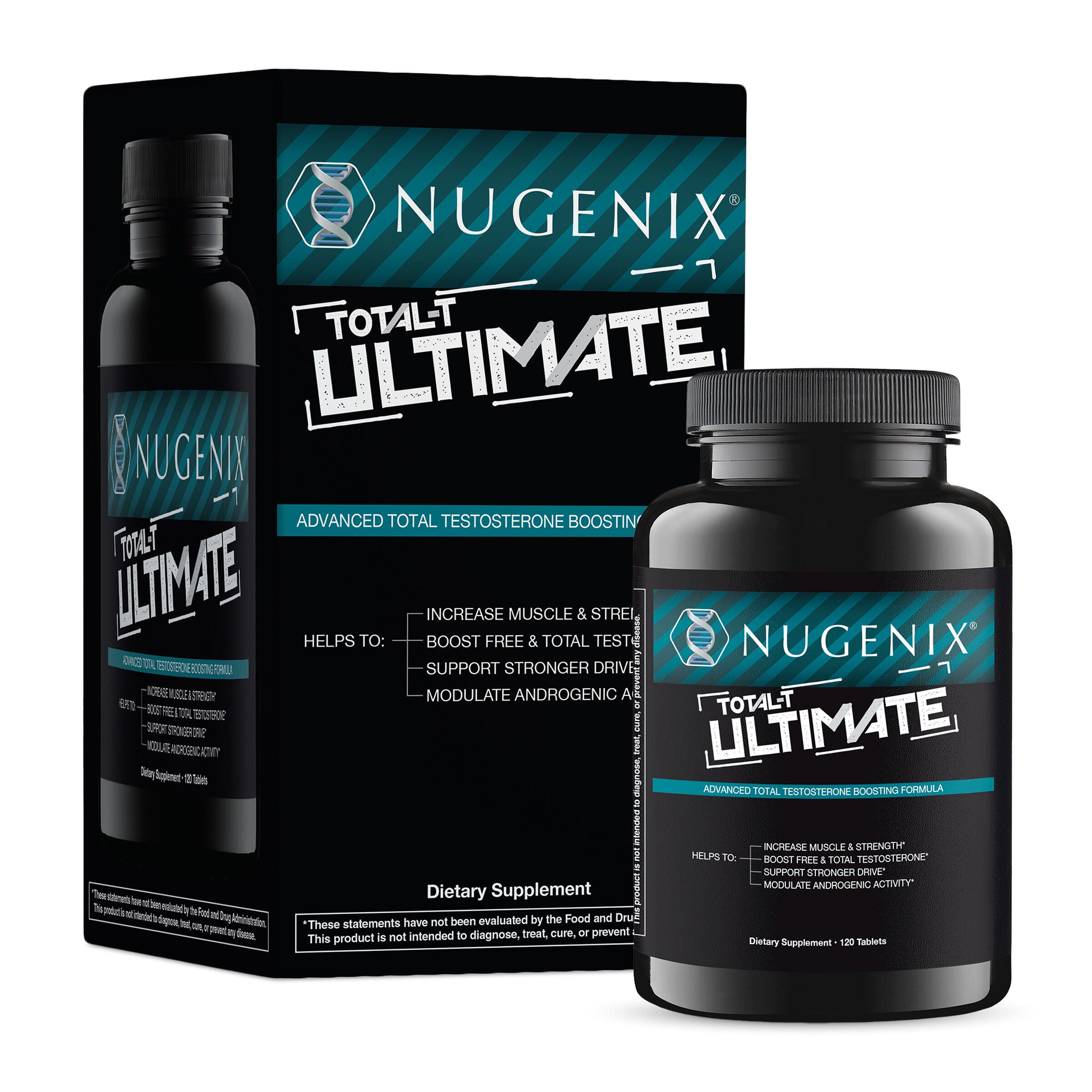
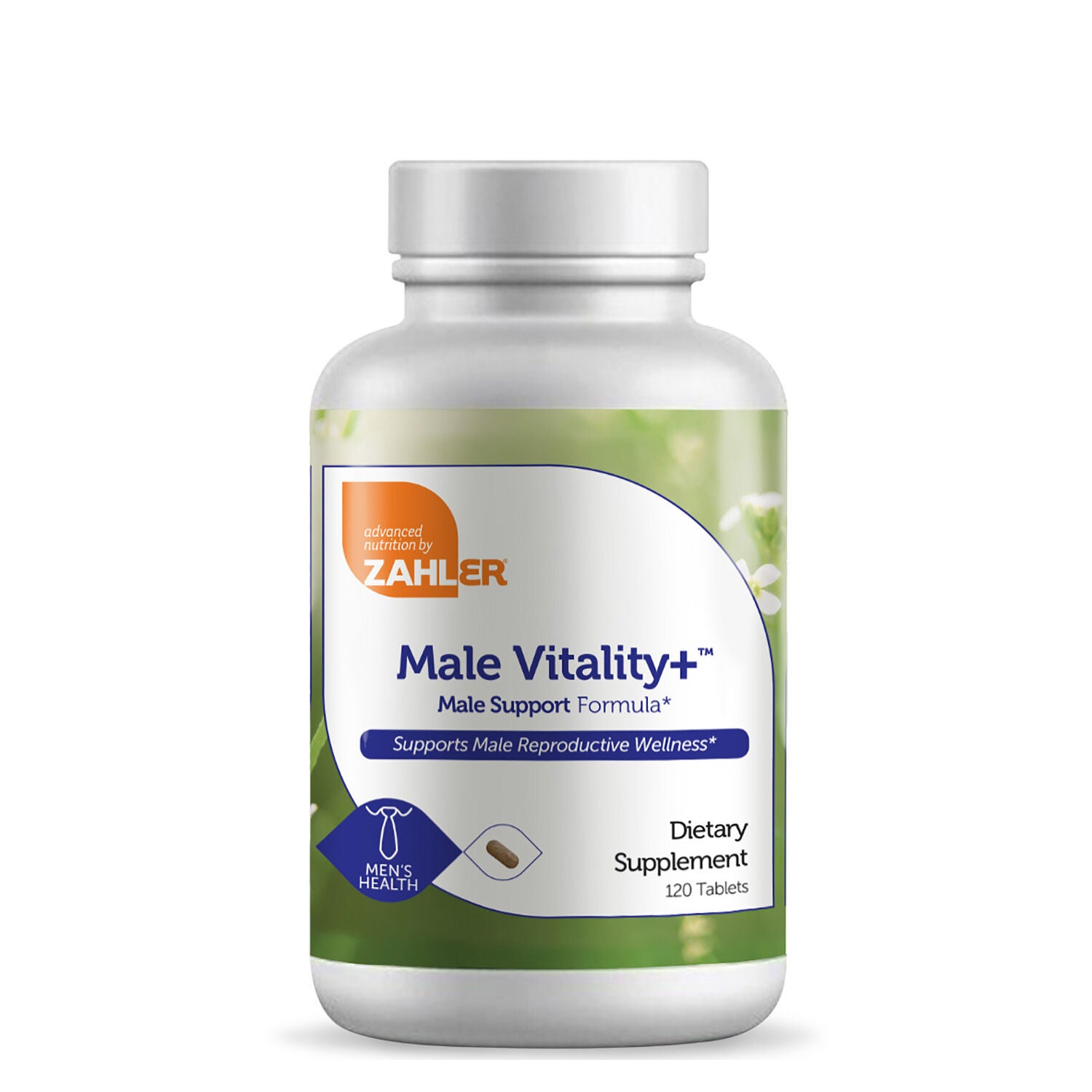
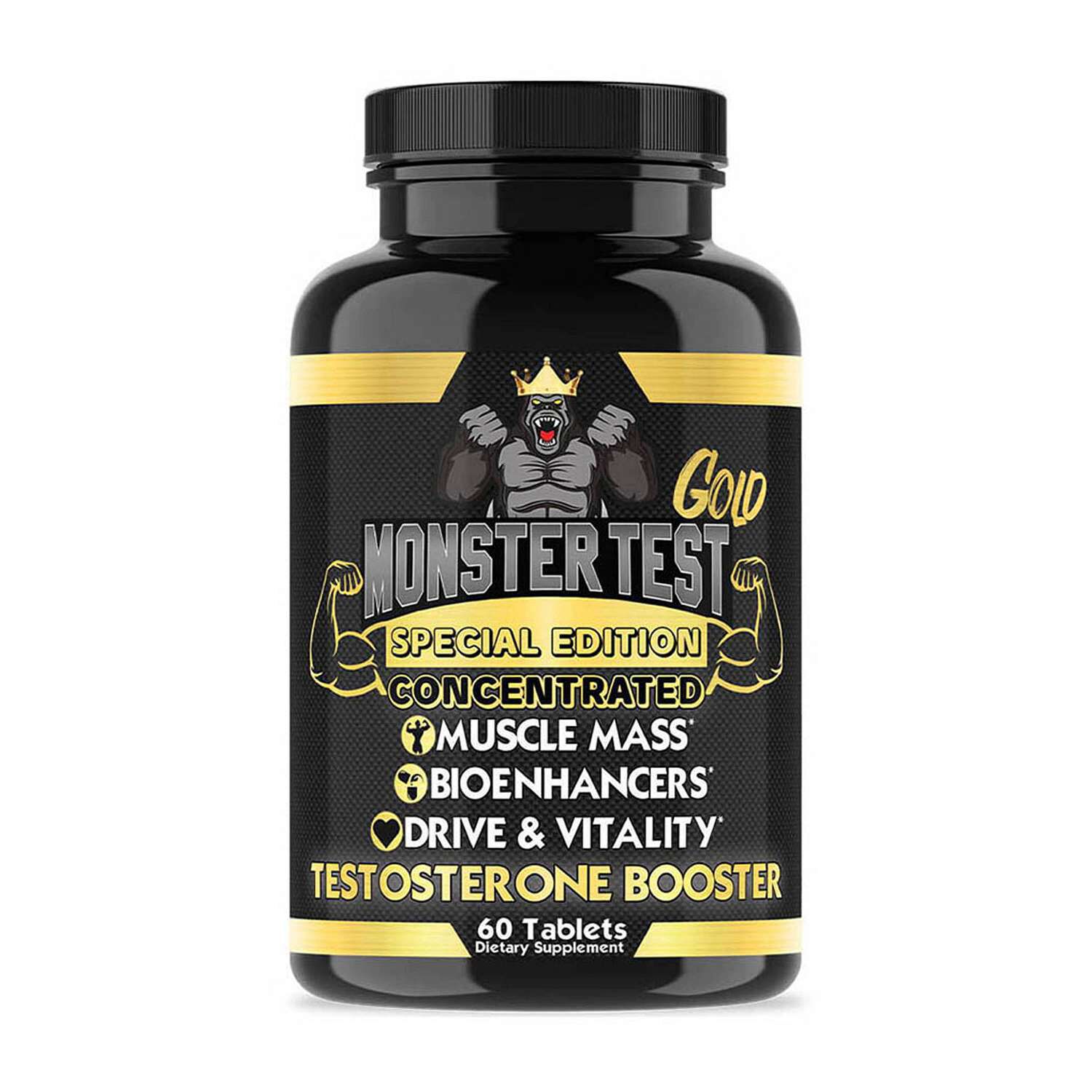
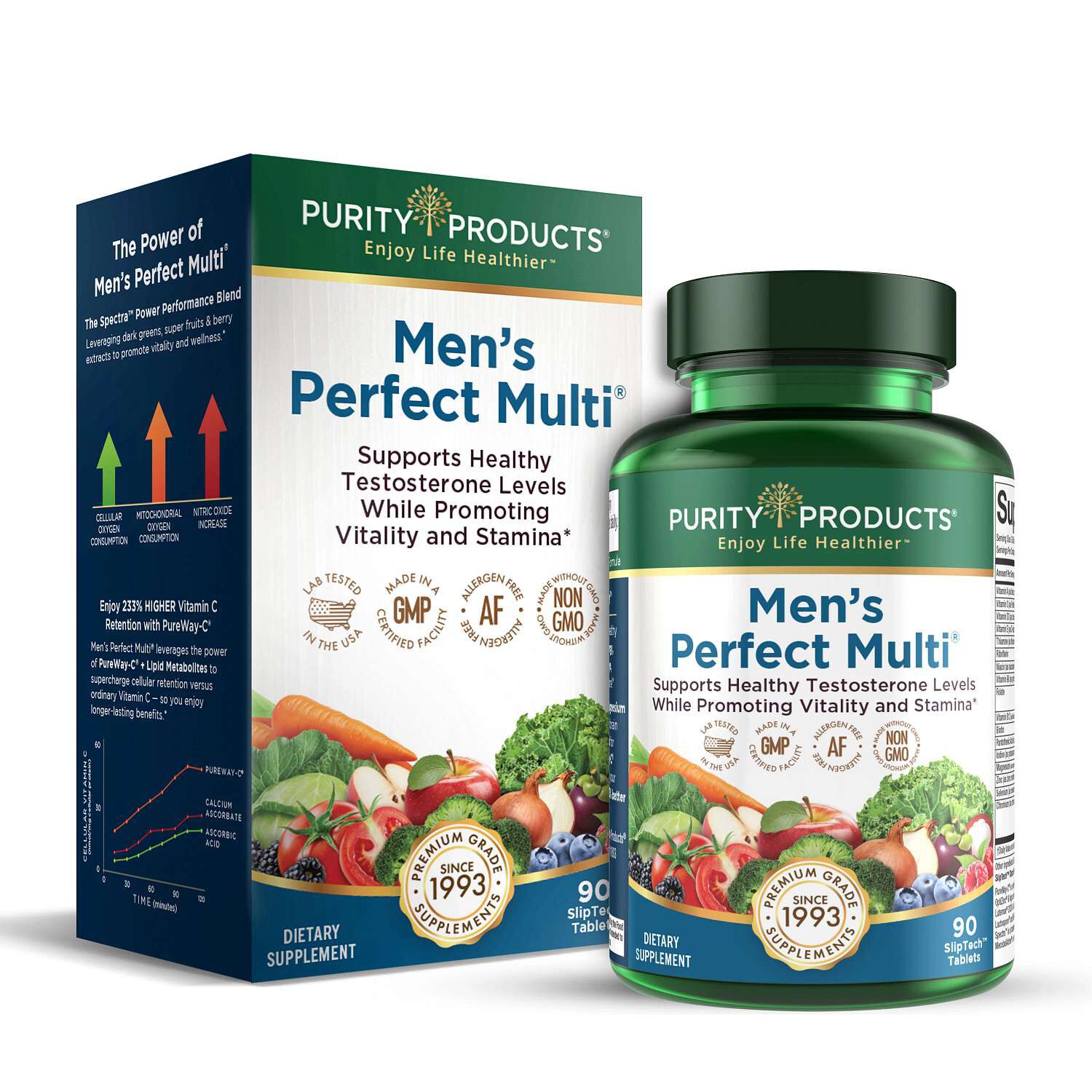
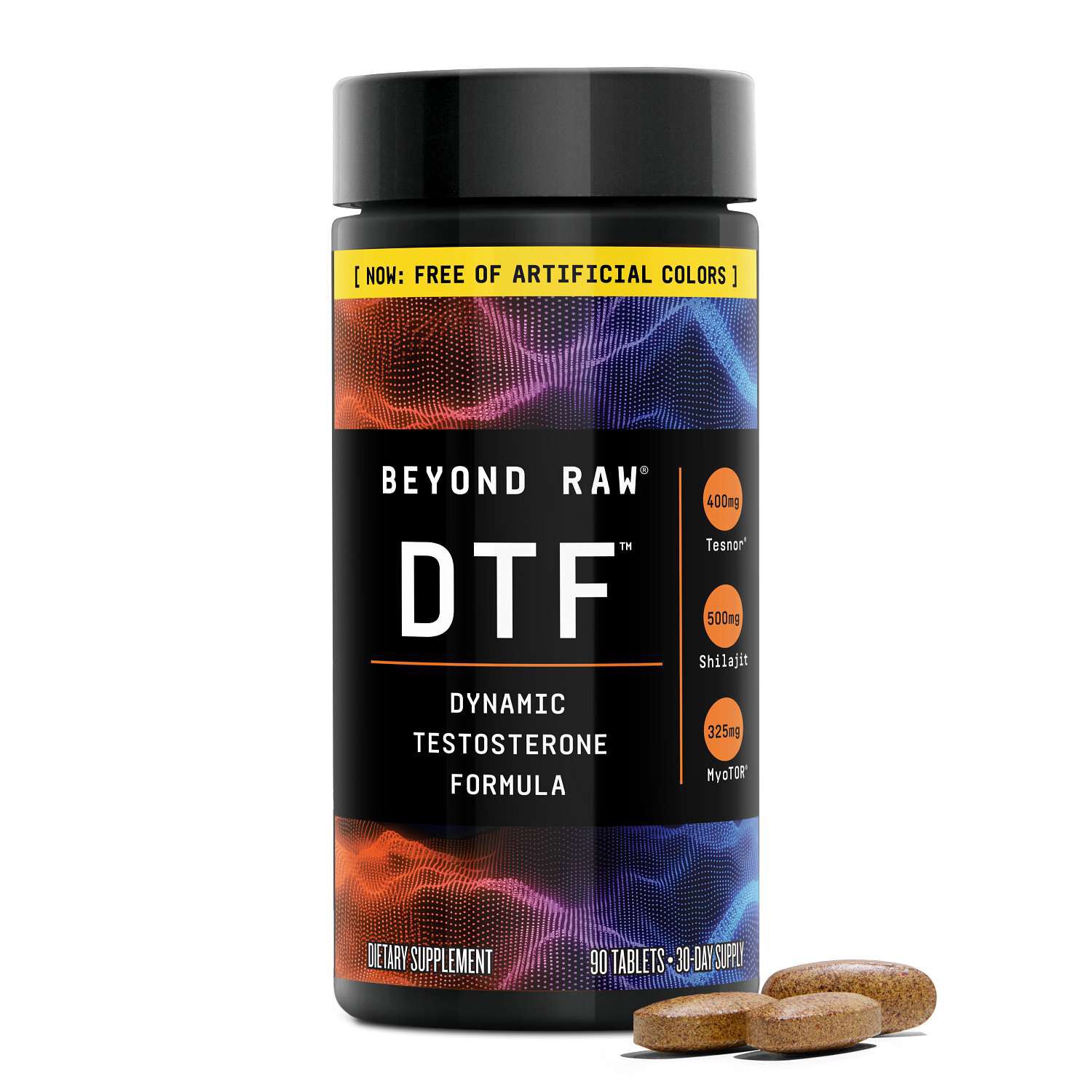
Testosterone complex tablets are multi-ingredient dietary supplements marketed for adult men’s wellness routines, often in connection with fitness and everyday vitality. The word “complex” generally describes a blend of ingredients rather than a single nutrient, and formulas can differ considerably despite having similar names. Some contain vitamins and minerals such as vitamin B6, zinc, or magnesium; others combine those nutrients with botanical ingredients such as fenugreek, ashwagandha, or Tribulus terrestris. Not every formula includes all of these ingredients, and the category name alone does not establish what is inside the bottle. A testosterone complex is not the same as testosterone itself, and a supplement’s name does not demonstrate that it changes hormone production. The Supplement Facts panel provides a more useful starting point than front-label language, showing the listed dietary ingredients, their amounts when disclosed, and the serving size. These tablets are dietary supplements, not prescription testosterone products, and their intended place is within a general wellness routine rather than as a substitute for medical care. For shoppers comparing testosterone complex tablets, the most meaningful distinctions are often practical: whether a formula emphasizes nutrients or botanicals, how much detail the label provides, and how many tablets make up a serving. An adult who already uses a multivitamin may be especially interested in overlapping ingredients, while someone who prefers a straightforward supplement shelf may favor a shorter ingredient list. A longer list is not, by itself, evidence of a better fit or a particular outcome. The same applies to a larger number printed on the front of a bottle, which needs the context of the serving information. This category is best understood through the actual composition and intended use of each formula, not through assumptions about what its name suggests. Clear labeling makes those differences easier to recognize and gives shoppers a concrete basis for comparing otherwise similar-looking bottles.
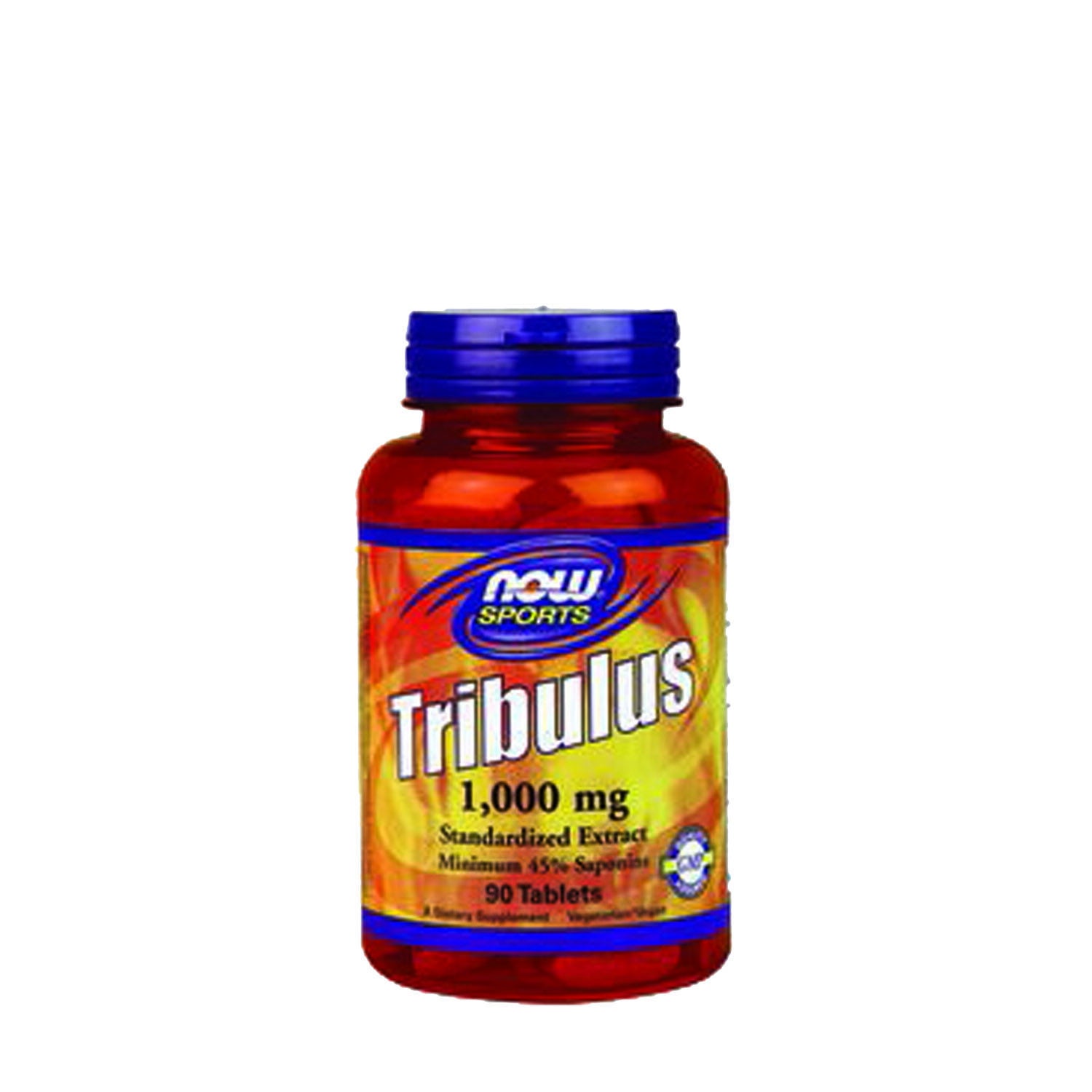
Ingredient detail adds another layer to the comparison. A mineral may appear in different forms, and a botanical may be listed as plant powder, an extract, or part of a named blend. Those descriptions are not interchangeable. For a botanical ingredient, the plant name, the portion used, and any stated extract information help describe the material included in the formula. Fenugreek seed powder, for example, is a different ingredient description from a fenugreek seed extract, even when both share the same familiar plant name. An extract ratio or stated concentration provides additional context, but it does not establish how someone will experience the finished supplement. Some labels disclose the amount of each dietary ingredient separately, while others list a combined amount for a proprietary blend without giving individual quantities. That difference matters to shoppers who want to understand exactly what they are comparing. Serving information also deserves attention: a bottle containing 90 tablets represents a different number of servings when the labeled serving is one tablet versus three. Nutrient amounts on the Supplement Facts panel generally correspond to the stated serving, not necessarily to each tablet. Beyond the featured ingredients, the other-ingredients list describes materials used to form, hold together, or coat the tablet. These may include cellulose, binding agents, and coating ingredients, depending on the formulation. Shoppers with dietary preferences can look for explicit statements about vegetarian suitability and review ingredient and allergen information rather than inferring suitability from the tablet format. A tablet is not automatically vegetarian simply because it lacks a capsule shell. Clear ingredient descriptions and readable serving directions are useful qualities for anyone comparing several formulas side by side. They also make the category more approachable for shoppers who recognize a few familiar nutrients but are less familiar with botanical terminology. The distinction is between a label that names an ingredient and one that offers enough detail to understand its role in the formula’s composition.
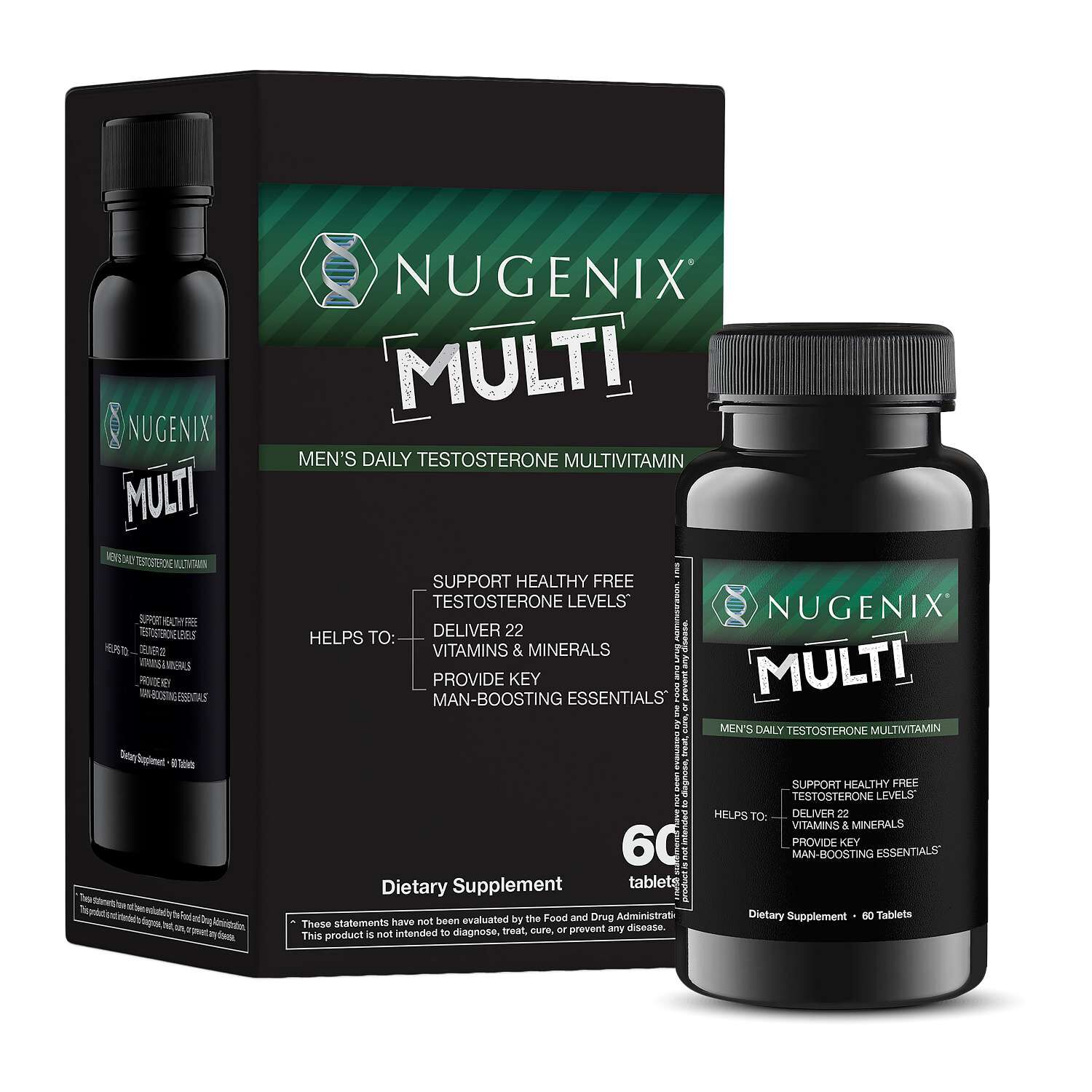
Tablet format brings its own everyday considerations, separate from the ingredients. Unlike a powder, a tablet does not require a scoop, shaker, or mixing step; unlike a chewable, it is not selected primarily for flavor. Its appeal is often the simplicity of a preformed portion, although the number of tablets per serving varies. Tablet dimensions, shape, and coating are relevant to personal preferences, and photographs do not always communicate actual size accurately. Someone organizing supplements alongside breakfast may care most about straightforward label directions, while an adult who travels frequently may pay closer attention to the container’s dimensions and closure. Neither scenario changes the importance of the labeled serving and storage instructions. For these products, durability is better understood as packaging integrity and storage suitability than as toughness: a securely closed container, a legible label, and an intact seal at first opening are practical details. Storage directions and the printed date provide the appropriate reference for keeping the product, rather than assumptions based on how the tablets look. Original packaging also keeps the ingredient list, serving directions, and identifying information together instead of separating tablets from their context. Testosterone complex tablets are generally a personal purchase for adults considering men’s wellness supplements, and the recipient’s preferences matter more than a broad gift theme. They are not an interchangeable accessory for every gym bag or training routine. Shoppers exploring adjacent supplement categories can also compare Male Support Tablets, with the understanding that related category names do not mean identical ingredients or intended uses. Across these categories, useful comparisons remain grounded in the formula, the serving format, dietary preferences, and the clarity of the product information. A familiar ingredient name, an elaborate blend, or an athletic-looking package cannot predict an individual experience. Choosing among testosterone complex tablets is ultimately a matter of understanding what the label actually describes and whether the format fits the shopper’s stated preferences, without treating the category name as an assurance of results.
Best Sellers
-
 Inno Supps
 -
 Novex Biotech
 -
 SNAP Supplements