Time Release Vitamins
(0 Results)
Discover a convenient way to support your daily nutrient intake with our selection of Time Release Vitamins. Designed to provide a steady release of essential vitamins and minerals throughout your day, these supplements are formulated to help you maintain optimal health and wellness. Whether you're looking to boost your immune system, support your energy levels, or simply fill nutritional gaps, our Time Release Vitamins offer a convenient solution to help you meet your health goals. Explore our range of carefully crafted formulations to find a supplement that fits seamlessly into your daily routine.
-
-

-

-
-
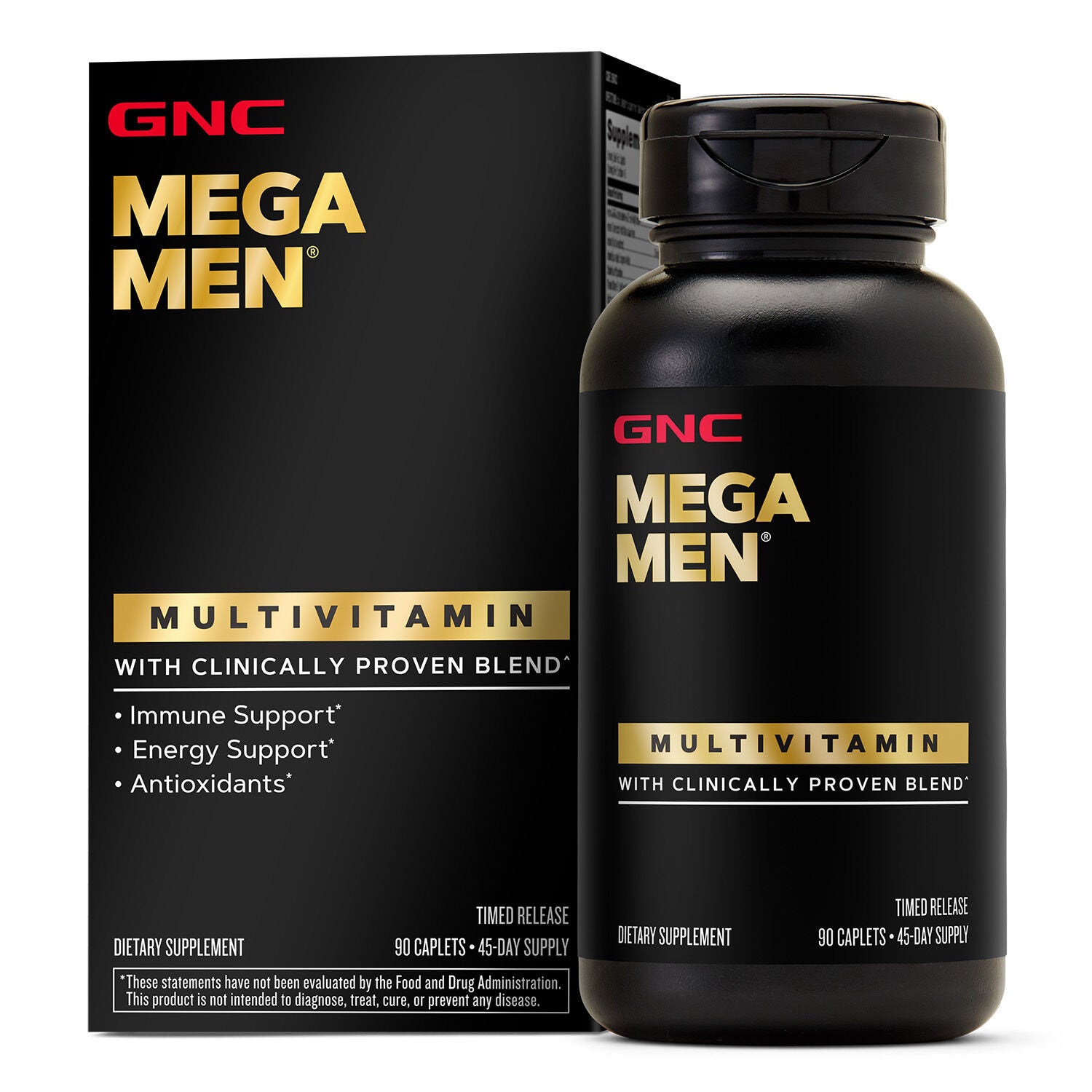 GNC Mega Men$34.99
 -

-

-

-

-

-


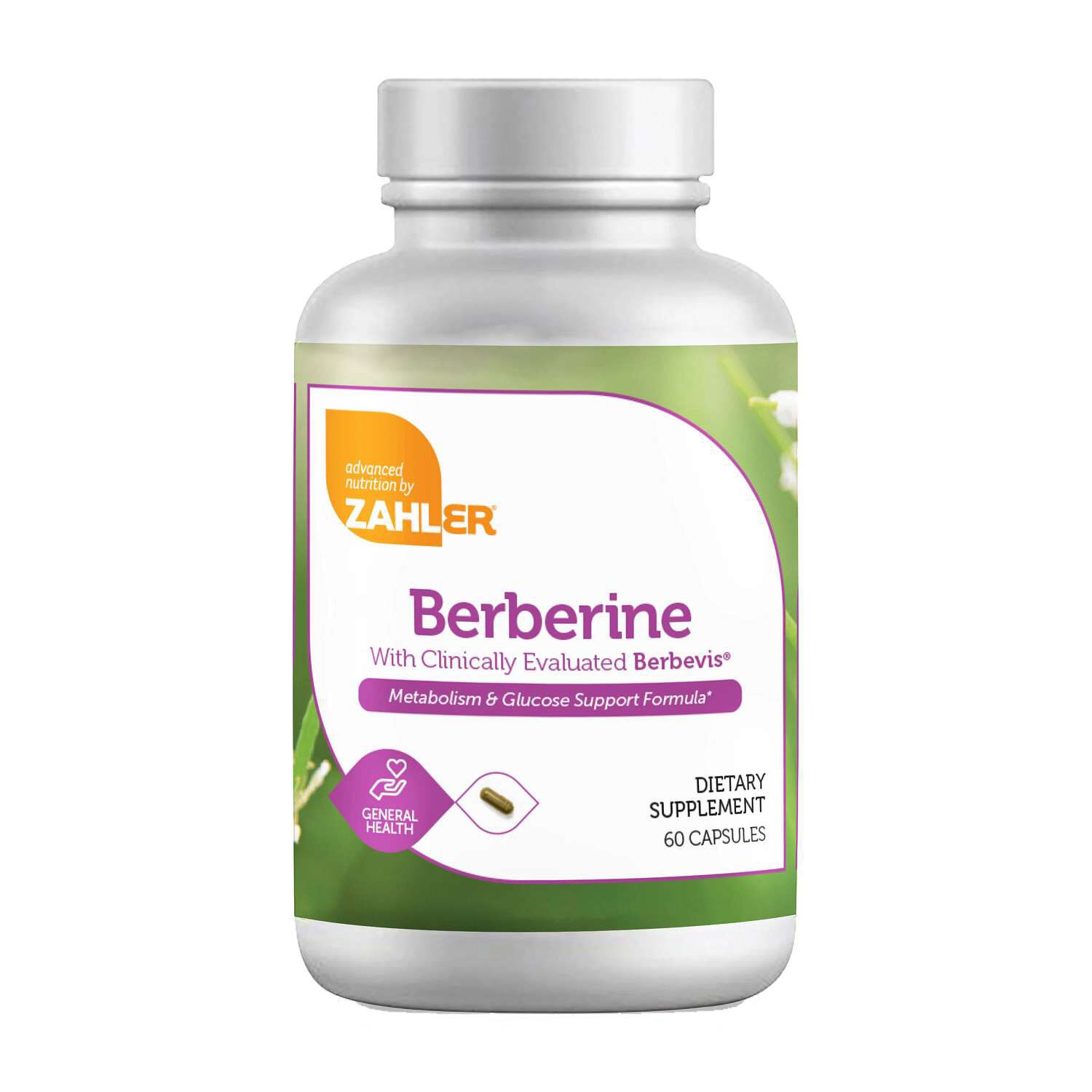
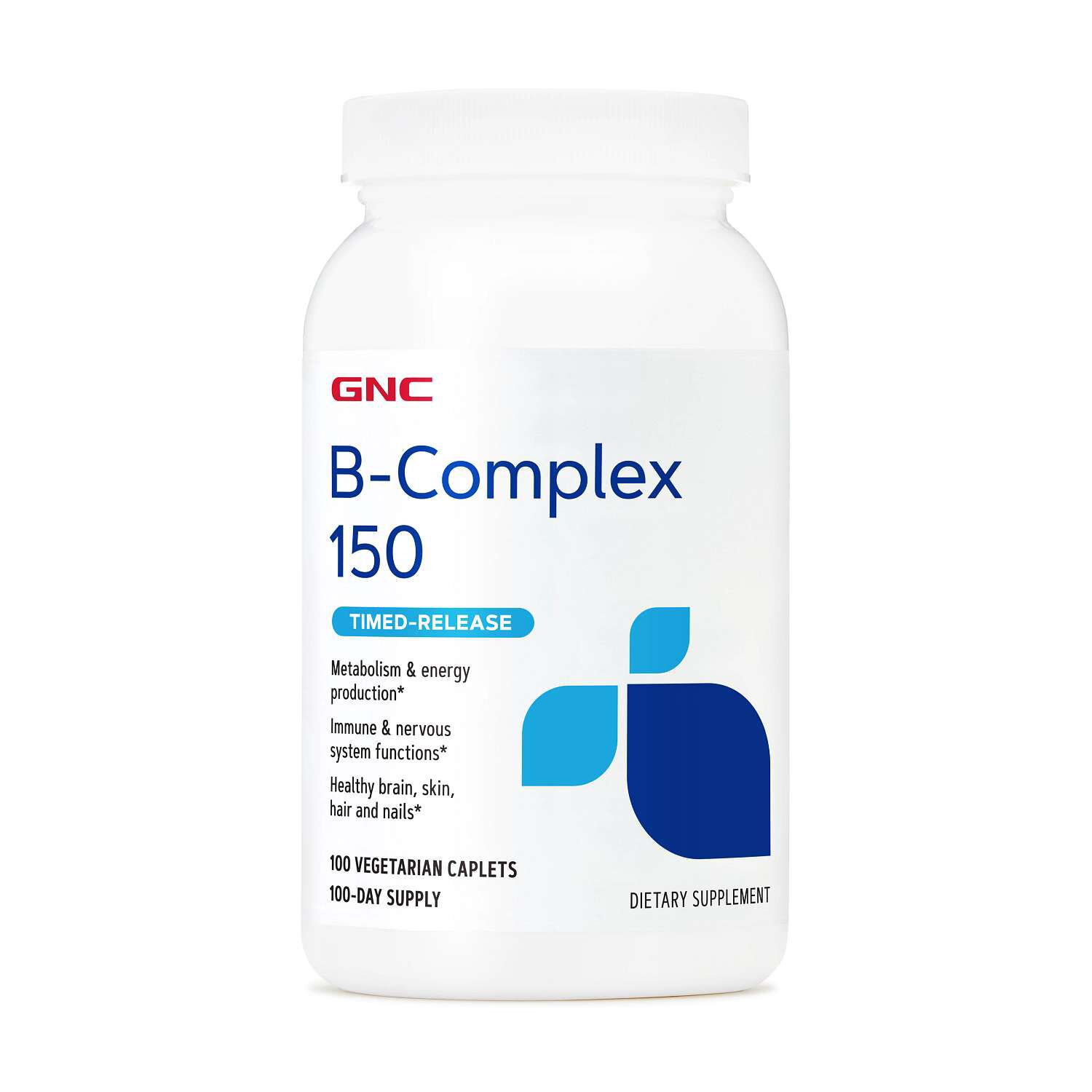
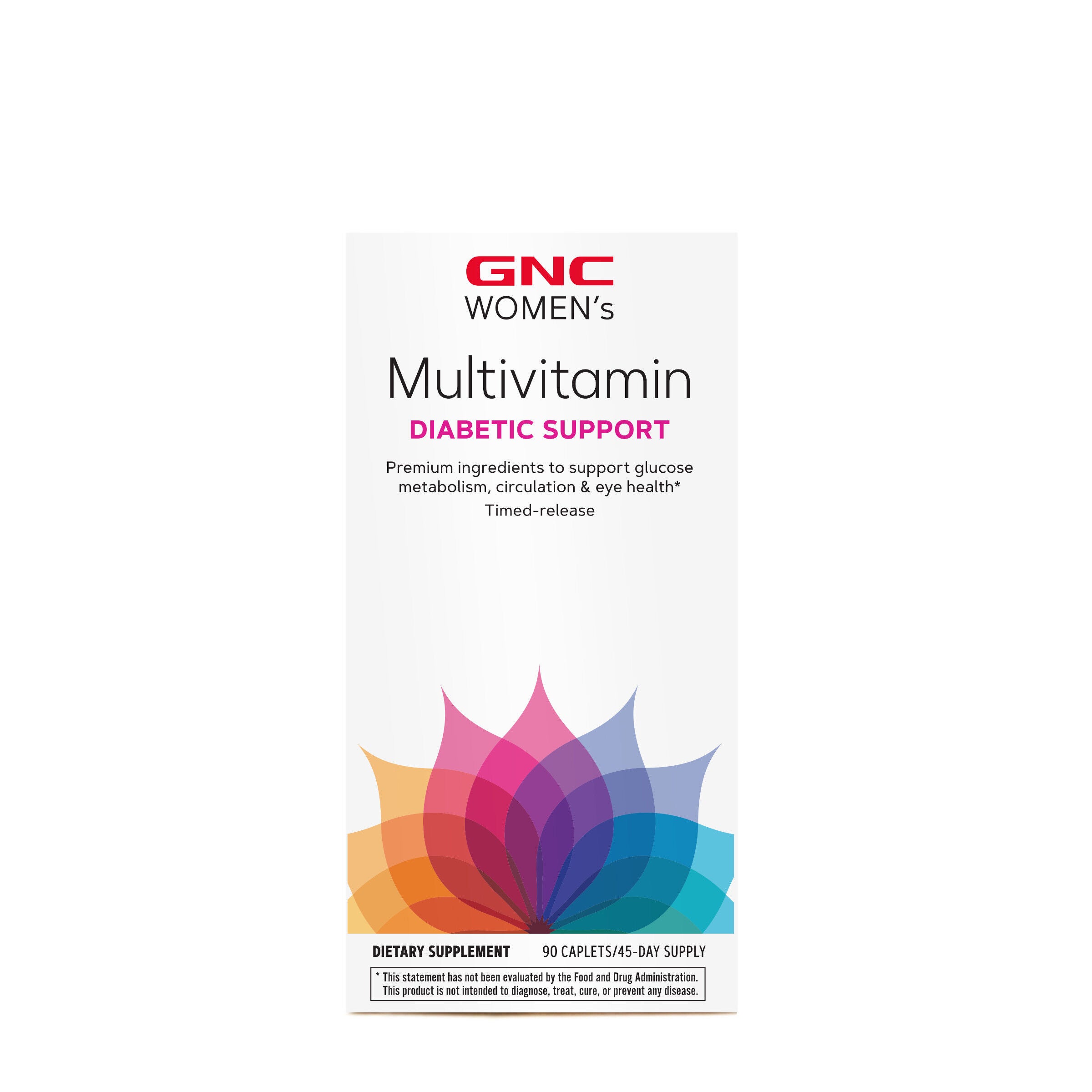
Time-release vitamins are supplements formulated with a delivery system intended to release their vitamin content gradually rather than all at once. The terms timed release, sustained release, and extended release can describe this general approach, although the formulation behind each term can differ. The distinction is in how the tablet or capsule is constructed, not simply which vitamin appears on the label. Some designs use a matrix of plant-derived fibers or other formulation ingredients that may form a gel when exposed to digestive fluids. As fluid moves into that matrix, nutrients may gradually move out. Other designs may use coatings or differently prepared particles to control the sequence of release. These construction details help explain why two supplements containing the same nutrient can have different directions and serving sizes. A time-release format does not, by itself, establish how much of a nutrient the body may absorb or how long its release may last. There is no single release window that applies to every formula, so any stated duration belongs to the individual product’s labeling rather than the category as a whole. Vitamin C and B-complex supplements are familiar examples within this category, alongside multivitamin formulas that combine several nutrients. Vitamin C and the B vitamins are water-soluble nutrients, but that characteristic alone does not make one delivery format a better choice for every person. For someone comparing time-release vitamins, the most useful starting point is the combination of nutrient content, delivery format, and intended use. A single-nutrient supplement offers a narrower ingredient focus, while a multivitamin brings a broader assortment into one formula. Neither description establishes a particular result. The appeal of this category is the option to consider gradual-release construction alongside the everyday details that make a supplement suitable for a personal routine: the serving size, the tablet or capsule format, and the information provided on the package.
The ingredient list and Supplement Facts panel give time-release vitamins more context than the front label alone. Nutrient amounts are listed per serving, and a serving may consist of more than one tablet or capsule. That distinction matters when comparing two bottles that look similar at a glance. A larger number on the front of a package is not a substitute for knowing which nutrients are included and how the serving is defined. For multivitamins, the assortment of vitamins and minerals also matters; two formulas described with the same delivery term can have quite different compositions. Beyond the nutrients themselves, other ingredients can include binders, coating materials, capsule-shell ingredients, and components used to create the release system. These materials have different roles, so a vegetable capsule shell and a timed-release mechanism are not interchangeable descriptions. A plant-derived shell identifies a feature of the capsule, while gradual release depends on the design of the formula as a whole. Someone who prefers plant-derived capsule materials can look for that information separately from any statement about release timing. Likewise, a capsule described as vegetable-based does not necessarily establish the origin of every ingredient inside it. Dietary preferences, listed allergens, and ingredient exclusions deserve their own consideration rather than assumptions based on the capsule’s appearance. Physical format is another practical detail. An elongated tablet, a rounded tablet, and a two-piece capsule can feel quite different to someone with a strong format preference, and photographs do not always convey dimensions accurately. Package descriptions may help clarify size, coating, and the number of units in a serving. For a person who likes a straightforward morning routine, those details can matter as much as the delivery terminology. The purpose is not to find the most elaborate formulation, but to distinguish between options using concrete information. Comparing the same fields across labels—nutrient amount, serving size, materials, and directions—makes the differences easier to understand without assuming that a gradual-release design means a stronger formula.
Intended use and day-to-day handling round out the comparison. Time-release vitamins are nutritional supplements, not substitutes for varied meals, and the release format does not change that role. They may interest adults who already have a defined supplement routine and prefer to compare gradual-release options with conventional tablets or capsules. The age group stated on the package is an important part of that intended use; a format marketed for adults should not be assumed to suit every member of a household. Similarly, the words time release do not establish a universal serving schedule or mean that every formula is intended for once-daily use. The package directions provide the relevant details for the particular formulation, including any instructions about meals and handling. Because the construction is part of the delivery system, instructions concerning splitting, crushing, or opening the dosage form are especially relevant. A tablet’s appearance alone is not enough to determine whether altering it is appropriate. Storage also deserves attention, particularly when a bottle is opened regularly or carried between home and another location. A securely closed container, readable labeling, and storage consistent with the package instructions help preserve the conditions intended for the product. A damp bathroom shelf or an unmarked pouch offers less useful context than the original labeled container. The expiration date and any packaging-specific directions are better reference points than assumptions about how durable a tablet looks. For shoppers narrowing their choices by both capsule material and stated purpose, Time Release Vegetable Capsules For Metabolism Support offers a more focused category to explore. That combination of attributes still calls for the same careful distinction between the capsule shell, the nutrient formula, and the release design. Whether the preference is a focused vitamin formula or a multivitamin, a thoughtful comparison comes back to clear labeling and practical fit. Gradual release is one feature among several, alongside ingredient composition, serving format, dietary preferences, and the routine in which the supplement is intended to be used.
Best Sellers
-
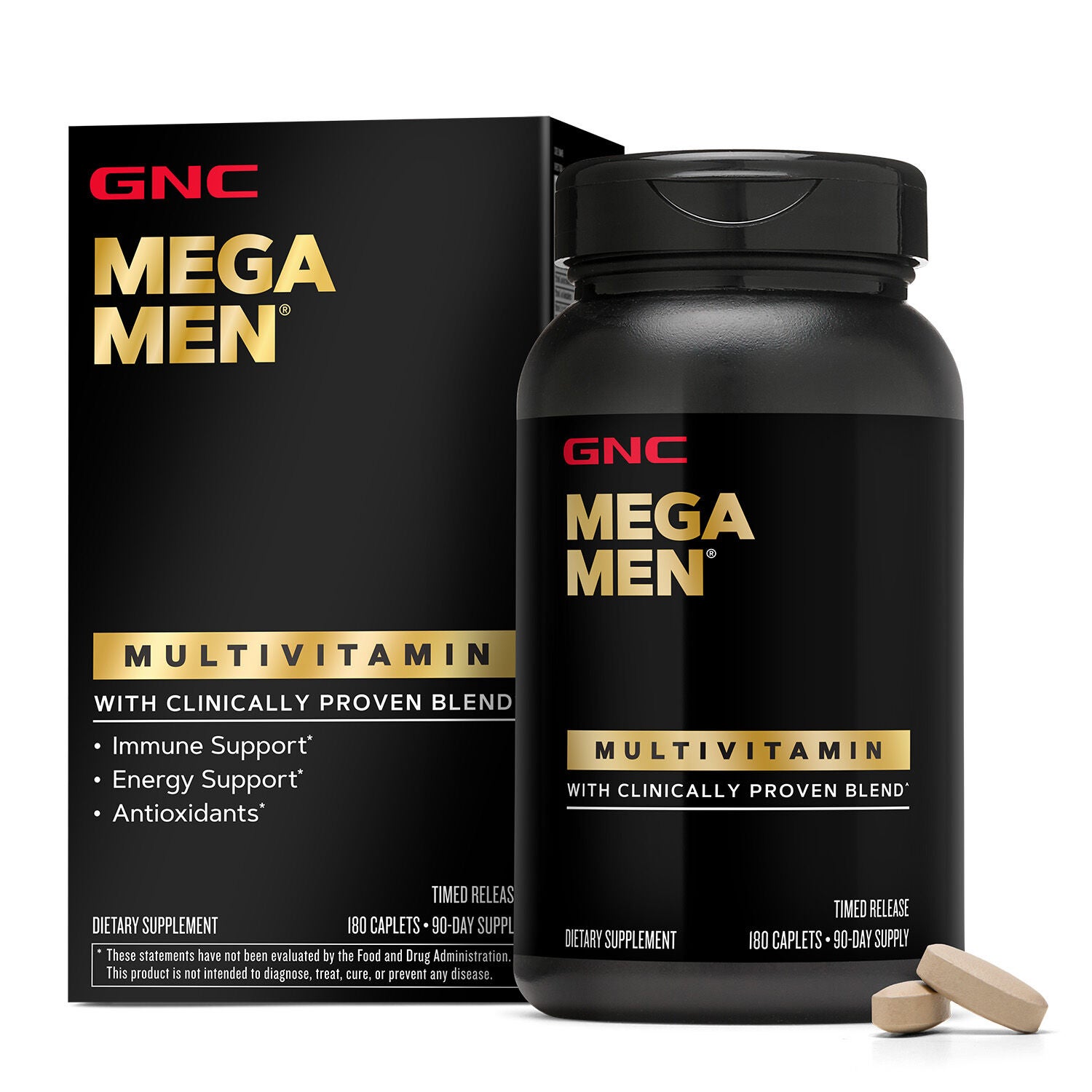 GNC Mega Men
 -
GNC Mega Men
-
 GNC Mega Men
 -
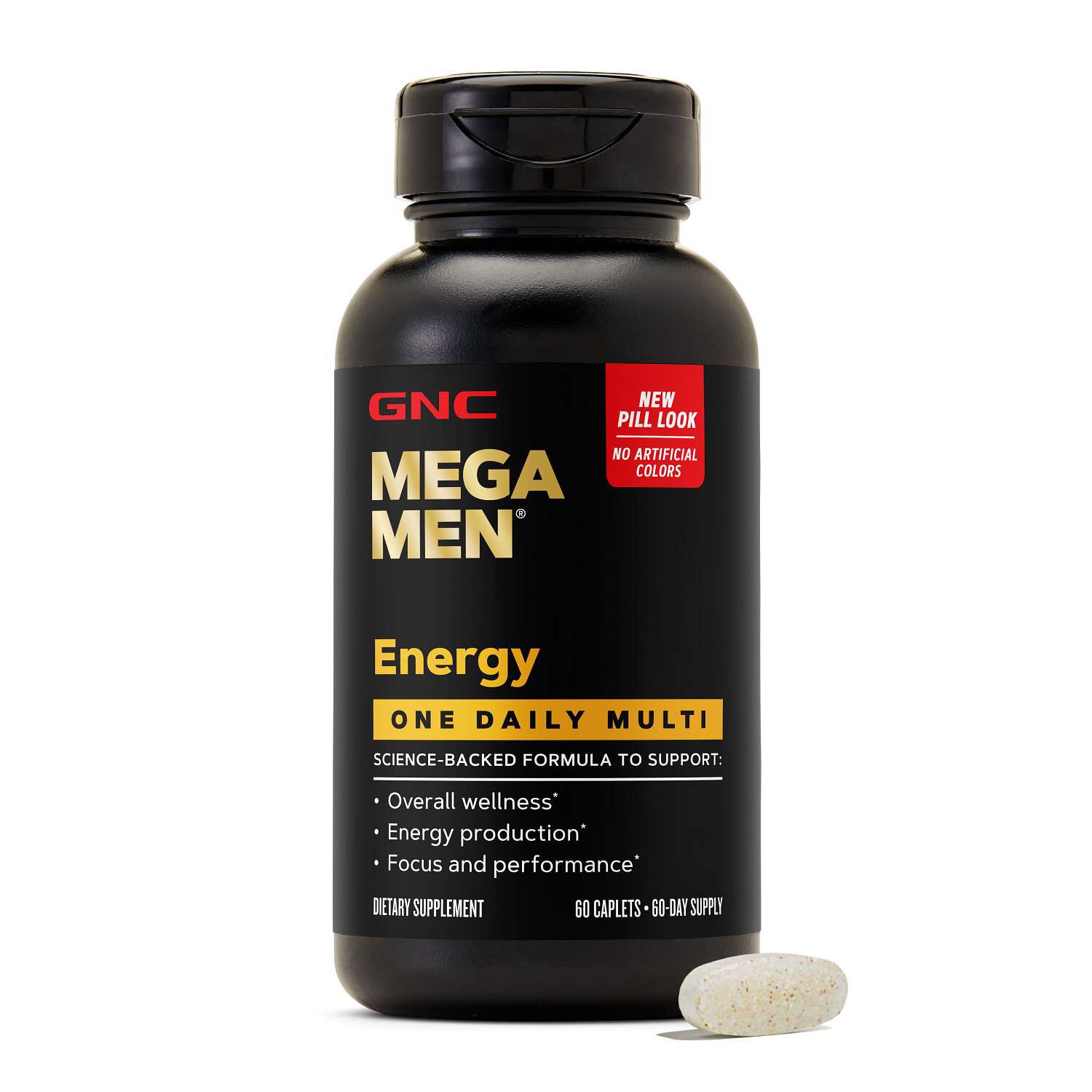 GNC Mega Men