





Time Release Vegetable Capsules For Metabolism Support
(0 Results)
Time release vegetable capsules for metabolism support offer a convenient way to support your wellness routine throughout the day. Designed with plant-based ingredients, these capsules may provide a steady supply of nutrients to complement your active lifestyle. Whether you’re looking to maintain your energy levels or simply seeking an easy addition to your daily regimen, time release vegetable capsules for metabolism could be a beneficial choice for those interested in mindful nutrition. Explore options that fit your needs and discover how these innovative supplements might help you stay on track with your health goals.
-
-

-

-
 185$24.99
-
-
-

-

-
-
-

-

-
 GNC Total Lean$29.99
-
 $44.99
-
-

-

-

-
-

-

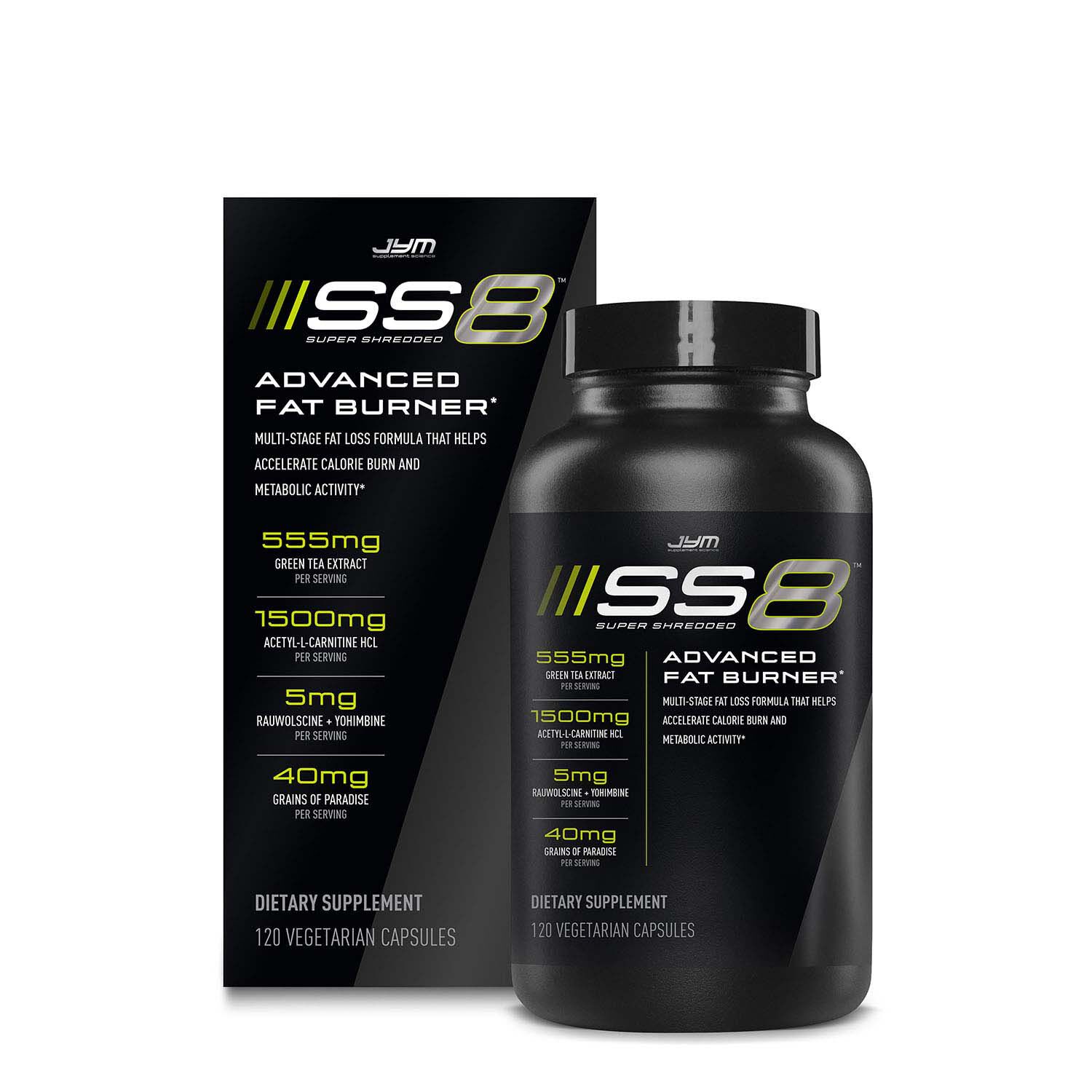


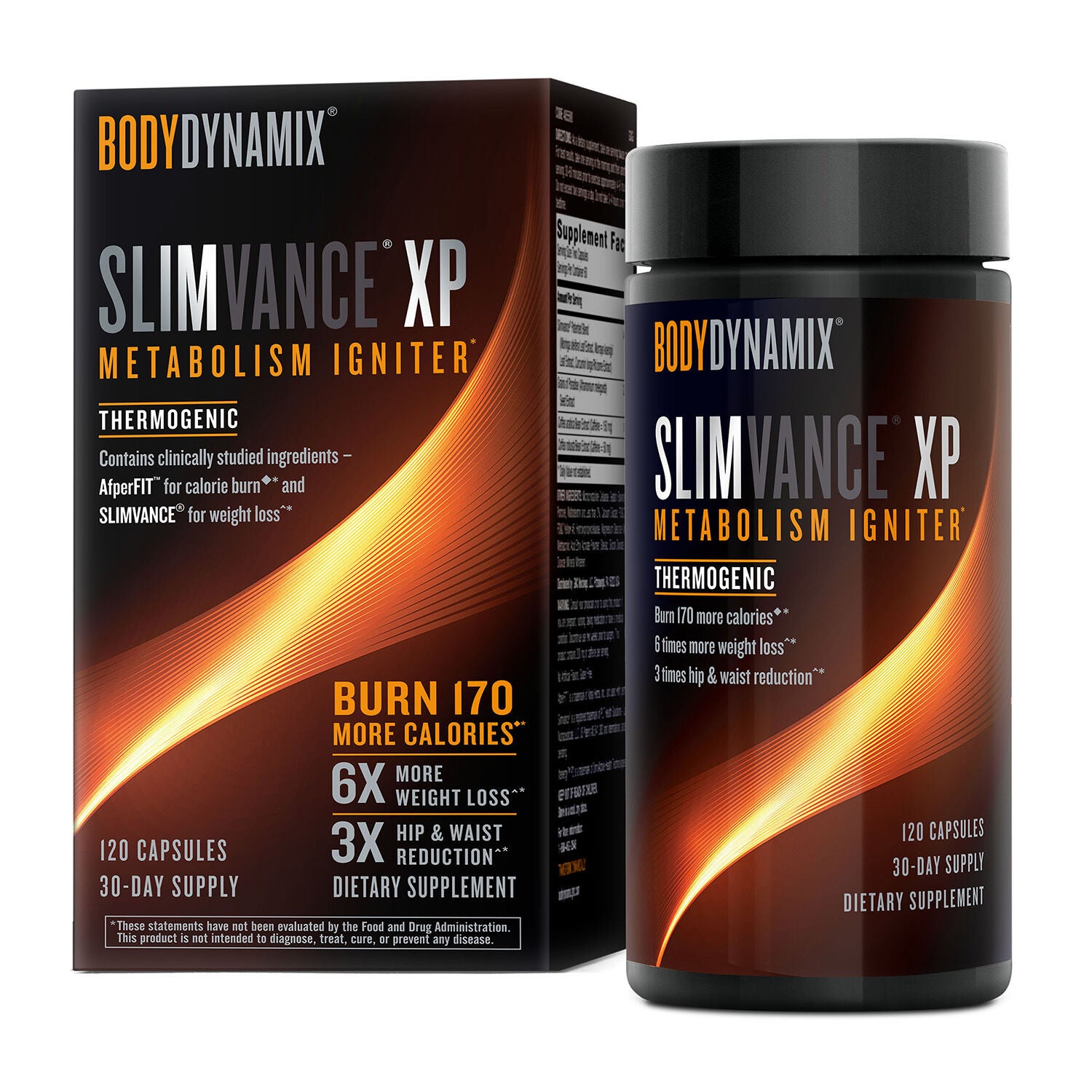
Time-release vegetable capsules for metabolism support combine two distinct product characteristics: a plant-derived capsule shell and a formulation designed for gradual ingredient delivery. The vegetable capsule shell is often made from hypromellose, also called hydroxypropyl methylcellulose or HPMC, a cellulose-derived material used as an alternative to gelatin. The time-release feature is separate from the shell’s plant origin. Depending on the formulation, ingredients may be released over an extended period rather than becoming available all at once. That distinction matters because a vegetable capsule is not automatically a time-release capsule, and neither description alone establishes protection from stomach acid. Specific release characteristics depend on the finished formulation and the information provided on its label. Metabolism refers to the body’s ongoing processes for using nutrients and converting food into usable energy; it is not simply another term for weight management. Depending on their ingredients, supplements in this category may provide nutritional support for normal energy metabolism, but the capsule format alone does not determine their suitability for a particular routine. Formulas may contain nutrients such as B vitamins, botanical ingredients such as green tea extract, or caffeine, with each ingredient contributing a different consideration when comparing labels. A formula’s stated release duration, ingredient amounts, and serving directions are more informative than assumptions based on capsule appearance. Even two capsules with similar-looking shells can contain very different blends. For shoppers who prefer plant-derived capsule materials and are interested in metabolism support, this category brings those preferences together without making every formula interchangeable. The clearest starting point is the distinction between what surrounds the ingredients, what the formula contains, and how the finished capsule is described as releasing its contents. Each answers a different shopping question, and none should be inferred solely from the others. A description such as “vegetable capsule” speaks to the shell material, while wording about gradual release addresses a separate aspect of the formulation.
Ingredient details deserve as much attention as the delivery format. The Supplement Facts panel identifies the serving size and the listed amounts of nutrients or other dietary ingredients, while the other-ingredients list provides information about the capsule shell and additional formulation materials. A serving may consist of more than one capsule, so capsule count and serving count are not necessarily the same. That difference is useful when comparing bottle sizes or considering how a supplement would fit into an established routine. For example, an adult who organizes supplements in a weekly container may prefer clearly stated serving directions, while someone who carries a bottle between home and an office may place more emphasis on packaging and capsule dimensions. Physical size is a separate consideration from the number of capsules in a serving; a smaller serving count does not necessarily mean a smaller capsule. Plant-derived shell materials also do not establish that every ingredient meets a vegetarian or vegan preference. Any dietary designation should be checked against the finished formula rather than inferred from the word “vegetable.” With botanical blends, the named plant, extract description, and disclosed ingredient amounts can help distinguish otherwise similar descriptions. When caffeine is present, the amount per serving is another relevant comparison, especially for shoppers whose routines already include coffee, tea, or other caffeinated beverages. A time-release description should not be read as meaning that caffeine is absent or that every formula has the same characteristics. Shoppers comparing delivery formats can also explore Rapid Release Weight Loss Capsules, while keeping release terminology separate from expectations about body weight. Rapid release and time release describe different formulation approaches; neither term by itself establishes a particular outcome. Comparing the actual ingredient lists, capsule materials, and labeled directions gives those terms useful context. A clear comparison rests on the information disclosed for each formula, not on the expectation that one delivery format is universally better for every adult or every schedule.
Everyday practicality also matters when choosing time-release vegetable capsules for metabolism support. An adult with a predictable breakfast routine may evaluate serving directions differently from someone whose meals and work hours vary. Instructions about serving frequency, food, and capsule handling belong alongside ingredient preferences in that comparison. Time-release wording does not establish that a formula is intended for any particular time of day, and a stated release period should not be treated as an instruction to change the serving schedule. Capsule handling warrants similar attention: opening, chewing, or crushing a time-release capsule could alter its intended delivery characteristics, so the labeled directions are an important part of assessing whether that format suits personal preferences. Someone who prefers mixing supplements into food or beverages may find that a capsule designed for use intact is a less convenient match. Care after purchase is straightforward but worth considering. The original container keeps the ingredient panel, directions, lot information, and date markings together, making it useful beyond the first serving. Storage directions also help identify a suitable place for the bottle. A cabinet away from a sink is a different environment from a bathroom shelf exposed to frequent moisture, and a securely closed lid may help protect the contents from humidity. Changes in capsule appearance or condition are not a reason to assume that the contents remain suitable; package information and manufacturer guidance provide the relevant reference. These practical details belong within a broader approach to nutrition rather than replacing attention to meals, movement, and rest. A supplement may fit an adult’s wellness routine, but its release format does not establish a particular experience or result. The most useful comparison brings the details back together: a plant-derived shell that matches dietary preferences, a clearly described ingredient profile, understandable release information, manageable capsule dimensions, and directions that suit the intended use. Those concrete features make the category easier to evaluate without relying on sweeping claims about metabolism or expecting the capsule shell to explain everything inside.
Best Sellers

Related Pages

Top Collections
- Joint Mobility Supplement Packs
- Daily Collagen Supplements | Top Brands & Deals | GNC
- GLP 1 Support For Adults
- Zinc Supplements | Top Brands at Great Prices | GNC
- Supplements For Yoga Joint Flexibility
- Supplements For Balance
- Capsule Supplements For Energy And Stamina
- Adult Mobility Supplements
- Chronic Fatigue Supplements
- Vitamins For Hair Loss