Tropical Flavored Whey Proteins
(0 Results)
Experience a taste of the tropics with tropical whey proteins, designed to bring vibrant flavors to your daily nutrition routine. These protein powders could offer a delicious way to support your fitness goals while adding a refreshing twist to shakes and smoothies. Whether you're looking to shake up your post-workout routine or simply enjoy a burst of fruity flavor, tropical whey proteins might be the perfect addition to your supplement lineup. Explore options that may help you stay motivated and energized throughout your day.
-

-

-

-

-

-
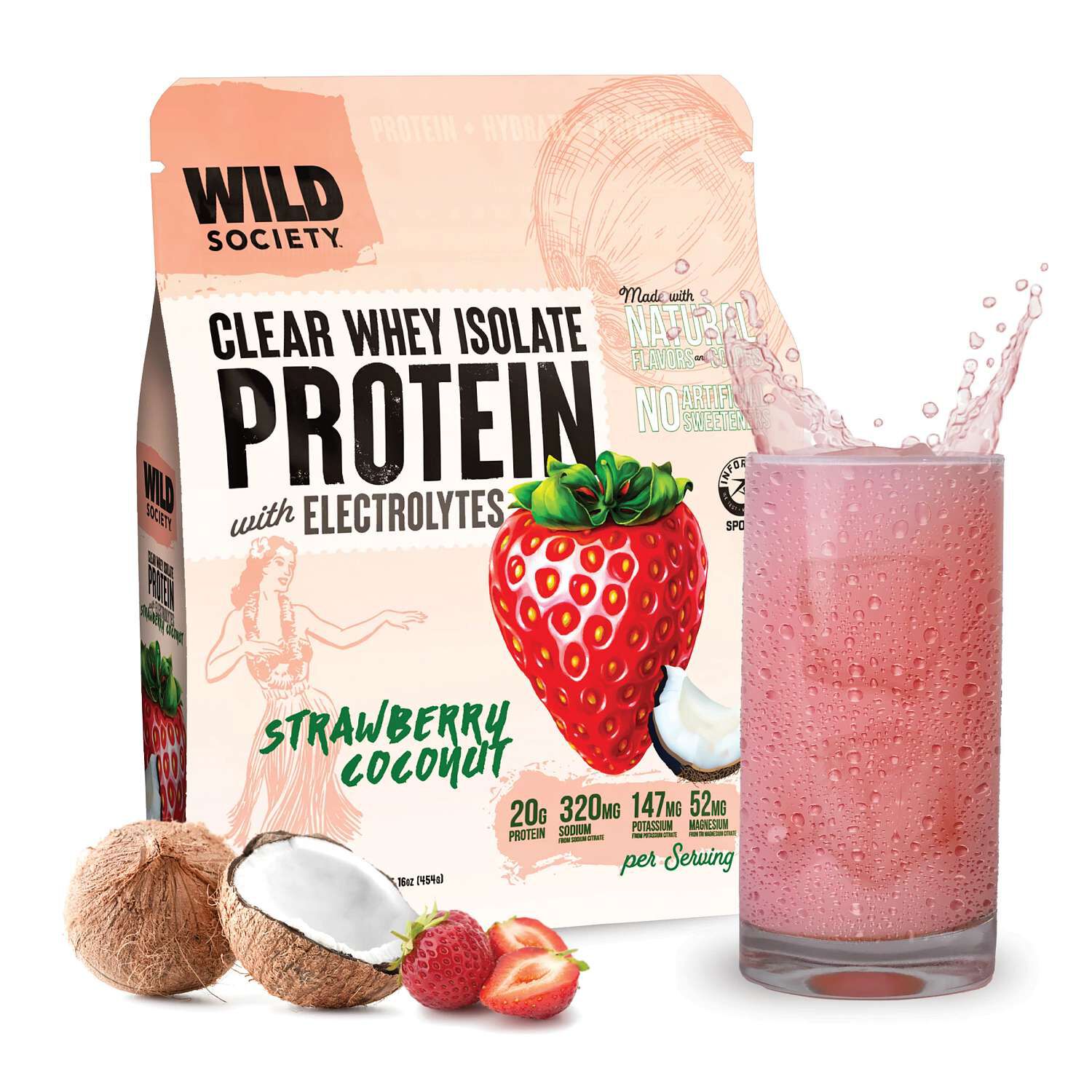 Wild Society Nutrition7$39.99
 -

-


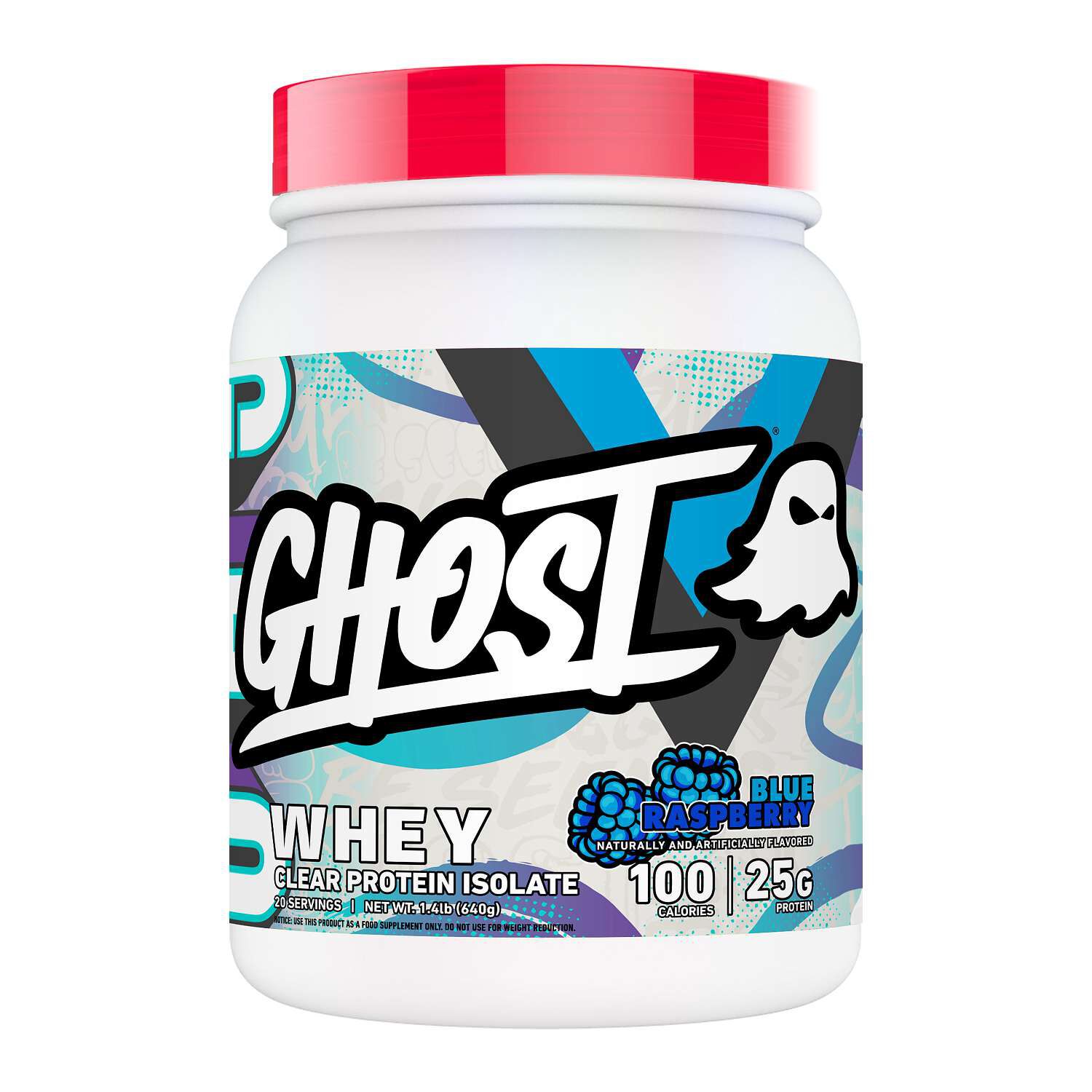
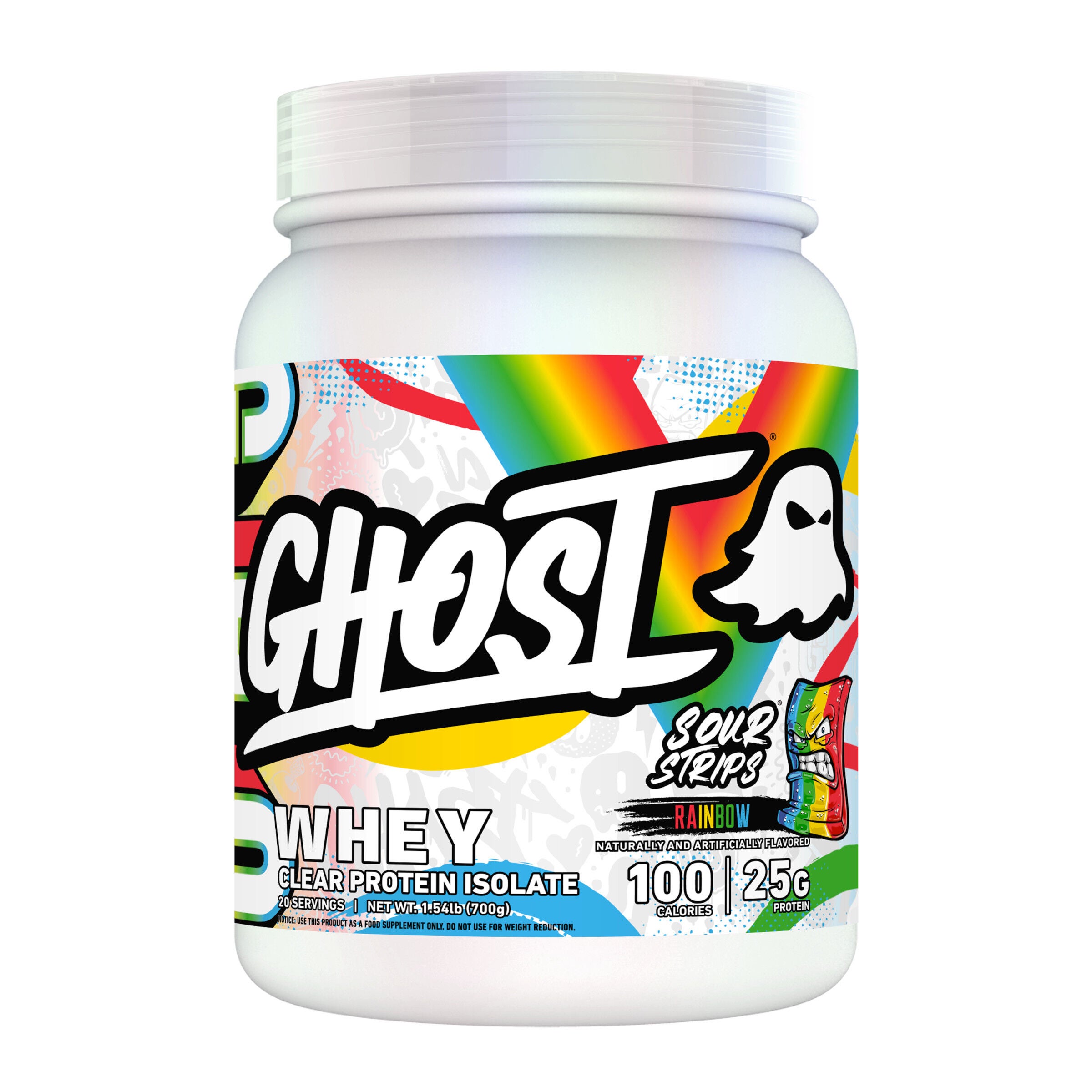
Tropical flavored whey proteins pair milk-derived protein with fruit-inspired flavors, offering an alternative to familiar chocolate and vanilla shakes. The category spans clear, juice-like drinks and creamy blends, so a tropical flavor name alone does not tell the whole story of how a powder will taste or feel when mixed. Pineapple can bring a tart, bright character, mango often suggests a rounder sweetness, and coconut adds a mellow note associated with richer tropical drinks. Tropical punch generally describes a blend of fruit flavors rather than a single-fruit profile, with the balance of sweet and tangy varying by formula. These flavors do not necessarily mean a powder contains fruit; the ingredient list identifies whether its taste comes from fruit ingredients, natural flavors, artificial flavors, or a combination. Clear whey formulas are commonly made with whey protein isolate and designed for mixing with water, producing a lighter texture than a conventional milkshake-style protein drink. Some use hydrolyzed whey, which has been processed into smaller protein fragments. Traditional whey powders, including those made with concentrate or blends of whey sources, are more closely associated with an opaque, creamy shake. Texture also depends on the rest of the formula and the liquid used, not just the protein source. For someone who enjoys the tart character of a fruit drink after a workout, a clear tropical whey may suit that preference. Someone who likes a thick breakfast smoothie might prefer a creamy tropical blend paired with milk or a plant-based beverage. During the cooler months, these bright flavors offer a change of pace without needing a seasonal recipe or occasion. Their appeal is as much about everyday taste and texture as it is about the amount of protein listed on the label, especially for people who want a flavor they will enjoy using regularly.
The differences among tropical whey protein powders extend beyond the flavor pictured on the container. Whey concentrate and whey isolate are both derived from milk, but isolate undergoes additional processing to remove more of the nonprotein components. Isolate typically contains less lactose and fat than concentrate, although the finished product’s nutrition and ingredients still depend on the individual formula. A clear appearance does not make whey a plant-based protein: both clear and creamy whey powders contain milk-derived ingredients. For shoppers with dietary restrictions, the ingredient list and allergen statement are more informative than a tropical name or a picture of fruit. Protein grams per serving, serving weight, calories, carbohydrates, sugars, and fat provide useful points of comparison because scoop sizes are not uniform across powders. Sweeteners also shape the drinking experience. Some formulas use sugar, some use other sweeteners, and some combine several ingredients to create their particular balance. A tart pineapple-style drink can taste quite different from a soft coconut-style shake even when their protein amounts are similar. Ingredients used for thickness, color, and flavor contribute to those differences, too. The amount and type of mixing liquid further influence the finished drink: more water generally creates a less concentrated flavor, while less liquid makes the taste more pronounced. Milk usually gives a creamy powder a richer texture than water, and plant-based beverages vary considerably in sweetness and consistency. Package directions provide the starting liquid amount and preparation method for each formula. Clear whey can become foamy after shaking and may need a short settling period before drinking, while conventional whey often retains a more familiar shake-like appearance. Neither style needs to match the other to be enjoyable. A person packing a shaker for an afternoon at the gym may value a water-mixed format, while someone blending a drink at home may care more about how the powder tastes with yogurt, banana, or oats. Those practical details help distinguish tropical whey proteins that otherwise sound similar by name.
Everyday use gives tropical protein flavors their own character. A creamy mango-style powder blended with plain yogurt and ice has a different texture from a clear fruit-flavored whey stirred or shaken with cold water according to its directions. Coconut notes pair naturally with banana and milk in a smoothie, while a tart tropical profile may appeal to someone who prefers a lighter-tasting drink alongside a meal or following an exercise session. Additional ingredients change the drink’s nutrition as well as its taste, so a powder’s label describes the powder serving rather than every possible smoothie made with it. For shoppers drawn specifically to blended fruit flavors, Tropical Punch Proteins offers a related flavor category to explore. Within tropical whey, intended use often comes down to the setting: a desk-side shaker, a blender on the kitchen counter, or a portion packed separately for mixing after a recreational workout. Whey powders may offer a convenient way to add protein to an eating routine, but the most suitable format also depends on personal taste, ingredient preferences, and preparation habits. Container size matters in that routine, particularly when kitchen storage is limited or several flavors share a shelf. Larger containers need enough room for secure storage, while smaller formats may fit more easily into a compact pantry or a travel bag. Powder keeps best when stored as directed, with the lid closed tightly and the container protected from moisture and excess heat. A clean, dry scoop helps keep water out of the remaining powder, and a shaker that is washed and dried after use is ready for the next drink. Once mixed with perishable ingredients such as milk or yogurt, the drink needs appropriate refrigeration rather than extended time in a warm bag. From the first sip to the way a container fits into a weekly routine, tropical flavored whey proteins bring together fruit-inspired taste, a choice of textures, and practical preparation options for a range of everyday preferences.